

Lab by Sergi Arola holds one Michelin star inside the Penha Longa Resort at the edge of the Sintra-Cascais Natural Park. The dinner-only restaurant runs three tasting menus combining progressive Spanish technique with Portuguese regional produce and Cape Verdean influence, opening each meal with a spread of regional tapas arranged on a table shaped like Portugal. Ranked 596 among Europe's top restaurants by Opinionated About Dining in 2025.
Pearl is the En Primeur Club membership app — saves, bookings, and concierge access live there. Same editors, same standards.
- Address
- Quinta da Lagoa Azul, 2714-511 Sintra, Portugal
- Phone
- +351 21 924 9011
- Website
- labbysergiarola.com
- Directions
- Get directions
 Saves & bookings on Pearl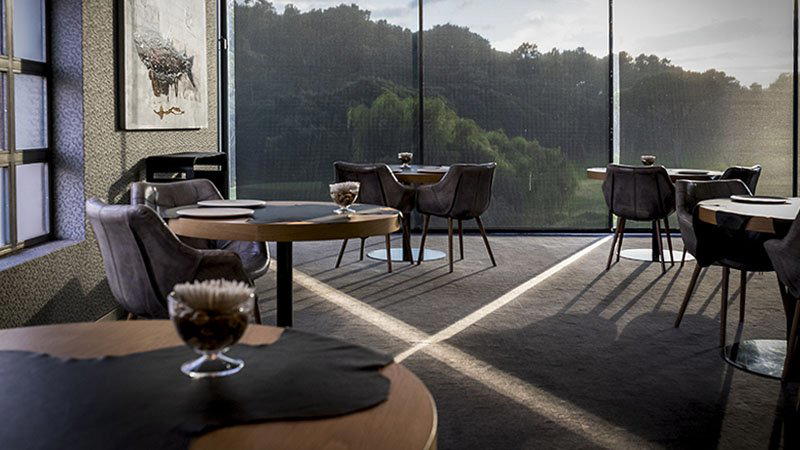
Where the Sintra Hills Meet the Spanish Table
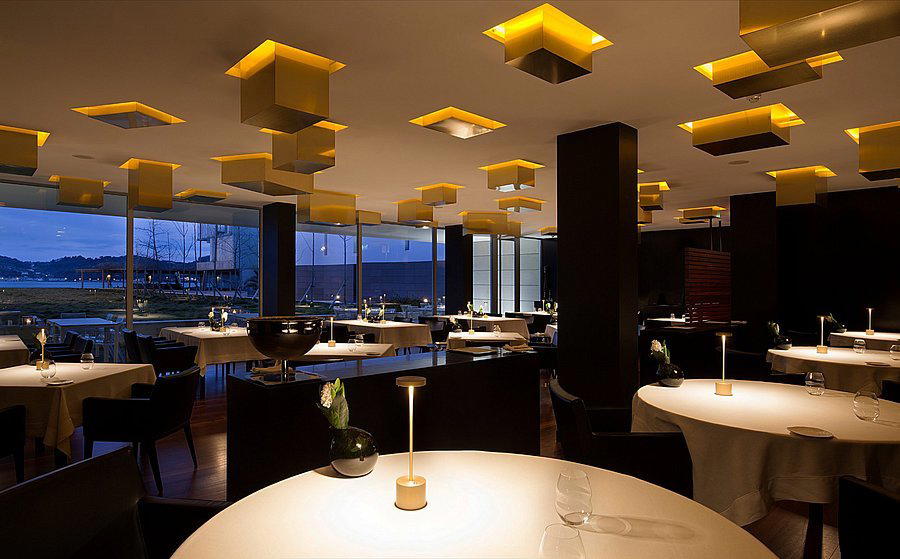
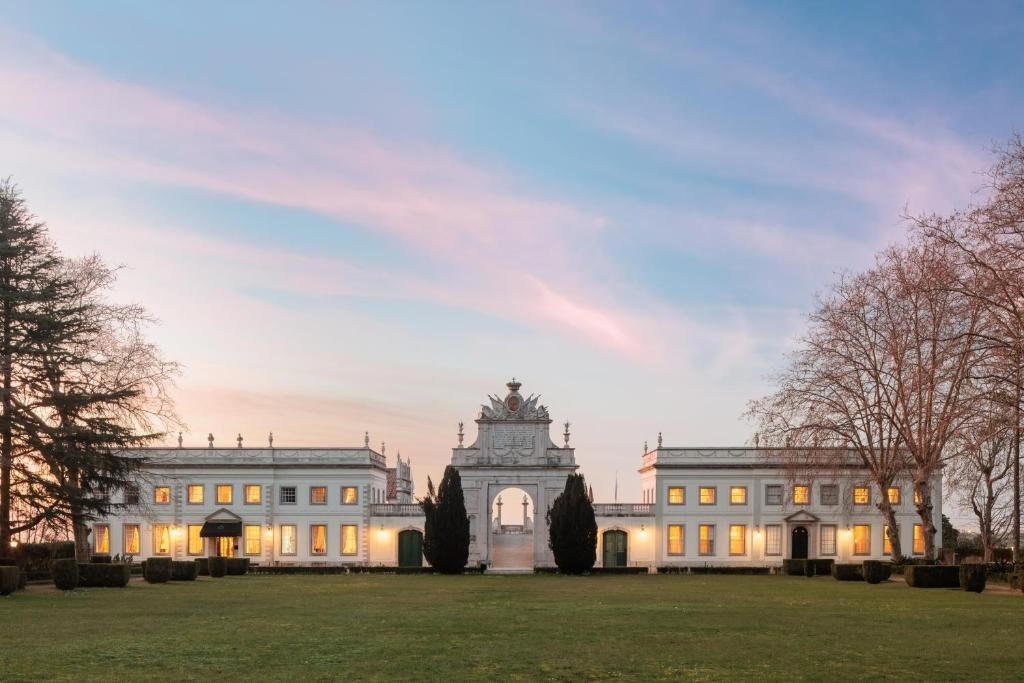
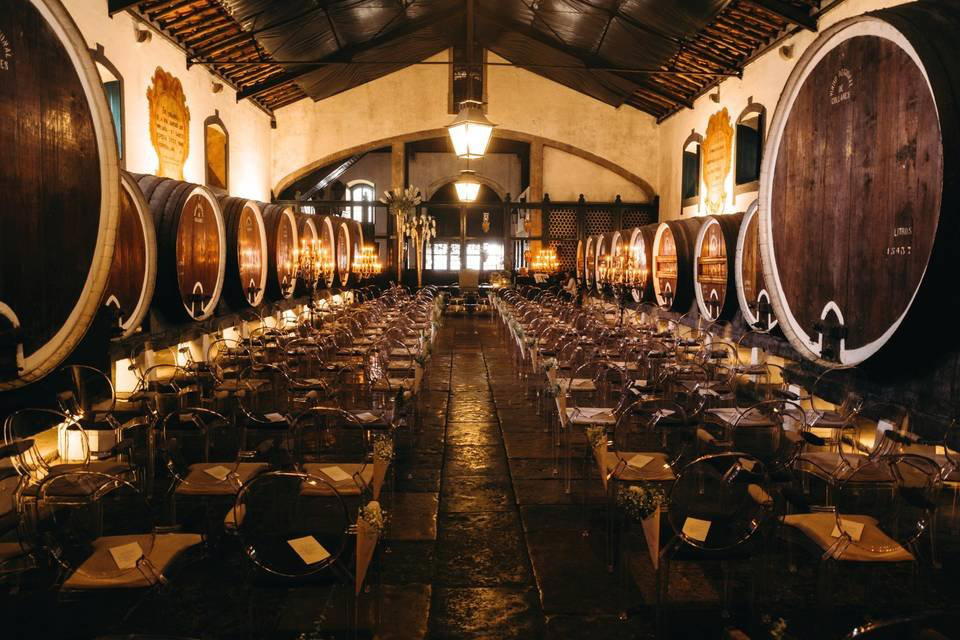
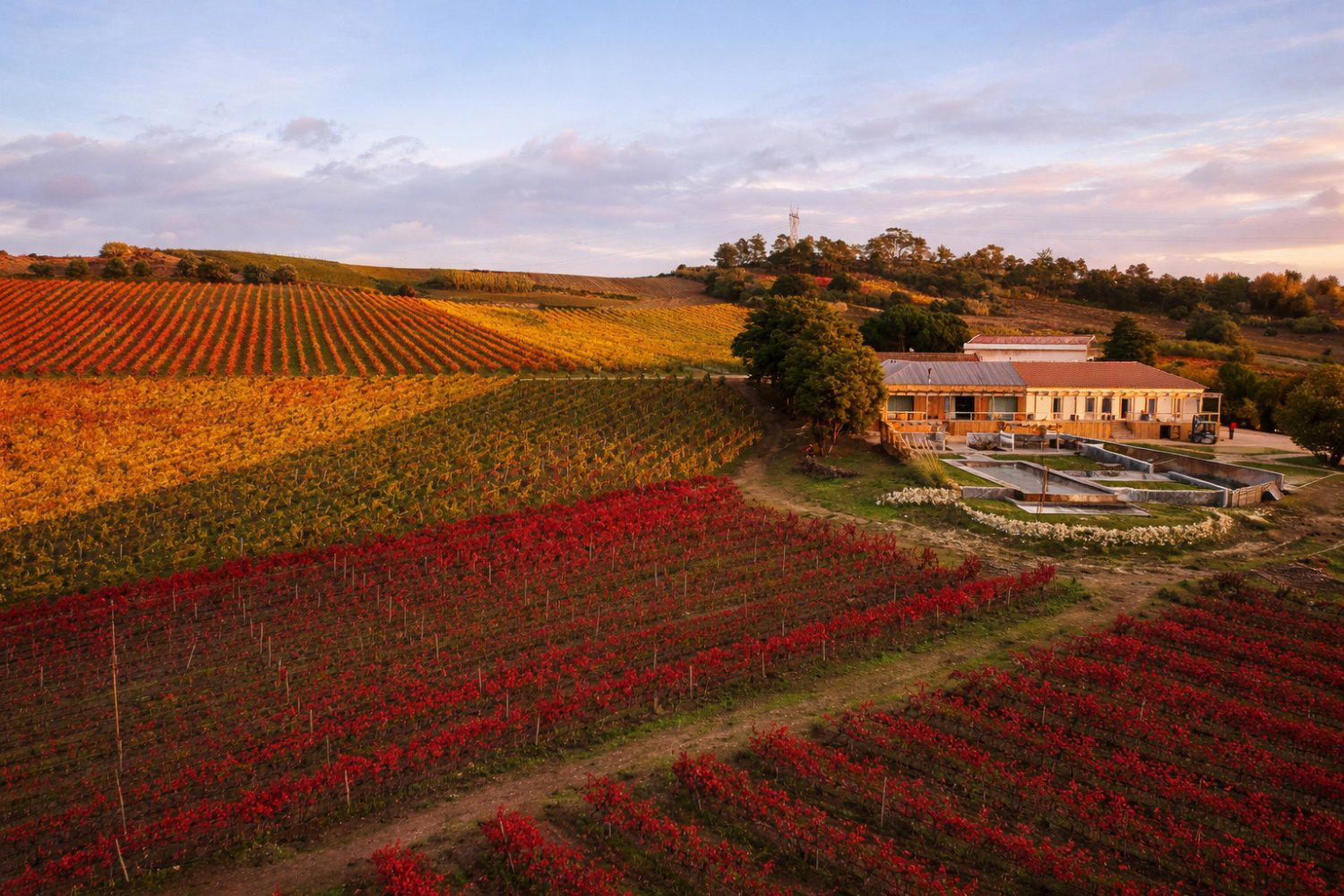
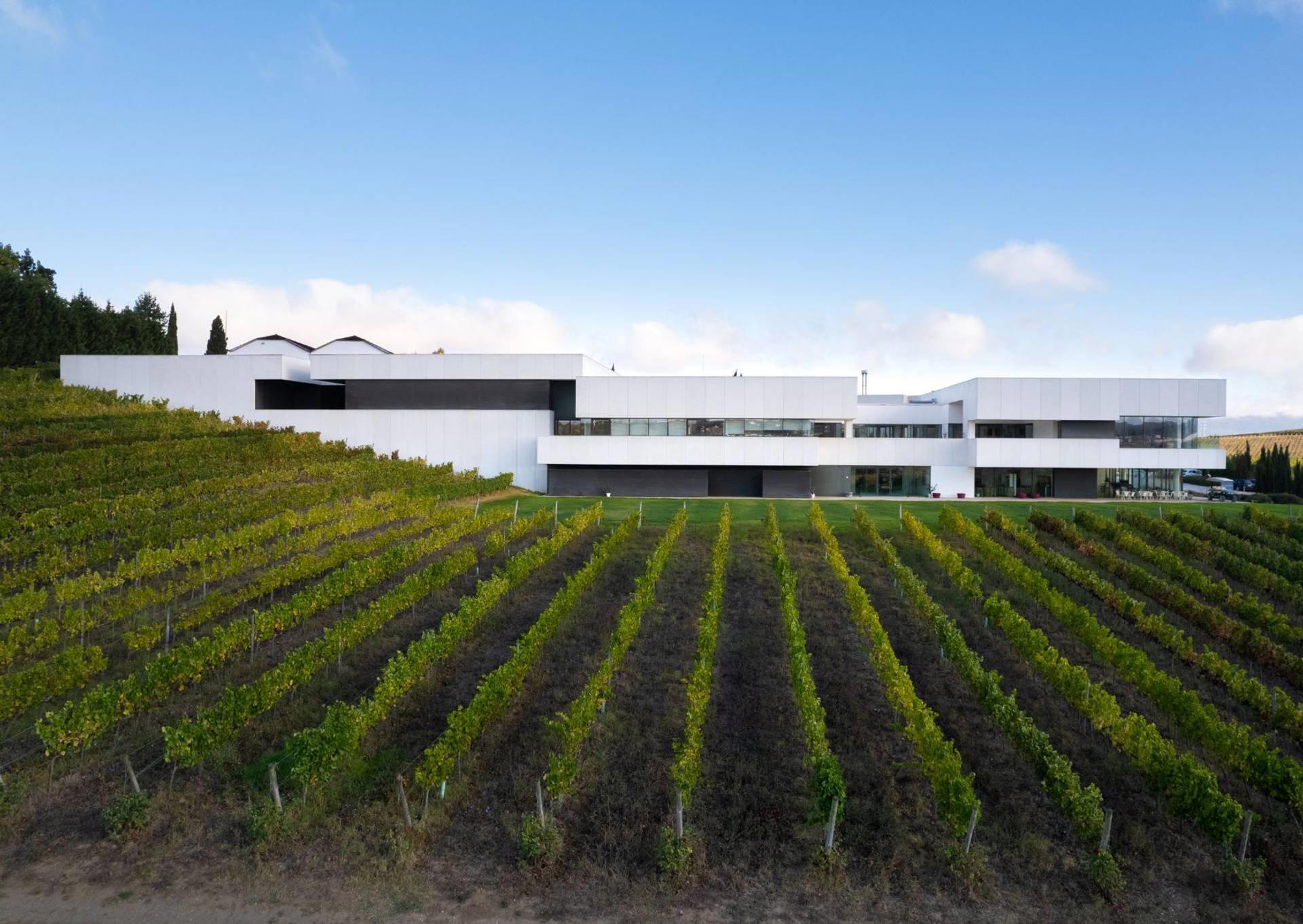
The approach to Penha Longa Resort along the edge of the Sintra-Cascais Natural Park sets a particular kind of expectation. The Atlantic light filters through Atlantic forest, the road curves past stone walls that have stood since the fourteenth century, and by the time the resort's grounds open up, the golf course greens extend toward the treeline in a way that signals you have left the tourist circuits of Sintra town behind. Lab by Sergi Arola occupies a modern dining room within that setting, with a glass-walled wine cellar visible from the floor and views over the course that shift from pale afternoon gold to deep green as the evening service begins.
The Table Shaped Like Portugal
In the broader tradition of Spanish creative cooking, the aperitivo moment has long carried as much weight as the courses that follow it. The meal at Lab does not begin at your table. It begins at a larger one: a surface fashioned in the shape of Portugal, spread with small preparations representing the country's regional larder. Algarve prawns sit alongside Bairrada suckling pig, Serra da Estrela cheese, and Trás-os-Montes alheira sausage, among other references that shift with the season and the kitchen's current thinking. The resident chef, Vladimir Veiga, brings Cape Verdean influence into this mix, adding a layer of Lusophone geography that extends the conversation beyond the Portuguese mainland.
This format belongs to a broader movement in Iberian fine dining that has moved aperitivo culture from an afterthought into a structural element of the experience. At its leading, the small-plates opening does what a good sommelier introduction does: it orients the guest, establishes the kitchen's reference points, and creates a baseline before the menu proper begins. The Portugal table achieves exactly that. It is also, practically, one of the more efficient ways to cover the country's regional diversity in a single sitting, covering geographic and cultural range in bites rather than lectures.
Three Menus, One Kitchen Logic
The main dining room offers three tasting menu formats: "In Memory," "Heritage," and a vegetarian option called "The Garden." The Mediterranean current runs through all three, but the execution draws on Portuguese produce and, in certain preparations, those Cape Verdean references that Veiga contributes. The framework is consistent with how progressive Spanish creative cooking has evolved over the past two decades: a strong regional identity in the ingredients, a technical vocabulary shaped by the Basque and Catalan avant-garde, and a plating discipline that keeps individual preparations legible rather than overwrought.
For context, Sergi Arola trained within the orbit of Ferran Adrià at elBulli before building his own multi-restaurant career, which included two Michelin stars at his Madrid flagship. That lineage places Lab within a specific tradition of Spanish creative cooking that treats technique as a means to intensify flavor rather than demonstrate skill in isolation. The comparison set here includes the progressive Spanish category broadly: operations like El Celler de Can Roca in Girona and Martin Berasategui in Lasarte-Oria represent the upper end of that lineage, and Lab operates in dialogue with those references even within its Portuguese setting.
A Michelin Star in Sintra's Restaurant Scene
Portugal's Michelin-starred restaurant geography has historically concentrated in Lisbon and the Algarve, with outliers in Porto and Madeira. Sintra sits close enough to Lisbon to benefit from that city's dining energy while remaining distinct in character. Lab holds one Michelin star. These signals place it in a recognizable tier: not at the summit of the country's fine dining hierarchy, but clearly within the set of restaurants that reward a deliberate visit rather than a convenience booking.
For comparison, Belcanto in Lisbon holds two Michelin stars and operates in the capital's most competitive fine dining bracket. Vila Joya in Albufeira and Ocean in Porches hold two stars and anchor the Algarve's premium tier. Antiqvvm in Porto, Casa de Chá da Boa Nova in Leça da Palmeira, The Yeatman in Vila Nova de Gaia, and Il Gallo d'Oro in Funchal fill out the one-star tier across Portugal's main dining cities. Lab sits within that one-star cohort but is the only representative of progressive Spanish creative cooking in a region otherwise defined by Portuguese and Japanese formats. Midori, also at Penha Longa, covers the Japanese side of Sintra's high-end dining offer. These two restaurants together make Penha Longa one of the more concentrated fine dining destinations in the greater Lisbon area outside the capital itself.
That breadth of guest type is harder to maintain than a single-format restaurant and worth noting as a signal of operational reliability.
The Sintra Context
Sintra's draw is architectural and natural: UNESCO-listed palaces, the Pena and Quinta da Regaleira among them, and a microclimate that keeps the hills green when Lisbon is dry. The town itself has a concentrated tourist center that struggles with its own popularity on summer weekends. Penha Longa sits outside that center, within the protected park boundaries, and Lab's dinner-only format means the day-tripper traffic that defines Sintra's peak hours is largely irrelevant to the experience. Most guests arriving for dinner will either be staying at the resort or have driven out specifically, which shapes the room's atmosphere in a particular way: the tables tend toward deliberate visitors rather than walk-ins, and the pace of service reflects that.
Further south, A Ver Tavira in Tavira, Al Sud in Lagos, and A Cozinha in Guimarães represent the kind of regionally specific creative cooking that makes Portugal's restaurant map worth planning around rather than treating as incidental.
Planning Your Visit
Lab by Sergi Arola is a dinner-only restaurant operating four nights a week (Tuesday through Saturday, 7 PM to 10:30 PM) within the Penha Longa Resort at Quinta da Lagoa Azul, 2714-511 Sintra. The resort location means driving or arranging a car service from Sintra town or Lisbon is the practical approach; the site sits within the natural park and is not walkable from the train station. The price range is €€€€, and the format across all three menus is a set progression rather than à la carte. The cocktail bar and glass-walled wine cellar are integrated into the arrival experience, and the aperitivo sequence at the Portugal-shaped table is part of the reservation rather than an optional add-on.
What Regulars Order
The aperitivo table at the start of the meal functions as the kitchen's calling card, covering Portuguese regional references from north to south: Algarve prawns, Bairrada suckling pig, Serra da Estrela cheese, Trás-os-Montes alheira. Among the three menus, "Heritage" tends to draw guests with a stronger interest in product-led cooking tied to named Portuguese ingredients and traditions, while "In Memory" operates in a more expressive, personally inflected register. The vegetarian "Garden" menu receives less attention in the written record but exists as a structured option rather than an afterthought, consistent with how serious creative kitchens now treat plant-based formats.
Quick Comparison
Comparable venues nearby, for context on price, style, and recognition.
| Venue | Cuisine | Price | Awards | Notes |
|---|---|---|---|---|
| Lab by Sergi ArolaThis venue — the venue you are viewing | Modern Mediterranean Fine Dining | $$$$ | Michelin 1 Star | Not listed |
| Midori | Japanese-Portuguese Fusion | $$$$ | Michelin 1 Star | Sintra |
| ATASKAQUI | Portuguese Tapas & Wine Bar | $$ | Not listed | Sintra |
| Feitoria | Modern Portuguese Fine Dining | $$$$ | Michelin 1 Star | Torre de Belem |
| Marlene, | Modern Portuguese Tasting Menu | $$$$ | Michelin 1 Star | Santa Apolonia |
| Gusto by Heinz Beck | Modern Mediterranean Fine Dining | $$$$ | Michelin 1 Star | Quinta do Lago |
Recognition history
Dated appearances from independent guides and award organizations, with the underlying list record or original source where available.
Michelin 1 Star
Michelin
Opinionated About Dining Top Restaurants in Europe Recommended
Opinionated About Dining
Michelin 1 Star
Michelin
Opinionated About Dining Top Restaurants in Europe Ranked #596
Opinionated About Dining
Michelin 1 Star
Michelin
Opinionated About Dining Top New Restaurants in Europe Recommended
Opinionated About Dining
Continue exploring
More in Sintra
Restaurants in Sintra
Browse all →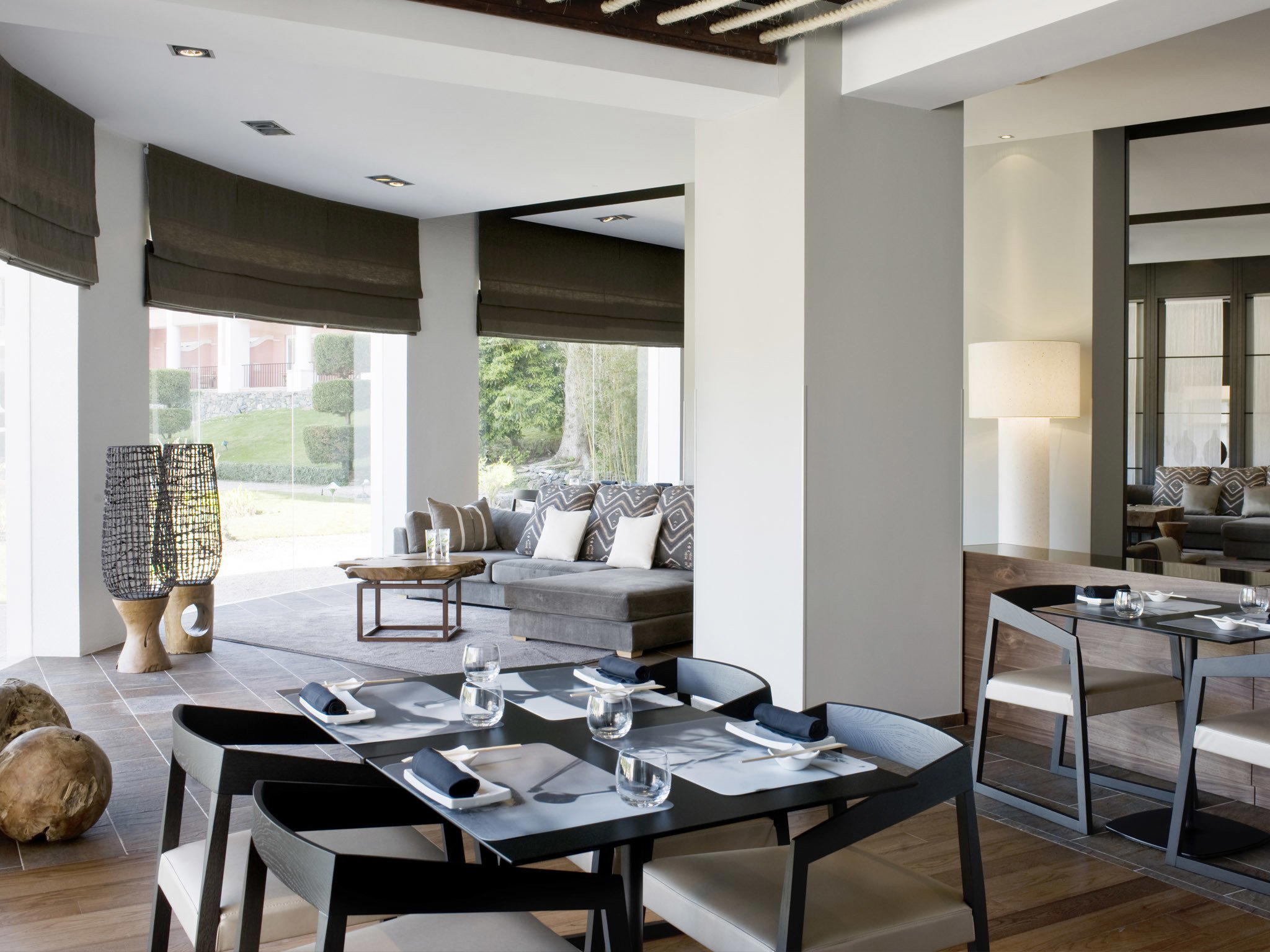
Bars in Sintra
Browse all →
Hotels in Sintra
Browse all →

At a Glance
- Elegant
- Sophisticated
- Modern
- Intimate
- Special Occasion
- Date Night
- Celebration
- Open Kitchen
- Wine Cellar
- Hotel Restaurant
- Extensive Wine List
- Local Sourcing
- Garden
Current opening hours
- Monday
- Closed
- Tuesday
- 7–10:30 PM
- Wednesday
- 7–10:30 PM
- Thursday
- 7–10:30 PM
- Friday
- 7–10:30 PM
- Saturday
- 7–10:30 PM
- Sunday
- Closed
Hours can change for holidays and private events. Last verified .
Intimate and exclusive atmosphere with modern design, glass-block wine cellar, and privileged views over the golf course and Sintra National Park.