Our verdict
De Zwaan occupies a distinct position within Hasselt's dining scene, where the city's appetite for serious cooking has steadily outpaced its national profile. Located on Kiezelstraat, it operates in a segment of Belgian provincial dining where physical setting and format carry as much weight as the plate. For visitors mapping Hasselt alongside broader Belgian fine-dining circuits, De Zwaan warrants early attention.

Pearl is the En Primeur Club membership app, where members save venues, book tables and use the concierge.

The menu
What to order
- Gebakken zeetong
- Steak tartaar
- Stoofvlees
The Space as Signal: Reading De Zwaan Through Its Address
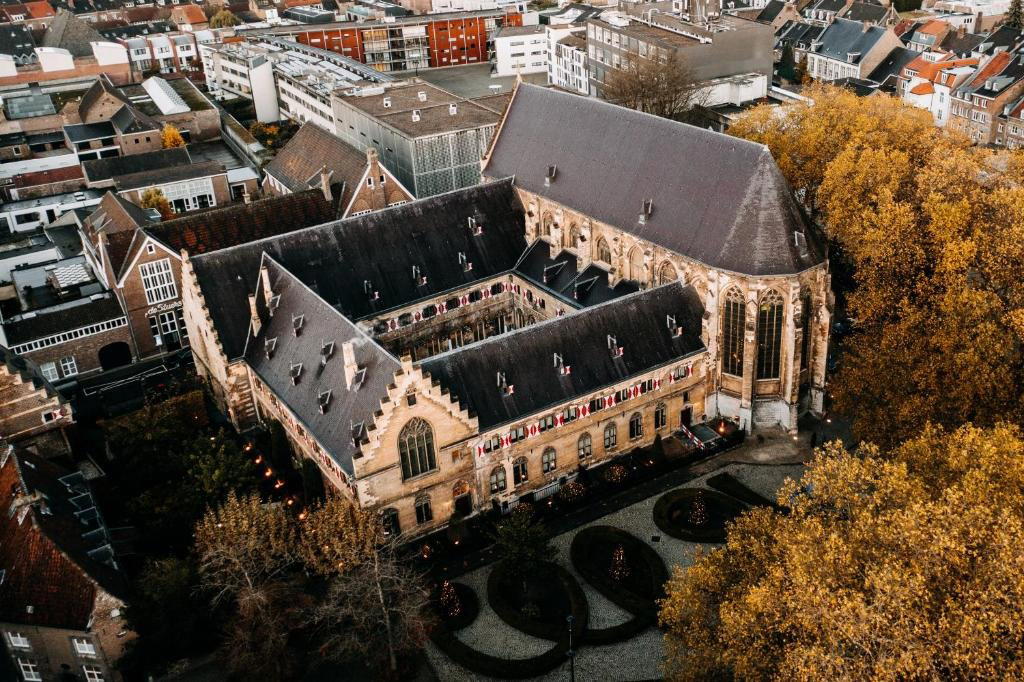
Hasselt has spent the better part of two decades building a dining identity that punches well above the city's size. With a population under 80,000, it hosts a concentration of serious kitchens that would be credible in a city three times larger. Within that context, a restaurant's physical address and architecture are rarely incidental. In Belgian provincial dining, where buildings carry centuries of civic and commercial history, the container shapes the experience before a single dish arrives. De Zwaan, positioned on Kiezelstraat in the 3500 postal district, sits within a part of Hasselt where the built environment itself makes a case for attention.
The address places De Zwaan in the broader fabric of a city that has learned to use its compact geography deliberately. Hasselt's dining scene rewards walkers, the distances between its credible kitchens are short enough that an evening can move between aperitif, dinner, and digestif without the intervention of a taxi. Kiezelstraat functions as part of that walkable circuit, a street whose residential and commercial character has gradually accommodated the kind of destination that requires prior booking rather than impulse entry.
Hasselt's Dining Tier and Where De Zwaan Fits
To understand De Zwaan's position, it helps to map the competitive field in which it operates. Hasselt's upper-mid dining segment is occupied by a small group of restaurants working at the €€€ level, including JER (Modern Cuisine) and Ogst (Modern French), both of which have established consistent followings among local and regional diners. At that price tier, expectations around technique, sourcing, and service are substantially higher than at casual neighbourhood tables. Diners arriving from Antwerp or Brussels, where references like Zilte in Antwerp and Bozar Restaurant in Brussels anchor the upper end of the market, carry calibrated benchmarks with them.
Belgium's dining culture is unusually competitive for its geographic scale. The country's Michelin density relative to population remains among the highest in Europe, and restaurants in smaller cities like Hasselt, Roeselare, and Oudenburg have increasingly attracted recognition that once clustered around Brussels and the Flemish coast. Venues like Boury in Roeselare and Willem Hiele in Oudenburg have demonstrated that provincial addresses are no longer a credibility handicap.
The Architecture of a Meal: Format and Setting
In Belgian fine dining, the physical design of a room communicates a kitchen's intentions as clearly as a menu header. The choice between an intimate counter format, a salon-style dining room, or a converted historic interior each signals something about the dining contract on offer. At the top of the Belgian market, venues like Hof van Cleve in Kruishoutem have long used grand residential settings to reinforce their position at the apex of the country's dining hierarchy. At the opposite end of the intimacy spectrum, smaller-format rooms in cities like Gent have defined venues such as Vrijmoed, where constraint of scale is itself a curatorial statement.
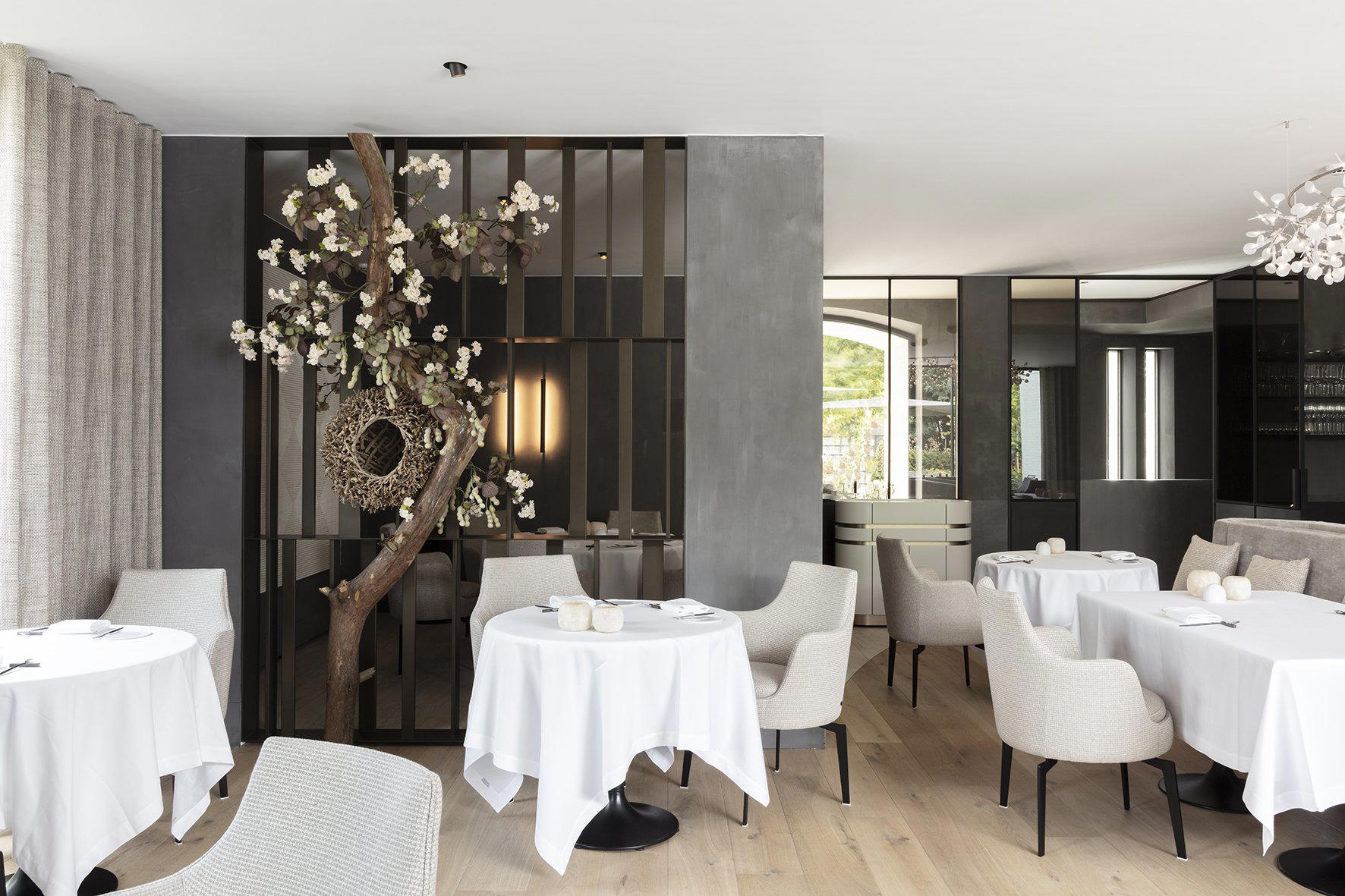
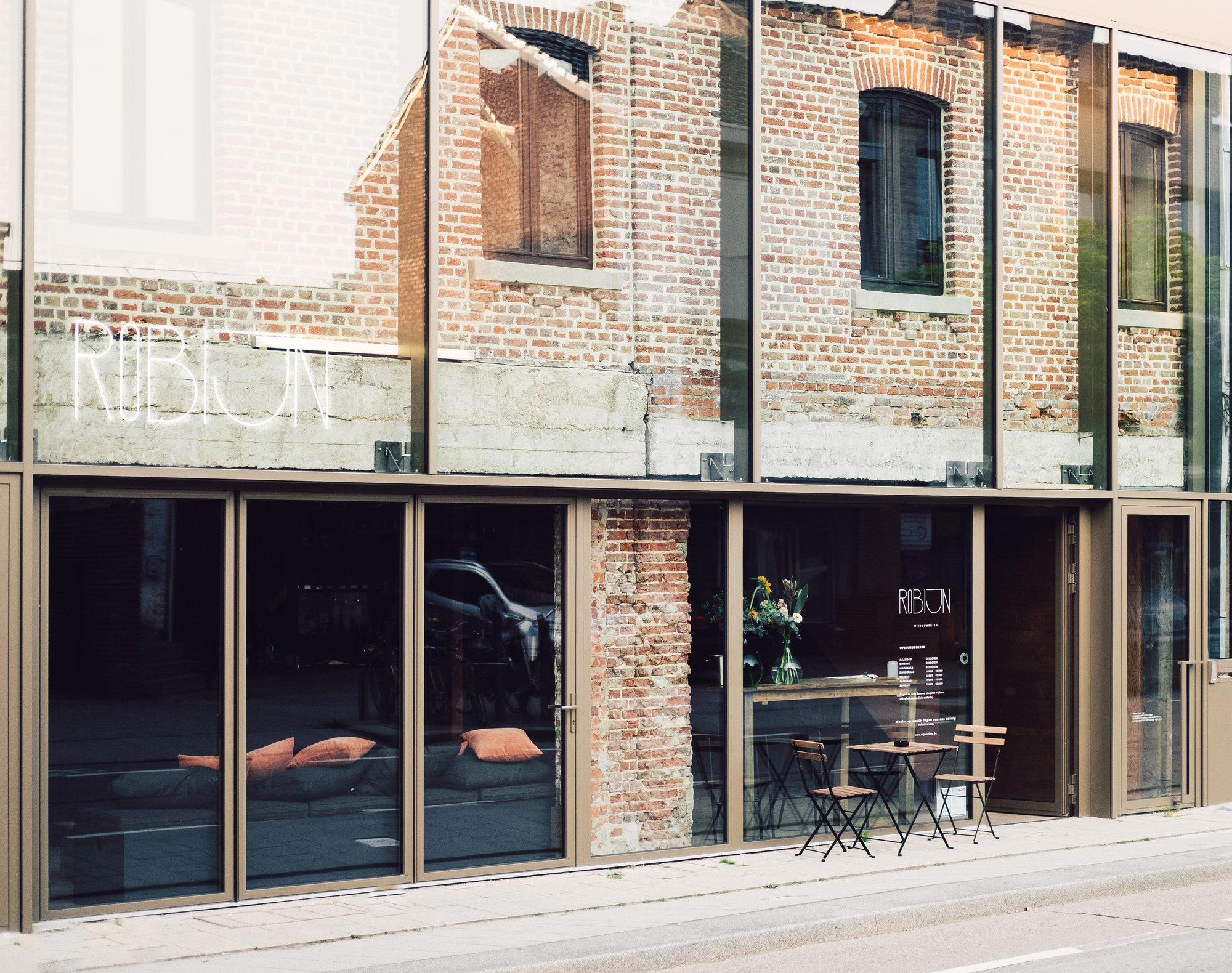
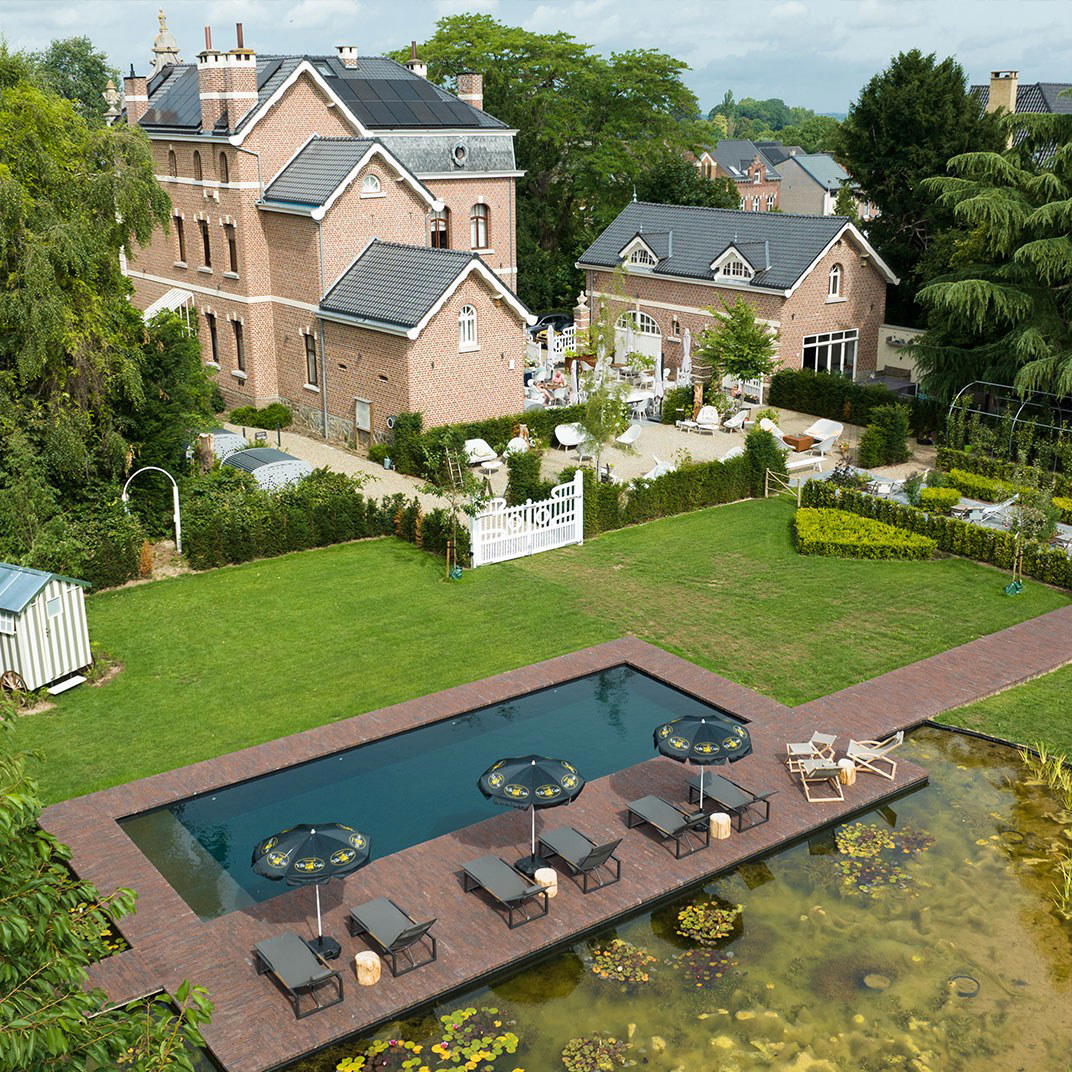
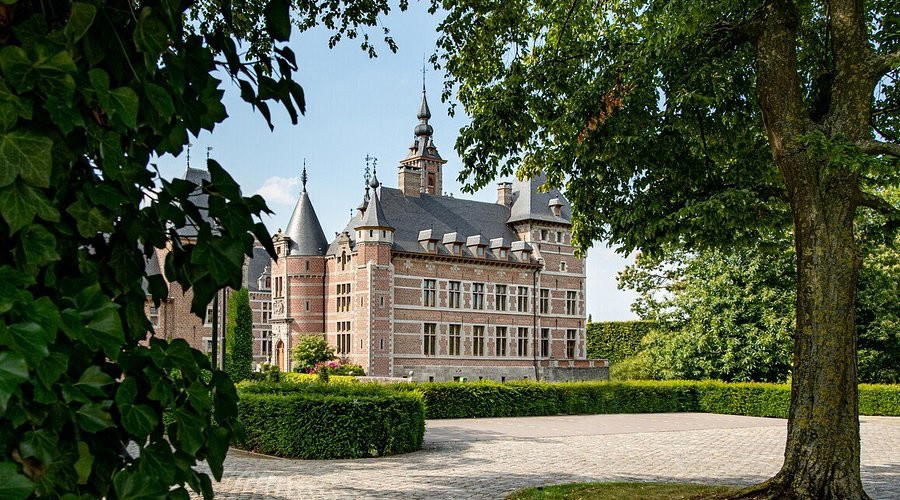
De Zwaan's setting on Kiezelstraat invites a similar reading. The street-level presence, the approach from the pavement, the transition from exterior to interior: these are the first moments of a dining experience that Belgium's better kitchens treat with deliberate care. The physical environment functions as framing, establishing the register of the meal before the kitchen has had any say. For a city like Hasselt, where diners are increasingly sophisticated and where comparison points have multiplied across the Limburg province and beyond, that framing matters considerably.
Hasselt in the Wider Belgian Dining Circuit
Hasselt sits approximately 70 kilometres east of Brussels and 40 kilometres from Antwerp, making it accessible as a day trip from either city but also coherent as a destination in its own right. The city's dining scene has grown partly because of this geographic position: close enough to Belgium's two major urban centres to attract visitors, far enough to develop its own character rather than functioning as a suburb of either. Diners who have worked through Antwerp's upper-tier restaurants, or who are building itineraries that connect Flemish dining beyond the obvious capitals, increasingly include Hasselt as a legitimate stop.
The region around Hasselt also extends the circuit further, with kitchens in nearby Limburg province and across the Dutch-speaking belt worth mapping. Cuchara in Lommel and Ralf Berendsen in Neerharen represent the kind of destinations that have built reputations outside the major Belgian cities, and their existence demonstrates the depth of serious cooking in the province. For visitors planning around De Zwaan, the proximity of these kitchens makes multi-stop Limburg itineraries practical rather than aspirational.
Hasselt's other dining options beyond De Zwaan cover several price tiers and cuisine approaches. 't Genoegen and Arlecchino represent different points on the city's dining spectrum, while ArtChoc signals the city's appetite for specialty food culture beyond the main meal. A complete picture of Hasselt's dining options is available in our full Hasselt restaurants guide.
Planning Considerations
For dining reference points at a different scale, the international tier represented by Le Bernardin in New York City and Lazy Bear in San Francisco illustrates how format discipline and booking depth function as signals of kitchen seriousness, regardless of geography. The same logic applies at the provincial Belgian level: restaurants that require advance planning rather than walk-in access have typically earned that status through consistent quality rather than manufactured exclusivity.
Specific booking windows, hours, and contact details for De Zwaan are best confirmed through current local sources, as this information is subject to change. Belgian restaurants at this tier typically operate across Thursday-to-Sunday evening service windows, with some extending to midweek lunch formats, but confirming directly remains the most reliable approach. For broader context on how Belgian provincial dining is currently developing, venues like La Durée in Izegem and d'Eugénie à Emilie in Baudour offer useful data points on what ambition looks like at a similar scale and distance from the Belgian capitals.
Frequently asked questions
What's the address for De Zwaan?
De Zwaan is located at Kiezelstraat 136, 3500 Hasselt, Belgium, Hasselt.
Is De Zwaan suitable for a dining detour from Brussels or Antwerp?
Hasselt sits roughly 70 kilometres east of Brussels and 40 kilometres from Antwerp, making De Zwaan a plausible standalone destination rather than a secondary stop. The city's dining scene has developed enough weight over the past two decades that the journey justifies the table on its own terms, not as an add-on to another itinerary.
What's the signature dish at De Zwaan?
Specific menu details for De Zwaan are not currently published through official channels. Given its address in Hasselt's upper-mid dining tier, a city that has built a serious food identity over two decades despite a population under 80,000, the kitchen is likely working within Belgium's seasonal, product-led tradition. check the venue's official channels at Kiezelstraat 136 for current menu information.
How far ahead should I plan for De Zwaan?
No public booking window data is available for De Zwaan at this time. Hasselt's stronger dining rooms typically fill two to four weeks out on weekends, and the city draws visitors from both Brussels (approximately 70 kilometres west) and Antwerp (approximately 40 kilometres northwest), which adds pressure on Friday and Saturday sittings. Contacting the venue well in advance is advisable.
What do critics highlight about De Zwaan?
Hasselt's dining circuit has attracted sustained editorial attention from Belgian food media over the past decade, and venues at this address level tend to earn recognition through regional guides before national platforms. Check back as EP Club's Belgian coverage expands.
How does De Zwaan handle allergies?
Standard practice in Belgian fine dining at this tier is to request dietary information at the time of booking rather than on arrival. Reaching out directly to the team at Kiezelstraat 136, Hasselt before your reservation is the reliable approach.
The Short List
Comparable venues nearby, for context on price, style, and recognition.
| Venue | Cuisine | Price | Awards | Notes |
|---|---|---|---|---|
| De ZwaanThis venue (the venue you are viewing) | Belgian Brasserie | $20–30 | Not listed | Not listed |
| Uw Zuster | Modern Belgian Tapas | $20–30 | Not listed | city center, Modern Belgian Tapas |
| ArtChoc | Belgian Fine Dining | $50–100 | Not listed | city center, Belgian Fine Dining |
| L'Aperi Vino | Italian Aperitivo Wine Bar | $20–30 | Not listed | Zuivelmarkt, Italian Aperitivo Wine Bar |
| 't Genoegen | Classic Belgian with French influences | $50–100 | Not listed | city center, Classic Belgian with French influences |
| De Levensboom | Plant-Based Fine Dining | $30–50 | We're Smart World 3 Radishes | city center, Plant-Based Fine Dining |
Continue exploring
More in Hasselt
Restaurants in Hasselt
All restaurants in Hasselt →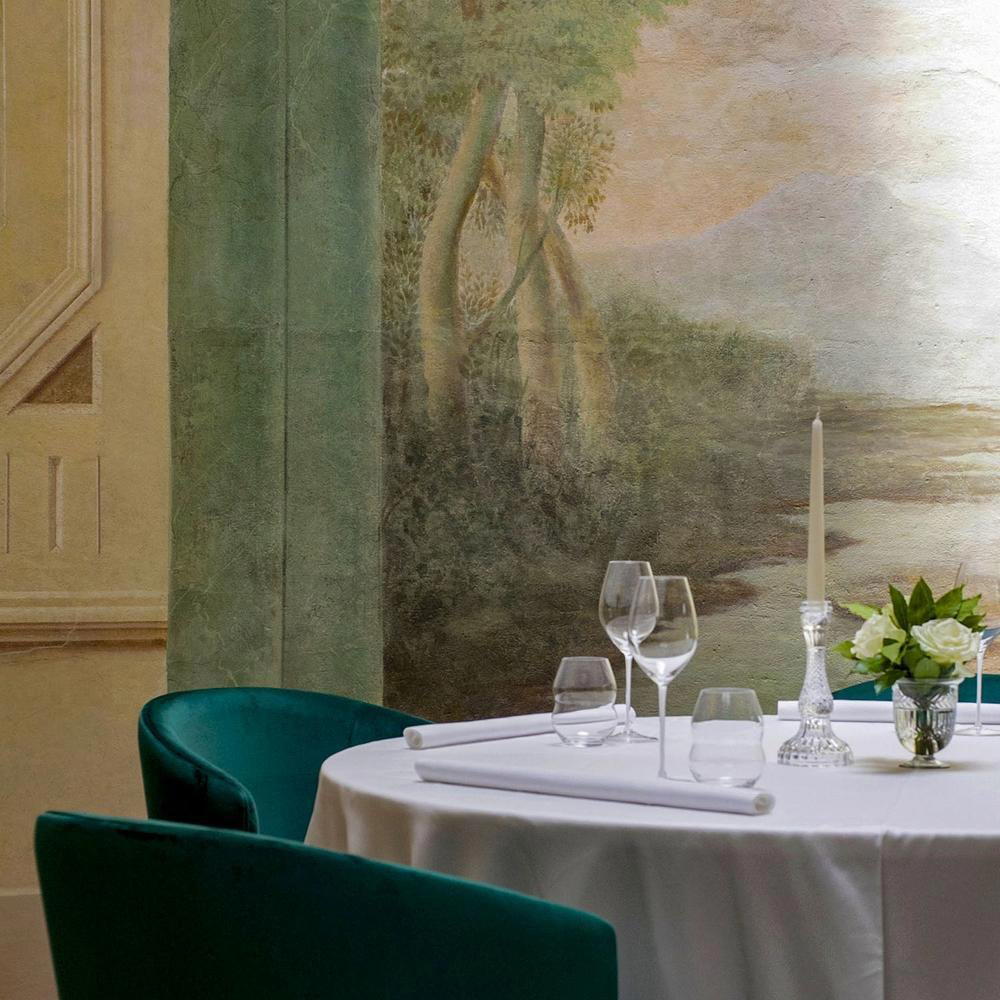
Bars in Hasselt
All bars in Hasselt →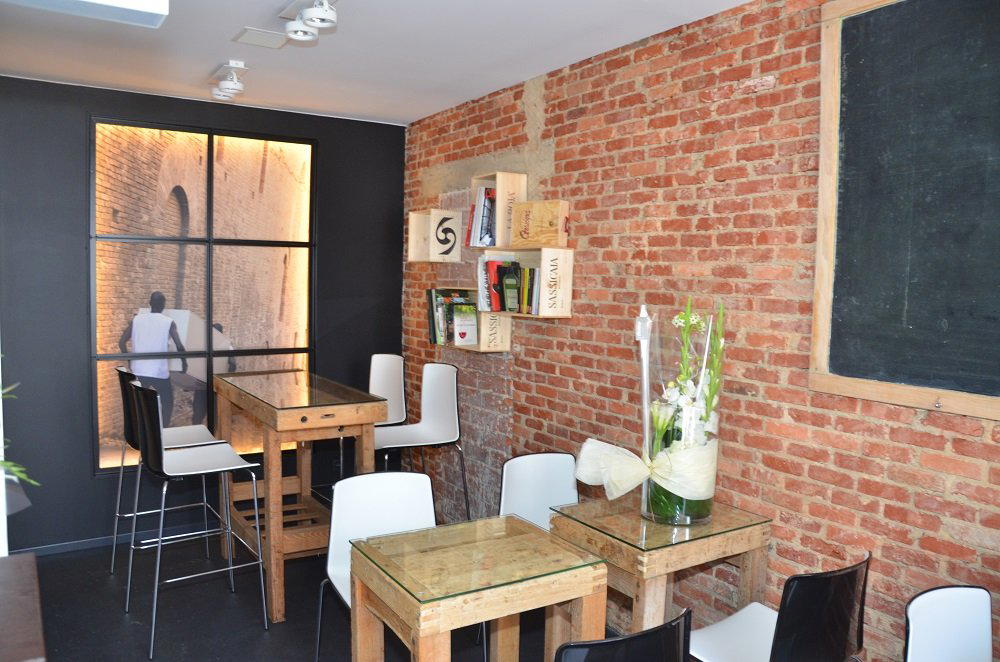

Details
- Classic
- Cozy
- Casual Hangout
- Family
- Standalone
- Extensive Wine List
- A La Carte
- Vegetarian Friendly
Current opening hours
- Monday
- Closed
- Tuesday
- Closed
- Wednesday
- Closed
- Thursday
- Closed
- Friday
- Closed
- Saturday
- Closed
- Sunday
- Closed
Hours can change for holidays and private events. Hours as of .
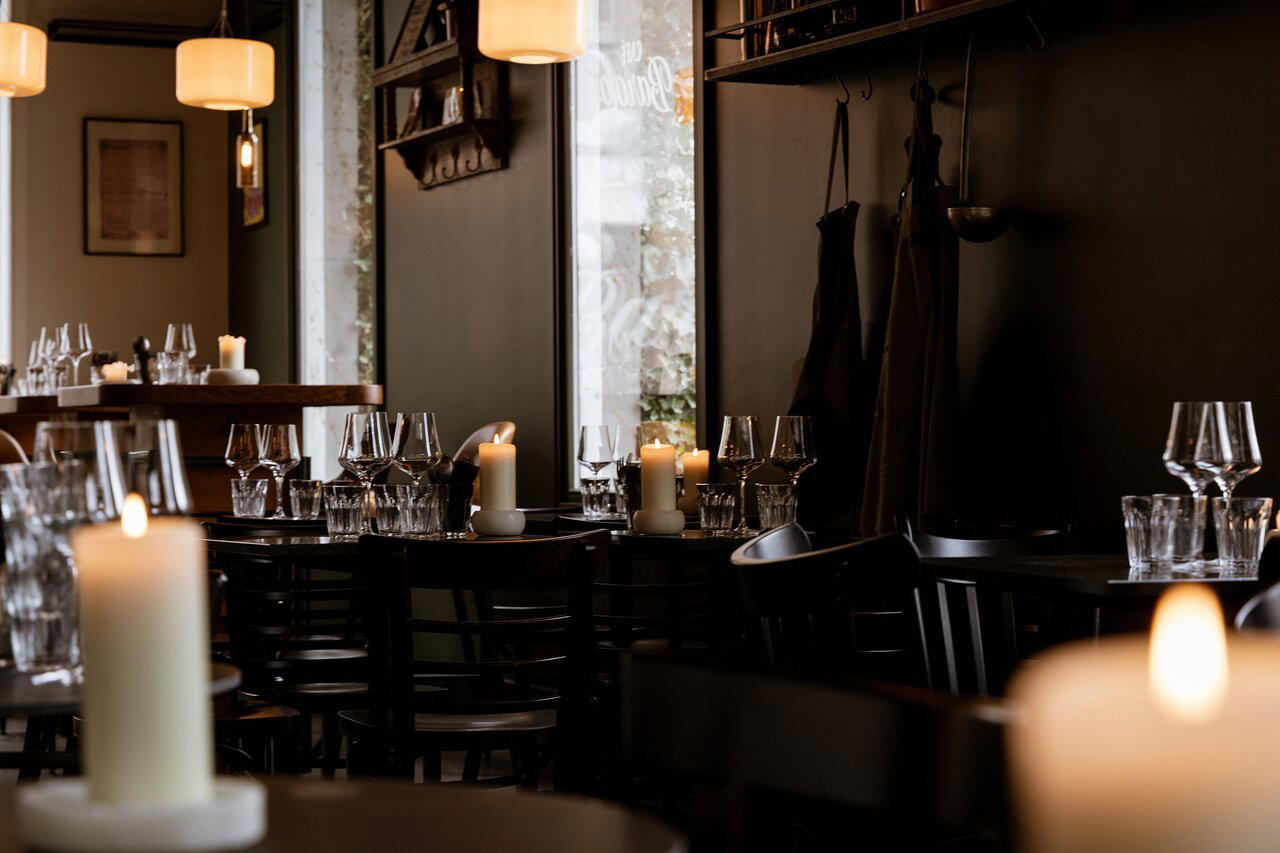
Sophisticated and modern take on a traditional Belgian bistro atmosphere.