De Wachter
De Wachter sits at Dam 35 in Alblasserdam, a small river-delta town southeast of Rotterdam where the Polder landscape still shapes what ends up on the plate. The address places it at the heart of a district with deep ties to waterway culture and regional Dutch produce traditions. For visitors exploring South Holland's quieter dining circuit, it represents a local anchor worth seeking out.
Pearl is the En Primeur Club membership app — saves, bookings, and concierge access live there. Same editors, same standards.
- Address
- Dam 35, 2952 AB Alblasserdam, Netherlands
- Phone
- +31 78 699 0177
- Website
- restaurantdewachter.nl
- Directions
- Get directions
 Saves & bookings on Pearl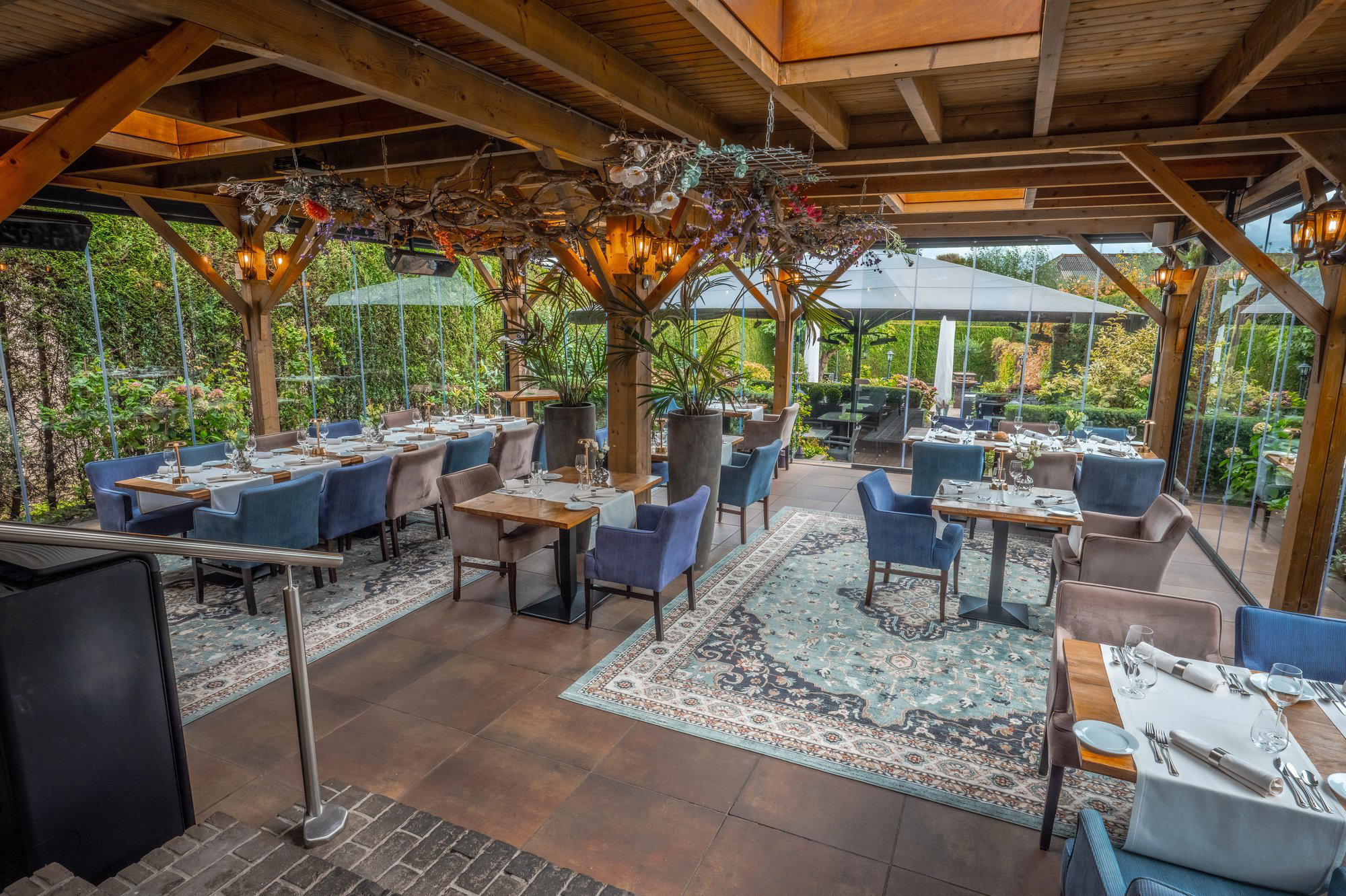
Where the River Delta Meets the Dining Room
Alblasserdam occupies a specific kind of Dutch geography that tends to be underestimated by visitors moving between Rotterdam and Utrecht. The town sits within the Alblasserwaard polder, a low-lying agricultural corridor defined by drainage canals, cattle pastures, and the kind of flat-horizon light that has shaped regional cooking for centuries. The produce traditions of this delta zone, heavy on dairy, freshwater fish, and root vegetables drawn from reclaimed land, form the culinary backbone of serious kitchens in the area. De Wachter, at Dam 35 in the centre of town, occupies this context directly: an address on the dam that historically controlled water levels, now a reference point for local dining in a region that rarely attracts the attention it deserves.
The broader South Holland dining scene has split in recent years. On one end, Rotterdam-anchored restaurants like FG - François Geurds in Rotterdam operate inside an international fine dining framework with Michelin recognition and cosmopolitan reach. On the other, smaller-town kitchens in the polder ring draw on hyper-local sourcing as both an aesthetic and a practical commitment. De Wachter belongs to this second geography, where proximity to specific agricultural land matters more than proximity to a major urban dining press.
Ingredient Logic in the Polder Zone
The Alblasserwaard sits among the Netherlands' most productive dairy and horticultural areas. For kitchens in this corridor, ingredient sourcing is less a marketing position than a logistical reality: the supply chain is short by default. Dutch culinary culture across this region has long integrated seasonal produce rhythms into its menus in ways that larger city restaurants often attempt to replicate through effort. Here, the proximity is structural. Asparagus from nearby Brabant fields, Gouda cheese produced within the polder itself, freshwater eel from the waterway system, and seasonal root vegetables from reclaimed agricultural land all move through local supply networks with minimal transit.
This regional sourcing model aligns De Wachter with a broader Dutch dining trend visible at venues like De Nieuwe Winkel in Nijmegen, which has made organic, hyper-seasonal sourcing the structural principle of its menu, or De Groene Lantaarn in Staphorst, another small-town Dutch kitchen that operates on local supply and seasonal discipline rather than cosmopolitan ambition. The comparison is instructive: across the Netherlands, particularly ingredient-committed cooking is happening in towns that most food itineraries skip entirely.
For visitors accustomed to tracking ingredient provenance at restaurants like De Librije in Zwolle or Inter Scaldes in Kruiningen, the Alblasserdam approach represents a different register: less architectural in its sourcing narrative, more embedded in the agricultural fabric of its specific locale.
Setting and Atmosphere
The Dam address in Alblasserdam carries a particular character. Dutch town centres built around historical water control infrastructure tend toward compact, functional architecture with a directness that carries into how local restaurants present themselves. The waterway setting here is not decorative; it reflects the engineering logic that created the agricultural land supplying regional kitchens. Approaching the restaurant along the dam, the physical environment signals a working town rather than a heritage tourism destination, which tends to attract a different kind of diner: local regulars, visitors arriving with specific intent rather than passing curiosity.
This dynamic appears consistently across the Netherlands' smaller restaurant towns. De Lindenhof in Giethoorn and Tribeca in Heeze both operate in settings where the surrounding environment is domestic rather than spectacular, and both have built loyal audiences precisely because the dining experience is the destination rather than a complement to tourism infrastructure.
Regional Context and comparable set
Situating the restaurant within South Holland's dining geography means acknowledging the competitive frame it operates within. The Randstad's premium dining tier, represented by venues like Ciel Bleu in Amsterdam and Aan de Poel in Amstelveen, sets a reference point for ingredient quality and technical execution that filters through the region. Below that tier, the polder-zone kitchens operate with a different priority structure: community embeddedness, local supply fidelity, and the kind of reliability that builds a regular clientele over years rather than seeking destination traffic.
Internationally, the pattern of small-town kitchens outperforming their geography's visibility is well-established. Restaurants like Brut172 in Reijmerstok and De Treeswijkhoeve in Waalre have built sustained reputations in Dutch villages that require deliberate detours. The restaurant sits within this tradition. For a broader international reference, the model of produce-led cooking in low-profile settings recalls approaches at places like Lazy Bear in San Francisco, where the format and sourcing commitment matter more than the address's prestige.
Planning a Visit
The restaurant is located at Dam 35, 2952 AB Alblasserdam, accessible from Rotterdam in under 20 minutes by car via the A15 or N210. Alblasserdam itself is a small municipality without a major rail station, so most visitors arrive by road. The town sits close enough to Rotterdam and Dordrecht that it functions as a practical lunchtime or early-evening destination for visitors based in either city. For those building a South Holland dining itinerary, pairing a visit here with time in Rotterdam allows for a contrast between urban technical fine dining and the quieter, more embedded register of the polder zone.
For a perspective on how ingredient-sourcing logic operates at the highest level of European fine dining, Le Bernardin in New York City demonstrates how rigorous supply chain discipline translates into a defining kitchen identity regardless of geography.
Comparable Spots, Quickly
Comparable venues nearby, for context on price, style, and recognition.
| Venue | Cuisine | Price | Notes |
|---|---|---|---|
| De WachterThis venue — the venue you are viewing | Modern French Fine Dining | $$$$ | Not listed |
| Het Prentenkabinet | French-International Fine Dining | $$$$ | Pieterswijk |
| Le Sommet | Modern French Fine Dining with Seafood | $$$$ | Cadzand |
| Glasz | Modern French Seafood with Breton Influences | $$$ | Hillegersberg Noord |
| Restaurant Seven Seas | French Seafood | $$$$ | Scheepvaarthuisbuurt |
| Grace | Classic French Brasserie | $$$$ | Museumkwartier |
Continue exploring
More in Alblasserdam
Restaurants in Alblasserdam
Browse all →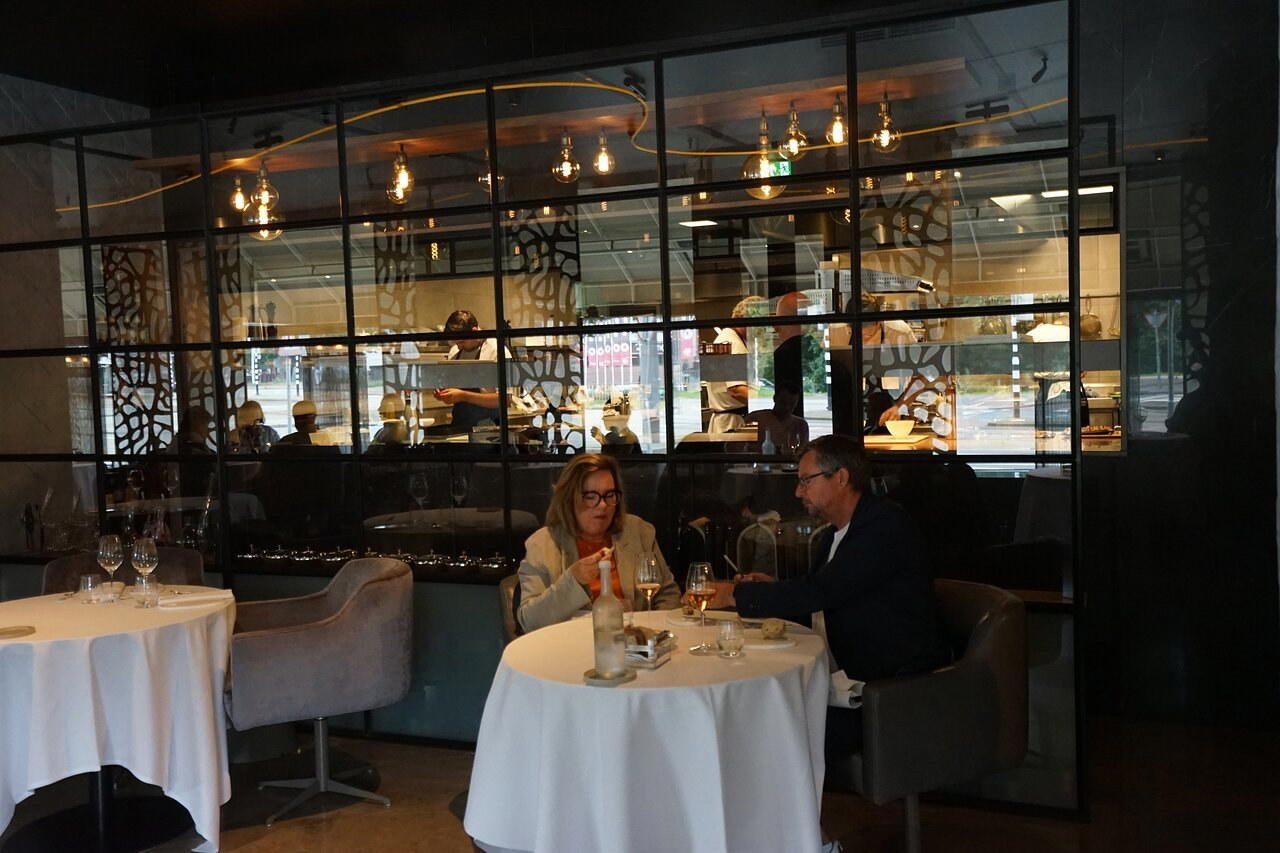
Bars in Alblasserdam
Browse all →
Hotels in Alblasserdam
Browse all →
Wineries in Alblasserdam
Browse all →
At a Glance
- Cozy
- Elegant
- Intimate
- Date Night
- Special Occasion
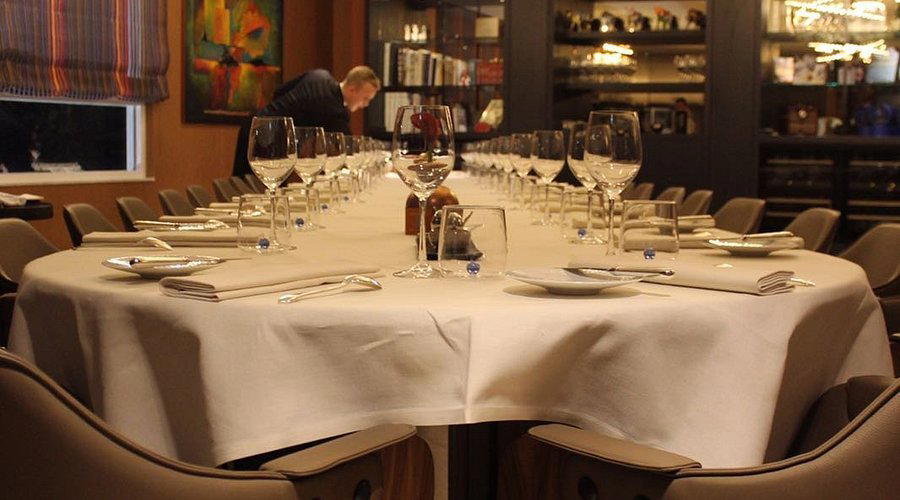
- Group Dining
- Garden
- Terrace
Current opening hours
- Monday
- Closed
- Tuesday
- Closed
- Wednesday
- 11:30 AM–12 AM
- Thursday
- 11:30 AM–12 AM
- Friday
- 11:30 AM–12 AM
- Saturday
- 11:30 AM–12 AM
- Sunday
- Closed
Hours can change for holidays and private events. Last verified .
Cozy and atmospheric with warm lighting, garden terrace, and elegant plating that creates a sophisticated yet relaxed dining experience.