Restaurant 1857

A Michelin-starred address in Roosendaal's old quarter, Restaurant 1857 operates from a converted coach house on Molenstraat where creative French cooking meets confident Asian inflection. Chef Joey van Heesbeen's technically precise menu runs alongside a vegetarian alternative and à la carte selection, with pastry chef Joke handling desserts from a trolley that earns its own attention.
Pearl is the En Primeur Club membership app — saves, bookings, and concierge access live there. Same editors, same standards.
- Address
- Molenstraat 18, 4701 JS Roosendaal, Netherlands
- Phone
- +31 165 850 809
- Website
- restaurant1857.com
- Directions
- Get directions
 Saves & bookings on Pearl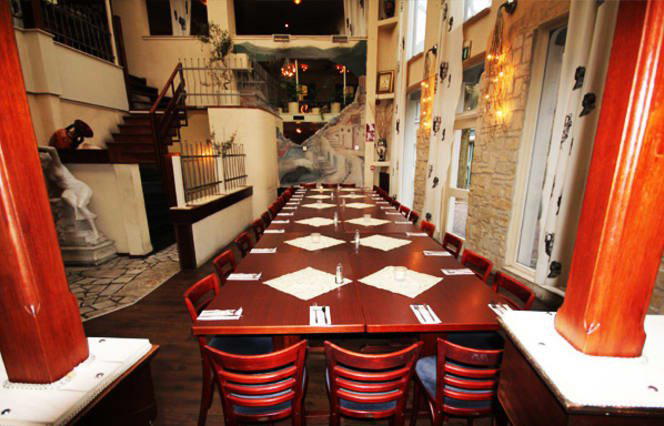
A Coach House on Molenstraat
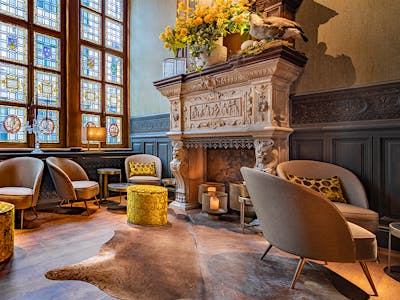
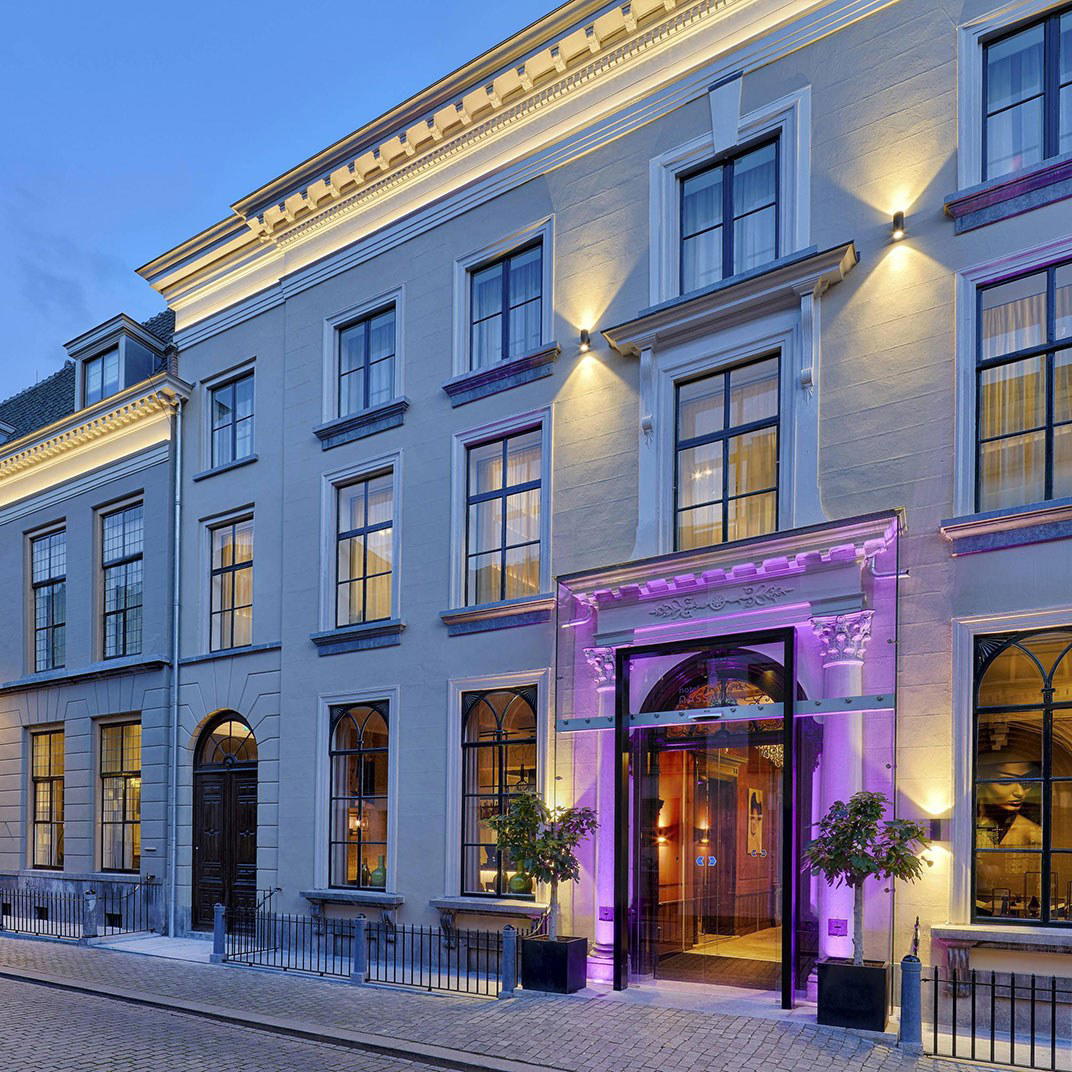
Roosendaal sits in the North Brabant province, closer to the Belgian border than to Amsterdam, and its dining scene reflects that position: grounded in French technique, pragmatic about format, and less fixated on capital-city trends than restaurants in the Randstad. The narrow streets of the old centre carry that same quality. Molenstraat 18, where Restaurant 1857 occupies a former coach house, fits the character of the neighbourhood without performing it. The building's history surfaces in the open kitchen, where the original horse trough remains in place, a physical reminder of the structure's previous life that no renovation decision chose to erase.
That decision sets a tone. In the Netherlands, a cohort of Michelin-recognised restaurants has moved toward stripped interiors that signal seriousness through absence, but Restaurant 1857 takes a different route: authentic architectural fabric preserved alongside contemporary detailing. The result is a room that reads as considered rather than designed-for-effect, and that distinction matters when the cooking asks you to pay close attention.
Creative French with an Asian Thread
The creative French category in the Netherlands covers a wide range, from hyper-regional plates at restaurants like De Nieuwe Winkel in Nijmegen to the classical luxury approach at Ciel Bleu in Amsterdam. Restaurant 1857's Michelin one-star (2024) places it in the recognised tier of that category, operating at the €€€ price point rather than the €€€€ bracket occupied by peers like Fred in Rotterdam or Aan de Poel in Amstelveen. That pricing signals something: this is technically ambitious cooking that remains accessible by the standards of its award tier.
The editorial identity of the kitchen rests on a specific structural decision: French technique as the foundation, with East Asian flavour logic used as a seasoning layer rather than a theme. This approach has become one of the defining moves in Dutch fine dining over the past decade, where chefs trained in classical European kitchens have drawn on umami-forward pantries, fermentation, and bold acid-fat contrasts to add complexity to plates that might otherwise read as orthodox. At Restaurant 1857, that influence appears in precise, deliberate ways. The beef Wellington, a dish whose cultural weight makes it a useful test of a kitchen's confidence, incorporates miso mustard and a powder produced from dried vegetable scraps, using fermented depth and zero-waste technique to reframe a familiar structure. The langoustine preparation pairs shellfish seared briefly over high heat with a creamy XO sauce built from shellfish stock, then adds langoustine mayonnaise, yuzu gel, and caviar: a sequence that moves through brine, fat, citrus, and salinity in deliberate order.
These are dishes that demonstrate technical fluency without requiring the diner to decode them. The flavour logic is accessible; the technique behind it is not simple.
Provenance and the Kitchen's Relationship with Ingredients
The miso mustard in the beef Wellington references a broader approach: fermenting and transforming raw material rather than simply sourcing prestigious product. The dried vegetable scrap powder signals waste reduction as a culinary tool rather than a sustainability performance. The XO sauce, traditionally a Hong Kong condiment built from dried seafood concentrates, applied to a shellfish base, uses the umami logic of ingredient preservation and concentration that defines much of East Asian cooking.
North Brabant's agricultural character gives any kitchen in the province access to solid primary material, but what distinguishes the cooking at the restaurant is transformation rather than passive sourcing. This aligns the restaurant with a broader movement in Dutch fine dining, visible also at De Groene Lantaarn in Staphorst and in the more radical form at De Lindenhof in Giethoorn, where the kitchen's relationship with ingredients involves active intervention: fermentation, dehydration, reduction, and reconstitution rather than simple presentation of high-quality produce.
Format and the Role of the Dessert Trolley
The restaurant runs a set menu with a vegetarian alternative alongside an à la carte selection. That dual format is increasingly rare at Michelin-starred tables in the Netherlands, where many kitchens have moved to tasting-menu-only formats, partly for operational control and partly to guide the narrative of a meal more tightly. The à la carte option at 1857 preserves a degree of autonomy for the diner, which aligns with the restaurant's overall register: formal enough for the food to demand attention, relaxed enough that the diner is not managed through the experience.
The dessert trolley operates as a distinct signature. In a period when dessert service has largely consolidated around a single plated course, often constructed with the same technical vocabulary as the savoury menu, the trolley is a deliberate reversion to an older European format. Joke, who combines the role of hostess with that of pastry chef, is the specific creative behind the trolley's contents, and the Michelin write-up flags this as a point of distinction. The dual role is unusual; it also gives the front and back of house a shared authorial voice that most restaurants cannot produce.
Where Restaurant 1857 Sits in Its comparable set
Among creative French restaurants in the Netherlands operating at the Michelin one-star level, the restaurant's €€€ positioning is notable. The majority of comparable addresses, including Inter Scaldes in Kruiningen and De Bokkedoorns in Overveen, occupy the higher price tier. Two direct stylistic comparators in the same creative French category are La Provence in Driebergen-Rijsenburg and LIZZ in Gouda, both operating at the €€€ tier. The broader Dutch fine dining reference points, De Librije in Zwolle and De Lindehof in Nuenen, sit above in both price and recognition, but offer a useful orientation for the cooking tradition within which the restaurant operates.
Roosendaal itself is not a city that attracts substantial dining tourism, which makes the restaurant's position more significant locally. It functions as the serious option for a wide regional catchment that extends into the adjacent province of Zeeland and across to the Belgian border, where the culinary culture blends Dutch pragmatism with a French-influenced seriousness about the table.
Planning Your Visit
The restaurant opens for dinner Tuesday through Saturday, with lunch service on Thursday and Friday from noon to 5 PM; the restaurant is closed Sunday and Monday. Thursday and Friday dinner service runs until 11:30 PM, with the other dinner evenings closing at 11 PM. The address is Molenstraat 18, in the centre of Roosendaal, reached via the narrow street that the Michelin guide specifically references as part of the approach. Roosendaal has direct rail connections to both Rotterdam and Antwerp, making it reachable as an evening destination from either city without requiring an overnight stay, though the broader Roosendaal hotels guide covers accommodation options for those extending the trip.
Comparable Venues
Comparable venues nearby, for context on price, style, and recognition.
| Venue | Cuisine | Price | Awards | Notes |
|---|---|---|---|---|
| Restaurant 1857This venue — the venue you are viewing | Modern French with Dutch and Asian Influences | $$$ | Michelin 1 Star | Not listed |
| Sistermans | Dutch Seafood | $$ | Not listed | Centrum |
| La Provence | Modern French Fine Dining | $$$ | Michelin 1 Star | Driebergen-Rijsenburg |
| Fitzgerald | Modern French Fine Dining | $$$ | Michelin 1 Star | Cool |
| Zoldering | Modern French-Dutch Bistro | $$$ | Michelin 1 Star | Utrechtsebuurt Zuid |
| Tante Koosje | Classic French Fine Dining | $$$$ | Michelin 1 Star | Loenen aan de Vecht |
Recognition history
Dated appearances from independent guides and award organizations, with the underlying list record or original source where available.
Michelin 1 Star
Michelin
Michelin 1 Star
Michelin
Continue exploring
More in Roosendaal
Restaurants in Roosendaal
Browse all →
Bars in Roosendaal
Browse all →
At a Glance
- Elegant
- Cozy
- Sophisticated
- Intimate
- Date Night
- Special Occasion
- Business Dinner
- Open Kitchen
- Historic Building
- Extensive Wine List
- Local Sourcing
Current opening hours
- Monday
- Closed
- Tuesday
- 6–11 PM
- Wednesday
- 6–11 PM
- Thursday
- 12–5 PM, 6–11:30 PM
- Friday
- 12–5 PM, 6–11:30 PM
- Saturday
- 6–11 PM
- Sunday
- Closed
Hours can change for holidays and private events. Last verified .
Elegant combination of authentic charm and contemporary sophistication with a warm, relaxed atmosphere.