De Bottermarck
Our verdict
De Bottermarck occupies a historic address on Broederstraat in Kampen, a Hanseatic river city that has long sat outside the Dutch fine-dining circuit despite its architectural and agricultural richness. The restaurant draws on the produce traditions of the IJssel delta region, placing it in a wider conversation about ingredient-led cooking in the Netherlands beyond the major urban centres. For visitors already planning time in Overijssel, it merits consideration alongside the region's broader dining options.

Pearl is the En Primeur Club membership app — saves, bookings, and concierge access live there. Same editors, same standards.
- Address
- Broederstraat 23, 8261 GN Kampen, Netherlands
- Phone
- +31383319542
- Hours
- Mon ClosedTue–Sat 12–9 PMSun Closed
- Website
- debottermarck.nl
- Directions
- Get directions
- Booking
- Book on TheFork
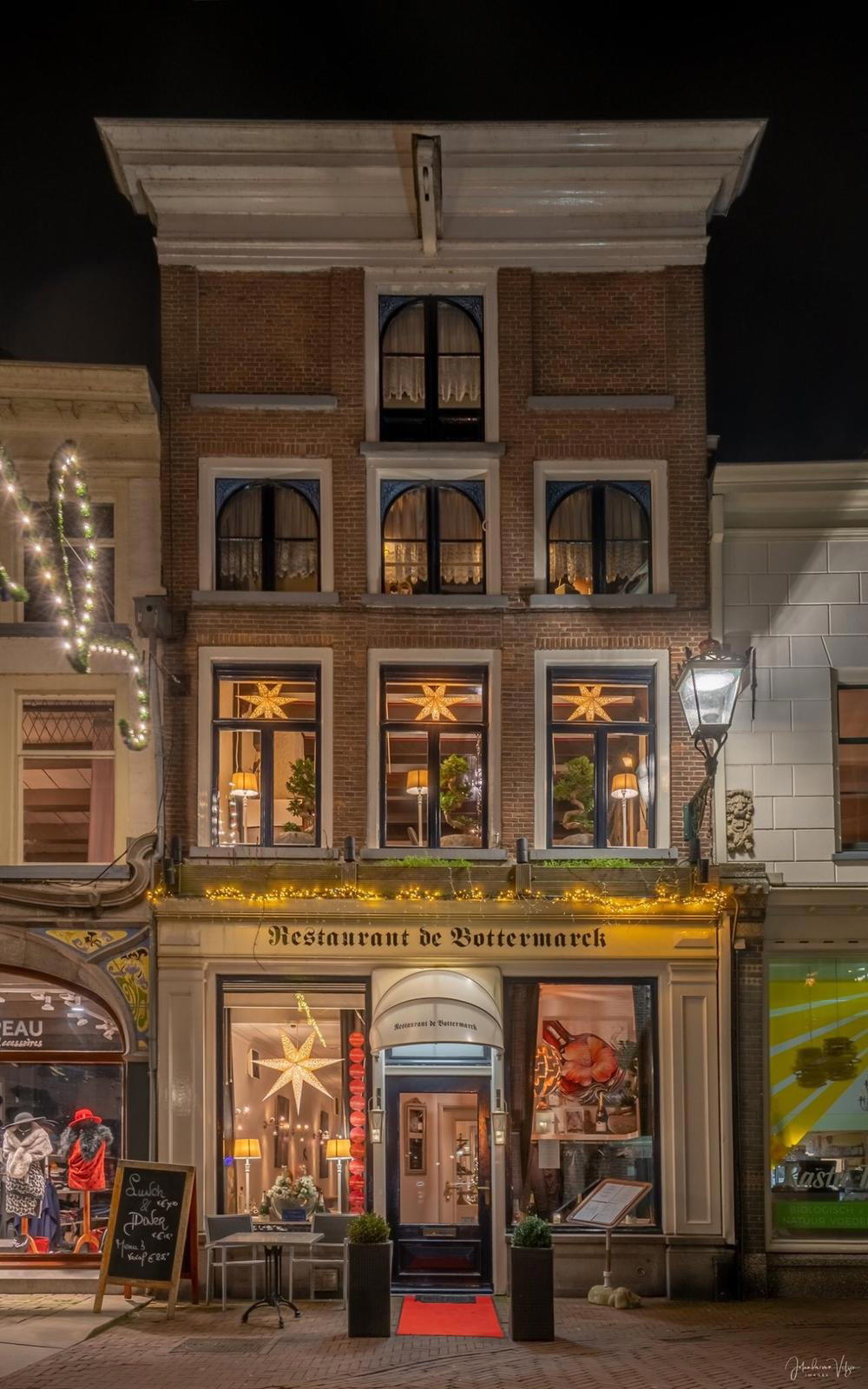
Where Kampen's Hanseatic Past Meets the IJssel Table
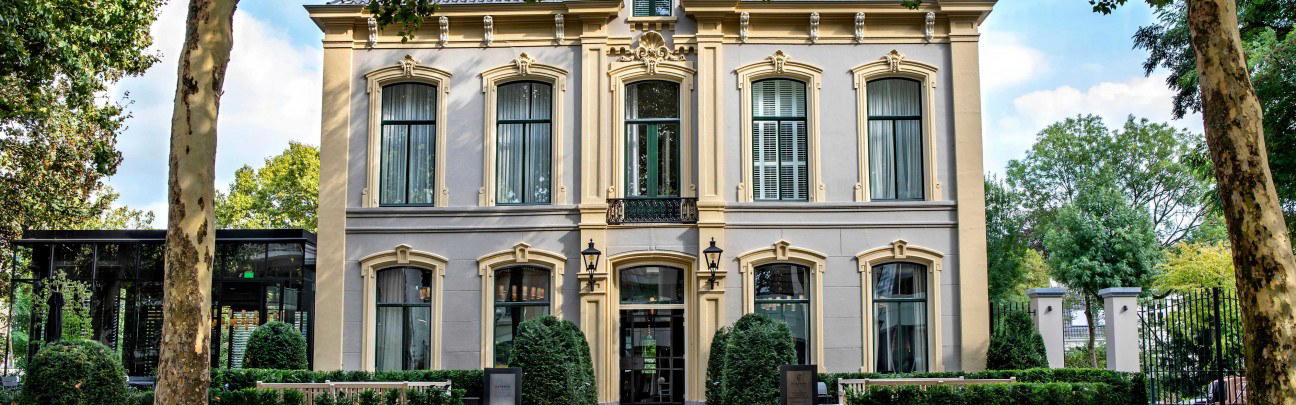
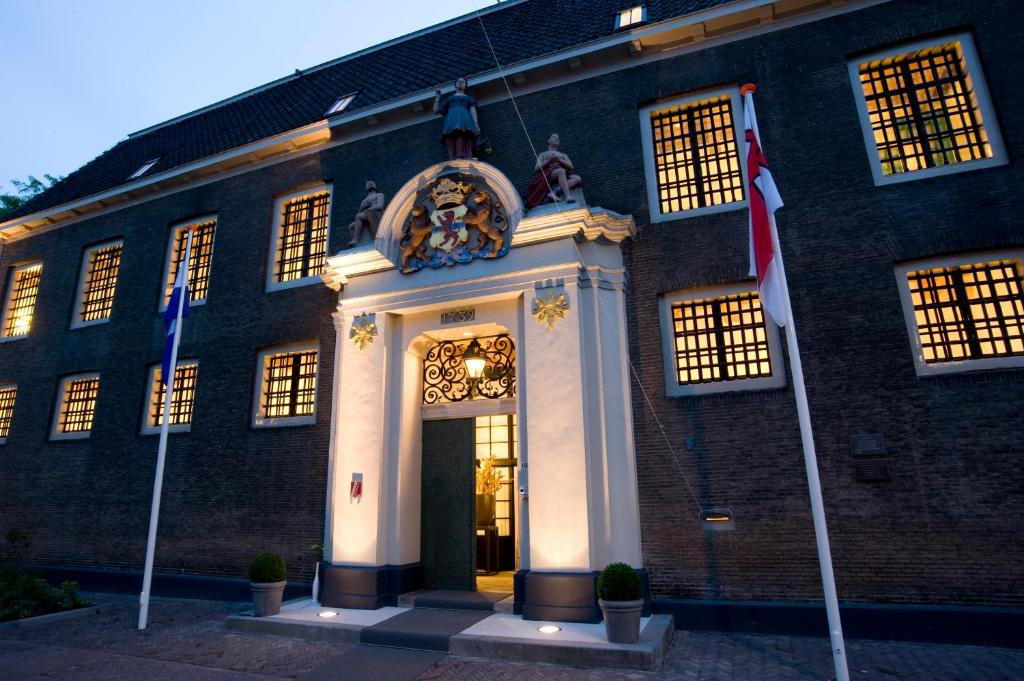
Broederstraat runs through one of Kampen's most intact medieval streetscapes, where stepped gables and sandstone facades create the kind of architectural density more often associated with Amsterdam or Bruges. Walking toward number 23, the physical environment does most of the communicating before you reach the door: this is a city that built its wealth on river trade, and its hospitality addresses have absorbed that layered, unhurried quality. De Bottermarck sits inside that context, occupying a street-level position that feels embedded in the city's fabric rather than imposed upon it.
Kampen is, by most Dutch dining itineraries, an afterthought. The fine-dining conversation in the Netherlands orbits Michelin-starred addresses in Zwolle, Amsterdam, and Rotterdam, with occasional excursions to the countryside properties of Overijssel and Gelderland. That geography leaves a city like Kampen in an interesting position: it has the architectural heritage and regional agricultural base to support serious cooking, but it has not accumulated the critical mass of press attention that drives reservation queues. For a reader willing to look beyond the obvious circuit, that gap is precisely the point.
The IJssel Delta as a Sourcing Territory
The broader editorial story in Dutch ingredient-led cooking over the past decade has been a gradual reorientation toward regional identity. Where French technique once dominated as a universal reference point, a generation of Dutch kitchens has begun treating the polder, the river delta, and the North Sea coast as active sourcing territories with their own logic. The IJssel delta, which surrounds Kampen, is one of the more productive of these zones: clay-rich agricultural land, river fish traditions, and proximity to the livestock farming of Salland and the Veluwe all converge here.
This sourcing context matters because it sets a standard against which any serious kitchen operating in Kampen can be measured. The question is not whether local ingredients are available, they demonstrably are, but whether a kitchen is organised around them in a way that reflects their seasonality and specificity. Restaurants in comparable provincial positions across the Netherlands, from De Groene Lantaarn in Staphorst to De Lindenhof in Giethoorn, have built their identities precisely around this kind of geographic anchoring, earning Michelin recognition in the process. The template exists; what varies is the ambition and execution.
For international readers accustomed to ingredient-provenance narratives at places like Le Bernardin in New York City or Lazy Bear in San Francisco, the Dutch provincial version operates at a different scale but with comparable seriousness at its upper tier. The difference is density: France or California offer a thick network of ingredient storytelling; the IJssel delta offers fewer voices, which makes each one more audible.
Provincial Fine Dining in the Netherlands: The Competitive Picture
To place De Bottermarck in its proper frame, it helps to understand what the Dutch provincial fine-dining tier looks like in 2024. The Michelin-starred addresses that operate outside the Randstad tend to cluster around two models. The first is the destination-property format, where the restaurant anchors a hotel or country estate and draws guests prepared to travel specifically for the meal. Inter Scaldes in Kruiningen and De Lindehof in Nuenen operate in versions of this register. The second model is the stand-alone urban address in a secondary city, where local clientele provides the commercial base and visiting guests treat it as a bonus discovery rather than a primary destination.
Kampen sits naturally in the territory of that second model. Its population and tourism profile can sustain a serious kitchen without requiring the destination-resort infrastructure. Further along the scale, De Librije in Zwolle demonstrates what the Overijssel region can produce at the three-star level, setting a high regional benchmark just twenty kilometres up the IJssel.
The distance between Kampen and Zwolle is physically small but representationally significant. Zwolle has become a recognisable node on the Dutch fine-dining map; Kampen has not. That asymmetry is partly about press momentum and partly about the restaurants themselves.
Visiting Kampen: Practical Orientation
Kampen is reachable by direct train from Zwolle, a journey of approximately fifteen minutes, which makes it a logical extension of a Zwolle dining trip rather than a standalone destination for most international visitors. The city's compact medieval centre means that Broederstraat is walkable from the station. For those spending longer in the region, the Overijssel countryside offers context that rewards slower travel: the same agricultural land that supplies regional kitchens is visible from the roads between Kampen, Staphorst, and Giethoorn.
This is standard practice for provincial addresses where seasonal closures and service-day variations are common. Readers planning a broader Overijssel itinerary will find our full Kampen restaurants guide a useful companion for organising the visit around multiple stops.
For those building a wider Dutch fine-dining itinerary, the regional spread is worth considering: De Nieuwe Winkel in Nijmegen covers the organic-sourcing angle at a high level in Gelderland, while Brut172 in Reijmerstok and De Treeswijkhoeve in Waalre anchor the southern provinces. In the Randstad, Ciel Bleu in Amsterdam, FG - François Geurds in Rotterdam, Aan de Poel in Amstelveen, and Central Park in Voorburg represent the urban tier. De Bokkedoorns in Overveen rounds out the coastal Randstad picture. Against that national spread, Kampen registers as a gap in the itinerary that a restaurant like De Bottermarck could plausibly fill for a reader with the inclination to look.
Frequently asked questions
Is De Bottermarck a family-friendly restaurant?
De Bottermarck sits on Broederstraat 23 in Kampen's preserved medieval core, and its fine dining orientation points toward adult diners rather than families with young children. That said, no explicit policy is documented. If you are travelling with older children who are comfortable with a considered dining pace, contacting the restaurant directly before booking is advisable.
What is the atmosphere like at De Bottermarck?
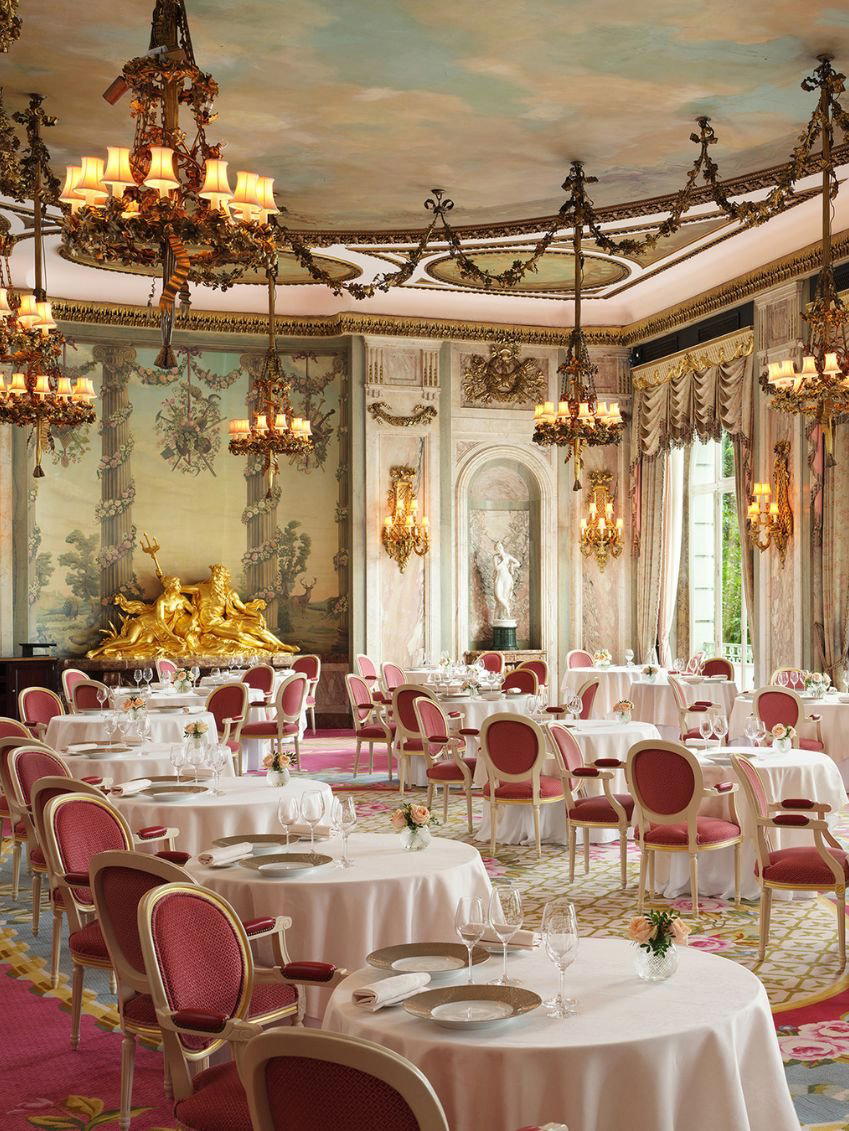
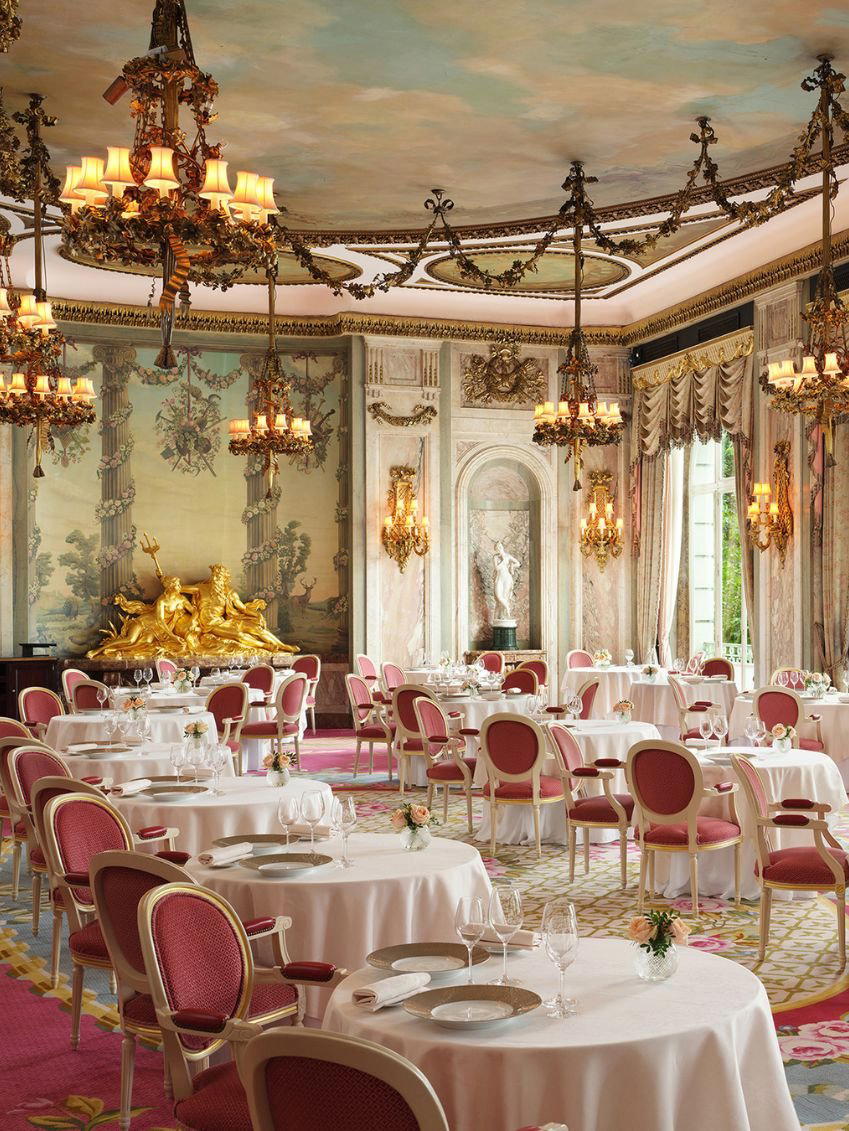
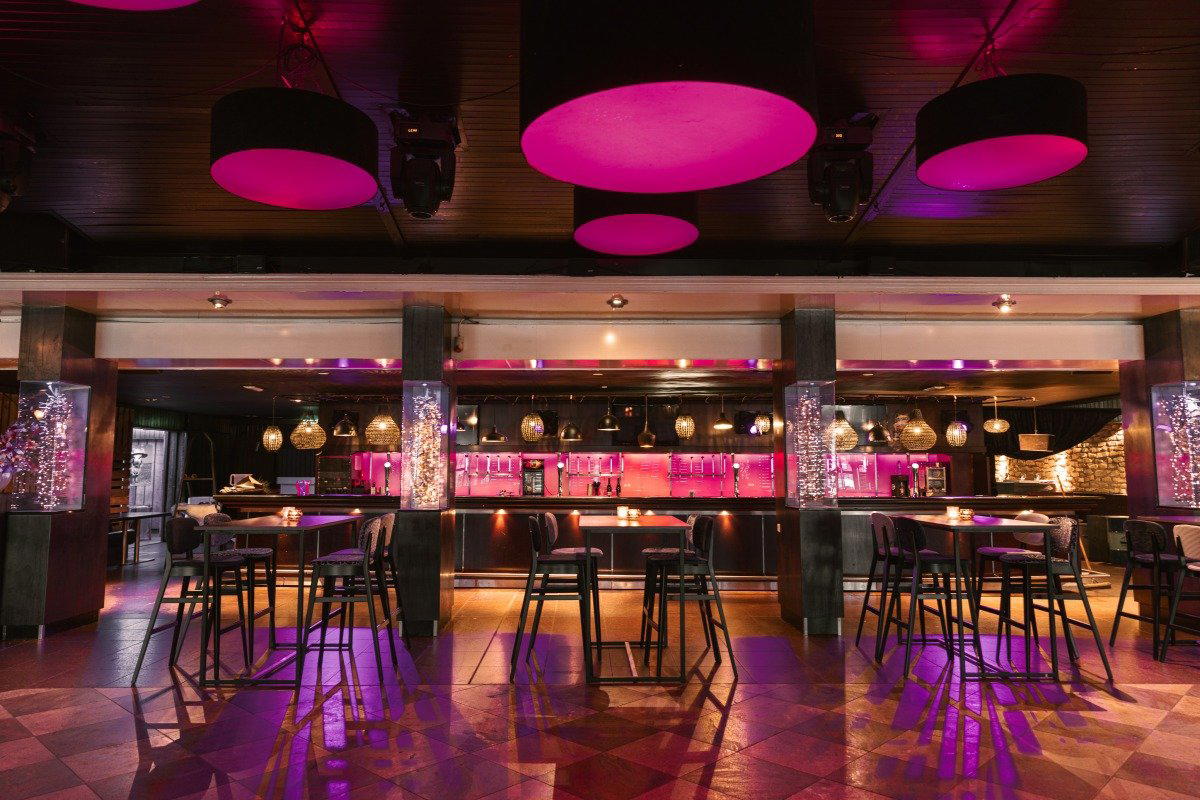
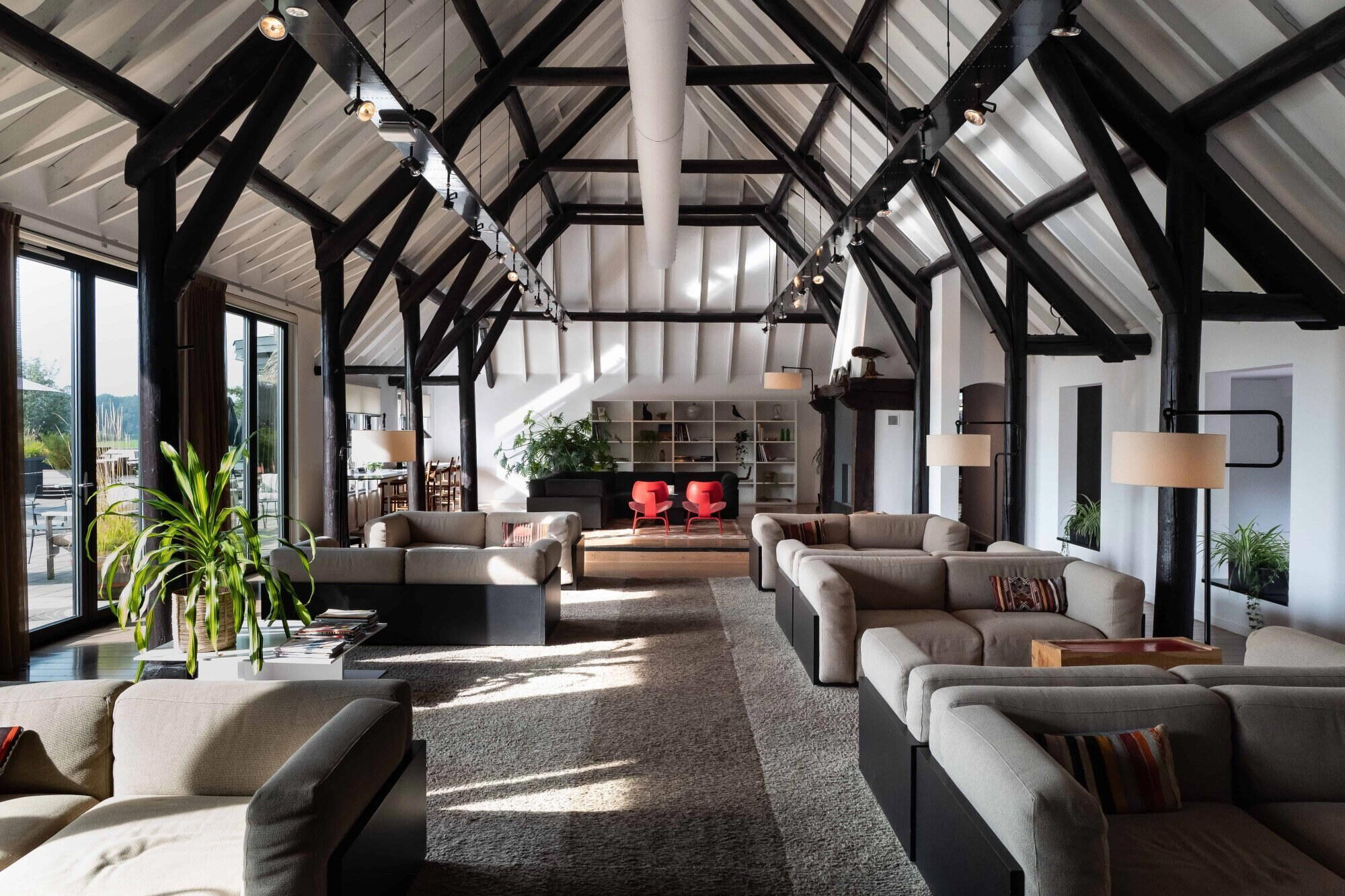
The setting on Broederstraat places the restaurant within Kampen's most architecturally coherent medieval streetscape, where stepped gables and sandstone facades define the street. Inside, the tone follows the broader Dutch provincial fine dining register: composed rather than theatrical, with the food doing the work. It is a room that rewards attention to what is on the plate.
Is De Bottermarck worth visiting as a standalone destination from Zwolle or Amsterdam?
Kampen is roughly fifteen minutes by direct train from Zwolle, which makes De Bottermarck a practical extension of a broader Overijssel itinerary rather than a significant detour. From Amsterdam, Zwolle is under ninety minutes by intercity rail. For travellers already exploring the eastern Netherlands, Broederstraat 23 sits at the centre of one of the country's most architecturally intact Hanseatic towns, giving the meal a locational context that few Dutch restaurant visits can match.
What dish is De Bottermarck famous for?
No specific signature dish is publicly documented for De Bottermarck. What the restaurant's position in Kampen does suggest is an alignment with the ingredient-led regional cooking that has defined the better Dutch provincial tables over the past decade, with the IJssel delta offering a distinct local sourcing territory that sets it apart from city-centre peers in Amsterdam or Rotterdam.
What's the address for De Bottermarck?
De Bottermarck is located at Broederstraat 23, 8261 GN Kampen, Netherlands, Kampen.
How It Stacks Up
| Venue | Cuisine | Price | Awards | Notes |
|---|---|---|---|---|
| De BottermarckThis venue — the venue you are viewing | Dutch Seafood Fine Dining | Not listed | Not listed | Not listed |
| De Librije | Modern Dutch Fine Dining | $200–300 | 3 Michelin Stars · World's 50 Best #46 | Modern Cuisine |
| De Nieuwe Winkel | Botanical Fine Dining | $300–500 | 2 Michelin Stars · La Liste Top Restaurants | Organic |
| De Lindenhof | Classic French Fine Dining | Not listed | 2 Michelin Stars · La Liste Top Restaurants | Creative |
| De Lindehof | Surinamese-Hindustani French Fusion | Not listed | 2 Michelin Stars · La Liste Top Restaurants | Contemporary Dutch, Creative |
| Fred | Modern French Fine Dining | $200–300 | 2 Michelin Stars · La Liste Top Restaurants | Creative French |
Continue exploring
More in Kampen
Restaurants in Kampen
Browse all →
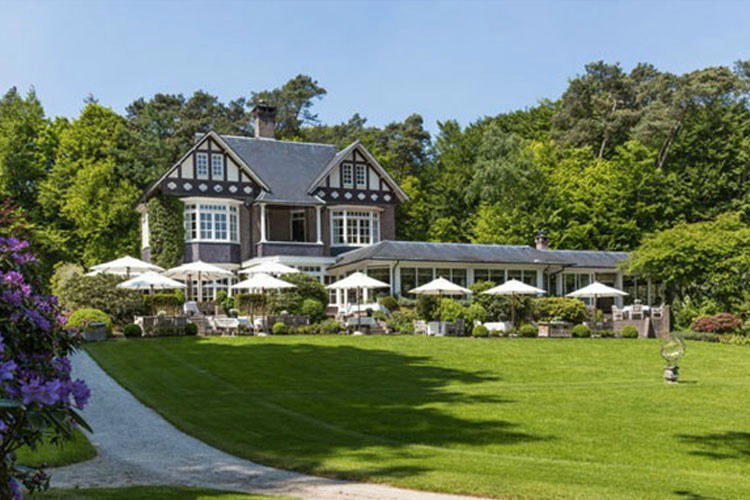
De Bottermarck
The wine
- Wine program
- Curated wine list
- Extensive wine list
Details
- Romantic
- Elegant
- Cozy
- Date Night
- Special Occasion
- Private Dining
- Extensive Wine List
- A La Carte
- Vegetarian Friendly
- Vegan Options
- Gluten Free Options
Current opening hours
- Monday
- Closed
- Tuesday
- 12–9 PM
- Wednesday
- 12–9 PM
- Thursday
- 12–9 PM
- Friday
- 12–9 PM
- Saturday
- 12–9 PM
- Sunday
- Closed
Hours can change for holidays and private events. Last verified .
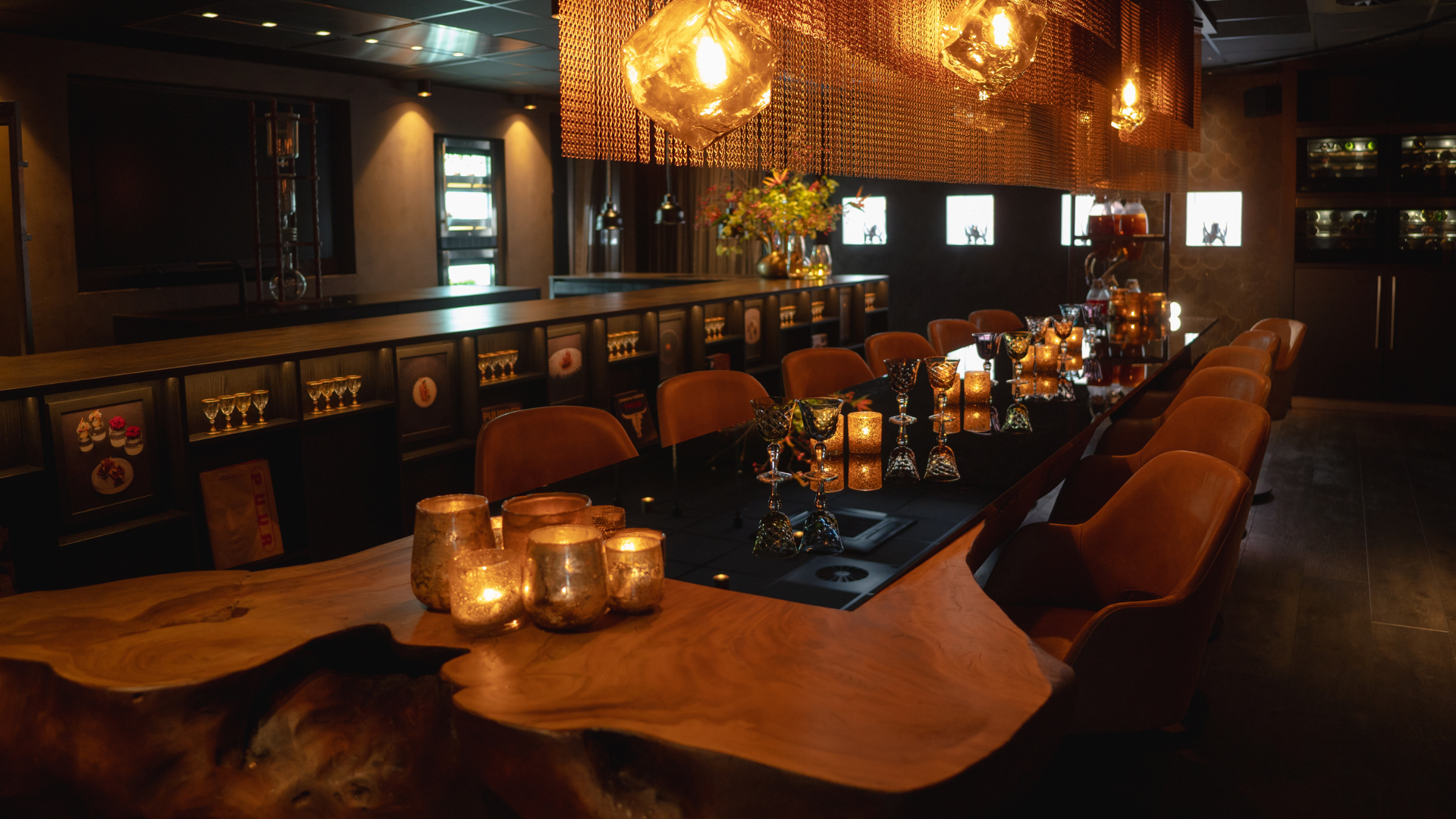
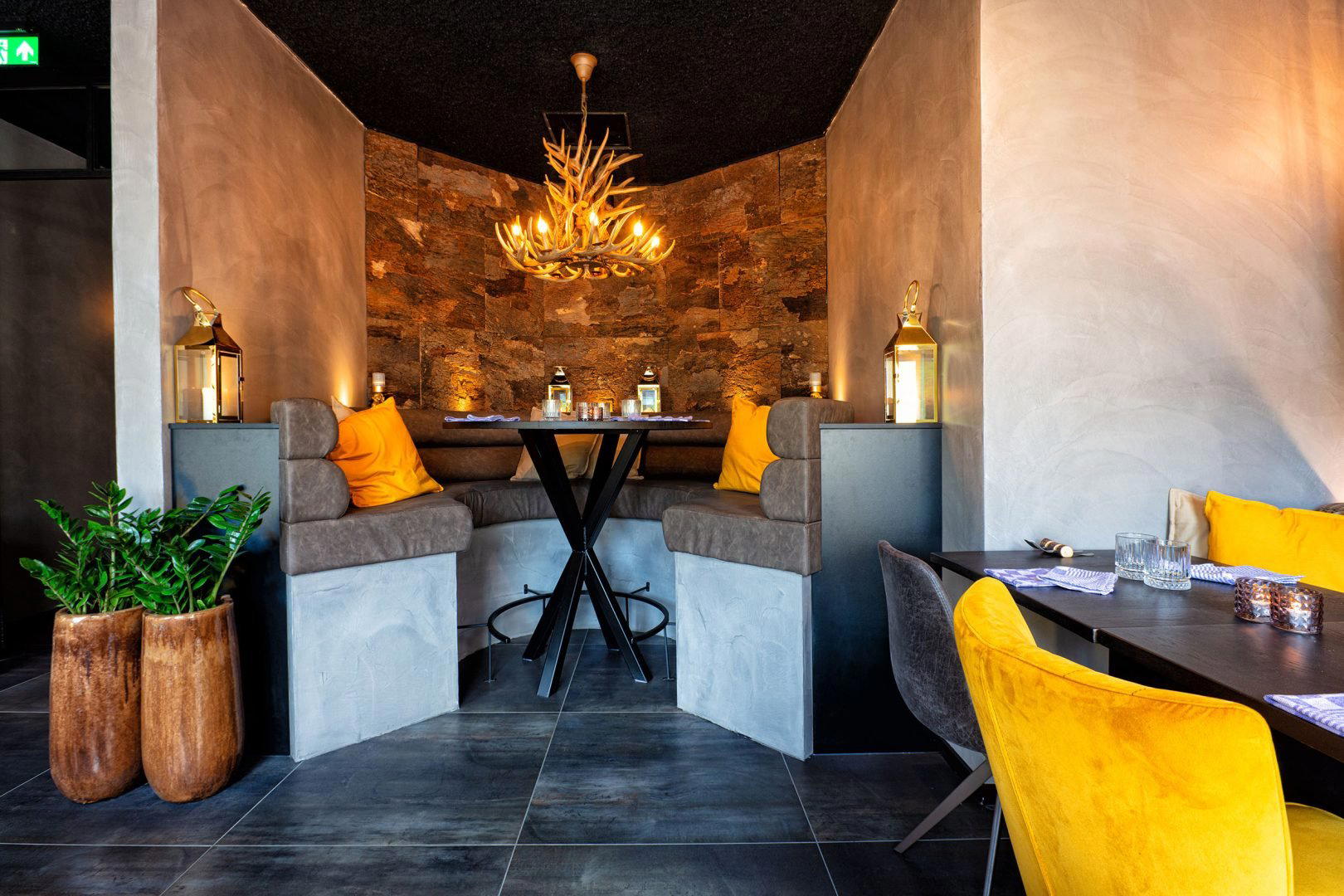
Welcoming atmosphere with careful attention to detail in preparation and presentation, rated highly for ambiance by diners.