Vuurtoreneiland

Vuurtoreneiland, Lighthouse Island, sits in the Markermeer outside Amsterdam, accessible only by boat. The small-scale restaurant occupies a derelict fort and glass conservatory on an island with its own working lighthouse, serving six-course menus built entirely around open-fire cooking, foraged island ingredients, and head-to-tail seasonal produce. The boat crossing, aperitif, and snacks are included in the price of dinner.
Pearl is the En Primeur Club membership app — saves, bookings, and concierge access live there. Same editors, same standards.
- Address
- 1026 CG Durgerdam, Netherlands
- Phone
- +31 20 362 1664
- Website
- vuurtoreneiland.nl
- Directions
- Get directions
 Saves & bookings on Pearl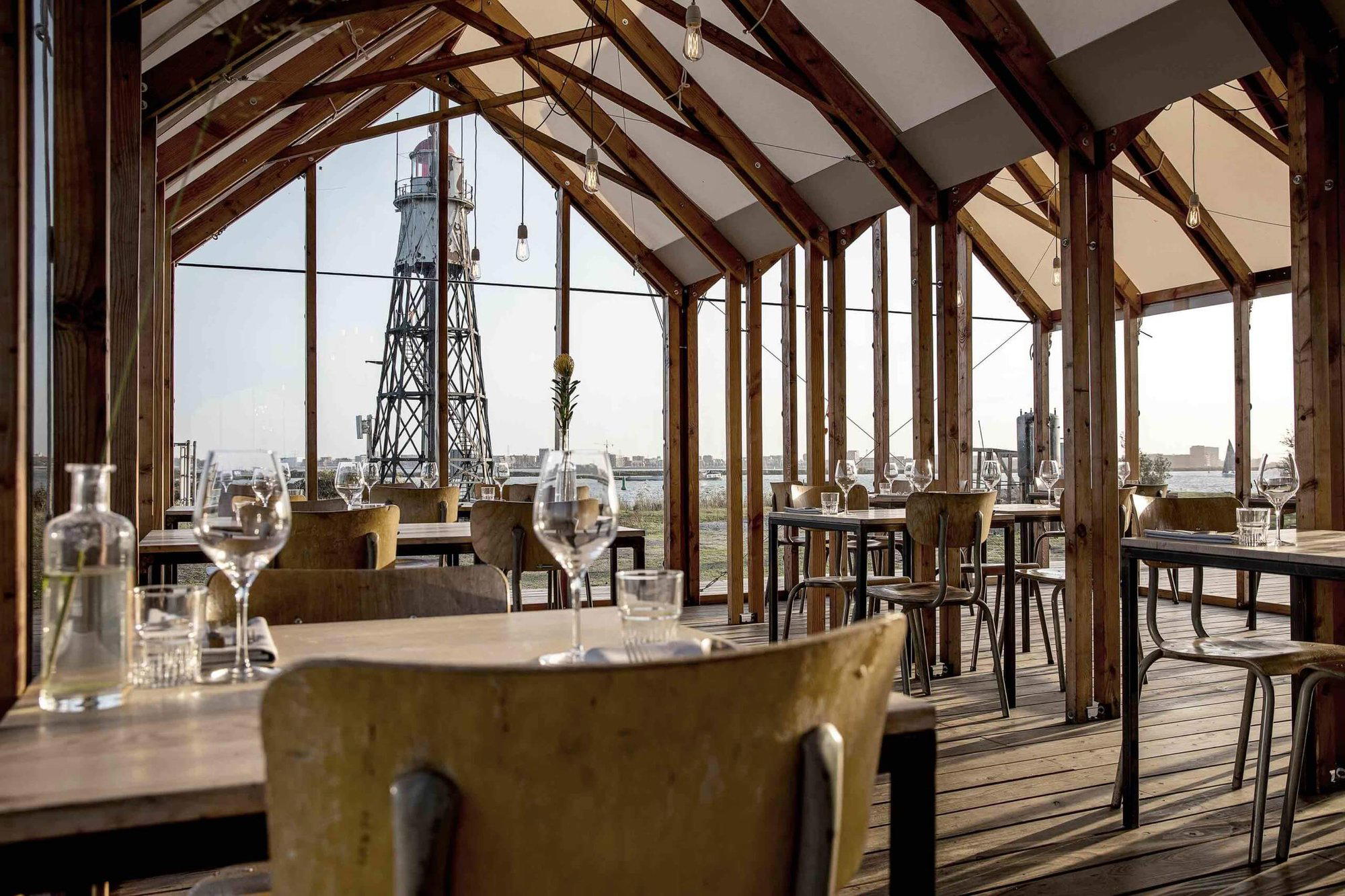
A Fort, a Lighthouse, and Open Water
Getting to dinner requires a boat. That fact alone separates Vuurtoreneiland from every other serious restaurant operating in the Amsterdam area. The island, its name translates directly as Lighthouse Island, sits in the Markermeer, the freshwater lake north of the city, and it holds two structures that define the experience before a single dish arrives: a partially ruined nineteenth-century fort and Amsterdam's only working lighthouse. The approach by water, with the fort's stone silhouette and the lighthouse beam orienting the crossing, is not theatre engineered by a restaurateur, it is the geography of a place that happened to become a restaurant.
Amsterdam's recognised fine-dining tier, venues like Ciel Bleu, Spectrum, and Vinkeles, operates from city-centre addresses where the dining room is the entire event. Vuurtoreneiland works from the opposite logic: the physical journey is inseparable from the meal, and the island's ecology feeds directly into the kitchen. That positioning puts it in a narrow comparable set globally, alongside destination restaurants that require meaningful travel as a structural element of the reservation, not an inconvenience to be minimised.
Season Determines Everything
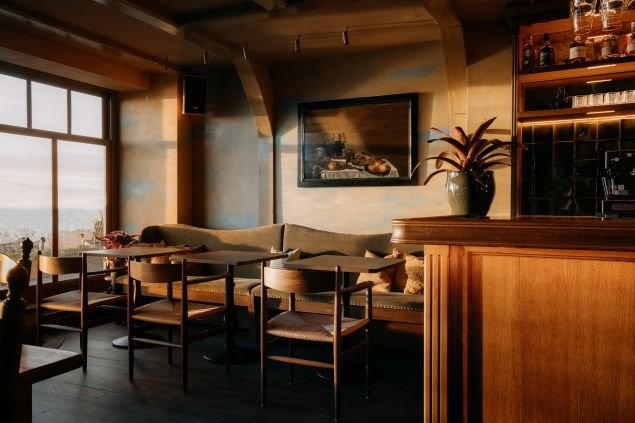
The restaurant's most important design decision is also its most atmospheric one: where you eat changes with the calendar. In winter, dinner moves inside the fort itself, thick stone walls, enclosed warmth, the kind of shelter that reads differently when you know water surrounds you on all sides. In summer, the setting shifts to a transparent glass conservatory, where the Markermeer light, long, flat, and distinctive in the Dutch summer, enters from every direction. These are not interchangeable rooms dressed for different seasons. They are two separate sensory propositions, and the season you choose to visit determines which restaurant, atmospherically speaking, you experience.
The seasonal division also runs through the menu. Vuurtoreneiland forages weeds and herbs directly on the island, meaning the plant material on the plate has shorter provenance than almost any restaurant operating at this level in the Netherlands. The broader ingredient sourcing follows the same principle: local, seasonal, and, in the head-to-tail approach, committed to using the animal or fish in full rather than selecting only the premium cuts. For context on where this sits within the Dutch fine-dining conversation, Bolenius in Amsterdam and Bistro de la Mer also work from a seasonal, regional-ingredient position, but neither operates with Vuurtoreneiland's degree of physical isolation from the supply chain, or its foraging access to a specific uninhabited island ecosystem.
Fire as the Cooking Medium
Open-fire cooking and wood-fired ovens have become recognisable restaurant formats across Northern Europe over the past decade, but the choice reads differently here. On an island with no commercial infrastructure, cooking over fire is not a fashionable aesthetic, it is a practical alignment with the constraints and character of the place. The restaurant does not import the technique as a signal of culinary philosophy; the technique belongs to the setting.
What this produces, structurally, is a six-course menu in which smoke, char, and the variable heat of wood are the primary cooking variables. The menu offers a vegetarian path and allows for the occasional addition of fish or meat, which means the fire-cooking format applies across dietary configurations rather than being reserved for protein-heavy options. Among comparable experiences in the Netherlands, De Librije in Zwolle, 't Nonnetje in Harderwijk, Aan de Poel in Amstelveen, and smaller destination formats like De Groene Lantaarn in Staphorst, few integrate cooking method with physical environment as directly as this.
What the Price Covers
The pricing structure at Vuurtoreneiland reflects the logistics of operating on an island rather than a standard restaurant margin calculation. The cost of dinner includes the boat crossing, an aperitif and snacks served on the water, and the full six-course menu. This bundled format is worth understanding before booking: guests are not paying for a restaurant meal and separately arranging transport. The journey, including the crossing, the light, the water, is part of the purchased experience, which changes how the price compares to a city-centre restaurant at a similar menu cost.
For international visitors comparing Amsterdam's options, the city offers concentrated fine-dining at venues like Spectrum and Ciel Bleu, as well as regional destination restaurants elsewhere in the Netherlands such as Brut172 in Reijmerstok and De Bokkedoorns in Overveen. Vuurtoreneiland occupies a different category from all of them, its reference points are less about cuisine tier and more about the format itself: small-scale, ecologically situated, access-dependent.
The address is registered at 1026 CG Durgerdam, the small village north of Amsterdam from which the boat departs. Durgerdam sits on the IJmeer shoreline and is reachable by car or public transport from the city. Planning the evening around the boat schedule is essential, this is not a restaurant where arrival time has any flexibility.
For a broader view of what Amsterdam and the surrounding region offers across restaurants, hotels, bars, and experiences, EP Club maintains guides to each: Amsterdam restaurants, Amsterdam hotels, Amsterdam bars, Amsterdam wineries, and Amsterdam experiences.
Peers Worth Knowing
Comparable venues nearby, for context on price, style, and recognition.
| Venue | Cuisine | Price | Notes |
|---|---|---|---|
| VuurtoreneilandThis venue — the venue you are viewing | Dutch Seasonal Fire-Cooked | $$$ | Not listed |
| Cannibale Royale Handboogstraat | American Steakhouse & Grill | $$$ | Kalverdriehoek |
| Ikkoku | Japanese Omakase & Robatayaki | $$$ | Hercules Seghersbuurt |
| Levant | Turkish Mediterranean | $$$ | Den Texbuurt |
| De Mark | Modern Dutch Wood-Fired Cuisine | $$$ | Durgerdam |
| tHUIS aan de AMSTEL | Dutch European Café | $$$ | Amstelkwartier Noord |
Recognition history
Dated appearances from independent guides and award organizations, with the underlying list record or original source where available.
We're Smart World 3 Radishes
We're Smart World
Continue exploring
More in Amsterdam
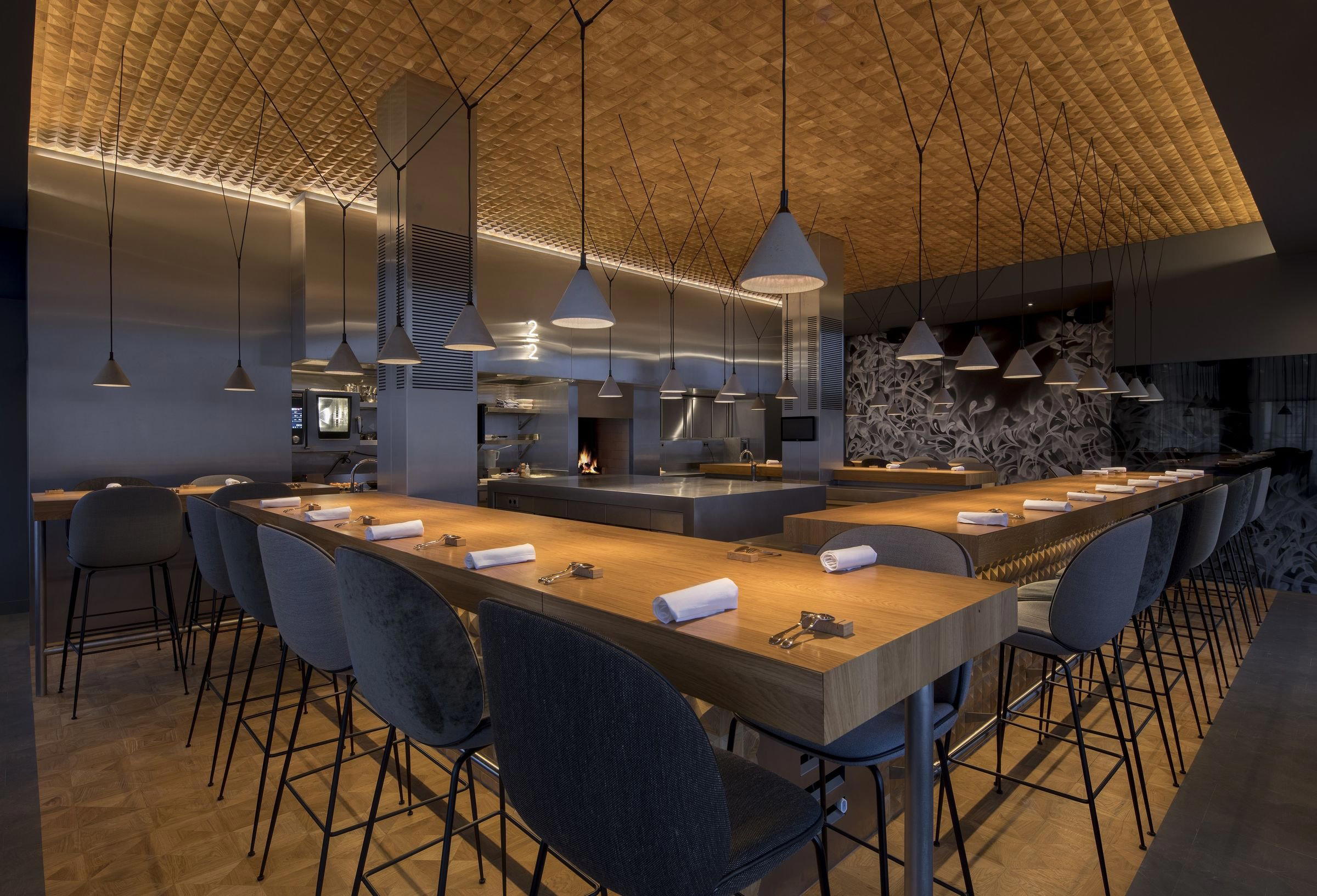
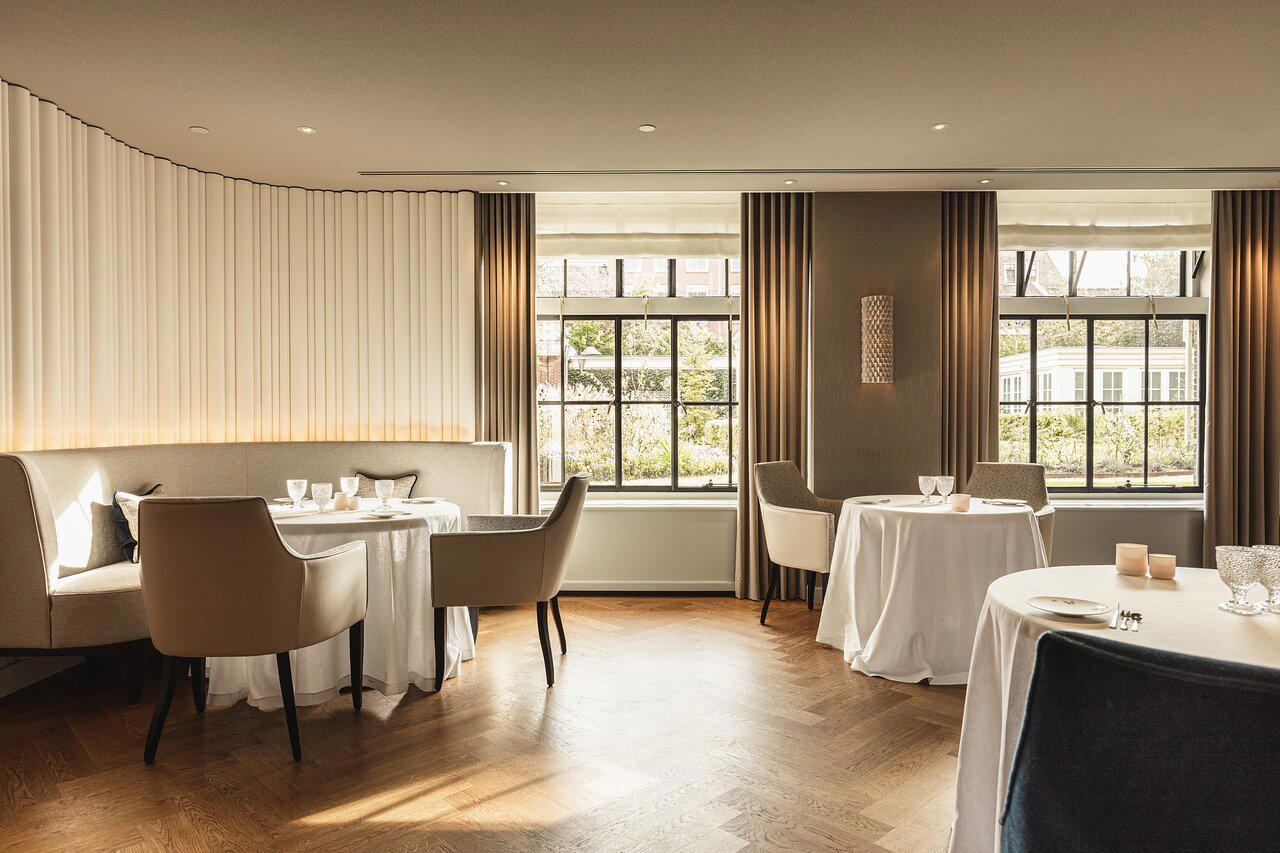
Restaurants in Amsterdam
Browse all →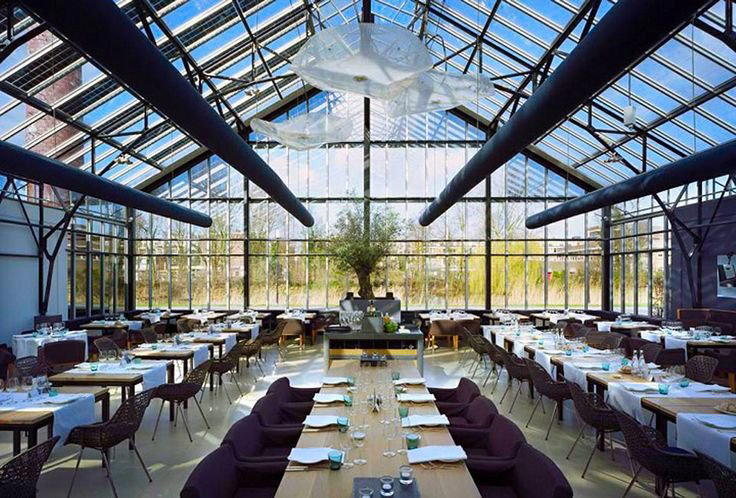
Bars in Amsterdam
Browse all →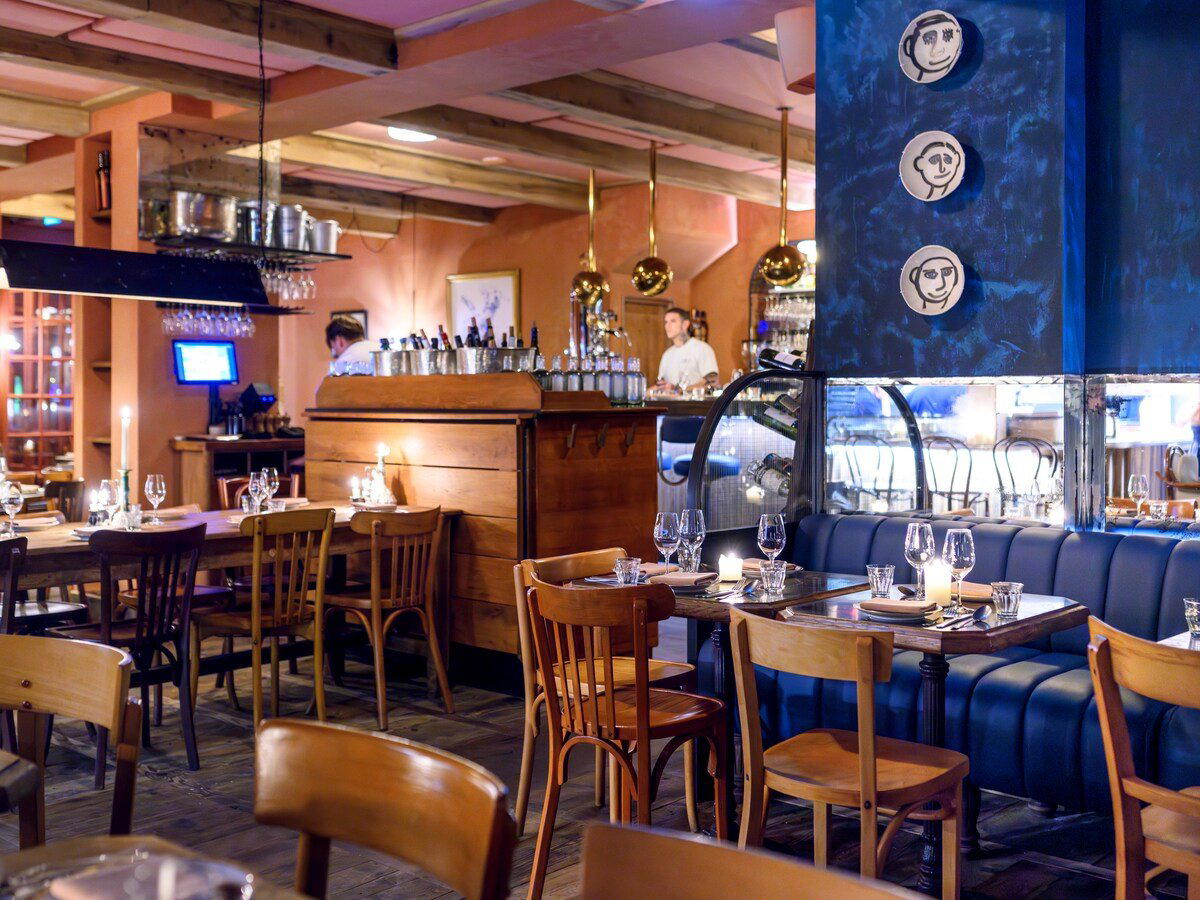
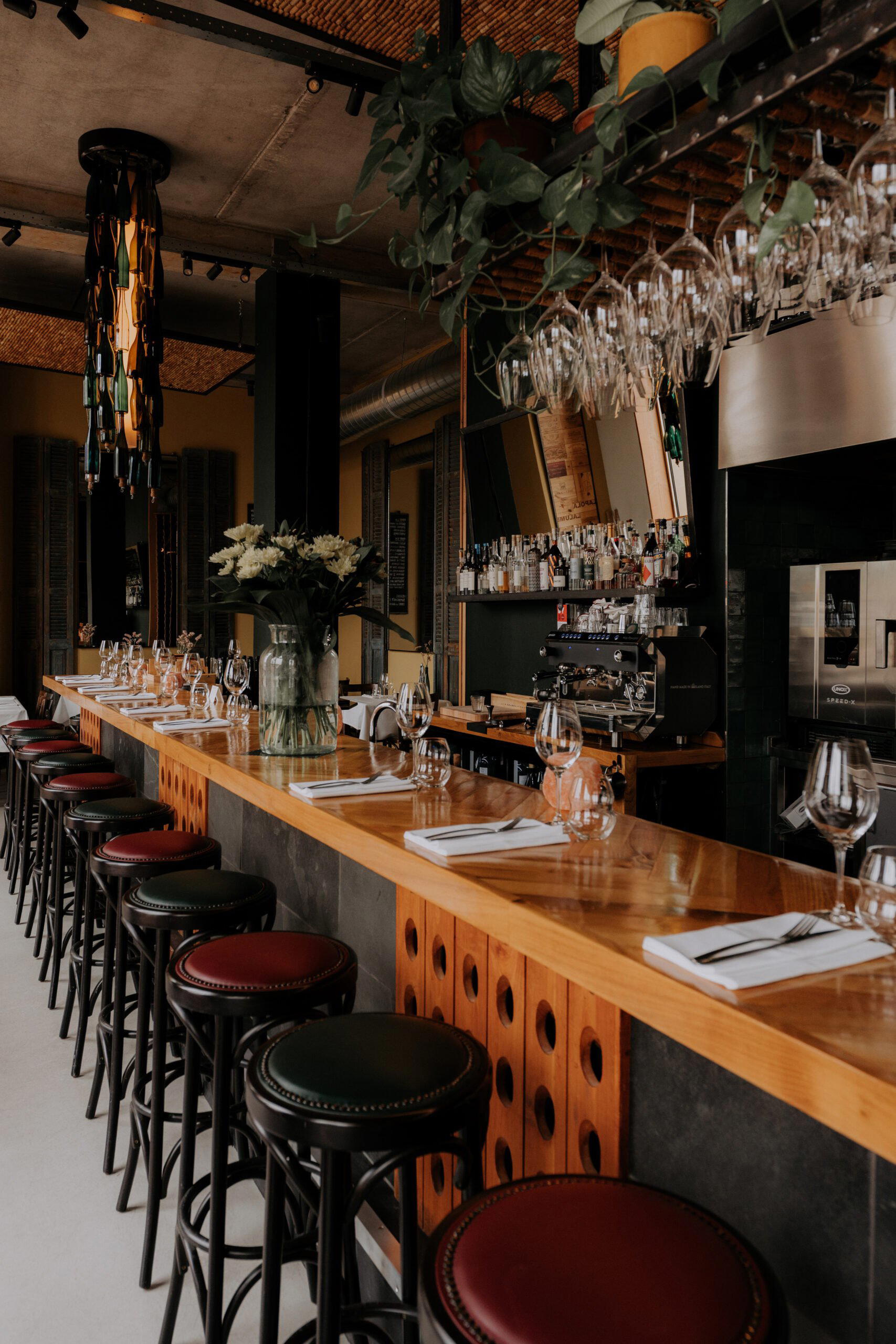
Hotels in Amsterdam
Browse all →
Wineries in Amsterdam
Browse all →
At a Glance
- Scenic
- Intimate
- Rustic
- Special Occasion
- Celebration
- Waterfront
- Historic Building
- Extensive Wine List
- Local Sourcing
- Waterfront
Current opening hours
- Monday
- Closed
- Tuesday
- 12–7:45 PM
- Wednesday
- 12–7:45 PM
- Thursday
- 12–7:45 PM
- Friday
- 12–7:45 PM
- Saturday
- 12–7:45 PM
- Sunday
- 12–7:45 PM
Hours can change for holidays and private events. Last verified .
Cozy and warm in the underground bunker with fire lighting during winter; elemental and immersive in the summer glass greenhouse where weather is felt directly.