Set in the quiet Kempen countryside outside Westerlo, de Boesjerie occupies a corner of rural Belgium where farm-rooted cooking and landscape-led sourcing define the table. The address places it well outside the Antwerp and Brussels restaurant circuits, yet that distance is precisely the point. For those willing to travel, it represents the kind of rooted, ingredient-driven dining that Belgium's provincial scene does quietly well.
Pearl is the En Primeur Club membership app — saves, bookings, and concierge access live there. Same editors, same standards.
- Address
- Ter Voort 168, 2260 Westerlo, Belgium
- Phone
- +32472722503
- Website
- deboesjerie.be
- Directions
- Get directions
 Saves & bookings on Pearl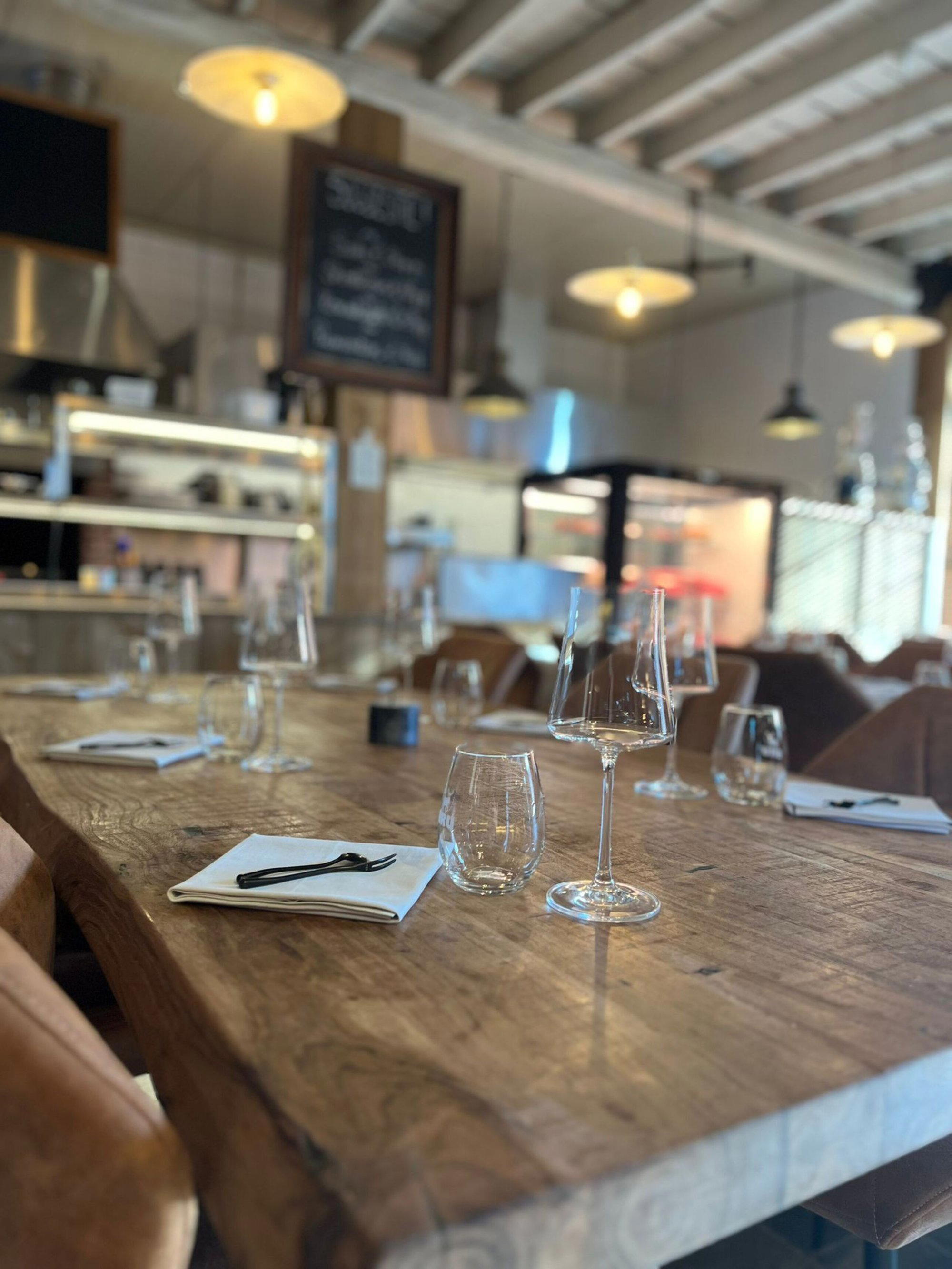
Where the Kempen Table Begins
The drive into Westerlo from Antwerp takes you through a particular kind of Belgian countryside: flat, forested, threaded with small farms and market gardens that supply a regional food culture most visitors never encounter. De Boesjerie sits on Ter Voort in this agricultural zone, and the address alone signals something about the dining philosophy before you have walked through the door. This is a regional restaurant that sources from its surroundings as a practical reality. The surrounding land is the premise.
In Belgium's broader fine dining conversation, the geography of ambition tends to cluster around Ghent, Antwerp, and the coast. Tables like Zilte in Antwerp or Vrijmoed in Gent draw international attention within well-mapped urban circuits. Provincial Flemish restaurants operate on different terms: they earn their place through consistency and rootedness rather than visibility, and they draw a clientele that travels specifically to eat rather than eating as part of a broader urban visit. De Boesjerie fits that second category. Westerlo does not generate restaurant tourism on its own; the restaurant is the reason to come.
Ingredient Sourcing as Structural Logic
Belgium's strongest regional kitchens treat the sourcing question not as a garnish to the menu description but as a structural decision that shapes what gets cooked and when. The Kempen region, the sandy heathland province in which Westerlo sits, has historically produced game, freshwater fish, root vegetables, and foraged produce that differ materially from the coastal and Ardennes pantries that anchor better-known Belgian cooking traditions. A kitchen working seriously with this terroir operates in a different register than one pulling from a national distributor.
That sourcing logic connects de Boesjerie to a wider pattern in Belgian provincial dining, where distance from supply chains becomes an advantage rather than a constraint. Compare this to Willem Hiele in Oudenburg, which built its reputation on an almost radical coastal proximity, or Hof van Cleve in Kruishoutem, where the rural Flemish setting underpins a multi-starred kitchen. In each case, the location is not incidental to the cooking, it is the argument the cooking is making. The restaurant, at its Ter Voort address, belongs to this lineage of place-defined Belgian tables.
Restaurants grounded in this kind of sourcing discipline tend to run menus that shift with supply rather than trend. Seasonal availability in the Kempen means different things than it does in maritime Flanders or the Ardennes valleys: earlier game seasons, different mushroom windows, cold-weather root vegetables that extend well into spring. A kitchen that tracks these rhythms closely produces a menu that reads differently in October than it does in April, which is the point. For La Durée in Izegem or Boury in Roeselare, the creative French-Flemish tradition provides the frame; for Kempen kitchens, the land itself provides the frame and the creative work happens inside those constraints.
The Provincial Belgian Dining Context
Understanding where the restaurant sits requires a working map of how Belgian fine dining distributes itself outside the headline cities. Brussels captures the international press through addresses like Bozar Restaurant and Le Chalet de la Forêt in Uccle. The Walloon table has its own logic, represented by places such as d'Eugénie à Emilie in Baudour and La Table de Maxime in Our. Flemish provincial dining, by contrast, tends to operate quietly: no publicists, limited English-language coverage, and a clientele that skews local and loyal.
This is not a weakness. The Belgian regional restaurant that survives without urban proximity does so because the food earns the drive. Tables in this category, including Ralf Berendsen in Neerharen, Cuchara in Lommel, and Castor in Beveren, share a common characteristic: they serve a regular clientele that has made a deliberate choice to eat there rather than in a major city, which creates a different kind of room than the expense-account or tourist-weighted dining room. The restaurant at its Westerlo address sits in this company, geographically and temperamentally.
For those approaching from elsewhere in Belgium, Westerlo sits roughly 35 kilometres east of Antwerp, making it a viable evening drive from the city. Closer to home, Alice Gastronomia represents another serious table in the same town, which suggests that Westerlo has quietly built a dining identity worth the detour.
Planning Your Visit
Reservations are recommended, especially for weekend evenings. Given the rural setting, arriving by car is the practical option; the address on Ter Voort in Westerlo is navigable by GPS without difficulty. Visitors combining the meal with a broader Kempen itinerary will find the region well-suited to unhurried travel: the heathland landscape, the abbey at Tongerlo nearby, and the general quietness of the province reward slower scheduling. The restaurant is usually closed Monday through Wednesday, then open Thursday 5 to 9 PM, Friday 11:30 AM to 2 PM and 5 to 9 PM, Saturday 5 to 9 PM, and Sunday 11:30 AM to 2 PM and 5 to 9 PM. Expect a midrange spend of about $55 per person.
For comparative reference when building a Belgian dining itinerary, the province-hopping approach that works well here also applies to destinations like De Jonkman in Sint-Kruis in West Flanders. And for those with transatlantic context, the sourcing-led, producer-rooted model that drives these Flemish provincial kitchens has more in common with places like Lazy Bear in San Francisco than with the classical French brigade tradition represented by Le Bernardin in New York City.
At-a-Glance Comparison
Comparable venues nearby, for context on price, style, and recognition.
| Venue | Cuisine | Price | Notes |
|---|---|---|---|
| de BoesjerieThis venue — the venue you are viewing | Basque Steakhouse & Grill | $$$ | Not listed |
| Alice Gastronomia | Modern Italian Gastronomia | $$$$ | Grote Markt |
| OS | Belgian Steakhouse Grill | $$$ | Sint-Truiden Centrum |
| Maven | Modern Steakhouse | $$$ | Zuid |
| M-EATERY | Modern European Steakhouse | $$$ | Arsenaal Wijk |
| Mey | Wagyu Steakhouse | $$$ | Eilandje |
At a Glance
- Rustic
- Classic
- Elegant
- Group Dining
- Special Occasion
- Celebration
- Standalone
- Local Sourcing
- Sustainable
Current opening hours
- Monday
- Closed
- Tuesday
- Closed
- Wednesday
- Closed
- Thursday
- 5–9 PM
- Friday
- 11:30 AM–2 PM, 5–9 PM
- Saturday
- 5–9 PM
- Sunday
- 11:30 AM–2 PM, 5–9 PM
Hours can change for holidays and private events. Last verified .
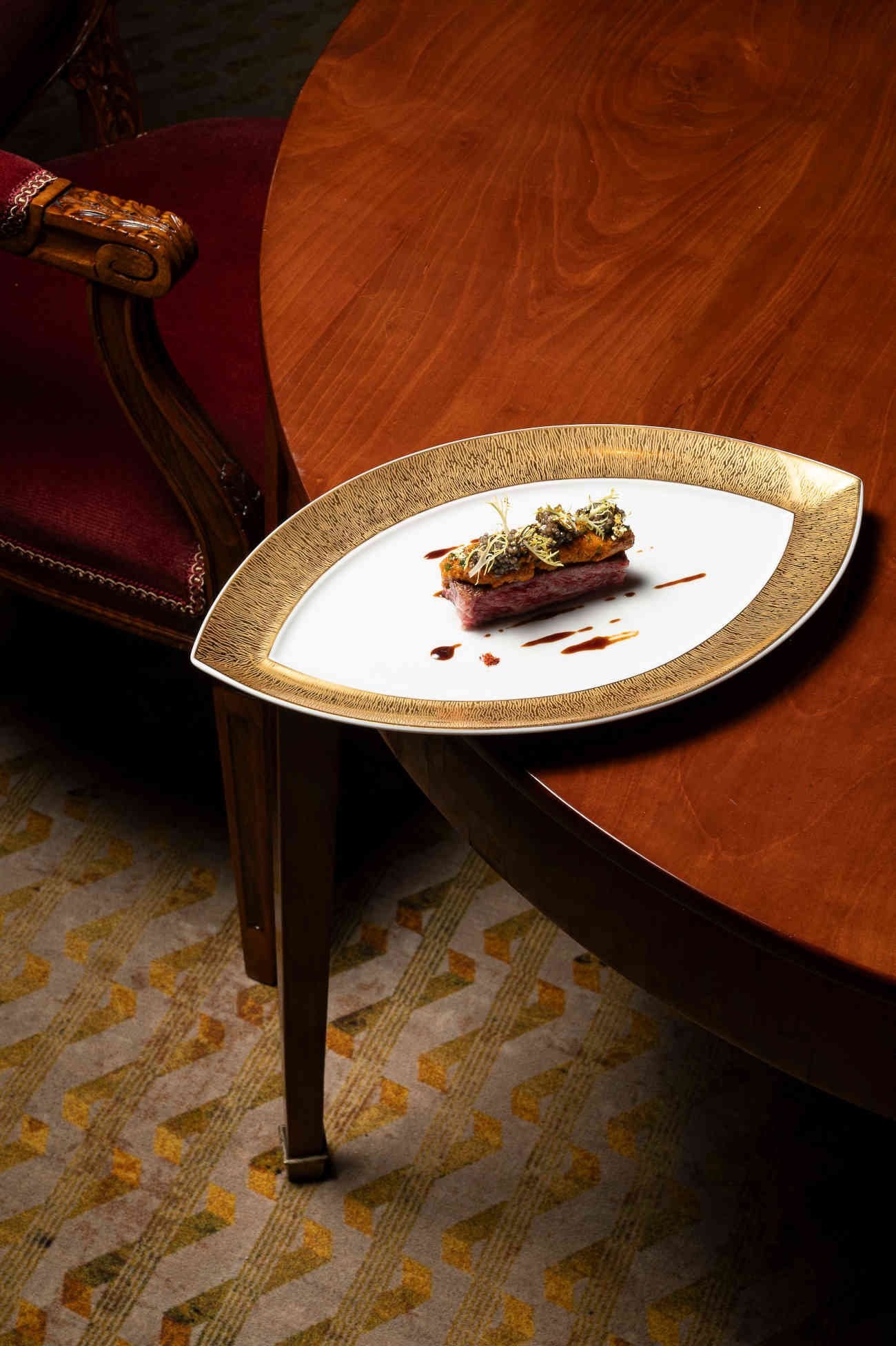
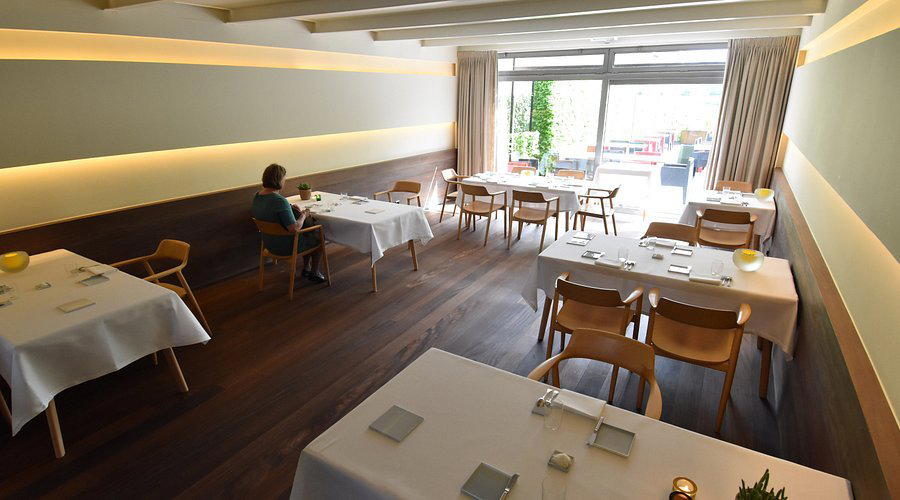
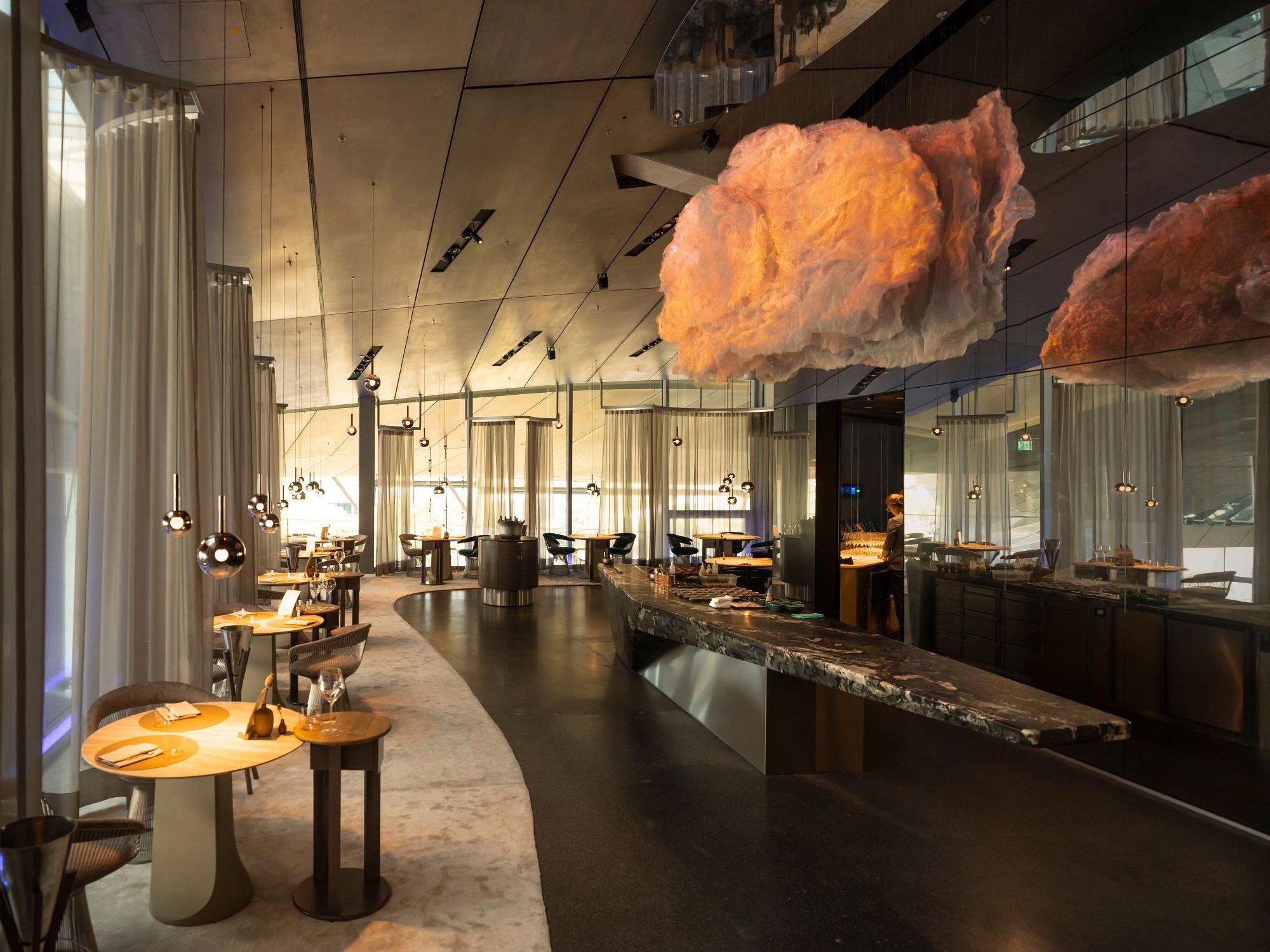
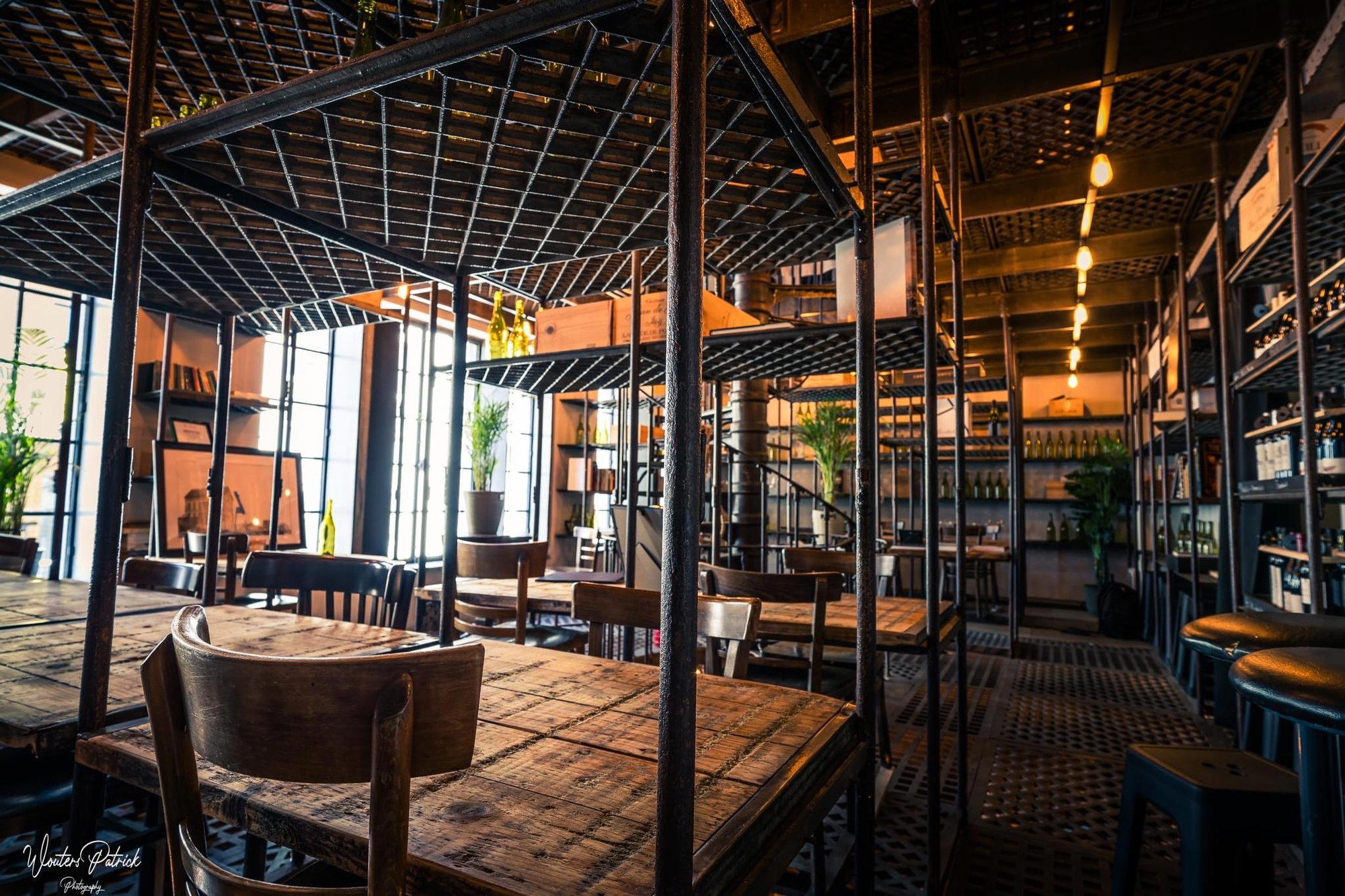
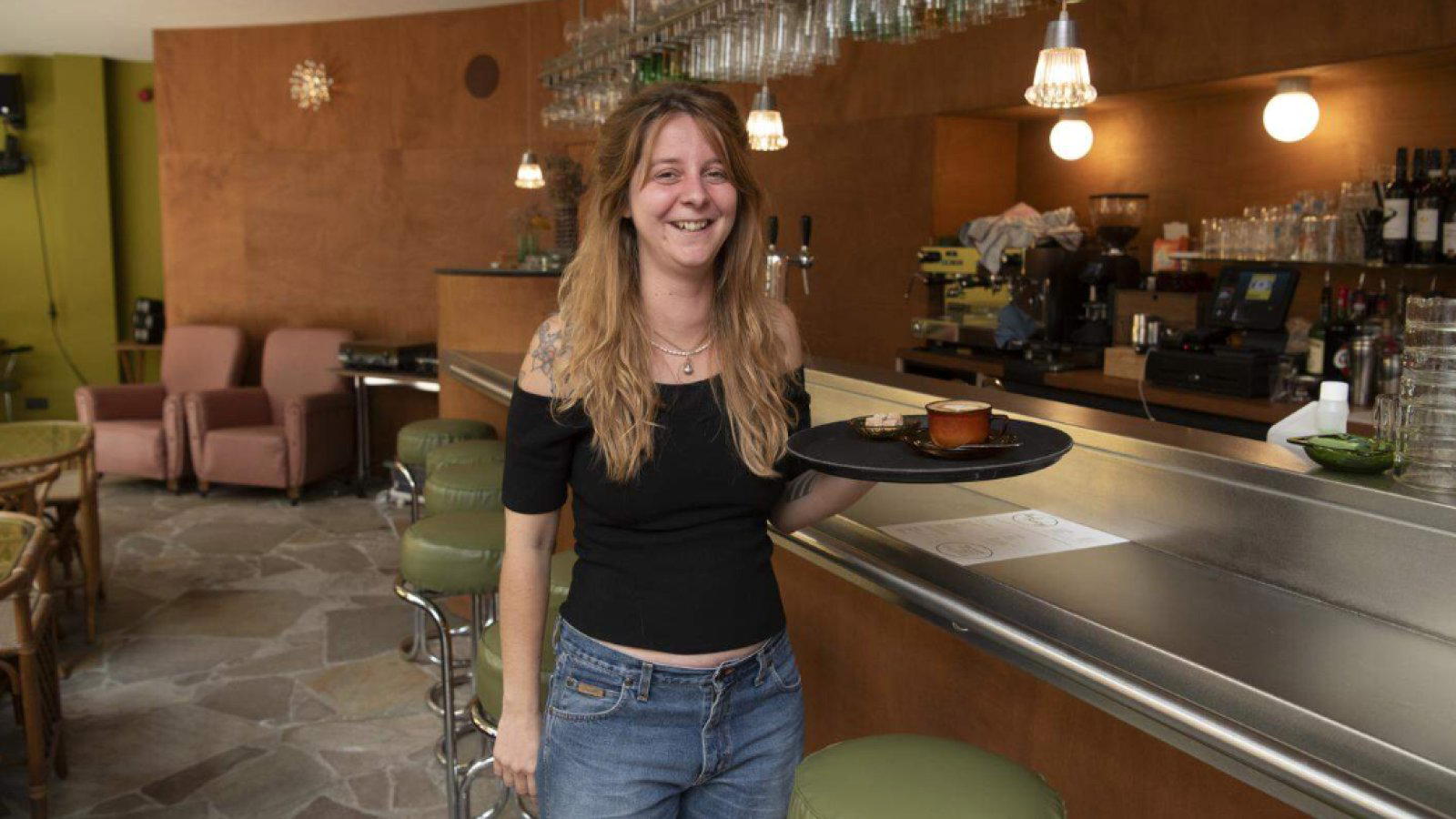
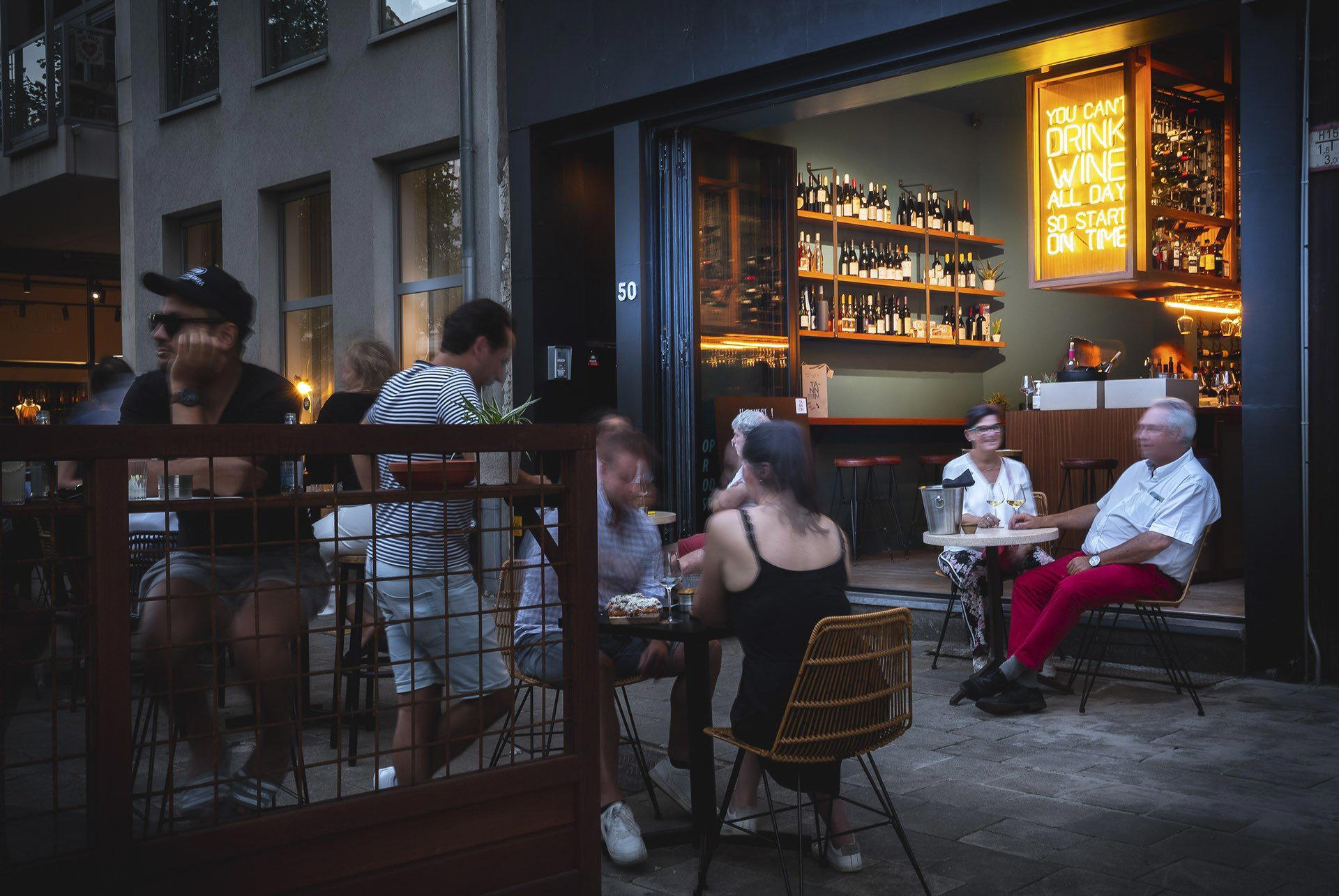
Rustic yet refined setting in a renovated farmhouse with a focus on grilled meats and traditional Basque gastronomy.