Martha Dear

Washingtonian 100 Very Best Restaurants #67
Our verdict
Martha Dear belongs to Washington’s small-restaurant tier, where neighborhood cooking, tight sourcing, and repeat local traffic matter more than ceremony. Its No. 67 placement on Washingtonian’s 100 Very Best Restaurants 2026 list gives it a clear editorial signal in a city where casual formats now compete with far more formal dining rooms.

Pearl is the En Primeur Club membership app, where members save venues, book tables and use the concierge.
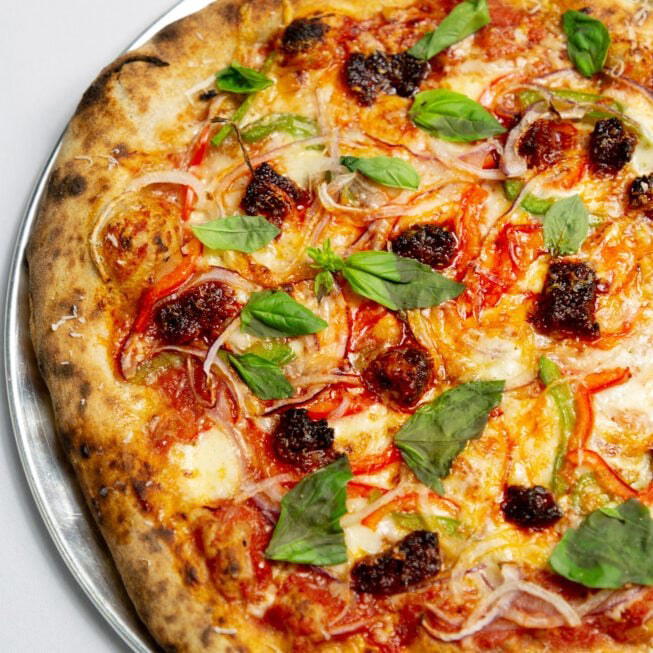
The menu
What to order
- Naturally leavened 12" pizza
- Mushroom, Spinach & Halloumi Pie
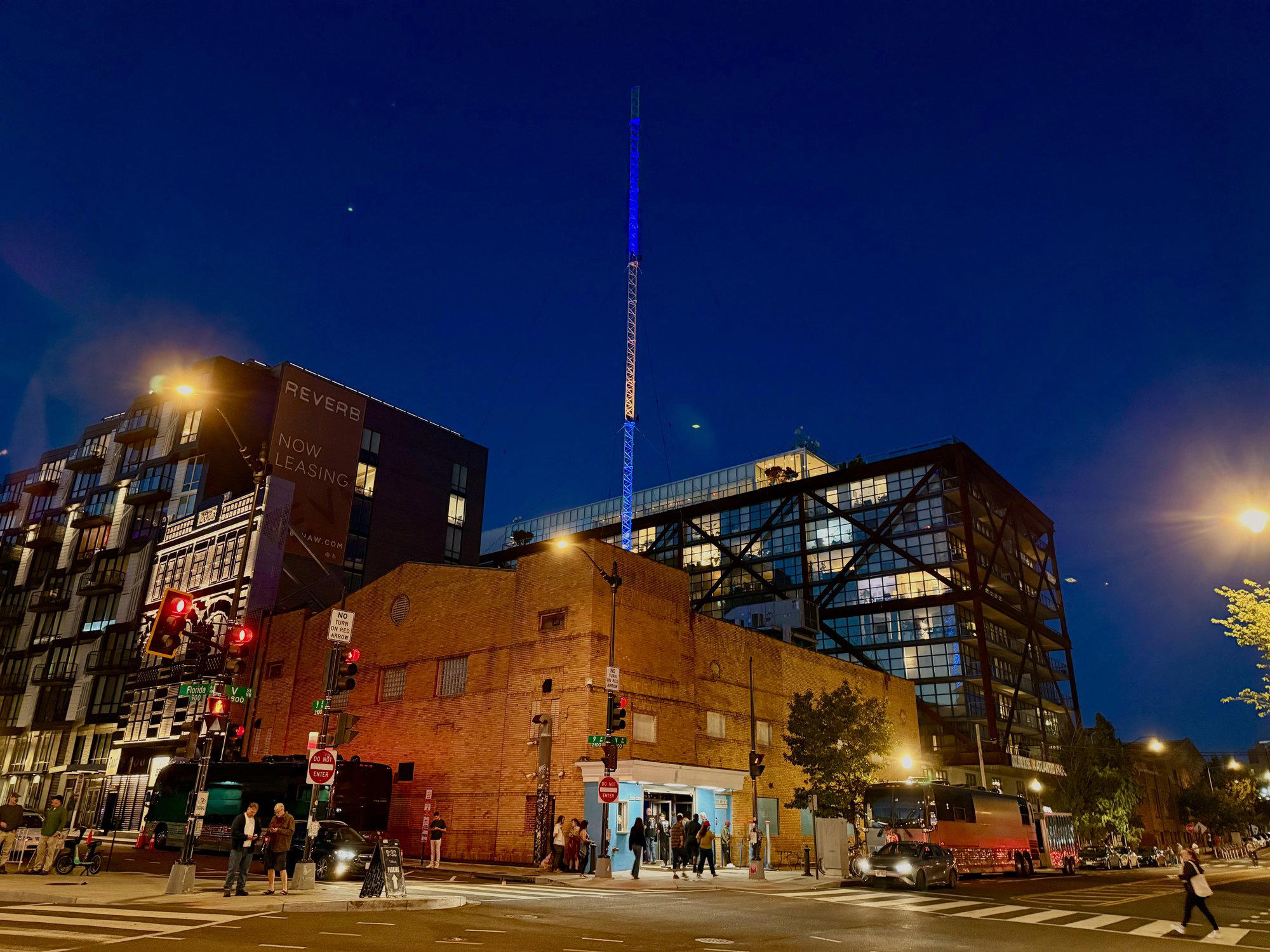
Washington, D.C. is not built only for grand entrances. Much of the city works at sidewalk scale: residential blocks, small storefronts, regulars moving between errands and dinner, and restaurants that have to earn loyalty from people who live close enough to return. That setting matters for Martha Dear, because Washington’s strongest casual dining rooms increasingly win by editing hard: fewer gestures, clearer identity, sharper focus, and a format that can handle both weeknight appetite and destination attention.
The city’s restaurant conversation has shifted away from the old split between expense-account rooms and fast-casual utility. A mid-sized, focused restaurant can now carry serious critical weight if the experience has a point of view. Washingtonian included Martha Dear on its 100 Very Best Restaurants 2026 list, a useful signal because the list cuts across luxury rooms, neighborhood counters, and specialist restaurants rather than isolating restaurants by price or format. In that company, recognition is less about polish than clarity.
Neighborhood dining as a sourcing argument
Casual dining in Washington has become a better test of restaurant discipline than it used to be. The city has long had neighborhood staples, counters, and specialists, but the newer tier asks a different question: can a casual format carry the same care expected from a contemporary dining room? Martha Dear sits in that conversation, where editing, focus, and execution do the work without the shelter of a long tasting menu.
That is why the broader restaurant craft matters. In a compact restaurant format, weak decisions have nowhere to hide. Menu structure, preparation choices, service rhythm, and pantry judgment can shape the meal before any flourish arrives. Washington diners have become more fluent in those choices, partly because the city’s casual and independent dining culture has trained people to notice when a simple meal has been handled with care. Familiar formats benefit from that literacy: they invite comparison and punish indifference.
Within the local set, Martha Dear belongs to a generation of neighborhood restaurants shaped by seriousness, smaller-footprint dining, tighter menus, and the expectation that casual does not mean unserious. Comparisons such as Bar del Monte, La Tejana, Purple Patch, Ellē, and Letena show how D.C. now supports sharply defined rooms without requiring downtown scale.
The broader city list tells the same story. Other Washington, D.C. dining rooms may serve different occasions entirely, while the city’s restaurant map is increasingly dispersed across a range of addresses and formats. The useful distinction is not formal versus casual. It is whether a restaurant has enough focus to make its category feel specific.
Why the ranking matters in a city of specialists
Placement on Washingtonian’s 2026 list puts Martha Dear in the part of the market where consistency and identity matter more than spectacle. The recognition is not just a luxury signal; it is a local critical signal. That distinction is important in Washington, where some of the more convincing meals happen outside the rooms designed for anniversaries, lobbyists, or tasting-menu completists.
Focused casual cooking also changes how value is judged. Diners are not only paying for portion size or novelty; they are paying for decisions made before service begins. Menu editing, preparation choices, pacing, and the restraint to keep an experience in balance are all invisible until they fail. The stronger restaurants in this tier make those decisions legible without turning dinner into a lecture.
Martha Dear’s appeal sits there: not in grand claims, but in the fact that Washington’s critics have made room for a neighborhood restaurant inside a citywide list. That says something about D.C. in 2026. The restaurant scene is no longer organized only around power dining, embassy-adjacent formality, or chef-driven openings with national ambitions. It has matured enough to reward compact places that understand their lane and execute it with discipline.
For travelers building a wider D.C. plan, the restaurant fits better as part of a neighborhood eating itinerary than as a standalone monument. Washington, D.C. supports adjacent dining and drinking circuits, and the city’s stronger trips often work by pairing one fixed meal with looser exploration before or after. EP Club’s city pages help map that context: Our full Washington, D.C. restaurants guide, Our full Washington, D.C. hotels guide, Our full Washington, D.C. bars guide, Our full Washington, D.C. wineries guide, and Our full Washington, D.C. experiences guide are more useful when treated as a map of the city rather than a checklist.
How to read it against the national casual-dining shift
The rise of serious small-format dining is not limited to Washington. Across the United States and beyond, regional casual restaurants are using narrower menus and clearer identities to compete for attention once reserved for larger, more formal rooms. The format may be modest, but the editing and execution carry the weight.
That is the right frame for Martha Dear. Treat it as evidence of Washington’s increasingly confident neighborhood dining culture, not as a detour from the city’s formal restaurants. The draw is the seriousness applied to a familiar, casual category, and the reason to pay attention is that focus has become one of D.C.’s clearest dividing lines between casual food that merely feeds and casual food that says something about the city.
Frequently asked questions
Where is Martha Dear located?
Washington, D.C.
Should I book Martha Dear in advance?
Yes, if the plan is a prime-time dinner in Washington, D.C. Inclusion on Washingtonian’s 2026 100 Very Best Restaurants list signals a restaurant with meaningful local attention, so advance planning is sensible.
What is Martha Dear known for?
Martha Dear is known for its placement on Washingtonian’s 2026 100 Very Best Restaurants list. In Washington, D.C. that kind of recognition usually points to a focused neighborhood restaurant with a clear identity rather than a broad, all-purpose menu.
Is Martha Dear good for vegetarians?
Check the current menu before booking if vegetarian options are important. Its Washington, D.C. setting and casual format may make it practical for mixed groups, but the available dishes should be confirmed directly.
Is Martha Dear good for families?
It may work for a relaxed meal in Washington, D.C. especially for groups looking for a casual neighborhood restaurant. Families should confirm hours, seating, and current menu details before going.
Quick Comparison
Side-by-side context: comparable cuisine and price.
| Venue | Cuisine | Price | Awards | Notes |
|---|---|---|---|---|
| Martha DearThis venue (the venue you are viewing) | Neapolitan Pizza with Greek Influences | $30–50 | Washingtonian 100 Very Best Restaurants #67 | Not listed |
| Bar del Monte | Neo‑Neapolitan Italian trattoria & wine bar | $50–100 | Washingtonian 100 Very Best Restaurants #51 | Not listed |
| La Tejana | Texas-Style Breakfast Tacos | $10–20 | Michelin Bib Gourmand · Resy Best of the Hit List | Mexican |
| Purple Patch | Filipino American | $30–50 | Not listed | Not listed |
| Ellē | Modern New American with Fermentation Focus | $50–100 | Michelin Bib Gourmand · Washingtonian 100 Very Best Restaurants #27 | Sandwiches, Contemporary |
| Letena | Health-focused Ethiopian | $20–30 | Washingtonian 100 Very Best Restaurants #70 | Not listed |
Recognition history
Dated appearances from independent guides and award organizations, with the underlying list record or original source where available.
Washingtonian 100 Very Best Restaurants #67
Washingtonian
Continue exploring
More in Washington DC
Restaurants in Washington DC
All restaurants in Washington DC →
Bars in Washington DC
All bars in Washington DC →


Details
- Cozy
- Modern
- Intimate
- Casual Hangout
- Date Night
- Solo
- Open Kitchen
- Standalone
- Beer Program
- Local Sourcing
- Street Scene
- A La Carte
- Counter Dining
- Beer
- Vegetarian Friendly
Current opening hours
- Monday
- Closed
- Tuesday
- Closed
- Wednesday
- 5–8:30 PM
- Thursday
- 5–8:30 PM
- Friday
- 5–9 PM
- Saturday
- 5–9 PM
- Sunday
- 5–8:30 PM
Hours can change for holidays and private events. Hours as of .
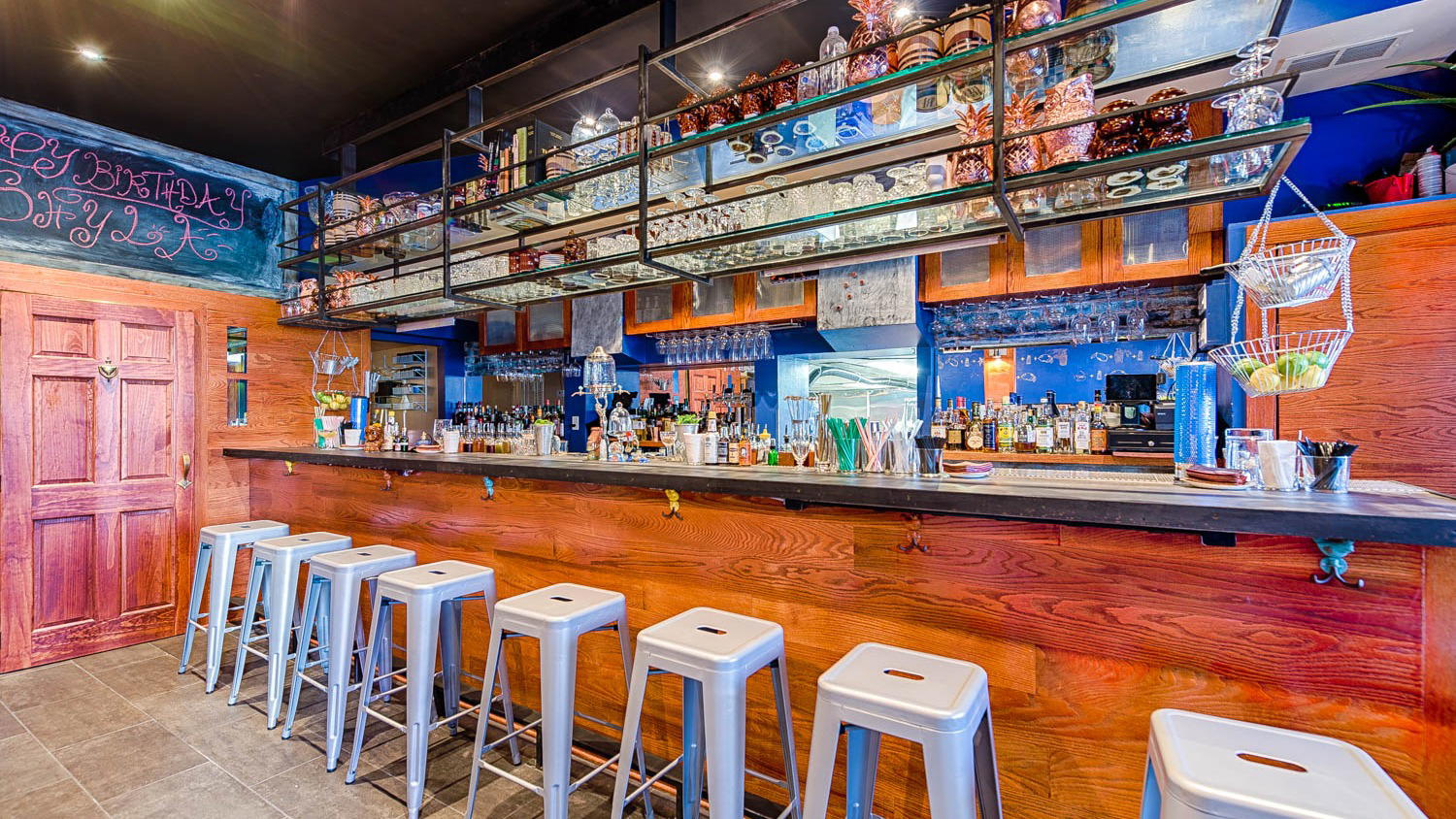
A cozy, neighborhood-forward pizzeria atmosphere with a Greek-taverna influence, focused on relaxed dine-in or takeout service.