
Dashi Men Mirai gives Gamagori a serious ramen address without the theatre of a destination tasting counter. Its Tabelog Ramen AICHI “Tabelog 100” 2025 selection and compact 14-seat format place it in the small-shop ramen tier where broth clarity, sourcing discipline, and timing matter more than luxury cues.
Pearl is the En Primeur Club membership app — saves, bookings, and concierge access live there. Same editors, same standards.
- Address
- 1-25 Honmachi, Gamagori, Aichi 443-0059, Japan
- Phone
- +81 533-55-6010
- Website
- instagram.com
- Directions
- Get directions
 Saves & bookings on Pearl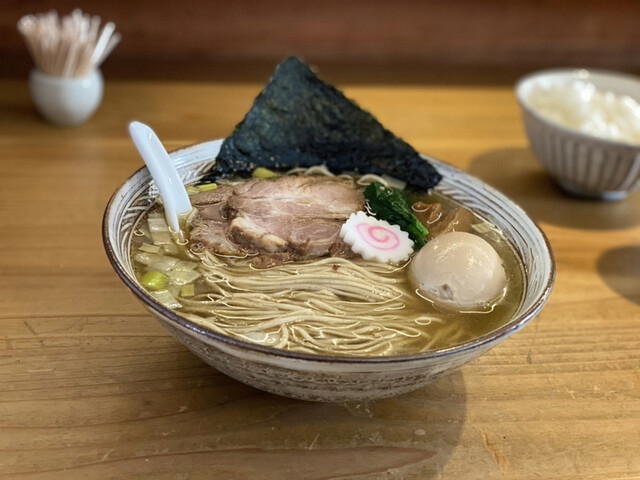
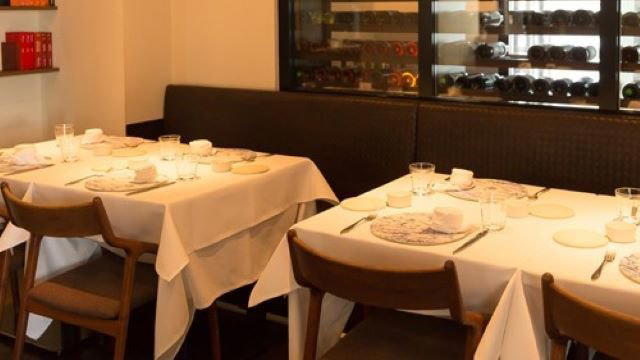
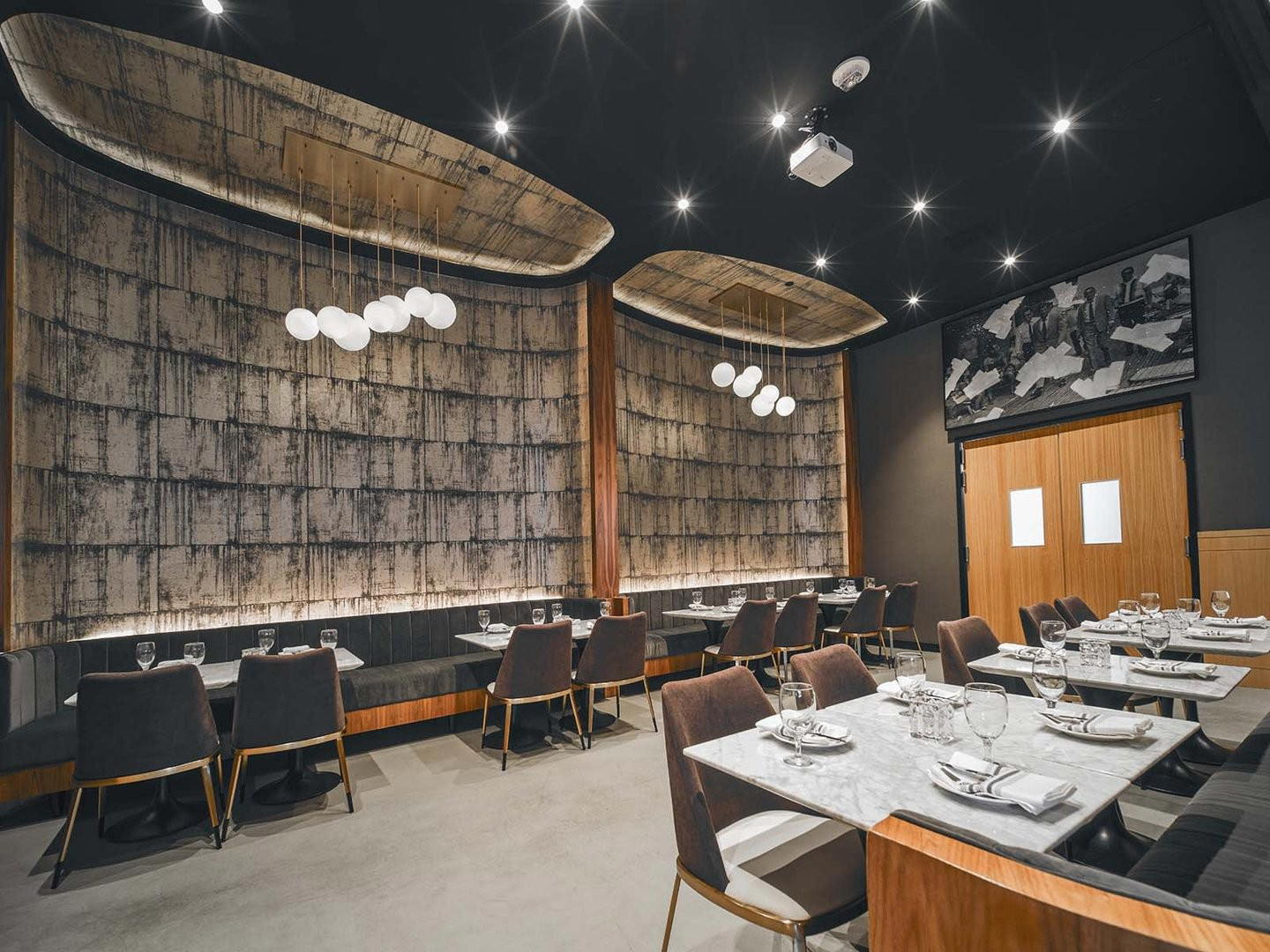
Approach in Honmachi and the signal is modest: a house-style ramen shop, not a polished restaurant stage. In Aichi, serious noodle cooking often lives in compact rooms near commuter routes and shopping streets, with the counter doing the work. Dashi Men Mirai fits: 14 seats, split between an 8-seat counter and a small tatami-room chabudai area, keeping it closer to a specialist kitchen than a casual chain stop.
Gamagori is better known to many travellers for its bay, hot-spring hotels, and coastal leisure economy than for a dense dining circuit. A ramen shop selected for Tabelog Ramen AICHI “Tabelog 100” 2025 is therefore more useful than a standard sightseeing meal: a clear, low-cost food anchor. The broader Gamagori dining map runs from resort spending at Choyuro Ragūna beikōto kurabu hoteru&su pa rizōto to everyday noodle and set-meal addresses; this shop sits in the latter camp, where repeat local demand matters more than room design.
Broth-first ramen in a city built around short, practical meals
The editorial point is not rarity for its own sake. Ramen credibility in regional Japan comes from consistency: soup, noodles, seasoning, service rhythm, and delivery under lunch pressure. The name points to dashi, the right frame for the shop. In Japanese noodle culture, stock is not background liquid; it defines the bowl before toppings enter. A broth-led counter asks diners to notice extraction, salinity, fat, and noodle compatibility rather than decoration.
Aichi ramen ranges from Nagoya’s urban competition to smaller-city shops that draw serious diners without becoming formal restaurants. Selection for Tabelog’s regional ramen list in 2025 places Dashi Men Mirai in that competitive Aichi bracket, while earlier Tabelog Ramen EAST “Tabelog 100” 2024 recognition shows the reputation predates the newer prefectural framing. For travellers, the reading is simple: not a luxury detour, but a specialist ramen stop with public recognition in a category where small differences in stock and noodle handling define the meal.
The sourcing angle is practical. Dashi-led ramen depends on ingredient quality often invisible on the plate: dried fish, kelp, bones, aromatics, soy seasoning, salt blends, and noodle flour profile. Without naming unlisted ingredients, the broader tradition explains why a small ramen room can carry more culinary weight than its price tier suggests. Entry cost may be low, but the technical burden is high because the bowl has few places to hide mistakes.
Small-room discipline rather than destination-restaurant theatre
The room’s format shapes the meal. Counter seating puts diners close to the production line: normal for ramen, but decisive because bowls are assembled to be eaten immediately, and turnover is part of the craft, not a compromise. Tatami-room chabudai seats soften the format for families, useful in a category often built around solo dining and quick lunch traffic. Non-smoking status matters in a compact broth room, where aroma cannot tolerate interference.
Gamagori’s hotel and leisure market can pull visitors toward waterfront properties and higher-spend meals, but ramen follows different logic. The comparison with the full Gamagori restaurants guide shows the city’s range: resort dining, local counters, casual specialists, and day-trip meals do different jobs. Travellers can also map the stop against the Gamagori hotels guide, the Gamagori bars guide, the Gamagori wineries guide, and the Gamagori experiences guide without pretending this ramen shop belongs to the same spending category as a resort dinner.
Within the comparison venues provided, the spread is instructive. Choyuro Ragūna beikōto kurabu hoteru&su pa rizōto sits in a far higher spend band, while out-of-metro references such as Shogetsu, Pizzeria Ocean, Sanshu Teuchi Udon Garyu, and Sushi Bito Mitoku show Japanese regional dining ranging from everyday noodles to high-priced sushi. Dashi Men Mirai’s value is occupying the low-cost specialist lane with award-list recognition, not behaving like a formal counter.
How to fold it into a serious Japan food itinerary
For itineraries built around everyday Japanese food rather than only tasting menus, this stop adds texture. It pairs naturally with railway movement, coastal sightseeing, and hotel stays where one meal can be precise and casual, not ceremonious. The address is close to Gamagori Station, and the venue has parking, making it workable by rail or car. Cash planning matters because credit cards, electronic money, and QR payments are not accepted.
Reservation rules reveal the intended audience. Same-day reservations are accepted only for customers with children, while the general rhythm remains that of a small ramen shop. The family-friendly note is more than a checkbox: it marks a rare overlap between specialist ramen and child-accommodating logistics. Solo diners are equally natural at the counter, where the meal is short, focused, and tied to the kitchen’s pace.
For broader Japanese food context, the internal contrasts help: -Grilled beef Sukiyaki- KAMAKURA TANUKIAN 鎌倉 たぬき庵 in Kamakura shows a beef-and-sukiyaki lane, . 鮪と炭火焼き うお炭 秋葉原店 in Tokyo sits closer to tuna and charcoal cooking, .cafe in Osaka works in café mode, and.know in Kumamoto adds another regional reference point. Casual Japanese dining is not one category; it is a set of formats with different expectations around speed, sourcing, and spend.
Ramen also benefits from comparison with other single-specialty venues. (Shoku) Vietnam in Kawasaki, [Curry Senmon Ten] Maruyama Kyoju. in Sapporo, [ki:] in Kyoto, #肉といえば松田 奈良本店 in Kashihara, 1/3 HAMBURGER FACTORY in Kanazawa, 1000 in Yokohama, Jōdo Saké Bar in Los Angeles, and Onigiri Time in Pasadena underline the same point from different angles: small formats can carry serious culinary identity when the core product is disciplined. The restaurant belongs in that conversation as a Gamagori ramen stop where value sits in broth focus, compact service, and Aichi-level recognition.
How It Stacks Up
Comparable venues by cuisine and price in the same metro.
| Venue | Cuisine | Price | Notes |
|---|---|---|---|
| Dashi Men Mirai | Japanese Ramen | $ | Honmachi |
| Choyuro Ragūna beikōto kurabu hoteru&su pa rizōto | Upscale Chinese / Sichuan in a luxury resort hotel | $$$$ | Gamagori |
| ラーメン チョンマゲ 大阪天六店 | Traditional Japanese Soy Sauce Ramen | $ | Tenjinbashi |
| Koja Sobaya (古謝そば屋) | Traditional Miyako Soba | $ | Hirara, Miyakojima City |
| Drive-in Ippei (ドライブイン一平) | Japanese Curry & Tonkatsu Diner | $ | 小城市 |
| Tonjinchi Ramen | Toyama Himi Niboshi Ramen | $ | Himi |
Recognition history
Dated appearances from independent guides and award organizations, with the underlying list record or original source where available.
Tabelog 100 #38 · No. 38
Tabelog · Tabelog 100 - Ramen - AICHI - 2025
At a Glance
- Cozy
- Classic
- Solo
- Casual Hangout
- Standalone
Current opening hours
- Monday
- 11 AM–2 PM
- Tuesday
- 11 AM–2 PM
- Wednesday
- Closed
- Thursday
- 11 AM–2 PM, 5–8 PM
- Friday
- 11 AM–2 PM, 5–8 PM
- Saturday
- 11 AM–2 PM, 5–8 PM
- Sunday
- 11 AM–2 PM, 5–8 PM
Hours can change for holidays and private events. Last verified .
Simple, no-frills ramen shop atmosphere with a local neighborhood feel.