
Gamagori’s resort dining scene rarely enters the same conversation as Nagoya or Tokyo, which makes this Chinese selection notable: a hotel-based room in Kaiyocho with Tabelog Chinese EAST 100 recognition for 2026. The interest lies less in spectacle than in how coastal Aichi’s produce culture can support a polished Chinese format outside the major-city circuit.
Pearl is the En Primeur Club membership app — saves, bookings, and concierge access live there. Same editors, same standards.
- Address
- Japan, 〒443-0014 Aichi, Gamagori, Kaiyocho, 2 Chome−9−1
- Phone
- +81 533-33-9111
- Website
- rtg.jp
- Directions
- Get directions
 Saves & bookings on Pearl
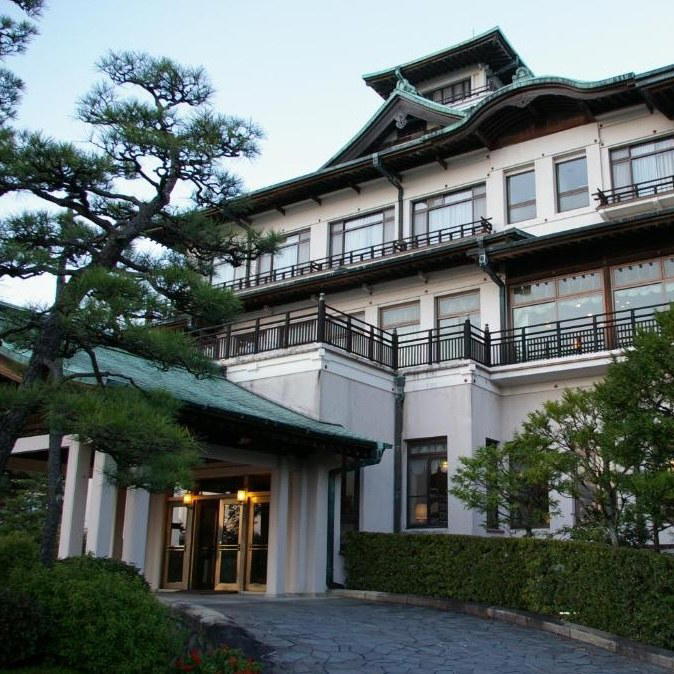
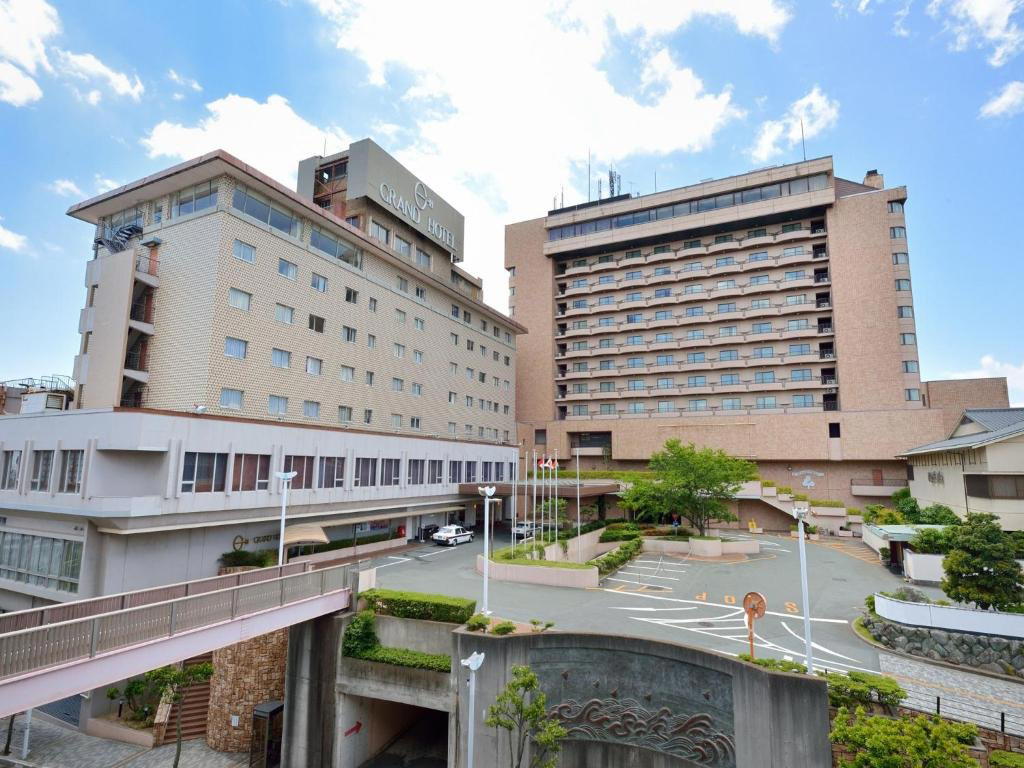
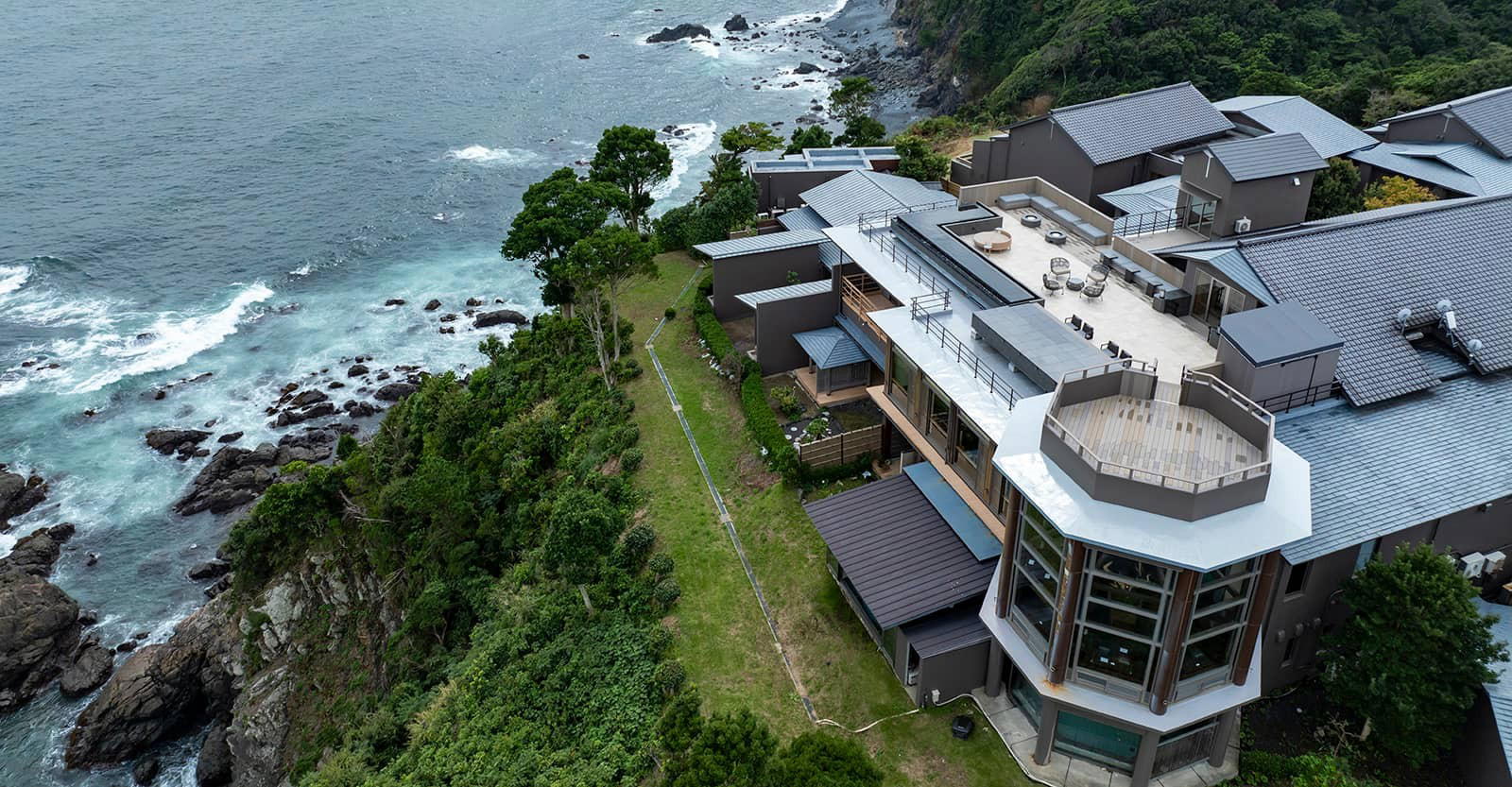
Approaching Kaiyocho, the mood shifts from station-town Aichi to bayfront resort Japan: wider roads, sea air, and the controlled hush of a hotel enclave. That setting matters for Chinese cooking. In a city such as Gamagori, where the coastline and nearby Mikawa food networks shape dining expectations, a formal Chinese room has to read differently from a city-center banquet restaurant. It is judged not only on technique, but on whether the kitchen can make the region feel present without turning dinner into a local-products checklist.
Choyuro Ragūna beikōto kurabu hoteru&su pa rizōto sits in that more specific category: destination Chinese cooking attached to a resort address rather than a street-level urban dining room. Its selection for Tabelog Chinese EAST 100 in 2026 gives it a clear external credential, but the more useful point for travellers is category fit. This is not the quick ramen-and-train-stop version of Gamagori dining represented by Dashi Men Mirai. It belongs to the slower, planned-meal tier, where private rooms, non-smoking policy, and hotel infrastructure change the rhythm of the evening.
Bayfront Aichi gives Chinese cooking a different brief
Chinese restaurants in Japan often split into two lanes. One is urban and chef-led, built around tasting menus, wine pairings, and competitive reservations. The other is hotel-based, where pacing, privacy, and multi-generational comfort carry as much weight as technical precision. Gamagori pushes the second lane into sharper focus because the city is not a dense dining capital. The reason to eat Chinese here is not to chase metropolitan novelty; it is to see how a resort kitchen works with the expectations of Aichi diners and guests who have already committed to the bay as their base.
Ingredient sourcing is the quiet test. Aichi has strong agricultural output, a deep seafood culture around Mikawa Bay, and a dining public accustomed to seasonal Japanese cues even when the cuisine is Chinese. A serious kitchen in this setting has to translate that context through Chinese methods rather than simply place local produce beside familiar sauces. The better version of the format keeps the sourcing visible through restraint: seafood handled with clarity, vegetables treated as more than garnish, and seasoning that does not bury the reason the ingredients were chosen.
That is also why the hotel setting should not be dismissed as conservative. In Japan, hotel Chinese dining has long been a vehicle for family celebrations, business meals, and formal occasions where private rooms matter. The format rewards consistency and calm service more than theatrical counter energy. For travellers mapping the city beyond one dinner, our full Gamagori restaurants guide gives the broader food picture, while our full Gamagori hotels guide explains why the hospitality context is unusually relevant here.
The EAST 100 signal places it above ordinary resort dining
Tabelog’s Chinese EAST 100 list is a useful marker because it gathers restaurants across eastern Japan rather than only the predictable Tokyo concentration. A 2026 selection places this Gamagori address in a wider Chinese-dining conversation, and the listed Tabelog score of 3.64 suggests a restaurant with enough sustained diner support to rise beyond hotel convenience. The distinction matters: plenty of resort restaurants are competent because they serve captive guests; fewer earn attention within a cuisine-specific field.
The competitive set around Gamagori also clarifies the decision. Dashi Men Mirai occupies the low-cost noodle lane in the same city, while out-of-metro references such as Shogetsu and Raa Men Sachihane sit in casual price territory. GITA and Tengen Tempura Senmon Ten move closer to planned-dinner spending, but through different cuisine formats. Choyuro Ragūna beikōto kurabu hoteru&su pa rizōto is better understood as a formal Chinese choice for travellers who want a composed meal within the resort orbit, not as a substitute for a quick local stop.
That positioning makes it useful for a particular itinerary. Gamagori is often folded into Aichi travel for the coast, onsen-adjacent stays, family trips, or a quieter break from Nagoya. A hotel Chinese dinner fits those patterns when the aim is privacy and predictable pacing rather than a night built around bar-hopping. For that side of the city, our full Gamagori bars guide, our full Gamagori wineries guide, and our full Gamagori experiences guide help frame what can realistically sit around the meal.
Who should choose this room over a city-center dinner
The strongest case is for diners who value setting, sourcing context, and a formal Chinese format in equal measure. A city-center restaurant may offer more edge, a tighter counter, or a chef identity pushed to the foreground. This room answers a different question: where can Chinese cuisine work as part of a bayfront Aichi stay without feeling secondary to the hotel? The Tabelog recognition gives the answer more weight, but the appeal is situational rather than universal.
Travellers building a Japan dining route can use it as a counterpoint to different addresses: beef-focused regional dining such as -Grilled beef Sukiyaki- KAMAKURA TANUKIAN 鎌倉 たぬき庵 in Kamakura, casual Tokyo seafood grilling at . 鮪と炭火焼き うお炭 秋葉原店 in Tokyo, Osaka café culture at.cafe in Osaka, and Kumamoto’s contemporary casual register at.know in Kumamoto. Each sits in a different lane; the value here is the composed resort meal with Chinese technique as the frame.
For broader cross-country planning, the contrast continues through (Shoku) Vietnam in Kawasaki, [Curry Senmon Ten] Maruyama Kyoju. in Sapporo, [ki:] in Kyoto, #肉といえば松田 奈良本店 in Kashihara, 1/3 HAMBURGER FACTORY in Kanazawa, and 1000 in Yokohama. International readers comparing Japanese food formats abroad can also look at Jōdo Saké Bar in Los Angeles and Onigiri Time in Pasadena. Against that spread, the Gamagori address is not trying to be louder; it is a controlled, hotel-grounded expression of Chinese dining in a coastal Aichi setting.
In Context: Similar Options
Comparable venues by cuisine and price in the same metro.
| Venue | Cuisine | Price | Notes |
|---|---|---|---|
| Choyuro Ragūna beikōto kurabu hoteru&su pa rizōto | Upscale Chinese / Sichuan in a luxury resort hotel | $$$$ | Gamagori |
| Dashi Men Mirai | Japanese Ramen | $ | Honmachi |
| Chuka Kappou Hisada | Seasonal Chinese Kappo / Kaiseki-style Counter | $$$$ | Higashi |
| Chinese Muramatsu | Chinese | $$$$ | Shizuoka |
| Fureika (中国飯店 富麗華) | Traditional Shanghai & Cantonese Chinese | $$$$ | Higashiazabu |
| Chen Kenichi Mapo Tofu Restaurant (陳建一麻婆豆腐店) | Sichuan Mapo Tofu Specialist | $$$ | Minatomirai |
Recognition history
Dated appearances from independent guides and award organizations, with the underlying list record or original source where available.
Tabelog 100 #75 · No. 75
Tabelog · Tabelog 100 - Chinese cuisine - EAST - 2026
At a Glance
- Elegant
- Scenic
- Romantic
- Sophisticated
- Special Occasion
- Date Night
- Business Dinner
- Group Dining
- Waterfront
- Hotel Restaurant
- Private Dining
- Waterfront
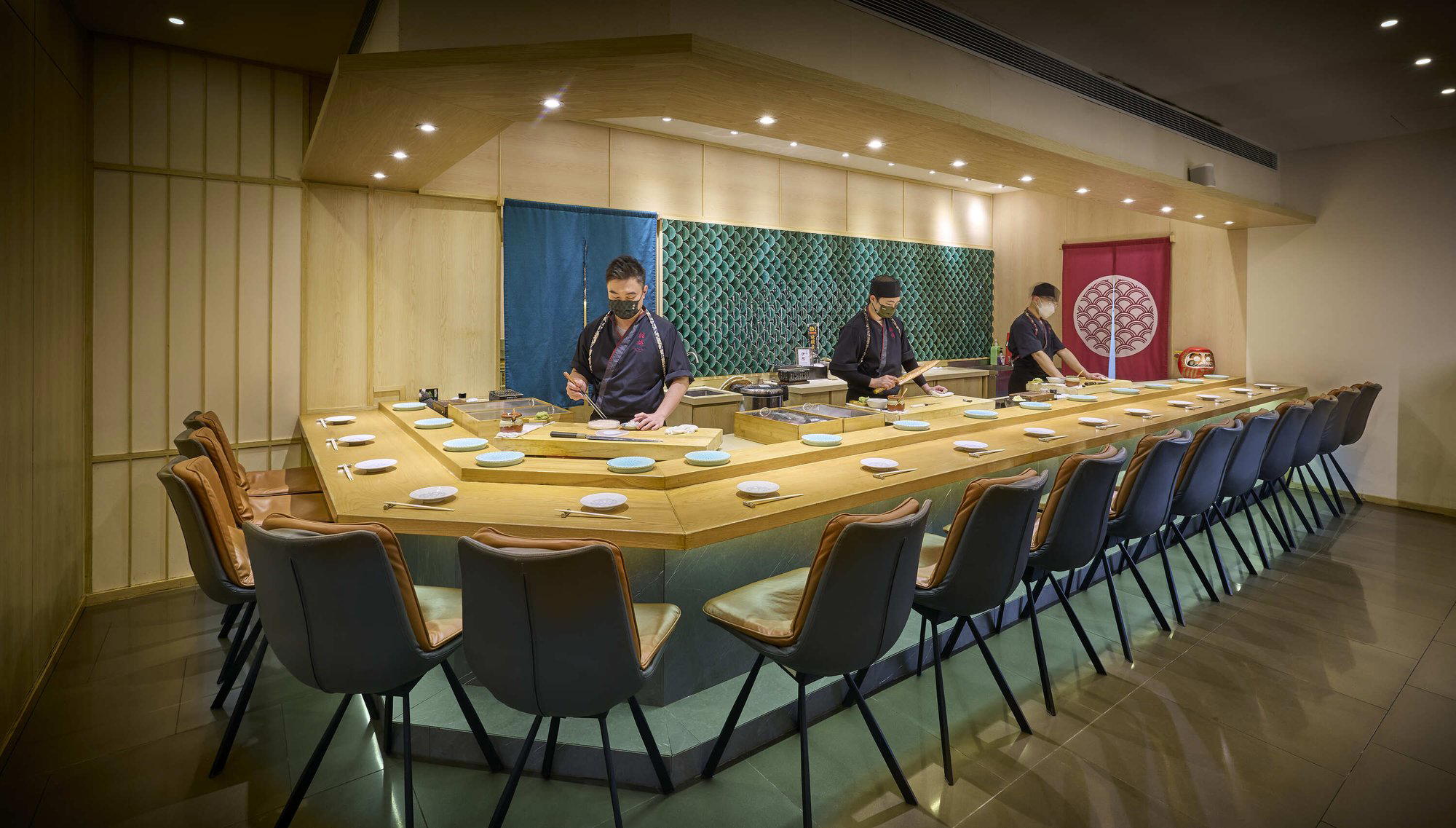
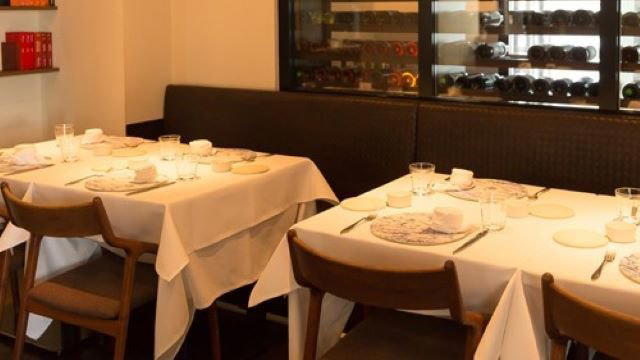
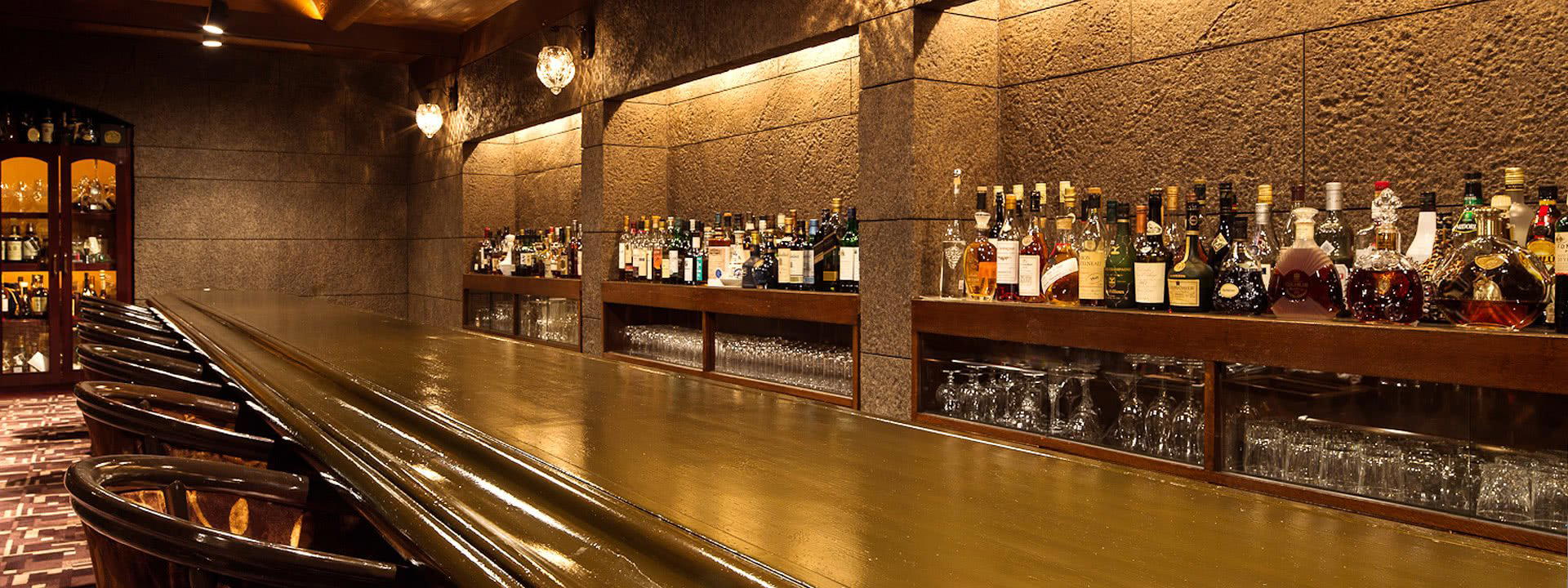
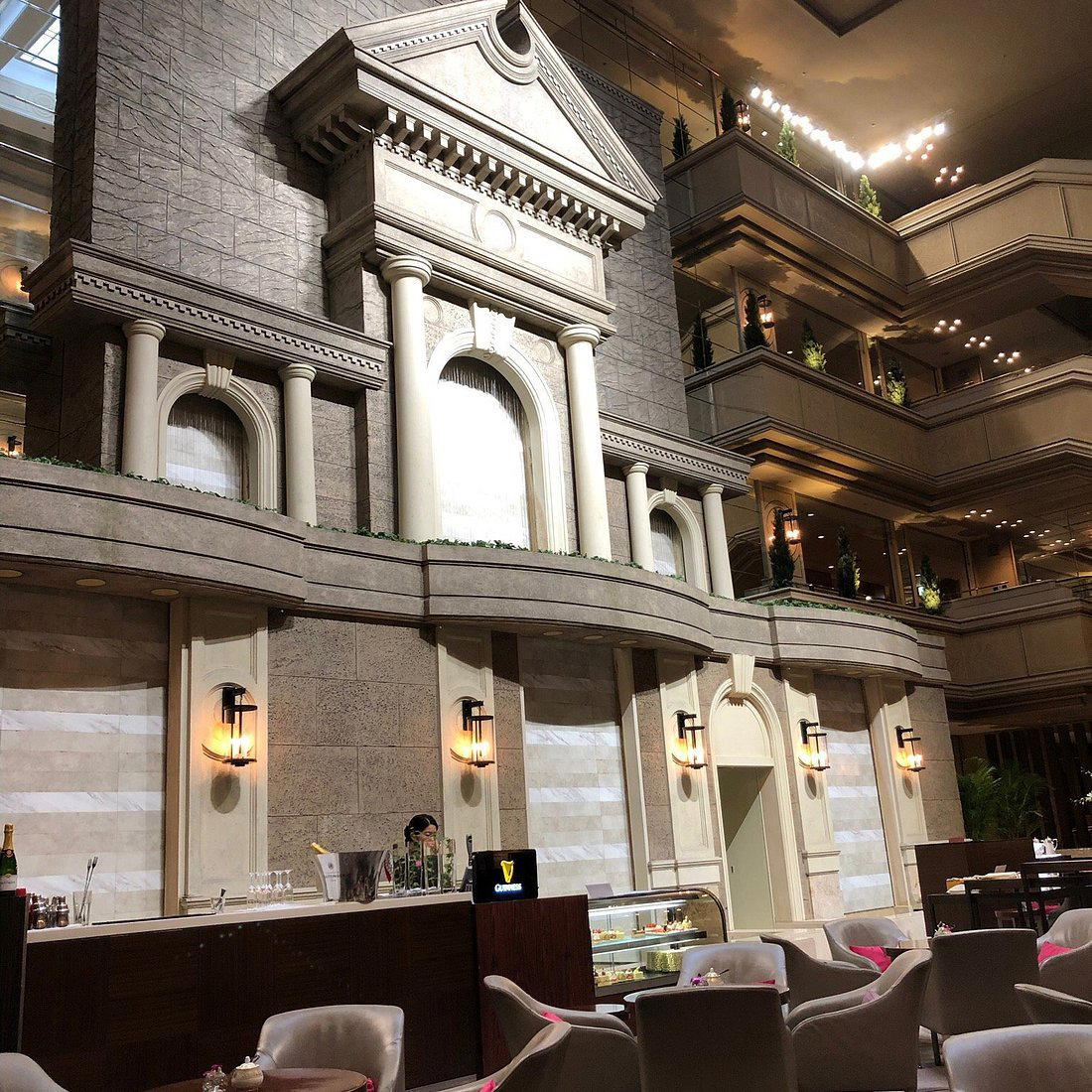
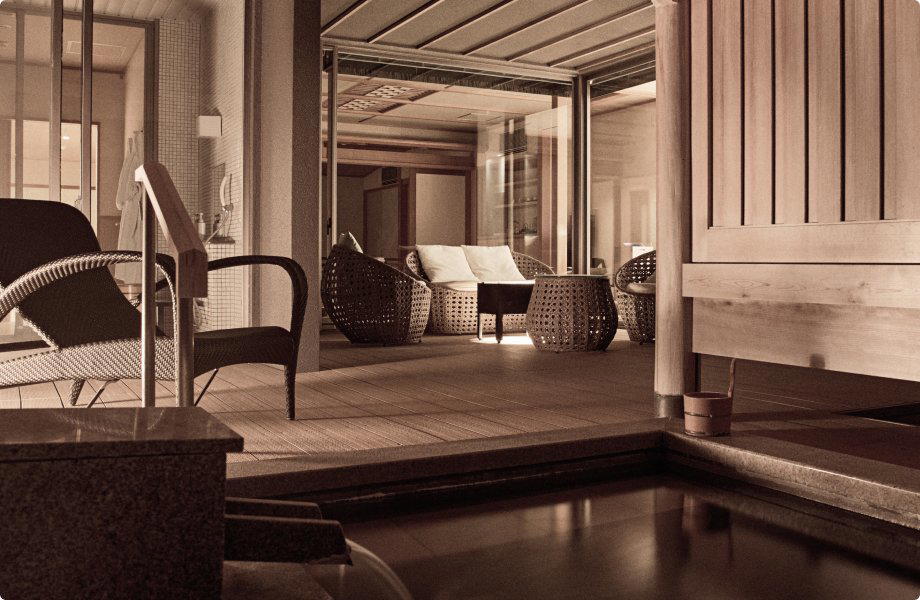
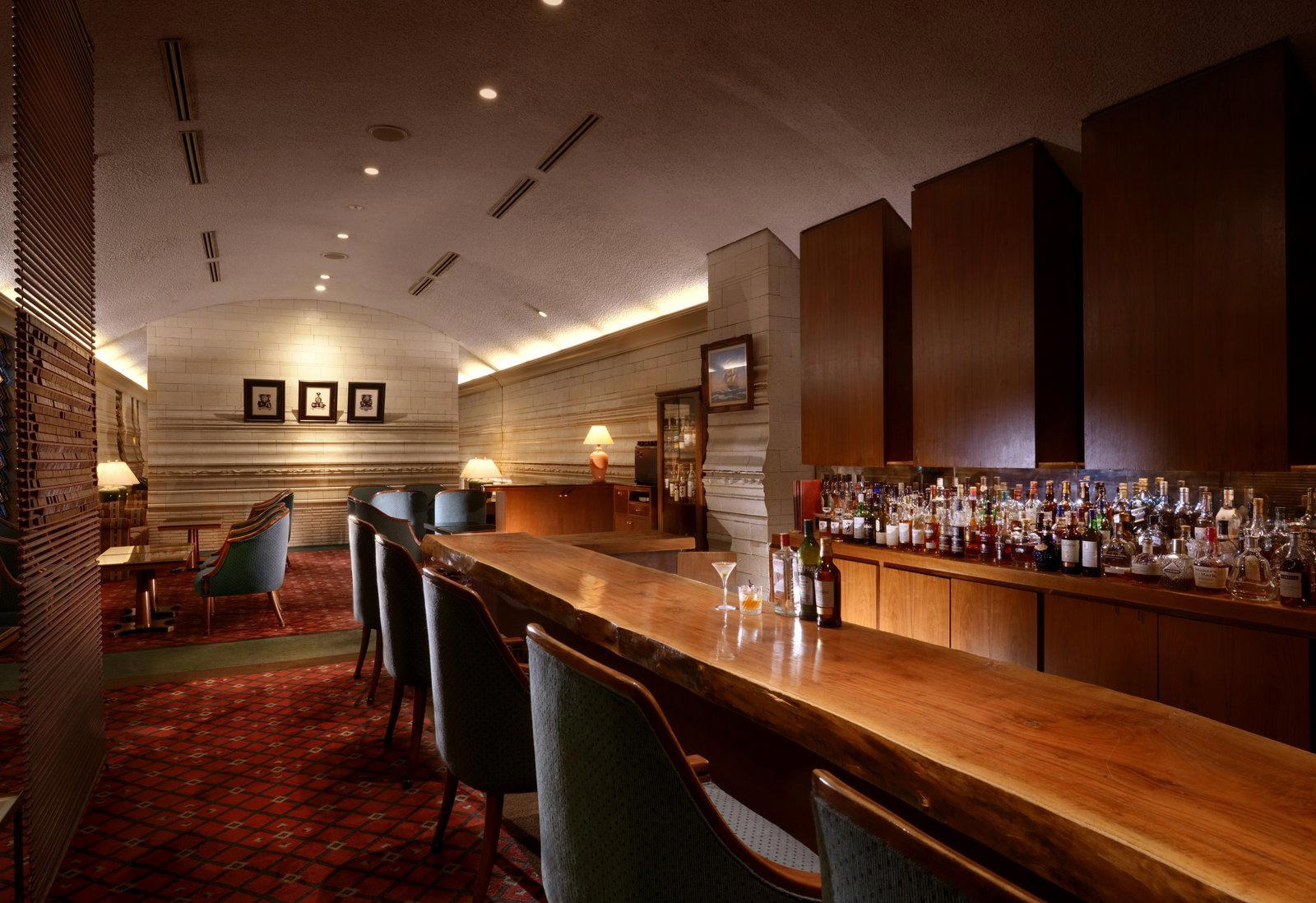
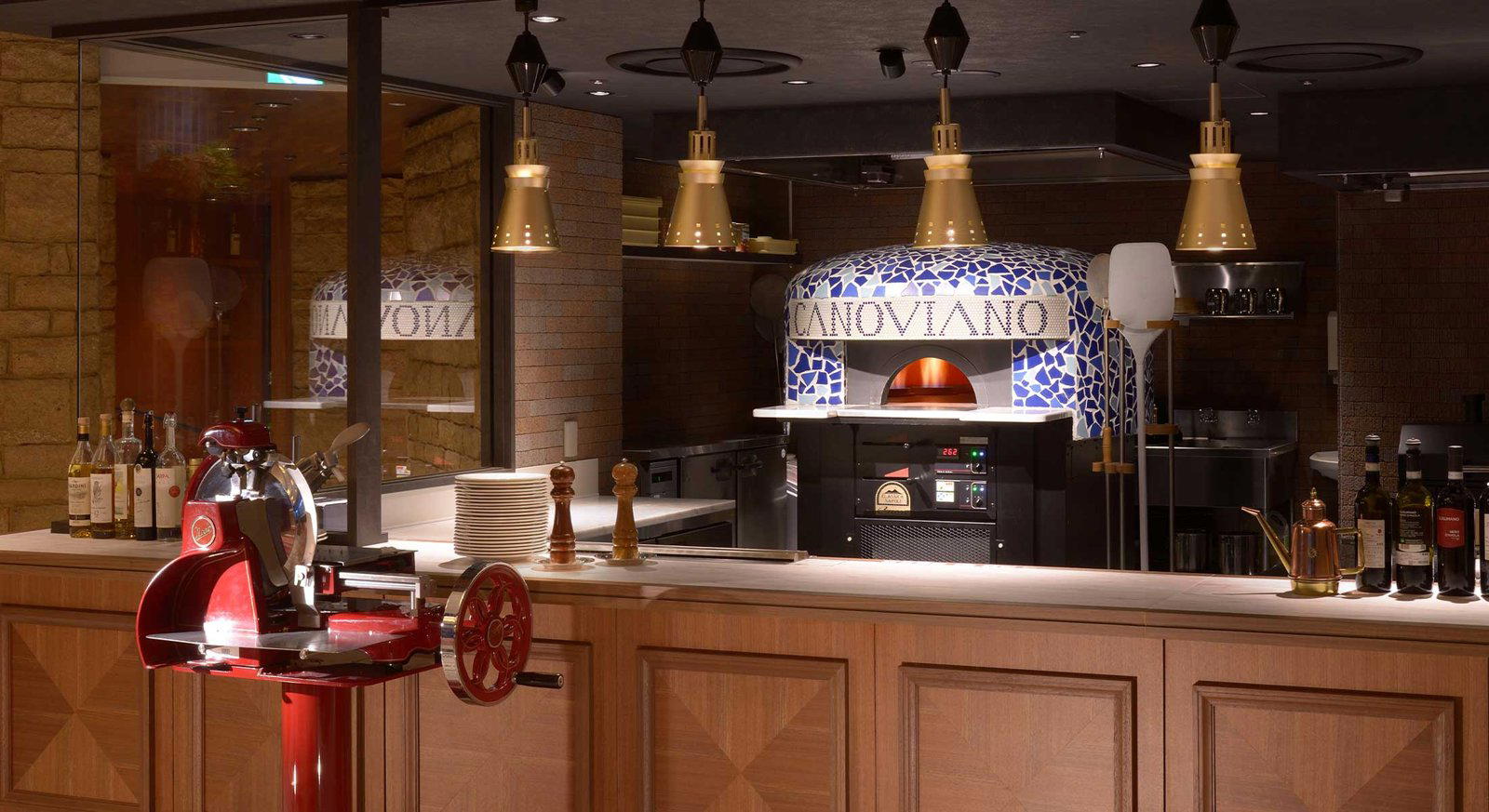
Upscale hotel-restaurant atmosphere with polished service and a calm, refined dining room suited to special occasions.