Das Vierundsiebzig sits on Stiftsbogen in Munich's Hadern district, removed from the city's established fine-dining corridor but drawing a local following that rewards the detour. The address alone signals something worth investigating: a neighbourhood restaurant operating on its own terms, at a remove from the Michelin-circuit theatrics that define central Munich dining.
Pearl is the En Primeur Club membership app — saves, bookings, and concierge access live there. Same editors, same standards.
- Address
- Stiftsbogen 74, 81375 München, Germany
- Phone
- +498970967174
- Website
- augustinum.de
- Directions
- Get directions
 Saves & bookings on Pearl
Southwest Munich, Away from the Circuit
Munich's fine-dining conversation tends to orbit a tight inner-city geography: the Schwabing addresses where Tantris established its decades-long reputation, the hotel dining rooms around the Maxvorstadt, the creative kitchens of the Altstadt. Das Vierundsiebzig operates from a different coordinate entirely. Stiftsbogen 74 sits in Hadern, a residential district in the city's southwest that most restaurant guides skip without comment. That positioning is not incidental. Restaurants that succeed in neighbourhoods like this do so on repeat custom and word-of-mouth rather than tourist footfall.
The address, encoded in the venue's own name, a direct translation of "The Seventy-Four", sets the tone before you arrive. There is no theatrical entrance, no valet queue, no lobby bar designed to signal arrival. What the neighbourhood format typically delivers instead is a room shaped by its regulars.
Where Munich Dining Sits in the German Fine-Dining Picture
To understand what Das Vierundsiebzig represents within the broader German restaurant scene, it helps to map how Munich compares to its peer cities. Germany's most decorated kitchens are scattered across the country in a pattern that consistently surprises visitors expecting concentration in the major urban centres. Schwarzwaldstube in Baiersbronn, Aqua in Wolfsburg, Waldhotel Sonnora in Dreis, and Vendôme in Bergisch Gladbach all carry three Michelin stars from addresses that would not appear on a standard city map. Munich, by contrast, has built a credible fine-dining tier in the city itself, anchored by restaurants like Atelier, Alois - Dallmayr Fine Dining, and Tohru in der Schreiberei, alongside more experimental formats like JAN.
Within that city-level picture, Das Vierundsiebzig occupies a distinct position: a neighbourhood address operating outside the cluster of venues that attract both international visitors and the local expense-account circuit. Restaurants that hold this position in any major city often develop a different relationship with their wine programs. Without a parade of first-time visitors, the cellar can be built for depth rather than display.
The Wine Argument for Hadern
In German restaurant culture, the division between city-centre fine dining and neighbourhood restaurants with serious wine credentials is well-established. Cities like Hamburg, where Restaurant Haerlin holds court in the Vier Jahreszeiten, and Trier, where Bagatelle draws on the Mosel's proximity, show how geography shapes a cellar's identity. Munich's position in Bavaria places it within reach of Austrian wine country, the Franken appellation to the north, and the Alto Adige across the border to the south, a triangle that gives Bavarian sommeliers a different set of regional reference points than their counterparts in the Rhineland or Hamburg.
A restaurant at Stiftsbogen 74, serving a neighbourhood clientele that returns with regularity, has both the incentive and the opportunity to build a list around those regional strengths rather than defaulting to the Burgundy and Bordeaux framework that still dominates many Munich fine-dining rooms. Particularly interesting wine programs in Germany right now, including those at ES:SENZ in Grassau and Schanz in Piesport, tend to reflect a specific geographic intelligence rather than a generic prestige selection. Whether the restaurant's list operates in that mode is for the room itself to show.
The Neighbourhood Restaurant as a Dining Format
Across Europe's major cities, a specific type of restaurant has become increasingly valued: the address that serious diners travel across their own city to reach, without expecting the ceremony of a destination fine-dining room. CODA Dessert Dining in Berlin and Victor's Fine Dining by Christian Bau in Perl each illustrate, in different ways, how restaurants operating outside the standard coordinates can develop distinct identities. Outside Germany, the same logic applies to venues like Lazy Bear in San Francisco, which operates in a format that prioritises intimacy and curation over the signals of conventional prestige dining.
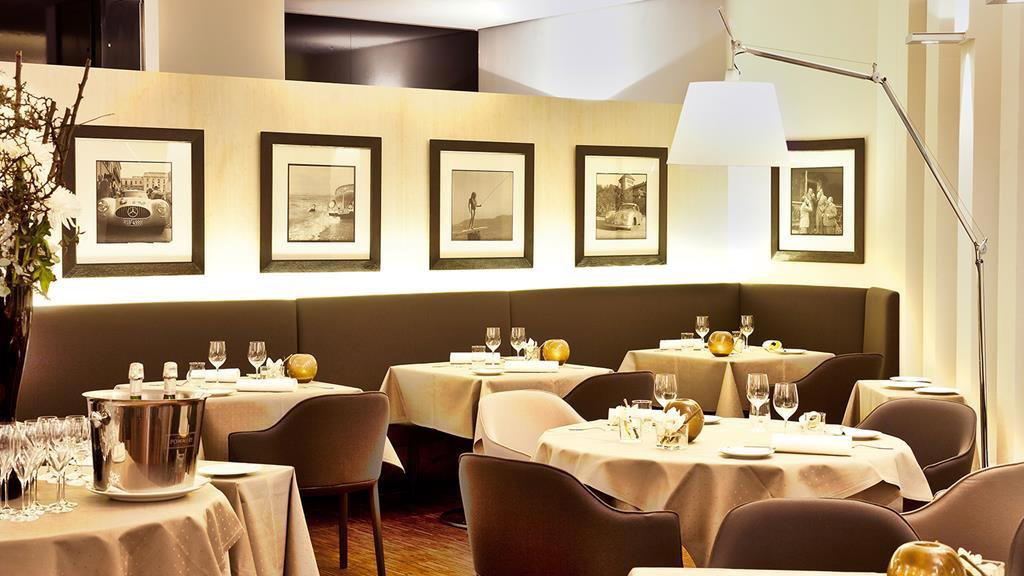
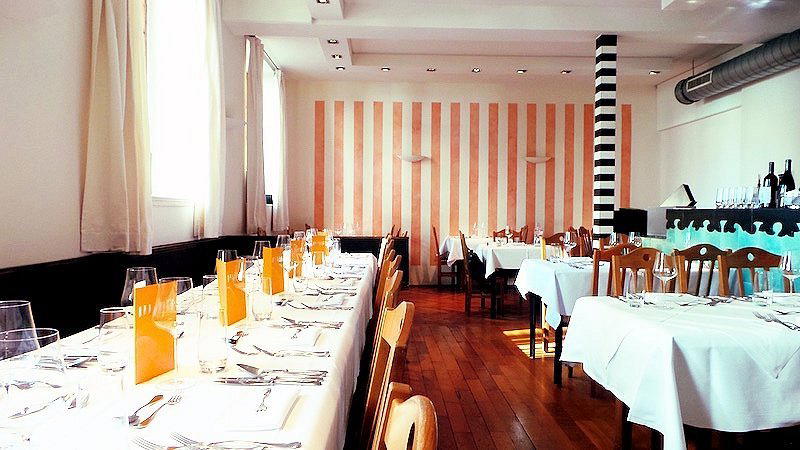
The restaurant sits in a format category where the room's atmosphere is established by its regulars rather than its reputation. The Hadern setting implies a clientele that lives nearby, knows what it wants, and returns often enough to have opinions about the wine list's evolution. That dynamic produces a different kind of hospitality than a room full of first-time visitors ticking off a reservation. For a diner arriving from outside the neighbourhood, the experience reads less like a curated performance and more like being admitted to someone else's regular table.
Placing Das Vierundsiebzig Against Munich's Fine-Dining Tier
The gap between a Hadern neighbourhood address and the established fine-dining corridors around Schwabing or the Altstadt is significant in terms of clientele and expectation. Munich's upper-tier creative restaurants, including the formats explored at JAN and the Franco-German precision at Tantris, operate with tasting menus, formal service structures, and a room dynamic shaped by the awareness that most diners have travelled specifically for the meal. The restaurant operates in a different register, one that European dining culture has consistently found harder to write about because it resists the vocabulary of destination dining.
Internationally, restaurants like Le Bernardin in New York City illustrate how longevity and local authority can anchor a room. A neighbourhood regular at the restaurant carries a different kind of knowledge than a visitor arriving with a reservation confirmed three months in advance.
Know Before You Go
Cuisine Context
Comparable venues nearby, for context on price, style, and recognition.
| Venue | Cuisine | Price | Notes |
|---|---|---|---|
| Das VierundsiebzigThis venue — the venue you are viewing | German Café & Bakery | $$ | Not listed |
| Augustiner-Keller | Traditional Bavarian Beer Garden | $$ | Neuhausen |
| Café Ludwig | German Café | $$ | Milbertshofen |
| Wildmosers Restaurant-Cafe am Marienplatz - München | Traditional Bavarian | $$ | Altstadt |
| Ayinger am Platzl | Bavarian Wirtshaus | $$ | Altstadt |
| Klinglwirt | Organic Bavarian Tavern | $$ | Haidhausen |
At a Glance
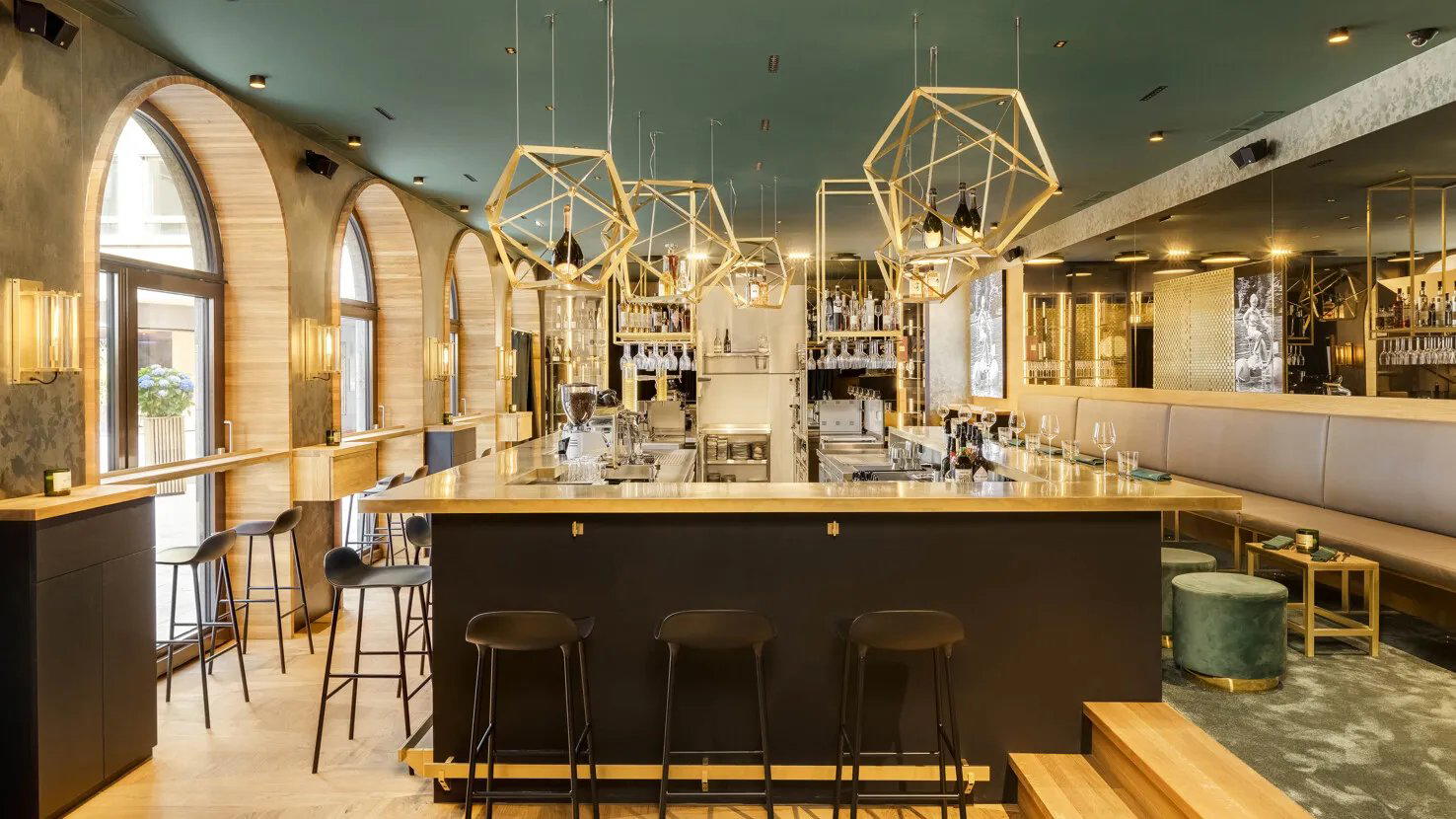
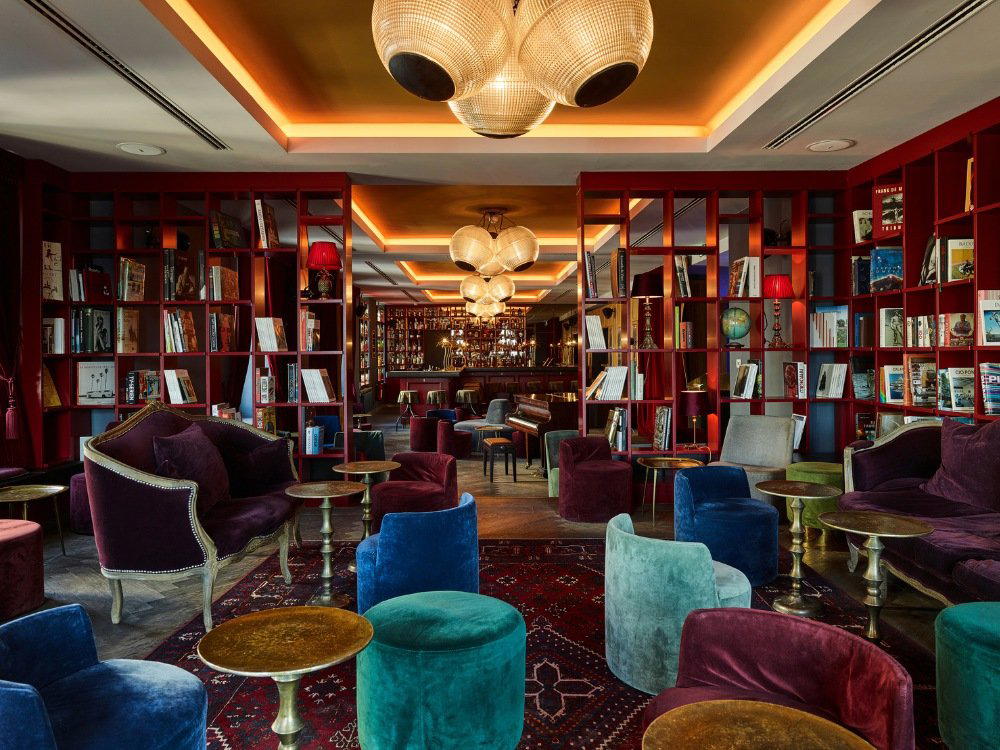
- Cozy
- Modern
- Lively
- Brunch
- Casual Hangout
- After Work
- Terrace
Current opening hours
- Monday
- 7 AM–5 PM
- Tuesday
- 7 AM–5 PM
- Wednesday
- 11:30 AM–5 PM
- Thursday
- 7 AM–5 PM
- Friday
- 7 AM–2 PM
- Saturday
- 2–5 PM
- Sunday
- 2–5 PM
Hours can change for holidays and private events. Last verified .
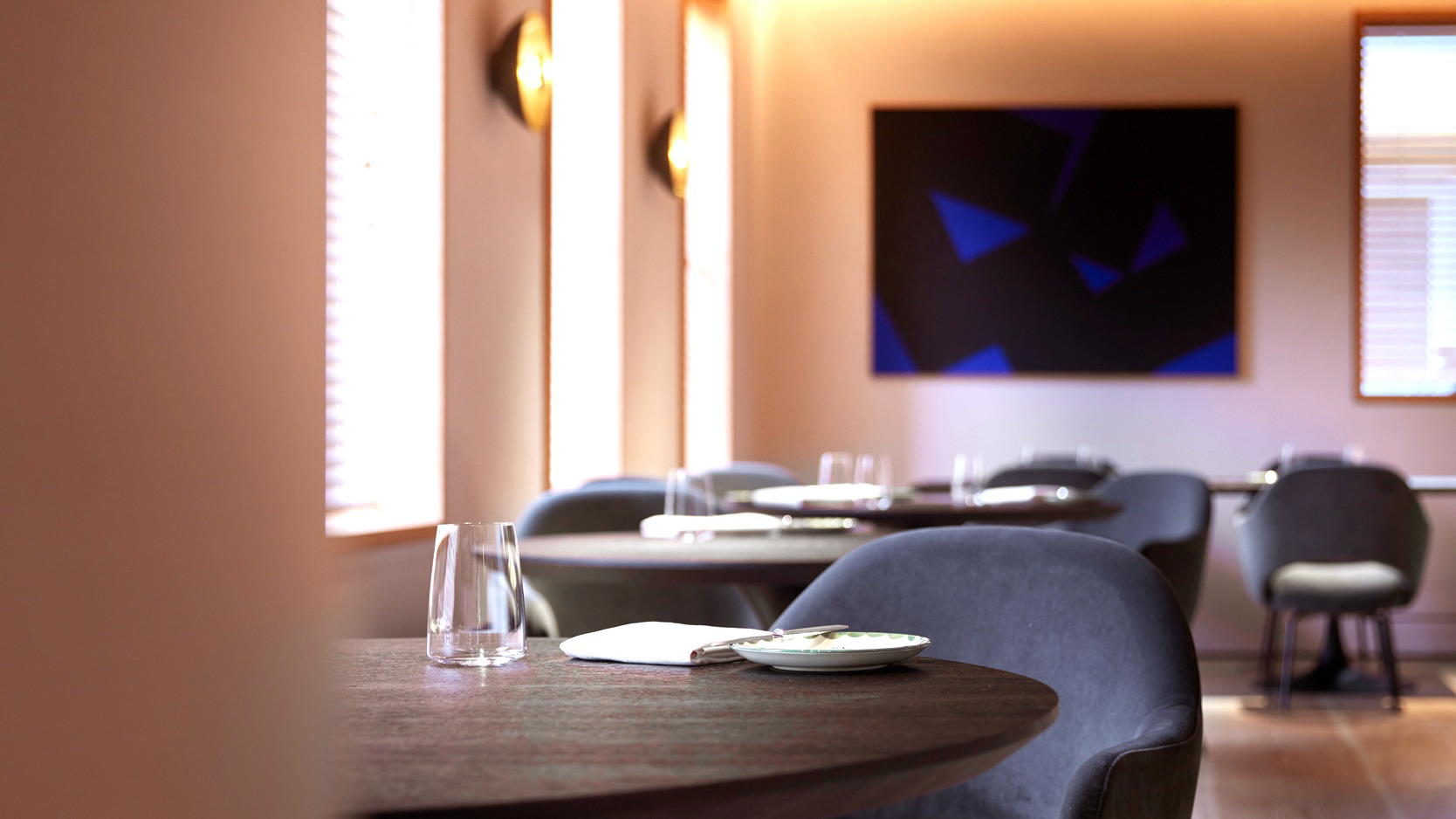
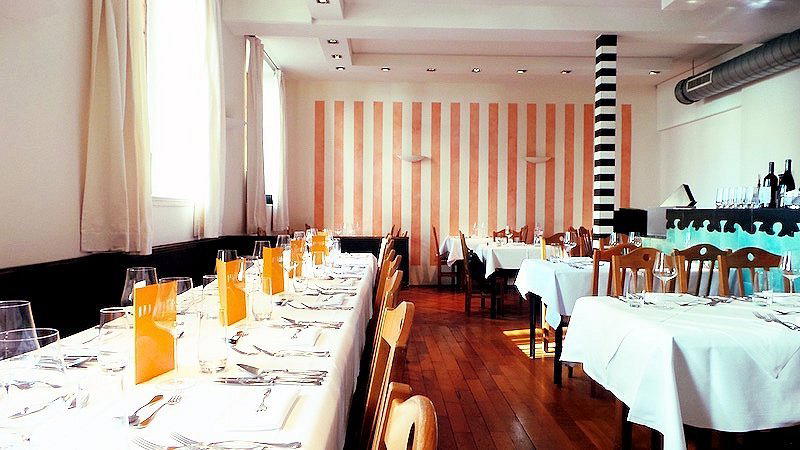
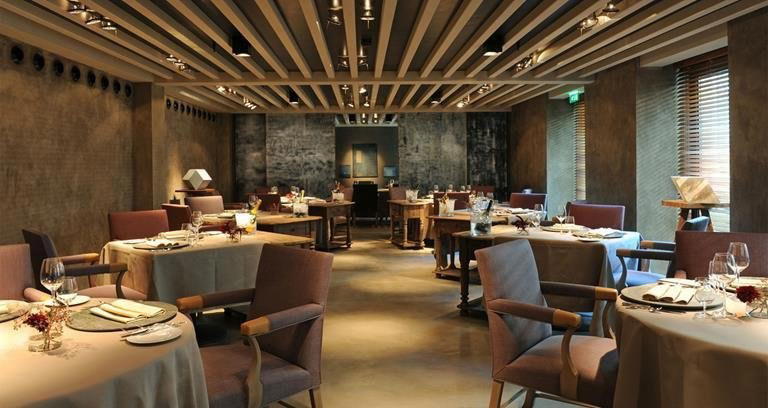
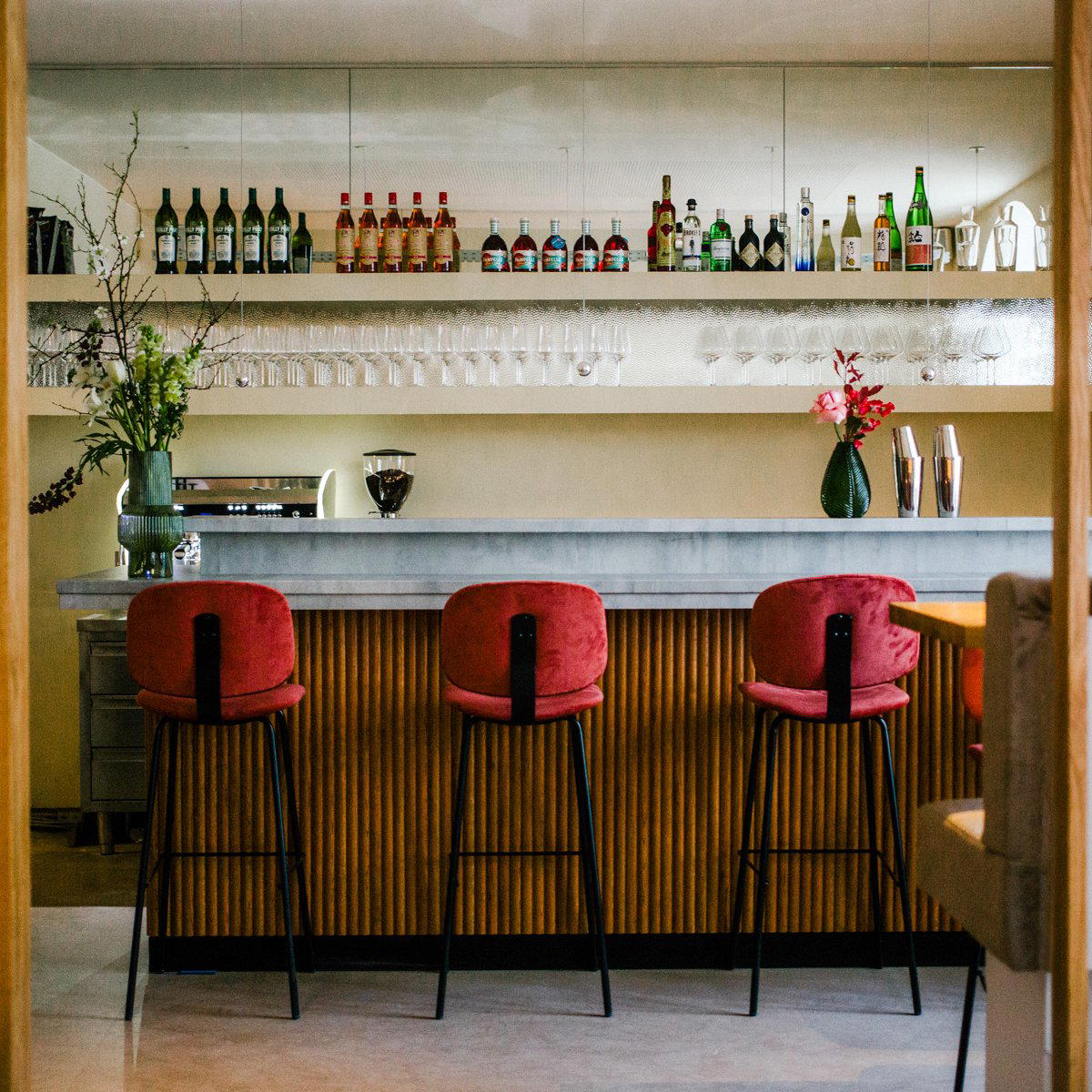
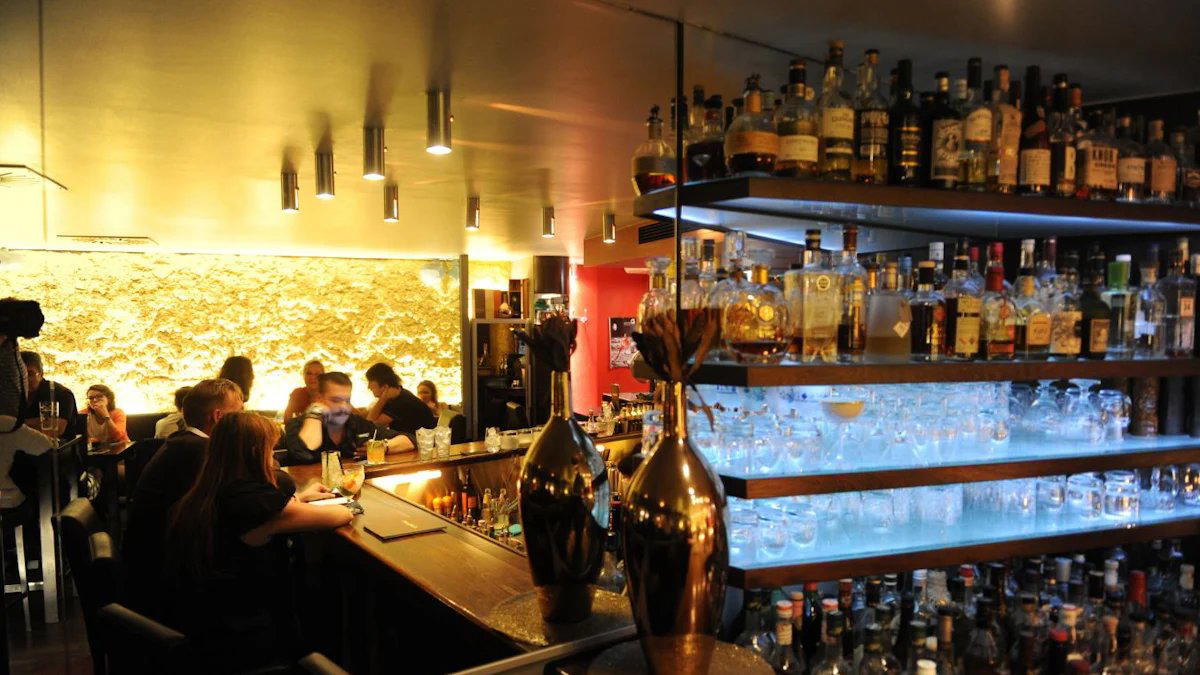
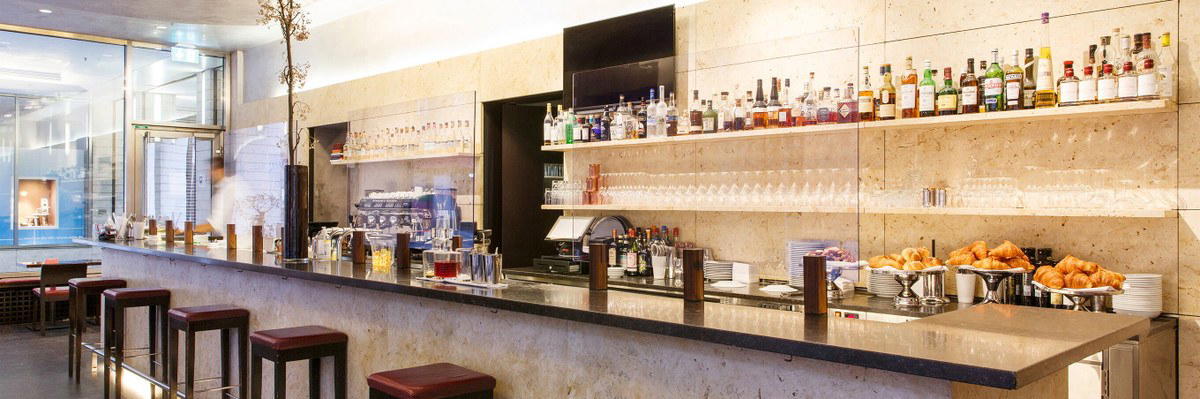
Bright, casual daytime café atmosphere with a generous summer terrace; transitions to relaxed bistro-bar ambiance in the evening.