Das Marktsalon
Das Marktsalon on Tullner Strasse sits within the quiet market town of Neulengbach, west of Vienna, at a point where Lower Austrian agricultural produce and a genuine commitment to place-rooted cooking converge. The venue represents a strand of Austrian dining that prioritises sourcing transparency over spectacle, a counterpoint to the grand tasting-menu houses of the capital. For travellers moving between Vienna and the Wachau, it merits serious attention.
Pearl is the En Primeur Club membership app — saves, bookings, and concierge access live there. Same editors, same standards.
- Address
- Tullner Str. 33, 3040 Tausendblum, Austria
- Phone
- +436642378801
- Website
- familie-edhofer.at
- Directions
- Get directions
 Saves & bookings on Pearl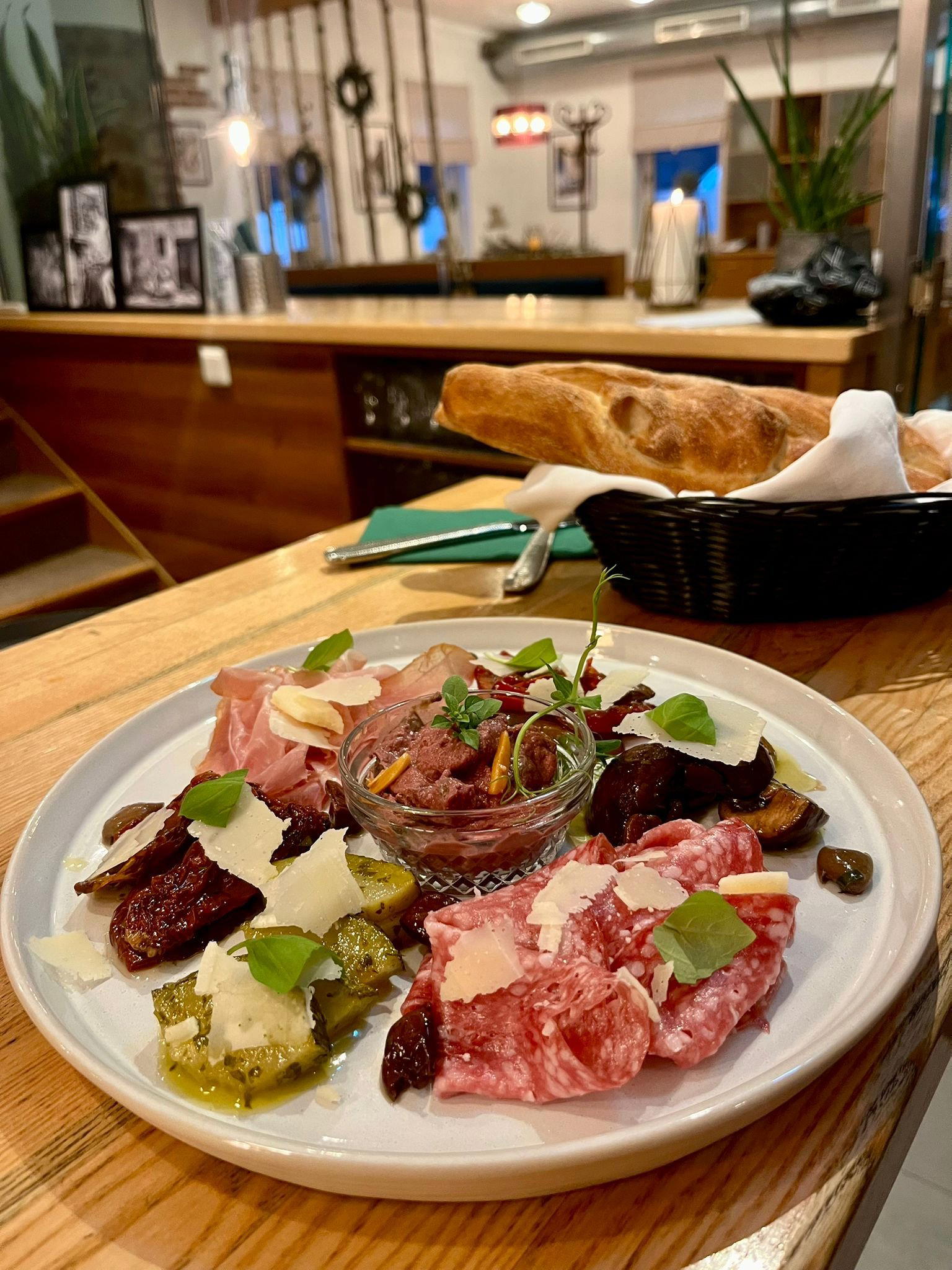
Where Lower Austrian Produce Sets the Terms
The stretch of countryside between Vienna and the Wachau valley is rarely discussed as a dining destination, yet it contains some of Austria's most productive agricultural land. Market towns like Neulengbach function as quiet distribution points for this produce, orchards, market gardens, and small farms feeding both westward toward the Danube bend and eastward toward the capital. Das Marktsalon is a restaurant at Tullner Str. 33 in Tausendblum, near Neulengbach, Austria. It operates as a modern Austrian casual dining room rooted in Lower Austrian produce. The name itself signals the operating logic: a salon built around a market.
This sourcing-first framing puts Das Marktsalon in a recognisable Austrian tradition, though one that tends to be overshadowed by the headline restaurants further afield. Venues like Landhaus Bacher in Mautern an der Donau and Taubenkobel in Schützen am Gebirge have built reputations over decades by anchoring their menus to regional produce and season. Das Marktsalon operates in that same conceptual register, closer to Vienna than many of its regional peers.
The Character of Austrian Market-Town Dining
Austrian restaurant culture outside the major cities follows a distinct logic. The Gasthaus tradition, still active across Lower Austria, evolved as a format where the kitchen's range was determined almost entirely by what the surrounding land produced in a given week. This is less a philosophical stance than a practical inheritance, and it shapes the dining experience in ways that differ substantially from the tasting-menu formalism of, say, Steirereck im Stadtpark in Vienna or the innovation-led approach of Döllerer in Golling an der Salzach.
In that context, a venue with a name like Das Marktsalon is making a claim about method rather than ambition. The market is not a metaphor; it is the supply chain. Lower Austria's agricultural calendar runs from asparagus in spring through stone fruit in summer, root vegetables and game through autumn, and preserved and cellared goods through winter. A kitchen that takes that calendar seriously will produce a menu that changes not just seasonally but weekly, sometimes dish by dish as availability shifts.
This operational model sits closer to neighbourhood bistro practice in France or the produce-led trattoria model in northern Italy than it does to the formal Austrian fine-dining tier. Internationally, the comparison point might be the sourcing philosophy evident at Lazy Bear in San Francisco, where the relationship between grower and kitchen is treated as structural rather than incidental, though the restaurant's context is distinctly Central European in register.
Neulengbach as a Dining Context
Neulengbach sits approximately 35 kilometres west of central Vienna, accessible by regional rail from Westbahnhof. The town is small enough that the restaurant trade serves a genuinely local population rather than a tourist flow, which tends to keep pricing grounded and the atmosphere unpretentious. This is not a destination constructed for outside consumption; it functions first as a neighbourhood operation, which is a meaningful distinction when assessing what to expect.
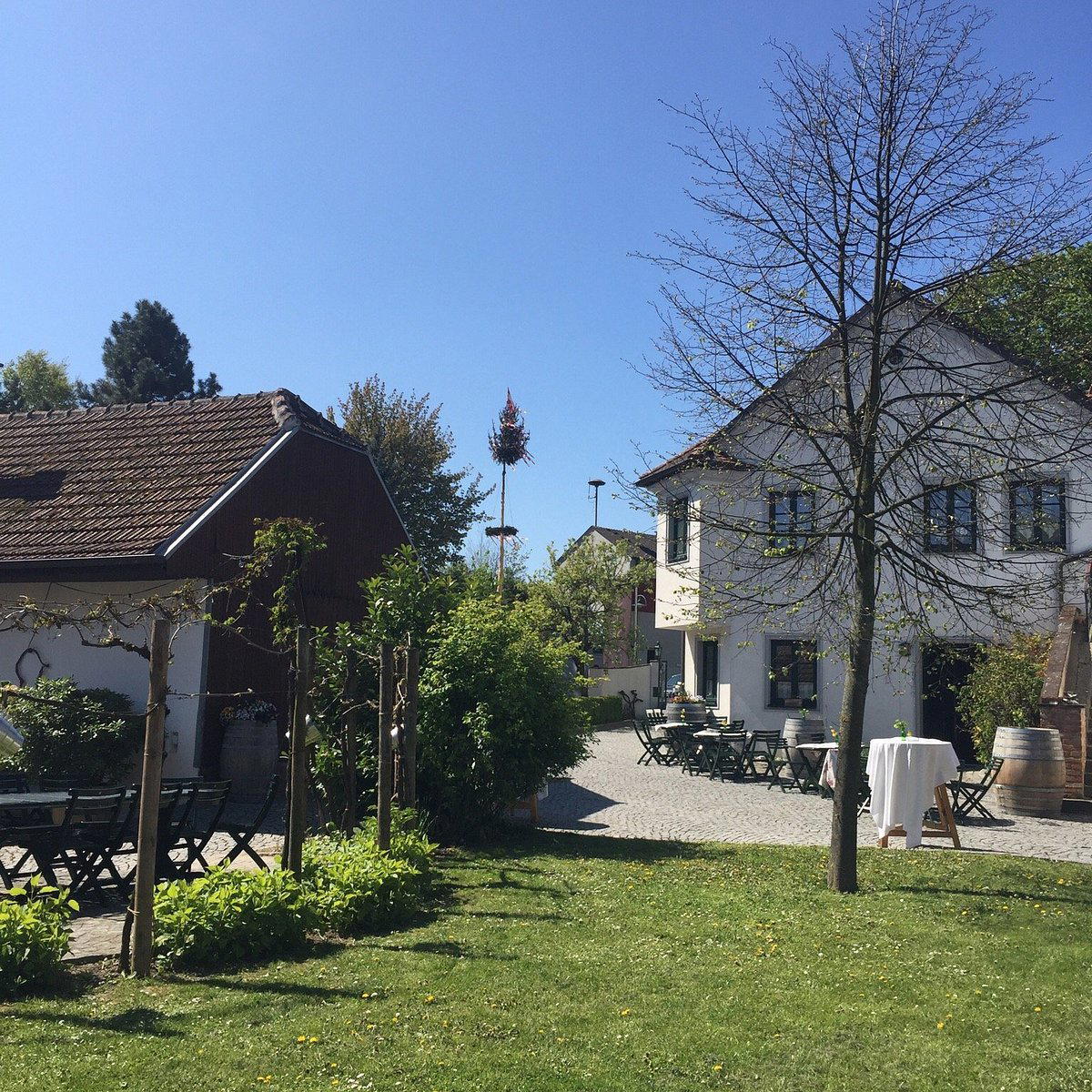
The Tausendblum address places the restaurant slightly outside the immediate town centre, in a setting more consistent with a converted local building than a purpose-built dining room. That physical modesty is characteristic of this tier of Austrian regional dining, where the investment goes into the kitchen's sourcing relationships rather than the dining room's design language. For comparison, venues working a similar geography-first approach in other Austrian regions include Ois in Neufelden and Atelier Fischer in Sankt Gilgen, both of which have built reputations in smaller towns by committing to the produce available within a tight radius.
Sourcing as Structure, Not Story
The Austrian premium dining tier has, over the past decade, largely converged on sourcing transparency as a baseline expectation rather than a differentiator. What separates venues is how systematically that sourcing shapes the menu's architecture. At the high end of the Austrian scale, places like Obauer in Werfen and Kräuterreich by Vitus Winkler in Sankt Veit im Pongau have made the provenance of ingredients a structural element of the menu itself, naming farms and foragers alongside dish descriptions.
The restaurant, operating in a more modest register, functions in the tier where sourcing discipline is embedded in daily practice rather than narrated as spectacle. The name's market reference implies a kitchen that responds to what is available that morning rather than one that engineers a fixed seasonal showcase. That responsiveness, when executed with consistency, tends to produce food that reflects the actual character of a place more accurately than a curated tasting menu built months in advance.
This dynamic has parallels across European dining. At Le Bernardin in New York City, the sourcing of fish is treated as the primary creative constraint, with technique subordinated to product quality. The principle is the same even if the contexts are vastly different: the leading ingredient available today is more important than the dish conceived last season.
The comparable set and Practical Considerations
Within Austria's broader range of regionally anchored restaurants, the restaurant occupies a tier that includes venues like Thaller - Gasthaus in Sankt Veit am Vogau and Schwarzer Adler in Hall in Tirol, operations that serve a predominantly local clientele with menus shaped by regional supply rather than international fine-dining convention. This is a different proposition from the Alpine luxury tier represented by venues such as Griggeler Stuba in Lech or Stüva in Ischgl, or the destination formalism of Ikarus in Salzburg and Gourmetrestaurant Tannenhof in Sankt Anton am Arlberg.
Reservations are recommended. The restaurant is open Tuesday through Friday from 11:30 AM to 2:30 PM and is closed Monday, Saturday, and Sunday. The regional rail connection from Vienna Westbahnhof to Neulengbach makes the trip manageable as a half-day excursion from the capital, and the town's scale means there is little logistical complexity once you arrive.
Quick Comparison
Comparable venues nearby, for context on price, style, and recognition.
| Venue | Cuisine | Price | Notes |
|---|---|---|---|
| Das MarktsalonThis venue — the venue you are viewing | Modern Austrian Casual Cuisine | $$ | Not listed |
| Blauenstein | Austrian Farm-to-Table Castle Cuisine | $$ | Walpersdorf |
| Puchegger-Wirt | Modern Austrian Regional | $$ | Winzendorf |
| Gasthaus Grabmüller | Traditional Austrian | $$ | Doebling |
| Restaurant Rudolfshof | Traditional Austrian Home-Style | $$ | Gaminger Berg |
| Marienhof | Traditional Viennese Cuisine | $$ | Hofburg |
Continue exploring
More in Neulengbach
Restaurants in Neulengbach
Browse all →
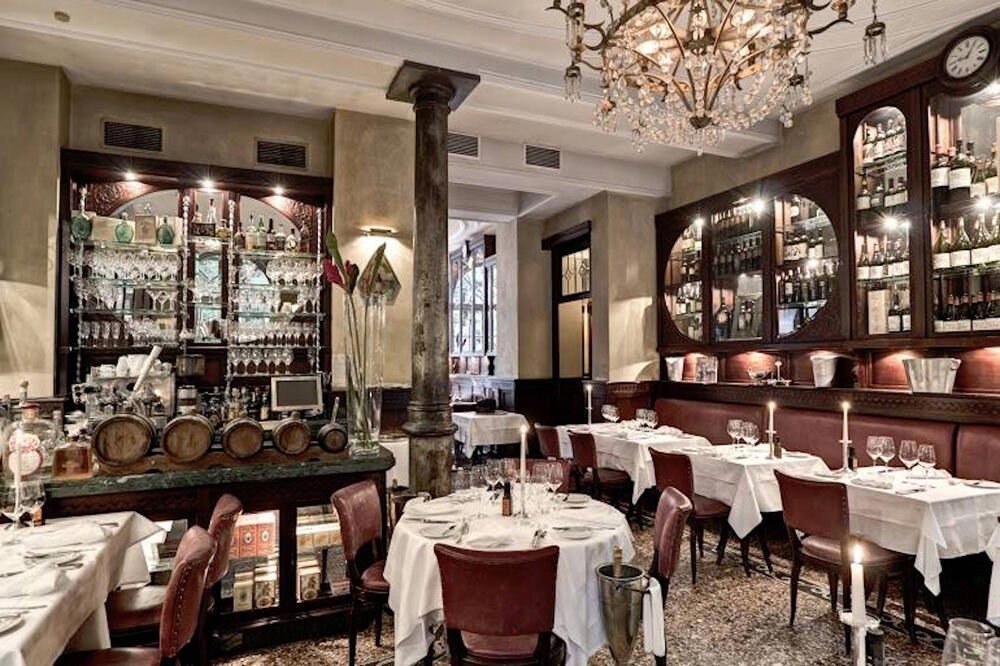
![[aend] restaurant in Vienna](https://cdn.enprimeurclub.com/storage/v1/object/public/images/locations/recsVyRkMfzCxPmp0/hero2.jpg?width=3840&quality=75)
Bars in Neulengbach
Browse all →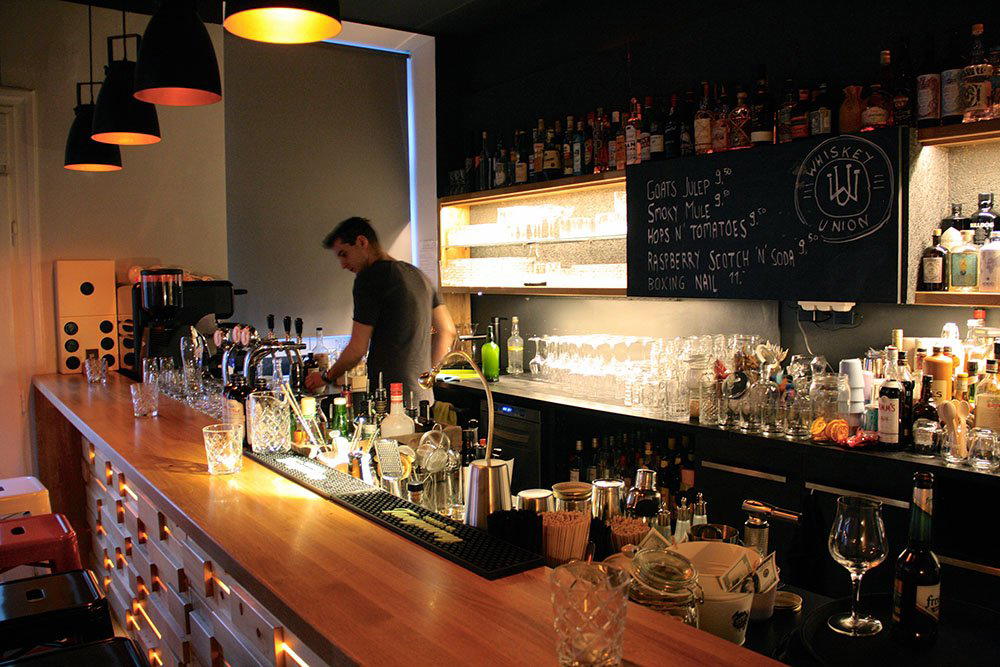
Hotels in Neulengbach
Browse all →
At a Glance
- Cozy
- Casual
- Elegant
- Casual Hangout
- After Work
- Standalone
- Craft Cocktails
- Local Sourcing
Current opening hours
- Monday
- Closed
- Tuesday
- 11:30 AM–2:30 PM
- Wednesday
- 11:30 AM–2:30 PM
- Thursday
- 11:30 AM–2:30 PM
- Friday
- 11:30 AM–2:30 PM
- Saturday
- Closed
- Sunday
- Closed
Hours can change for holidays and private events. Last verified .
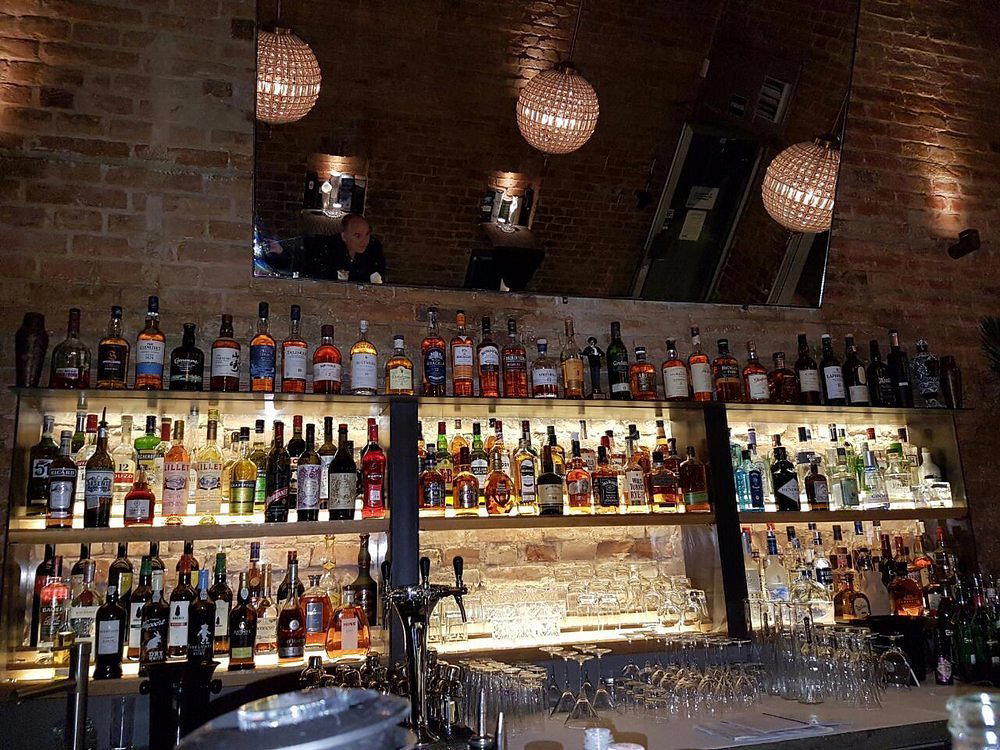
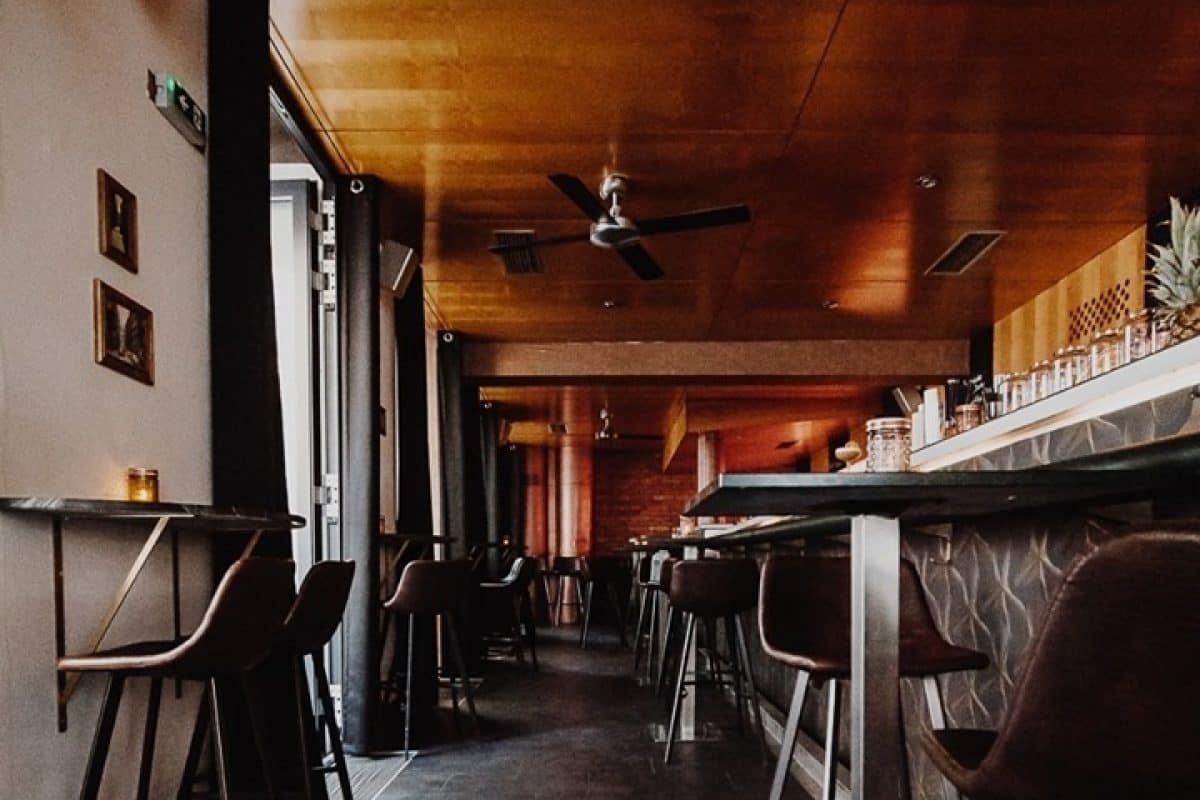
Relaxed bar ambience with cozy, charming atmosphere focused on shared enjoyment and casual hospitality.