Blauenstein
Blauenstein occupies a castle address in Walpersdorf, a Lower Austrian village situated in the Pielach Valley between St. Pölten and the Wachau wine corridor. The setting places it within Austria's broader tradition of destination dining in rural, historically significant spaces, a category where sourcing provenance and regional identity carry as much weight as technical precision in the kitchen.
 Discover on Pearl
Pearl is the En Primeur Club membership app — saves, bookings, and concierge access live there. Same editors, same standards.
- Address
- Schlossstraße 2, 3131 Walpersdorf, Austria
- Phone
- +4369919307883
- Website
- blauenstein.at
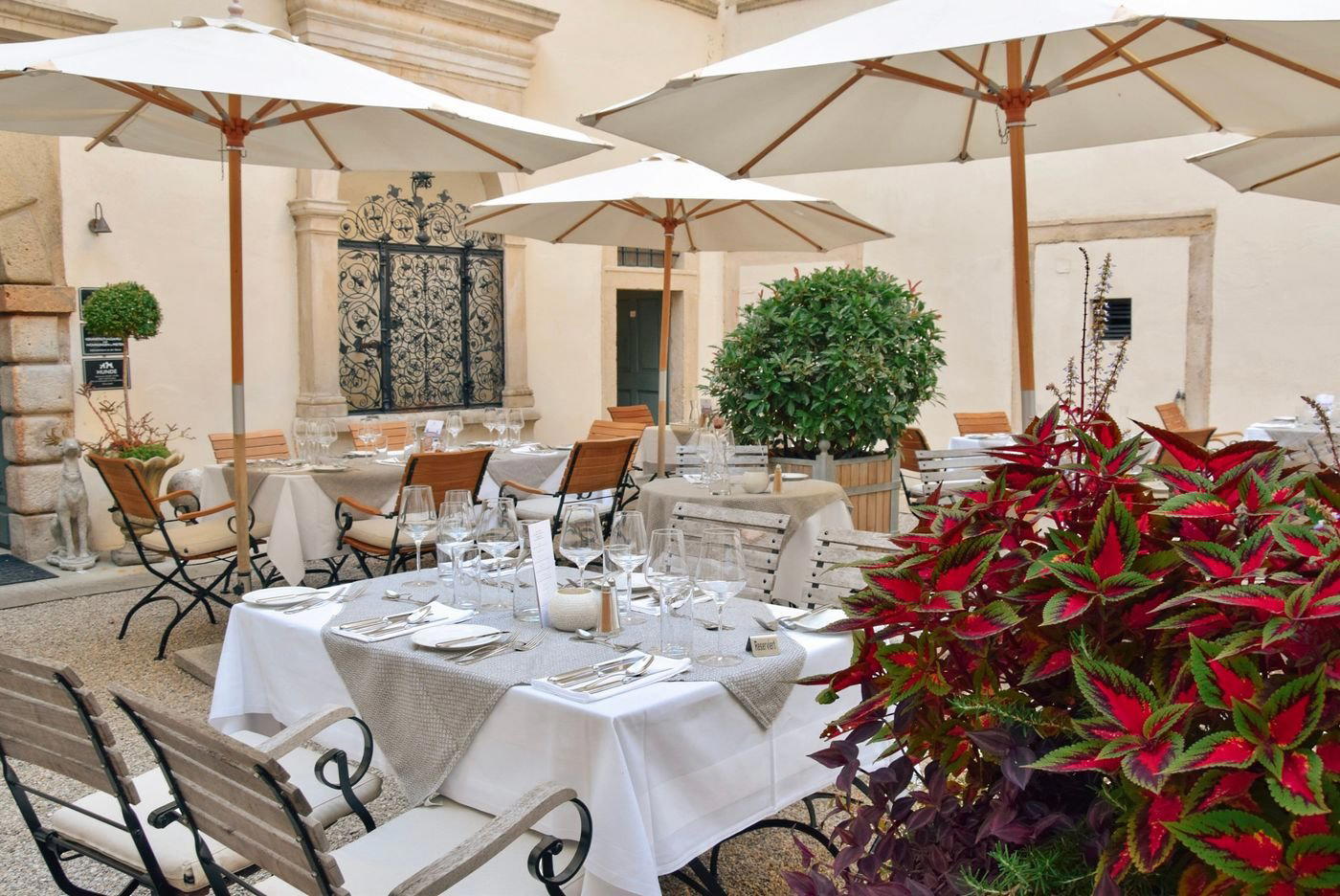
A Castle Address in Lower Austria's Quiet Interior
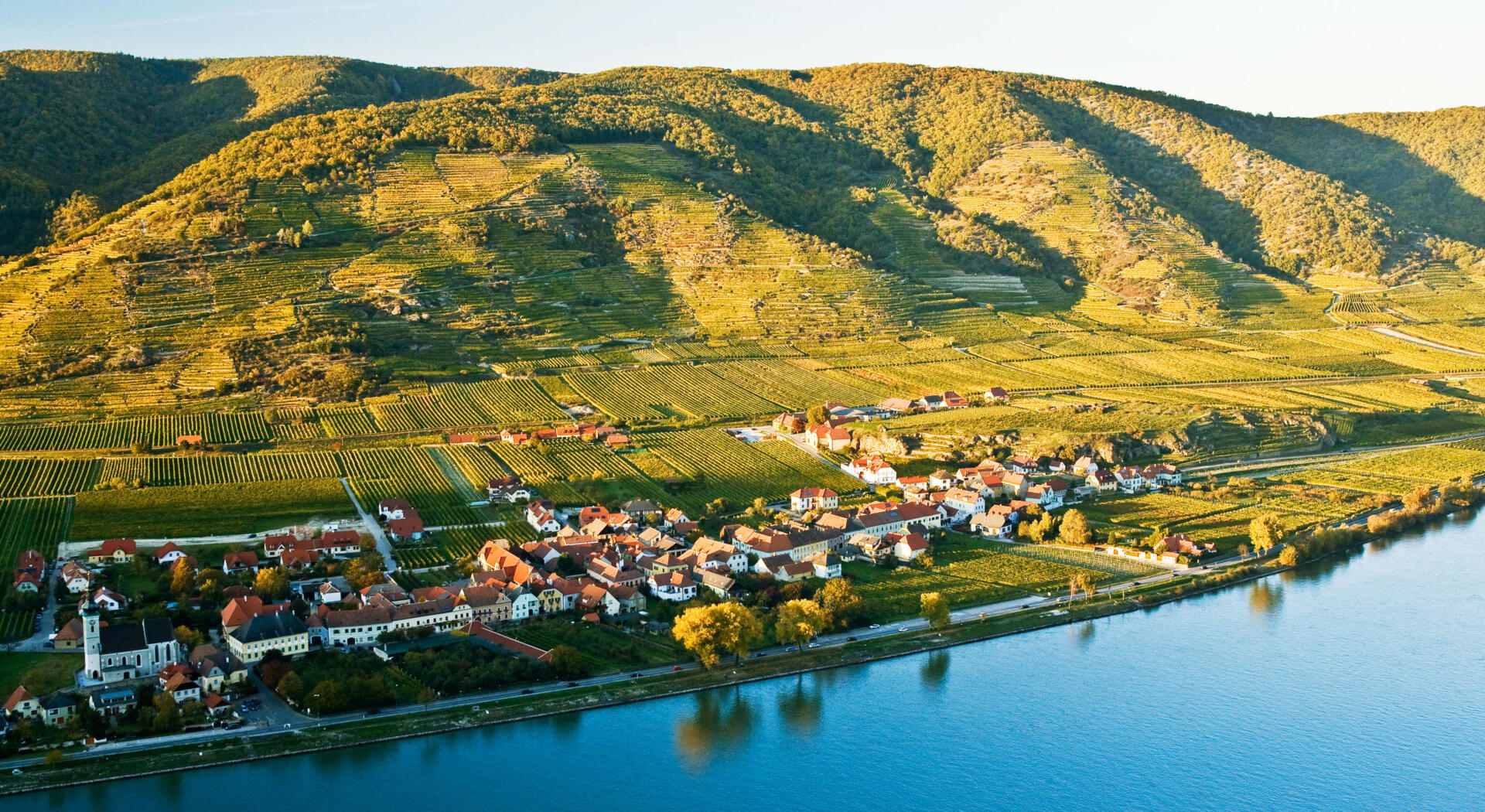
Lower Austria's dining scene divides, roughly, between the grand urban institutions clustered around Vienna and a looser constellation of destination restaurants occupying agricultural estates, monastery grounds, and historic manor properties scattered across the province's valleys. Blauenstein, addressed at Schlossstraße 2 in Walpersdorf, belongs to the second category. The Pielach Valley, which runs southwest from St. Pölten toward the edge of the Mostviertel cider country, is not a well-trodden tourist corridor in the way the Wachau or the Salzkammergut are. That relative obscurity is partly the point: restaurants that operate in locations like this are making an argument about place, and the argument only holds if what arrives on the plate reflects its surroundings with some fidelity.
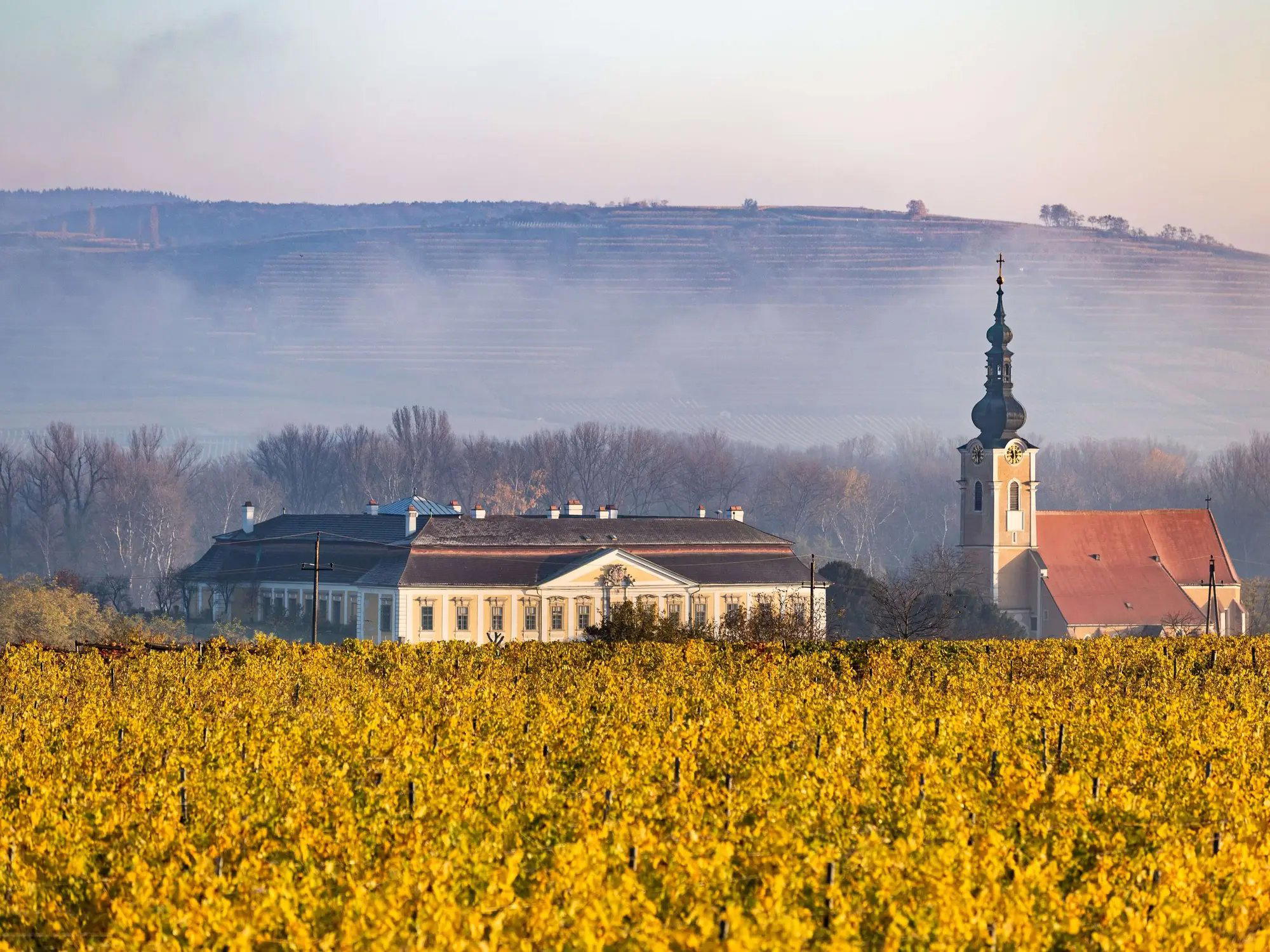
The castle itself, Schloss Walpersdorf, gives the address its physical authority. Historic Schloss properties in Lower Austria have long served as frames for refined dining, from wine-estate cellars to formal Herrenzimmer arrangements, and the tradition carries a particular expectation: that the architecture and the food share a common provenance logic, that guests are not simply eating in a beautiful room but eating food that could only plausibly come from this region. Whether Blauenstein meets that expectation in full is the question to bring to a visit.
The Sourcing Logic of Rural Austrian Fine Dining
Austria's most discussed restaurants of the past two decades, among them Steirereck im Stadtpark in Vienna, Döllerer in Golling an der Salzach, and Taubenkobel in Schützen am Gebirge, have each made sourcing a structural element of the menu rather than a garnish of the marketing. At Steirereck, the herb garden in Stadtpark functions as a visible production node. At Döllerer, Alpine forage and regional elevation inform a kitchen philosophy grounded in Salzburg's specific geography. The pattern is consistent: the most credible Austrian kitchens at this price tier treat the kilometer radius of their building as a constraint that generates creativity, not a limitation to be apologised for.
Walpersdorf sits in a part of Lower Austria where that radius yields serious raw material. The Mostviertel, immediately to the west, produces pears and cider apples at orchard scale. The Pielach Valley floor supports mixed farming, cattle, root vegetables, grain, of the kind that supplies regional butchers and farm-direct kitchen programs. The Wachau wine corridor is a short drive east, and its apricots, white wines, and market culture have long influenced cooking in the villages between St. Pölten and Krems. A kitchen operating at Schlossstraße 2 that is paying attention to its geography has a compelling larder within reach.
Comparable rural-Austrian properties like Landhaus Bacher in Mautern an der Donau, itself on the Wachau's doorstep, and Obauer in Werfen in Salzburg province have demonstrated that the format is sustainable precisely because it leans into geography as a differentiator. Guests travel to these places; the restaurants do not need to compete with urban foot traffic. What they need to deliver is a sense that the journey produced something the city cannot replicate.
Placing Blauenstein in Its comparable set
Austria's destination-restaurant tier outside Vienna covers a range from Michelin-starred houses with international recognition, Ikarus in Salzburg, Gourmetrestaurant Tannenhof in Sankt Anton am Arlberg, Griggeler Stuba in Lech, to smaller, regionally focused operations that prioritise local credibility over guide recognition. Kräuterreich by Vitus Winkler in Sankt Veit im Pongau and Ois in Neufelden sit in that latter group, places where sourcing specificity and regional rootedness are the primary differentiators, ahead of technical spectacle.
Blauenstein's Schloss setting would logically position it toward the more formal end of that spectrum. Historic properties tend to attract a guest who is making a deliberate occasion of the meal, and the format, whether that means a set menu, an à la carte arrangement, or some combination, tends to reflect that expectation. For international comparison, the shift from urban fine dining toward sourcing-driven destination restaurants in rural settings mirrors patterns visible at Lazy Bear in San Francisco and, at the European extreme of ingredient provenance, at houses like Le Bernardin in New York City, though Le Bernardin's sourcing logic operates through seafood provenance at scale rather than agricultural proximity. The underlying principle is shared: the credibility of what is on the plate depends on being able to account for where it came from.
Getting There and What to Expect
Walpersdorf is accessible by road from St. Pölten in under twenty minutes, and St. Pölten sits on the main rail line between Vienna Westbahnhof and Salzburg, with frequent connections that make a day trip from the capital plausible. Guests driving from Vienna directly should allow approximately one hour depending on the A1 motorway conditions west of the city. The Schloss address at Schlossstraße 2 provides a clear navigation target, though rural castle properties in Lower Austria often require arriving early enough to locate the entrance and parking arrangements, which are not always immediately obvious from a main road approach.
For guests combining a visit to Blauenstein with a wider Lower Austrian itinerary, the Wachau wine villages and the Stift Melk monastery complex are within a thirty-minute drive, as are several Heuriger (wine tavern) operations that offer an informal counterpoint to a formal Schloss dinner.
Within the Schloss property itself, visitors should note that the associated restaurant Schlossküche Walpersdorf Blauenstein operates as part of the same address and visitor ecosystem. The relationship between the two names reflects the way many Austrian castle venues structure their hospitality across multiple formats, from event serving public restaurant service. Confirming availability on a specific date is the practical first step for any visit.
For context on how similar Austrian properties approach the gap between rural location and serious kitchen ambition, the programs at Schwarzer Adler in Hall in Tirol, Stüva in Ischgl, Atelier Fischer in Sankt Gilgen, and Restaurant 141 by Joachim Jaud in Mieming each offer reference points, destination commitments of varying scale and style that share the underlying logic of making a place worth the drive.
Comparable Spots, Quickly
Comparable venues nearby, for context on price, style, and recognition.
| Venue | Cuisine | Price | Awards | Notes |
|---|---|---|---|---|
| BlauensteinThis venue — the venue you are viewing | Austrian Farm-to-Table Castle Cuisine | $$ | , | |
| Schlossküche Walpersdorf Blauenstein | Regional Austrian Farm-to-Table | $$$ | Michelin Plate | Walpersdorf |
| Landgasthof Krone | Traditional Austrian with Modern Elements | $$ | , | Gaaden |
| DIE PFERDEFLEISCHEREI Gumprecht Filiale Friedensbrücke | Austrian Horse Meat Butchery | $$ | , | Franz Josefs Bahnhof |
| die Feinkosterei Neuer Markt | Austrian Tapas | $$ | , | Innere Stadt |
| Das Columbus | Traditional Austrian Gastropub | $$ | , | Favoriten |
Continue exploring
More in Walpersdorf
Restaurants in Walpersdorf
Browse all →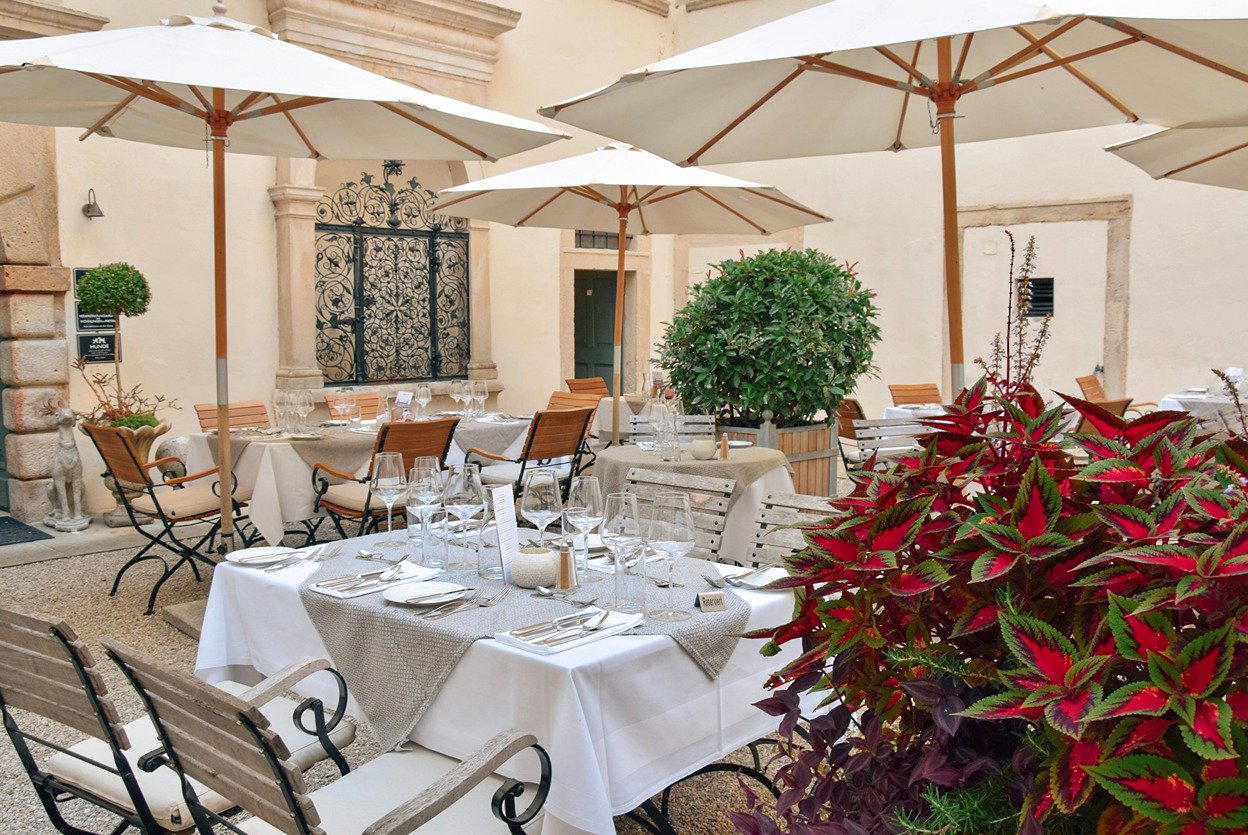
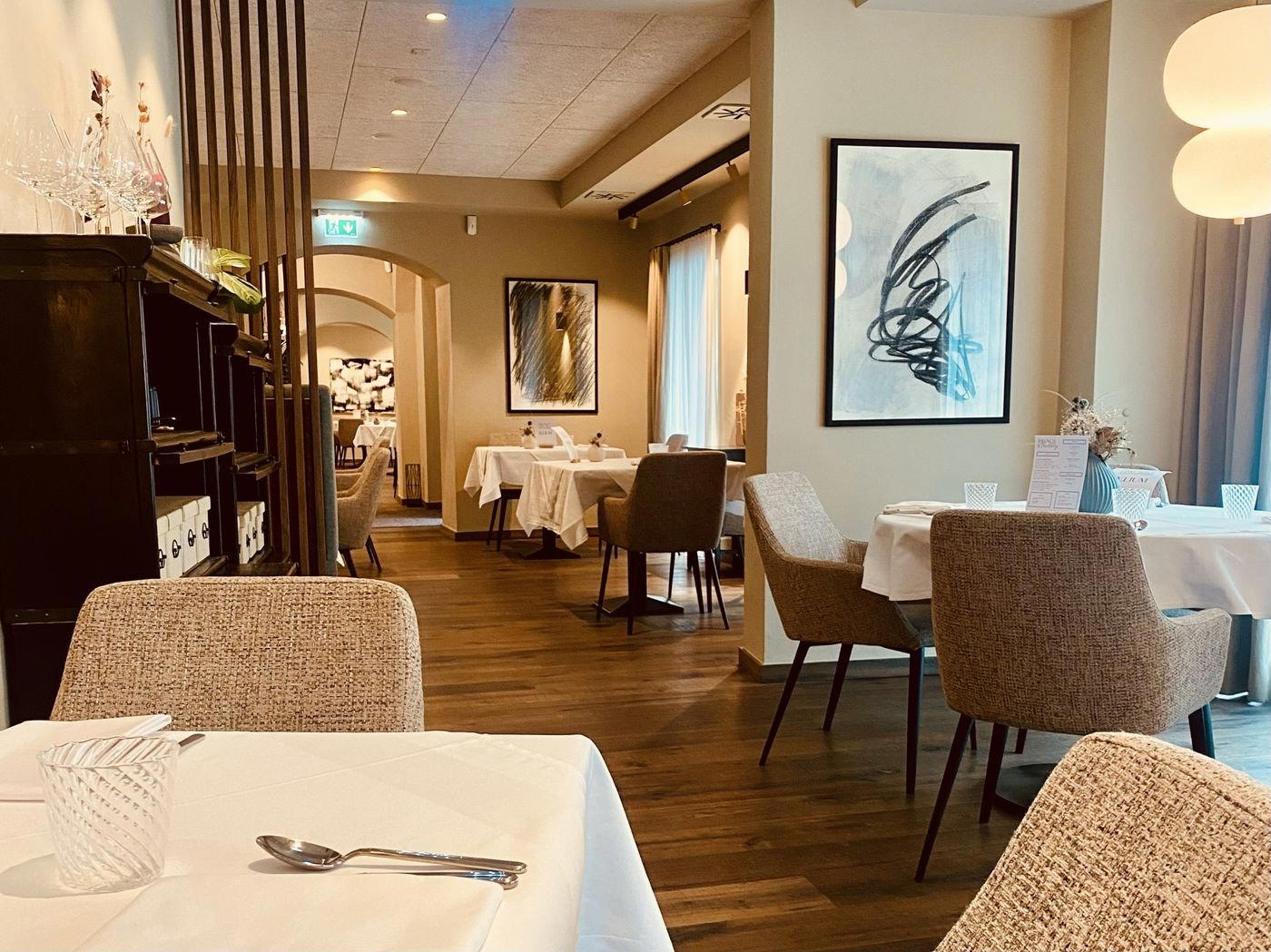
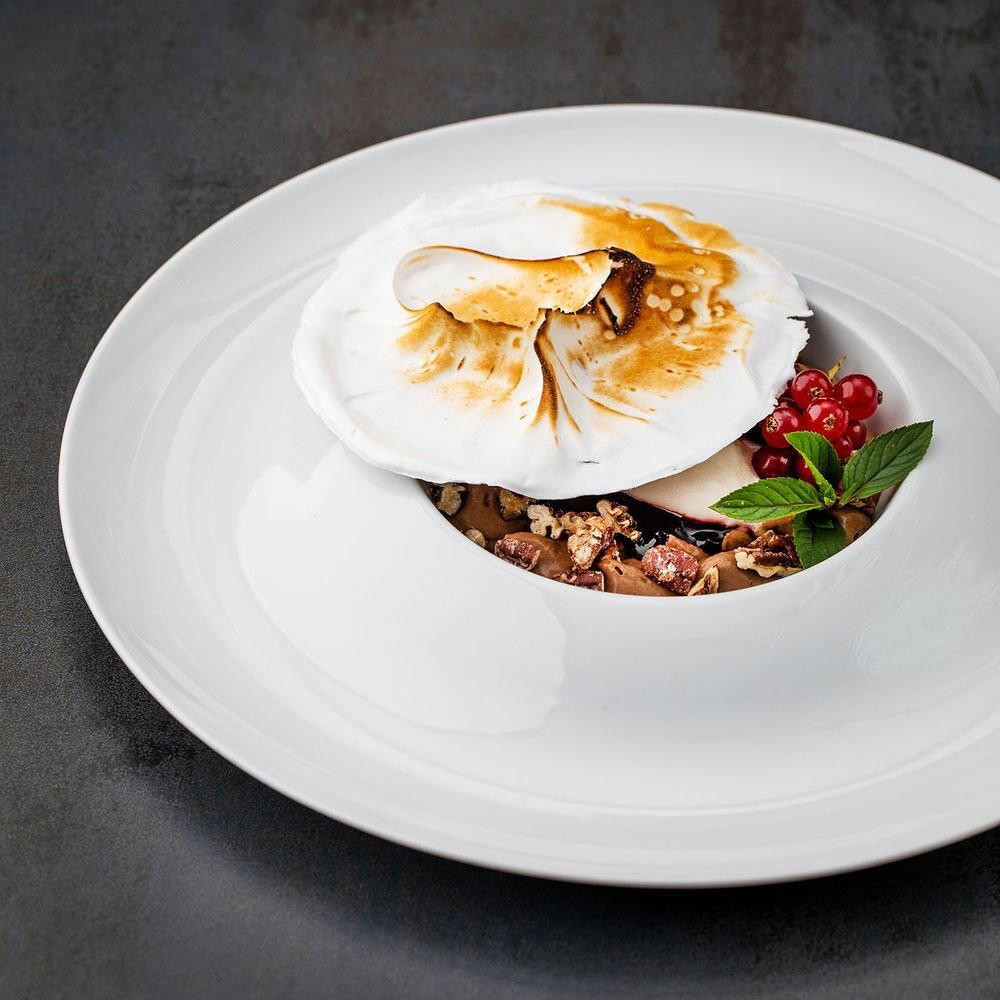
Hotels in Walpersdorf
Browse all →
At a Glance
- Cozy
- Romantic
- Historic
- Whimsical
- Date Night
- Group Dining
- Special Occasion
- Celebration
- Historic Building
- Garden
- Private Dining
- Terrace
- Extensive Wine List
- Farm To Table
- Local Sourcing
- Organic
- Garden
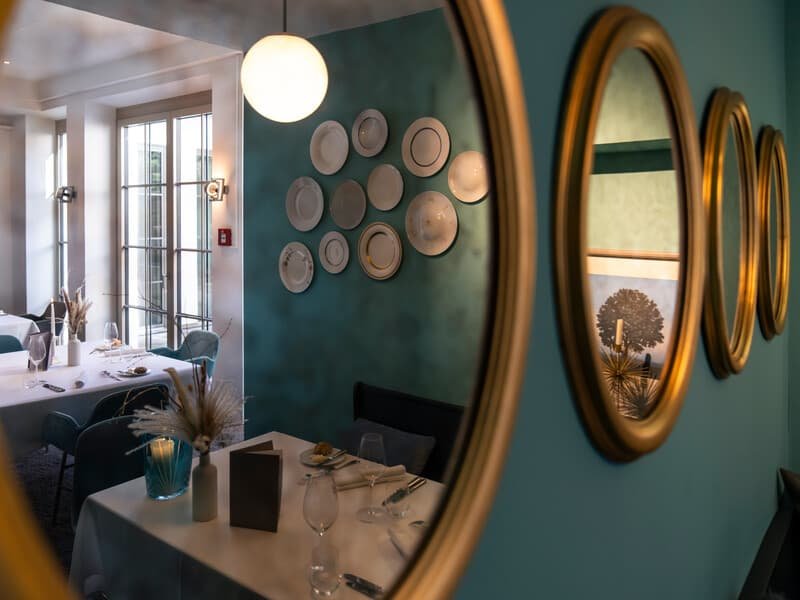
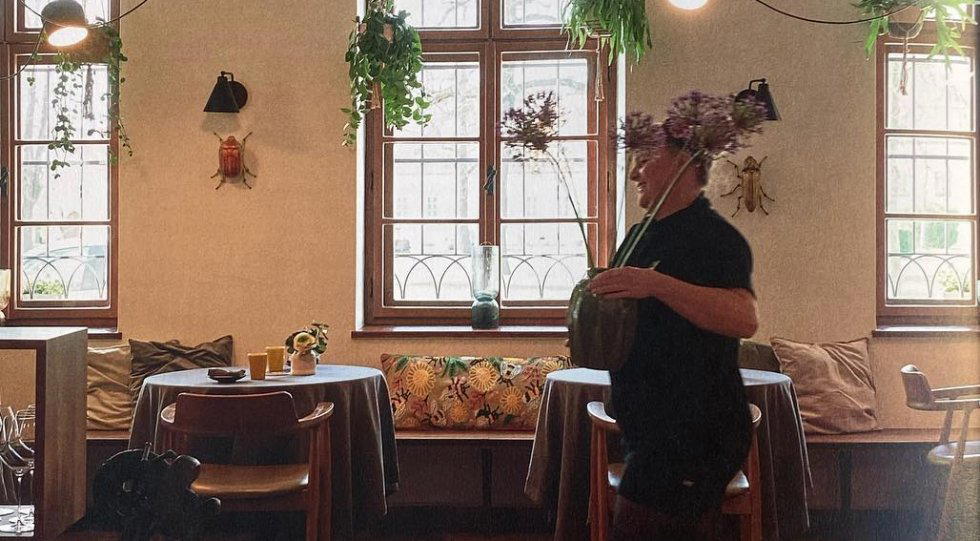
Bright, cozy interior with fairytale ambience enhanced by historic stone walls, vaulted ceilings, and views of manicured castle gardens; intimate and refined yet approachable.