Das Eggenberg sits in Graz's western districts, where Styrian hospitality traditions run deeper than the city's tourist trail. The address on Eggenberger Allee places it within reach of one of Austria's most underappreciated regional dining scenes, where wine lists tend to reflect the Südsteiermark's white wine production as much as the kitchen's ambitions. For travellers working through Graz seriously, it belongs on the itinerary alongside the city's more prominent dining addresses.
Pearl is the En Primeur Club membership app — saves, bookings, and concierge access live there. Same editors, same standards.
- Address
- Eggenberger Allee 49, 8020 Graz, Austria
- Phone
- +43316225698
- Website
- das-eggenberg.at
- Directions
- Get directions
 Saves & bookings on Pearl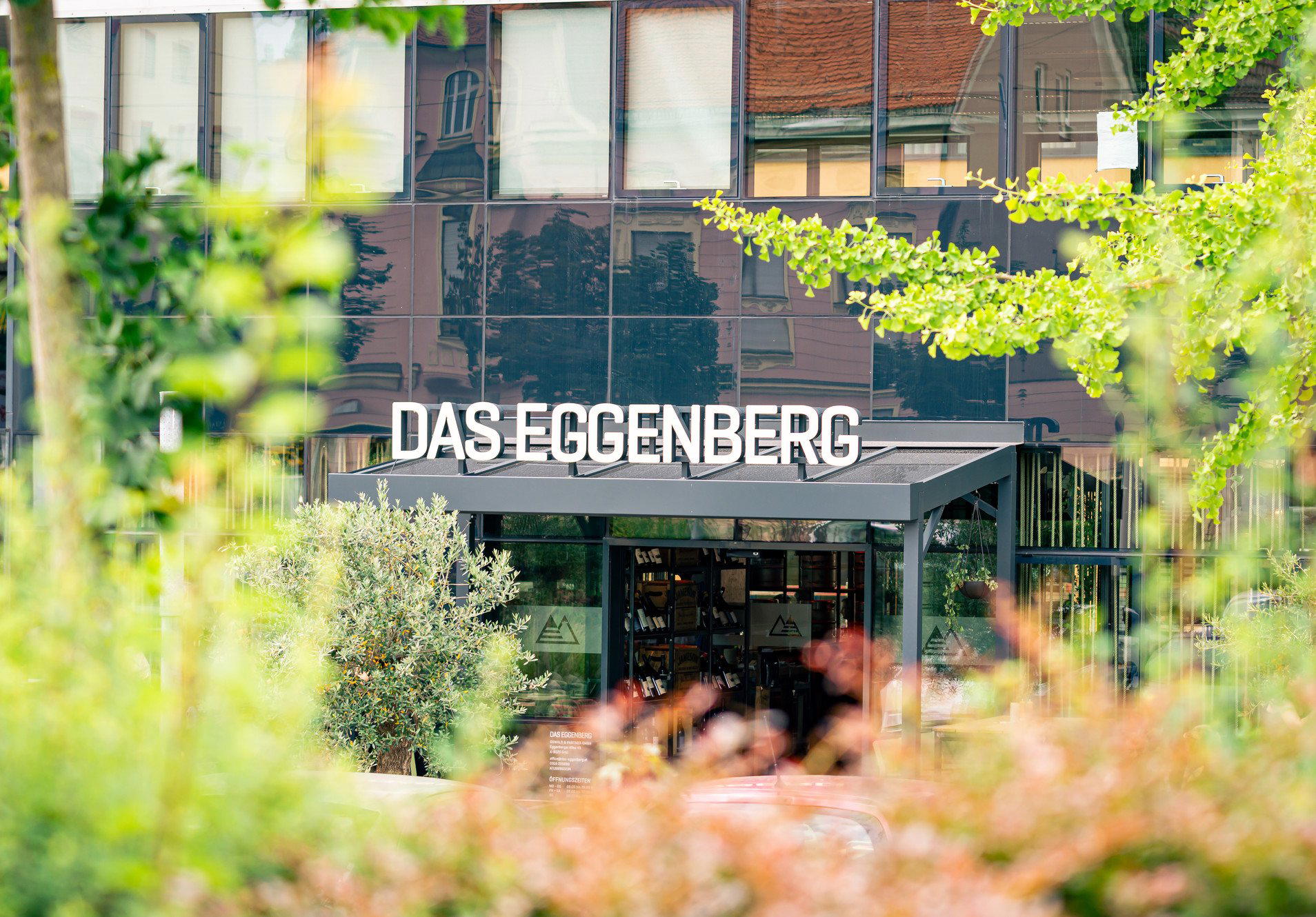
Where the Western Districts Set the Tone
Graz divides itself more sharply than most Austrian cities. The Altstadt and Schlossberg draw the crowds, but the neighbourhoods west of the Mur operate on a different register, quieter and more residential, where restaurants tend to serve the people who actually live there rather than those passing through on a weekend itinerary. Eggenberger Allee runs through this part of the city with the kind of purposefulness that suggests a working address rather than a destination one. Das Eggenberg sits along that corridor, at number 49, positioned in a part of Graz where the dining culture is shaped by proximity to the Südsteiermark wine country rather than by proximity to the main square.
That geographic relationship matters more than it might first appear. Styria produces some of Austria's most thoughtfully differentiated white wines, particularly Sauvignon Blanc and Welschriesling from the southern hills, and restaurants in this part of Graz have historically had both the access and the audience to build wine programs that reflect that regional specificity. The leading cellars in this tier of the city work as a direct argument for Styrian viticulture, not as a supplement to the food offering but as an equal strand of the experience. At its strongest, that kind of wine-forward approach positions a Graz dining room closer to what you find at Landhaus Bacher in Mautern an der Donau than to a conventional urban restaurant, where the cellar is curated with the same seriousness as the kitchen.
The Styrian Wine Tradition and What It Demands of a List
Austria's wine culture has shifted considerably over the past two decades. The Südsteiermark, once regarded primarily as a source of easy-drinking whites for local consumption, now commands serious international attention, with producers like Tement, Polz, and Gross drawing comparisons to Burgundy's more restrained expressions. A restaurant operating in Graz's western districts and taking its wine program seriously faces an interesting curatorial challenge: how deeply to commit to regional producers versus how broadly to range across Austria's other major growing zones, Wachau, Kamptal, and Burgenland, and when to look beyond the country's borders entirely.
That tension between regional fidelity and broader depth is what separates a genuinely considered wine list from one that simply stocks the obvious local names. Restaurants in Graz that handle it well, places like Aiola im Schloss with its refined setting and more formal approach, or aiola upstairs with its terrace and range, tend to treat Styrian producers as the cellar's core argument while leaving room for the wines that provide contrast and context. The same logic applies at the higher end of the Austrian restaurant circuit, where venues like Steirereck im Stadtpark in Vienna have demonstrated that a rigorous commitment to Austrian wine does not preclude depth or sophistication.
Graz's Dining Range and Where the Western Districts Fit
The city's restaurant scene has diversified considerably, and the range now spans from tightly focused creative kitchens like Artis, which operates at the €€€€ tier with a creative format, to more accessible regional addresses. Adelphia and Arravané represent different points on that spectrum, and the competitive set across the city is broad enough that any serious dining address needs a clear identity to occupy its position with conviction.
What the western districts offer that the Altstadt does not is a certain steadiness of clientele. Restaurants here tend to serve regulars rather than visitors on a first pass through the city, which means the wine list and the menu can evolve with more continuity, calibrated to people who return rather than to people who need everything explained. That dynamic produces a different kind of dining room, one where the sommelier or the person pouring wine operates with the confidence that comes from knowing what the table already understands about the region's producers.
Across Austria more broadly, the restaurants that have built particularly sustained reputations for wine programs tend to share a particular characteristic: they treat the cellar as a long-term investment rather than a seasonal refresh. Obauer in Werfen and Döllerer in Golling an der Salzach both demonstrate that regional Austrian kitchens can carry wine programs with serious depth and age. Internationally, the approach at Le Bernardin in New York City shows how rigorously a cellar can be curated around a kitchen's specific output. The comparison is instructive even across categories: what matters is the internal logic of the curation, not the scale.
Planning a Visit to Das Eggenberg
Eggenberger Allee 49 is accessible from central Graz by tram, with the western lines running regularly from the Hauptplatz area out through this part of the city. For visitors staying in the Altstadt, the journey is direct and takes under fifteen minutes by public transport. The address is also within easy reach of Schloss Eggenberg, which draws its own visitors and gives the neighbourhood a degree of foot traffic that the purely residential streets further west do not have.
For travellers building a broader Austrian itinerary around serious dining, Graz functions as a useful counterpoint to Vienna and the Salzburg region. The city carries less international profile than either, which means its better addresses operate with less external pressure and more internal consistency. Venues like Restaurant 141 by Joachim Jaud in Mieming, Gourmetrestaurant Tannenhof in Sankt Anton am Arlberg, Stüva in Ischgl, Kräuterreich by Vitus Winkler in Sankt Veit im Pongau, Schwarzer Adler in Hall in Tirol, Ois in Neufelden, and Lazy Bear in San Francisco each illustrate a different version of what it means to build a dining destination around a specific regional or conceptual logic. Das Eggenberg, in its western Graz position, operates within that same broader argument: that where a restaurant is rooted shapes what it can credibly offer, and that the Styrian context is as strong a foundation as any in central Europe.
At-a-Glance Comparison
Comparable venues nearby, for context on price, style, and recognition.
| Venue | Cuisine | Price | Notes |
|---|---|---|---|
| Das EggenbergThis venue — the venue you are viewing | Modern Italian Pizza and All-Day Dining | $$ | Not listed |
| Pad Thai | Authentic Thai | $$ | Geidorf |
| Peppino im Hofkeller | Authentische Italienische Küche mit Sardischem Einfluss | $$$ | Innere Stadt |
| PINK ELEPHANT | Mexican Street Food | $$ | Innere Stadt |
| Freigeist Burger - Brauquartier | Gourmet American Burgers | $$ | Puntigam |
| Der Steirer | Traditional Styrian Cuisine | $$ | Gries |
Continue exploring
More in Graz
Restaurants in Graz
Browse all →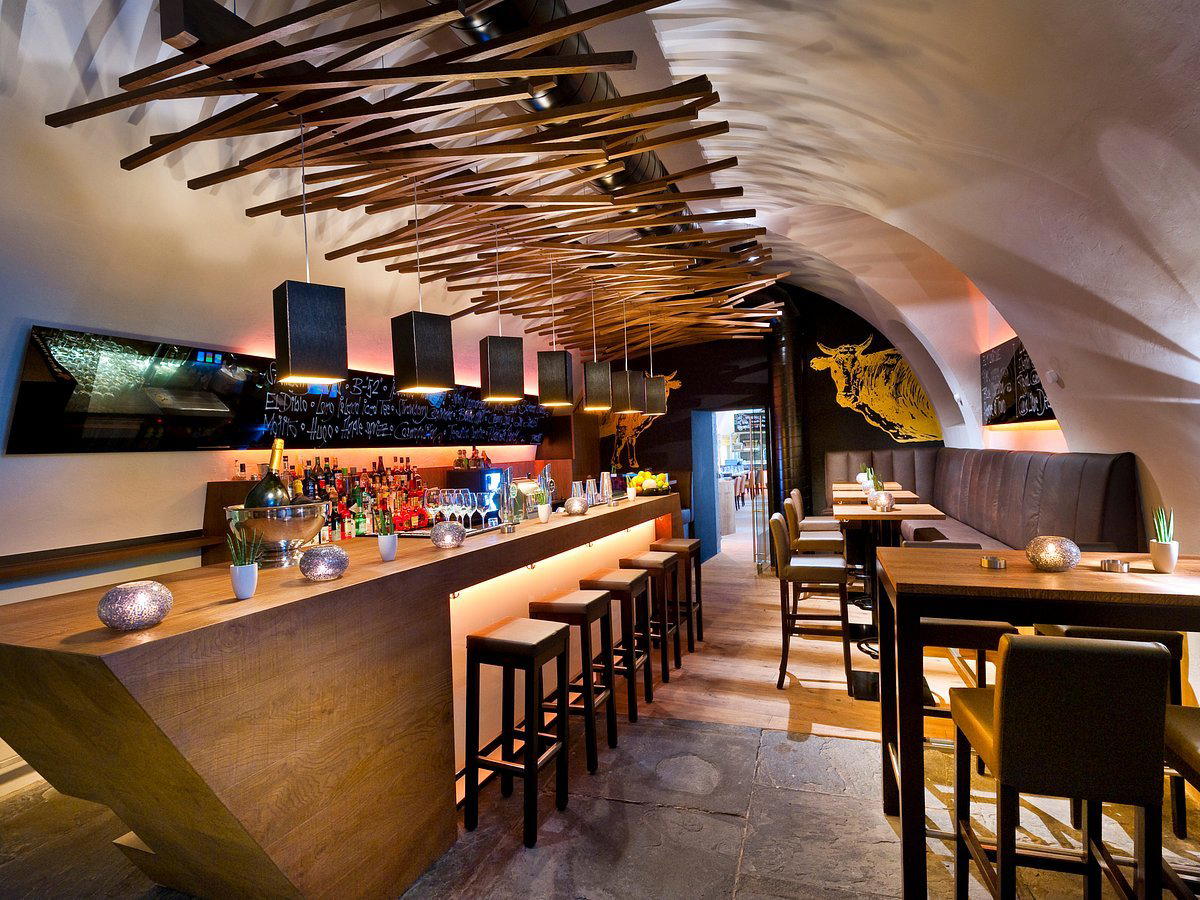
Bars in Graz
Browse all →
Hotels in Graz
Browse all →

At a Glance
- Modern
- Trendy
- Lively
- Brunch
- Casual Hangout
- Late Night
- Open Kitchen
- Beer Program
- Local Sourcing
Current opening hours
- Monday
- 8 AM–12 AM
- Tuesday
- 8 AM–12 AM
- Wednesday
- 8 AM–12 AM
- Thursday
- 8 AM–12 AM
- Friday
- 8 AM–12 AM
- Saturday
- 8 AM–12 AM
- Sunday
- 8 AM–10 PM
Hours can change for holidays and private events. Last verified .
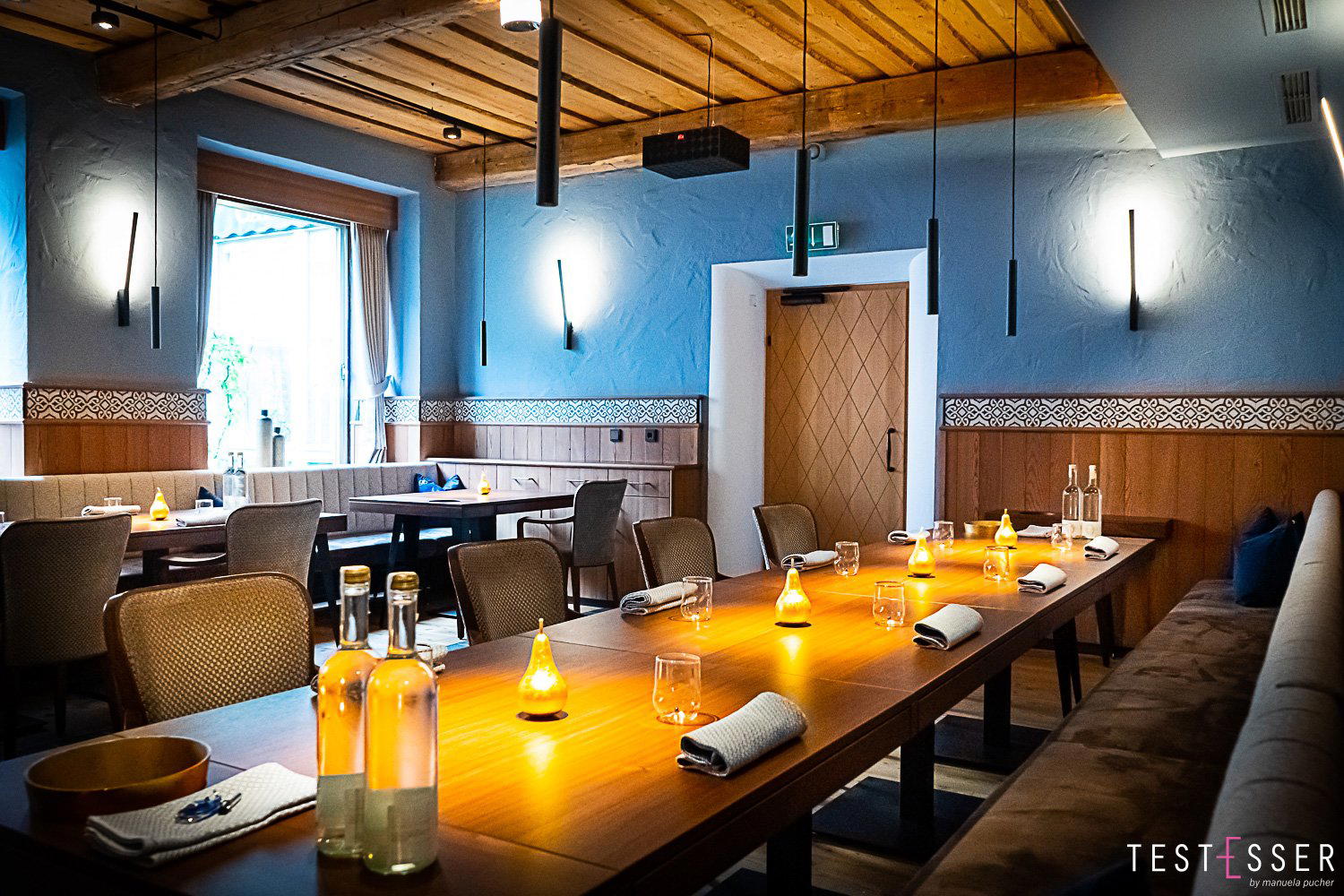
Lively and inviting with modern, hipster vibe, central pizza oven visible to guests.