




Tucked into the residential hills above Ischia, daní maison occupies chef Nino Di Costanzo's own home, where just a handful of tables sit beneath vaulted ceilings in a setting that reads more private estate than restaurant. Two Michelin stars and a 94-point La Liste score (2026) confirm its position among Italy's most technically serious kitchens. Expect concept-driven, elaborately constructed dishes from one of Campania's most decorated chefs.
Pearl is the En Primeur Club membership app — saves, bookings, and concierge access live there. Same editors, same standards.
- Address
- Via Montetignuso, 4, 80077 Ischia NA, Italy
- Phone
- +39 081 993190
- Website
- danimaison.it
- Directions
- Get directions
 Saves & bookings on Pearl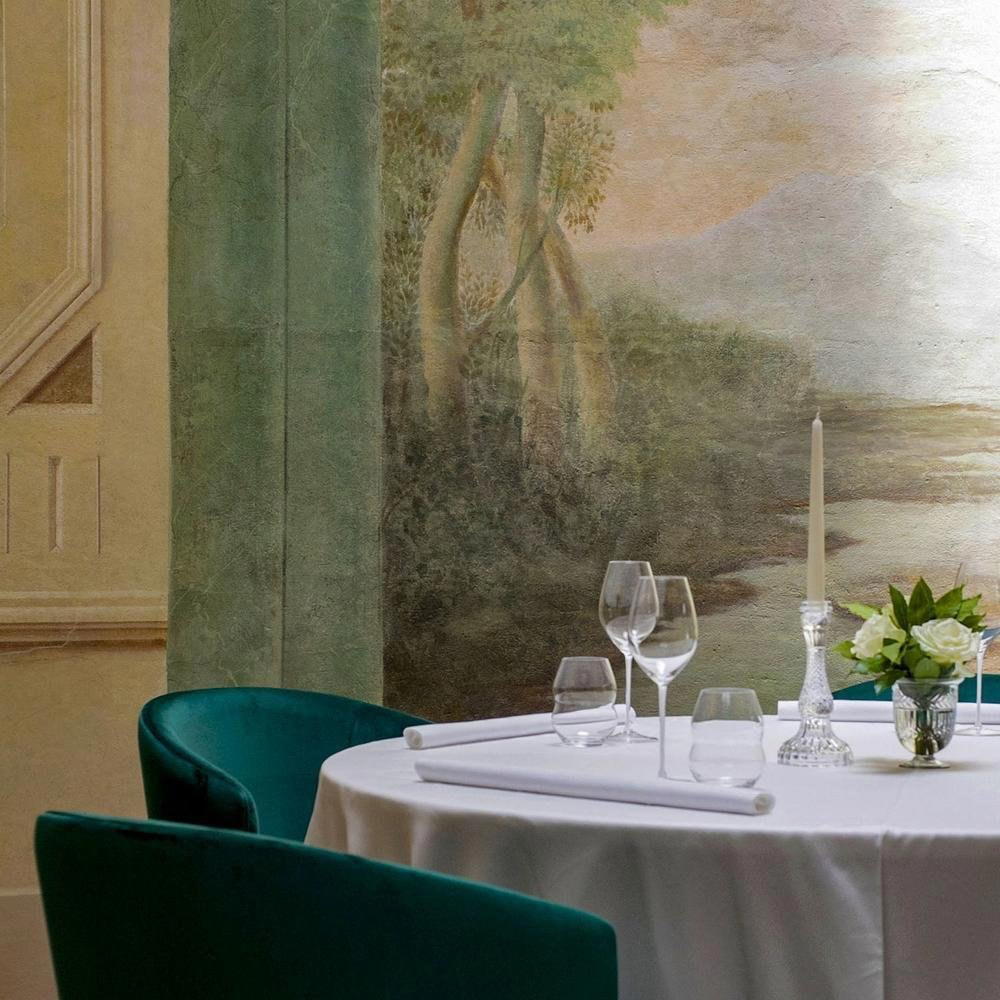
A House in the Hills, Not a Restaurant on a Strip
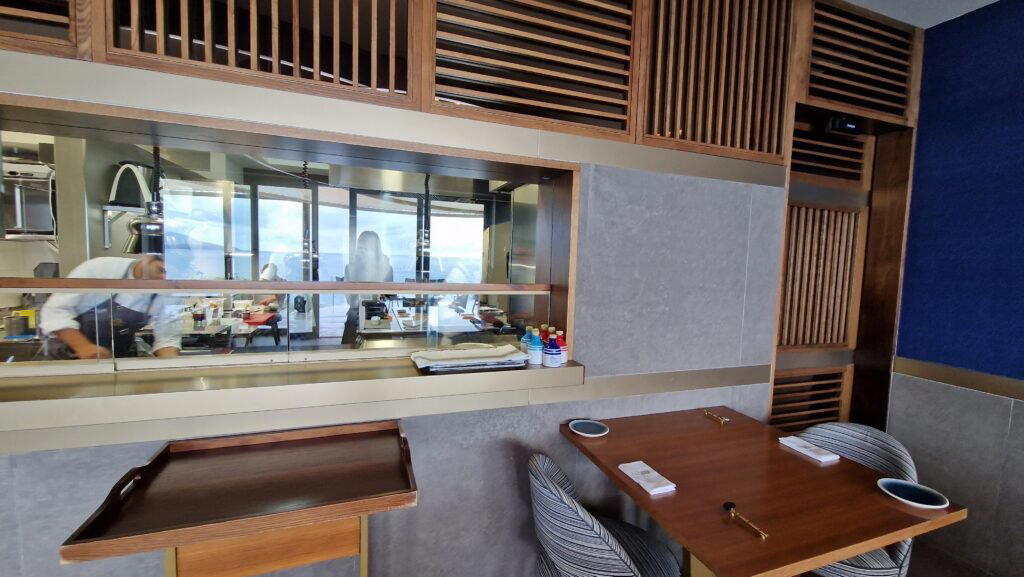
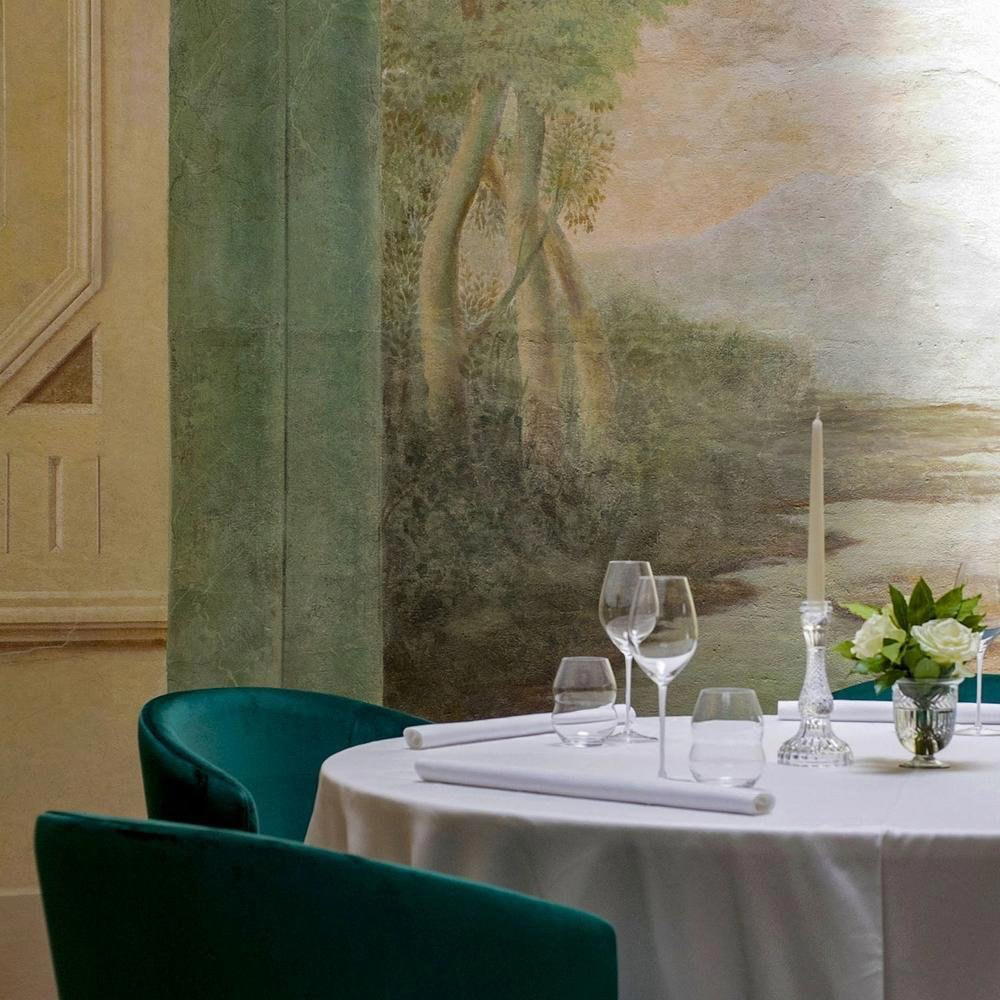
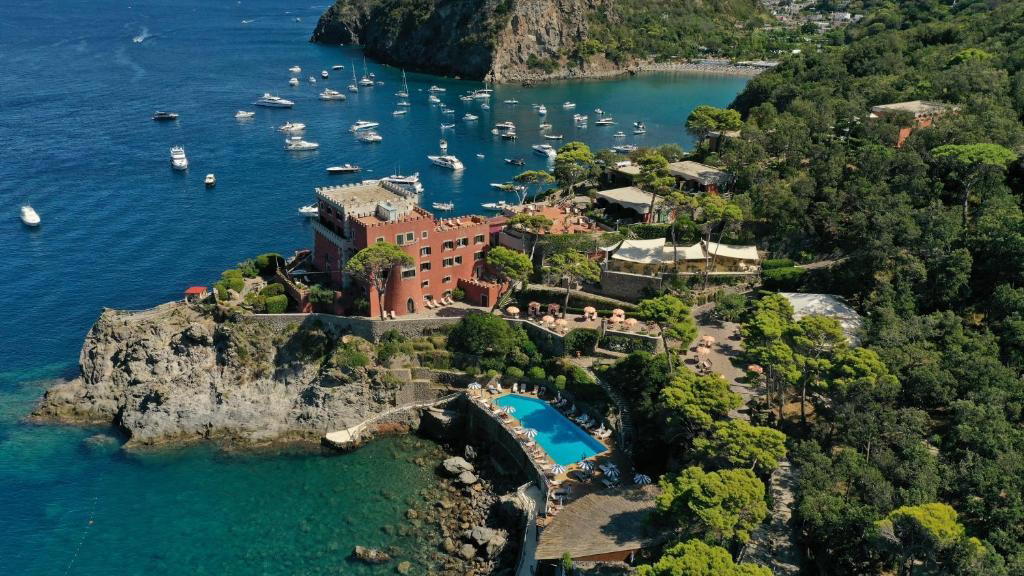
The approach to daní maison, up a narrowing road through the residential hills of Ischia, sets the register immediately. This is a 2-Michelin-star restaurant in Ischia, with tasting menus priced at about $250 per person. The address here, Via Montetignuso 4, sits in a quiet district above the noise, and the building is, in a literal sense, the chef's house. The name translates directly: at Nino's house. Arriving guests pass through a garden planted with Mediterranean maquis, rosemary, myrtle, wild herbs, where aperitifs are served in the evening and post-dinner drinks linger into the night. The dining room itself is small, framed by a vaulted ceiling typical of the island's older domestic architecture, and guests who want to watch the kitchen at work can take a seat directly in front of it. The scale is deliberately intimate; there are few tables, and the atmosphere is closer to a private dinner than a formal restaurant service.
That format, residential, low-capacity, personally presided over, places daní maison inside a wider pattern visible across European fine dining. Particularly credentialled kitchens have increasingly moved away from grand hotel dining rooms and toward smaller, idiosyncratic spaces where the chef's physical presence shapes every service. Compare this to the trajectory of venues like Reale in Castel di Sangro, which relocated to a former abbey in an Abruzzo village, or Quattro Passi in Marina del Cantone, which has built its identity around a specific coastal geography rather than urban prestige. The logic is consistent: location becomes part of the argument a kitchen makes.
Nino Di Costanzo and the Technical Standard
The culinary tradition that Nino Di Costanzo represents is one of the more demanding strands in Italian fine dining, one that applies rigorous technical construction to southern Italian ingredients without softening either side of that equation. Di Costanzo's training and his consistent recognition over multiple award cycles confirm a level of technical ambition that sits well above the regional norm. The kitchen at daní maison produces dishes described by La Liste as extremely elaborate, technical, and sophisticated, with occasional surprises in presentation, language that positions it within the concept-driven tier of Italian fine dining rather than the tradition-respecting one.
That distinction matters in Italy, where the culinary conversation frequently splits between kitchens that treat classical technique as the ceiling and those that treat it as the floor. The two-Michelin-star rating maintained across 2024 and 2025 places the restaurant in a peer group that includes some of the country's most technically demanding addresses: Le Calandre in Rubano, Enrico Bartolini in Milan, and further up the award tier, three-star houses like Osteria Francescana in Modena and Dal Pescatore in Runate. What distinguishes the restaurant within that peer group is not just its Campanian ingredient base but the specific pressure of its geography: delivering at this technical level on an island that most serious diners associate with casual seafood rather than precision cooking.
Italy's southern coast has produced a number of kitchens that have used proximity to notable produce as a platform for high-technique work. The Amalfi coast and the Bay of Naples more broadly carry a culinary identity defined by simplicity, olive oil, local fish, volcanic-soil vegetables, and the chefs who choose to operate at the other end of the register are making a deliberate choice to work against that expectation. Di Costanzo's approach to concept-based cuisine at the restaurant reads as exactly that kind of active positioning.
Recognition and Where It Places the Kitchen
The award record here is worth reading in full. Two Michelin stars in both 2024 and 2025. A 94-point score from La Liste in both 2025 and 2026. Inclusion in Les Grandes Tables du Monde (2025).
La Liste's scoring methodology aggregates critical assessments from multiple sources, meaning a consistent 94-point return over two years reflects sustained performance rather than a single favourable review. The Les Grandes Tables du Monde membership is a more selective designation than Michelin stars alone, requiring sponsor endorsement from existing members and meeting criteria around hospitality, cellar quality, and overall experience, not just cooking. For comparison, Italian members of that body include Enoteca Pinchiorri in Florence, Piazza Duomo in Alba, and Atelier Moessmer Norbert Niederkofler in Brunico. That is the company the restaurant keeps on the credential map.
For readers calibrating against international reference points, the technical precision and concept-forward format have analogues in restaurants like Le Bernardin in New York City or the tasting-menu rigour of Atomix, kitchens where the intellectual architecture of a dish is as deliberate as its flavour balance. Similarly, Casa Perbellini 12 Apostoli in Verona and Uliassi in Senigallia demonstrate how Italian fine dining outside the major urban centres can carry equivalent ambition to city addresses.
The Cuisine: What to Expect at the Table
The cuisine type listed is eclectic and contemporary, which is a category that requires unpacking. At the level the restaurant operates, eclectic does not mean inconsistent, it means that the kitchen is not bound to a single regional grammar. The Campanian larder remains a likely foundation given the location, but the elaboration applied to it draws on a broader technical vocabulary. The presentation is reportedly capable of surprising even experienced diners, which at this level of credentialling suggests something more than visual theatrics: it implies a conceptual logic to the course structure that builds across the meal.
The prix-fixe format is standard for the tier. The price range is €€€€, or about $250 per person. Diners should arrive with time; the service cadence at concept-driven kitchens of this kind is measured by course rather than clock.
Planning Your Visit
The garden setting for aperitifs and post-dinner drinks is specific to evening services and adds a dimension that the lunch format does not replicate in the same way.
The residential hillside location means this is not a venue you stumble upon; a reservation and a planned route are both necessary.
Comparable Venues
Comparable venues nearby, for context on price, style, and recognition.
| Venue | Cuisine | Price | Awards | Notes |
|---|---|---|---|---|
| daní maisonThis venue — the venue you are viewing | Modern Italian Fine Dining Tasting Menu | $$$$ | Michelin 2 Star | Not listed |
| Officina | Italian Gastropub | $$ | Not listed | Ischia Porto |
| Krèsios | Modern Italian Fine Dining | $$$$ | Michelin 2 Star | Telese Terme |
| Enoteca La Torre | Modern Italian Fine Dining | $$$$ | Michelin 2 Star | Della Vittoria |
| Taverna Estia | Modern Italian Fine Dining | $$$$ | Michelin 2 Star | Brusciano |
| Caino | Modern Tuscan Maremma | $$$$ | Michelin 2 Star | Montemerano |
Recognition history
Dated appearances from independent guides and award organizations, with the underlying list record or original source where available.
Falstaff Restaurant - 96 Falstaff Points
Falstaff
La Liste Top Restaurants
La Liste
Les Grandes Tables du Monde Member
Les Grandes Tables du Monde
Michelin 2 Stars
Michelin
Opinionated About Dining Top Restaurants in Europe Recommended
Opinionated About Dining
La Liste Top Restaurants
La Liste
Michelin 2 Stars
Michelin
Opinionated About Dining Top Restaurants in Europe Ranked #363
Opinionated About Dining
Michelin 2 Stars
Michelin
Opinionated About Dining Top Restaurants in Europe Ranked #366
Opinionated About Dining
Opinionated About Dining Top New Restaurants in Europe Recommended
Opinionated About Dining
Continue exploring
More in Ischia
Restaurants in Ischia
Browse all →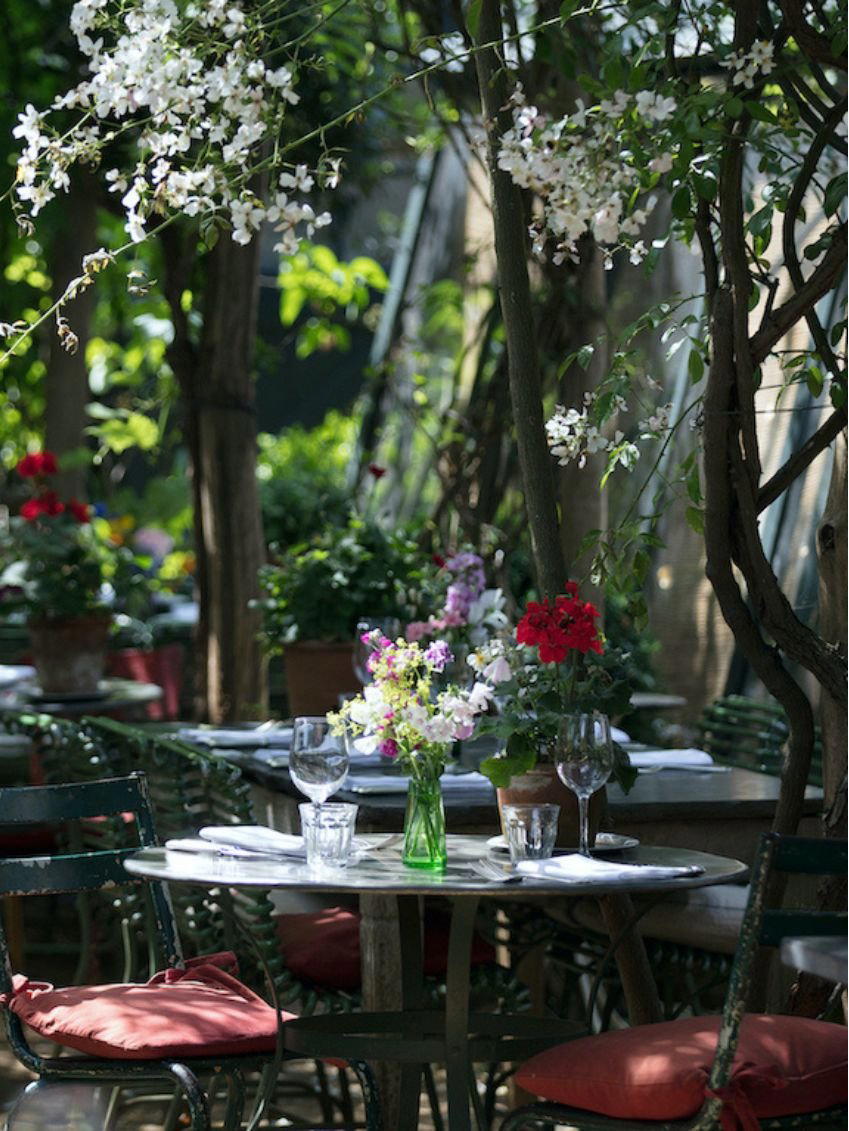
Bars in Ischia
Browse all →
Hotels in Ischia
Browse all →

At a Glance
- Romantic
- Elegant
- Intimate
- Sophisticated
- Scenic
- Special Occasion
- Celebration
- Date Night
- Open Kitchen
- Garden
- Wine Cellar
- Private Dining
- Extensive Wine List
- Sommelier Led
- Local Sourcing
- Garden
Intimate yet theatrical atmosphere with refined, elegant lighting in a small dining room within a beautiful residential home; garden setting adds magical, sensory dimension to the experience.