Da Vic occupies a quiet stretch of Via Gaetano Previati in Milan's residential west, where the conversation around Italian dining has increasingly shifted toward sourcing transparency and seasonal restraint. The address places it away from the tourist circuits that cluster around the Duomo, situating it instead within a neighbourhood where regulars expect substance over spectacle. For readers tracking Milan's evolving restaurant scene, it belongs in the same consideration set as the city's more editorially serious tables.
Pearl is the En Primeur Club membership app — saves, bookings, and concierge access live there. Same editors, same standards.
- Address
- Via Gaetano Previati, 21, 20149 Milano MI, Italy
- Phone
- +39243515186
- Website
- davic.it
- Directions
- Get directions
 Saves & bookings on Pearl
A Quieter Address, a Different Conversation
da Vic is a restaurant in Milan serving Modern Italian Seafood at a smart casual, reservation-essential address. The celebrated cluster around Brera, the power-lunch circuit of Porta Nuova, and the theatre of Cracco in Galleria are the reference points most itineraries reach for first. But the city's residential west, where Via Gaetano Previati runs quietly through the Municipio 6 district, has long hosted a different kind of table: one built for the neighbourhood rather than the occasion. Da Vic at number 21 sits in that tradition. Approaching from the street, there is none of the architectural theatre that signals a destination restaurant to visiting diners. What the address signals instead is a certain editorial seriousness, the kind of place where the cooking, not the room, carries the argument.
Where Milan's Sustainability Conversation Has Arrived
Italian fine dining spent the better part of two decades framing itself around technique and provenance in a particular way: the chef as auteur, the menu as personal statement, the sourcing narrative as supporting detail. What has shifted in the more recent chapter, visible at tables ranging from Andrea Aprea to Seta to smaller neighbourhood operators, is the move toward sourcing transparency as the primary frame rather than an ancillary one. Waste reduction, ethical supply chains, and seasonal constraint are no longer signals of a niche positioning; they are increasingly the baseline expectation at the serious end of the market.
Da Vic operates within this shift. The address in western Milan places it outside the high-visibility tier where restaurants like Enrico Bartolini command attention, which means its positioning has to be earned through consistency and word-of-mouth rather than location premium or awards halo. That dynamic is increasingly common at the independent end of the Italian dining market, and it tends to produce kitchens with a sharper relationship to their supply chains, because the economics of a neighbourhood address require real discipline around purchasing, waste, and menu rotation in ways that a high-margin tasting-menu destination can sometimes defer.
Italy's broader restaurant culture has produced particularly substantive examples of sustainability-led cooking anywhere in Europe. Atelier Moessmer Norbert Niederkofler in Brunico built an entire culinary identity around Alpine ecological restraint. Reale in Castel di Sangro works with the surrounding Abruzzo landscape as an active sourcing constraint. Even coastal operators like Uliassi in Senigallia and Quattro Passi in Marina del Cantone have moved procurement practices toward greater accountability over the past several years. Da Vic's urban Milan context is different, a city address means supply chains run through markets and distributors rather than a surrounding landscape, but the same pressure toward transparency applies.
The Context of a Neighbourhood Table in a City Redefining Itself
Milan has spent the post-Expo decade repositioning itself as a serious dining city rather than simply a fashion-week destination with good pasta. The evidence is in the density of ambitious independent operators that have opened in residential zones away from the historic centre, and in the willingness of the city's dining public to travel for substance. This is the environment in which a restaurant on Via Previati makes sense as a considered choice rather than a default one.
The comparable set for a table in this position is not the Michelin-starred circuit that includes Verso Capitaneo or the architecturally ambitious format of Andrea Aprea. It is the layer of independent operators that sustain neighbourhoods and build reputations over years rather than seasons, a cohort that internationally includes tables like Lazy Bear in San Francisco, where the format and sourcing philosophy matter as much as the address. In Italy, the tradition runs deep: Dal Pescatore in Runate built decades of reputation on family-driven consistency and ingredient integrity, and Piazza Duomo in Alba has demonstrated that regional commitment can carry international standing. Da Vic operates at a different scale and price point, but the underlying logic, that a kitchen's relationship to its ingredients defines its identity more than its decor or its location, runs through all of them.
What the Address Tells You About the Offer
A residential Milan address west of the Navigli, without the hotel affiliation that supports tables like Seta or the gallery-adjacent positioning of Enrico Bartolini, signals a specific kind of operating model. The audience is local in a meaningful sense: people who live within a manageable distance and return regularly, rather than visiting diners building a single-trip itinerary. That audience shape tends to produce menus that rotate on a tighter seasonal cycle, because repeat visitors notice, and it tends to produce a wine list built around value and discovery rather than trophy bottles.
For readers whose Milan itinerary already accounts for the headline tables, including the extended canon that runs from Osteria Francescana in Modena and Enoteca Pinchiorri in Florence at the apex down through the city's own Michelin tier, a neighbourhood address like Via Previati represents a different kind of editorial decision. It is not a gap-fill between monuments; it is an argument that instructive dining experiences in any city are often the ones that serve people who have nowhere else to be that evening.
Planning a Visit
Da Vic is located at Via Gaetano Previati 21 in the western residential zone of Milan, away from the tourist-facing clusters around the Duomo and Brera. The restaurant is open Monday through Saturday from 7:30 to 10:30 PM, and Sunday from 12:30 to 2:30 PM and 7:30 to 10:30 PM. Reservations are essential.
Cuisine Context
Comparable venues nearby, for context on price, style, and recognition.
| Venue | Cuisine | Price | Notes |
|---|---|---|---|
| da VicThis venue — the venue you are viewing | Modern Italian Seafood | $$$$ | Not listed |
| Trussardi | Modern Italian Fine Dining | $$$$ | Brera |
| Ristorante VikPellico8 | Modern Italian Fusion | $$$$ | Duomo |
| Forte Garden | Modern Italian Seafood | $$$$ | Xxii Marzo |
| Rubacuori | Modern Italian Fine Dining | $$$$ | Buenos Aires - Porta Venezia - Porta Monforte |
| Ristorante Rodrigo | Traditional Bolognese with Seafood | $$$$ | Porta Genova |

At a Glance
- Cozy
- Elegant
- Date Night
- Special Occasion
- Standalone
- Local Sourcing
Current opening hours
- Monday
- 7:30–10:30 PM
- Tuesday
- 7:30–10:30 PM
- Wednesday
- 7:30–10:30 PM
- Thursday
- 7:30–10:30 PM
- Friday
- 7:30–10:30 PM
- Saturday
- 7:30–10:30 PM
- Sunday
- 12:30–2:30 PM, 7:30–10:30 PM
Hours can change for holidays and private events. Last verified .
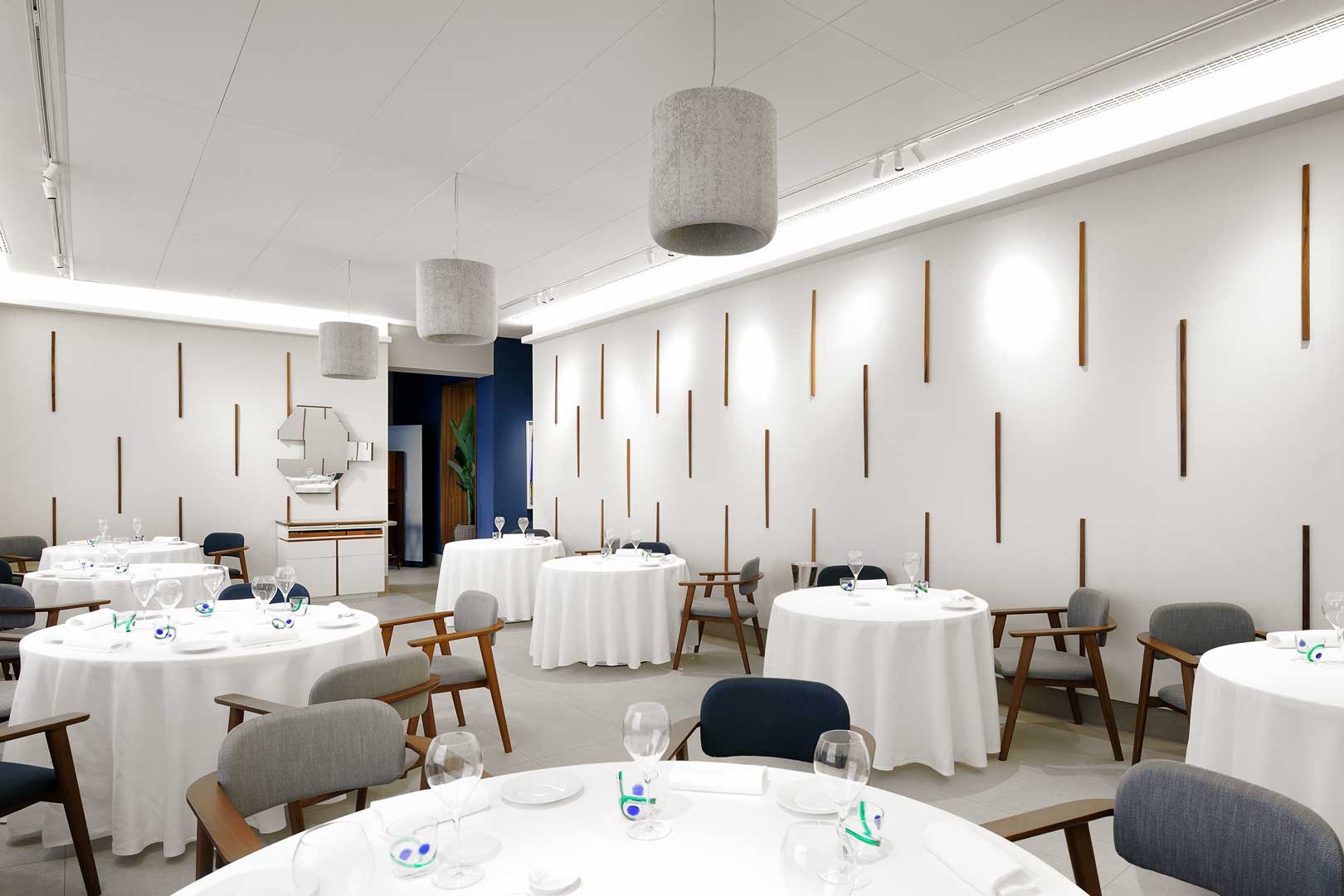
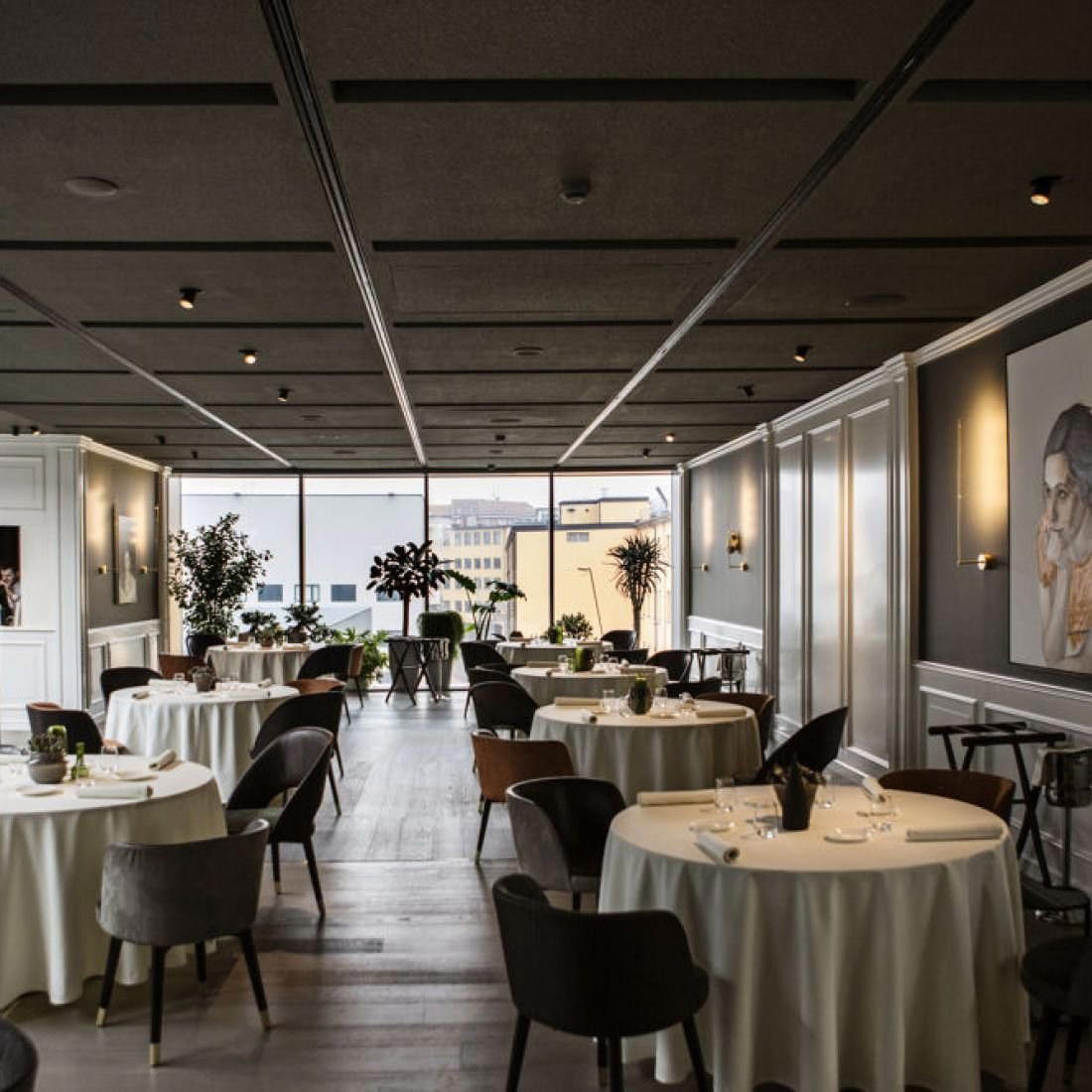
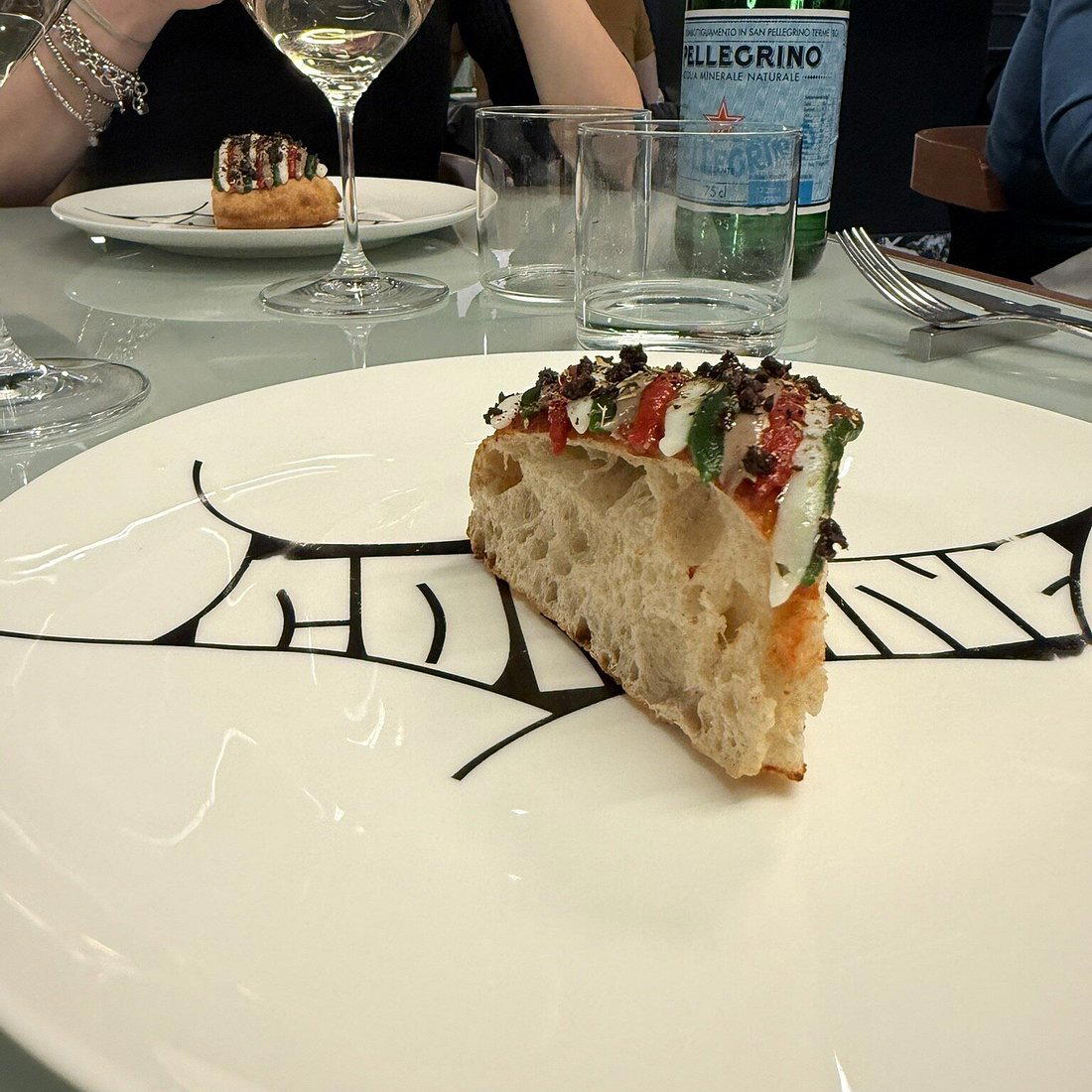
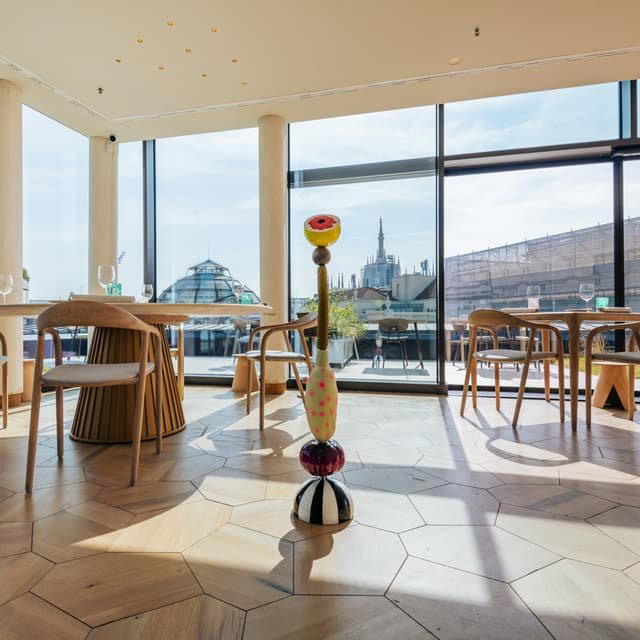
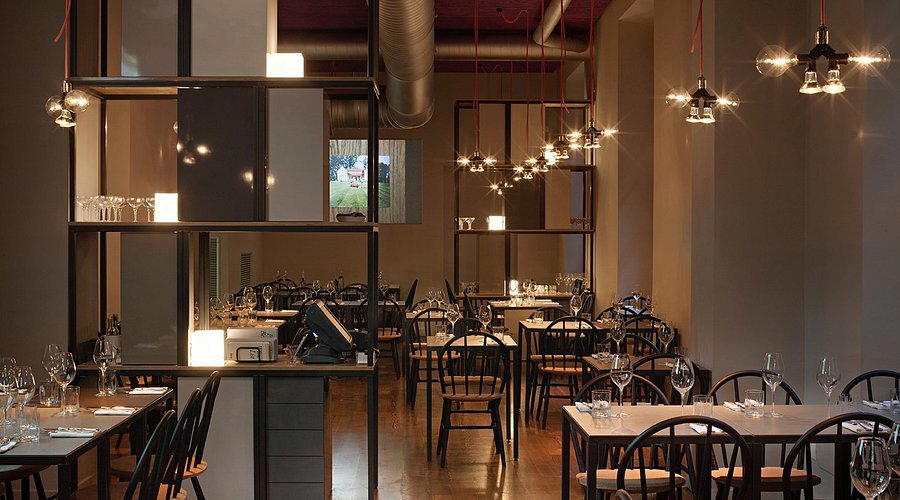
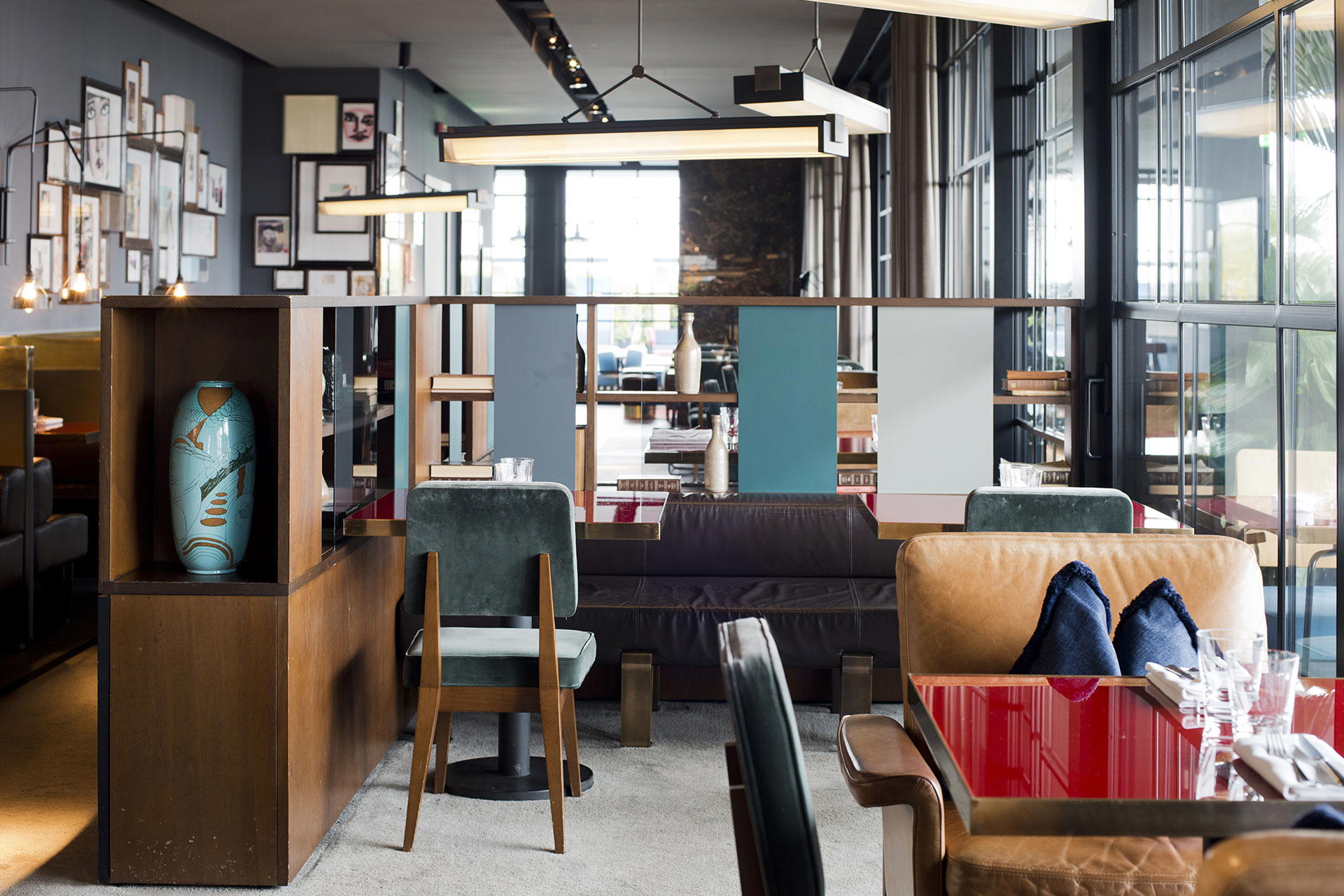
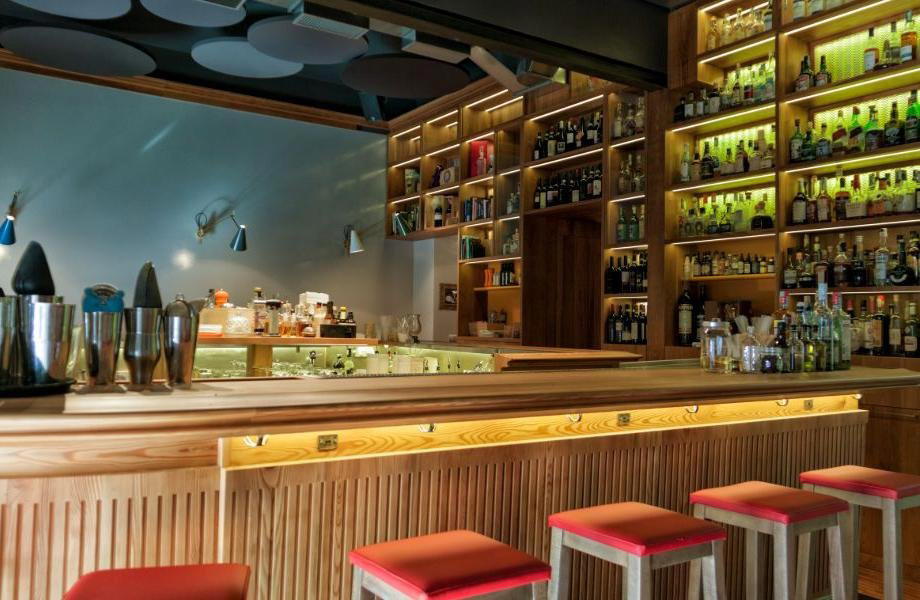
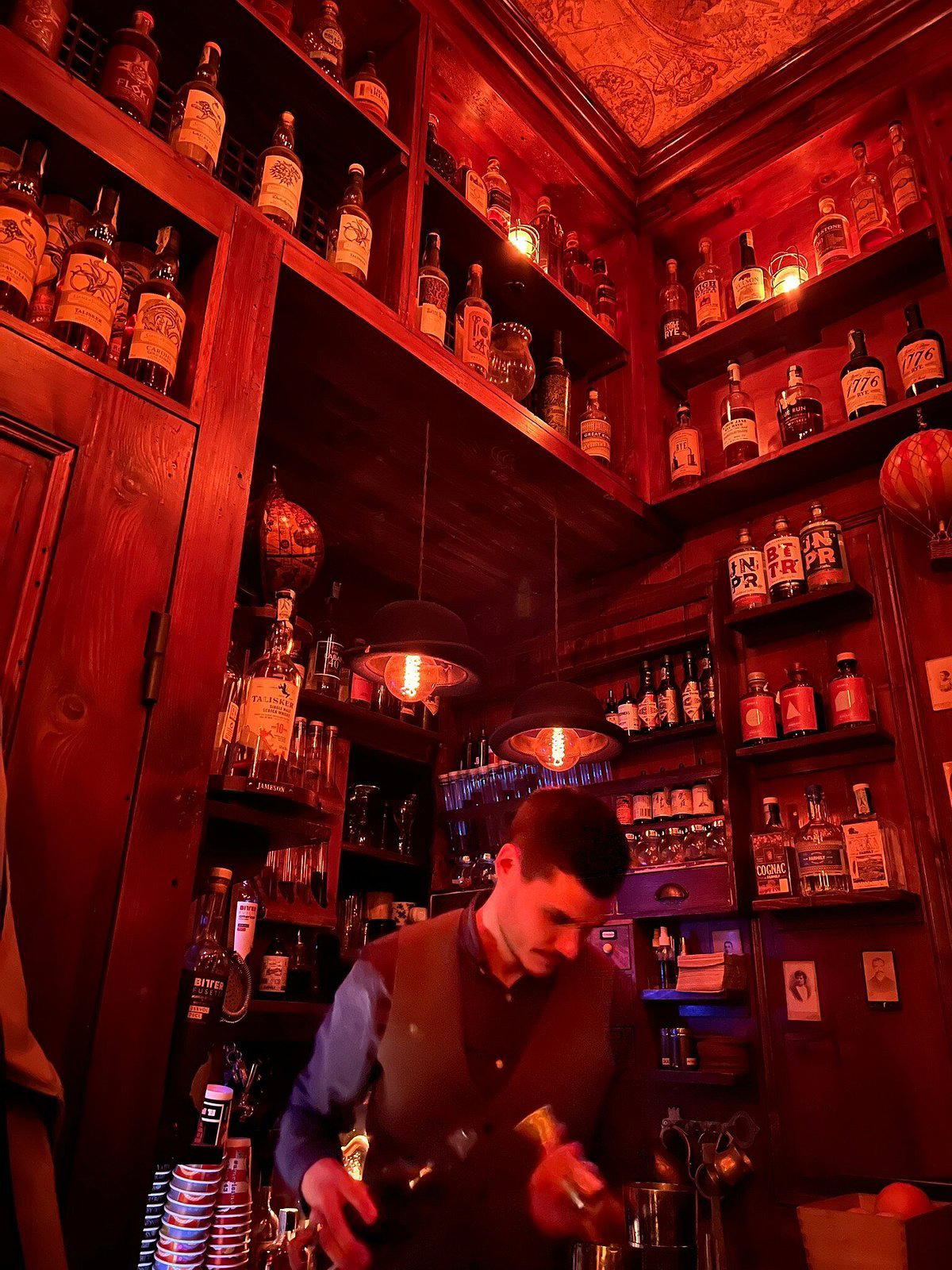
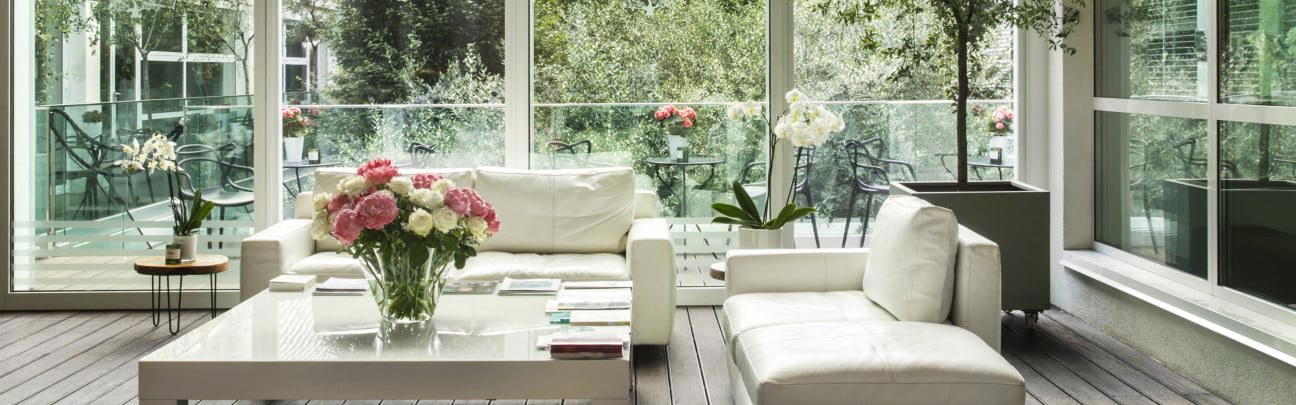
Cozy and elegant atmosphere with high-quality service and beautifully presented dishes.