Positioned on Piazza della Scala, one of Milan's most architecturally loaded addresses, Trussardi occupies the intersection of Italian fashion legacy and serious dining. The space carries the weight of a house that has cycled through significant reinvention over the decades, placing it in a different register from the city's newer fine-dining openings. For Milan's upper tier of restaurant addresses, this remains a reference point worth understanding before booking elsewhere.
- Address
- Piazza della Scala 5, Milan, Italy
- Phone
- +39 02 80 68 82 01
- Website
- resdiary.com
- Directions
- Get directions
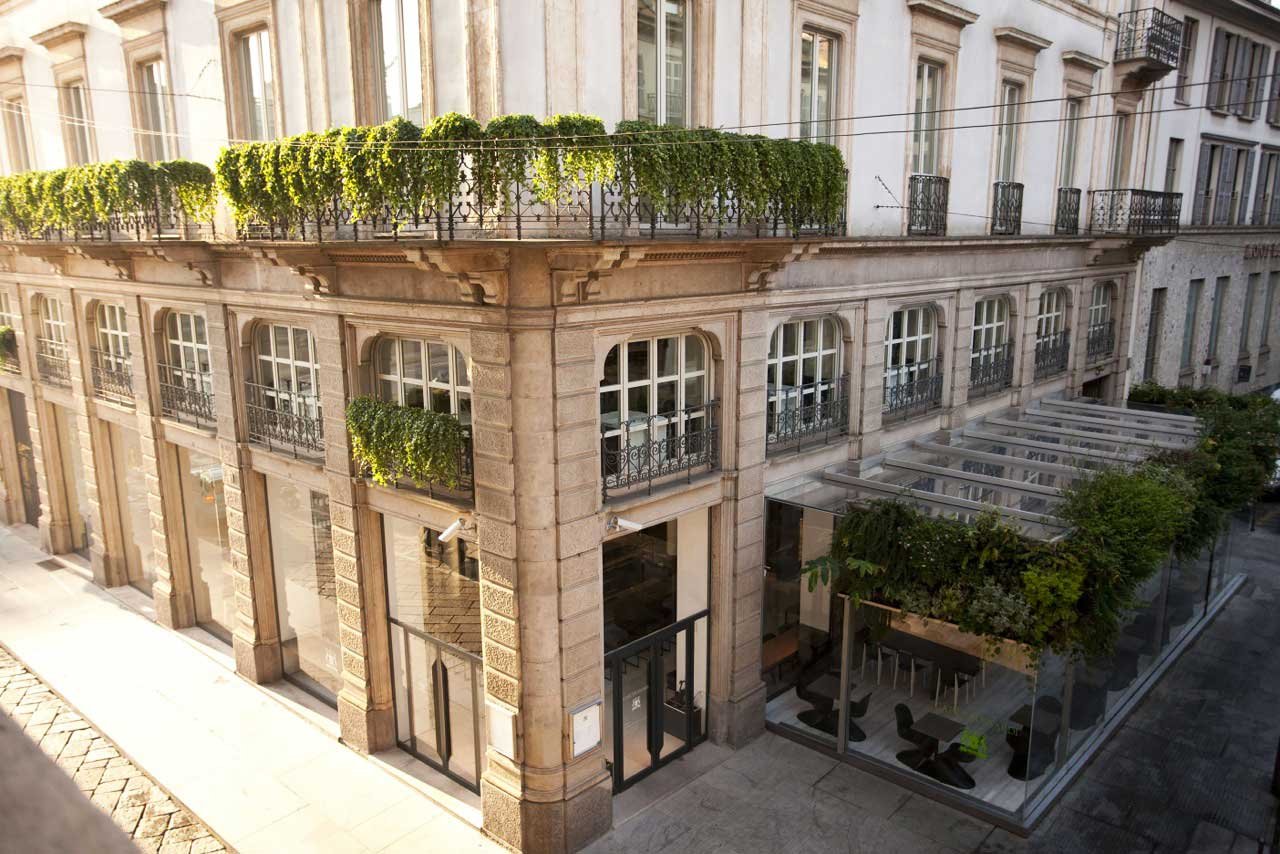
Piazza della Scala and What It Demands of a Restaurant
There are addresses in Milan that impose a standard before a single dish arrives. Piazza della Scala, facing the opera house that defines the city's cultural self-image, is one of them. A restaurant at this address is not evaluated in isolation; it is measured against the square itself, against the expectations of the people who cross it daily, and against the long memory of what has occupied this space before. Trussardi sits at number five on that square, and understanding what it is now requires understanding the arc of what it has been.
Milan's fine-dining circuit runs through a set of addresses that carry institutional weight alongside newer contemporary rooms. The conversation in that circuit increasingly involves Enrico Bartolini, Cracco in Galleria, Seta, and Andrea Aprea. Trussardi occupies a distinct position in that set: a house dining room built on the identity of a fashion brand, which means its dining proposition has always operated under a dual brief, serving the label's clientele and earning respect on its own terms.
The Fashion-House Restaurant as a Dining Format
The fashion-house restaurant is a specific format in Italian urban dining, and Milan has produced several of its clearest examples. The model places a serious kitchen inside a brand's retail or headquarters space, using the dining room to extend the label's aesthetic language into hospitality. At its least interesting, this produces a venue that functions as a brand activation with a menu. At its most serious, it produces a restaurant that earns recognition entirely independently of the label attached to it.
Trussardi, as it has been known in its various iterations, belongs to the second category in ambition if not always in critical reception. The house has used the Piazza della Scala space to run tasting-format dining at a price point that competes with the upper tier of Milan's restaurant scene, a positioning that requires a kitchen capable of standing alongside addresses like Verso Capitaneo and the broader Italian fine-dining cohort that includes Osteria Francescana in Modena, Dal Pescatore in Runate, and Enoteca Pinchiorri in Florence.
A History of Reinvention at the Same Address
The key point for Trussardi is not where it is, but how many times it has changed direction without changing its postcode. The Piazza della Scala space has seen different culinary identities cycle through it as the Trussardi group has brought in, and occasionally parted ways with, kitchen leadership. This pattern of reinvention is not unusual in the fashion-adjacent restaurant category: the commercial pressures of running a brand dining room in one of Europe's most expensive retail districts tend to accelerate menu pivots and format changes at a pace that pure restaurant operations rarely match.
What this means for a potential visitor is that the Trussardi of five years ago is not the same proposition as the one operating today, and the version that existed a decade before that was different again. Italy's fine-dining institutions that have held position across decades, Uliassi in Senigallia, Quattro Passi in Marina del Cantone, Atelier Moessmer Norbert Niederkofler in Brunico, have largely done so through continuity of kitchen identity. Trussardi's trajectory has been more turbulent, and that turbulence is worth factoring into any assessment of where it currently sits.
For comparative context at the international tier, the dining rooms that have managed to hold both fashion-adjacent identity and sustained critical standing, rooms like Le Bernardin in New York, or the precision-driven format at Atomix, have generally done so through unusually stable kitchen leadership. The format works when the kitchen voice is clear and consistent. When the voice changes frequently, the format relies heavily on the address and the room to carry the proposition, which is a structural risk at any price point.
The Room, the Square, and the Experience of Arriving
Arriving at Piazza della Scala from the direction of the Duomo, through the grid of streets that define central Milan's commercial core, produces a specific kind of decompression. The square opens up abruptly: La Scala to the left, the Palazzo Marino ahead, and the Trussardi townhouse anchoring the corner. The building's scale is domestic rather than monumental, which creates a particular register for the dining room inside, more private than palatial, closer in feeling to a house than a hotel ballroom.
That sense of enclosure is part of what distinguishes fashion-house dining in Milan from the large-hotel restaurant format. The rooms at Trussardi's address have consistently been designed around a restricted number of covers, with service ratios that reflect an upper-tier price positioning. The intimacy of the space functions as a signal: this is not a room designed for volume. Whether the kitchen consistently justifies the price implied by the address and the format depends on which iteration of Trussardi is currently operating, and that is a question worth resolving with current booking data before making plans.
Positioning Against the Milan comparable set
| Venue | Style | Price Range | Address Type |
|---|---|---|---|
| Trussardi | Fashion-house dining | Upper tier | Piazza della Scala (heritage square) |
| Enrico Bartolini | Creative | €€€€ | Mudec museum building |
| Cracco in Galleria | Modern Cuisine | €€€€ | Galleria Vittorio Emanuele II |
| Seta | Modern Italian | €€€€ | Mandarin Oriental hotel |
| Andrea Aprea | Modern Italian | €€€€ | Via Nino Bixio standalone |
The comparison table maps the pattern clearly: Milan's leading dining addresses are almost all embedded in landmark locations, whether fashion houses, galleries, or international hotels. The Trussardi address on Piazza della Scala is among the more architecturally significant of these, but address weight alone does not resolve the question of where a given kitchen sits in the critical hierarchy at any specific moment.
Planning Your Visit
Given the address's history of format changes and kitchen transitions, one important step before booking Trussardi is confirming the current operational status and format directly.
The Minimal Set
Comparable venues nearby, for context on price, style, and recognition.
| Venue | Cuisine | Price | Notes |
|---|---|---|---|
| TrussardiThis venue — the venue you are viewing | Brera, Modern Italian Fine Dining | $$$$ | Not listed |
| Forte Garden | Xxii Marzo, Modern Italian Seafood | $$$$ | Not listed |
| The Hall by "UNA cucina" | Not listed | $$$$ | Stazione Centrale - Ponte Seveso, Italian & International Trattoria |
| da Vic | Not listed | $$$$ | De Angeli - Monte Rosa, Modern Italian Seafood |
| Il Luogo di Aimo e Nadia | Bande Nere, Modern Italian Regional | $$$$ | Not listed |
| Ristorante Vista Duomo | Duomo, Modern Italian Fine Dining | $$$$ | Not listed |
Continue exploring
More in Milan
Restaurants in Milan
Browse all →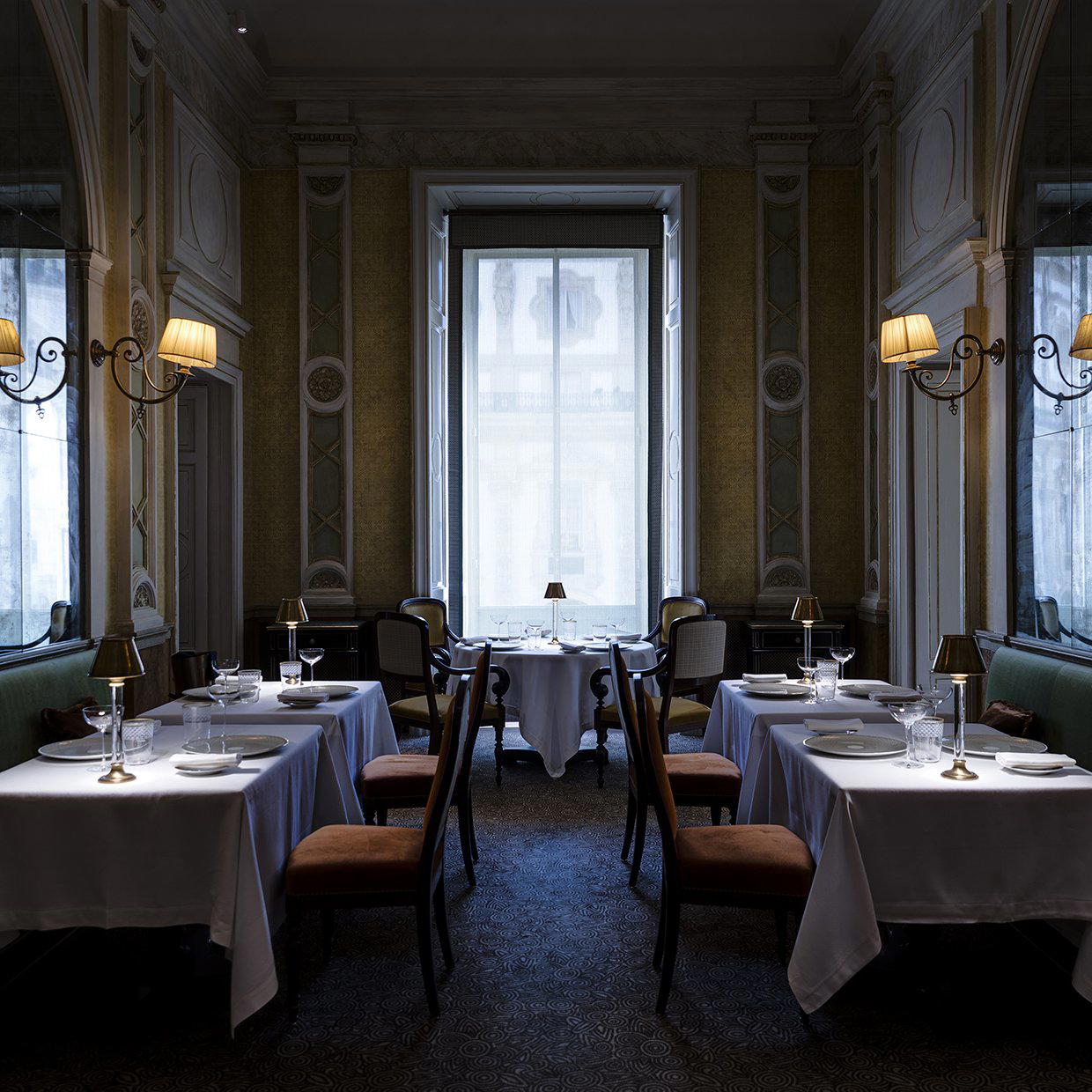
Bars in Milan
Browse all →
Hotels in Milan
Browse all →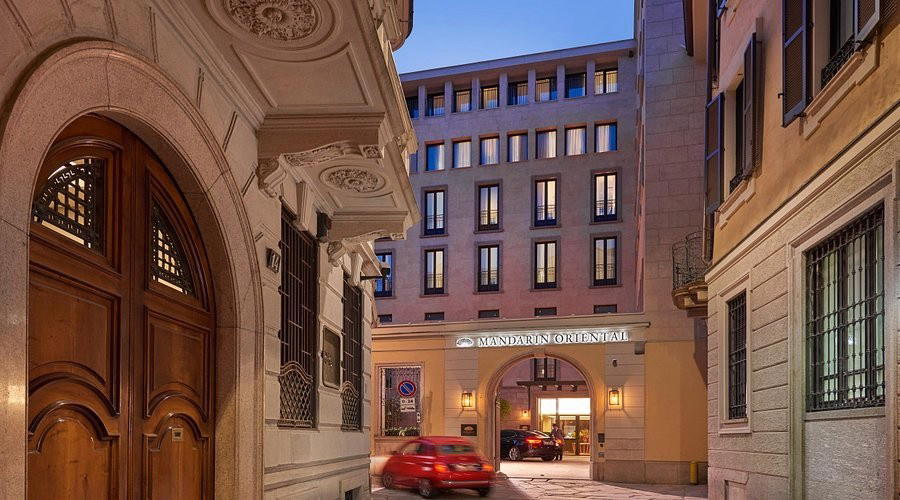
Wineries in Milan
Browse all →
At a Glance
- Elegant
- Sophisticated
- Romantic
- Well Known
- Date Night
- Special Occasion
- Business Dinner
- Historic Building
- Private Dining
- Design Destination
- Extensive Wine List
- Local Sourcing
- Street Scene
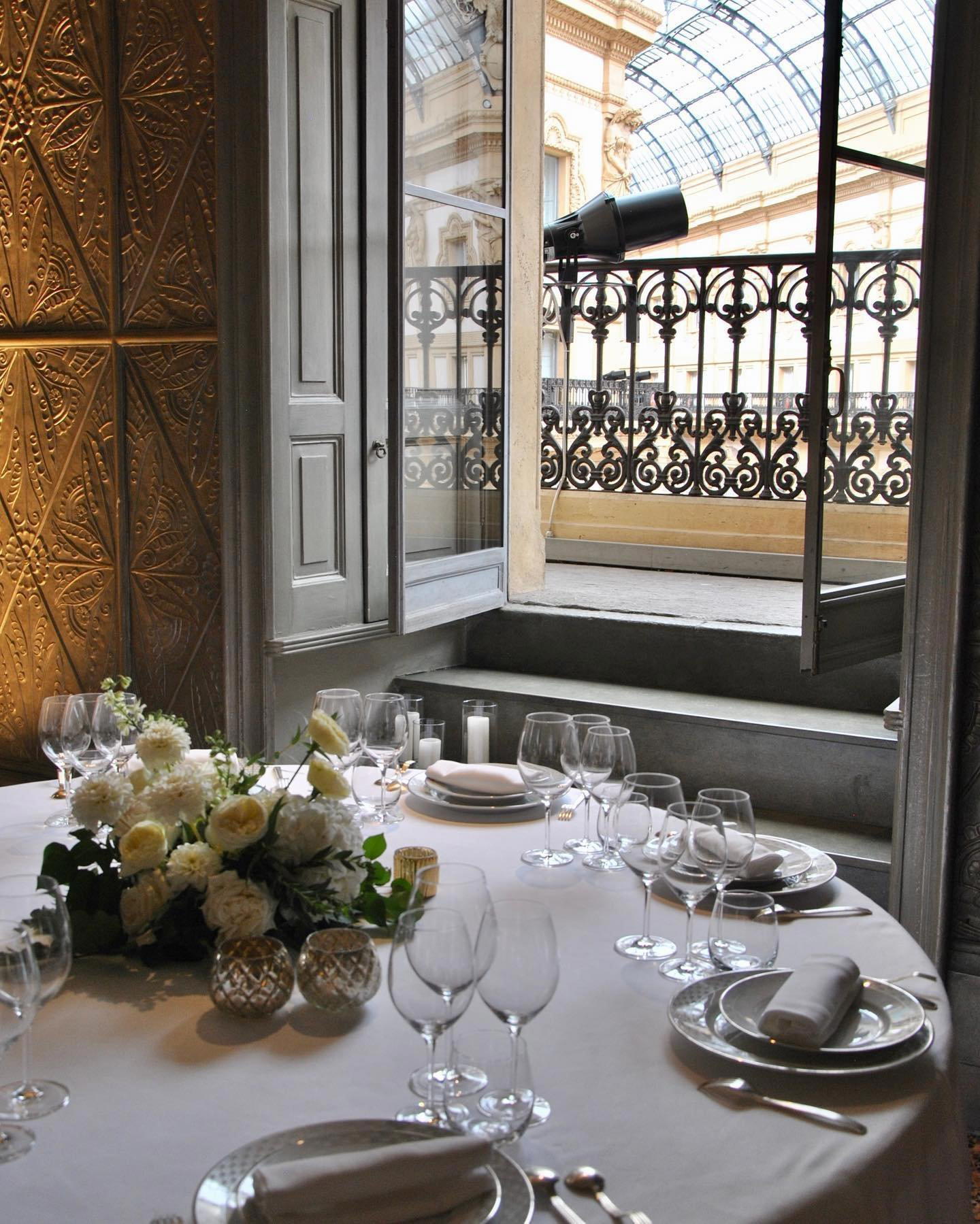
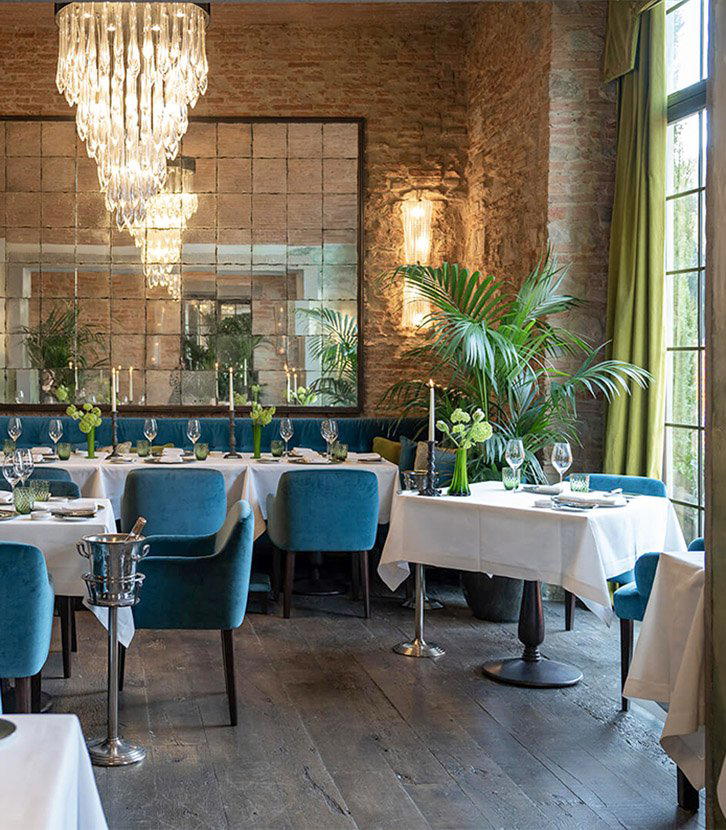
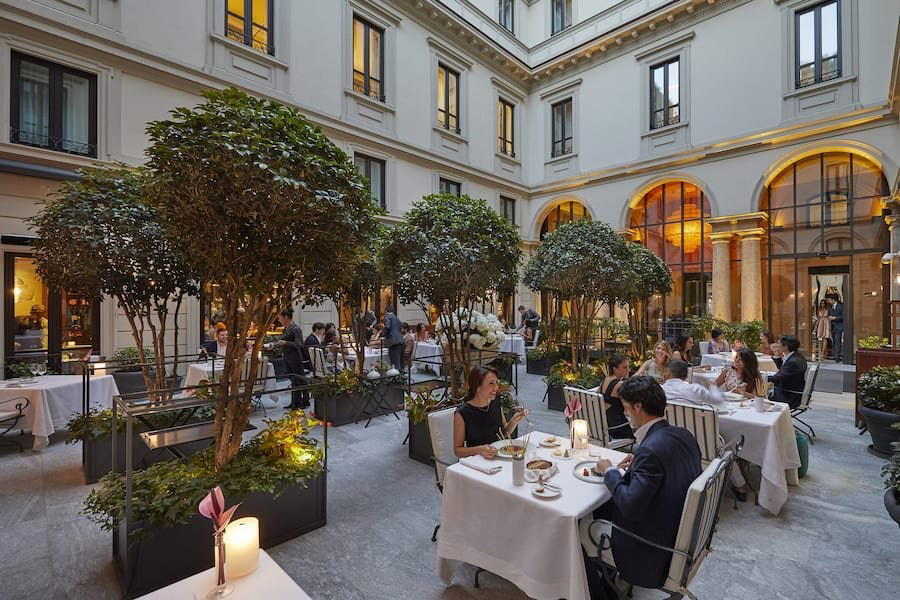
Elegant and chic atmosphere in a historic palazzo with views of the well-known La Scala theater square, creating a sophisticated and romantic setting.