Sofia

Wine Spectator Award of Excellence
Our verdict
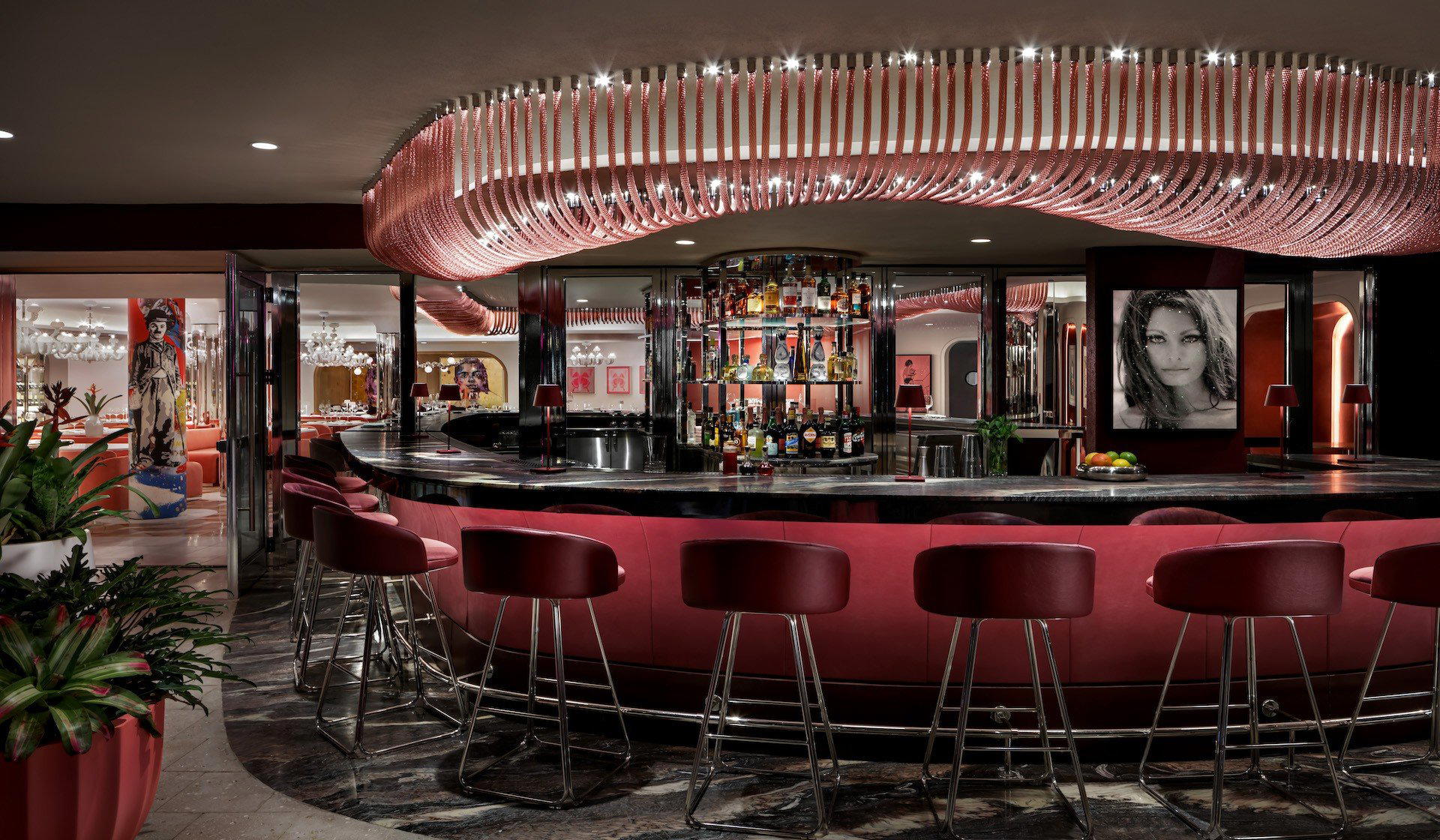
Inside the Palm Court Dome of Miami's Design District, Sofia occupies one of the neighbourhood's most architecturally charged dining rooms. The menu reads as a study in Mediterranean and Latin crosscurrents, calibrated to a crowd that moves between gallery openings and dinner reservations without changing pace. For a full picture of where Sofia sits among Miami's ambitious mid-to-upper tier, see our complete Miami restaurants guide.

Pearl is the En Primeur Club membership app — saves, bookings, and concierge access live there. Same editors, same standards.
- Address
- Inside Palm Court Dome, 140 NE 39th St #133, Miami, FL 33137
- Phone
- (786) 220-0225
- Hours
- Mon–Thu 11:30 AM–10 PMFri–Sat 11:30 AM–11 PMSun 11:30 AM–10 PM
- Website
- sofiamiamidd.com
- Directions
- Get directions
- Booking
- Book on OpenTable
The menu
What to order
- Costolette di Agnello
- Sofia Panna Cotta
Dining Inside the Dome: How the Design District Sets the Terms
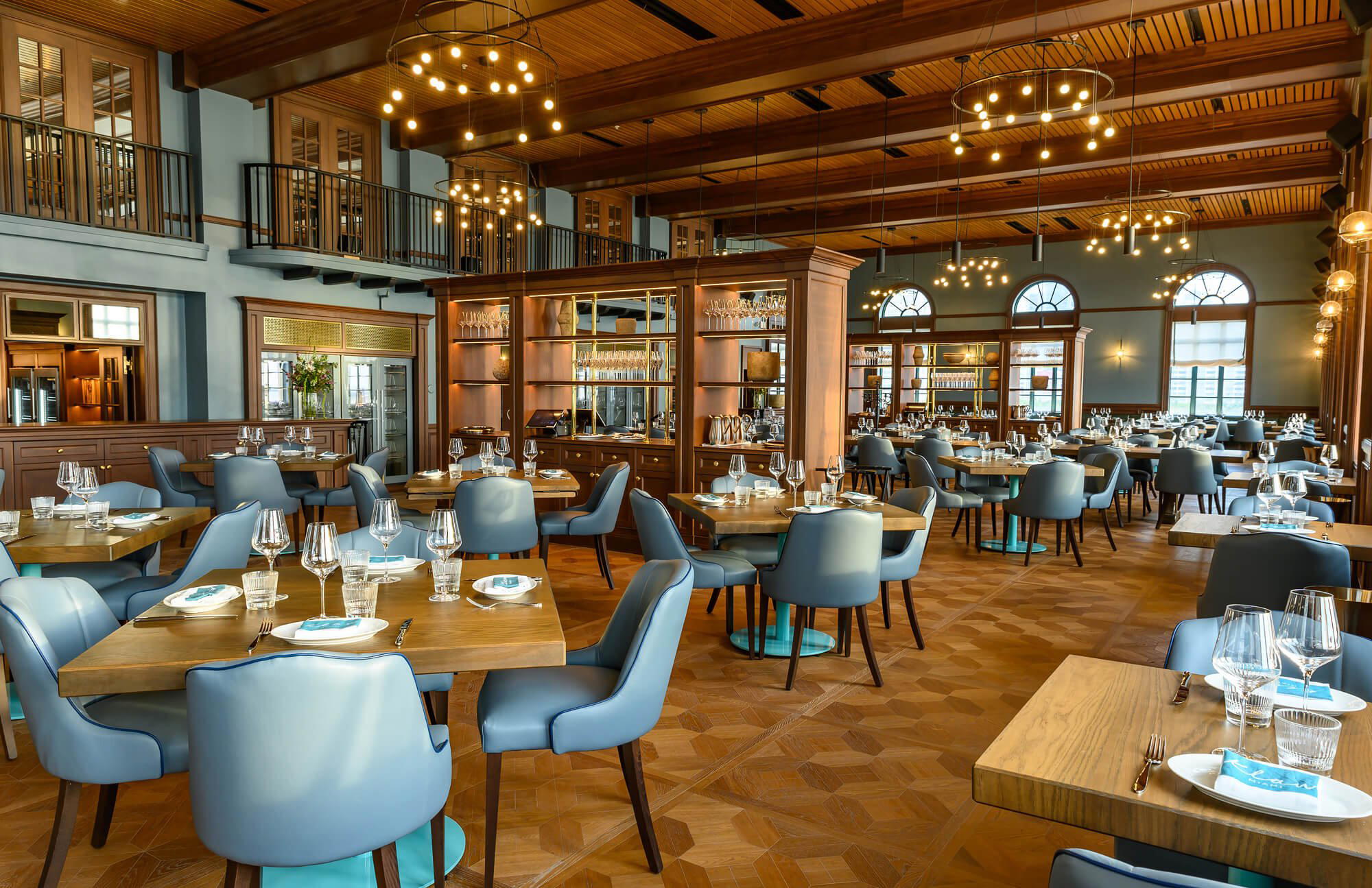
The Palm Court Dome at 140 NE 39th Street is one of the more deliberate architectural gestures in Miami's Design District, a neighbourhood that has spent the last decade converting warehouses and low-rise retail into a concentrated zone of gallery spaces, flagship boutiques, and restaurants that take their room design as seriously as their menus. To open a restaurant inside that structure is to accept that the space will do significant work before the first plate arrives. Sofia operates inside that logic, which makes the physical setting less a backdrop and more an editorial choice about who the restaurant is speaking to.
Miami's Design District dining scene functions differently from South Beach or Brickell. The crowd here is gallery-adjacent, architecture-literate, and accustomed to spending on things that reward attention. Restaurants that land in this neighbourhood without a clear visual and culinary identity tend to drift. The ones that anchor themselves to a coherent point of view — in room, in menu structure, in beverage programme — tend to find a loyal audience quickly. Sofia positions itself within that second category.
For context on how Sofia's neighbourhood compares to Miami's other serious dining corridors, the full Miami restaurants guide maps the city's distinct dining zones and the restaurants that define each one.
Menu Architecture: What the Structure Reveals
The most instructive thing about any restaurant in Sofia's tier is not what it serves but how it organises what it serves. Menu architecture, the logic of courses, the ratio of shareable to individual plates, the placement of proteins, the ambition signalled by technique, tells you what the kitchen believes about its guest and how long they intend to stay at the table.
Sofia's Mediterranean-inflected approach places it in a segment of Miami dining that has grown more crowded in recent years. The city's appetite for Southern European food traditions, particularly those that lean into produce-forward cooking and shared-plate formats, has produced a cluster of serious operators. What separates the more considered rooms from the ones running a genre exercise is typically the degree to which the menu architecture reflects a specific point of view rather than a category checklist.
In rooms like this, the mid-menu is often the most telling section: it is where kitchens either commit to a defining technique or retreat to crowd-pleasing interpolations. A menu that builds genuine tension between sections, where early plates establish flavour logic that later courses pay off, is a different kind of document than one that simply lists options by protein. Sofia's Design District location, placed in a neighbourhood that attracts guests with high visual and intellectual expectations, creates pressure to produce the former.
Compare this structural ambition to what peer-tier Miami restaurants are doing. Boia De operates an Italian-contemporary format at the $$$ tier that has become one of the city's more discussed small-format rooms, partly because its menu structure is tightly edited. Ariete runs a Modern American programme at the $$$$ tier in Coconut Grove, where the kitchen's seasonal thinking is visible in how the menu rotates. Cote Miami approaches the Korean steakhouse format with a prix-fixe structure that reflects a clear thesis about how beef should be sequenced. Each of these rooms teaches you something about its kitchen before the food arrives, through structure alone.
On the Peruvian side of Miami's serious dining conversation, ITAMAE has built a menu around the nikkei tradition with enough editorial discipline to generate a strong following. And at the French fine dining tier, L'Atelier de Joël Robuchon Miami brings counter-format precision to a city that has historically been more drawn to theatrical dining rooms than to quiet technical mastery.
Sofia in National Context
Miami's premium dining tier has matured considerably, and Sofia's Design District address places it in proximity to a set of national conversations about what serious restaurant-going looks like in cities outside the traditional fine dining capitals. New York, Chicago, and San Francisco remain the reference points for most critics, but the restaurants generating the most interesting work are increasingly distributed. Consider the menu ambition at Lazy Bear in San Francisco, the tasting-menu discipline at Alinea in Chicago, or the farm-integrated approach at Blue Hill at Stone Barns in Tarrytown: each of these rooms has developed a menu architecture that is inseparable from its identity.
In California, The French Laundry in Napa, Single Thread Farm in Healdsburg, and Providence in Los Angeles all operate tasting programmes where the sequence of courses is the primary argument the kitchen is making. Addison in San Diego has added Michelin recognition to Southern California's claim on serious American dining. On the East Coast, Le Bernardin in New York City, Atomix in New York City, and The Inn at Little Washington each demonstrate how sharply a menu can be authored when the kitchen has a clear position. Emeril's in New Orleans represents an older model of this kind of culinary investment, one that helped establish the case for serious dining outside New York and Chicago. Internationally, 8½ Otto e Mezzo Bombana in Hong Kong shows how Italian fine dining can be transplanted and refined in an entirely different market context.
Sofia's position in Miami's Design District puts it in dialogue with all of these references, even if it is operating at a different scale and with a different format. The Design District crowd is internationally travelled and has often eaten at several of the rooms listed above. That context shapes what the restaurant needs to deliver to hold its audience.
Seasonal Timing and When to Go
Miami dining has a marked seasonality that most guides underplay. The months between November and April concentrate the city's most engaged dining public: residents return from summer escapes, the art fair circuit brings a globally sophisticated visitor base, and restaurants tend to run at their most competitive. Design District restaurants in particular benefit from Art Basel Miami Beach and the surrounding fair week in early December, when the neighbourhood's galleries and dining rooms fill with guests who are actively comparing what they are eating to what they ate last month in Paris or Tokyo.
Summer in Miami is the inverse: humidity, reduced visitor traffic, and a local crowd that is more forgiving. Restaurants that use the slower months to retool the menu or tighten service often emerge in the autumn at a different level. For Sofia, a visit in the peak November-to-April window is likely to represent the room at full capacity and full intention.
Know Before You Go
- Address: Inside Palm Court Dome, 140 NE 39th St #133, Miami, FL 33137
- Neighbourhood: Design District, Miami
- Peak season: November through April; Art Basel week (early December) is the highest-demand period
- Getting there: The Design District is accessible by car with valet options nearby; rideshare is the most practical approach given limited street parking
- Reservations: Check the restaurant's current booking channel directly; Design District rooms at this tier typically book out several weeks in advance during peak season
Frequently asked questions
What's the must-try dish at Sofia - Design District?
Without a current verified menu on record, naming a specific dish would be speculative. What the Design District context and Mediterranean-inflected format suggest is that the kitchen's most considered work is likely in the mid-menu: the section where produce-driven technique and protein cookery intersect. Ask the server what has drawn the most attention since the menu last changed, that question will surface more useful information than any static recommendation.
How far ahead should I plan for Sofia - Design District?
In Miami's Design District, timing matters more than in other parts of the city. If your visit falls between November and April, particularly around Art Basel in early December, reservations at Design District restaurants in this tier can fill two to four weeks out. Outside peak season, lead times compress, but checking availability at least a week ahead remains sensible for a weekend booking.
What has Sofia - Design District built its reputation on?
Sofia's reputation in the Design District is anchored to its setting and its positioning at the intersection of the neighbourhood's gallery culture and serious dining. The Palm Court Dome address is not incidental: in a neighbourhood where the room is part of the argument, operating inside one of its most architecturally discussed spaces signals a specific kind of ambition. The restaurant's Mediterranean approach places it in a growing segment of Miami dining that is increasingly taken seriously by the city's most travelled diners.
Is Sofia - Design District suitable for a business dinner or client entertainment?
The Design District location and the Palm Court Dome setting make Sofia a credible choice for business dining aimed at guests who respond to design-aware environments. Miami's Design District has become the neighbourhood most associated with internationally oriented creative and commercial industries, and restaurants here draw a crowd that is accustomed to using the room as part of the conversation. For that specific use case, the address itself carries weight that a restaurant in a less architecturally intentional part of the city would not.
Nearby-ish Comparables
Comparable venues nearby, for context on price, style, and recognition.
| Venue | Cuisine | Price | Awards | Notes |
|---|---|---|---|---|
| Sofia - Design DistrictThis venue — the venue you are viewing | Modern Italian Fine Dining | $30–50 | Wine Spectator Award of Excellence | Not listed |
| 11th Street Pizza | New York-Style Sourdough Pizza | $30–50 | Not listed | Park West |
| Rosaluna | Authentic Italian | $30–50 | Not listed | Downtown |
| 'O Munaciello Coral Way | Authentic Neapolitan Pizza & Italian | $30–50 | Not listed | Coral Way |
| Call Me Gaby | Modern Italian Pinsa and Pizza | $50–100 | Not listed | South Beach |
| Soya e Pomodoro | Authentic Southern Italian Trattoria | $30–50 | Not listed | Miami Jewelry District |
Recognition history
Dated appearances from independent guides and award organizations, with the underlying list record or original source where available.
Wine Spectator Award of Excellence
Wine Spectator
Continue exploring
More in Miami
Restaurants in Miami
Browse all →
Details
- Elegant
- Modern
- Trendy
- Sophisticated
- Date Night
- Special Occasion
- Group Dining
- Private Event
- Design Destination
- Open Kitchen
- Private Dining
- Craft Cocktails
- Local Sourcing
- A La Carte
- Tasting Menu
Current opening hours
- Monday
- 11:30 AM–10 PM
- Tuesday
- 11:30 AM–10 PM
- Wednesday
- 11:30 AM–10 PM
- Thursday
- 11:30 AM–10 PM
- Friday
- 11:30 AM–11 PM
- Saturday
- 11:30 AM–11 PM
- Sunday
- 11:30 AM–10 PM
Hours can change for holidays and private events. Last verified .
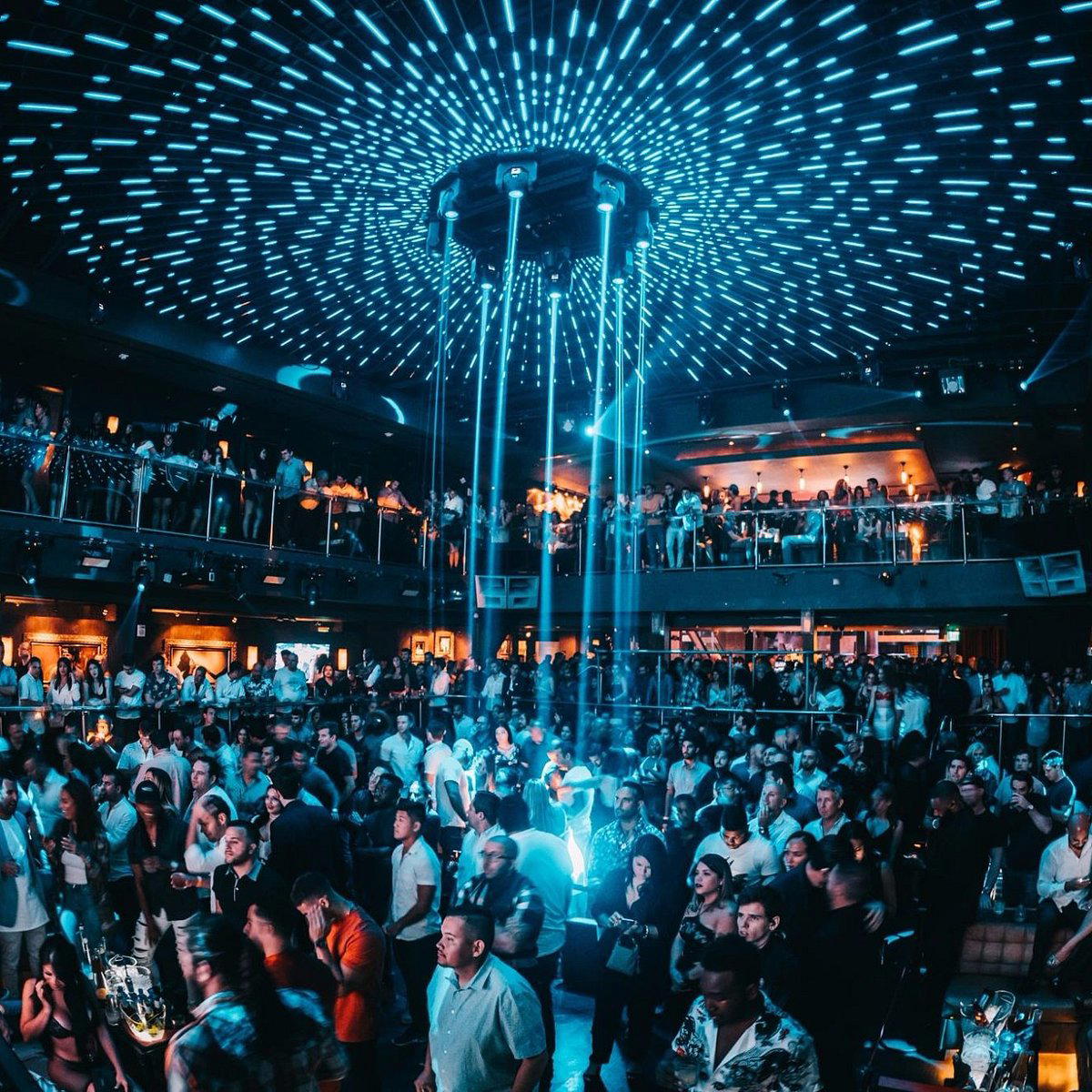
Chic, feminine, and stylish art-gallery atmosphere with pink accents, polished chrome, romantic elegant setting, and lively Miami vibe enhanced by live music.