Sapori di Mare
Sapori di Mare occupies a Grand Avenue address in Miami's Coconut Grove, placing it within a neighbourhood that has long supported independent, ingredient-led restaurants. The name signals an Italian seafood orientation, positioning it in a Miami dining tier that sits between casual fish houses and the city's formal tasting-menu circuit. Readers planning a visit should confirm current hours and menu format directly with the venue.
Pearl is the En Primeur Club membership app — saves, bookings, and concierge access live there. Same editors, same standards.
- Address
- 3111 Grand Ave, Miami, FL 33133
- Phone
- +13054768292
- Website
- saporedimaremiami.com
- Directions
- Get directions
 Saves & bookings on Pearl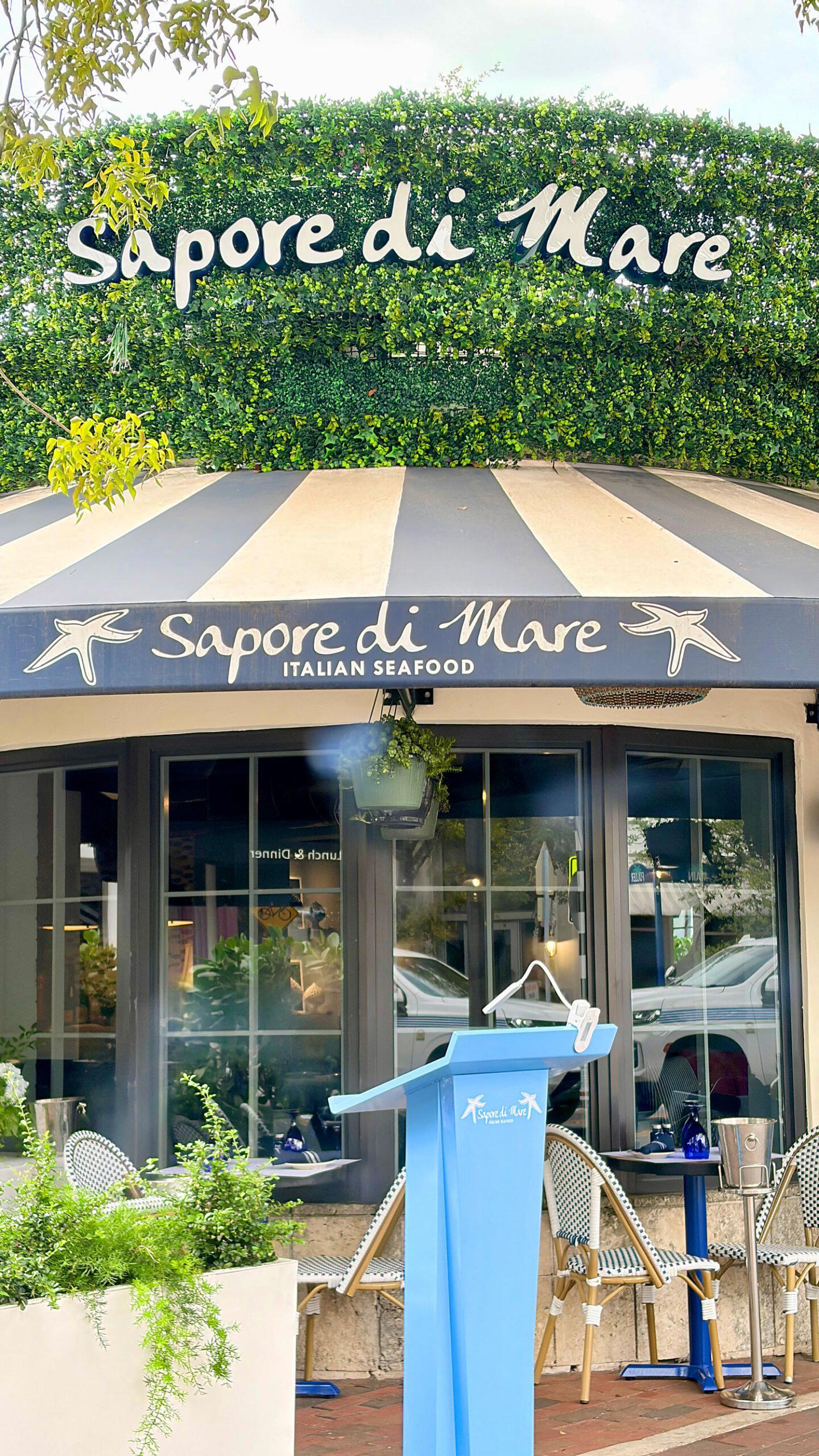
Coconut Grove and the Case for Neighbourhood Dining in Miami
Grand Avenue in Coconut Grove runs through one of Miami's oldest residential neighbourhoods, a stretch defined less by nightlife volume and more by the kind of sustained, local patronage that keeps independent restaurants alive across decades. The Grove sits south of Brickell and west of the Design District, occupying a quieter register than either. Restaurants here compete on repeat custom and word of mouth rather than hotel foot traffic or tourist geography. That context matters when reading any venue on this corridor: survival in Coconut Grove is its own form of editorial endorsement.
Sapori di Mare is an Italian seafood restaurant at 3111 Grand Ave, Miami, in Coconut Grove. The name translates from Italian as "flavours of the sea," signalling an orientation toward marine ingredients that connects to a broader tradition of coastal Italian cooking as it has travelled and adapted through American dining rooms.
Italian Seafood in Miami: Where the Category Sits
Miami's Italian dining scene spans a wide range: from red-sauce institutions serving long-established communities to contemporary trattorias working with local stone crab, Florida spiny lobster, and Gulf snapper. The more interesting restaurants in this latter group treat the Italian template as a structural framework rather than a set of fixed recipes, building pasta forms and sauce logic around whatever the Florida coast is producing at any given moment.
This approach places seafood-focused Italian rooms in a distinct competitive tier from Miami's broader fine-dining circuit. Properties like L'Atelier de Joël Robuchon Miami operate within a formalized tasting-menu format anchored by international pedigree. Ariete in Coconut Grove works a Modern American register at the leading price tier. Boia De has established contemporary Italian credentials in Miami's mid-to-upper price range. Sapori di Mare sits within this Italian-inflected conversation but with a seafood emphasis that narrows its focus and, in principle, sharpens its potential authority.
For readers familiar with the ambitions of seafood-driven rooms elsewhere in the country, the reference points are instructive. Le Bernardin in New York City has defined what a pure seafood focus at the summit tier looks like for decades. Providence in Los Angeles occupies comparable territory on the West Coast. Neither is a direct peer of a neighbourhood Italian seafood room in Coconut Grove, but they establish the logic: a genuine seafood commitment, held consistently over time, builds a category of its own rather than competing on the same terms as generalist fine-dining rooms.
The Wine List as the Lens: What Southern Italian Seafood Traditions Imply
Italian coastal kitchens carry specific wine pairing logic that can function as a proxy for how seriously a room takes its sourcing and preparation. Southern Italy's white-wine canon, Greco di Tufo, Fiano di Avellino, Vermentino from Sardinia, Falanghina from Campania, is built for seafood: mineral-driven, saline-edged, with enough acidity to cut through the brininess of crustaceans and the fat of oily fish without overwhelming them. A list that invests in this register rather than defaulting to international Chardonnay and Pinot Grigio signals that the kitchen and the cellar are working from the same set of assumptions.
The broader Italian wine map offers further texture. Verdicchio from the Marche coast has been one of the more compelling arguments for Italian whites with serious aging potential, a category that had been underdiscovered relative to its quality level. Etna Bianco from Sicily, built on Carricante, has attracted significant international attention over the past decade as volcanic-soil whites have become a reference point for sommeliers building lists that reward exploration. Any Italian seafood room that treats its wine program as a genuine extension of its kitchen identity will engage with at least some of this territory.
This is the framework through which a venue like Sapori di Mare should be read, not simply as a restaurant with a wine list, but as a place where the cellar either confirms or complicates the claims the kitchen is making.
Coconut Grove in Relation to Miami's Broader Dining Map
Miami's dining geography has fragmented in productive ways over the past decade. Wynwood and the Design District concentrated chef-driven ambition for a period; Brickell consolidated expense-account dining; South Beach remained tourist-weighted. Coconut Grove has occupied a different position, drawing residents and returners rather than first-timers, supporting restaurants that build over years rather than opening with maximum publicity and fading. Ariete is the clearest example of a Coconut Grove restaurant that has built genuine critical standing through consistency rather than spectacle.
ITAMAE represents Miami's Peruvian-Japanese intersection at a serious level. Cote Miami anchors the Korean steakhouse category at the upper price tier.
Addison in San Diego, Single Thread Farm in Healdsburg, or Blue Hill at Stone Barns in Tarrytown for the range of ways American fine dining integrates sourcing philosophy into the dining room. Italian-specific reference points in international context include 8 1/2 Otto e Mezzo Bombana in Hong Kong, which demonstrates how Italian fine-dining logic travels and adapts beyond its home geography.
Where It Fits
Comparable venues nearby, for context on price, style, and recognition.
| Venue | Cuisine | Price | Notes |
|---|---|---|---|
| Sapori di MareThis venue — the venue you are viewing | Italian Seafood | $$$ | Not listed |
| Zucca | Modern Italian Fine Dining | $$$ | Downtown Coral Gables |
| Salumeria 104 | Rustic Italian Trattoria with Salumi | $$$ | Design District |
| Big Cheese | Classic Italian Pizza and Pasta | $$ | South Miami |
| La Ferneteria | Modern Italian Rooftop | $$$ | Miami Fashion District |
| Mamo Miami | Modern Italian | $$$$ | Miami Financial District |
At a Glance
- Cozy
- Intimate
- Elegant
- Date Night
- Special Occasion
- Group Dining
- Open Kitchen
- Extensive Wine List
Current opening hours
- Monday
- 12–10:30 PM
- Tuesday
- 12–10:30 PM
- Wednesday
- 12–10:30 PM
- Thursday
- 12–10:30 PM
- Friday
- 12–11 PM
- Saturday
- 12–11 PM
- Sunday
- 12–10:30 PM
Hours can change for holidays and private events. Last verified .
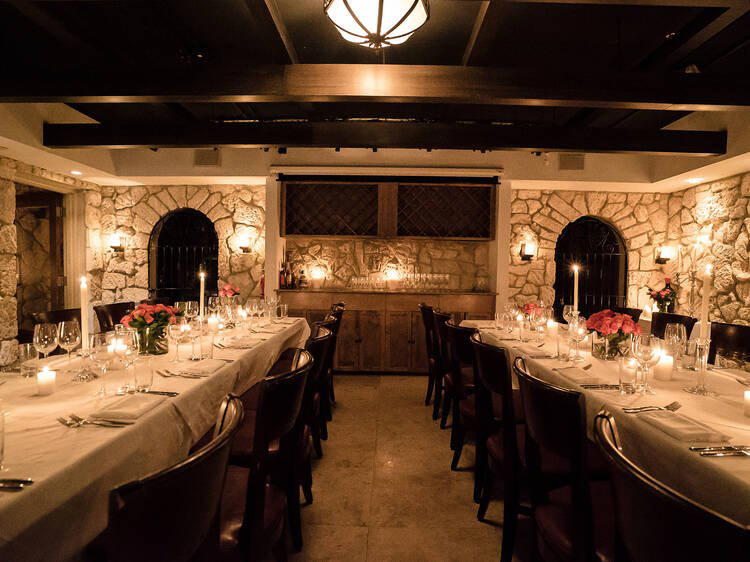
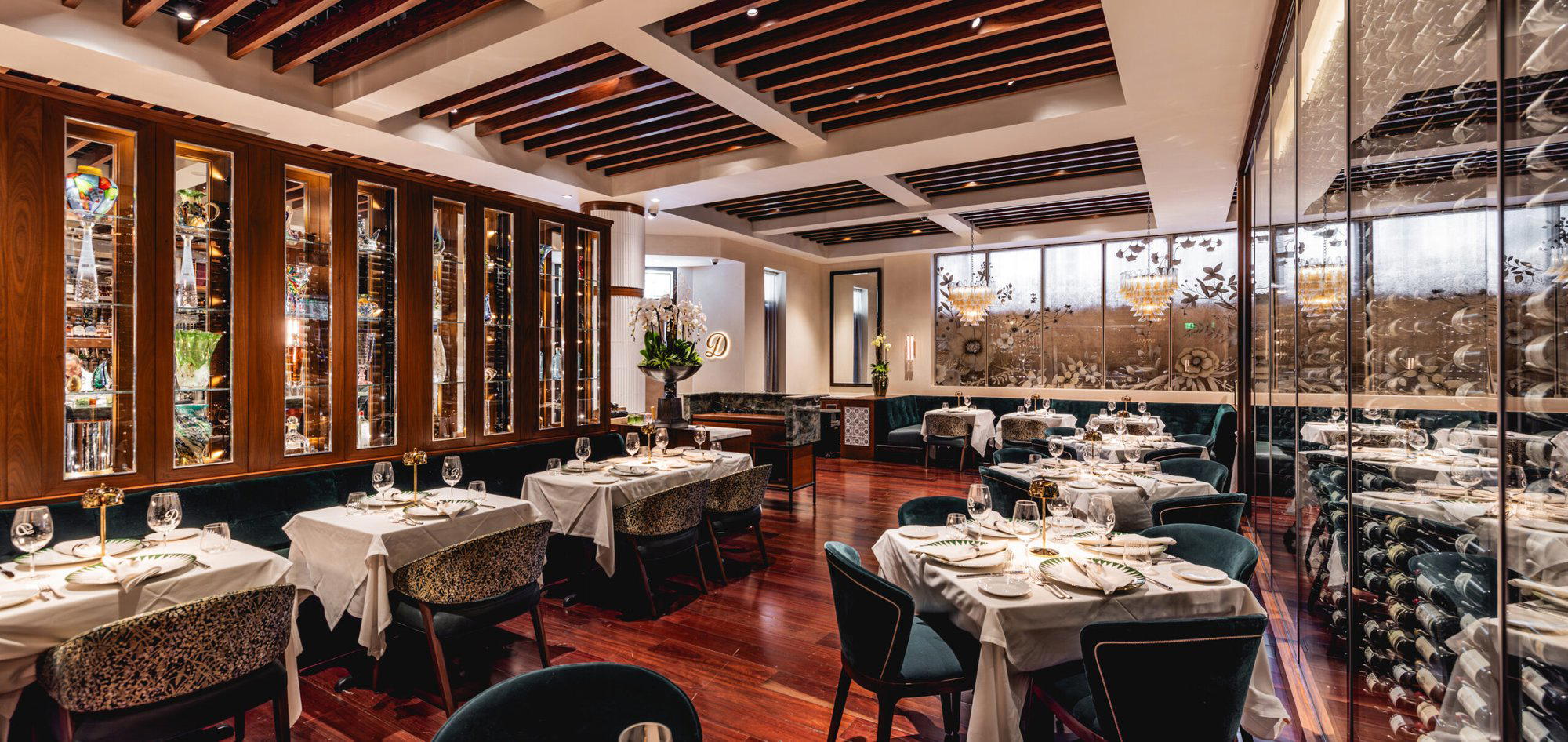
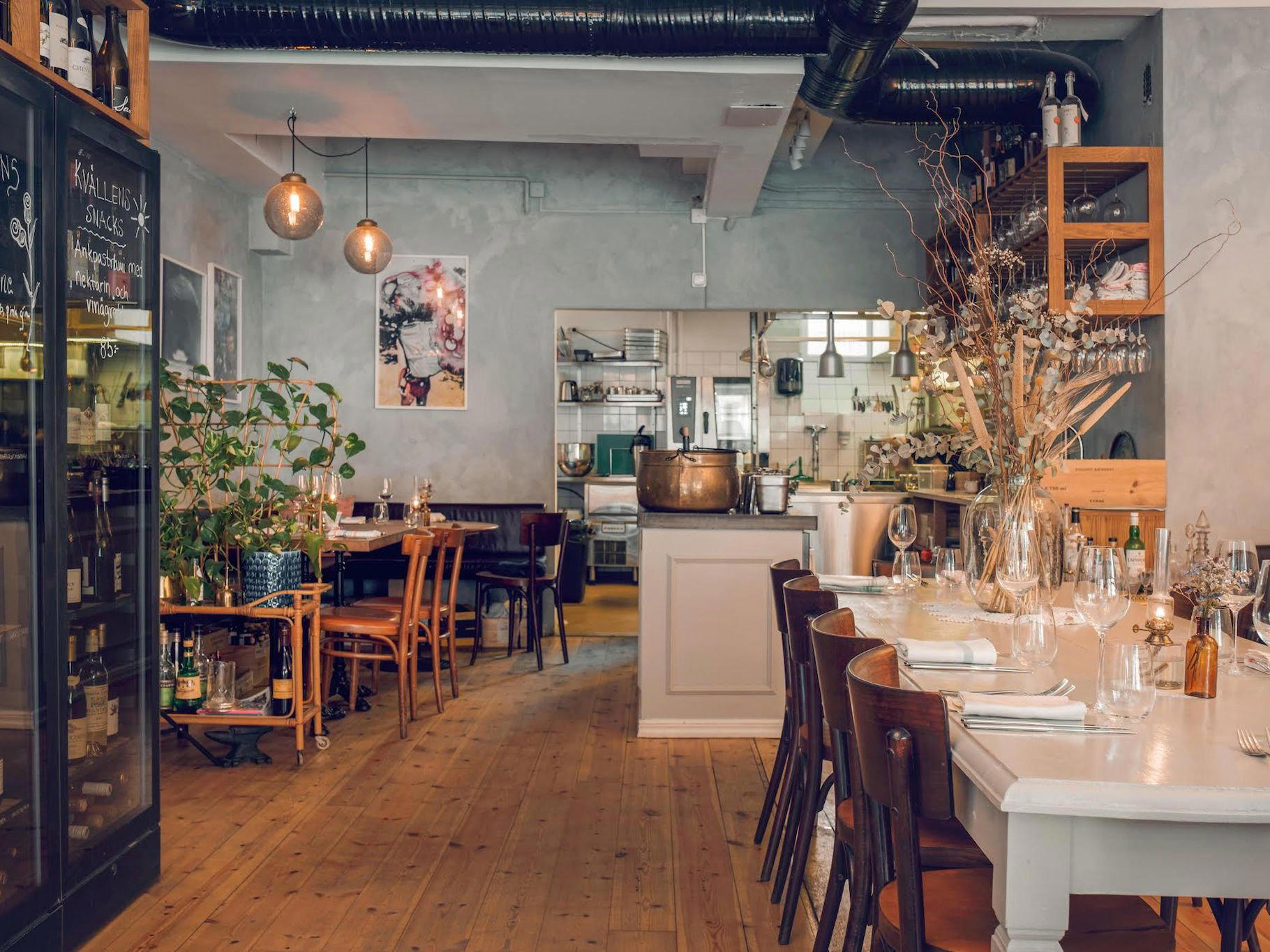
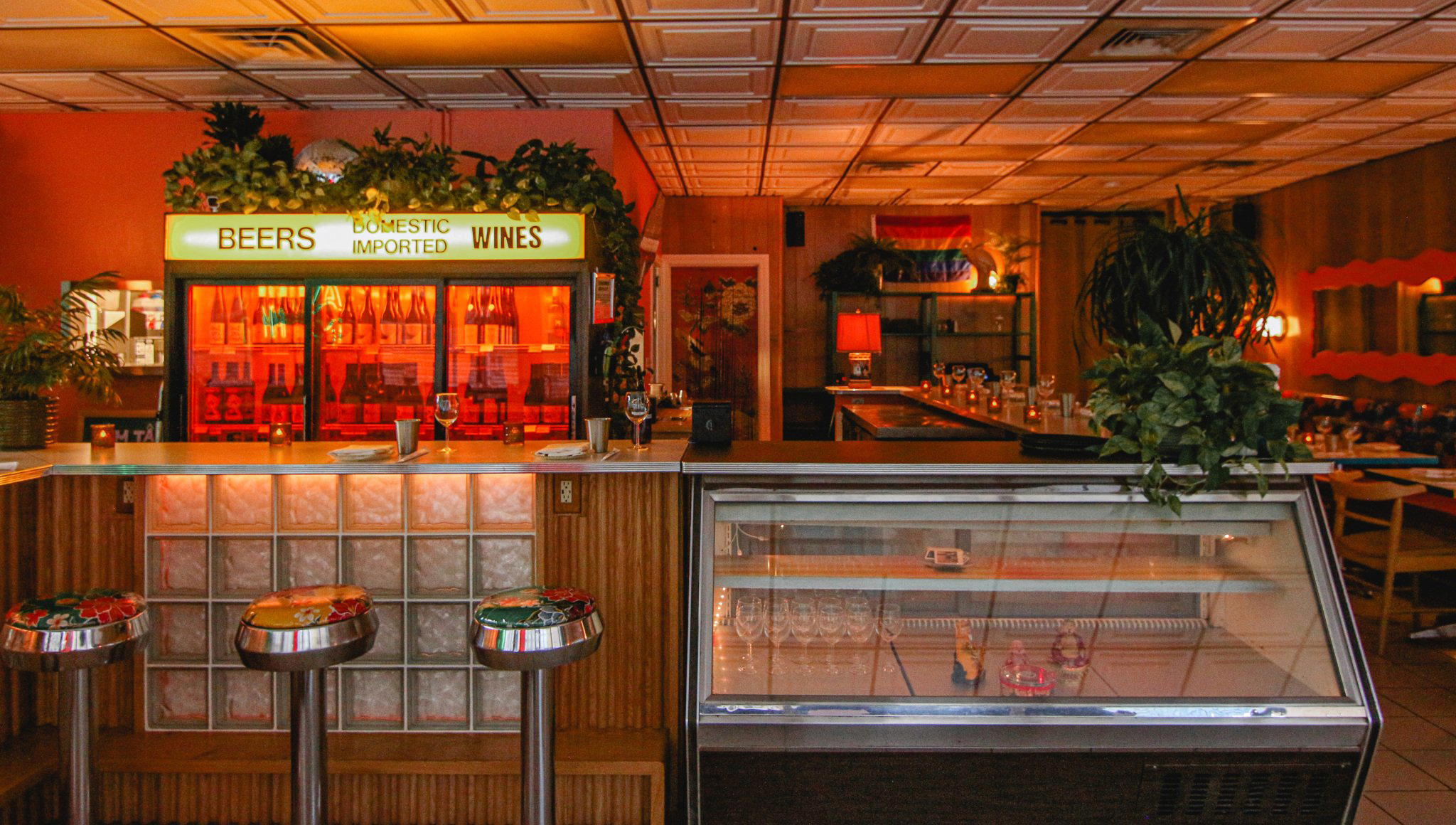
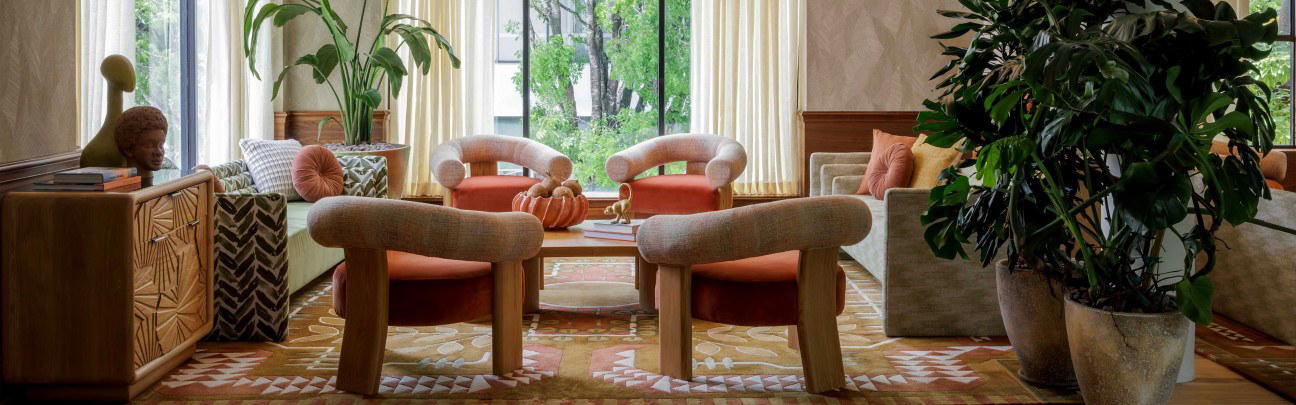
Cozy and intimate atmosphere with a convivial feel, featuring an open kitchen and charming dining room.