San Lorenzo Ristorante
Our verdict
San Lorenzo Ristorante on NE 78th Street operates without a printed menu, presenting guests instead with a surf-or-turf tasting format that hands editorial control of the meal entirely to the kitchen. The Italian framework, the no-choice structure, and the Upper Eastside address place it at an interesting remove from Miami's more publicized dining corridors. It rewards guests who come prepared to surrender the usual restaurant script.

Pearl is the En Primeur Club membership app — saves, bookings, and concierge access live there. Same editors, same standards.
- Address
- 620 NE 78th St, Miami, FL 33138
- Phone
- (786) 828-7136
- Hours
- Mon–Thu 6–10 PMFri 6–11 PMSat 12:30–3 PM, 6–11 PMSun 12:30–3 PM, 6–10 PM
- Website
- sanlorenzomiami.com
- Directions
- Get directions
The menu
What to order
- Linguine San Lorenzo all'aragosta
- Vitello Tonnato
- Lasagna Bolognese
Where the Menu Doesn't Exist
On NE 78th Street, in a stretch of Miami's Upper East Side that sits well north of the Brickell expense-account circuit and the South Beach spectacle, San Lorenzo Ristorante operates on a premise that most diners encounter only at the top end of the tasting-menu tier: you choose a direction — sea or land — and the kitchen decides the rest. No printed card arrives at the table. No specials are recited. The ritual of scanning options, negotiating between companions, and cross-referencing descriptions is removed entirely, and what replaces it is a sustained act of trust between guest and kitchen.
That structure places San Lorenzo in an interesting position within Miami's dining order. The no-menu format in American fine dining typically signals serious ambition. At Lazy Bear in San Francisco, at Alinea in Chicago, and at The French Laundry in Napa, the removal of the menu is an assertion of authorship: the kitchen has something to say, course by course, and the guest's job is to listen. San Lorenzo applies that same structural logic to an Italian framework, a cuisine tradition that is, in most of its American expressions, deeply resistant to surprise.
The Surf-or-Turf Binary and What It Does to a Meal
The binary choice, surf or turf, is a more considered constraint than it first appears. It isn't a gimmick borrowed from wedding banquet catering. It's a commitment mechanism. By declaring a direction at the outset, the guest anchors the kitchen's composition decisions for the entire sequence of courses. A surf evening builds through seafood in ways that a single fish course in a broader menu cannot. A turf evening can layer meat preparations, textures, and intensities with coherence. The kitchen has permission to develop a throughline rather than produce a sequence of isolated showpieces.
This is the dining ritual at its most deliberate: the progression is the point. Italian tasting culture, drawing on the antipasto-primo-secondo-dolce architecture, already has a stronger internal logic than most Western tasting formats. San Lorenzo's no-menu approach reinforces that architecture by removing the negotiation between courses entirely. The meal moves on its own terms.
For context on how Italian fine dining elsewhere handles similar ambitions, 8½ Otto e Mezzo Bombana in Hong Kong demonstrates what Italian tasting discipline looks like at three Michelin stars, while in Miami the closest Italian point of comparison for contemporary ambition is Boia De, a Michelin-recognized spot in Biscayne that runs a shorter, more approachable format. San Lorenzo's decision to operate without a menu at all puts it in a separate register from both.
Location and What It Signals
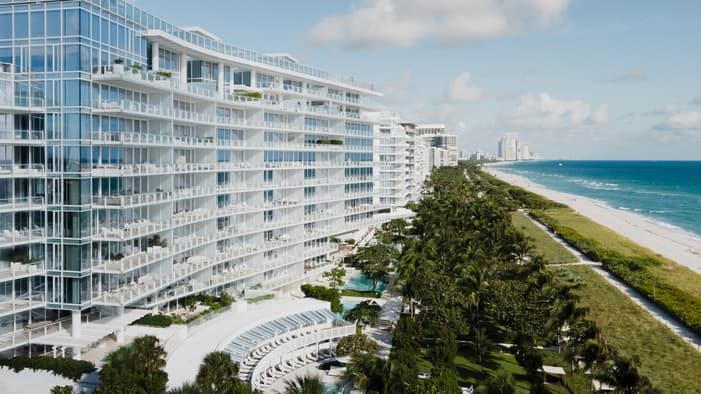
The address on NE 78th Street matters editorially. Miami's most-discussed restaurant openings of the past decade have clustered in Wynwood, Brickell, South Beach, and the Design District. The Upper East Side has developed more quietly, attracting operators who prefer lower overhead and neighborhood permanence over visibility in the tourism corridor. A restaurant choosing to run a no-menu tasting format from that address is making a statement about its intended audience: locals who book ahead and guests who arrive with intention, not foot traffic converting from a hotel concierge recommendation.
That geography separates San Lorenzo from the city's performance-dining tier. It sits closer in spirit, if not in cuisine, to how Ariete in Coconut Grove has built a serious local following outside the headline districts, or how ITAMAE operates with a defined format and committed clientele rather than broad accessibility. Restaurants that run demanding formats in off-center locations tend to attract guests who have done their research.
The Ritual of Arriving Without Expectations
The practical implication of a no-menu format is that preparation shifts from pre-reading the card to understanding the format itself. Guests who arrive expecting to see options, customize, or substitute will find that the operating model doesn't support those habits. The surf-or-turf declaration is made early, and from that point the kitchen is in control of pacing and composition.
This is a genuinely different mode of dining from the à la carte majority. At restaurants like L'Atelier de Joël Robuchon Miami, the format still allows a degree of construction and selection, even within a tasting framework. At Cote Miami, the Korean steakhouse format builds in tableside engagement as part of the meal's mechanics. San Lorenzo's format strips those variables out. The pacing is set by the kitchen. The sequencing is the kitchen's argument. The guest's role is attentive reception rather than active assembly.
That's not a criticism. The format has deep precedent. Tasting menus at Alain Ducasse's Louis XV in Monte Carlo or at Single Thread Farm in Healdsburg operate on the same premise of compositional authority. San Lorenzo applies it in an Italian idiom, in a neighborhood dining room rather than a resort dining room, which changes the register considerably. The experience is less theatrical than those peers, more intimate in its application.
Planning a Visit
Because San Lorenzo operates without the kind of online presence that most Miami restaurants have built over the past decade, no booking platform details in the public record, a physical address at 620 NE 78th Street as the primary public reference point, reaching out directly or through a concierge familiar with the Upper East Side dining scene is the reliable approach. The no-menu format implies that kitchen capacity and course count are calibrated for each service, which in turn suggests that last-minute walk-ins are a poor fit for this kind of operation. Booking ahead is the operative assumption.
For broader context on Miami's dining and hospitality options across the city, our full Miami restaurants guide, our full Miami hotels guide, our full Miami bars guide, our full Miami wineries guide, and our full Miami experiences guide cover the wider picture. For comparison at the national level, the contrast between Le Bernardin in New York and Emeril's in New Orleans illustrates how differently Italian-adjacent and French seafood traditions handle the question of format and authorship in a composed tasting context.
Frequently asked questions
Does San Lorenzo Ristorante work for a family meal?
The no-menu, chef-driven tasting format means the kitchen sets the pace and content of the meal, which works well for groups with a shared appetite for discovery and patience for a multi-course sequence. For families with younger children or guests who require significant dietary customization, the format's lack of a printed menu may present practical challenges. Miami has excellent options across price points and formats in our full Miami restaurants guide if the tasting structure doesn't fit the group's needs.
What should I expect atmosphere-wise at San Lorenzo Ristorante?
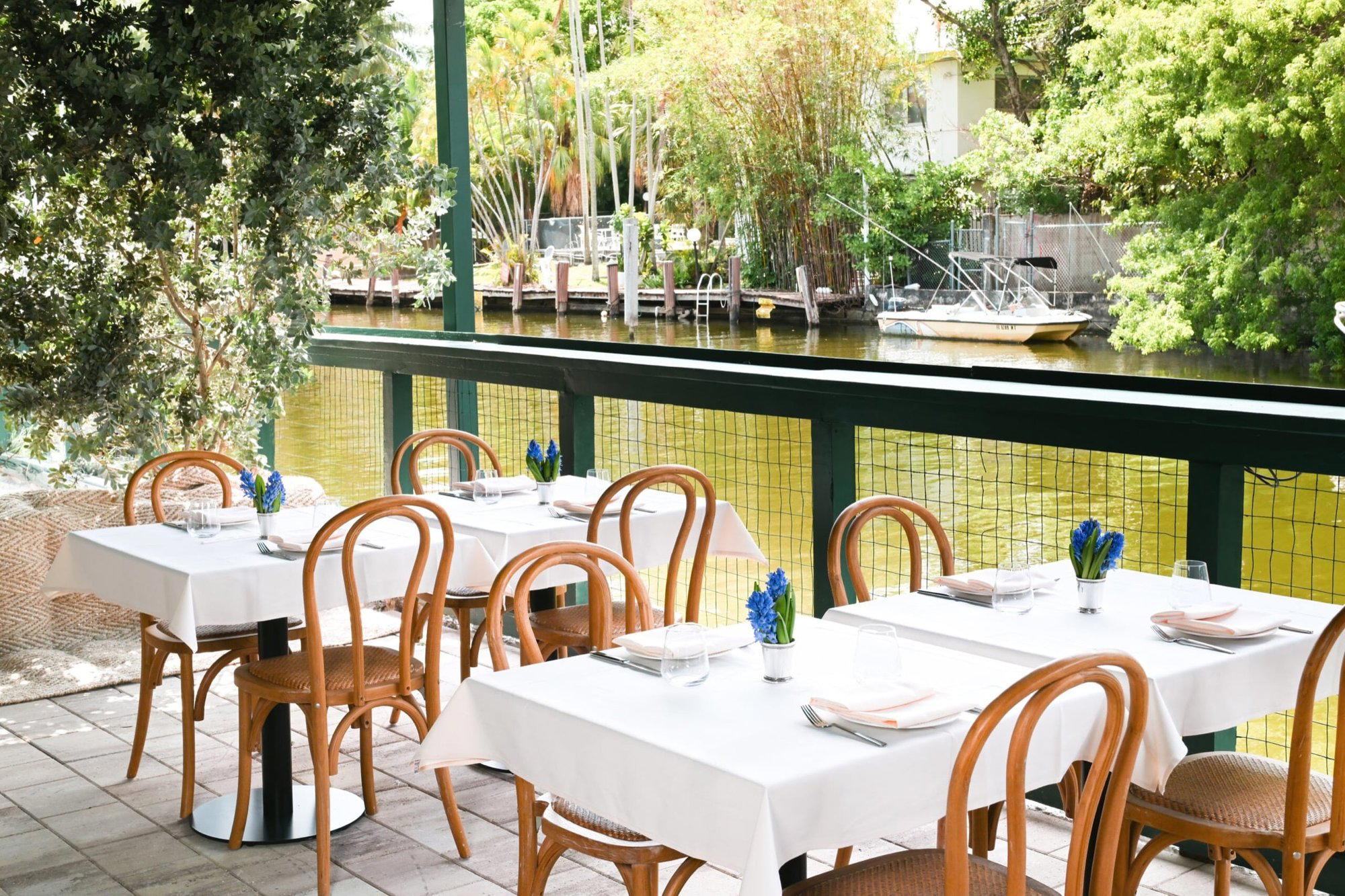
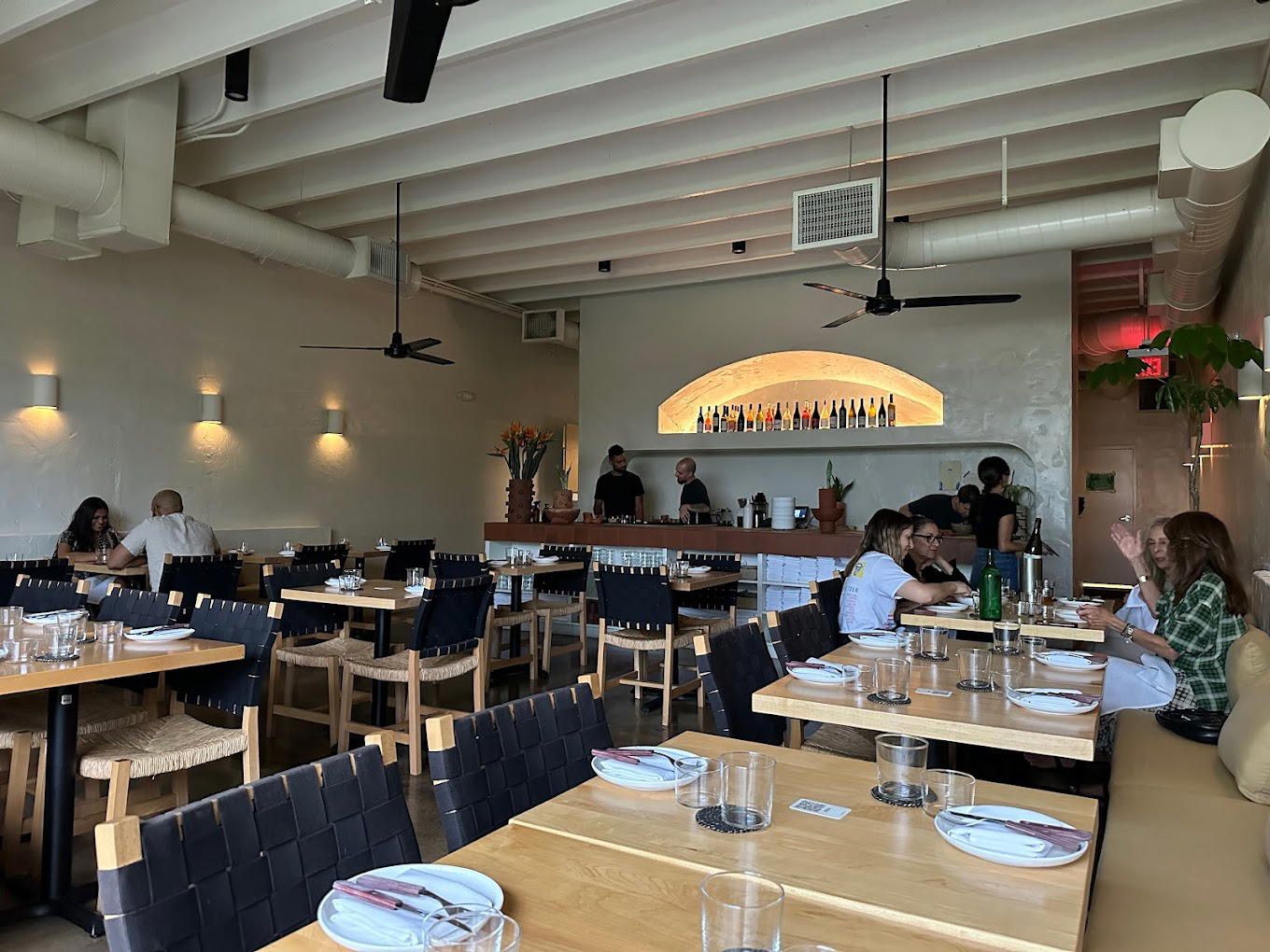
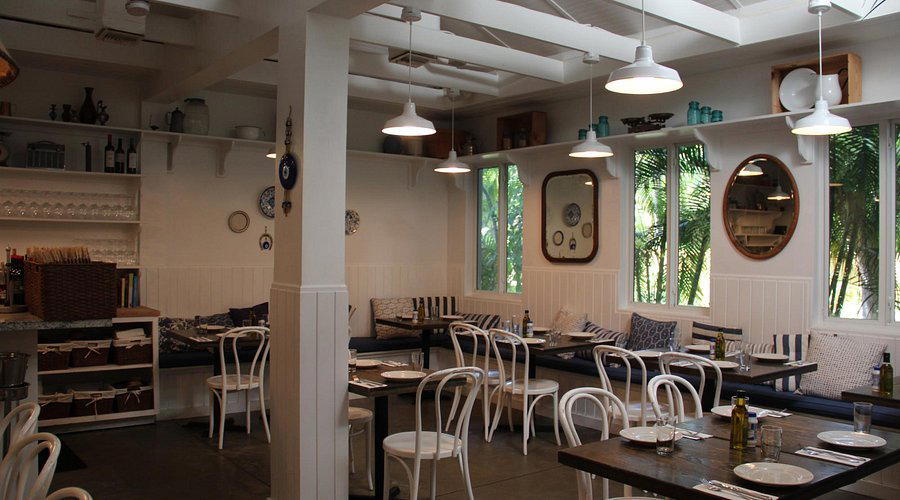
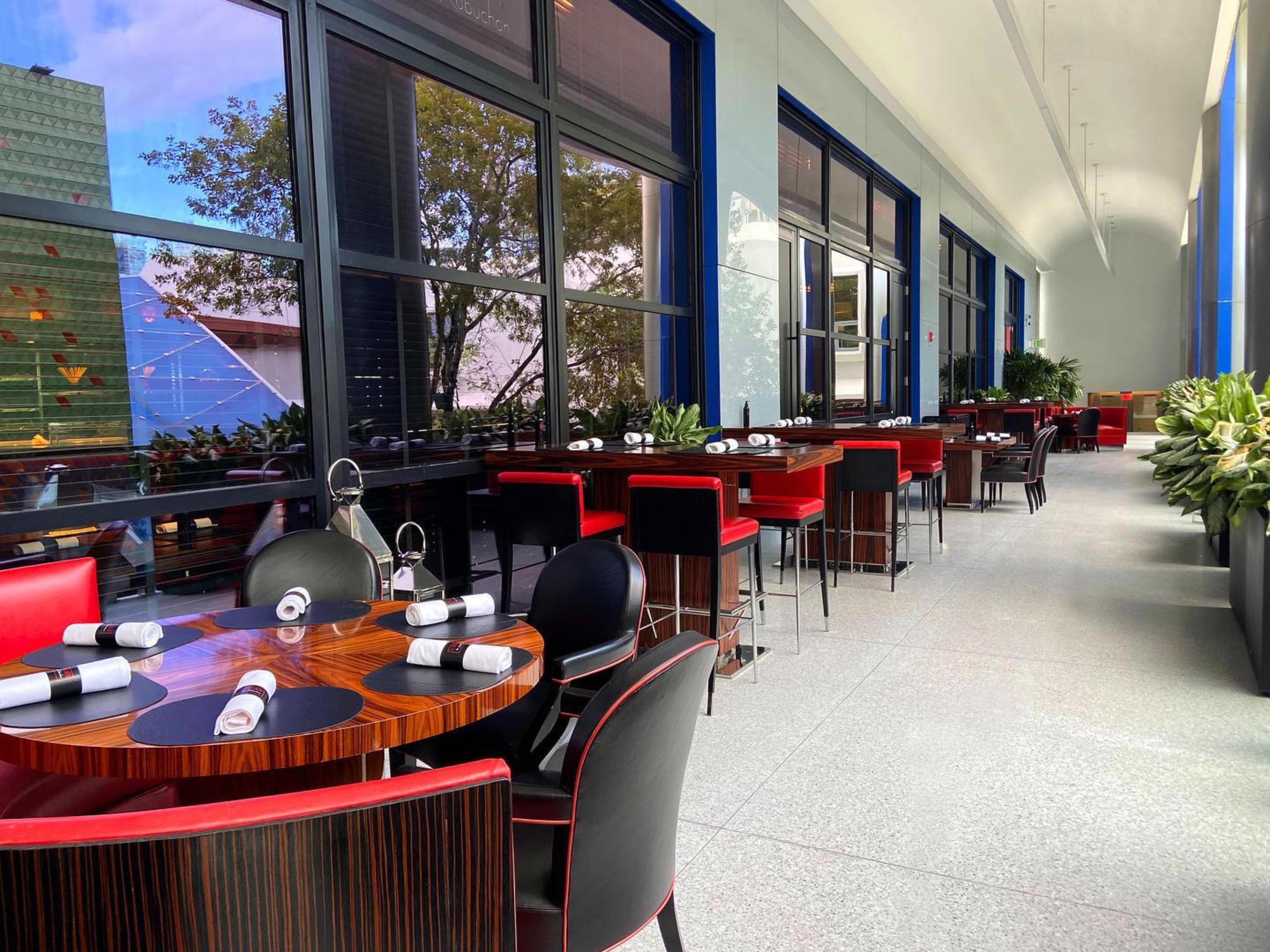
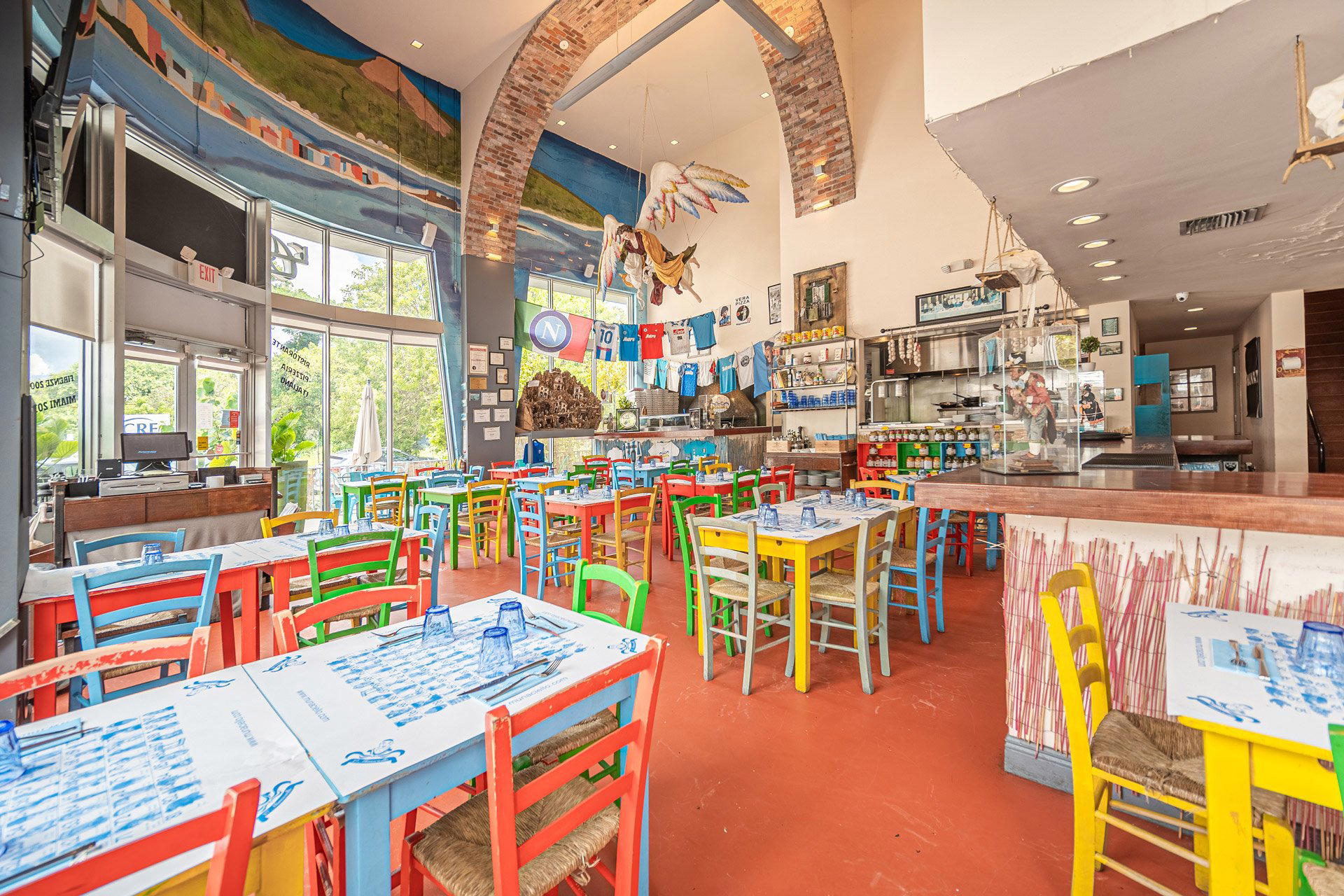
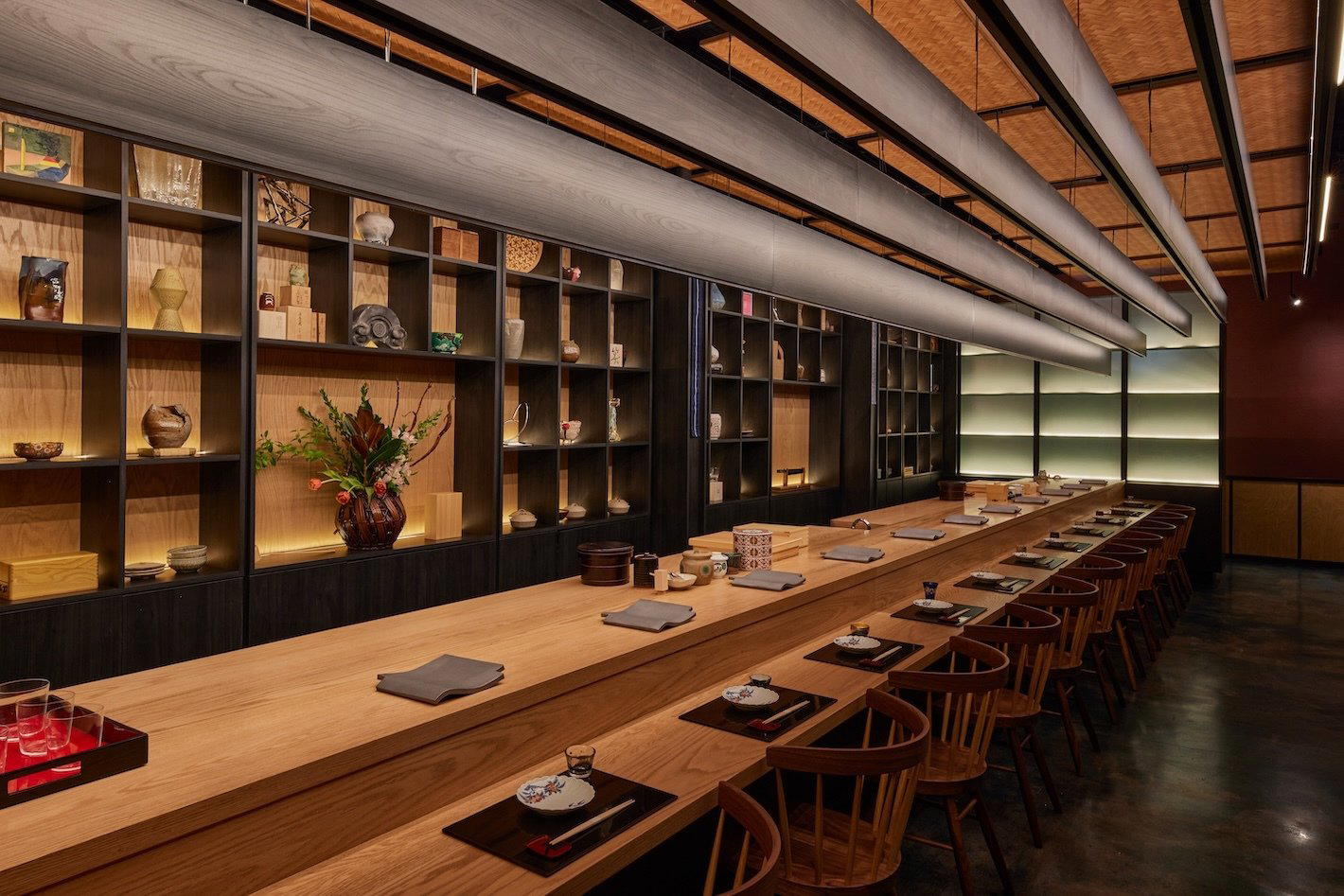
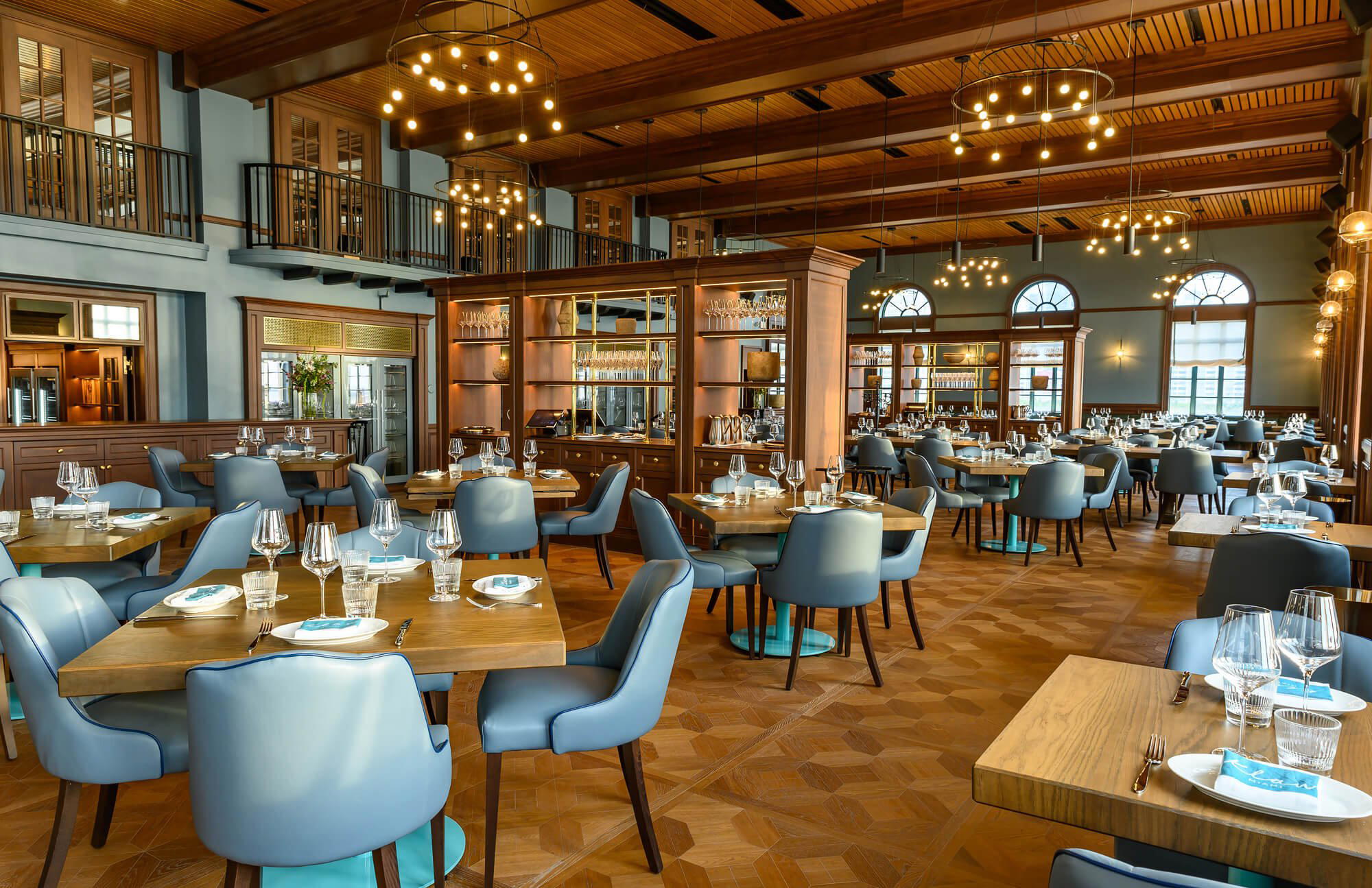
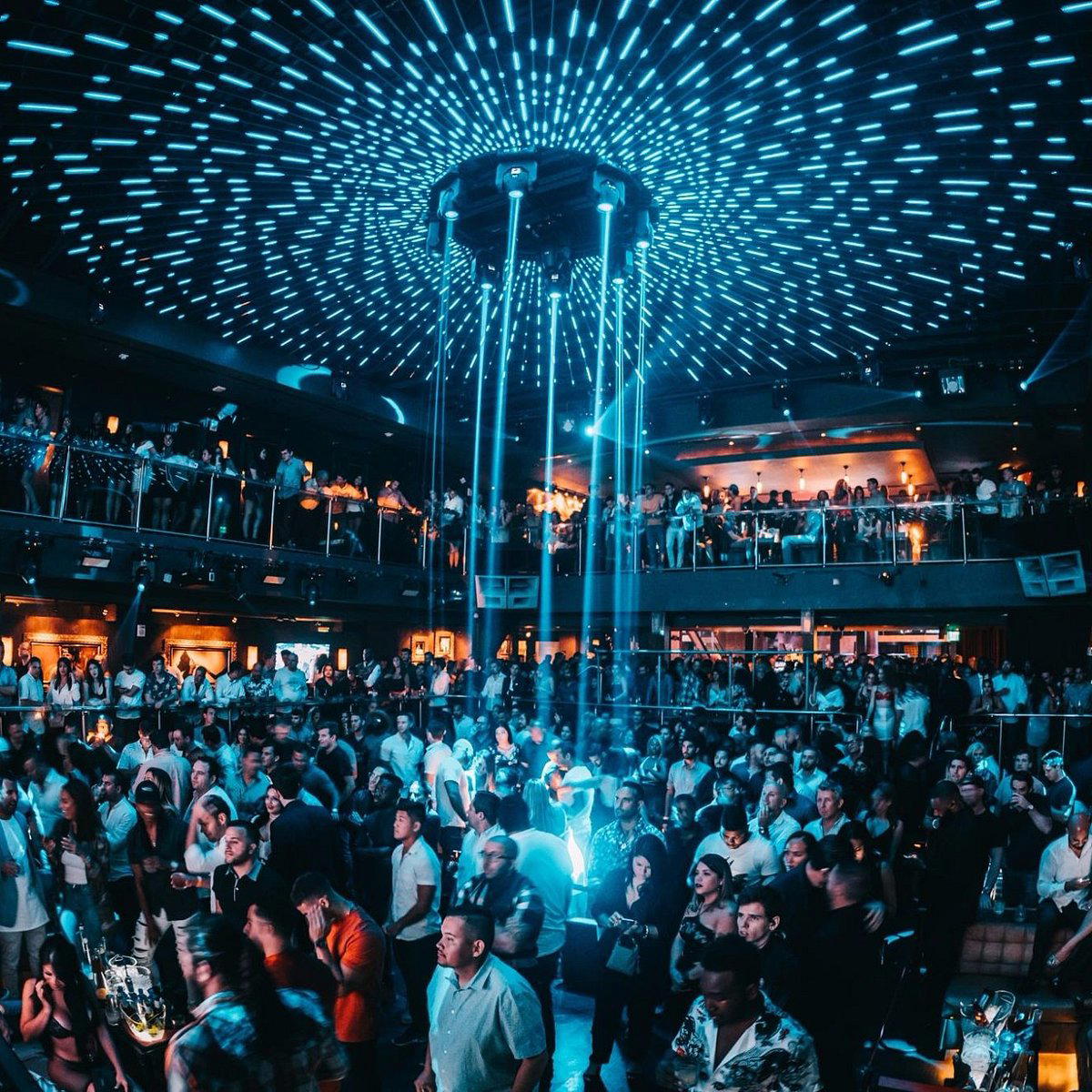
San Lorenzo sits in Miami's Upper East Side rather than in the higher-traffic dining corridors of South Beach, Brickell, or the Design District. The neighborhood context and the no-menu format together suggest a room oriented toward committed diners rather than walk-in spectacle. Expect a lower-key, more focused environment than the city's more publicized Italian addresses. The Italian tasting format carries its own ceremony through the progression of courses rather than through theatrical service gestures.
What do people recommend at San Lorenzo Ristorante?
Because the kitchen determines the menu at each service, there are no specific dishes that guests can request or anticipate. The standing recommendation is to declare your direction, surf for seafood, turf for meat, and engage with whatever the kitchen's current composition produces. Guests who have found value in the format typically cite the coherence of the progression rather than individual standout courses. The Italian tasting tradition the restaurant works within gives the sequence a recognizable structural grammar even when the specific content changes.
Is San Lorenzo's surf-or-turf format the same every night, or does it change?
The binary choice between seafood and meat is the fixed frame; what the kitchen builds within that frame is subject to change based on availability and the kitchen's current direction. No-menu tasting formats, by definition, do not commit to identical sequences across services. This is characteristic of chef-driven Italian tasting operations, where seasonal and market availability are understood as part of the format's logic rather than a variable to be managed around. Guests returning for a second visit should expect a different experience from the first.
Standing Among Peers
Comparable venues nearby, for context on price, style, and recognition.
| Venue | Cuisine | Price | Notes |
|---|---|---|---|
| San Lorenzo RistoranteThis venue — the venue you are viewing | Traditional Italian Trattoria | $50–100 | Not listed |
| Casa Gianna | Modern Italian Trattoria | $50–100 | Park West |
| 11th Street Pizza | New York-Style Sourdough Pizza | $30–50 | Park West |
| Ristorante Fratelli Milano | Traditional Italian Pasta House | $30–50 | Miami Jewelry District |
| BELLILLO US | Authentic Neapolitan Pizza | $30–50 | Miami Riverwalk |
| Bellini | Coconut Grove | Modern Italian Fine Dining | Not listed | Coconut Grove |
Continue exploring
More in Miami
Restaurants in Miami
Browse all →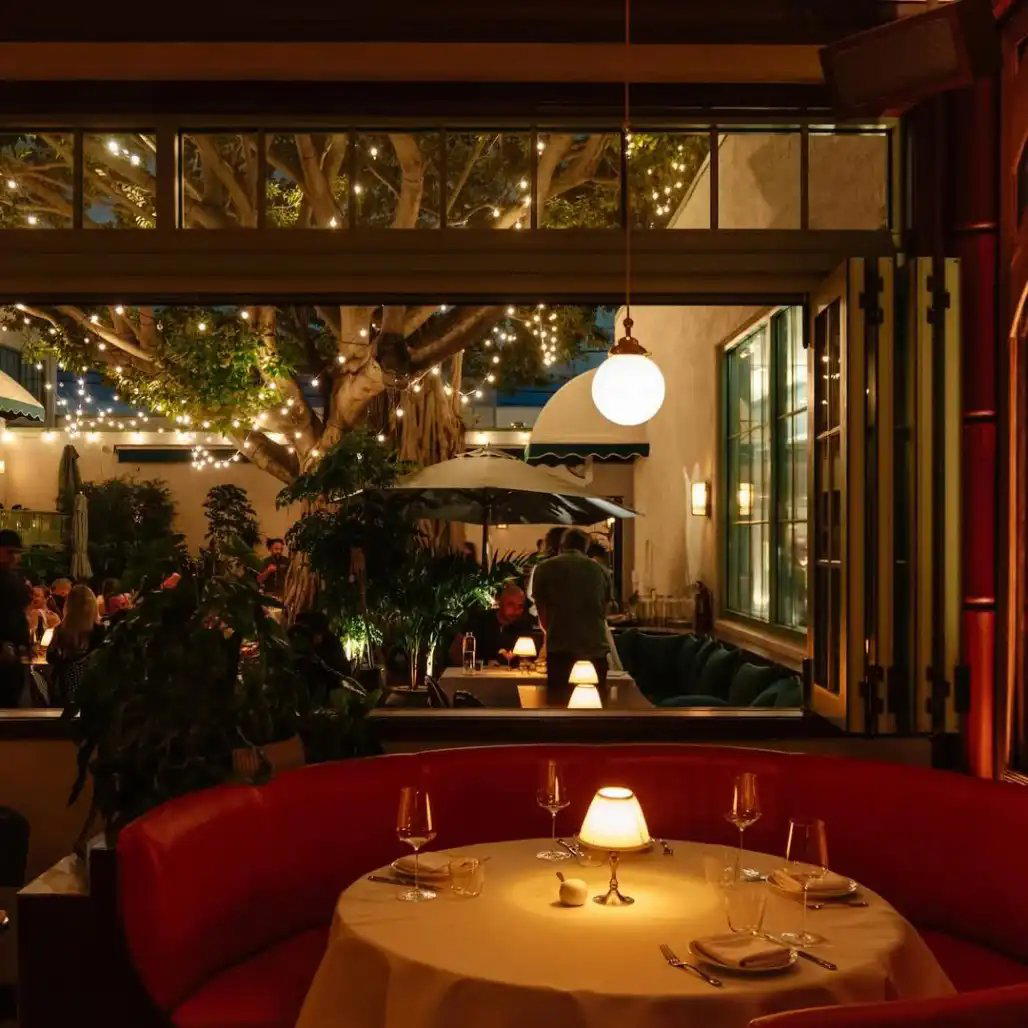

San Lorenzo Ristorante
The wine
- Wine program
- Curated wine list
- Craft cocktails
Details
- Romantic
- Elegant
- Intimate
- Classic
- Scenic
- Date Night
- Special Occasion
- Waterfront
- Terrace
- Open Kitchen
- Craft Cocktails
- Local Sourcing
- Waterfront
- Prix Fixe
- Set Menu
- Wine
- Cocktails
- Pescatarian Friendly
Current opening hours
- Monday
- 6–10 PM
- Tuesday
- 6–10 PM
- Wednesday
- 6–10 PM
- Thursday
- 6–10 PM
- Friday
- 6–11 PM
- Saturday
- 12:30–3 PM, 6–11 PM
- Sunday
- 12:30–3 PM, 6–10 PM
Hours can change for holidays and private events. Last verified .
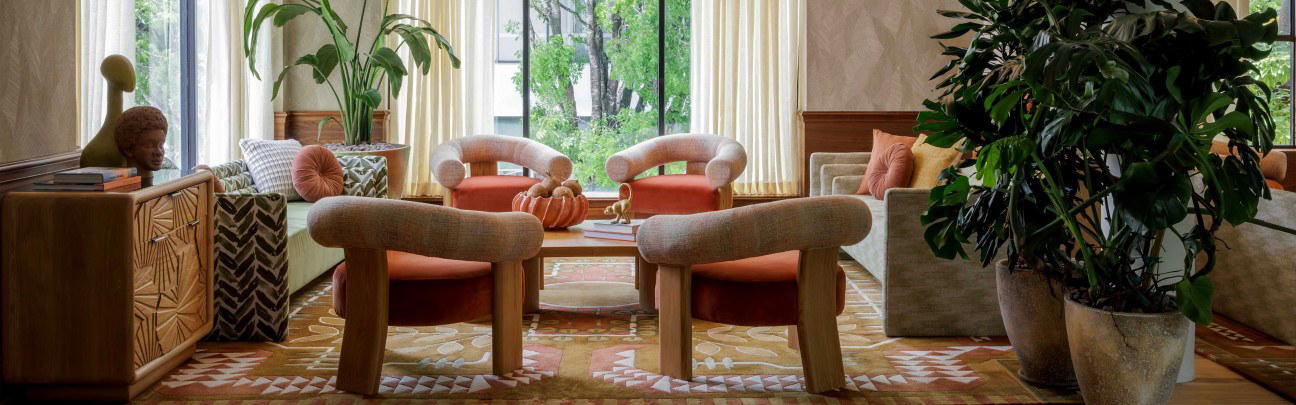
Golden-hour lighting reminiscent of a Lake Como villa, with warm Venetian-inspired design, low music, hand-painted ceramic plates, and a romantic riverside terrace lit by flickering candles.