Ferraro's Kitchen
Ferraro's Kitchen serves Traditional Italian with Burrata e Prosciutto, Octopus, and Lasagna Bolognese, plus an extensive wine list for leisurely meals.
Pearl is the En Primeur Club membership app — saves, bookings, and concierge access live there. Same editors, same standards.
- Address
- 1099 NE 79th St, Miami, FL 33138
- Phone
- +17865342136
- Website
- ferraroskitchen.com
- Directions
- Get directions
 Saves & bookings on Pearl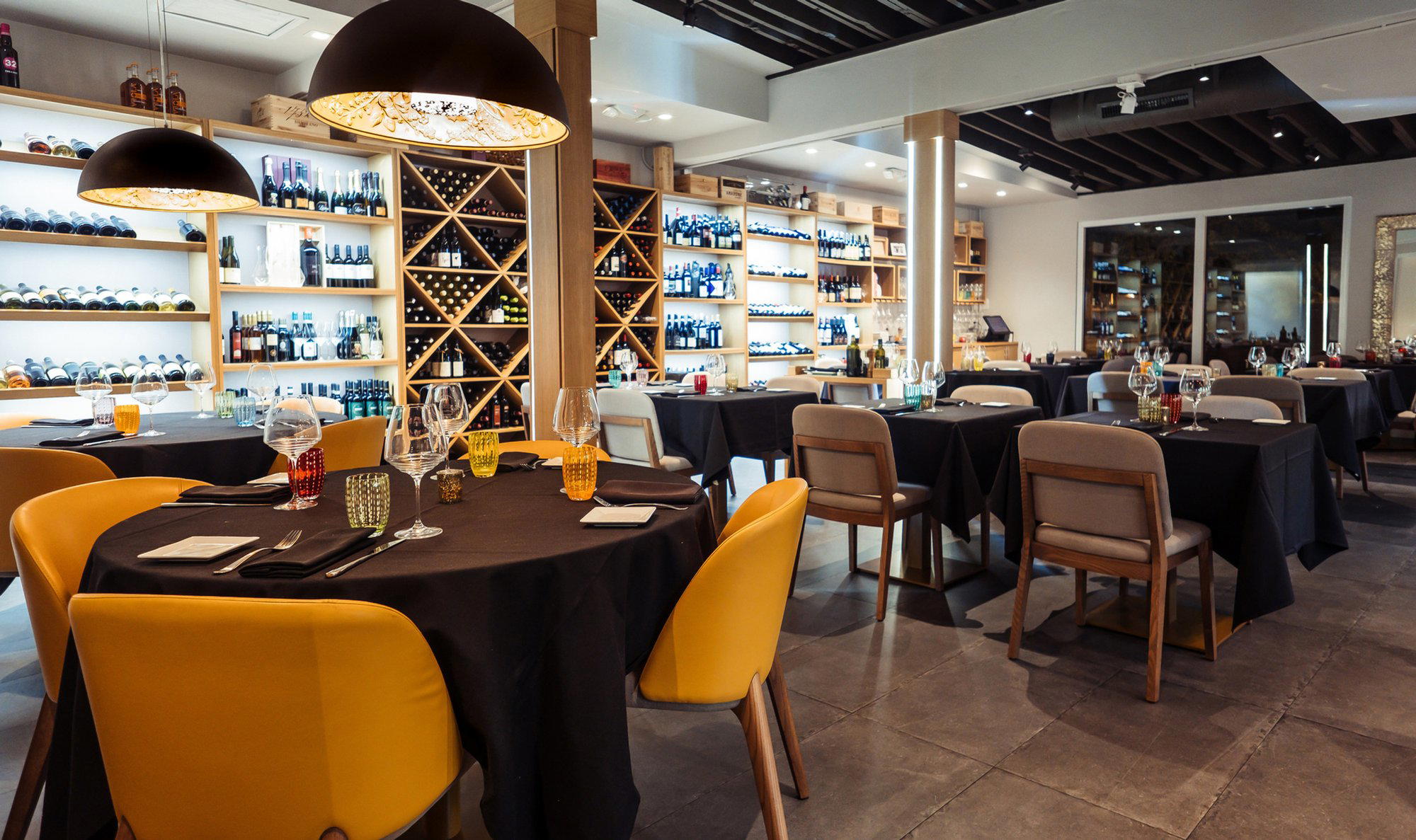
Northeast Miami's Neighborhood Dining Scene
The stretch of NE 79th Street that runs through Miami's Upper East Side sits at one of the city's more telling fault lines: close enough to the Design District's polished ambition to feel the pull of that world, yet rooted in a residential texture that those corridors have largely shed. Dining rooms in this corridor tend to operate closer to the community than to the destination-restaurant circuit, and that proximity shapes everything from the pace of service to the way menus are written. Ferraro's Kitchen is a Traditional Italian restaurant in Miami's Upper East Side at 1099 NE 79th St, with a $60 per-person price point and smart casual dress.
Where Miami's Neighborhood Restaurants Fit the Broader Picture
Miami's dining map has bifurcated sharply over the past decade. On one axis sit the high-production rooms: Michelin-tracked, press-saturated, with tasting menus priced to compete with L'Atelier de Joël Robuchon Miami and multi-course progressions that owe as much to international fine-dining convention as to anything specifically Floridian. On the other axis, a generation of tighter, owner-operated rooms has emerged in neighborhoods away from Brickell and South Beach, building regulars rather than tourist capture. Boia De on NE 2nd Avenue demonstrated what that model looks like when it reaches critical mass: a 24-seat room, a Michelin Bib Gourmand, and a waitlist that stretches weeks. Ariete in Coconut Grove has traced a similar arc, operating within a Modern American framework that references the city's agricultural and cultural range. Ferraro's Kitchen enters a category defined by those precedents.
The Tasting Progression: How Miami Restaurants Build a Meal
Multi-course sequencing matters here because it is increasingly the grammar through which ambitious neighborhood restaurants communicate intent. A meal that builds thoughtfully, from something acidic and light that opens appetite, through middle courses that carry weight and technique, to a close that resolves rather than overwhelms, signals a kitchen that thinks in arcs rather than in isolated dishes. That progression does not require a prix-fixe format to be felt. It can operate through a well-ordered à la carte menu where the staff understand pacing, or through a set menu where each transition is deliberate. The restaurants in Miami that have earned sustained recognition, from ITAMAE's Peruvian-Japanese sequences to the fire-driven courses at Los Fuegos by Francis Mallmann, share that quality of thinking through time rather than just through ingredients.
Nationally, the same principle holds across the rooms that EP Club tracks as reference points. Smyth in Chicago constructs a progression that moves from ferment-forward snacks into heavier mid-meal proteins, then resolves through a pastry section that functions as its own argument. Single Thread Farm in Healdsburg builds around seasonal agricultural logic, each course indexing a specific growing moment. Blue Hill at Stone Barns in Tarrytown treats the arc of the meal as inseparable from the arc of the farm year. These are the reference coordinates for thinking about what a committed tasting progression can do at its most resolved.
Reading Ferraro's Kitchen Against Its comparable set
Miami's Upper East Side does not yet have the density of tracked, recognized rooms that Wynwood or Coconut Grove have developed. That gap is partly a function of demographics and development timing, and partly a function of the city's tendency to concentrate press attention in a handful of established corridors. What it means practically is that a restaurant operating at this address is building audience through word-of-mouth and repeat custom rather than through inbound tourism or concierge referrals. The comparison set, in terms of market dynamics, sits closer to the early phases of what Ariete and Boia De were doing before they attracted formal recognition, than to the performance-level rooms that anchor the city's fine-dining circuit.
For readers who use national reference points to calibrate expectations, the relevant comparison is not Le Bernardin or The French Laundry in terms of format or price register. It sits closer to the neighborhood-serious tier represented by rooms like Providence in Los Angeles or Addison in San Diego in their earlier phases: technically committed, community-anchored, and operating below the volume of press attention their quality might eventually attract. Internationally, the model of the small room doing serious work in a residential rather than a destination address is well established, visible in everything from Atelier Moessmer Norbert Niederkofler in Brunico to Atomix's progression-focused format in New York.
Dining in the Upper East Side Corridor
The NE 79th Street area runs between Biscayne Boulevard and the neighborhoods pushing toward Little Haiti and El Portal. The commercial strips here carry a mix of long-established local businesses and a newer wave of food-and-drink openings that have arrived as rents in more central Miami neighborhoods have compressed independent operators' margins. For visitors oriented around Wynwood or the Design District, the Upper East Side sits roughly 10 to 15 minutes north by car, accessible via Biscayne Boulevard, and the corridor rewards exploration across multiple visits rather than a single targeted trip. Parking tends to be easier than in denser Miami neighborhoods, which affects the dining rhythm: less of the compressed, transactional pacing that comes with difficult parking, more of the settled-in quality that neighborhood restaurants at their leading produce. These reference points help calibrate where neighborhood-serious rooms fit the American dining hierarchy more broadly.
Know Before You Go
Address: 1099 NE 79th St, Miami, FL 33138
Neighbourhood: Upper East Side, Miami
Access: Approximately 10 to 15 minutes north of the Design District via Biscayne Boulevard. Street parking generally available in the surrounding blocks.
Booking: Booking is recommended.
Price: About $60 per person.
Hours: Mon: 5–9:30 PM; Tue: 12–3:30 PM, 5–9:30 PM; Wed: 12–3:30 PM, 5–9:30 PM; Thu: 12–3:30 PM, 5–9:30 PM; Fri: 12–3:30 PM, 5–9:30 PM; Sat: 12–3:30 PM, 5–9:30 PM; Sun: 12–9:30 PM.
Comparable Options
Comparable venues nearby, for context on price, style, and recognition.
| Venue | Cuisine | Price | Notes |
|---|---|---|---|
| Ferraro's KitchenThis venue — the venue you are viewing | Traditional Italian | $$$ | Not listed |
| Osteria | Authentic Italian Osteria | $$$ | Shorecrest |
| Casa Gianna | Modern Italian Trattoria | $$$ | Park West |
| Sapori di Mare | Italian Seafood | $$$ | Coconut Grove |
| Baiablu | Authentic Italian - Amalfi Coast | $$ | Coconut Grove |
| La Ferneteria | Modern Italian Rooftop | $$$ | Miami Fashion District |
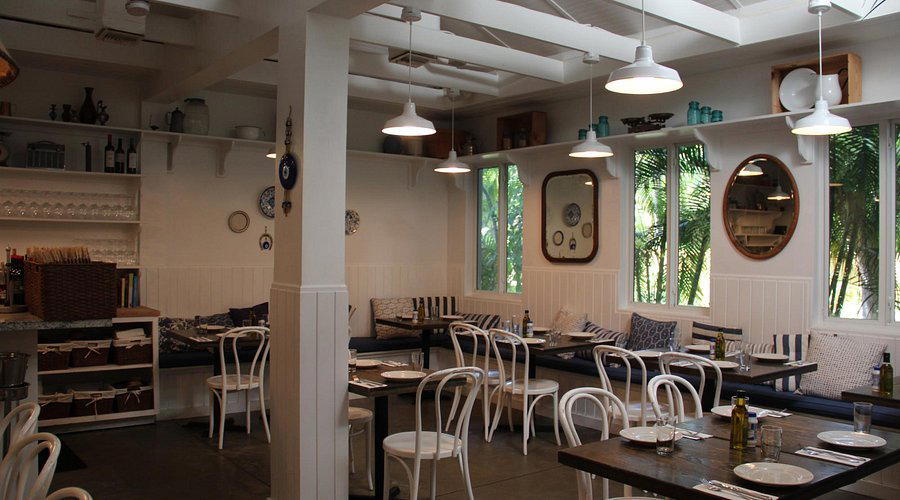
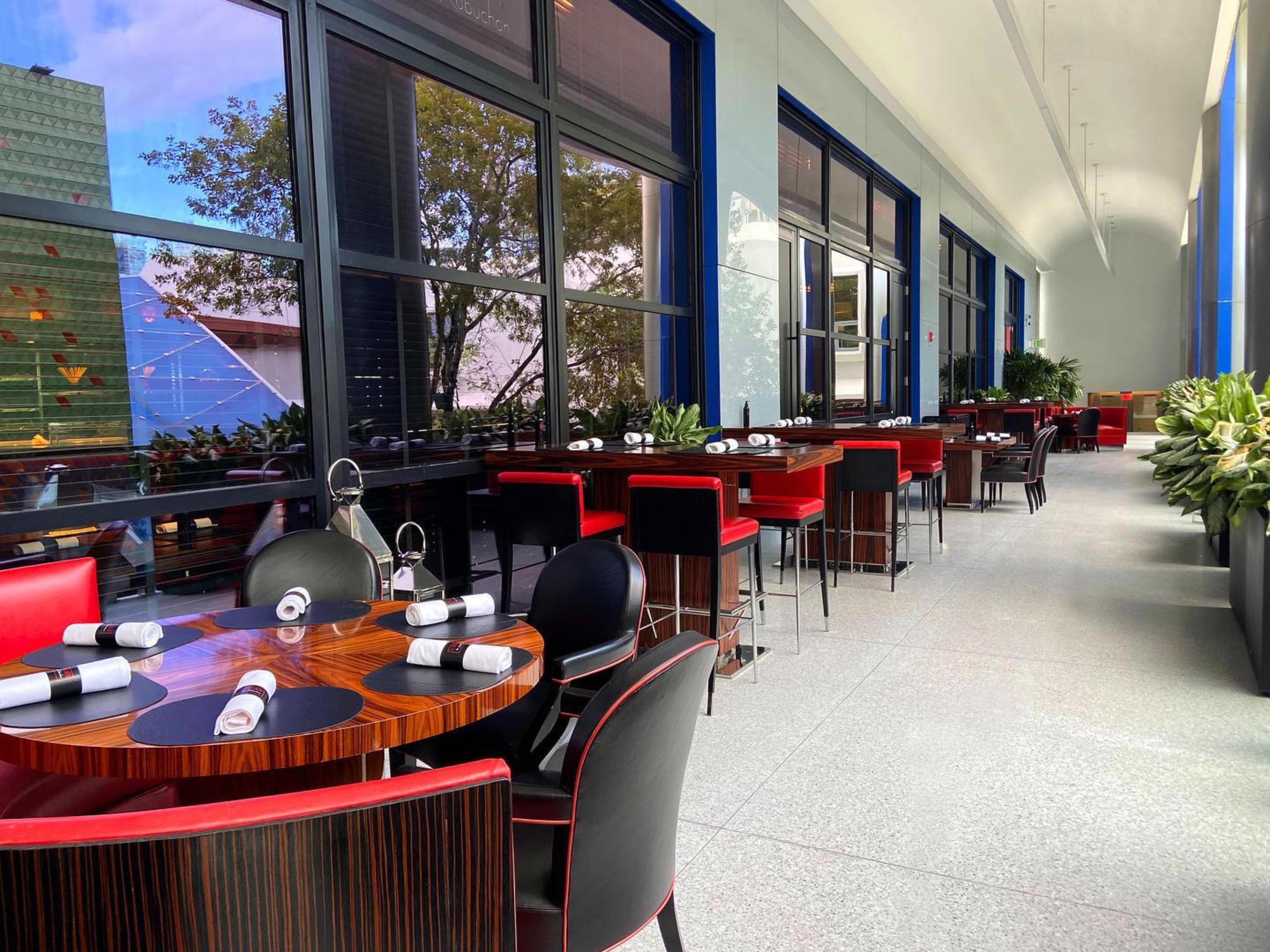
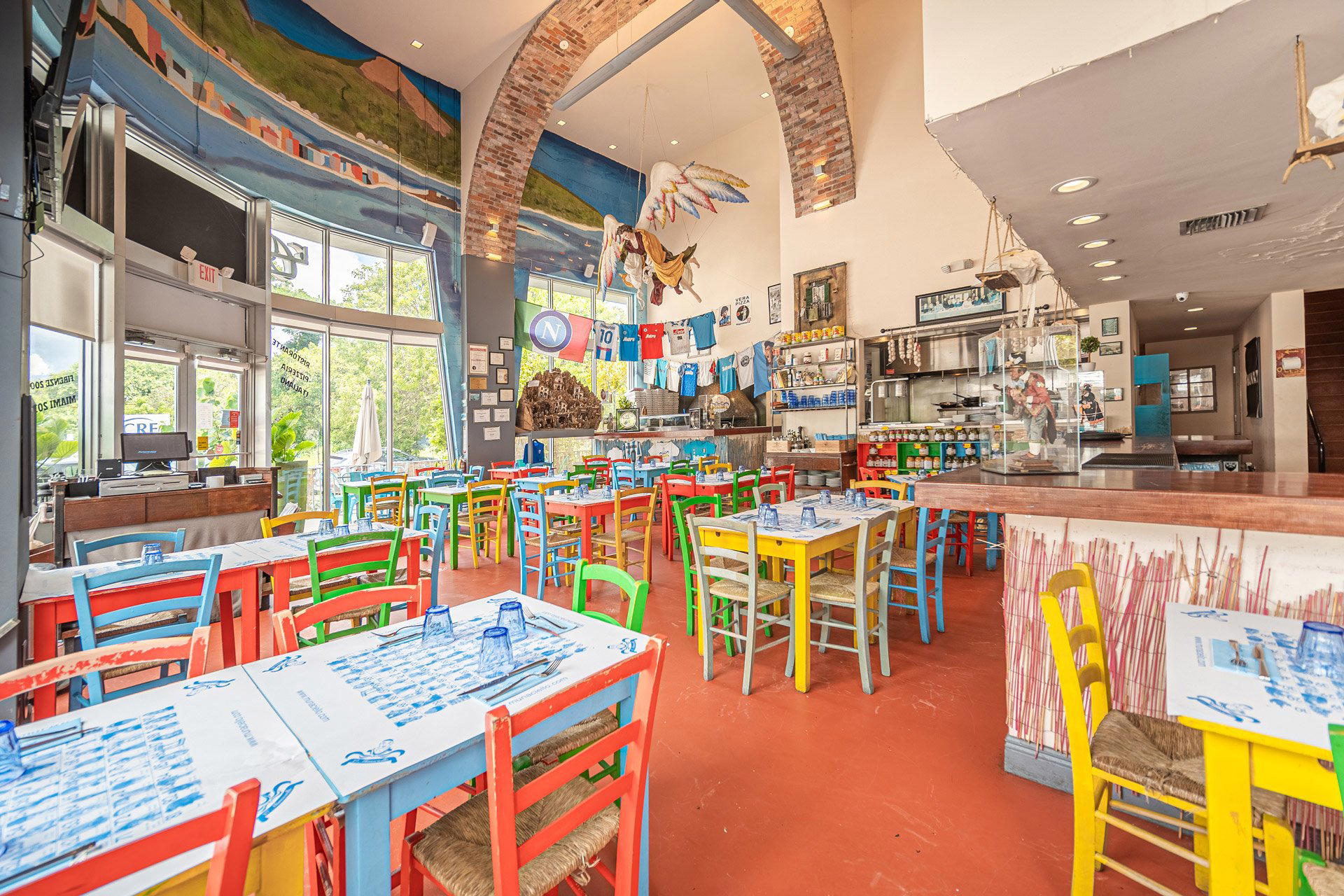
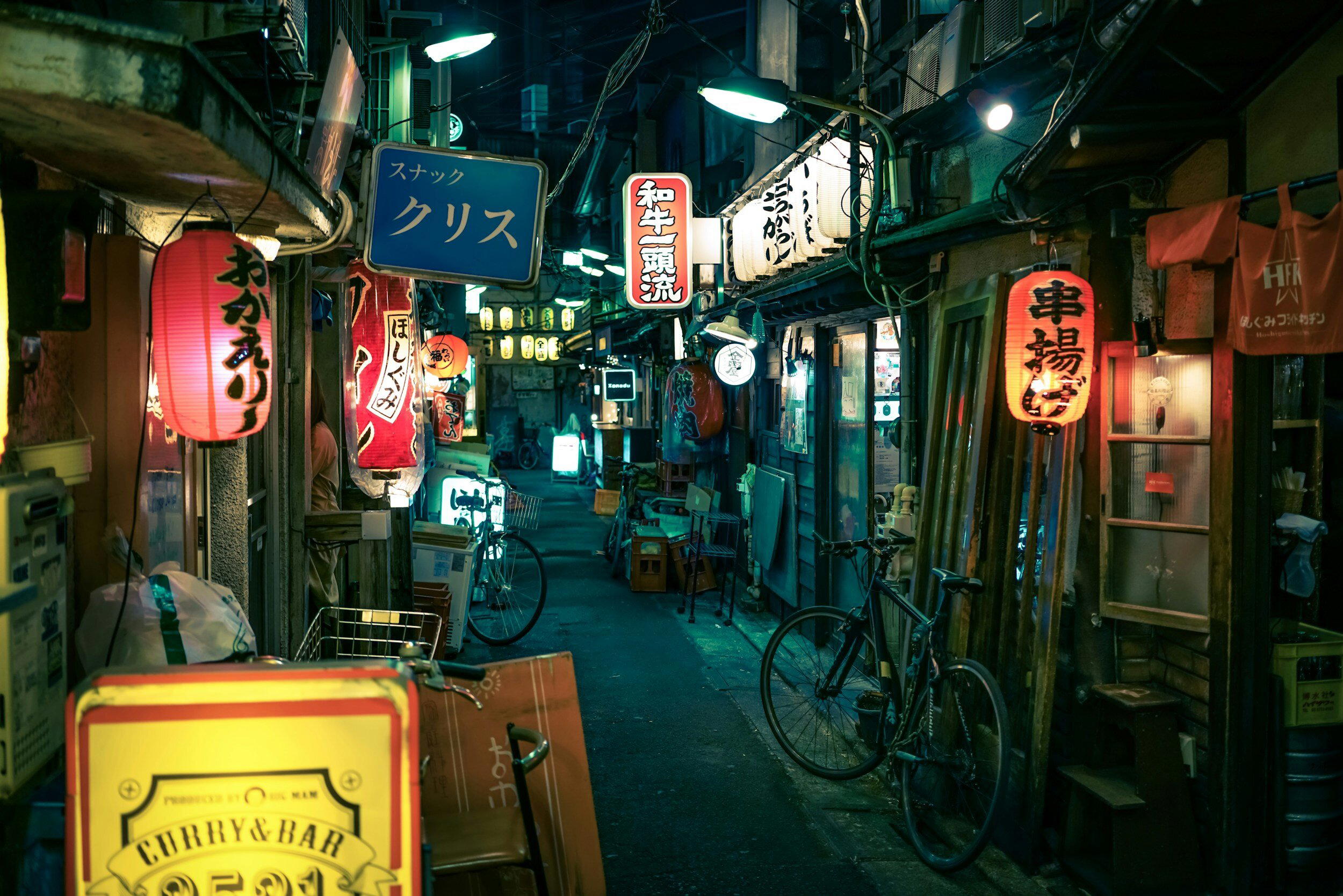
At a Glance
- Elegant
- Cozy
- Sophisticated
- Intimate
- Date Night
- Special Occasion
- Business Dinner
- Open Kitchen
- Extensive Wine List
- Local Sourcing
- Organic
Current opening hours
- Monday
- 5–9:30 PM
- Tuesday
- 12–3:30 PM, 5–9:30 PM
- Wednesday
- 12–3:30 PM, 5–9:30 PM
- Thursday
- 12–3:30 PM, 5–9:30 PM
- Friday
- 12–3:30 PM, 5–9:30 PM
- Saturday
- 12–3:30 PM, 5–9:30 PM
- Sunday
- 12–9:30 PM
Hours can change for holidays and private events. Last verified .
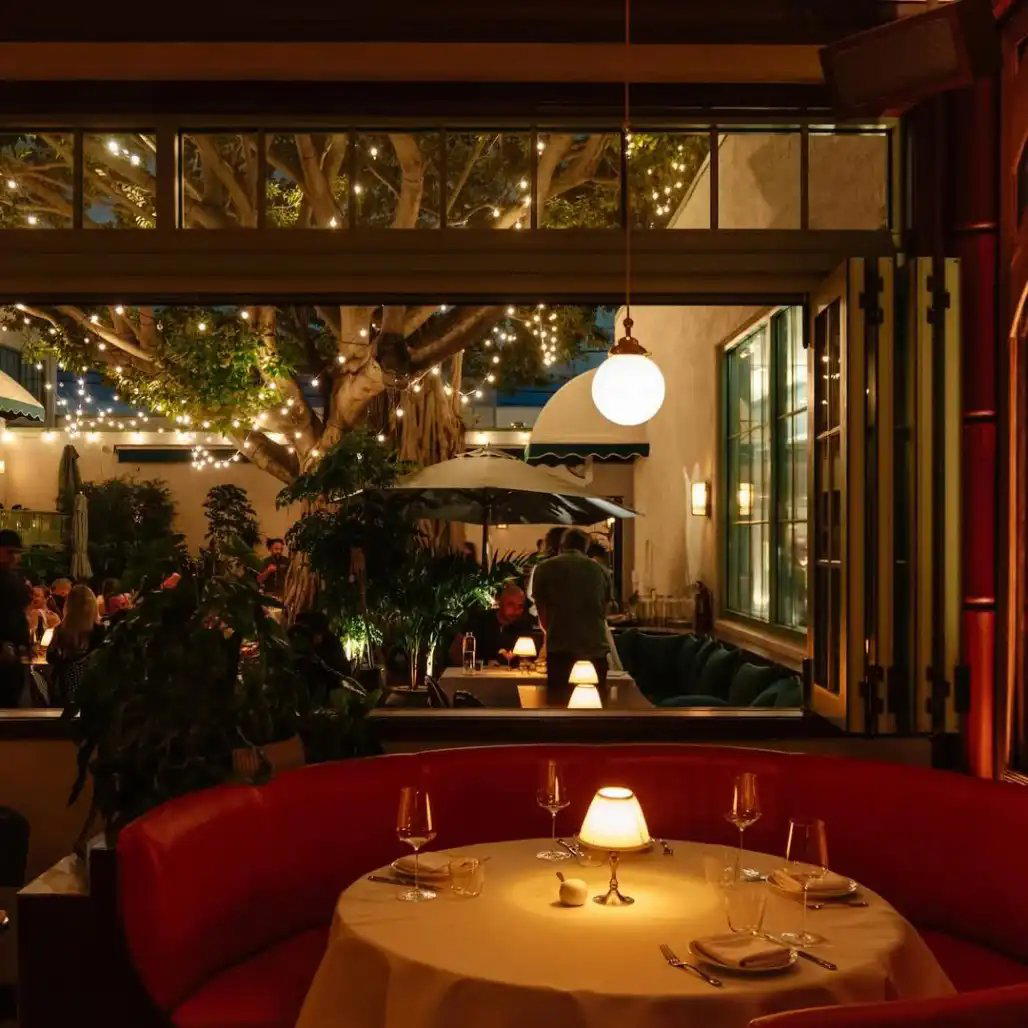
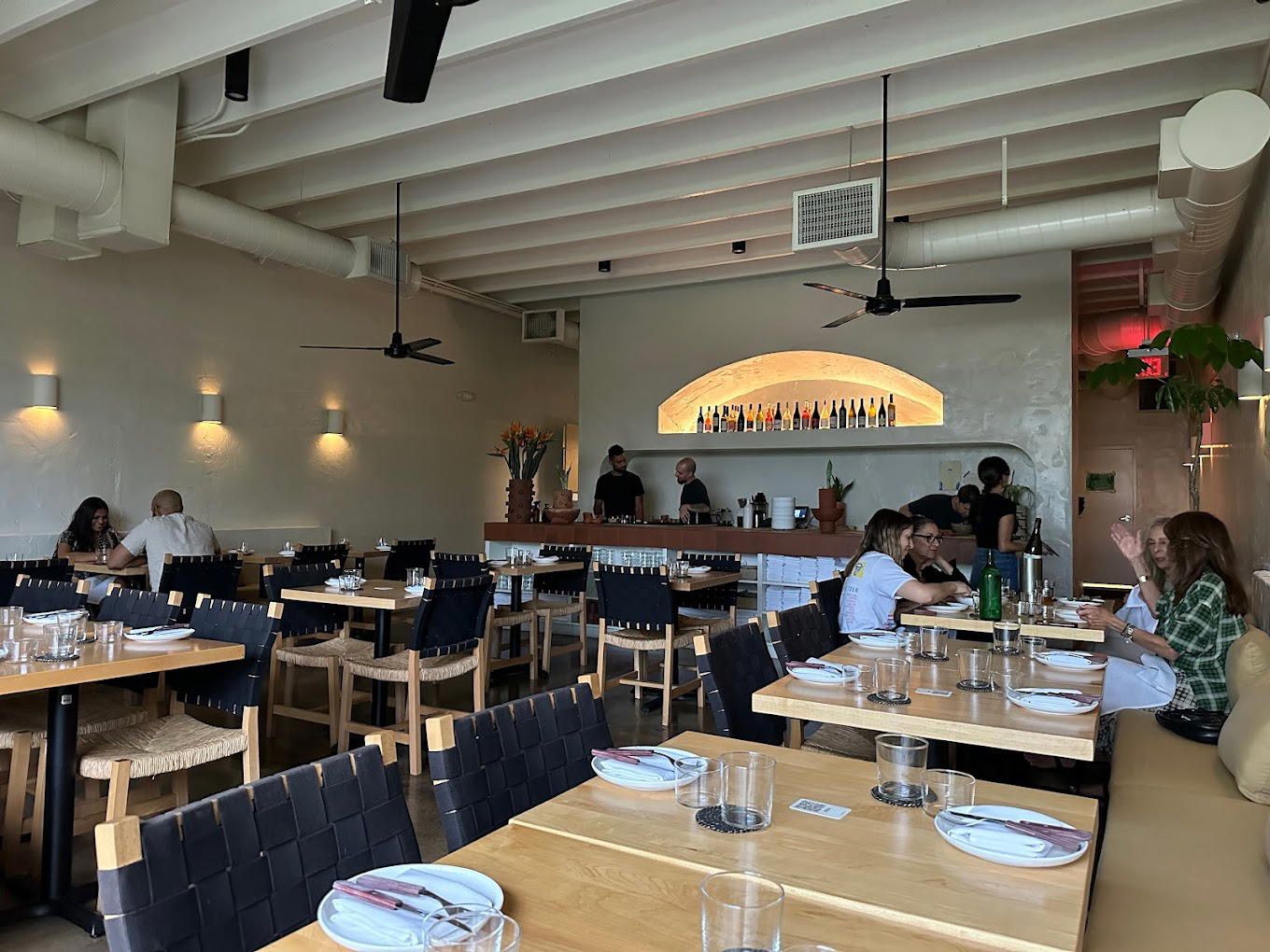
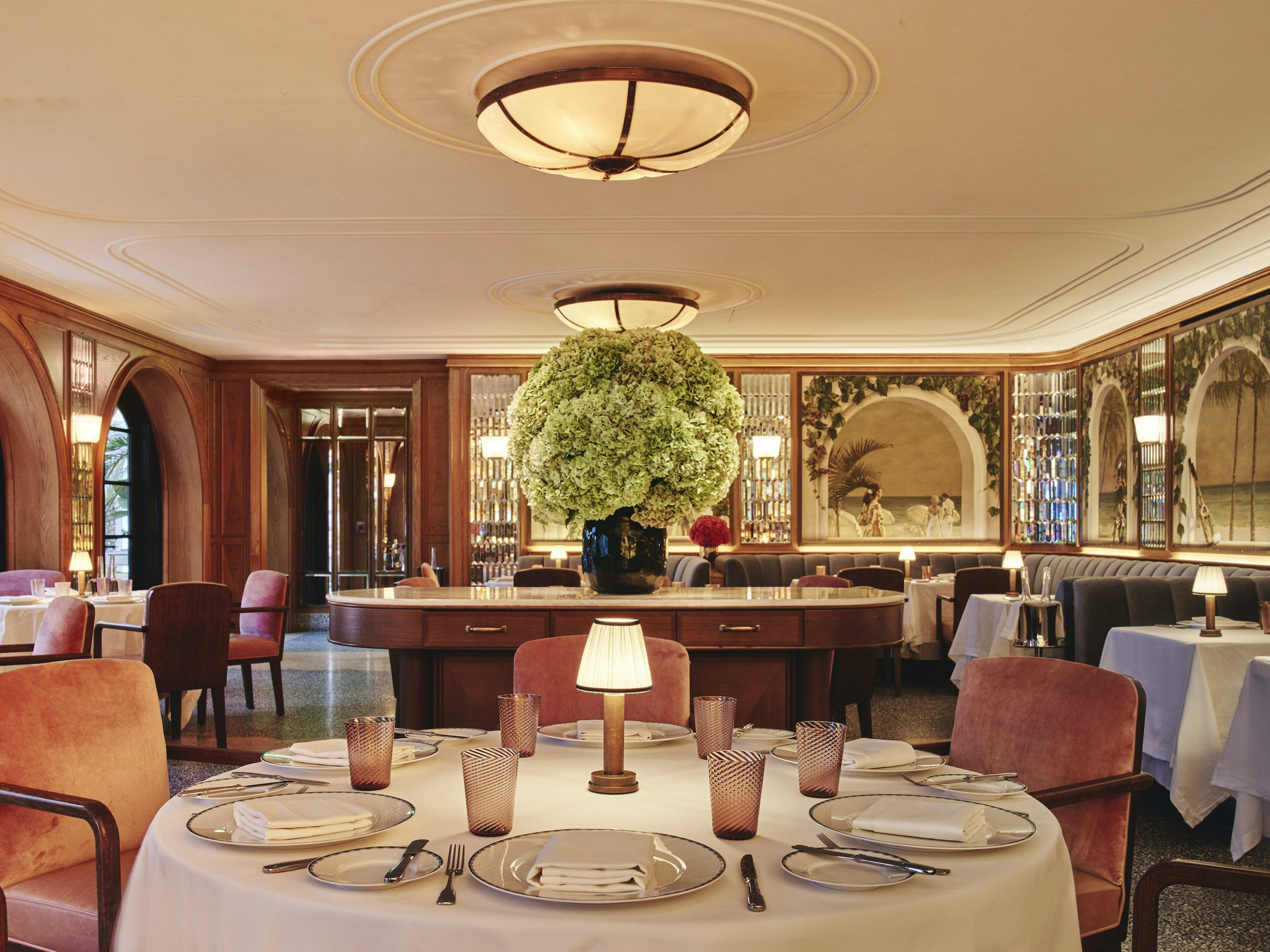
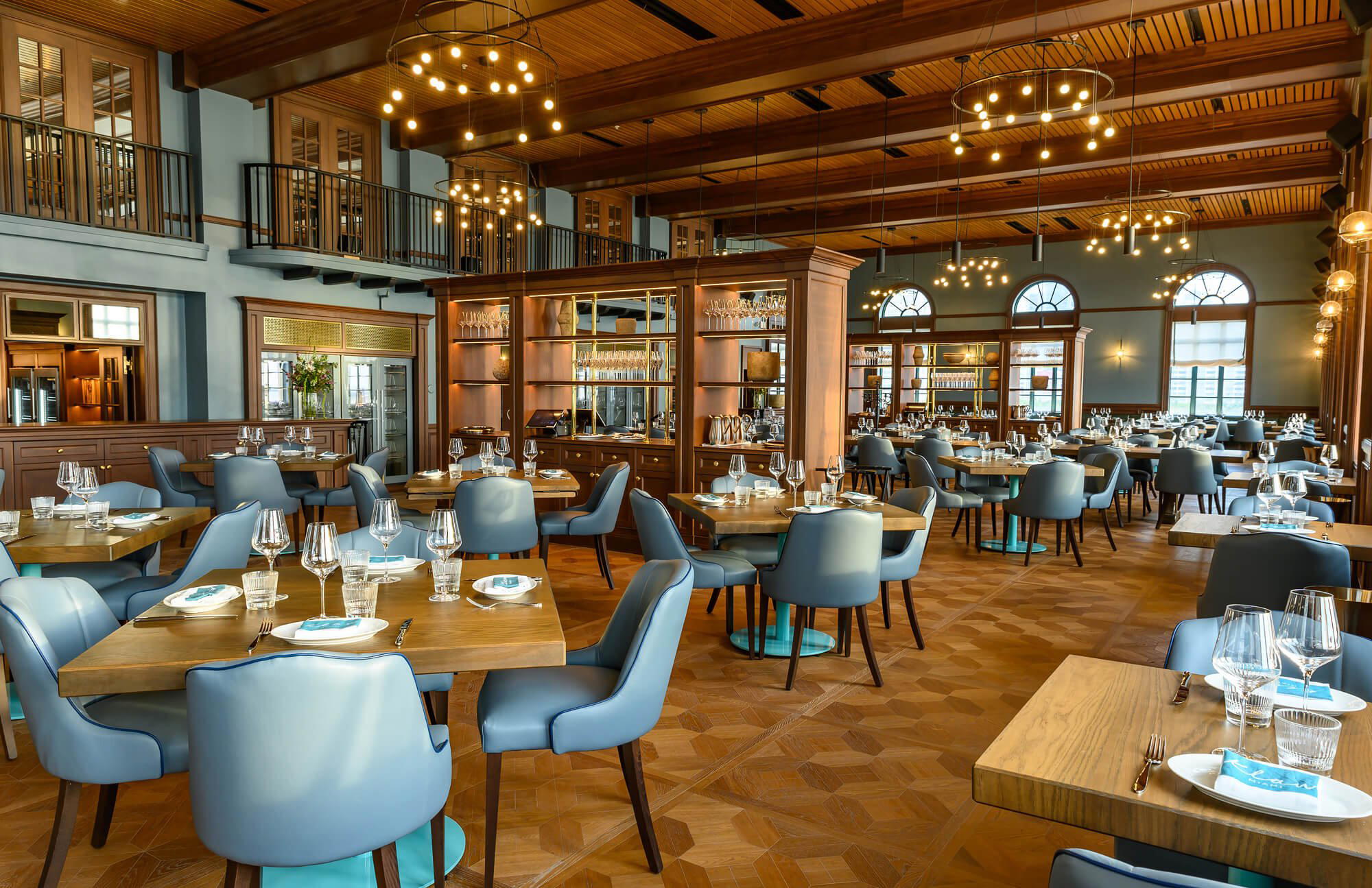
Casual-comfortable dining with warm, welcoming atmosphere praised for excellent service and fresh, scratch-made dishes.