Piccola Cucina Casa
Piccola Cucina Casa sits on Nevins Street in Boerum Hill, Brooklyn, operating within a Brooklyn dining corridor that has shifted considerably over the past decade. The restaurant's Italian-inflected format places it in a neighbourhood context where independent operators increasingly define the dining character, offering a counter-point to Manhattan's more formally structured Italian tier.
Pearl is the En Primeur Club membership app — saves, bookings, and concierge access live there. Same editors, same standards.
- Address
- 141 Nevins St, Brooklyn, NY 11217
- Phone
- +19292950015
- Website
- piccolacucinagroup.com
- Directions
- Get directions
 Saves & bookings on Pearl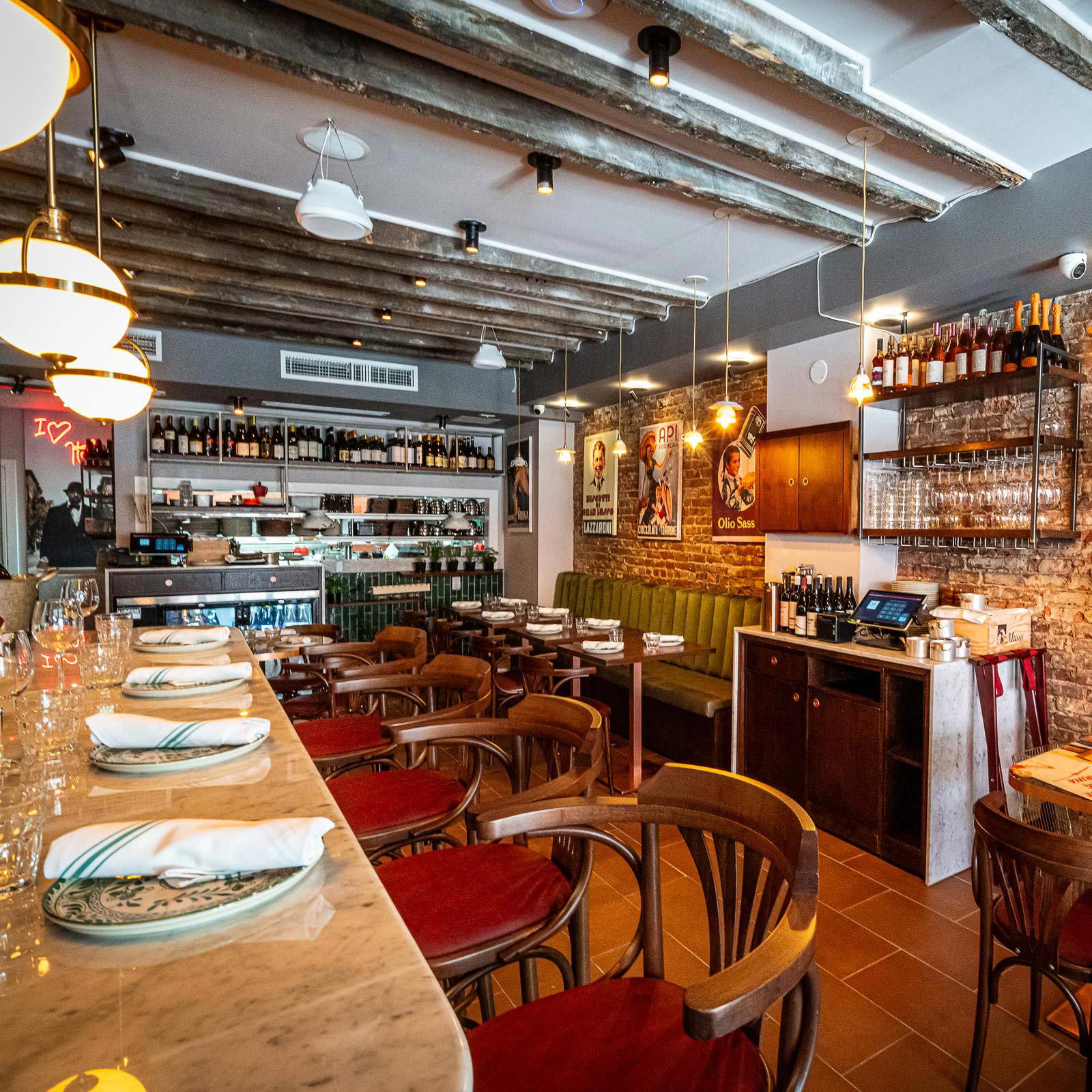
Brooklyn's Italian Table, Reconsidered
The story of Italian dining in New York is, in large part, a story of geography. For most of the twentieth century, the borough of Brooklyn held the city's most concentrated Italian-American communities, and the restaurants that grew from those communities operated on a logic of abundance, familiarity, and generational continuity. Then came a long period of attrition: the neighbourhoods changed, the red-sauce institutions either closed or calcified, and the conversation about serious Italian cooking moved almost entirely to Manhattan. What has happened since, particularly over the last ten to fifteen years, is a quiet reversal. Independent operators have re-entered Brooklyn with a more considered Italian vocabulary, and Boerum Hill, where Piccola Cucina Casa sits at 141 Nevins Street, has become one of the more interesting places to watch that reversal play out. Piccola Cucina Casa is a Regional Italian restaurant in Brooklyn, priced around $40 per person.
The Boerum Hill Shift
Boerum Hill occupies a position in the Brooklyn dining hierarchy that rewards attention. It is not the headline borough neighbourhood, that distinction tends to rotate between Williamsburg, Carroll Gardens, and Park Slope depending on the moment, but it maintains a density of independent restaurants that consistently outperforms its profile. The streets around Atlantic Avenue and Nevins have attracted operators who prioritise neighbourhood integration over destination-dining ambition, which produces a particular kind of restaurant: scaled for community use, but serious in execution.
This is the context in which Piccola Cucina Casa operates. The name itself signals intent: piccola means small, cucina means kitchen, and casa means home. Across Italian-American restaurant culture, that combination of words has historically been used to evoke warmth and informality, sometimes genuinely, sometimes as a branding shortcut. What distinguishes one from the other is whether the format actually delivers on the implied scale and intimacy, or whether the vocabulary is deployed in a room that seats 200.
Evolution and the Independent Italian Model
The broader Italian restaurant category in New York has undergone a structural evolution that helps place a neighbourhood operator like Piccola Cucina Casa in proper relief. At the summit tier, the city's formal Italian dining is represented by a small number of high-investment, destination-oriented addresses, mostly in Manhattan. Restaurants in adjacent American fine-dining categories, Le Bernardin, Per Se, and Masa, represent what the city's leading price tier looks like across French and Japanese categories, with covers priced to match their Michelin recognition and real estate costs. Atomix and Jungsik New York illustrate how a technically progressive approach, applied to a specific culinary tradition, can command serious critical attention in the same city. Italian dining, by contrast, has rarely sustained that level of formal recognition in New York, partly because the cuisine's strengths resist the tasting-menu format, and partly because particularly credible Italian operators have tended to build neighbourhood loyalty rather than destination credibility.
That neighbourhood model is what has evolved most visibly since roughly 2010. Where a previous generation of Brooklyn Italian restaurants often competed on portion size and price, the current cohort tends to compete on sourcing, menu restraint, and seasonal responsiveness. The kitchen that serves a tight pasta selection built around daily market availability is a different proposition from the one that prints a laminated menu of thirty dishes and keeps it unchanged for a decade. The restaurant belongs to the former orientation, operating at a scale that makes that kind of responsiveness possible.
For comparison, consider how this positioning looks against American fine dining operations in other cities. Alinea in Chicago and The French Laundry in Napa define what destination dining looks like when the format is built entirely around the single-evening experience. Blue Hill at Stone Barns in Tarrytown and Single Thread Farm in Healdsburg demonstrate what sourcing-forward cooking looks like when it operates at an refined price tier. The restaurant is not competing in those categories, but understanding them clarifies what the neighbourhood model is and is not attempting.
What the Format Implies
Small Italian restaurants in Brooklyn that operate under a home-kitchen identity have a particular set of pressures. The margins are thin relative to destination-dining formats, the clientele expects consistency over novelty, and the competitive set includes every neighbourhood trattoria within a reasonable walk. The operators who sustain this model over time tend to do so through a combination of menu discipline, a clear sense of what they are and are not trying to do, and a reliable relationship with the surrounding blocks.
The Nevins Street address places the restaurant within walking distance of the Atlantic Avenue corridor, which gives it access to a residential population that dines out with regularity rather than occasion. That is a different customer base from the one that drives destination restaurants, and it shapes the evolution of the menu and format differently. Restaurants that serve the same neighbourhood night after night tend to develop a more iterative relationship with their cooking: what works gets refined, what doesn't gets dropped, and the menu over five or ten years becomes a document of accumulated decisions rather than a single opening concept.
That kind of institutional memory is, in itself, a form of credibility. It does not translate into the award language that attaches to places like Providence in Los Angeles, Addison in San Diego, or The Inn at Little Washington, all of which operate in formats designed to attract institutional recognition. It translates instead into the kind of consistent neighbourhood presence that is harder to manufacture and harder to replicate.
At the international level, the contrast is even sharper. 8 1/2 Otto e Mezzo Bombana in Hong Kong and Alain Ducasse at Louis XV in Monte Carlo represent what Italian-adjacent fine dining looks like when it operates at full destination scale, with corresponding price points and booking lead times. Emeril's in New Orleans, Lazy Bear in San Francisco, and Bacchanalia in Atlanta each demonstrate how a city's dining identity can crystallise around a small number of operator-driven addresses. Brooklyn's Italian dining identity is more dispersed than that, built from a larger number of smaller operations rather than a single defining address.
Planning Your Visit
For context on how the restaurant sits relative to Manhattan's upper-tier Italian and fine-dining alternatives, the table below maps key logistics across the comparable set.
| Venue | Neighbourhood | Price Tier | Format | Booking Lead Time |
|---|---|---|---|---|
| The restaurant | Boerum Hill, Brooklyn | Not confirmed | Neighbourhood Italian | Not confirmed |
| Le Bernardin | Midtown, Manhattan | $$$$ | French tasting / à la carte | Several weeks |
| Per Se | Columbus Circle, Manhattan | $$$$ | Fixed tasting menu | Several weeks |
| Masa | Columbus Circle, Manhattan | $$$$ | Omakase counter | Multiple months |
Fast Comparison
Comparable venues nearby, for context on price, style, and recognition.
| Venue | Cuisine | Price | Notes |
|---|---|---|---|
| Piccola Cucina CasaThis venue — the venue you are viewing | Regional Italian | $$ | Not listed |
| Bicchiere | Northern Italian Wine & Pasta Bar | $$ | Upper East Side |
| L’Industrie | Neapolitan-Style New York Pizza | $$ | Little Italy |
| Sofia's of Little Italy | Italian Trattoria | $$ | SoHo-Little Italy-Hudson Square |
| Lil' Frankie's | Neapolitan Pizza and Pasta | $$ | East Village |
| Parm Mulberry Street | Italian-American Soul Food | $$ | SoHo-Little Italy-Hudson Square |
Continue exploring
More in New York City
Restaurants in New York City
Browse all →
Bars in New York City
Browse all →
Hotels in New York City
Browse all →






At a Glance
- Rustic
- Cozy
- Intimate
- Date Night
- Casual Hangout
- Open Kitchen
Current opening hours
- Monday
- 5–10 PM
- Tuesday
- 5–10 PM
- Wednesday
- 5–10 PM
- Thursday
- 5–10 PM
- Friday
- 5–10 PM
- Saturday
- 11:30 AM–10 PM
- Sunday
- 11:30 AM–10 PM
Hours can change for holidays and private events. Last verified .
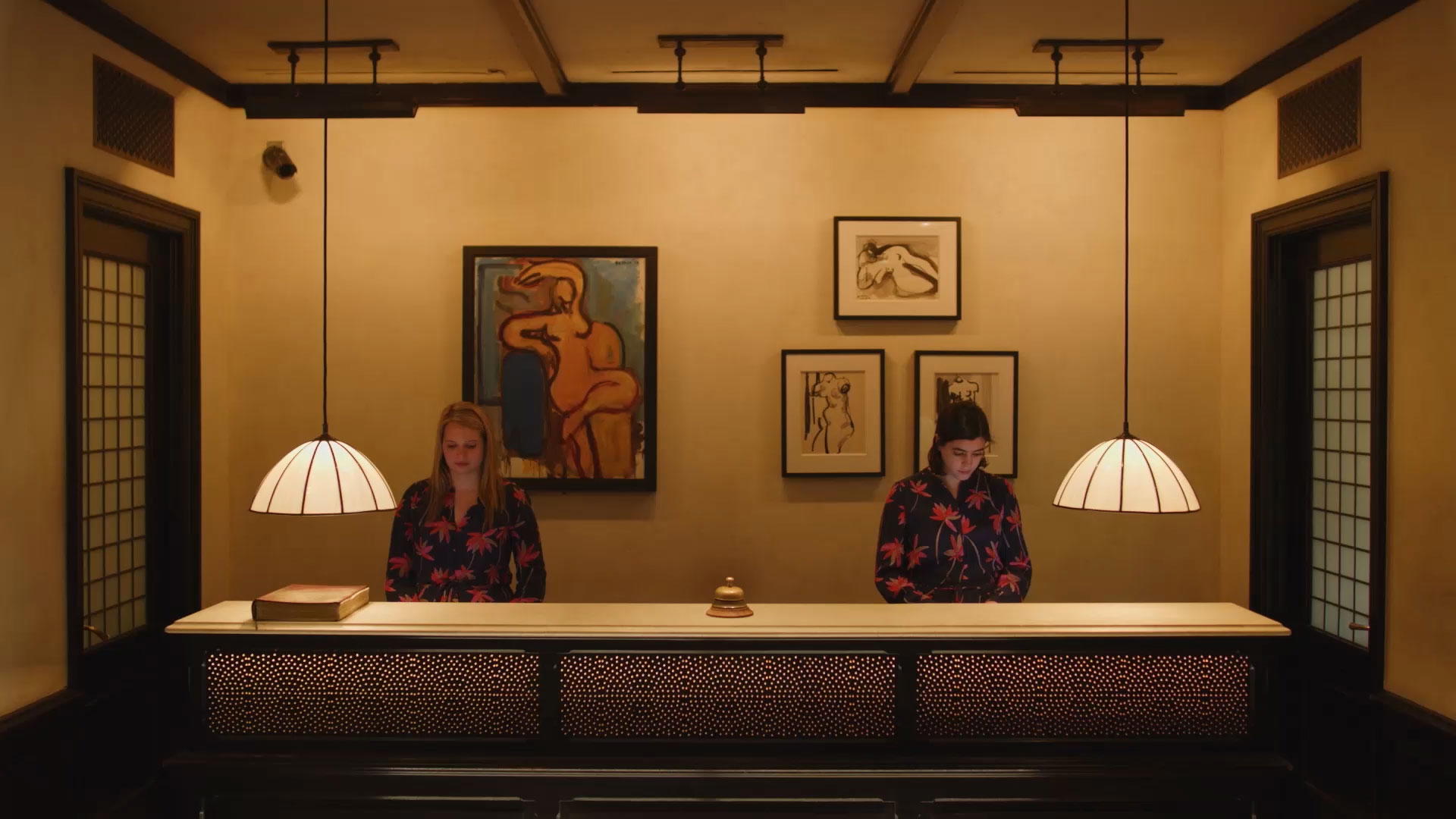
Exposed wooden beams, brick walls, Italian tiles, handmade ceramic lights, and homey décor create a warm, rustic Sicilian atmosphere.