Gennaro
On Amsterdam Avenue in the Upper West Side, Gennaro occupies the quieter end of New York's Italian dining spectrum: a neighborhood restaurant with a loyal following built over years rather than press cycles. The cooking is Southern Italian in character, the room is small, and the prices sit well below the tasting-menu tier that dominates downtown conversation. Regulars return for the consistency, not the spectacle.
Pearl is the En Primeur Club membership app — saves, bookings, and concierge access live there. Same editors, same standards.
- Address
- Gennaro Restaurant, 665 Amsterdam Ave, New York, NY 10025
- Phone
- +12126655348
- Website
- gennaronyc.com
- Directions
- Get directions
 Saves & bookings on Pearl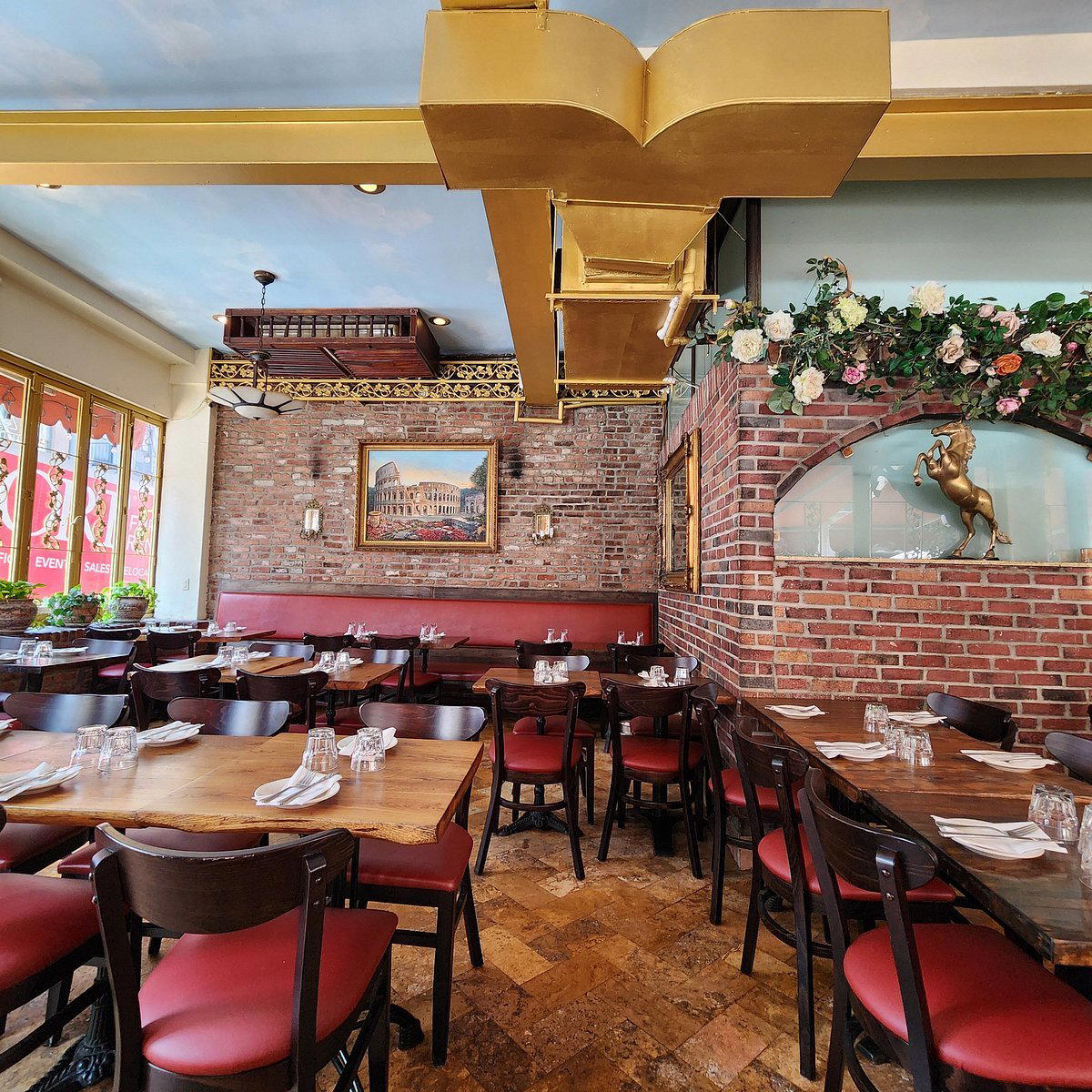
The Upper West Side's Particular Relationship with Italian Cooking
New York's Italian restaurant conversation tends to collapse into two camps: the downtown red-sauce institutions photographed for their atmosphere, and the northern-Italian fine-dining rooms that trade in truffles and tasting menus. The Upper West Side has historically supported a third category, the residential Italian, the kind of place where the same tables fill on Tuesday as on Saturday, where the room is small enough that regulars recognize each other, and where the cooking competes on consistency rather than spectacle.
Nor does it sit in the same conversation as Per Se or Masa, where a single meal represents a planned financial commitment. Gennaro prices against the neighborhood, not against the Michelin tier, and that positioning is precisely what has sustained its reputation across a stretch of Amsterdam Avenue not known for destination dining.
What Regulars Actually Know
The clearest signal of a neighborhood Italian's quality is its regulars: how many there are, how often they return, and what they order without looking at the menu. At Gennaro, the repeat clientele drives most of the room on any given weeknight. This is not accidental. The cooking at restaurants like this survives in the Upper West Side because the neighborhood rewards reliability over reinvention. A regular at a place like Gennaro is not chasing a seasonal tasting menu or a chef's latest pivot; they are calibrating against a consistent baseline they have already tested and approved.
That dynamic shapes everything about how the restaurant operates. The portions tend toward generosity, the pricing toward approachability, and the menu toward Southern Italian anchors: pasta made with attention, proteins treated without over-complication, and sauces that read as cooking rather than construction. These are not flashy qualities, but they are the ones that bring people back on a weeknight when the alternative is cooking at home.
For a visitor unfamiliar with the room, the smartest approach is to follow the logic of the regulars: order what reads as direct rather than elaborate, ask what's been consistent longest, and resist the instinct to judge by presentation standards borrowed from restaurants operating at three times the price point. The value proposition at a place like Gennaro is not theater, it is cooking that holds up across repeat visits, which is a harder standard than it sounds.
Amsterdam Avenue in Context
The Upper West Side is not where New York's dining press focuses its attention. The coverage gravitates downtown, toward the concentrated activity of the West Village, the East Village, and lower Manhattan's financial-adjacent dining rooms. This geographic skew means that restaurants on Amsterdam Avenue north of 79th Street operate largely outside the review cycle that drives reservation demand at places like Atomix in Midtown.
Gennaro occupies this quieter register. Its address, 665 Amsterdam Avenue, in the 90s, puts it well above the densest stretch of Upper West Side restaurant activity, in a block that serves the residential grid more than the visitor circuit. That geography is part of why the regular clientele is genuinely local rather than assembled from across the city. It is also why first-time visitors should approach it on neighborhood terms, not destination ones. The comparison set is not Blue Hill at Stone Barns or The French Laundry; it is the surrounding block's other options, against which Gennaro has maintained a clear and sustained advantage.
Italian Cooking at the Neighborhood Scale
The Italian restaurant at the neighborhood scale has a specific logic that differs from the Italian restaurant as cultural monument. In the former, the kitchen's job is to produce food that satisfies across repetition, not across novelty. This is closer to the model of Italian home cooking than to the modernized regional cooking found at places like Frasca Food and Wine in Boulder, where the Italian reference is filtered through American fine-dining conventions. At the neighborhood scale, pasta is the measure: whether it holds texture, whether the sauce is made rather than assembled, whether the proportions reflect an understanding of the dish's logic rather than its appearance.
Southern Italian cooking specifically, which Gennaro draws from, tends toward assertive seasoning, olive oil over butter, and ingredients that carry without extensive technique. When it works, it works because the sourcing is sound and the execution is practiced. When it fails, it fails because the kitchen has drifted from those fundamentals. The regulars at a restaurant like this are essentially a quality-control mechanism: they know when it drifts and they signal that knowledge through their ordering patterns, their questions, and occasionally their absence. That accountability is more rigorous, in some ways, than a starred review cycle that visits once and moves on.
Comparable neighborhood Italian models at this price register appear across other American cities, Emeril's in New Orleans anchors a similar local loyalty in a different culinary register, and Smyth in Chicago demonstrates how neighborhood credibility can coexist with critical recognition, though at a significantly higher price point. Providence in Los Angeles and Addison in San Diego show how coastal American fine dining often diverges from the neighborhood anchor model entirely. Gennaro's position is precisely at the other end of that spectrum.
Italian cooking at its most referential points toward the European source: places like Dal Pescatore in Runate or Atelier Moessmer Norbert Niederkofler in Brunico represent the high-formality Italian dining tradition, where the cooking is inseparable from its regional landscape and its generational continuity. The neighborhood Italian in New York is a translation of that tradition, not a replica, adapted to a residential block's rhythms, a local clientele's expectations, and a price point that sustains repeat visits rather than annual ones.
Planning Your Visit
Gennaro sits at 665 Amsterdam Avenue in the Upper West Side, a neighborhood best reached via the 1 train to 86th or 96th Street. The restaurant's consistent following means that advance booking is advisable, particularly on weekend evenings when the small room fills quickly. First-time visitors are better served arriving on a weeknight, when the room operates at its most characteristic pace. The restaurant is walk-in friendly and open Monday, Wednesday through Sunday from 4:45 to 9:30 PM, with Tuesday closed. For broader planning, the Lazy Bear in San Francisco, Single Thread Farm in Healdsburg, and The Inn at Little Washington each represent the destination-dining end of the spectrum, useful reference points for calibrating how differently Gennaro operates.
Quick reference: 665 Amsterdam Ave, New York, NY 10025. Upper West Side neighborhood Italian. Walk-ins are welcome, though weekends can be busy.
Cuisine and Awards Snapshot
Comparable venues nearby, for context on price, style, and recognition.
| Venue | Cuisine | Price | Notes |
|---|---|---|---|
| GennaroThis venue — the venue you are viewing | Authentic Southern Italian Trattoria | $$ | Not listed |
| biricchino | Authentic Northern Italian Trattoria | $$ | Chelsea-Hudson Yards |
| John's of 12th Street | Old-School Red-Sauce Italian | $$ | East Village |
| La Bella Vita | Authentic Italian | $$ | SoHo-Little Italy-Hudson Square |
| Ann & Tony's | Classic Arthur Avenue Italian | $$ | Belmont |
| Russo's Mozzarella and Pasta | Classic Italian Mozzarella & Pasta Shop | $$ | Park Slope |
Continue exploring
More in New York City
Restaurants in New York City
Browse all →
Bars in New York City
Browse all →

Hotels in New York City
Browse all →







At a Glance
- Cozy
- Classic
- Intimate
- Casual Hangout
- Family
- Date Night
- Standalone
- Extensive Wine List
Current opening hours
- Monday
- 4:45–9:30 PM
- Tuesday
- Closed
- Wednesday
- 4:45–9:30 PM
- Thursday
- 4:45–9:30 PM
- Friday
- 4:45–9:30 PM
- Saturday
- 4:45–9:30 PM
- Sunday
- 4:45–9:30 PM
Hours can change for holidays and private events. Last verified .
Warm, inviting, and humble atmosphere well-suited for comforting neighborhood meals.