



A 16th-century townhouse on Kraków's oldest street, Hotel Copernicus holds 29 rooms across a carefully preserved Renaissance building steps from Wawel Castle. Rates from US$209 per night place it among Poland's most competitively priced historic boutique hotels. The 2026 La Liste score of 95.5 points and a 2025 World Travel Award for Poland's Leading Boutique Hotel signal where it sits in the national comparable set.
Pearl is the En Primeur Club membership app — saves, bookings, and concierge access live there. Same editors, same standards.
- Address
- Kanonicza 16, 31-002 Kraków
- Phone
- +48 12 424 34 00
- Website
- copernicus.hotel.com.pl
- Directions
- Get directions
 Saves & bookings on Pearl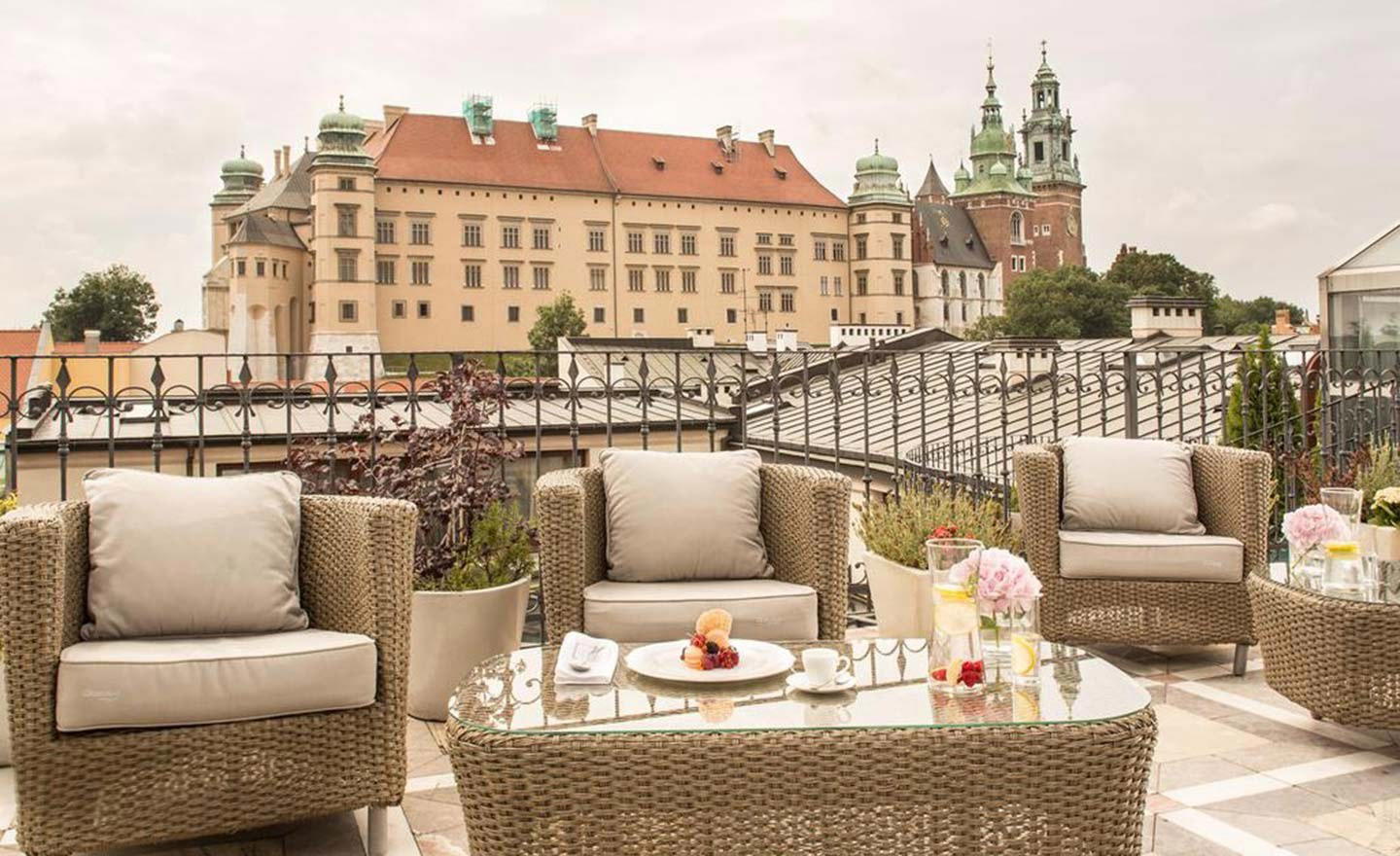
Kanonicza Street and the Case for Kraków's Old Town
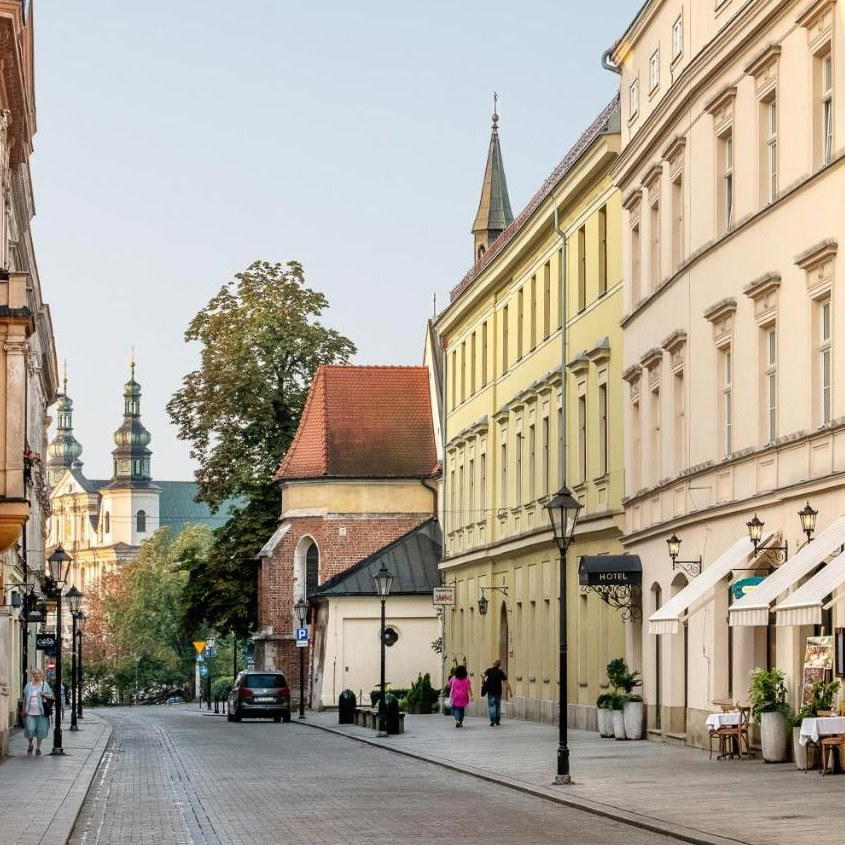
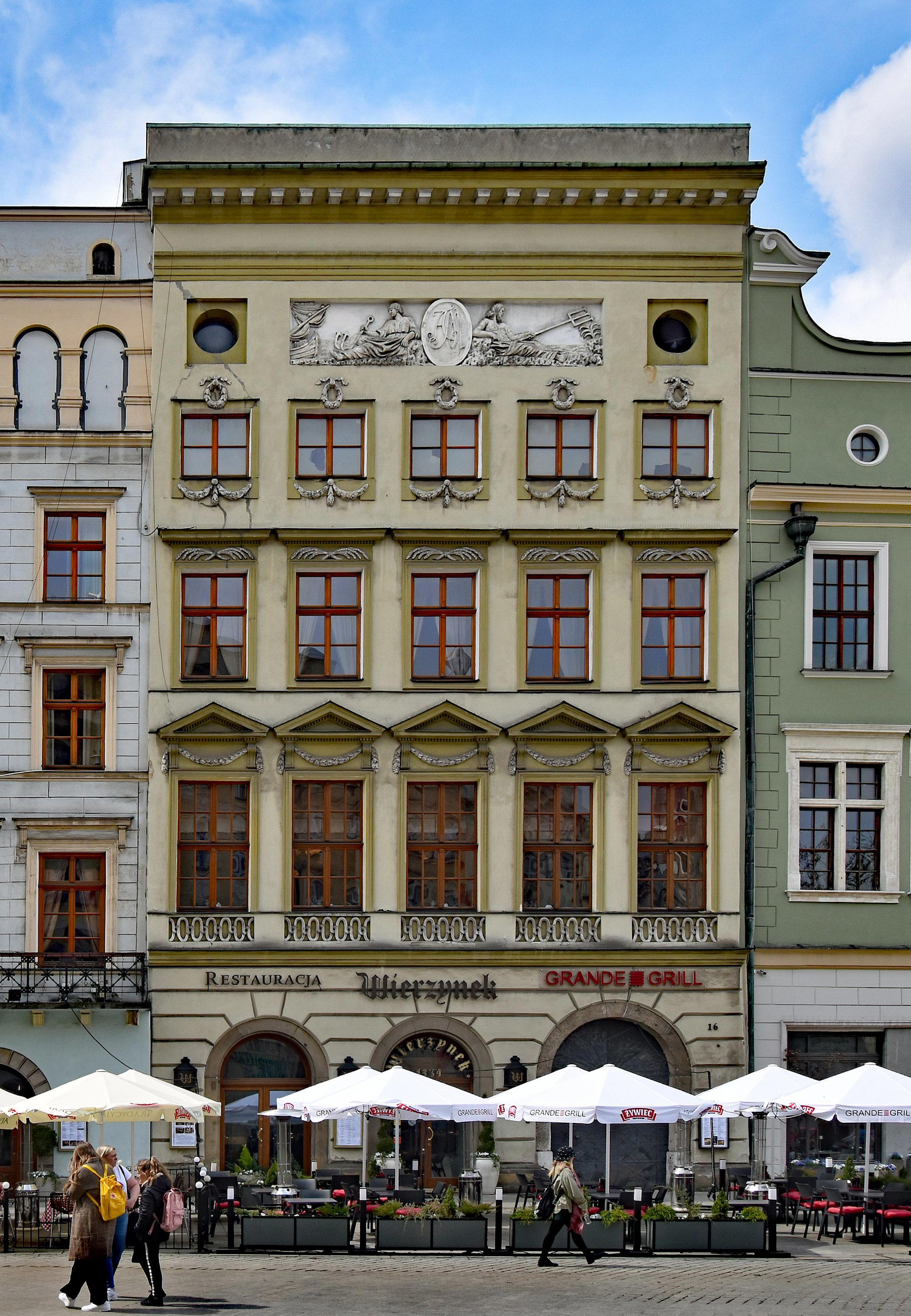
Hotel Copernicus is a 5-star hotel in Kraków, at Kanonicza 16, with 2 Michelin Keys and rates from $205 per night. There is a particular kind of street in Central Europe where the architecture has survived long enough to feel genuinely continuous with the centuries rather than restored to resemble them. Kanonicza, the cobbled lane running south from the Royal Way toward Wawel Hill, is one of those streets. It is well-preserved medieval street in Kraków, lined with townhouses whose facades have changed less than the city around them. Hotel Copernicus occupies number 16, a 16th-century building that places guests at the precise point where the old town's residential and ceremonial histories overlap.
Kraków's boutique hotel market has matured considerably over the past decade as the city has graduated from cheap-weekend-break territory into a destination that draws travellers comparing it directly to Prague and Vienna. The shift has produced a two-tier hotel offer: international branded properties clustered around the Planty ring road, and smaller independent or boutique houses embedded in the Old Town fabric itself. H15 Palace, a Luxury Collection Hotel and Stradom House occupy different corners of that second tier. Copernicus sits in it too, though its 16th-century envelope and the specific density of its cultural address give it a different competitive gravity.
The Architecture Does the Work
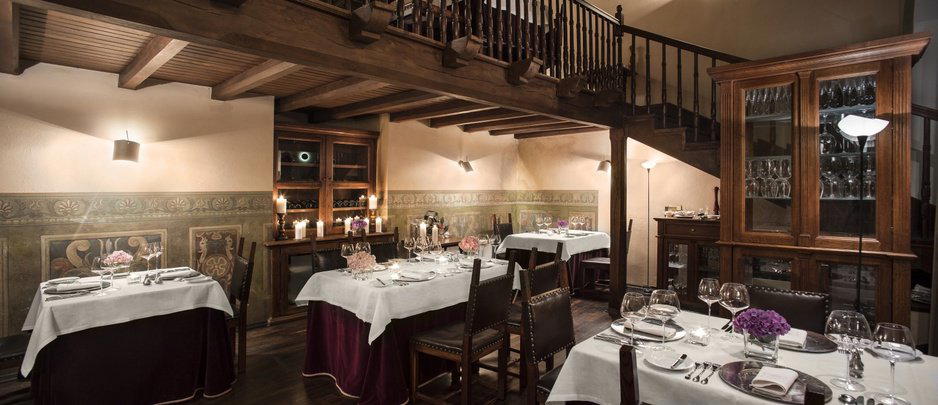
The building itself is the primary editorial fact about this hotel. Twenty-nine rooms across a Renaissance townhouse is not a scale at which you can hide mediocre bones behind high-thread-count linen and corridor lighting. The physical fabric either supports the proposition or it undermines it. At Kanonicza 16, it supports it: vaulted ceilings, stone detailing, and proportions that the original builders settled on for reasons that had nothing to do with the hospitality industry.
Contemporary infrastructure sits inside that frame without apologising for itself. Marble-tiled bathrooms, some with whirlpool baths, occupy spaces that the 16th century would have allocated to different purposes. That tension between original use and contemporary expectation is what makes historic-building hotels interesting when they work and awkward when they don't. Here, the 29-room scale means the hotel can manage that tension with some precision.
The Dining Programme and What It Signals
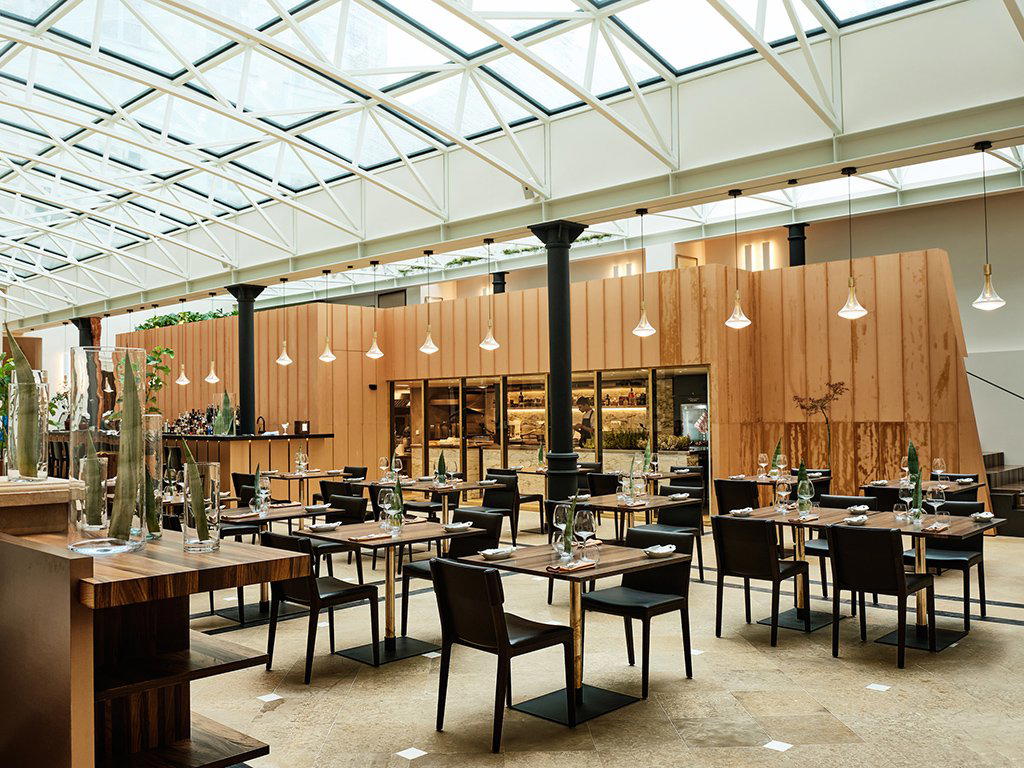
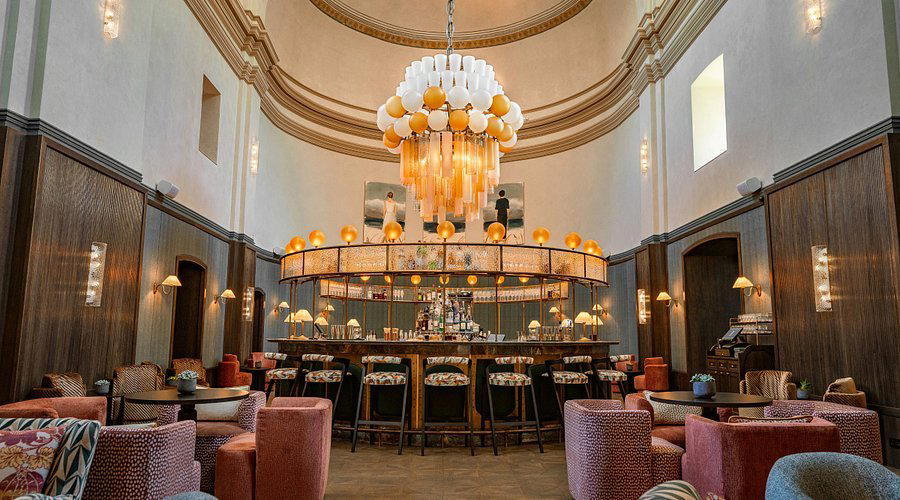
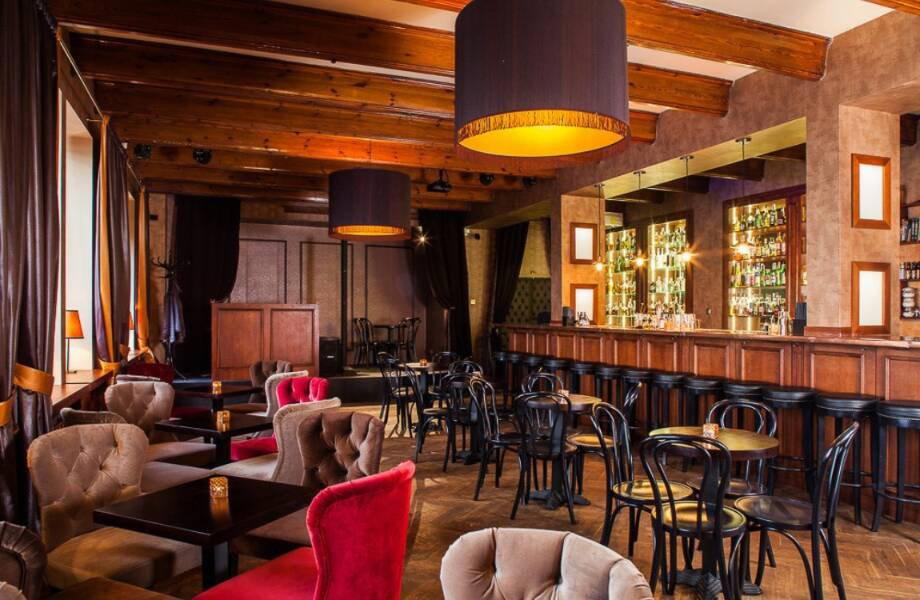
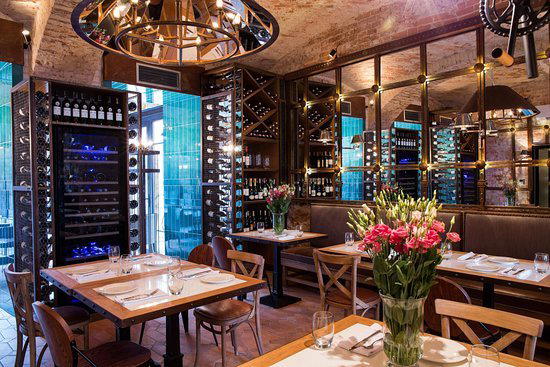
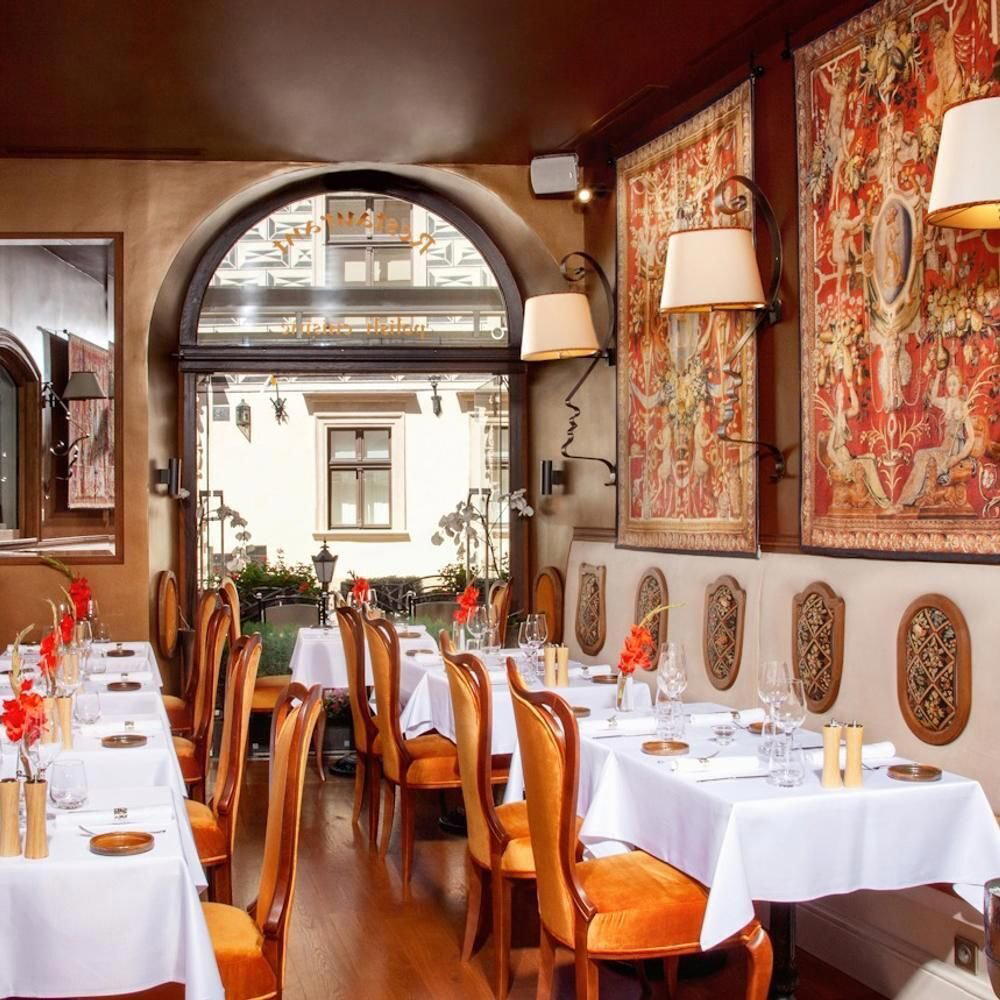
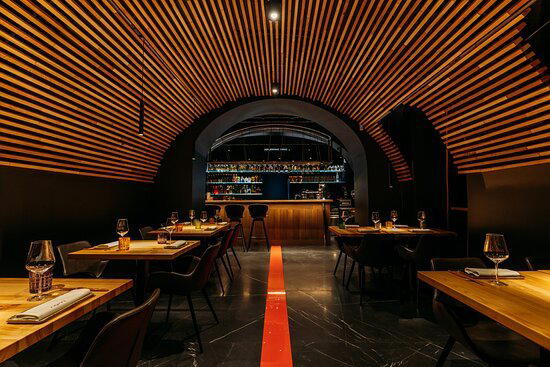
Small historic hotels in Central Europe often treat their food and beverage operation as a checkbox. The restaurant is there because guests need somewhere to eat, the bar exists because guests need somewhere to drink, and neither receives the investment that would make them destinations in their own right. The pattern at Copernicus reads differently. The hotel runs a modern-Polish restaurant, a rooftop bar, and a spa housed in the cellar vaults, which represents a notably ambitious programme for a 29-room property.
Modern Polish cuisine has been one of the more interesting developments in Central European restaurant culture over the past several years. The shift has moved away from heavy peasant-derived dishes toward a more considered use of regional ingredients, fermentation, and seasonal produce, drawing on culinary traditions that were largely suppressed or ignored during the decades when Polish hospitality was state-administered. A hotel restaurant positioned within that current has a richer brief than one trading on nostalgic versions of bigos and pierogi.
The rooftop bar, with sightlines toward Wawel Castle and the Old Town skyline, operates within a category that has become increasingly competitive in European city hotels. A rooftop position on Kanonicza, however, is not replicable by a property elsewhere in the city. The view is a function of the address. For Kraków's dining and drinking context beyond the hotel, our full Kraków restaurants guide covers the broader scene.
Awards and Where They Place the Hotel
Hotel Copernicus holds 2 Michelin Keys and 4 total awards. La Liste's hotel rankings apply a methodology that weighs guest experience, editorial recognition, and physical quality, which makes a 95.5 a meaningful data point rather than a promotional claim.
Hotel Altus Palace in Wrocław and Hotel Monopol Katowice occupy similar historic-building positions in their respective cities. At the resort end of the spectrum, Bachleda Residence Zakopane draws from a different demographic entirely. Within Kraków itself, the comparison set is tight, which helps explain why Copernicus's recognition has accumulated as consistently as it has.
Rates begin at US$205 per night. The property holds 29 rooms, and advance booking is recommended.
Access logistics are worth understanding before arrival. The hotel sits within the Old Town's pedestrianised zone at Kanonicza 16, GPS coordinates 50.0561, 19.9372.
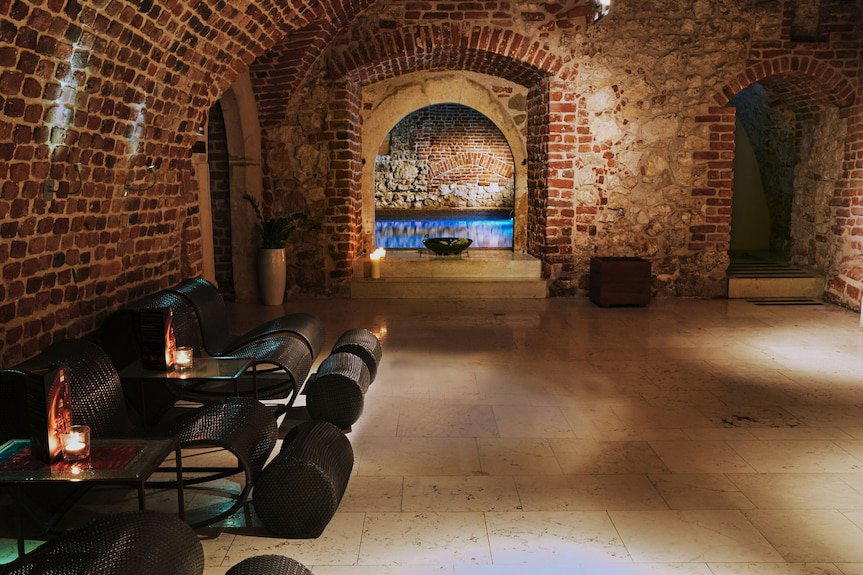
The cellar spa is a notable amenity for a hotel of this size. Underground wellness facilities are unusual in 29-room boutique properties, and their presence in the vaulted cellar of a 16th-century building adds a spatial quality that purpose-built spa hotels rarely match.
Copernicus Toruń Hotel in Torun, Hilton Gdansk, Quadrille in Gdynia, PURO Łódź Centrum, and PURO Poznań cover a range of city and format options. Further afield within Poland, HOTEL GLAR in Świnoujście, Jaskolka Dom i SPA in Szklarska Poręba, Pałac Ciekocinko, Zamek Łeba, and Hotel Galery69 in Masuria represent the country's resort and regional variety. For international reference points in the historic boutique category, Castello di Reschio in Umbria and Aman Venice occupy comparable positions in their markets. Those benchmarking at the summit of the global hotel tier might also consider Aman New York, Badrutt's Palace Hotel, Bvlgari Hotel Tokyo, Amangiri, and The Fifth Avenue Hotel, and H15 Boutique Hotel in Warsaw for the Polish capital equivalent.
Cost Snapshot
Comparable venues nearby, for context on price, style, and recognition.
| Venue | Price | Awards | Notes |
|---|---|---|---|
| Hotel CopernicusThis venue — the venue you are viewing | $$$$ | Michelin 2 Key | Not listed |
| Stradom House | $$$$ | Michelin 1 Key | Stradom, Luxurious historic property blending early 20th-century elegance with modern comforts. |
| H15 Palace, a Luxury Collection Hotel | $$$$ | Michelin 1 Key | Old Town, Historic palace reimagined with modern luxury. |
| Bachleda Kraków - MGallery | $$$$ | 5-Star | Old Town, Historic Art Deco luxury boutique |
| Balthazar Design Hotel | $$$$ | 5-Star | Kraków Old Town, Restored 19th-century tenement house in art deco style with eclectic luxury interiors. |
| PURO Kraków Kazimierz Hotel | $$$ | 4-Star | Kazimierz, Contemporary urban lifestyle hotel with art deco influences and tech integration |
Recognition history
Dated appearances from independent guides and award organizations, with the underlying list record or original source where available.
La Liste Top Hotels
La Liste
Relais Chateaux Award
Relais Chateaux
Michelin 2 Keys
Michelin
Relais Chateaux Award
Relais Chateaux
World Travel Awards
World Travel Awards
At a Glance
- Elegant
- Sophisticated
- Classic
- Intimate
- Historic
- Romantic Getaway
- Anniversary
- Honeymoon
- Historic Building
- Wi Fi
- Pool
- Spa
- Sauna
- Room Service
- Concierge
- Restaurant
- Fitness Center
- Business Center
- Valet Parking
- Street Scene
- Wi Fi
- Pool
- Spa
- Sauna
- Room Service
- Concierge
- Restaurant
- Fitness Center
- Business Center
- Valet Parking
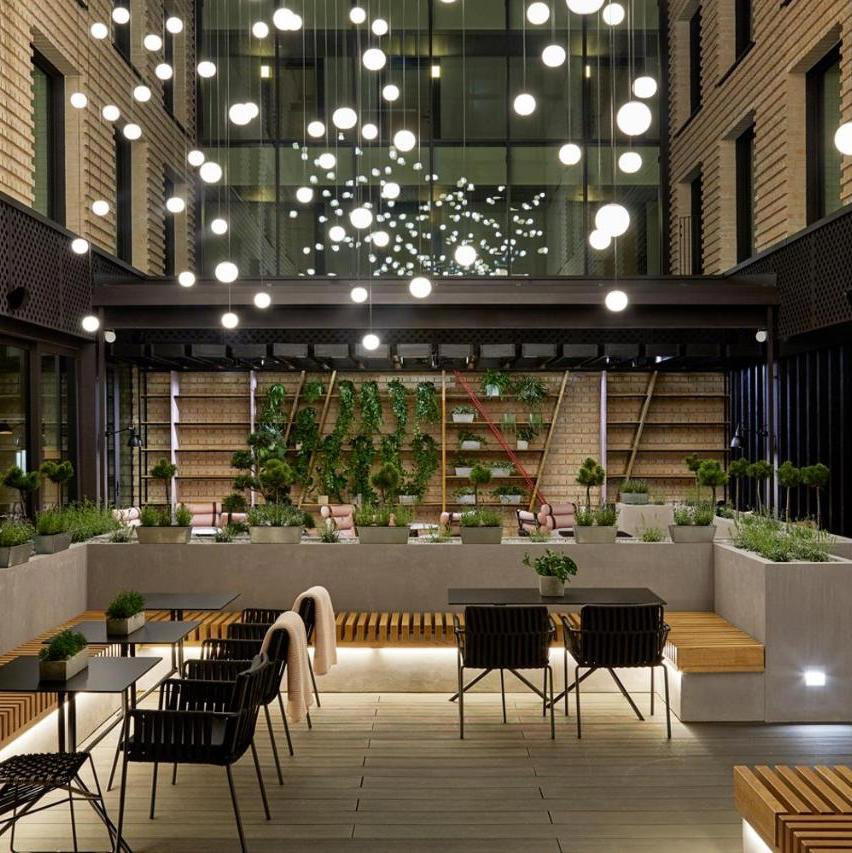
Sophisticated and peaceful atmosphere with historic charm, lobby fireplace, frescoes, glass-roofed courtyard, and rooftop terrace offering views of the historic center; soundproofed rooms ensure tranquility.