
Curry House Delhi belongs to Kawasaki’s serious everyday-curry tier: compact, counter-led, inexpensive, and recognised in Tabelog Curry EAST “Tabelog 100” 2024. Its value lies less in ceremony than in the way Japanese curry culture turns spice, rice, and quick service into a precise neighbourhood ritual near Mizonokuchi.
Pearl is the En Primeur Club membership app — saves, bookings, and concierge access live there. Same editors, same standards.
- Address
- 2 Chome-7-3 Mizonokuchi, Takatsu Ward, Kawasaki, Kanagawa 213-0001, Japan
- Phone
- +81 44-833-0058
- Website
- tabelog.com
 Saves & bookings on Pearl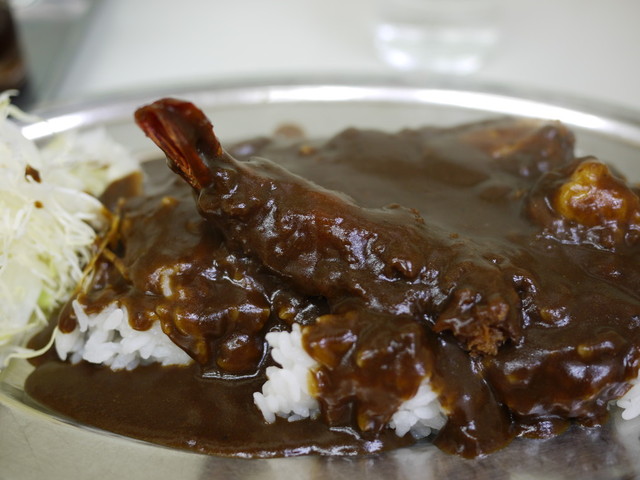
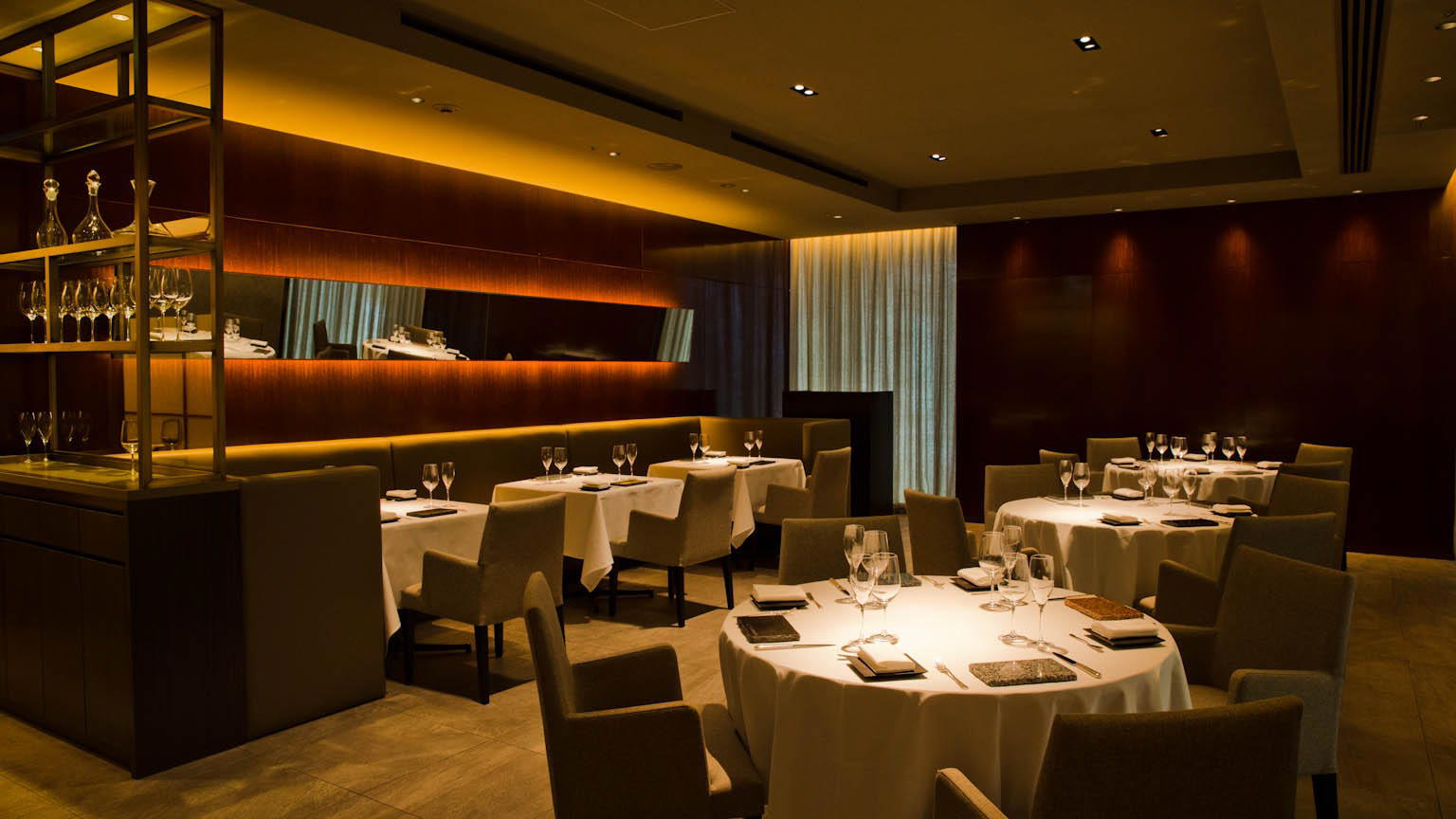
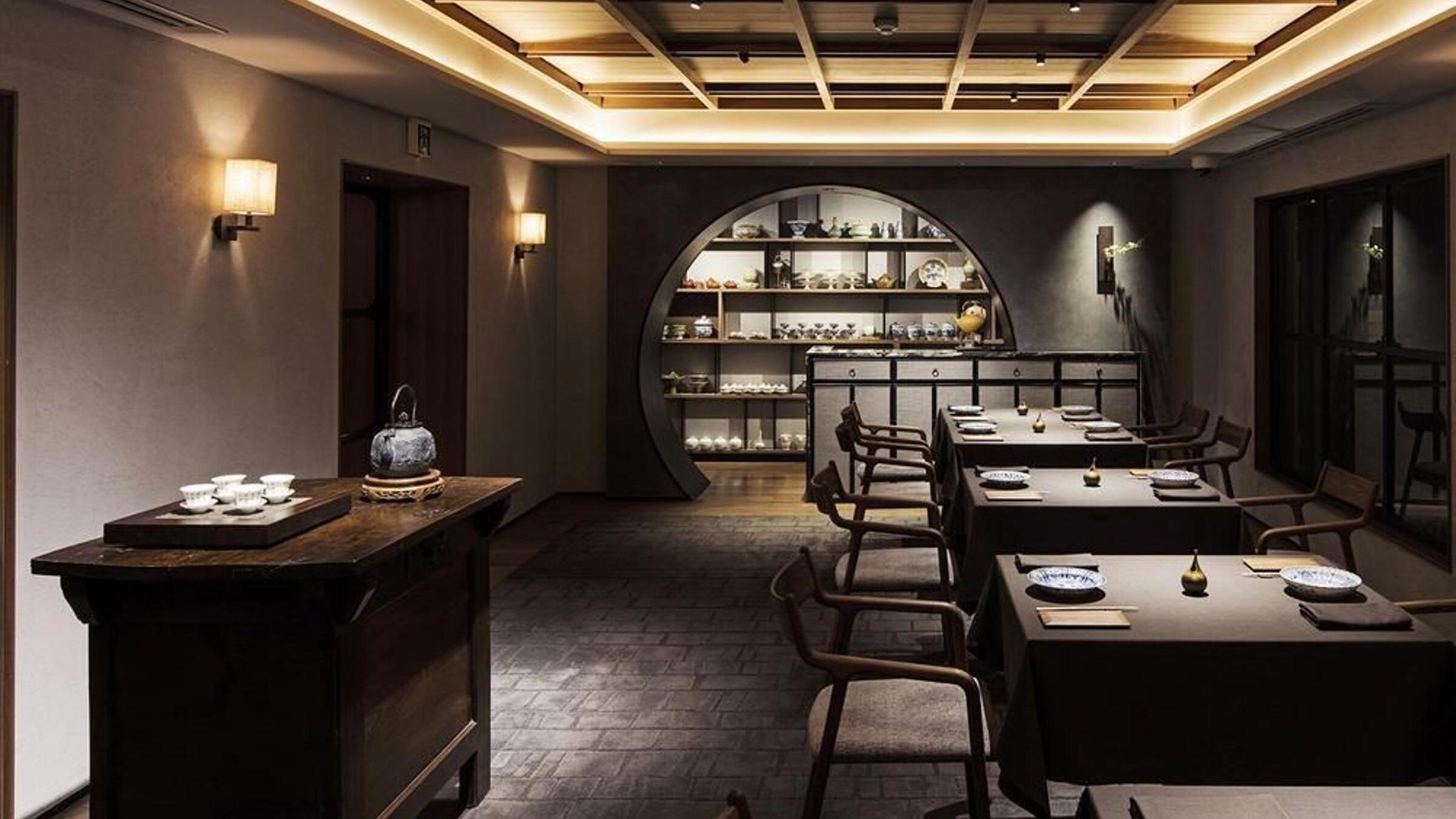
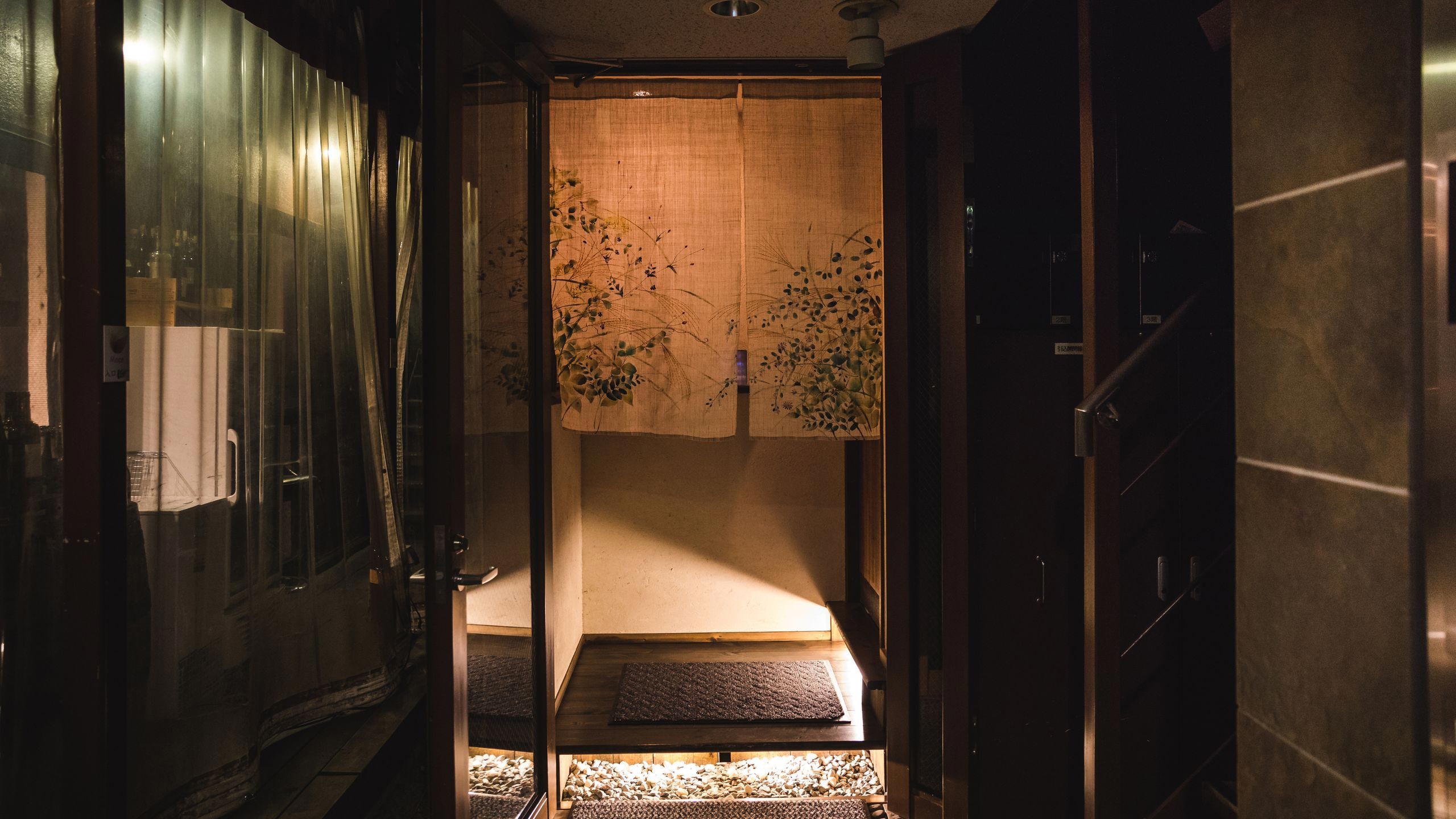
The room announces its priorities quickly: counter seating, close quarters, and the rhythm of a curry shop built for solo meals as much as planned detours. Kawasaki’s stronger casual restaurants often work this way, with a narrow format and little theatre; the point is turnover, heat, rice, and sauce, not dining-room performance. Curry House Delhi fits that tradition, sitting in Mizonokuchi’s station-side food culture rather than in the polished destination-restaurant lane.
Japanese curry has long been a local category with its own grammar. It is not simply an imported Indian template, nor a Western stew with spice added as decoration. Across the Tokyo-Kanagawa corridor, serious curry shops tend to compete on sauce depth, rice handling, portion discipline, and the confidence to keep menus focused. The Tabelog Curry EAST “Tabelog 100” 2024 selection places this address inside that more demanding regional conversation, where a low price band can still carry real critical weight.
Counter curry in Mizonokuchi, judged by sauce rather than ceremony
Kawasaki rewards small, specialised dining rooms. In the same city, Match Bo Mizonokuchi ten occupies a similar everyday price bracket, while KING LION Sri Lanka Restaurant & Bar moves into a slightly higher dinner range and a different spice tradition. That spread matters: curry here is not one lane. It runs from Japanese cafeteria formats to South Asian restaurant-bar models, with each asking a different question of the diner. Curry House Delhi is on the compact, counter-led side, where the meal is assessed by focus rather than range.
The ingredient-sourcing story in this kind of shop is usually indirect but meaningful. Curry depends on pantry choices: spice blends, base aromatics, rice quality, and how consistently the kitchen manages heat and reduction across service. In Japan, the better casual curry rooms often show restraint through repeatability. A sauce has to hold its line from lunch to evening; rice has to support rather than dilute it. That is why a low-budget curry address can earn a place alongside more expensive dining rooms in serious local eating maps.
The format also changes how to read the meal. An 11-seat counter makes the kitchen’s pace part of the experience, and it suits the solo-dining culture that defines much of Japan’s casual restaurant excellence. There is no need to inflate the occasion. The appeal is the precision of a small operation: a defined category, limited space, and the expectation that diners understand the compact etiquette of counter eating.
Kawasaki's casual dining strength is narrow focus, not luxury signals
Kawasaki’s restaurant scene is often misread as a commuter spillover between Tokyo and Yokohama. That misses the city’s strongest pattern: focused neighbourhood specialists with enough local demand to sharpen a single craft. The comparison set says plenty. Sushi Fukuhara operates in a far higher price tier, Niboshi Ramen Tanaka Niboru sits at the stripped-down ramen end, and Gatagataya adds another casual counterpoint. Curry House Delhi belongs to the same urban logic: category expertise, modest scale, and a diner base that values utility as much as recognition.
That is also why the Tabelog recognition carries useful context. Tabelog’s Hyakumeiten lists are category-led, so a curry selection is not a generic popularity badge; it places the restaurant among notable curry addresses in eastern Japan for that year. For travellers who usually chase tasting menus, this is the corrective: Japan’s food culture is just as articulate at the counter, where a short meal can reveal as much about local standards as a long dinner.
Mizonokuchi adds its own texture. The area is practical, transit-heavy, and built around repeat custom. Restaurants near stations survive by being legible to locals: fast enough for routine use, distinctive enough to avoid becoming background. In that setting, curry is a natural fit. It offers speed without feeling disposable, comfort without requiring softness, and a spice profile that can be personal even when the room is plain.
How to place it in a Kawasaki food itinerary
This is not the address to use for a long, wine-led evening or a group celebration. Its stronger use is as a compact meal within a Kawasaki day, especially when the plan is built around Mizonokuchi or nearby rail connections. The absence of private-room trappings and the counter format push it toward directness. The useful editorial stance is simple: come for a focused curry stop, not for a broad restaurant experience.
For a wider Kawasaki route, pair the curry stop with other category specialists rather than trying to force one grand meal out of the city. (Shoku) Vietnam and Belmatine show how the city’s casual dining range extends beyond Japanese formats, while Boulangerie Metier Pa-ku shiti musashi kosugi za ga-den, Buta Boshi, and C'EST UNE BONNE IDEE! map other everyday strengths across the city. For planning breadth, use Our full Kawasaki restaurants guide, with parallel context from Our full Kawasaki hotels guide, Our full Kawasaki bars guide, Our full Kawasaki wineries guide, and Our full Kawasaki experiences guide.
Travellers using Japan as a broader food map can set this meal against other focused regional addresses: -Grilled beef Sukiyaki- KAMAKURA TANUKIAN 鎌倉 たぬき庵 in Kamakura. 鮪と炭火焼き うお炭 秋葉原店 in Tokyo.cafe in Osaka.know in Kumamoto, [Curry Senmon Ten] Maruyama Kyoju. in Sapporo, and [ki:] in Kyoto. Across the Pacific, Jōdo Saké Bar in Los Angeles and Onigiri Time in Pasadena underline how Japanese casual formats travel, adapt, and become legible in different cities.
The critical case for the restaurant is not grandeur. It is proof that Kawasaki’s dining intelligence often sits in small rooms where category discipline matters more than décor. For curry-focused travellers, the draw is a recognised Mizonokuchi counter that treats an everyday meal as a craft category, and that is enough.
At-a-Glance Comparison
Comparable venues by cuisine and price in the same metro.
| Venue | Cuisine | Price | Notes |
|---|---|---|---|
| Curry House DelhiThis venue — the venue you are viewing | Japanese curry house | $$ | Not listed |
| Boulangerie Metier Pa-ku shiti musashi kosugi za ga-den | Artisan Bakery & Bread Shop | $ | Nakahara-ku (Musashi-Kosugi Area) |
| Etienne | Seasonal Japanese-French Patisserie | $ | Shin-Yurigaoka |
| Matsu no Ki | Traditional Sichuan Chinese with signature tantanmen | $$ | Kawasaki Ward |
| Curry&herb Cherry blossom | Japanese Curry | $$ | Aso-ku (Shinyurigaoka Area) |
| Jikaseimen Menya Rokutosei | Dining | Not listed | Kawasaki |
Recognition history
Dated appearances from independent guides and award organizations, with the underlying list record or original source where available.
Tabelog 100 #28 · No. 28
Tabelog · Tabelog 100 - Curry - EAST - 2024











At a Glance
- Cozy
- Classic
- Intimate
- Solo
- After Work
- Casual Hangout
- Standalone
- Street Scene
Current opening hours
- Monday
- 11 AM–3 PM, 4–8 PM
- Tuesday
- Closed
- Wednesday
- 11 AM–3 PM, 4–8 PM
- Thursday
- 11 AM–3 PM, 4–8 PM
- Friday
- 11 AM–3 PM, 4–8 PM
- Saturday
- 11 AM–3 PM, 4–8 PM
- Sunday
- 11 AM–3 PM, 4–8 PM
Hours can change for holidays and private events. Last verified .
A compact, counter-only curry house with simple cafeteria-style interiors and a casual, no-frills atmosphere, focused on efficient solo dining rather than lingering meals.