
Matsu no Ki gives Kawasaki a serious Sichuan-Chinese address outside Tokyo’s usual dining orbit. Its Tabelog Chinese EAST 100 selections in 2021, 2024, and 2026 place it in a selective regional bracket, while the cooking category points toward Sichuan heat, tantan-men, and Chinese dishes that suit repeat local use rather than ceremony.
Pearl is the En Primeur Club membership app — saves, bookings, and concierge access live there. Same editors, same standards.
- Address
- Japan, 〒210-0004 Kanagawa, Kawasaki, Kawasaki Ward, Miyamotocho, 6−11 阿左見ビル
- Phone
- +81 44-221-9939
- Website
- tabelog.com
 Saves & bookings on Pearl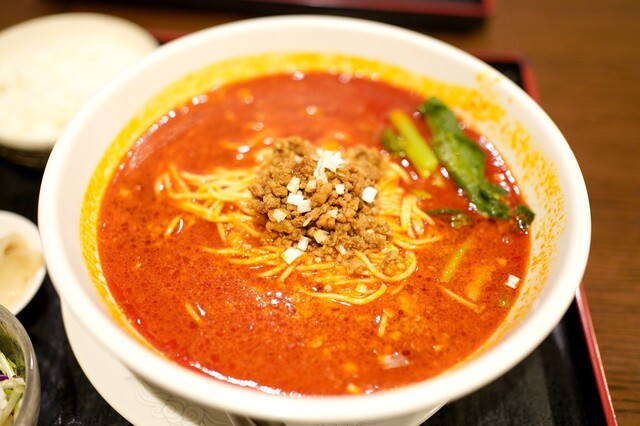
Approaching Kawasaki’s side of the Chinese dining conversation means leaving the capital’s hotel dining rooms and tasting-menu theatre for everyday intensity: steam, chilli oil, noodles, family tables, and a room built for regulars. Matsu no Ki belongs to Japanese Chinese cooking where Sichuan seasoning and tantan-men sit close to a working city’s rhythms.
Kawasaki’s restaurant culture has a practical edge. The city absorbs commuters, shoppers, port workers, families, and nightlife traffic between Tokyo and Yokohama, so lasting restaurants prove themselves through repeatability. A Chinese restaurant selected for Tabelog Chinese EAST 100 in 2021, 2024, and 2026 carries weight: not a single burst of attention, but a sustained place within the region’s Chinese dining tier.
Sichuan heat in a city built for repeat meals
Chinese food in Japan has never been one cuisine. It ranges from gyoza-and-beer counters to refined banquet rooms, ramen-adjacent noodle shops, and Sichuan specialists shaped by chilli, fermented bean pastes, aromatics, and numbing spice. In Kawasaki, the middle ground matters: diners want enough force to make the meal memorable, without a format so formal that dinner becomes an event.
The listed categories, Chinese, Sichuan, and tantan-men, are the clues. In Japan, tantan-men often works as a gateway to a broader Sichuan vocabulary: sesame richness, chilli heat, minced meat, broth or sauce depending on house style, and calibrated mala. The category also tells travellers how to read the room. This is not French-influenced Chinese dining or a luxury hotel interpretation. It sits closer to the Japanese urban tradition of Chinese cooking as comfort, spice, and pace.
Ingredient sourcing is hard to judge from labels alone, but Sichuan cooking makes sourcing visible through structure. Dried chillies, peppercorns, fermented pastes, noodles, greens, aromatics, and stocks do different work by season and kitchen. A restaurant in this category succeeds when those inputs are handled with discipline rather than blunt heat. Tabelog 100 recognition suggests regular diners and evaluators see more than chilli impact; they respond to balance, consistency, and range in a cuisine where small differences in paste, oil, and noodle texture change the whole plate.
That distinction matters in a competitive low-to-mid price city. Ramen Jiro Keikyu kawasaki ten and Ramen Kan 2 Ya Kawasaki ten share the accessible spending band but answer a different appetite: volume, noodles, and ramen-specific ritual. Kerala Kitchen La Cittadella Kawasaki ra chitta derra ten sits a notch higher at dinner and brings Indian cooking into the same urban circuit. Chinese Santuru overlaps the Chinese category at modest spend. Against these Kawasaki peers, Matsu no Ki reads as the Sichuan-Chinese option with stronger regional recognition, not just another neighbourhood Chinese address.
Recognition without the Tokyo performance layer
The Tabelog Chinese EAST 100 list is useful because it cuts across eastern Japan rather than only central Tokyo. Selection in 2026, after 2024 and 2021, places Matsu no Ki in a group where consistency counts. For travellers, that means more than a single viral dish. Kawasaki is close enough to Tokyo that weak restaurants cannot hide behind locality, yet far enough to have its own habits: earlier family meals, practical group dining, and less appetite for performance for its own sake.
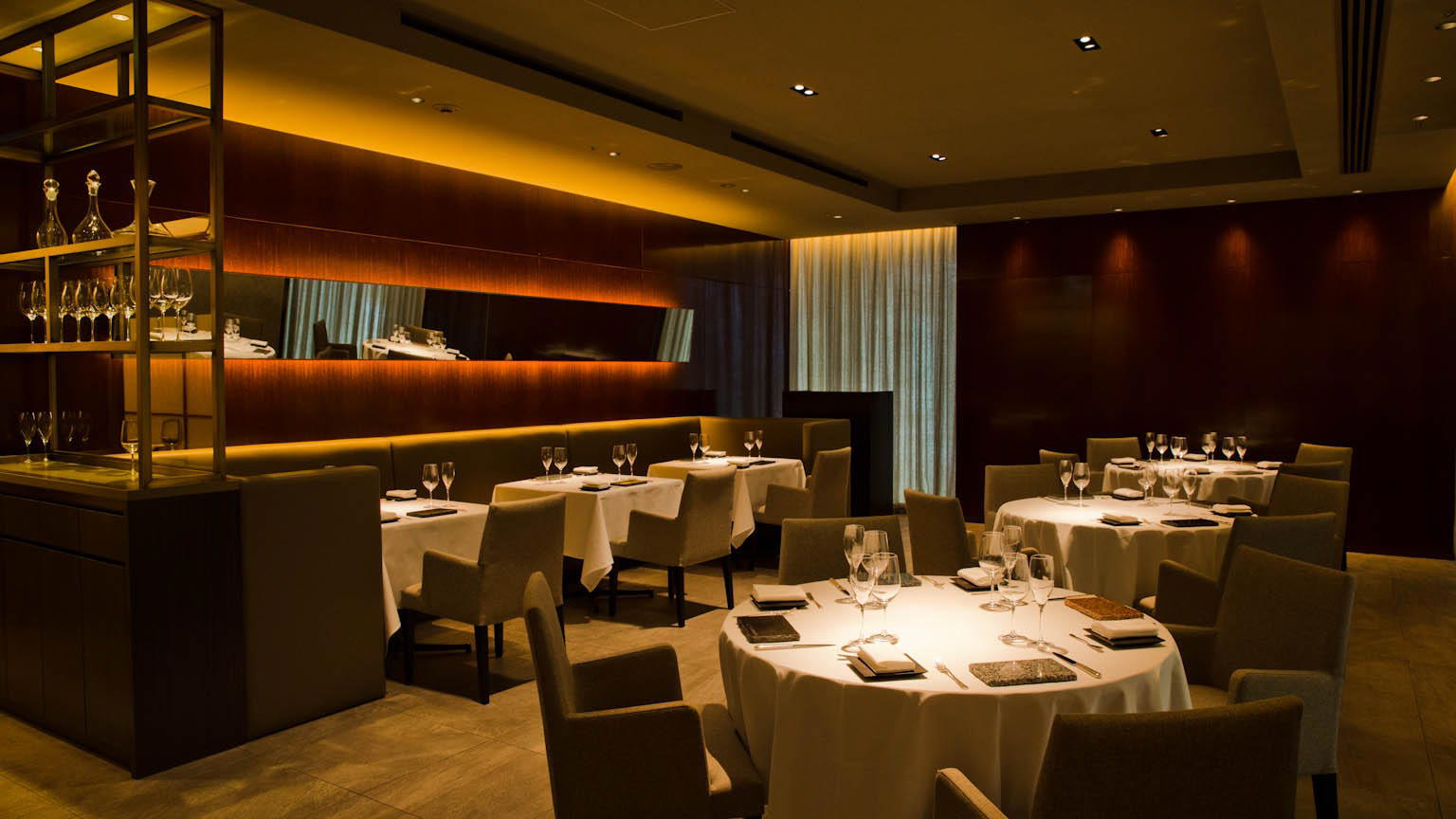
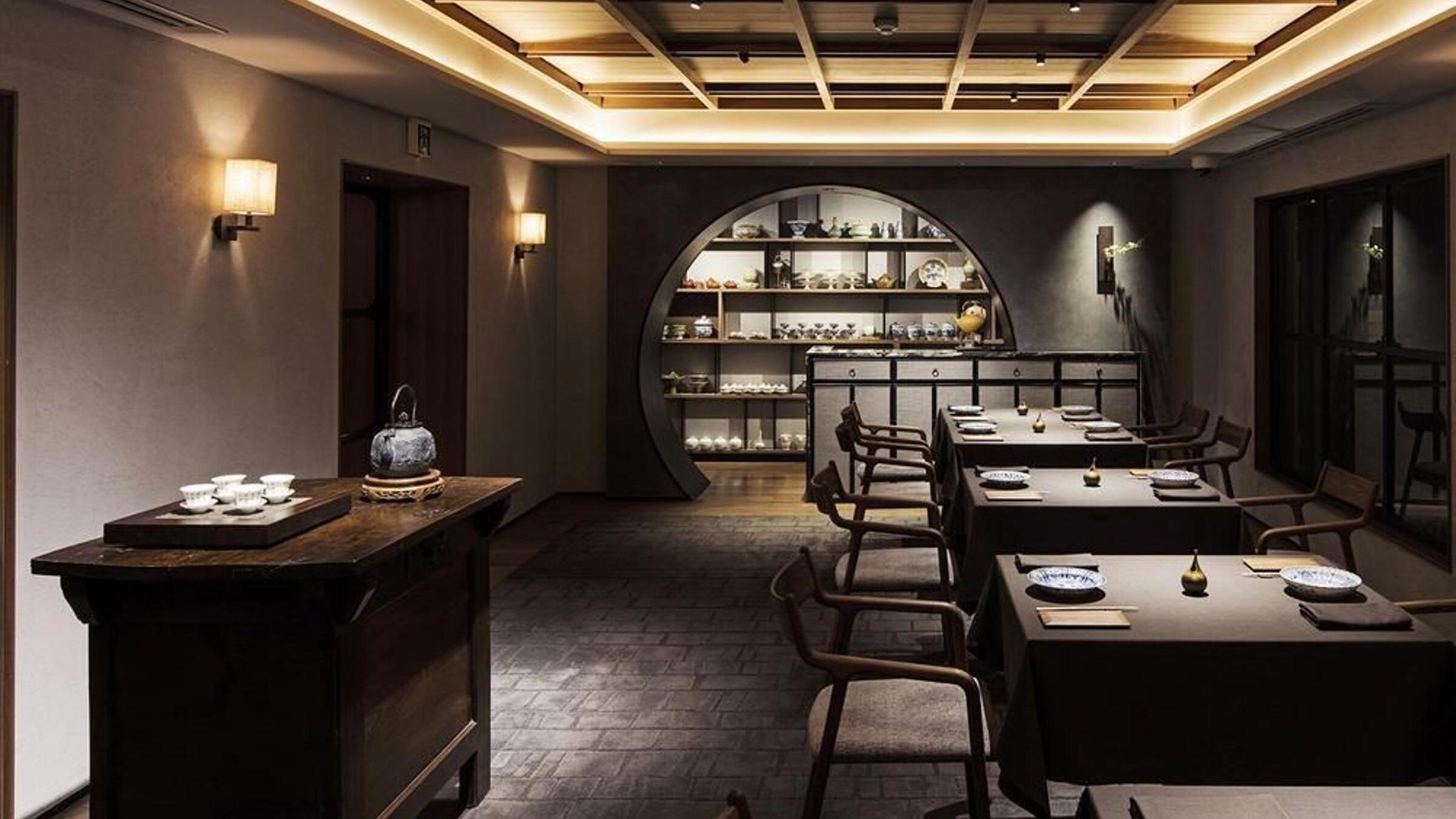
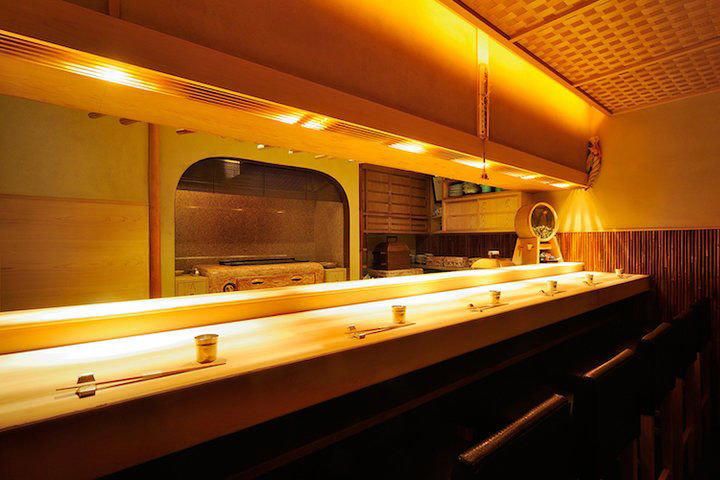
The room reinforces that reading. A 45-seat layout, including counter and table seating, suits varied use: solo noodle meals, small groups, and family dinners can coexist. Private rooms are not offered, while private use is listed, suggesting a flexible local restaurant rather than a hushed special-occasion chamber. Non-smoking status also matters in this category, making the cooking more accessible to families and travellers who might avoid older-style Chinese rooms.
Drinks tell another part of the story. Sake, shochu, and wine alongside Sichuan-Chinese cooking is a Japanese signal, not a generic Chinese restaurant marker. It places the meal within local drinking habits: shochu for heat, sake for savoury dishes, wine for groups stretching the table beyond noodles. That mix is common in Japan’s better casual dining rooms, where cuisine origin and drinking culture need not match neatly.
There is also a relocation note, from Higashida-cho to Miyamotocho. For Kawasaki diners, such a move tests neighbourhood loyalty. Continued recognition after the move is the stronger point: the cooking, not merely the old location, carries the reputation.
How to place it in a Kawasaki eating itinerary
The restaurant is most useful for travellers who want Kawasaki to feel like a dining city, not a transit stop between Tokyo and Yokohama. Compare it not with Ginza luxury Chinese dining, but with the city’s strong affordable restaurants, noodle counters, bakeries, and casual specialists. Pairing this Sichuan-Chinese meal with other Kawasaki addresses gives a sharper picture than chasing one destination dinner.
For a broader Kawasaki plan, compare it with nearby editorial picks such as (Shoku) Vietnam, Belmatine, Boulangerie Metier Pa-ku shiti musashi kosugi za ga-den, Buta Boshi, and C'EST UNE BONNE IDEE!. For city-wide planning, use Our full Kawasaki restaurants guide, with parallel context from Our full Kawasaki hotels guide, Our full Kawasaki bars guide, Our full Kawasaki wineries guide, and Our full Kawasaki experiences guide.
Travellers extending the same food-first approach across Japan and beyond can read it against -Grilled beef Sukiyaki- KAMAKURA TANUKIAN 鎌倉 たぬき庵 in Kamakura. 鮪と炭火焼き うお炭 秋葉原店 in Tokyo.cafe in Osaka.know in Kumamoto, [Curry Senmon Ten] Maruyama Kyoju. in Sapporo, [ki:] in Kyoto, Jōdo Saké Bar in Los Angeles, and Onigiri Time in Pasadena. The through-line is not luxury; it is specificity, the kind of restaurant where a narrow category tells the truth about a city’s appetite.
The editorial case is clear: choose the restaurant for Kawasaki Sichuan-Chinese cooking with repeated regional validation, especially when the plan calls for spice, noodles, and a local room rather than a staged meal. It suits diners who value category depth over ceremony, and travellers who know some of Japan’s more persuasive meals happen just outside the obvious city-centre circuit.
Snapshot
Comparable venues by cuisine and price in the same metro.
| Venue | Cuisine | Price | Notes |
|---|---|---|---|
| Matsu no KiThis venue — the venue you are viewing | Traditional Sichuan Chinese with signature tantanmen | $$ | Not listed |
| FUJIMORI Saginuma ten | Japanese Bakery Café | $$ | Saginuma |
| Lilien Berg | Dessert Shop / European-Style Bakery Cafe | $$ | Asao-ku |
| Tea House Mayur Miyazakidai ten | Tea house & kakigori cafe | $$ | Miyazakidai |
| Yakiniku Horumon Beef Boss | Omakase Wagyu & Horumon Yakiniku | $$$ | Kawasaki-ku |
| Kerala Kitchen | Authentic South Indian / Kerala cuisine | $$ | Nakahara-ku (Musashi-Kosugi / Shin-Maruko) |
Recognition history
Dated appearances from independent guides and award organizations, with the underlying list record or original source where available.
Tabelog 100 #70 · No. 70
Tabelog · Tabelog 100 - Chinese cuisine - EAST - 2026









At a Glance
- Cozy
- Lively
- Family
- Group Dining
- Casual Hangout
- After Work
- Solo
- Standalone
- Beer Program
Current opening hours
- Monday
- Closed
- Tuesday
- Closed
- Wednesday
- 11:30 AM–2 PM, 5–9 PM
- Thursday
- 11:30 AM–2 PM, 5–9 PM
- Friday
- 11:30 AM–2 PM, 5–9 PM
- Saturday
- 11:30 AM–2 PM, 5–9 PM
- Sunday
- 11:30 AM–2 PM, 5–9 PM
Hours can change for holidays and private events. Last verified .
Casual neighborhood Chinese/Sichuan restaurant with a relaxed, non-smoking, cozy dining room of counter and table seating, often busy with families and friends enjoying hearty, spicy food.