On Postkamp in central Hanover, Curry Culum positions itself within the city's mid-range dining scene as a destination for spice-forward cooking at a time when German diners are growing more demanding about ingredient provenance. The address places it squarely in the inner city, accessible from the main retail and cultural corridor. For a Hanover meal that moves beyond the city's French and modern European anchors, it represents a distinct point on the map.
Pearl is the En Primeur Club membership app — saves, bookings, and concierge access live there. Same editors, same standards.
- Address
- Postkamp 18, 30159 Hannover, Germany
- Phone
- +4951147399361
- Website
- curryculum.de
- Directions
- Get directions
 Saves & bookings on Pearl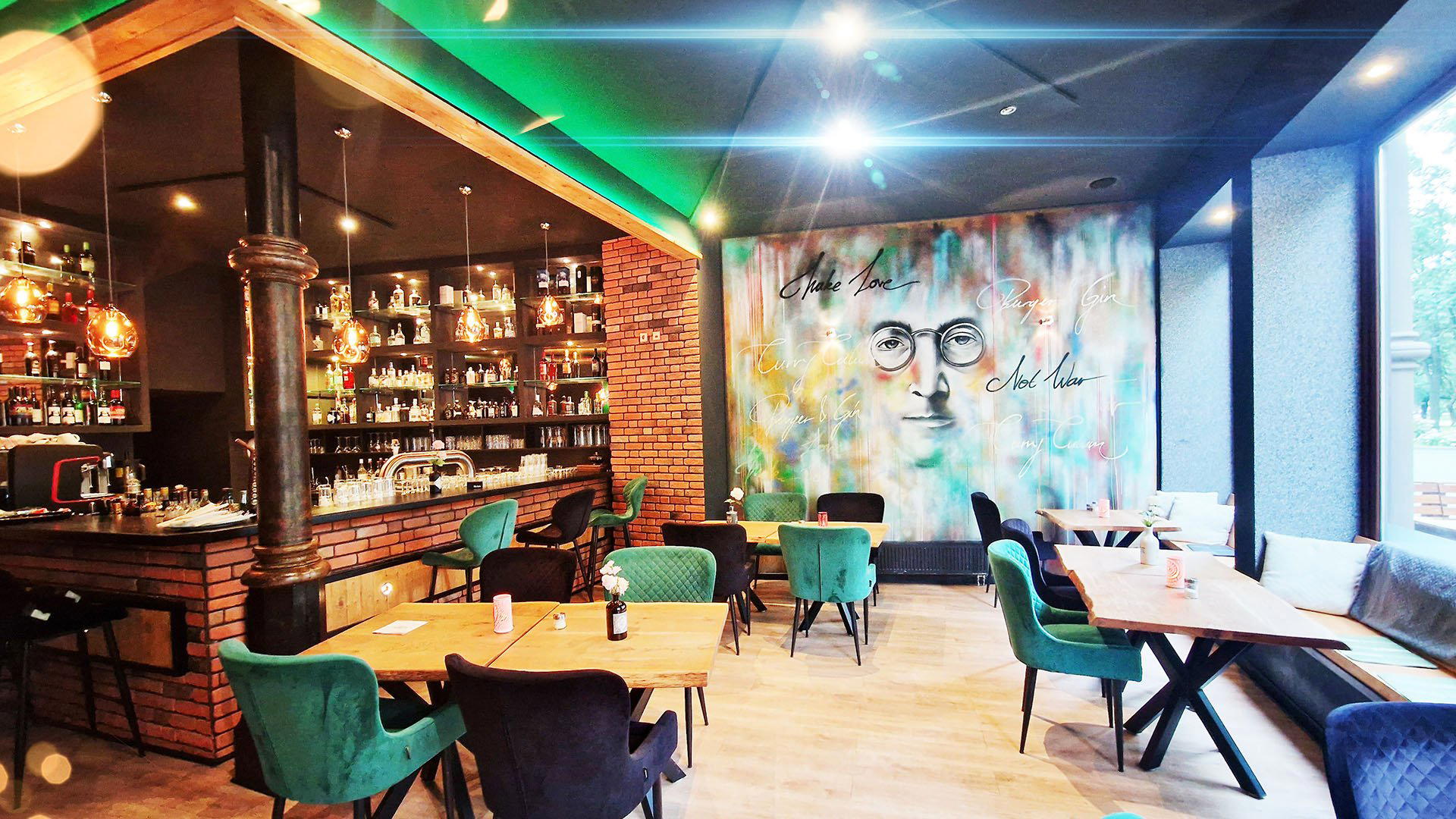
Spice, Sourcing, and the Hanover Appetite for Something Different
Postkamp cuts through the commercial heart of Hanover's Mitte district, a street where office workers, shoppers, and city residents converge at midday and again in the early evening. It is a central Hanover address suited to casual, walk-in-friendly dining. Jante and Votum, Hanover's most discussed creative kitchens, operate in quieter pockets of the city where the room itself signals intent. A curry house on a busy central street operates by different logic entirely: it competes on immediacy, on aroma that reaches the pavement, on the kind of cooking that makes a case for itself before you sit down.
Curry Culum sits at Postkamp 18, inside that busier, more democratic layer of Hanover's food offer. Hanover's dining map has grown more varied over the past decade. At the leading, tasting-menu formats at addresses like Jante and Votum court guests willing to commit an entire evening and a significant sum. One tier down, Handwerk and Marie hold the modern European and French positions at the €€€ level. What the city's central streets offer in parallel is a wider, less curated range of casual dining, and within that range, the question of ingredient quality and sourcing is increasingly what separates the places worth returning to from those that simply fill a gap.
The Case for Provenance in Spice-Driven Cooking
Across Germany's mid-tier dining scene, one of the more significant shifts of the last several years has been the adoption of sourcing language, once reserved for fine dining, into casual and ethnic kitchens. The conversation about where spices come from, how ground pastes are made, and whether curry bases are built from pre-mixed powders or from whole ingredients processed in-house has moved from specialist food media into mainstream consumer awareness. Diners who have eaten through the spice-forward restaurants of cities like London, Amsterdam, or Berlin arrive in Hanover with calibrated expectations.
That context matters when thinking about what a venue on Postkamp needs to deliver to hold its ground. German cities outside the major four have traditionally been slower to develop the kind of competitive, ingredient-conscious casual dining that cities like Hamburg or Munich sustain. Restaurant Haerlin in Hamburg and JAN in Munich anchor their respective cities at the fine dining level, but the casual tier beneath them has grown more demanding too, and Hanover is no exception. The city's population, swelled by students from Leibniz University and working professionals in the insurance and trade fair sectors, has broadened the appetite for cooking that goes beyond the roast and the schnitzel.
What Central Hanover Dining Looks Like at Street Level
The Postkamp address gives Curry Culum a footfall advantage that more boutique restaurants have to work against. Venues in pedestrian-heavy corridors of German city centres serve a different function from destination restaurants: they absorb the lunch rush, the post-shopping meal, the spontaneous decision made while walking past. For this format to sustain repeat business rather than simply turnover, the food has to give people a reason to choose it deliberately the second time. That is where sourcing and technique become the competitive variable.
In spice-driven kitchens specifically, the gap between a kitchen using pre-prepared bases and one building its flavour from whole spices, fresh aromatics, and ground-to-order pastes is legible on the plate. Ghee clarified in-house reads differently from vegetable oil. A curry built on a slow-reduced stock behaves differently from one built on water. These are not refinements visible on a menu description, but they are differences experienced by anyone who has eaten widely in this category. For a venue operating in a competitive city-centre location, they are the details that earn the return visit and eventually the recommendation.
Hanover's broader dining scene, tracked across our editorial coverage from Albertz. to the tasting menu tier, has been moving in a direction that rewards that kind of kitchen discipline.
Germany's Curry Culture in European Context
Germany has a longer relationship with curry as a popular food format than many visitors expect. The currywurst tradition is deeply embedded in Berlin and across the north, but that is a different proposition entirely from subcontinental-style curry cooking, which has grown in German cities alongside immigration from South and Southeast Asia and alongside the spread of food culture through travel and media. The result, in cities like Hanover, is a category that ranges from takeaway operations with no culinary ambition to kitchens that take spice sourcing and technique as seriously as any European fine dining kitchen would take its protein or produce.
For comparison, some of Germany's most technically rigorous kitchens, places like Schwarzwaldstube in Baiersbronn, Aqua in Wolfsburg, or Vendôme in Bergisch Gladbach, operate at a level of ingredient specificity that has shaped what German diners recognise as quality across all categories. That standard has consequences for casual dining too. A diner who has eaten at ES:SENZ in Grassau or Waldhotel Sonnora in Dreis does not suddenly lower their expectations for ingredient quality when they sit down to a weekday curry.
Planning a Visit
Curry Culum is at Postkamp 18 in central Hanover, within direct reach of the main S-Bahn and U-Bahn network that serves Hannover Hauptbahnhof, a few minutes' walk away. For visitors arriving by rail, the central location makes a meal here practical before or after travel. The restaurant is recommended for reservations and follows these hours: Mon: Closed; Tue: 5–11 PM; Wed: 5–11 PM; Thu: 5–11 PM; Fri: 5–11 PM; Sat: 5–11 PM; Sun: Closed. The Postkamp address places the restaurant in proximity to the Kröpcke junction and the city's main shopping streets, which means parking options are limited and public transport or walking is the more practical approach.
For visitors building a wider Hanover itinerary, the contrast between a meal here and an evening at the tasting-menu tier, whether at Jante or one of its peers, gives a useful cross-section of what the city's dining range currently looks like. Beyond Germany, the sourcing-first approach to spice-driven cooking that defines the better operators in this category is a conversation also being had at venues like Le Bernardin in New York City and, in a different register, Lazy Bear in San Francisco, both of which treat provenance as the editorial foundation of everything on the plate. The logic is the same whether the kitchen is working with Burgundy butter or Keralan coconut.
Peers You’d Cross-Shop
Comparable venues nearby, for context on price, style, and recognition.
| Venue | Cuisine | Price | Notes |
|---|---|---|---|
| Curry CulumThis venue — the venue you are viewing | Modern American Burgers & Gin | $$ | Not listed |
| Damn Dog | Hot Dog Street Food | $$ | Hanover |
| Drip Burger | American Smash Burgers | $$ | Hannover Mitte |
| BESTIA Vera Pizza Napoletana | AVPN-Certified Vera Pizza Napoletana | $$ | Osterstrasse |
| My Mem | Vietnamese and Japanese | $$ | 30449 |
| zurück zum glück | Organic Café with Breakfast and Bowls | $$ | Zoo-Viertel |
Continue exploring
More in Hanover
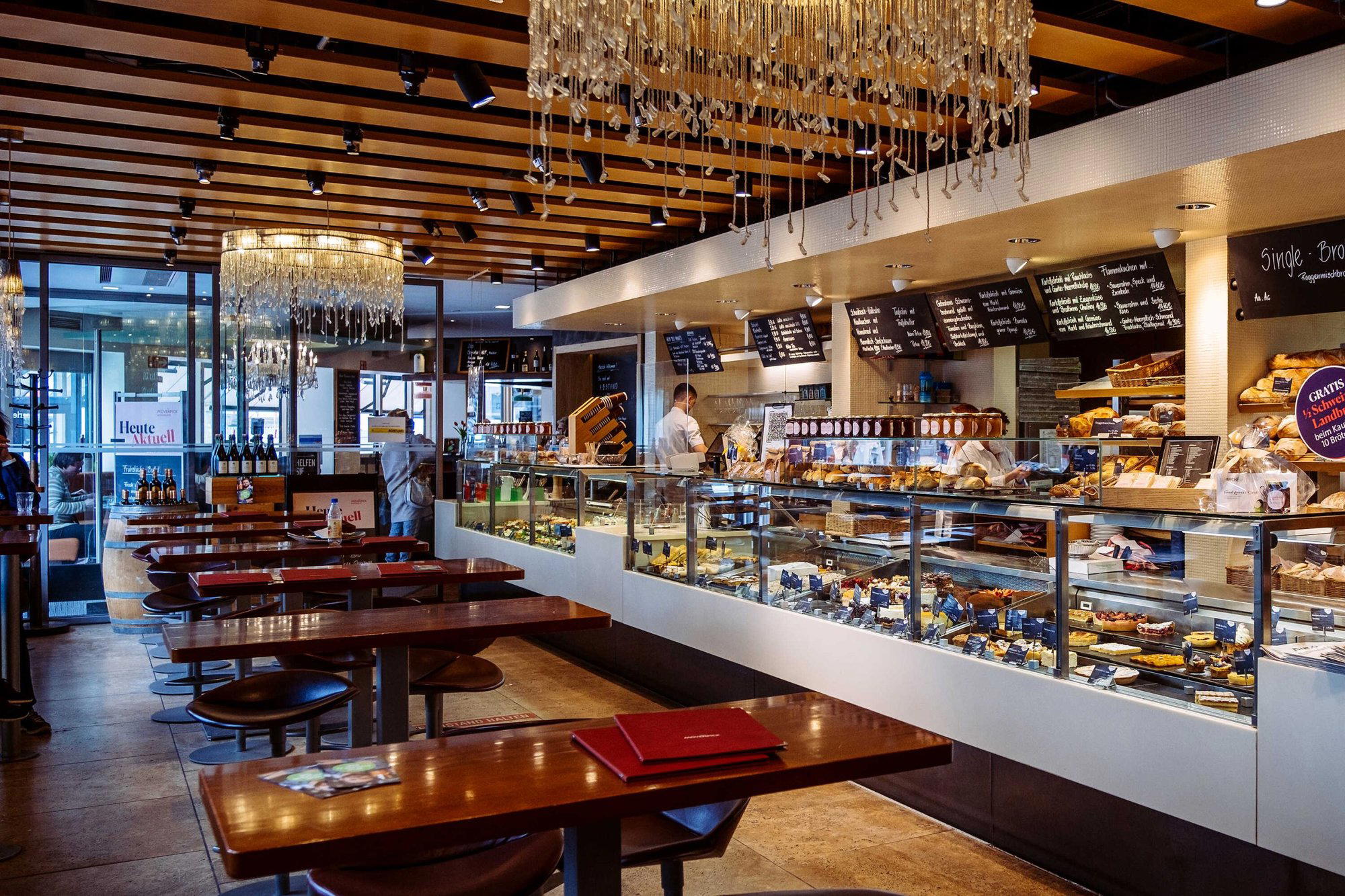
Restaurants in Hanover
Browse all →
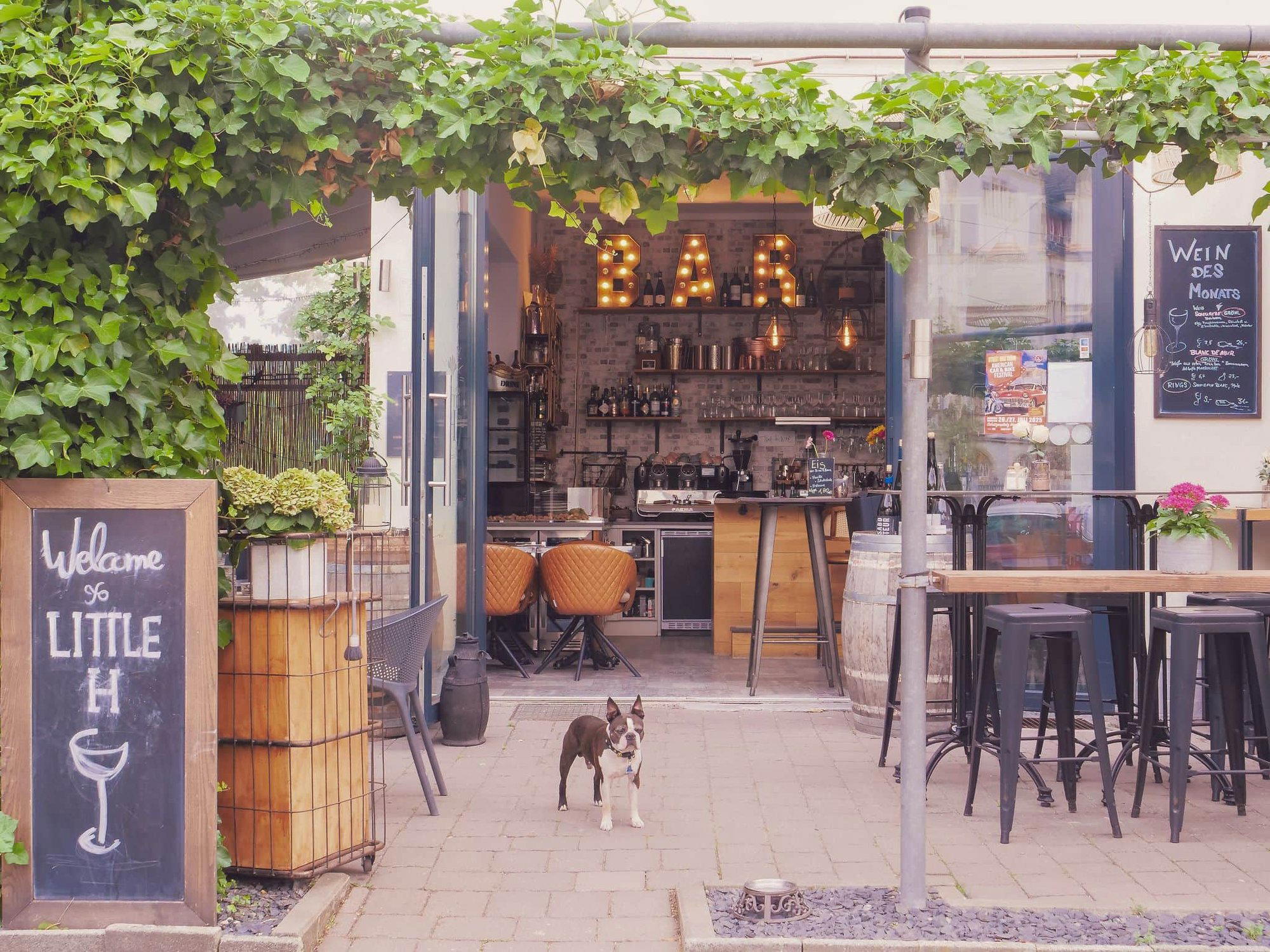
Bars in Hanover
Browse all →

Hotels in Hanover
Browse all →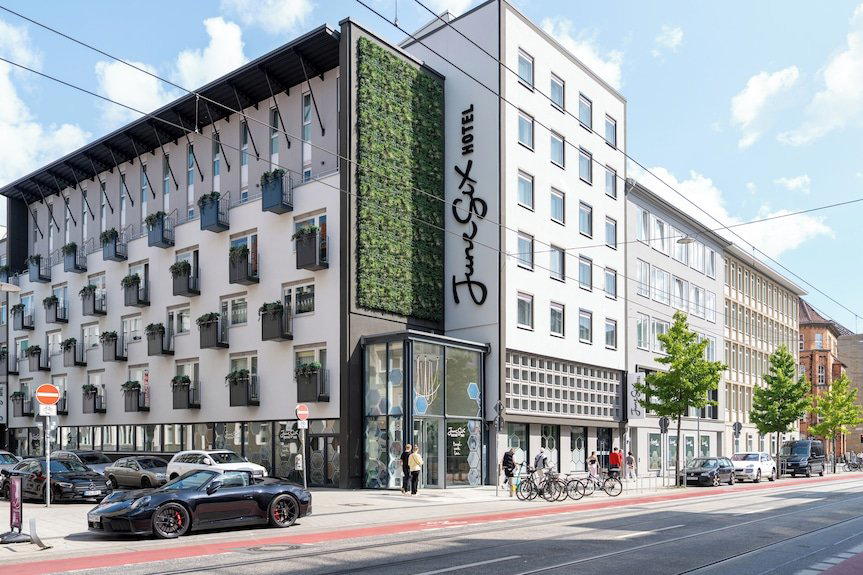


At a Glance
- Trendy
- Modern
- Lively
- Casual Hangout
- Late Night
- Open Kitchen
- Craft Cocktails
Current opening hours
- Monday
- Closed
- Tuesday
- 5–11 PM
- Wednesday
- 5–11 PM
- Thursday
- 5–11 PM
- Friday
- 5–11 PM
- Saturday
- 5–11 PM
- Sunday
- Closed
Hours can change for holidays and private events. Last verified .
Tastefully decorated modern space that feels immediately welcoming and at ease.