On Osterstraße in central Hanover, BESTIA Vera Pizza Napoletana brings the Neapolitan tradition to a city better known for its modern fine-dining circuit. The format is disciplined and specific: wood-fired dough, southern Italian technique, and a room that signals intent through its materials and noise level rather than white-tablecloth formality. It occupies a distinct position in Hanover's dining mix, where tasting-menu restaurants dominate the conversation.
Pearl is the En Primeur Club membership app — saves, bookings, and concierge access live there. Same editors, same standards.
- Address
- Osterstraße 27, 30159 Hannover, Germany
- Phone
- +4951141088730
- Website
- bestia.pizza
- Directions
- Get directions
 Saves & bookings on Pearl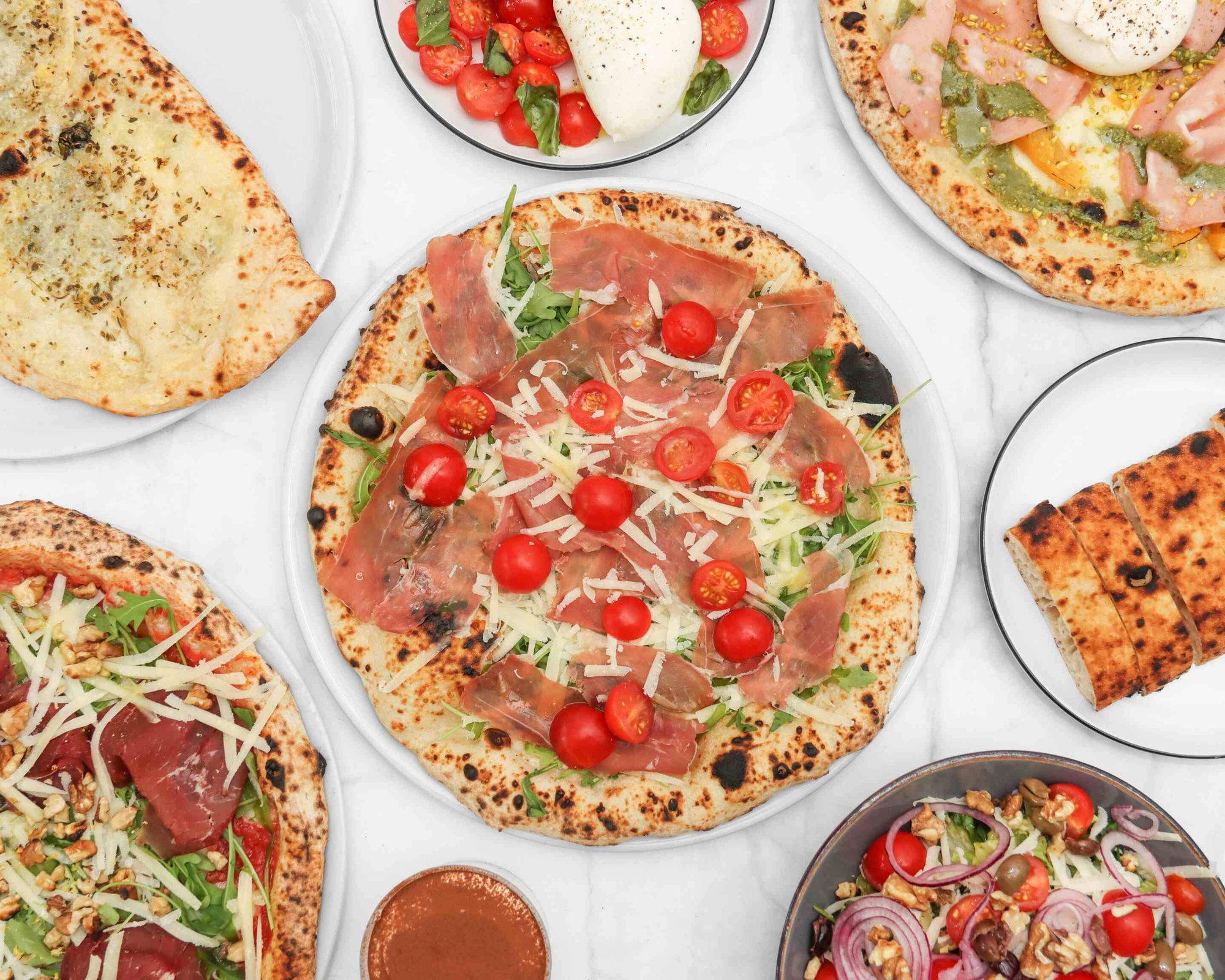
Pizza Napoletana in a Fine-Dining City
Hanover's restaurant conversation tends to orbit its tasting-menu establishments. Venues like Jante and Votum set the creative tone at the leading end, while Handwerk and Marie anchor the middle tier of modern European cooking. Against that backdrop, a dedicated Neapolitan pizza address on Osterstraße reads as a deliberate counter-programme: a room built around a specific craft tradition rather than a chef-driven concept or a seasonal tasting format. That specificity is, in itself, a statement of intent.
Vera pizza napoletana as a category operates under rules that have been codified for decades. The dough ferments long and slow. The oven burns wood or gas at temperatures above 400 degrees Celsius. The cornicione blisters and chars in under ninety seconds. The result is a product that depends almost entirely on process discipline rather than tableside theatre. When a venue names itself after that tradition, using the full phrase Vera Pizza Napoletana, it is aligning with a set of standards that are more demanding, not less, than the open-ended creativity of a modern tasting menu.
What the Room Tells You Before the Food Arrives
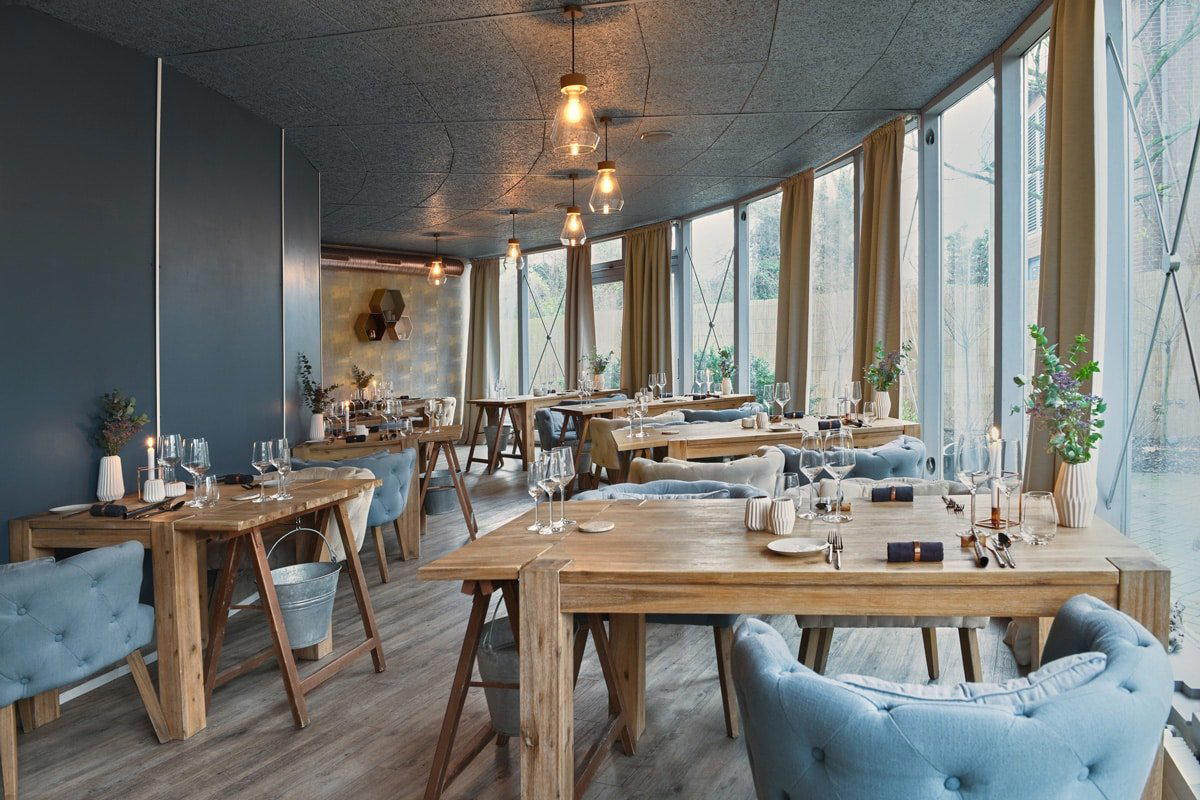
Osterstraße is one of central Hanover's main pedestrian arteries, a stretch that mixes retail, cafés, and casual dining in the kind of high-footfall urban corridor common to mid-size German cities. The address at number 27 places BESTIA within easy reach of the Kröpcke intersection and the central station catchment, which means the room draws from a broad demographic rather than a destination-dining clientele who have planned weeks ahead. The atmosphere that results tends toward animated and informal rather than hushed and ceremonial, the acoustic signature of a pizza counter rather than a fine-dining salon.
That informality is not incidental. Neapolitan pizza culture in Naples itself is loud, fast, and democratic. The tradition does not require a reservation weeks in advance or a dress code. What it does require is a kitchen that takes the product seriously enough to resist the shortcuts that volume-focused operations often introduce: pre-proofed dough, conveyor ovens, toppings assembled from ambient-temperature ingredients. The room at BESTIA communicates, through its materials and its energy, which side of that divide it intends to occupy.
The Craft Tradition Behind the Name
Neapolitan pizza has one of the more thoroughly documented lineages in European food culture. The Associazione Verace Pizza Napoletana, founded in Naples in 1984, codified the production method and has spent four decades certifying pizzerias globally. The designation matters because it separates producers who follow the traditional process from the much larger category of venues that use the word Neapolitan loosely. Flour type, hydration level, fermentation time, oven temperature, and topping weight all fall within the specification. San Marzano tomatoes and fior di latte or buffalo mozzarella are the reference points for the Margherita, the dish against which every vera pizza napoletana operation is ultimately judged.
Germany has developed a credible Neapolitan pizza scene over the past decade, particularly in cities with large Italian-heritage communities and in metropolitan centres where food culture has grown more specific and demanding. Hanover sits within a region, Lower Saxony, where the broader fine-dining tradition is well-represented: Aqua in Wolfsburg holds three Michelin stars roughly an hour's drive west, and the high-end dining culture of the region is further reinforced by addresses like Schwarzwaldstube in Baiersbronn and Vendôme in Bergisch Gladbach in the wider German context. Within that environment, a serious pizza address serves a different function: it answers the question of where to eat well without committing to a three-hour tasting format.
Where BESTIA Sits in Hanover's Dining Spectrum
Hanover's dining spectrum runs from the creative-tasting tier through modern European mid-range to casual international. Albertz. represents the more relaxed end of the local conversation. BESTIA operates outside the tasting-menu logic entirely, which places it in a small cohort of Hanover addresses defined by craft specificity rather than format ambition. The comparison is less with Jante or Handwerk and more with what serious pizza culture looks like when it is practised at a consistently high process level in a city whose dining identity is otherwise built around European technique. For context on how this category is developing across Germany, venues like JAN in Munich illustrate how craft-focused formats can anchor themselves alongside fine-dining neighbours without competing on the same terms.
The practical reality for visitors to Hanover is that the city rewards a mixed itinerary. An evening at a tasting-menu address, a lunch at a craft-specific venue, and a visit to the Herrenhäuser Gärten compose a day that reflects the city's actual character more accurately than any single category alone. BESTIA on Osterstraße functions well as the more casual anchor in that kind of programme, a place where the product quality is serious without requiring the planning infrastructure of a reservation-heavy fine-dining booking.
For readers tracking Germany's broader restaurant scene, the range is considerable: from CODA Dessert Dining in Berlin and ES:SENZ in Grassau to Schanz in Piesport, Waldhotel Sonnora in Dreis, and Victor's Fine Dining by Christian Bau in Perl. Internationally, the craft-over-format philosophy that underpins serious Neapolitan pizza has parallels in venues like Le Bernardin in New York City and Lazy Bear in San Francisco, where the commitment to a specific method is as defining as any individual dish. Our full Hanover restaurants guide maps the city's full dining range for readers planning a longer visit. And for Hamburg context to the north, Restaurant Haerlin represents the formal fine-dining benchmark of that city's scene.
Planning Your Visit
Peers You’d Cross-Shop
Comparable venues nearby, for context on price, style, and recognition.
| Venue | Cuisine | Price | Notes |
|---|---|---|---|
| BESTIA Vera Pizza NapoletanaThis venue — the venue you are viewing | AVPN-Certified Vera Pizza Napoletana | $$ | Not listed |
| Botticelli Ristorante | Authentic Italian | $$$ | List |
| Ombra | Italian Bistro & Pizzeria with Sourdough | $$ | Limmerstraße |
| Damaskus | Traditional Syrian | $$ | Hanover |
| Vegan Village | Vegan Asian Street Food | $$ | Calenberger Neustadt |
| Cham | Polished Vegan Vietnamese-Asian | $$ | List / Oststadt |
Continue exploring
More in Hanover
Restaurants in Hanover
Browse all →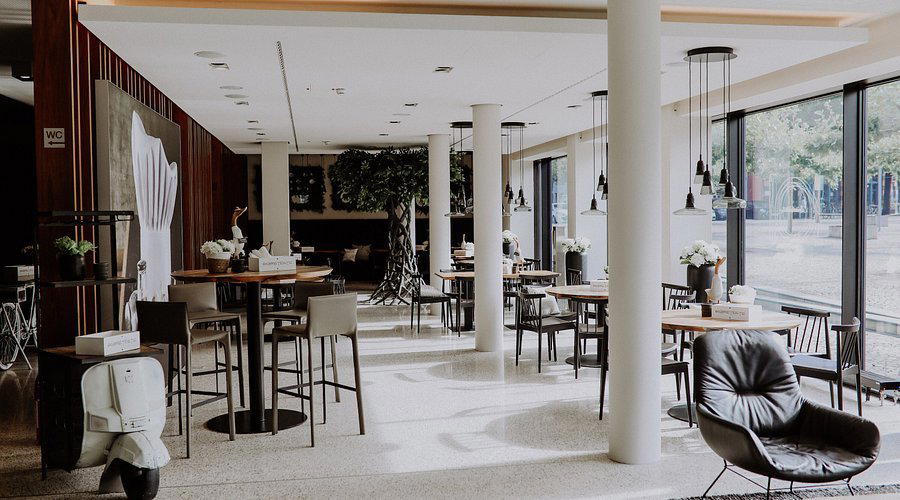
Bars in Hanover
Browse all →

Hotels in Hanover
Browse all →


At a Glance
- Cozy
- Trendy
- Rustic
- Casual Hangout
- Date Night
- Open Kitchen
Current opening hours
- Monday
- 11:30 AM–10 PM
- Tuesday
- 11:30 AM–10 PM
- Wednesday
- 11:30 AM–10 PM
- Thursday
- 11:30 AM–10 PM
- Friday
- 11:30 AM–11 PM
- Saturday
- 11:30 AM–11 PM
- Sunday
- 11:30 AM–10 PM
Hours can change for holidays and private events. Last verified .
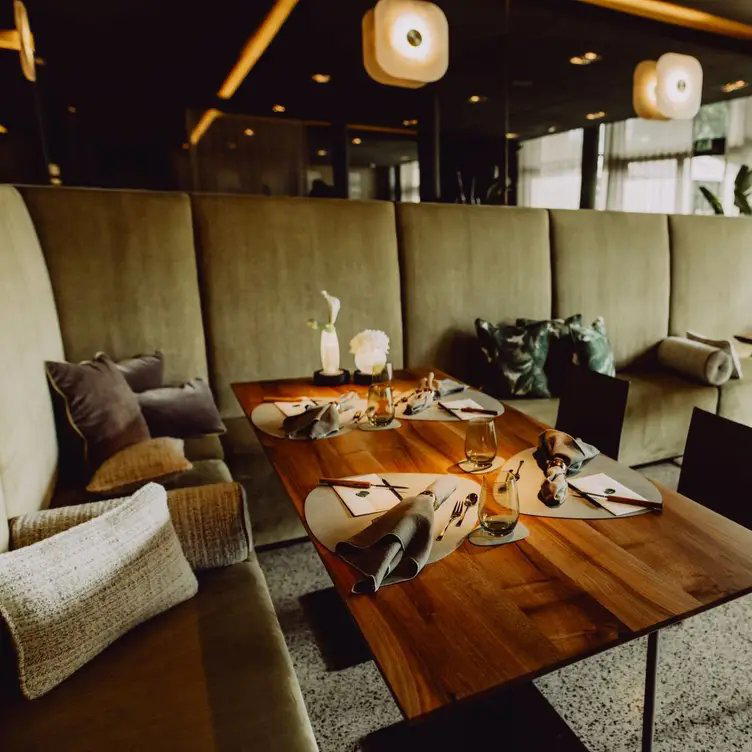
Cozy and charming atmosphere with an energetic buzz, featuring a modern yet rustic setting ideal for casual Italian dining.