
CUCINA places Italian cooking inside Ogaki’s smaller, ingredient-driven dining scene rather than the metropolitan tasting-menu circuit. Its Tabelog Italian EAST 100 selection for 2025, fish focus, sommelier service, and compact 18-seat format make it a serious table for travelers who want Gifu context without defaulting to Nagoya or Kyoto.
Pearl is the En Primeur Club membership app — saves, bookings, and concierge access live there. Same editors, same standards.
- Address
- 1 Chome-48-1 Kuruwamachi, Ogaki, Gifu 503-0887, Japan
- Phone
- +81 584-83-1030
- Website
- cucinainc.jp
- Directions
- Get directions
 Saves & bookings on Pearl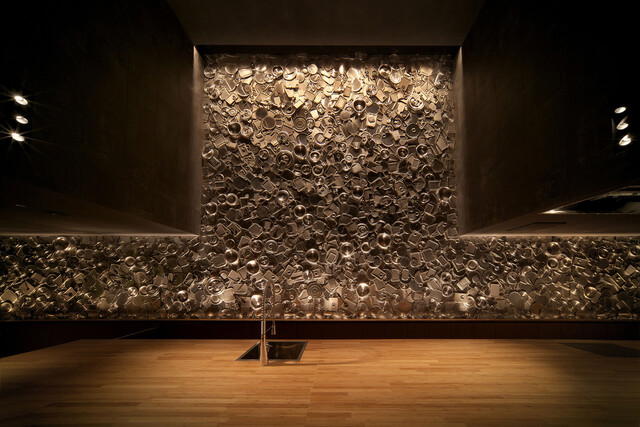
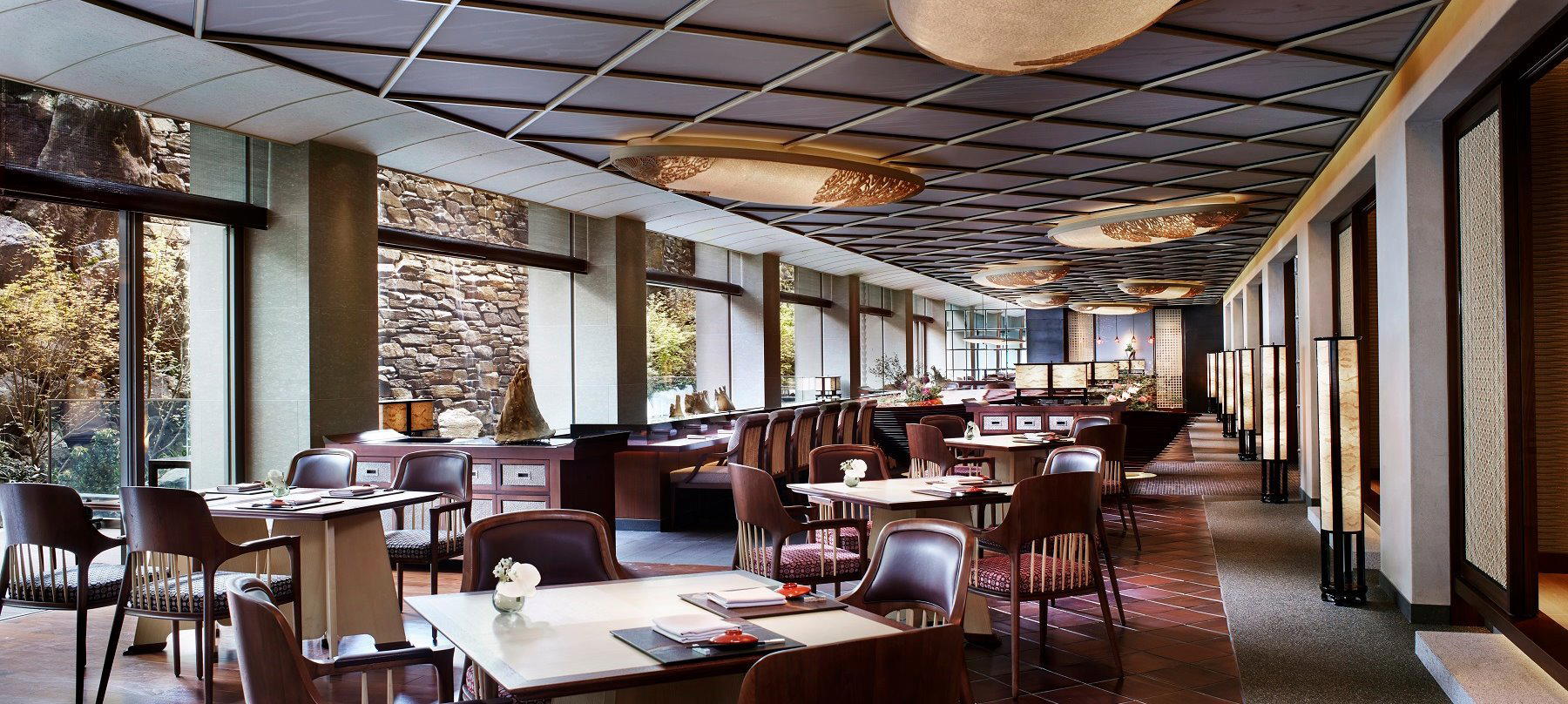
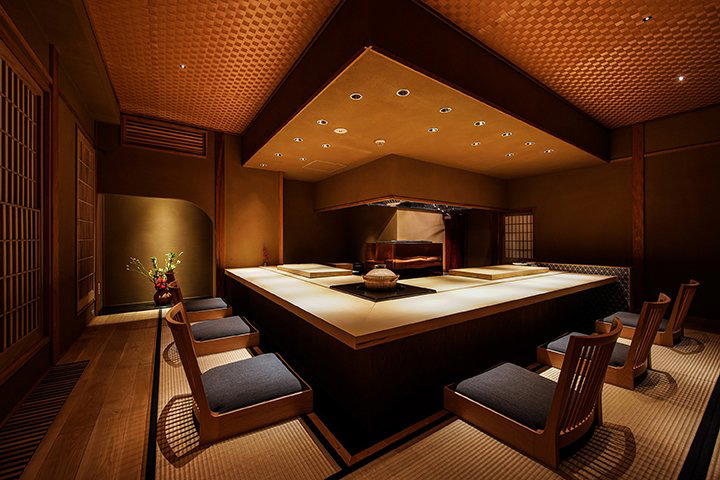
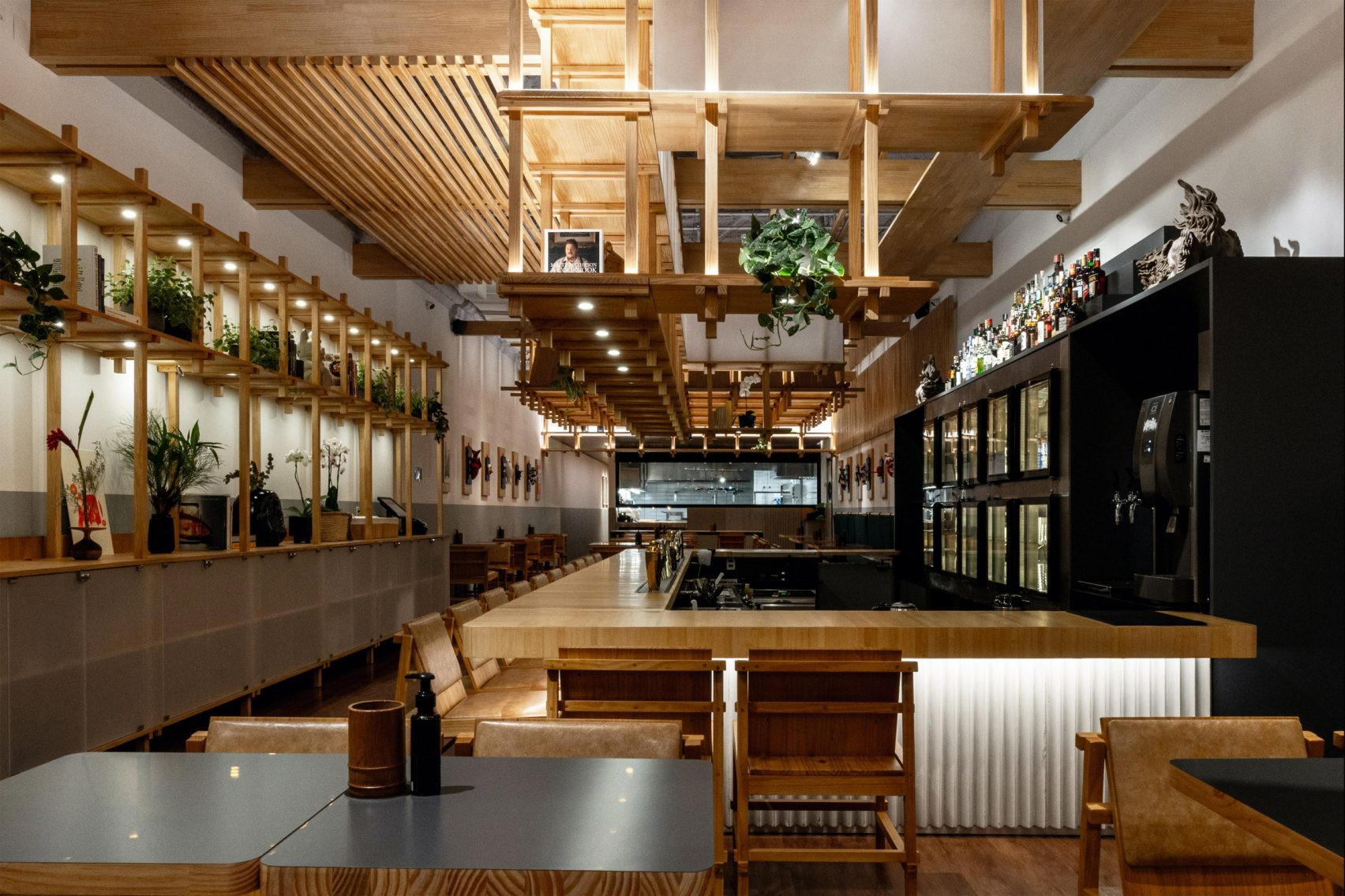
Approach Ogaki’s castle-side streets and the dining rhythm changes: fewer grand entrances, fewer hotel-lobby dining rooms, more compact restaurants built around regulars, produce routes, and the confidence to cook without metropolitan theatre. In that setting, CUCINA reads less as an imported Italian idea than as a local argument for Italian technique shaped by Gifu’s ingredients and Japan’s season-led kitchen culture. The room’s counter seating matters because this category depends on timing, temperature, and pacing rather than scale.
Ogaki is not a city where luxury dining announces itself loudly. Its stronger food identity sits in smaller addresses, family-run shops, and specialist formats. For a visitor mapping the city, Our full Ogaki restaurants guide gives the wider frame: confectionery, sushi, casual meals, and a narrow band of higher-spend restaurants all operate within a compact urban field. That makes an Italian table with national recognition more consequential than it would be in Tokyo, where another award listing can disappear into the crowd.
Italian technique filtered through Gifu's ingredient logic
Japan’s serious Italian restaurants have moved far beyond imitation. The sharper examples treat pasta, seafood, wine, and regional produce as tools for local expression, not as props for a Tuscan postcard. Here, the important signal is not simply the Italian label; it is the stated attention to fish, the drinks program that includes wine alongside sake and shochu, and the presence of sommelier service. That combination places the meal in a Japanese-Italian lane where seafood and pairing choices do much of the work.
Gifu’s geography helps explain the appeal. The prefecture is inland, mountainous, and agriculturally varied, with dining traditions that often reward seasonality, preservation, river fish, vegetables, and careful sourcing. Italian cooking adapts well to that logic because it can absorb local product without losing structure. The stronger version is not fusion for novelty; it is a disciplined kitchen using Italian grammar to make local ingredients read clearly.
The Tabelog Italian EAST 100 selection in 2025 gives the restaurant a public trust signal, but the more useful editorial point is competitive placement. EAST covers a broad region beyond the obvious urban centers, so inclusion puts a small Ogaki dining room into a conversation with restaurants operating in larger markets and heavier-spend districts. A Tabelog score of 3.85 reinforces that this is not just a neighborhood favorite performing for locals; it has enough recognition to matter to travelers building a Gifu dining itinerary.
That same itinerary should not treat Italian as the only lens on Ogaki. The city’s appeal comes from contrast. Mochi So and Kinchoen Sohonke Oogaki ekimae honten point toward the city’s sweets and everyday food culture, while Asahiya sits in a lower-spend bracket. Against those, CUCINA occupies the occasion-dining tier: smaller, more deliberate, and more dependent on product quality and service pacing.
A compact room changes the meal's contract
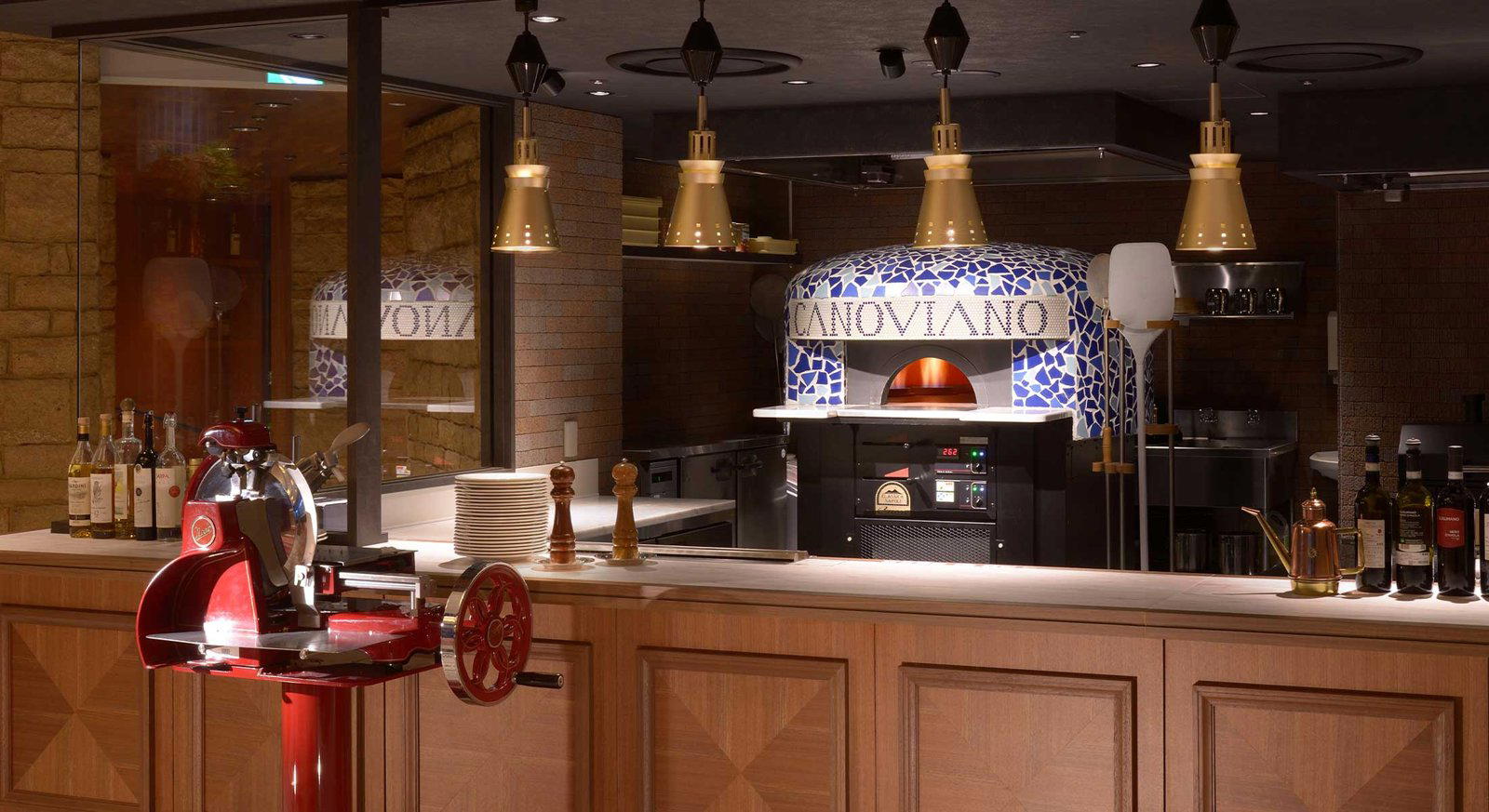
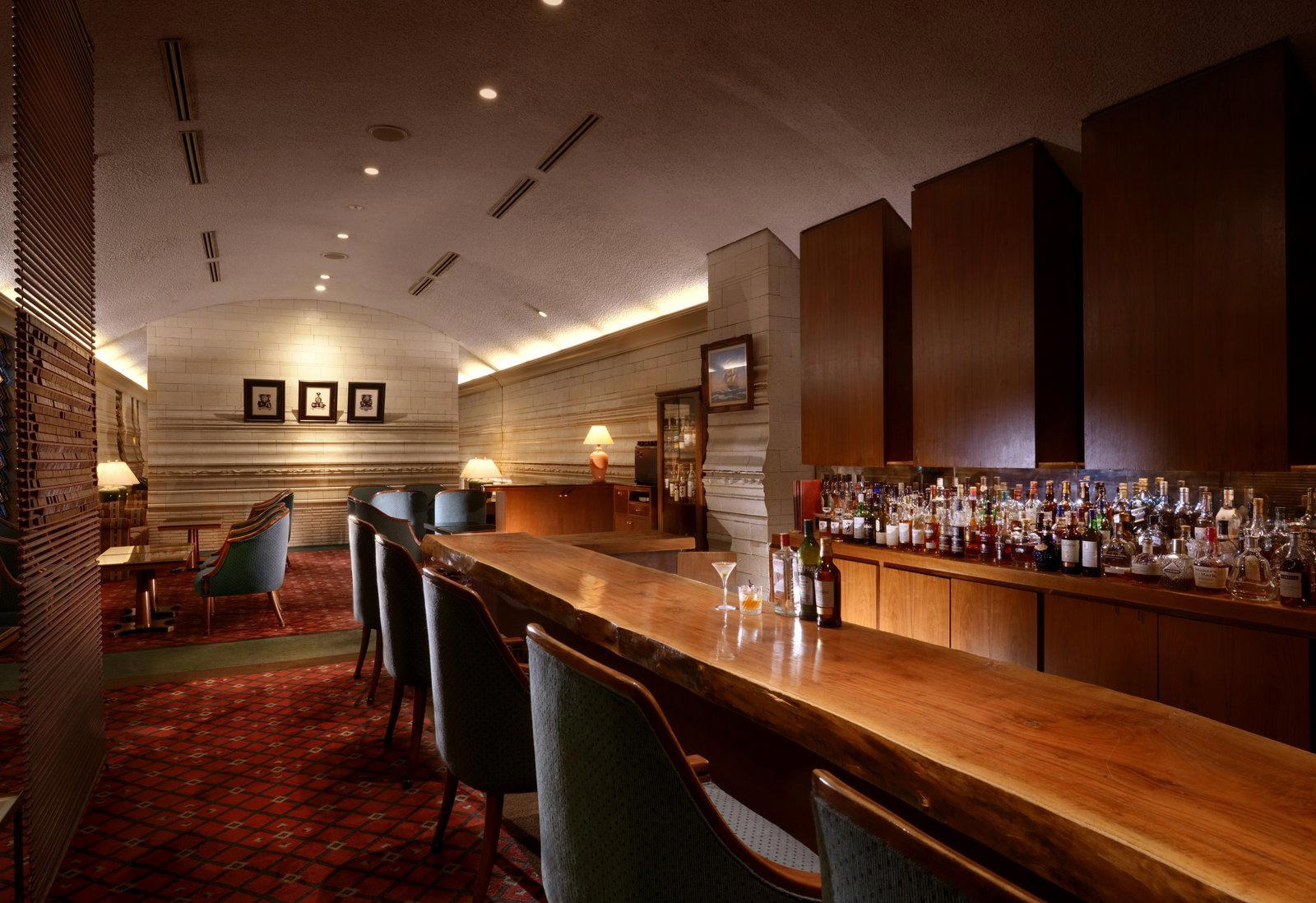
Small-seat restaurants in Japan ask for a different kind of attention. With 18 seats and counter seating in the mix, the experience is closer to a controlled sequence than a loose à la carte evening. That has consequences for the diner: conversation, pacing, and drink choices become part of the structure. It also explains why celebrations, longer meals, and solo dining can coexist in the same room. The format is intimate enough for one guest to follow the kitchen, but not so severe that families are excluded.
In Ogaki, that scale has a practical cultural role. It gives travelers a reason to stay in the city for dinner rather than commute outward for a recognizable name. The comparison is useful: Sushi Matsuoka represents another specialist Japanese format in Ogaki, while A due passi widens the local Italian frame. Read together, they show a city with more range than a transit stop reputation suggests.
The drinks detail is also meaningful. Wine would be expected in this category, but sake and shochu on the same program suggest a table comfortable with Japanese pairing logic rather than a rigid European template. That is often where regional Japanese Italian restaurants become more interesting than their big-city counterparts: they can speak to local drinking habits without diluting the cuisine’s technique.
For travelers extending the Ogaki stay, the dining decision sits alongside a broader city plan. Our full Ogaki hotels guide is the practical companion for overnight logistics, while Our full Ogaki bars guide, Our full Ogaki wineries guide, and Our full Ogaki experiences guide help separate a single dinner stop from a fuller Gifu itinerary.
How to place it within a Japan dining itinerary
The right reader for this restaurant is not chasing scale. The better reason to go is editorial: to understand how regional Japan supports serious Italian cooking outside the usual axis of Tokyo, Osaka, and Kyoto. That perspective changes the value calculation. A meal here says as much about Ogaki’s confidence and sourcing networks as it does about Italian food.
Travelers building a broader Japan food map can compare the decision with other tightly defined formats across the country: -Grilled beef Sukiyaki- KAMAKURA TANUKIAN 鎌倉 たぬき庵 in Kamakura for beef sukiyaki. 鮪と炭火焼き うお炭 秋葉原店 in Tokyo for tuna and charcoal cooking.cafe in Osaka for café culture.know in Kumamoto for a southern city counterpoint, (Shoku) Vietnam in Kawasaki for Vietnamese cooking in Japan, and [Curry Senmon Ten] Maruyama Kyoju. in Sapporo for a specialized curry address. Even outside Japan, the same logic applies to focused formats such as Jōdo Saké Bar in Los Angeles and Onigiri Time in Pasadena: the category matters when the venue uses it to say something precise about place.
CUCINA is strongest as a Gifu dining anchor for travelers who value ingredient sourcing, regional context, and a compact service format over spectacle. Its award recognition supplies the external validation; the more persuasive reason is the city-scale contrast. Ogaki’s everyday food culture sits close by, and this restaurant gives that context a higher-spend, Italian-accented expression without pretending to be a capital-city dining room.
Fast Comparison
Comparable venues by cuisine and price in the same metro.
| Venue | Cuisine | Price | Notes |
|---|---|---|---|
| CUCINA | Modern Italian Fine Dining | $$$ | Ogaki |
| A due passi | Traditional Italian | $$ | Sunomatacho Futatsugi |
| ブランチ ヒロノヤ | French Steakhouse with Hida Beef | $$$ | 本町 |
| 四鳥 | Traditional Japanese Kaiseki | $$$ | Ogaki |
| Kinchoen Sohonke Oogaki ekimae honten | Traditional Japanese wagashi & sweets café | $ | Ogaki |
| Sushi Matsuoka | Traditional aged sushi omakase | $$$ | Minaminokawacho |
Recognition history
Dated appearances from independent guides and award organizations, with the underlying list record or original source where available.
Tabelog 100 #97 · No. 97
Tabelog · Tabelog 100 - Italian - EAST - 2025

At a Glance
- Sophisticated
- Elegant
- Intimate
- Modern
- Date Night
- Celebration
- Special Occasion
- Business Dinner
- Design Destination
- Standalone
Current opening hours
- Monday
- 12:30–2 PM, 6–11 PM
- Tuesday
- 12:30–2:30 PM, 6–11 PM
- Wednesday
- 12:30–2 PM, 6–11 PM
- Thursday
- Closed
- Friday
- 12:30–2 PM, 6–11 PM
- Saturday
- 12:30–2 PM, 6–11 PM
- Sunday
- 12:30–2 PM, 6–11 PM
Hours can change for holidays and private events. Last verified .
The venue is presented as an art-like, quietly tucked-away restaurant with a theatrical, emotionally engaging atmosphere that emphasizes surprise and delight.