
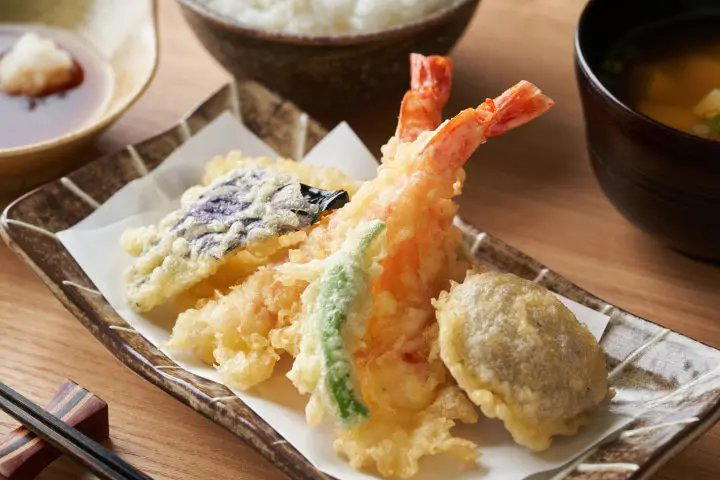
Asahiya is a small Ogaki shokudo listed in Tabelog 100 - Diner - 2026, with cafeteria, udon and ramen categories rather than formal tasting-menu ambitions. Expect a low-cost, local dining format: 22 seats, no private rooms, children welcome, and a cash-only policy with average spend listed at JPY 1,000–1,999.
Pearl is the En Primeur Club membership app — saves, bookings, and concierge access live there. Same editors, same standards.
- Address
- 40 Higashinagacho, Ogaki, Gifu 503-0882, Japan
- Phone
- +81 584-78-4054
- Website
- asahiya-ogaki.com
- Directions
- Get directions
 Saves & bookings on Pearl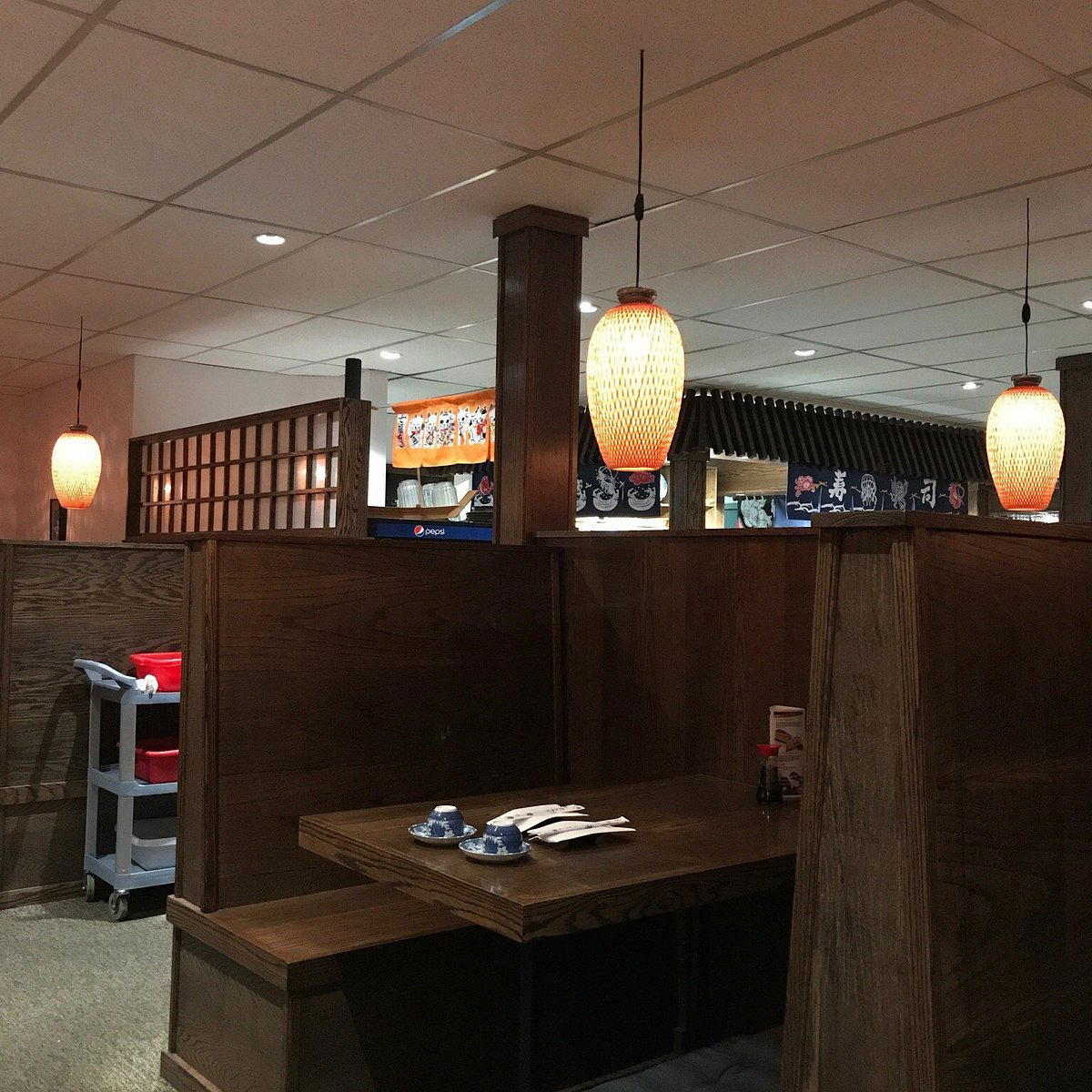
The approach to an old-style Japanese shokudo is rarely theatrical. The signal is quieter: a house restaurant, a short service rhythm, a room built for regular meals rather than ceremony. In Ogaki, that kind of everyday dining has more cultural weight than its modest format suggests. Asahiya belongs to the lineage of local cafeterias where udon, ramen and set-meal logic overlap, and where the value of the table is measured less by rarity than by repeat use.
Japan’s shokudo tradition sits outside the international shorthand for Japanese dining. It is not sushi-counter precision, not kaiseki formality, not the izakaya’s late-night looseness. The shokudo is closer to civic infrastructure: a neighborhood room for noodles, rice, broth, quick lunches, family meals and habitual returns. That makes recognition in Tabelog’s Diner category meaningful. It places a small, practical restaurant type inside a national conversation usually dominated abroad by chef-led counters and luxury dining rooms.
Ogaki's everyday dining culture, seen through noodles and cafeteria food
Ogaki does not need to behave like Tokyo or Kyoto to be interesting. The city’s food map is built through a quieter mix of station-area sweets, local noodle shops, family rooms and a handful of higher-spend restaurants. In that context, Asahiya’s categories, cafeteria, udon and ramen, say more than a polished cuisine label would. This is the mixed grammar of regional Japanese eating: wheat noodles beside soup noodles, casual tables beside tatami seating, a daytime rhythm rather than an evening performance.
The comparison inside Ogaki is useful because it shows how broad the city’s dining spectrum is. CUCINA occupies a much higher spend bracket and speaks to a different kind of occasion. Mochi So and Kinchoen Sohonke Oogaki ekimae honten sit closer to the low-cost, local-use end of the scale, though with different category cues. A due passi and Sushi Matsuoka round out the picture for travelers reading Ogaki by dining style rather than by a single cuisine lane.
That spread matters. In many Japanese cities outside the major inbound circuits, the rewarding meals are not always the ones with the highest spend or the longest menu descriptions. They are the rooms that preserve a local tempo. A diner selected for Tabelog 100 - Diner - 2026, after also appearing in the 2024 selection, carries a particular signal: sustained attention in a category where consistency and public usage matter. It is not the same prestige language as Michelin, and it should not be read that way. It is a different filter, one that suits this kind of restaurant better.
A compact room built for regulars, families and short-format meals
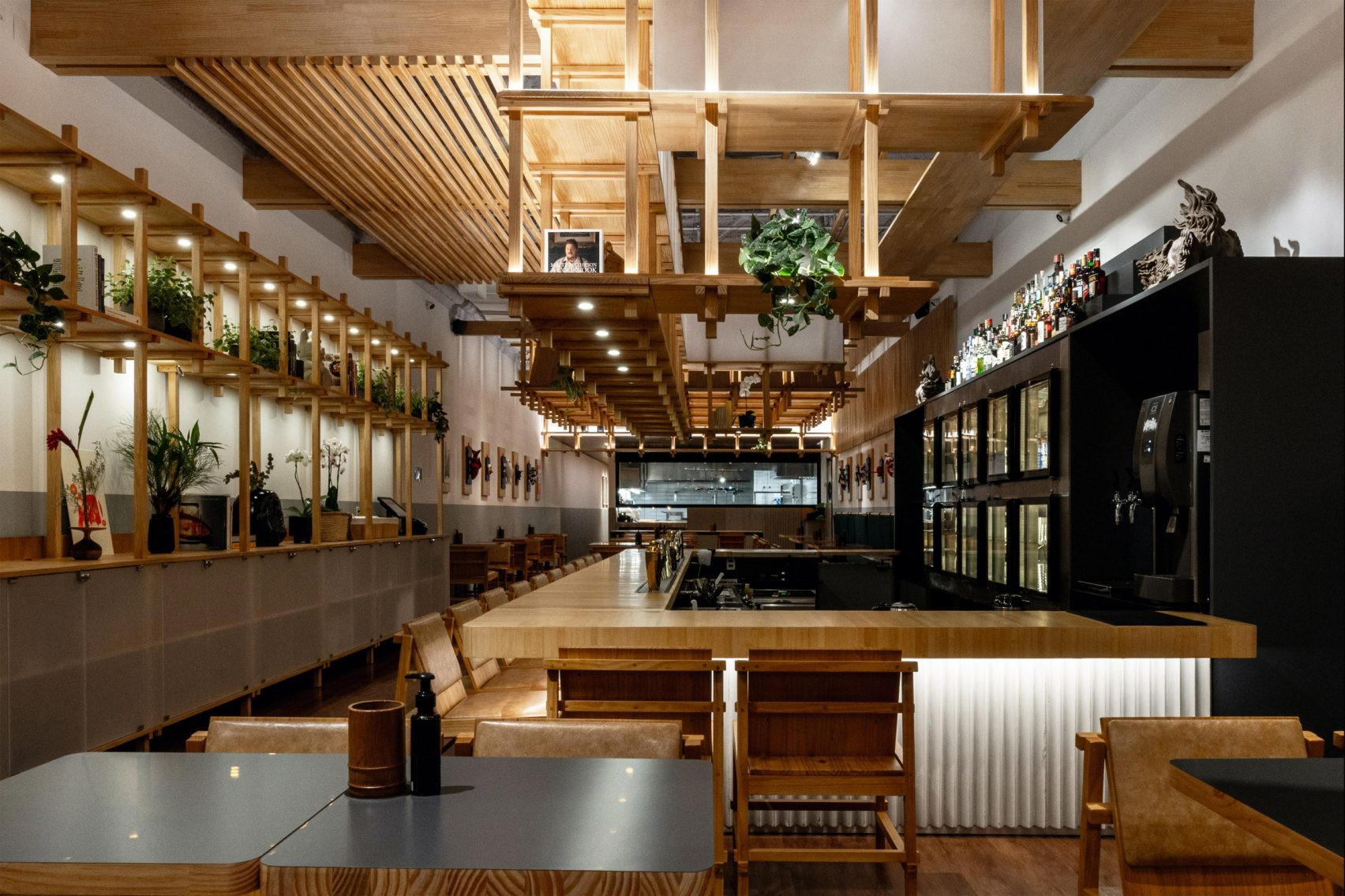
The physical format reinforces the cultural point. A 22-seat room, with table seating and tatami rooms, belongs to the scale of a neighborhood address rather than a destination dining stage. That size changes the experience. Small casual restaurants in Japan often run on a tight balance between speed, familiarity and limited capacity; they are not designed for lingering through a long tasting sequence. The pleasure is in the directness of the form.
There is also a practical reading to make before assigning it a place in an itinerary. Reservations are unavailable, which puts the burden on timing rather than advance planning. The restaurant is non-smoking, children are welcome, and private rooms are not part of the format. Payment is also old-school: credit cards, electronic money and QR code payments are not accepted. These facts are not incidental. They define the kind of meal this is: local, compact, low-friction if approached correctly, inconvenient if treated like a city-center restaurant with modern payment assumptions.
For travelers, the appeal is not novelty. It is calibration. A meal here helps decode the difference between a Japanese restaurant that performs tradition for visitors and one that simply operates within it. Udon and ramen are familiar words abroad, but in a shokudo setting they lose the specialist framing that overseas diners often attach to them. They become part of a broader everyday repertoire, close to how many people actually eat outside the home.
How to place it in an Ogaki itinerary
Asahiya makes the strongest case as a daytime anchor in Ogaki, especially for travelers who want one meal that explains local casual dining without turning lunch into an event. It pairs naturally with a wider read of the city’s restaurants rather than a single-stop approach. For broader planning, use Our full Ogaki restaurants guide, then cross-check the city’s other categories through Our full Ogaki hotels guide, Our full Ogaki bars guide, Our full Ogaki wineries guide and Our full Ogaki experiences guide.
Readers mapping casual Japanese dining beyond Gifu can place this address alongside other grounded formats across the country and abroad: -Grilled beef Sukiyaki- KAMAKURA TANUKIAN 鎌倉 たぬき庵 in Kamakura. 鮪と炭火焼き うお炭 秋葉原店 in Tokyo.cafe in Osaka.know in Kumamoto, (Shoku) Vietnam in Kawasaki, [Curry Senmon Ten] Maruyama Kyoju. in Sapporo, Jōdo Saké Bar in Los Angeles and Onigiri Time in Pasadena. The useful thread is not cuisine sameness; it is format literacy, reading how casual rooms express local habits through price, seating, service rhythm and category focus.
The editorial case is therefore precise. Asahiya is not a luxury detour and does not need luxury language. Its significance lies in how a small Ogaki shokudo can carry national recognition while staying within the grammar of everyday Japanese dining. For a traveler who usually plans Japan through omakase counters and hotel restaurants, that contrast is the point.
Price Lens
Comparable venues by cuisine and price in the same metro.
| Venue | Cuisine | Price | Notes |
|---|---|---|---|
| Asahiya | Not listed | $ | /, Handmade Udon, Donburi & Teishoku |
| Kinchoen Sohonke Oogaki ekimae honten | Not listed | $ | Traditional Japanese wagashi & sweets café |
| Sushi Matsuoka | Not listed | $$$ | Minaminokawacho, Traditional aged sushi omakase |
| Mochi So | Not listed | $ | near Ogaki Castle, Traditional Japanese wagashi & shaved ice shop |
| 四鳥 | Ogaki, Traditional Japanese Kaiseki | $$$ | Not listed |
| A due passi | Not listed | $$ | Sunomatacho Futatsugi, Traditional Italian |
Recognition history
Dated appearances from independent guides and award organizations, with the underlying list record or original source where available.
Tabelog 100 #83 · No. 83
Tabelog · Tabelog 100 - Diner - 2026
At a Glance
- Classic
- Cozy
- Lively
- Well Known
- Family
- Casual Hangout
- Solo
- Group Dining
- After Work
- Standalone
Current opening hours
- Monday
- Closed
- Tuesday
- 10:30 AM–5 PM
- Wednesday
- 10:30 AM–5 PM
- Thursday
- 10:30 AM–5 PM
- Friday
- 10:30 AM–5 PM
- Saturday
- 10:30 AM–5 PM
- Sunday
- 10:30 AM–5 PM
Hours can change for holidays and private events. Last verified .