Our verdict
In Ogaki's Honmachi district, ブランチ ヒロノヤ occupies a corner of central Gifu Prefecture where regional produce and a brunch-oriented format intersect. The address places it within walking distance of the old castle town's commercial core, and the name itself signals a deliberate departure from the izakaya-and-ramen default that defines most of the city's casual dining. For visitors exploring the Nakasendo corridor or passing through on the way to Nagoya, it offers a daytime dining option grounded in local ingredients.

Pearl is the En Primeur Club membership app, where members save venues, book tables and use the concierge.
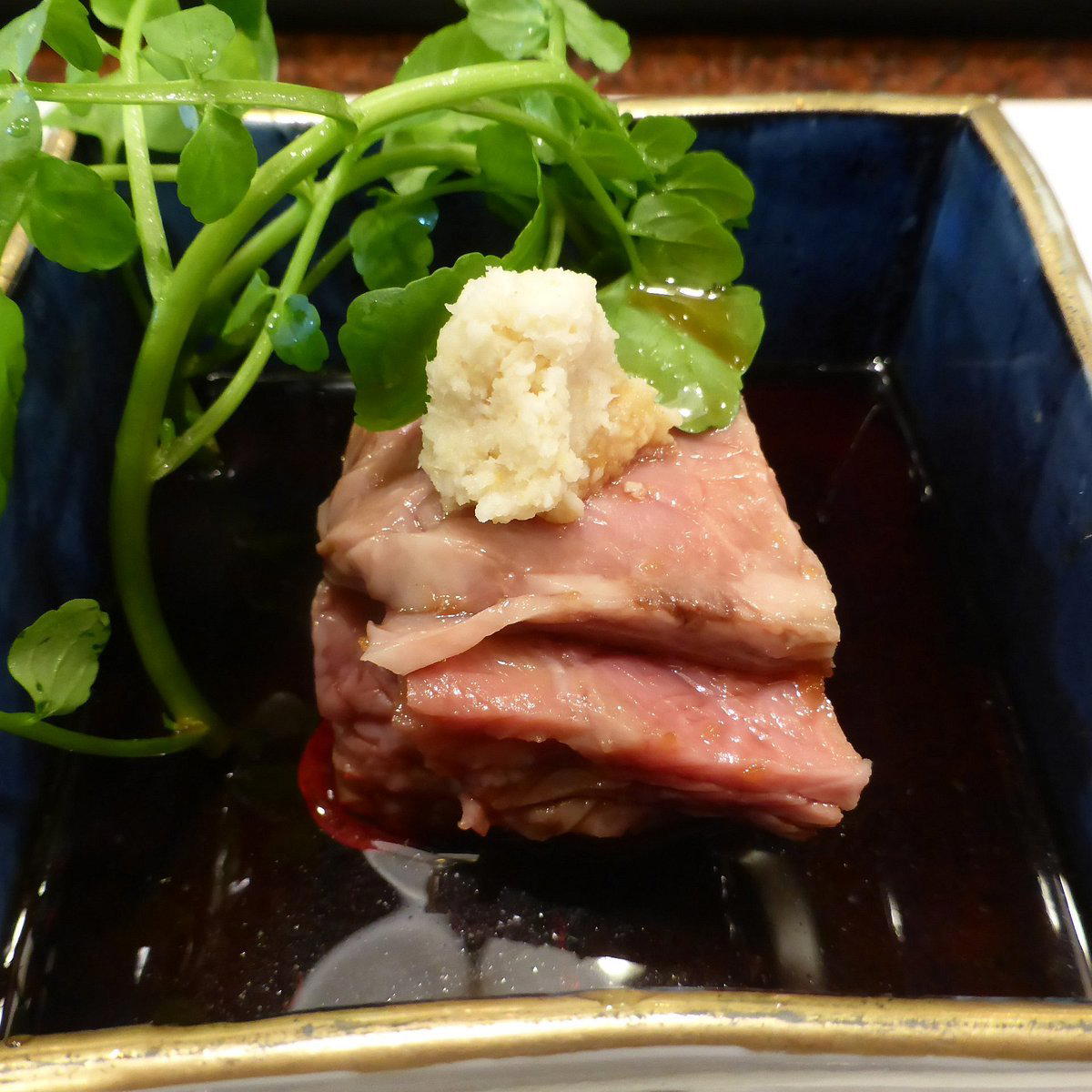
Ogaki's Daytime Dining Context
Gifu Prefecture sits in the geographic centre of Japan's main island, and its cities have historically been transit points rather than dining destinations. Ogaki, the westernmost city in Gifu, anchors a corridor between Nagoya and the Kansai region, and its restaurant culture reflects that in-between status: solid, practical, and shaped more by local habit than by outside attention. The bulk of the city's eating establishments serve the working-day crowd, which means the daytime dining tier has room for formats that step outside the set-lunch template. ブランチ ヒロノヤ, on Honmachi, occupies that space.
To understand where a brunch-format address fits here, it helps to place Ogaki against the broader Gifu dining picture. The prefecture produces rice from the Hida and Mino plains, freshwater fish from the Nagara and Ibi rivers, and regional vegetables that rarely appear on menus outside the prefecture. Ingredient provenance is the editorial hook that regional restaurants in Gifu have increasingly used to distinguish themselves from city-centre chains, and a brunch-oriented format is one vehicle for showcasing that kind of sourcing in daylight hours when produce is at its freshest presentation.
The Honmachi Address and What It Signals
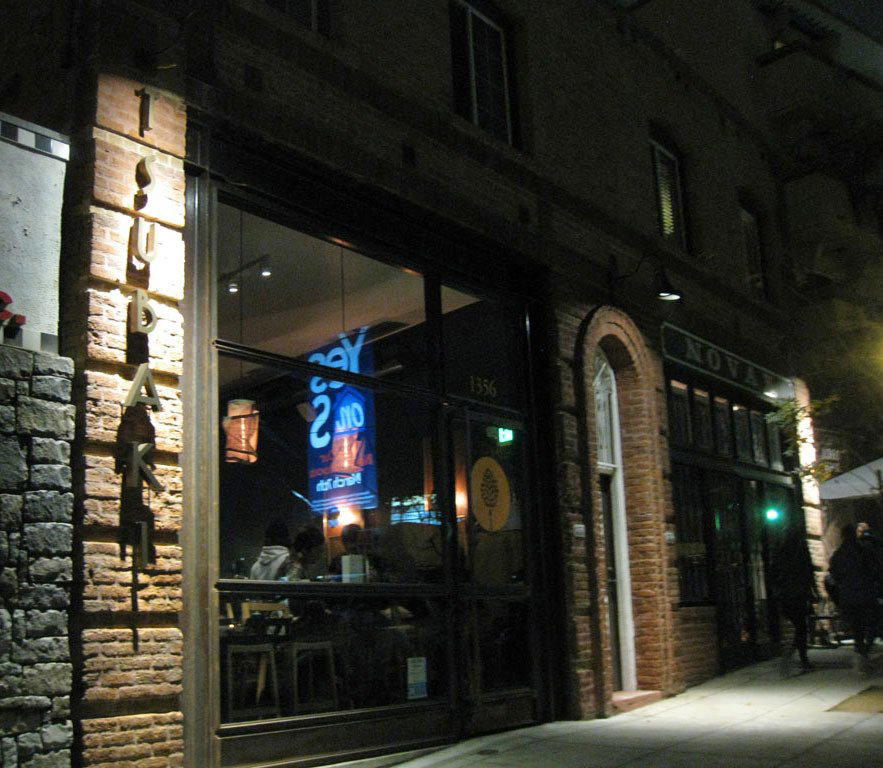
The venue sits at 1 Chome-77 Honmachi, in a part of Ogaki that maps to the old commercial district running south from Ogaki Castle. Honmachi has the character of a traditional merchant street that has gone through several cycles of decline and partial reinvention, and food businesses here tend to draw from a local rather than tourist catchment. That grounding matters for ingredient sourcing: suppliers within this kind of neighbourhood ecosystem are typically smaller, more seasonal, and more willing to work with formats that use regional specificity as a differentiator. For a fuller picture of where ブランチ ヒロノヤ sits within the city's wider eating options, the Our full Ogaki restaurants guide maps the range across cuisines and price points.
Ingredient Sourcing and the Brunch Format
The brunch format, as a structural choice, makes sourcing claims more visible than dinner service does. Produce arrives and is served across a compressed window, which reduces the kitchen's ability to obscure ingredient quality through heavy technique. In Gifu, that transparency is an advantage when the underlying supply chain includes river fish, mountain vegetables from the Hida plateau, and the miso and soy products that the region produces at a craft level. Mino miso, for instance, is a distinct style lighter in colour and shorter in fermentation than the Hatcho variety from neighbouring Aichi, and it appears across central Gifu's daytime cooking in ways that are easy to miss without knowing what to look for.
This is the broader pattern that gives a place like ブランチ ヒロノヤ its editorial context. Across Japan's secondary cities, a subset of daytime restaurants has positioned itself around the proposition that regional ingredients deserve the same attentive presentation that high-end dinner venues in Tokyo or Osaka bring to sourcing. Comparable examples in the wider region include akordu in Nara, which frames regional Yamato produce through a European lens, and 湖畔荘 in Takashima, where Lake Biwa's geography dictates the plate. ブランチ ヒロノヤ operates at a different scale and price tier from those venues, but the underlying sourcing logic is recognisable across the type.
Ogaki's dining scene does not carry the recognition infrastructure of Osaka or Kyoto. There are no Michelin listings for the city, and the critical attention that flows to venues like HAJIME in Osaka, Gion Sasaki in Kyoto, or Harutaka in Tokyo does not reach secondary Gifu cities in any systematic way. The nearest peer venues in the Gifu brunch tier are better found at the prefecture level than by drawing comparisons to the award-dense circuits of Goh in Fukuoka or internationally recognised fish-focused counters like Le Bernardin in New York City.
Within Gifu's own reference frame, the closest comparison points are daytime spots in Gifu City and Takayama that have built followings around regional specificity. The 鳥鳥 listing in Ogaki represents a different angle on the city's eating, and venues like Bistro Ange in Toyohashi show how the Tokai region more broadly handles Western-inflected formats in smaller cities.
Planning a Visit
Ogaki Station on the JR Tokaido Main Line connects directly to Nagoya in under 30 minutes and to Maibara in around 20, making the city accessible as a half-day stop on a broader Gifu or Kansai itinerary. The Honmachi address is walkable from the station in roughly 10 to 15 minutes on foot, running north through the old commercial district. Because the venue operates a brunch format, timing arrivals for midmorning to early afternoon is the practical logic; daytime slots in smaller-city Japan tend to close earlier than visitors accustomed to Tokyo's extended service windows expect. The Our full Ogaki restaurants guide covers additional logistical context for the city.
Regional Connections Worth Making
Visitors who use Ogaki as a base for exploring the Mino region have access to a cluster of food-relevant geography within a 45-minute radius: the Ibi River valley's freshwater fish, the tea-growing districts of southern Gifu, and the sake breweries that operate along the Nagara River corridor. That sourcing geography feeds into regional restaurants across the prefecture at varying price points and formats. For reference points in adjacent prefectures that operate at a higher price and recognition tier, 一本杉川島 in Nanao on the Noto Peninsula and 炭火山乃 in Sapporo both illustrate how regional ingredient sourcing scales into more formally recognised dining formats elsewhere in central and northern Japan. At the other end of the format spectrum, Atomix in New York City shows how Korean regional sourcing translates into a globally competitive tasting format, a useful contrast when thinking about what regional specificity can achieve at scale.
Frequently asked questions
Is ブランチ ヒロノヤ child-friendly?
The brunch format, by its nature, tends to draw a relaxed daytime crowd rather than a formal dinner service atmosphere, which generally suits families. The Honmachi address in central Ogaki is accessible on foot from the old commercial district.
What's the overall feel of ブランチ ヒロノヤ?
The venue sits on Honmachi, a street that traces back to the merchant quarter running south from Ogaki Castle, which gives the address a grounded, neighbourhood character rather than a tourist-district feel. As a brunch-format operation in a mid-sized Gifu city with no Michelin coverage, the experience reads closer to a locally embedded daytime spot than a destination-driven tasting room. Ogaki itself connects to Nagoya in under 30 minutes by JR, meaning the clientele likely mixes local regulars with day visitors passing through.
Is ブランチ ヒロノヤ worth visiting as a day trip from Nagoya?
Ogaki Station sits on the JR Tokaido Main Line, putting it under 30 minutes from Nagoya by direct service, which makes the journey lower-commitment than most regional detours. ブランチ ヒロノヤ's Honmachi address places it in the walkable historic core of the city, within the same district as Ogaki Castle. For visitors already exploring the Mino region, which includes the Ibi River valley and other food-relevant geography within a 45-minute radius, building a half-day around a daytime meal here is a practical option.
What's the must-try dish at ブランチ ヒロノヤ?
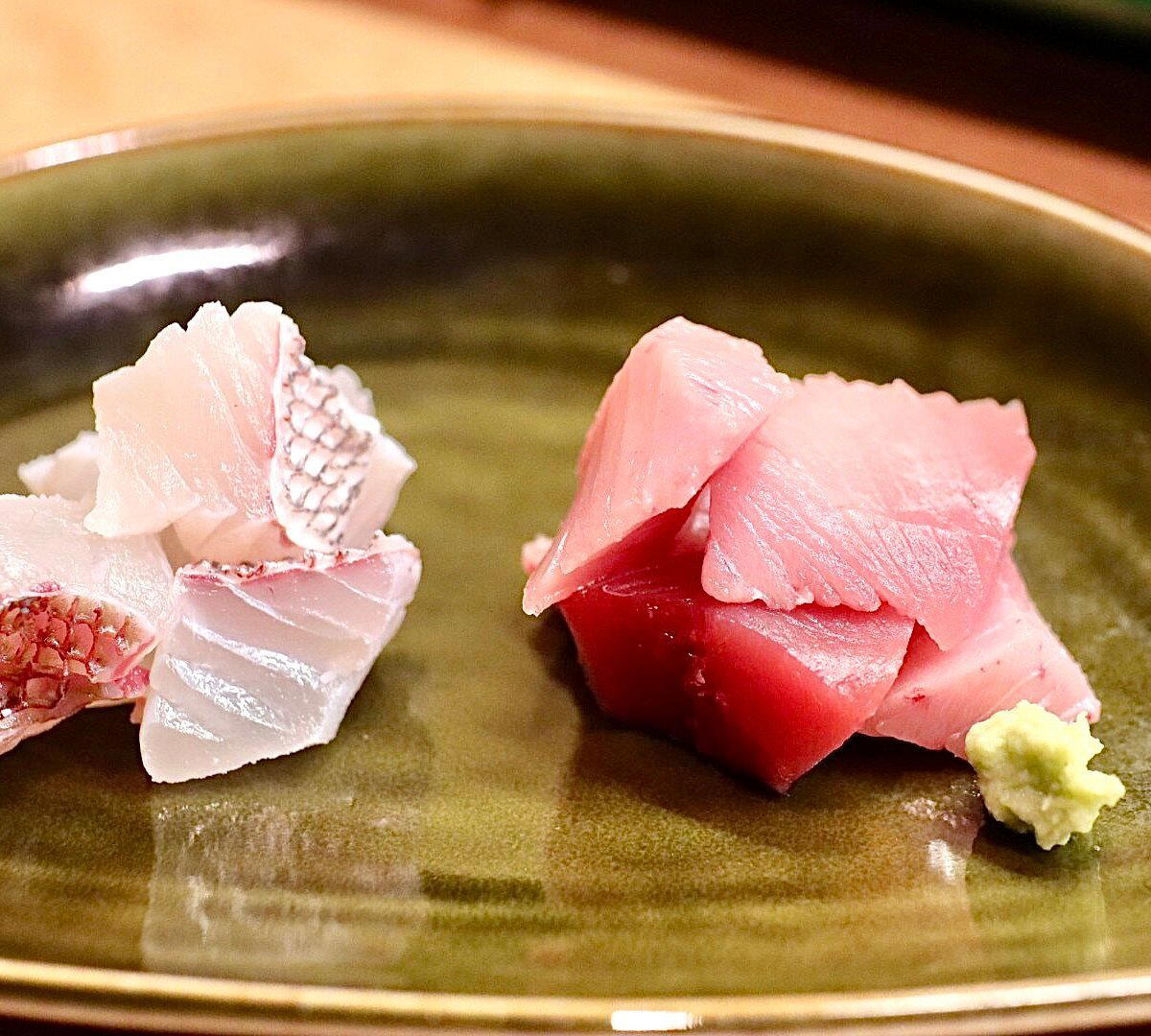
The brunch format as a structural choice typically foregrounds fresh, morning-to-midday produce, and Gifu Prefecture's position within the Mino region gives any kitchen in the area access to mountain vegetables, river fish from rivers like the Ibi, and local rice varieties. For current menu specifics, the Honmachi address in Ogaki is the point of contact.
Fast Comparison
Comparable venues nearby, for context on price, style, and recognition.
| Venue | Cuisine | Price | Awards | Notes |
|---|---|---|---|---|
| ブランチ ヒロノヤThis venue (the venue you are viewing) | French Steakhouse with Hida Beef | $30–50 | Not listed | Not listed |
| Kinchoen Sohonke Oogaki ekimae honten | Traditional Japanese wagashi & sweets café | $1–10 | Tabelog 100 #6 | Ogaki |
| 四鳥 | Japanese Kaiseki and Chicken Cuisine | $50–100 | Not listed | Ogaki |
| CUCINA | Modern Italian Fine Dining | Not listed | Tabelog 100 #97 | Ogaki |
| Asahiya | Handmade Udon, Donburi & Teishoku | $10–20 | Tabelog 100 #83 | Not listed |
| Sushi Matsuoka | Traditional aged sushi omakase | $100–150 | Tabelog 100 #71 | Minaminokawacho |
Continue exploring
More in Ogaki
Restaurants in Ogaki
All restaurants in Ogaki →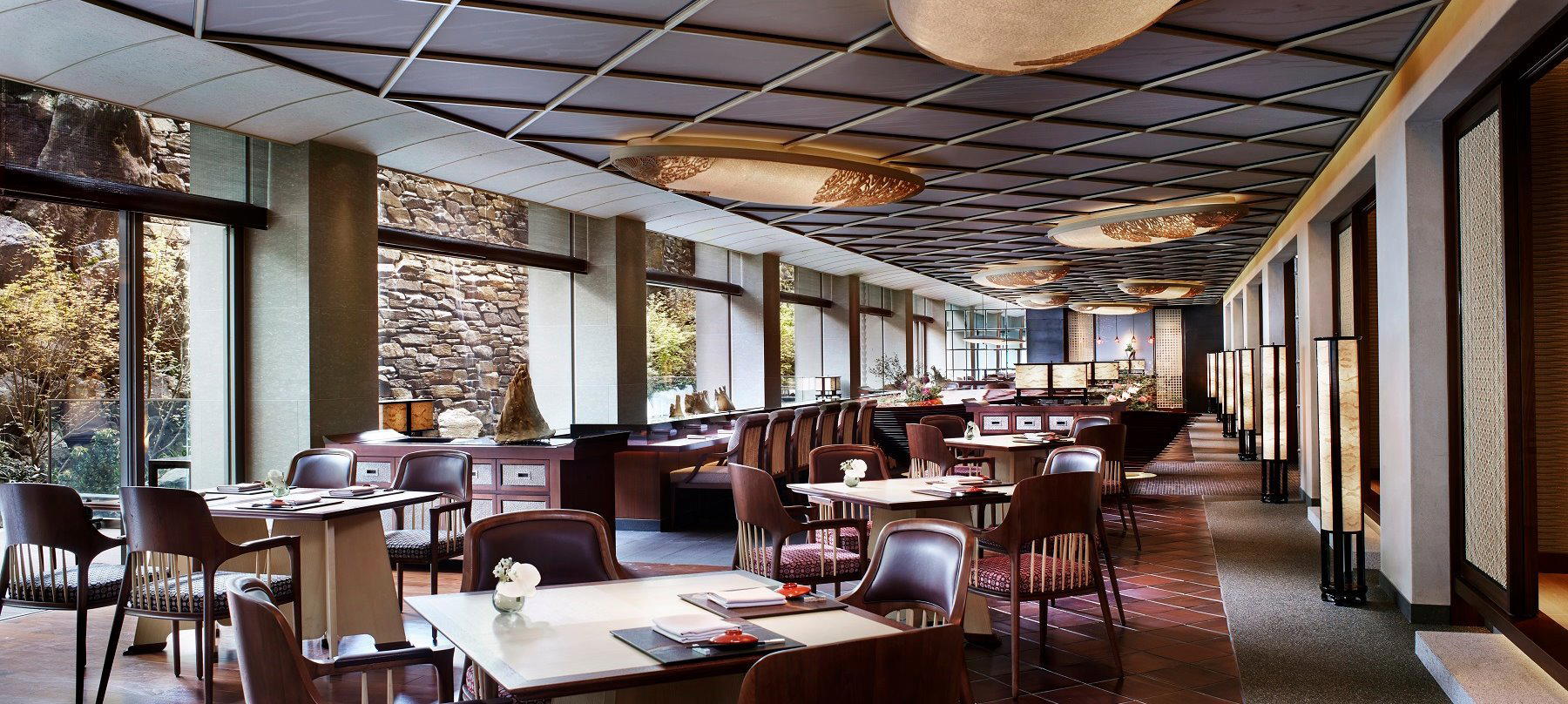

Details
- Elegant
- Sophisticated
- Date Night
- Special Occasion
- Open Kitchen
- Sake Program
- Local Sourcing
- A La Carte
Current opening hours
- Monday
- Closed
- Tuesday
- 11:30 AM–2 PM, 5–10 PM
- Wednesday
- 11:30 AM–2 PM, 5–10 PM
- Thursday
- 11:30 AM–2 PM, 5–10 PM
- Friday
- 11:30 AM–2 PM, 5–10 PM
- Saturday
- 11:30 AM–2 PM, 5–10 PM
- Sunday
- 11:30 AM–2 PM, 5–10 PM
Hours can change for holidays and private events. Hours as of .