
Sushi Matsuoka places Ogaki’s sushi scene in a sharper, ingredient-led register: small-format counter dining, seafood-focused cooking, and a drink list that runs through sake, shochu, and wine. Its selection for Tabelog Sushi EAST “Tabelog 100” 2025 gives the address external weight, while the compact 12-seat format keeps the meal in the specialist rather than casual category.
Pearl is the En Primeur Club membership app — saves, bookings, and concierge access live there. Same editors, same standards.
- Address
- 岐阜県大垣市南頬町4-58-1
- Phone
- +81584782600
- Website
- tabelog.com
 Saves & bookings on Pearl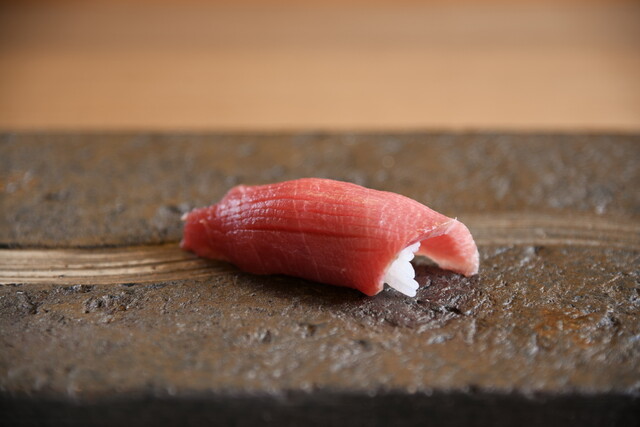
Approaching a house restaurant in Minaminokawacho changes the expectations around sushi. This is not the railway-station quick bite or the department-store counter familiar across Japan; the setting signals a smaller, more deliberate meal before the first course appears. Ogaki’s dining culture is often read through sweets, local staples, and accessible neighborhood restaurants, but its serious sushi tier works differently: fewer seats, tighter reservation control, and a stronger dependence on sourcing than on spectacle.
Sushi Matsuoka belongs to that narrower register. The public profile is compact but telling: sushi, Japanese cuisine, and seafood; a stated emphasis on fish; drinks spanning sake, shochu, and wine; and selection for Tabelog Sushi EAST “Tabelog 100” 2025. In a city where Asahiya and Mochi So sit in a far more everyday price band, this address occupies a separate decision category. It is not the place to understand Ogaki through volume or convenience. It is where the city’s sushi conversation becomes about fish selection, pacing, and the discipline of a small room.
Fish sourcing drives the meal more than menu theater
Ingredient-led sushi outside Tokyo tends to be judged unfairly if the only comparison is Ginza. The more useful lens is regional seriousness: how confidently a restaurant defines its seafood program, how narrow the seating is, and whether recognition follows from consistency rather than celebrity. Here, particularly important clue is the fish-forward positioning. “Particular about fish” may sound modest in translation, but in sushi it points to the central question: the rice and knife work matter, but the meal rises or falls on procurement, handling, and restraint.
Ogaki’s geography makes that conversation more interesting. Gifu is inland, which means a sushi counter here cannot lean on coastal imagery in the way restaurants in Kanazawa, Toyama, or Fukuoka often can. The point is not proximity for its own sake. The point is selection. Inland sushi restaurants at this level have to persuade diners through consistency, not romance: what arrives at the counter must justify the trip, the price, and the limited seating. That is why the Tabelog Sushi EAST “Tabelog 100” 2025 selection matters as a trust signal. It places the restaurant inside a broader eastern Japan sushi list rather than only a local Ogaki conversation.
The drink framing also suggests a meal built around pairings rather than generic accompaniment. Sake remains the natural baseline for sushi, but shochu and wine widen the table’s rhythm, especially when the kitchen crosses from sushi into Japanese cuisine and seafood. That range does not prove a formal pairing program, and it should not be read as one. It does, however, indicate a restaurant thinking beyond a single bottle of house sake and a predictable beer order.
A small counter puts Ogaki in a different dining bracket
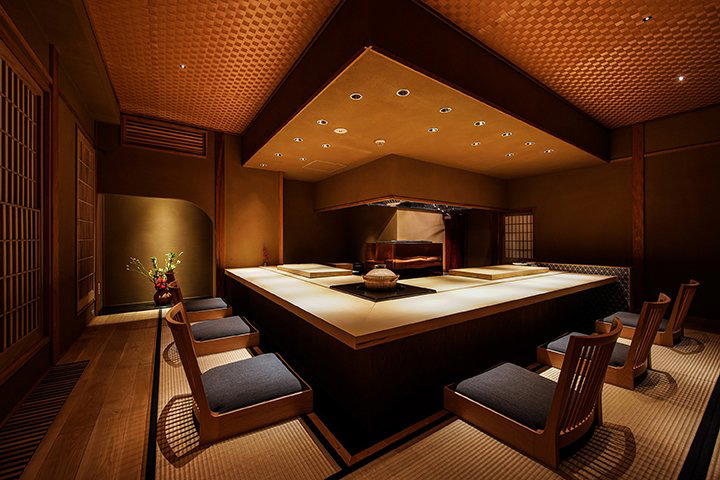
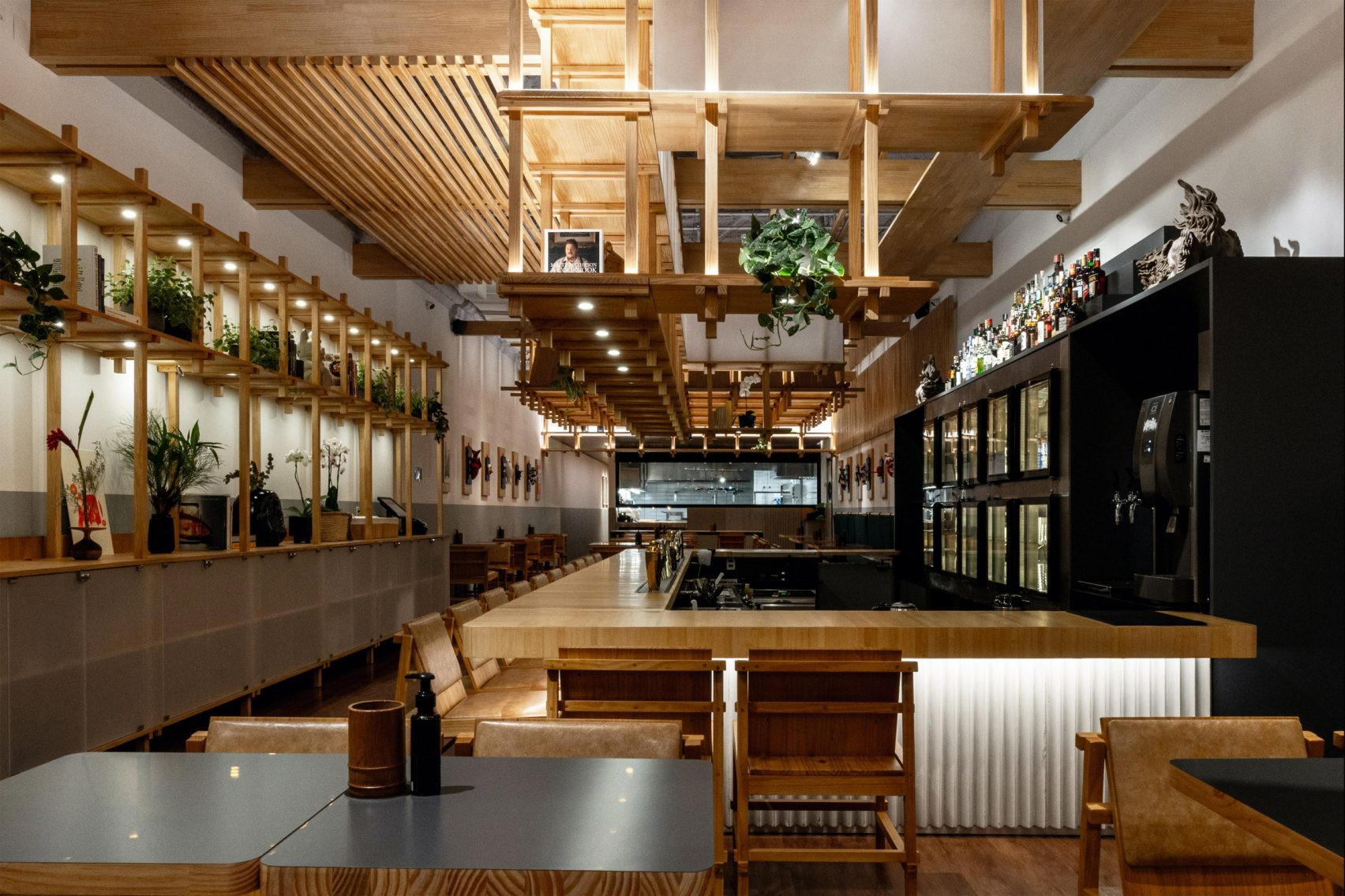
The room size is part of the editorial story. Twelve seats, including eight counter seats and a four-person private room with sunken kotatsu seating, place the experience closer to specialist sushi than to general Japanese dining. Counter seating changes the meal’s social contract: timing tightens, courses move in a set rhythm, and the diner watches craft at close range rather than treating sushi as a shared plate category. The private room adds flexibility, but the core identity remains counter-led.
That format separates Sushi Matsuoka from Ogaki’s broader restaurant spread. CUCINA sits in a higher-priced European lane, while A due passi broadens the city’s Italian conversation. Kinchoen Sohonke Oogaki ekimae honten and other local addresses speak to a different pattern of eating: quick access, familiar formats, and lower commitment. Sushi at this level asks for a more deliberate evening. The comparison is not about ranking those choices; it is about recognizing that Ogaki has several dining speeds, and this one is built for concentration.
Price sharpens that distinction. A JPY 15,000 to JPY 19,999 range for both lunch and dinner puts the restaurant well above casual local meals and slightly above many mid-tier celebratory options. That figure is still below the extreme end of Tokyo omakase, but Ogaki is not Tokyo, and the local meaning of the spend is different. In this city, the tariff signals a destination meal rather than an incidental stop between sightseeing and the station.
The no-smoking policy, wheelchair access, counter seating, and private-use availability make the room more versatile than many small sushi counters, though the core experience remains adult in tone. The setting is better read as controlled rather than theatrical: a house restaurant, limited seats, and a seafood-led kitchen whose strongest argument is focus.
How to place it in an Ogaki itinerary
For travelers building a food-focused day, this is the anchor rather than the add-on. Ogaki can support a broader crawl through sweets, casual Japanese cooking, and station-area eating, but a counter meal at this price changes the pacing. Plan lighter meals around it, avoid treating it as a spontaneous backup, and use the city’s other categories to fill the edges of the trip. The wider EP Club city pages are useful for that split: Our full Ogaki restaurants guide maps the dining field, while Our full Ogaki hotels guide, Our full Ogaki bars guide, Our full Ogaki wineries guide, and Our full Ogaki experiences guide help decide whether the city is a single-meal detour or part of a longer Gifu stay.
Readers comparing Japanese dining across regions should resist flattening every meal into the same sushi template. A beef-focused address such as -Grilled beef Sukiyaki- KAMAKURA TANUKIAN 鎌倉 たぬき庵 in Kamakura, a charcoal-and-tuna format like. 鮪と炭火焼き うお炭 秋葉原店 in Tokyo, or a casual rice-focused stop such as Onigiri Time in Pasadena answers a different appetite. So do.cafe in Osaka.know in Kumamoto, (Shoku) Vietnam in Kawasaki, [Curry Senmon Ten] Maruyama Kyoju. in Sapporo, and Jōdo Saké Bar in Los Angeles. Sushi Matsuoka’s value lies in a narrower proposition: a small Ogaki counter where fish sourcing, award recognition, and seat scarcity carry the weight of the meal.
Snapshot
Comparable venues by cuisine and price in the same metro.
| Venue | Cuisine | Price | Notes |
|---|---|---|---|
| Sushi Matsuoka | Traditional aged sushi omakase | $$$ | Minaminokawacho |
| CUCINA | Modern Italian Fine Dining | $$$ | Ogaki |
| 四鳥 | Traditional Japanese Kaiseki | $$$ | Ogaki |
| Asahiya | Handmade Udon, Donburi & Teishoku | $ | Not listed |
| A due passi | Traditional Italian | $$ | Sunomatacho Futatsugi |
| ブランチ ヒロノヤ | French Steakhouse with Hida Beef | $$$ | 本町 |
Recognition history
Dated appearances from independent guides and award organizations, with the underlying list record or original source where available.
Tabelog 100 #71 · No. 71
Tabelog · Tabelog 100 - Sushi - EAST - 2025
Continue exploring
More in Ogaki
Restaurants in Ogaki
Browse all →

At a Glance
- Cozy
- Intimate
- Classic
- Elegant
- Date Night
- Business Dinner
- Special Occasion
- Group Dining
- Solo
- Chefs Counter
- Private Dining
- Standalone
- Design Destination
- Sake Program
- Extensive Wine List
- Sustainable Seafood
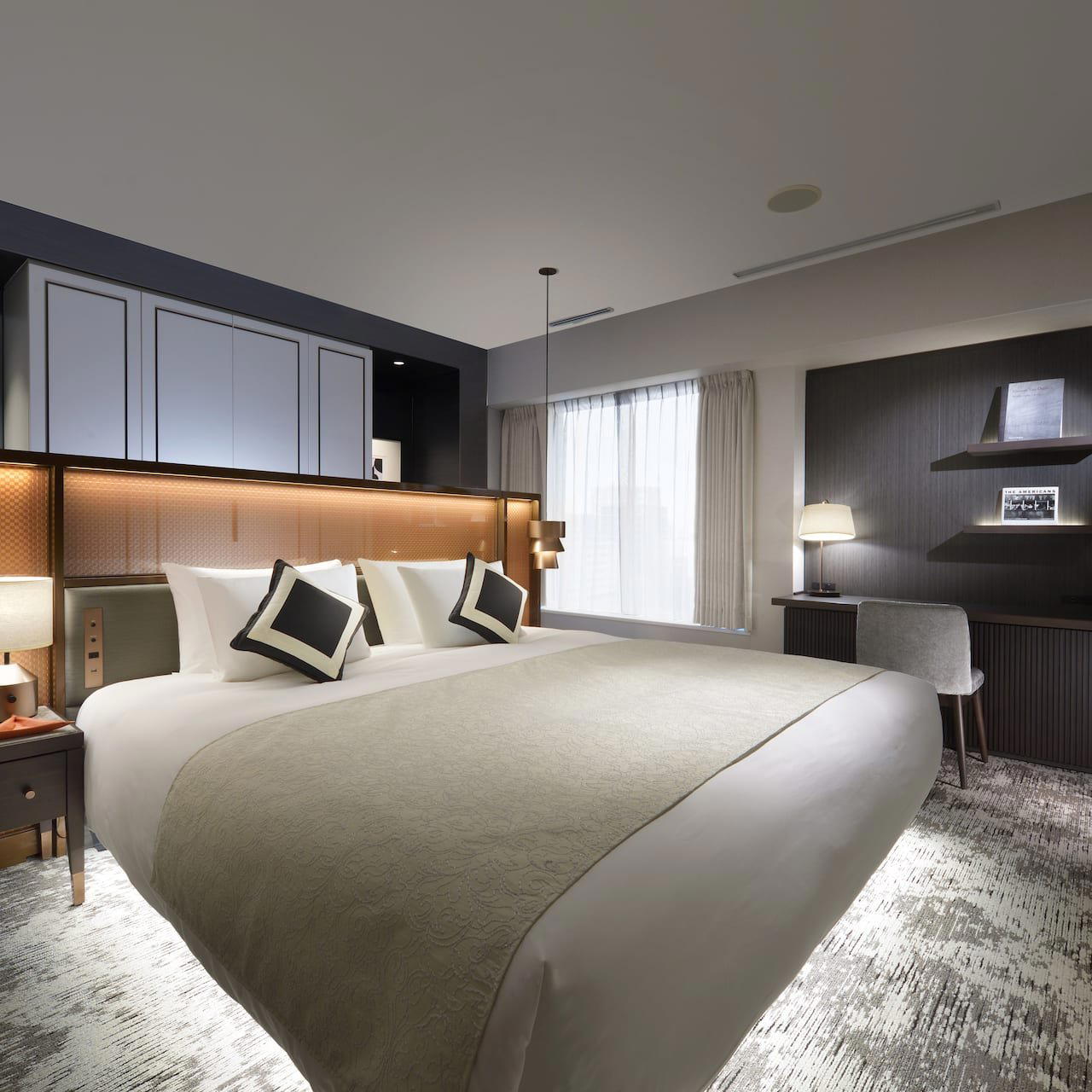
An understated house-restaurant with a calm, intimate counter and a small sunken-kotatsu private room, offering relaxed, spacious seating that emphasizes craft over flash and feels like a refined neighborhood hideout.