
Kinchoen Sohonke Oogaki ekimae honten is a compact Ogaki stop for Japanese traditional sweets, positioned less like a destination dining room than a precise expression of regional wagashi culture. Its Tabelog 100 selections for sweets and Japanese traditional sweets place it in a serious peer group, while the small seating format and take-out service keep the experience grounded in everyday city rhythm.
Pearl is the En Primeur Club membership app — saves, bookings, and concierge access live there. Same editors, same standards.
- Address
- Japan, 〒503-0901 Gifu, Ogaki, Takayacho, 1 Chome−17
- Phone
- +81 584-75-3300
- Website
- kinchouen.co.jp
- Directions
- Get directions
 Saves & bookings on Pearl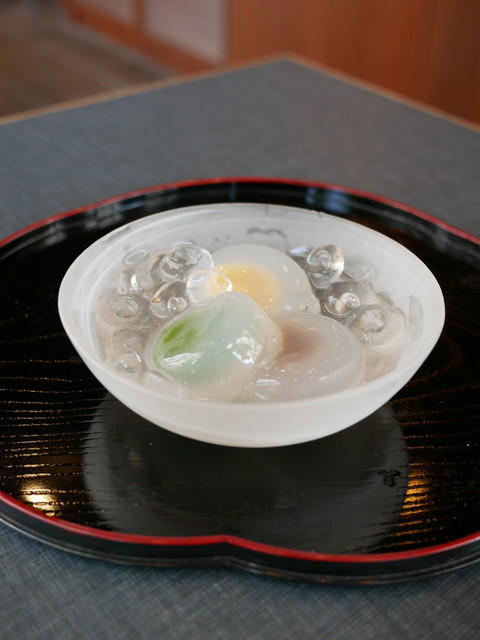
Approaching the south side of Ogaki Station, the mood quickly shifts from rail traffic to a local sweets counter. Wagashi in Ogaki is not spectacle; it is season, water, bean paste, rice flour, and repetition. Kinchoen Sohonke Oogaki ekimae honten belongs to that tradition, offering not a long meal but a short, exact encounter with Japanese confectionery at street level.
Ogaki sits in Gifu, a prefecture where inland food culture has long relied on clear water, river systems, and preserved craft rather than coastal abundance. That matters for sweets. Wagashi is quietly ingredient-led: azuki, glutinous rice, sugar, agar, matcha, and local water do the structural work, while seasonality shifts shape, color, and texture through the year. A good wagashi shop shows how much variation can come from a narrow pantry.
Ogaki's sweets culture rewards precision over ceremony
Japan’s premium dining conversation often centers on sushi counters, kaiseki rooms, and reservation-only restaurants, but the sweets canon works differently. The transaction can be brief, the price modest, and the format casual, yet the craft standard stays demanding. Selection for Tabelog 100 in Japanese traditional sweets and Japanese sweets cafe, EAST, in 2023 gives this Ogaki shop a meaningful credential in a category where technique is measured in small margins, not theatrical service.
Repeated recognition says more than one listing. The shop was also selected for Tabelog Sweets EAST in 2022 and 2019, placing it among confectionery addresses that retain visibility beyond a local audience. For travelers mapping Ogaki’s food scene, that creates a useful contrast: the city supports both high-spend dining, such as CUCINA, and low-cost specialist stops where craft sits in a compact, everyday format.
That distinction matters. Wagashi shops often function as part cafe, part gift counter, part neighborhood provisioner. They are not restaurants in the Western sense, and judging them by menu length or dining-room drama misses the point. A better comparison is with specialist artisans: a soba maker working within a narrow grammar, a mochi shop focused on texture, or a tea sweet producer matching confection to calendar. In Ogaki, Mochi So offers another low-priced reference point for this compact sweets-and-rice-flour end of the local scene.
Ingredient sourcing is the quiet argument here
The ingredient story in wagashi rarely uses farm names or luxury sourcing language. It appears through balance: bean paste that does not smother the grain, rice flour handled for elasticity rather than density, and sweetness calibrated for tea instead of dessert excess. No named signature sweet is needed to understand the category. The tradition depends on a short list of materials and a high tolerance for subtle failure.
Ogaki’s association with water gives this confectionery a natural context. Across Japan, places known for good water often develop food cultures around tofu, noodles, sake, tea, or sweets, because texture and extraction are shaped by water quality. In wagashi, that influence is indirect but important: boiling beans, setting agar, steaming rice flour, and preparing tea all depend on control rather than abundance. The result is a cuisine of restraint suited to a small shop more than a grand room.
Kinchoen Sohonke Oogaki ekimae honten works within Japanese traditional sweets and cafe featuring Japanese sweets, a category that rewards timing. Morning and daytime sweets culture in Japan is practical: buy for the train, bring a box to a host, pause for tea, or take something seasonal home. The venue’s take-out service reinforces that role. This is not the same decision as choosing Asahiya for a fuller local meal or Sushi Matsuoka for sushi; it is a shorter, focused stop with a different measure of value.
The small seating count also changes expectations. A ten-seat sweets cafe has neither the turnover logic of a chain cafe nor the drawn-out pacing of a tasting counter. It asks for lighter attention: order cleanly, understand that the craft is in the confection rather than the room, and avoid treating the stop as a long lounge session. That compactness can be a virtue in Ogaki, especially for travelers using the station area as a base rather than building a full day around one reservation.
How to place it in an Ogaki itinerary
For a food-focused Ogaki day, structure by contrast. Put a wagashi stop near the start or middle of the route, then let the rest of the city fill in around it. A due passi, CUCINA, Asahiya, and Mochi So show how broad the local restaurant map becomes when sweets are one part of the day rather than an afterthought. For the wider city edit, use Our full Ogaki restaurants guide, then pair it with Our full Ogaki hotels guide, Our full Ogaki bars guide, Our full Ogaki wineries guide, and Our full Ogaki experiences guide for the rest of the trip.
The useful editorial stance is simple: this is a specialist sweets stop, not a restaurant built for ceremony. The Tabelog 100 selections make it more than a convenient station-area address, while the modest format keeps it close to how wagashi is used in Japanese daily life. Travelers who value ingredient discipline, regional food habits, and short-form craft will understand the appeal faster than those seeking a long seated occasion.
Against Japan’s wider dining map, Ogaki’s value lies in scale. It is not trying to compete with big-city luxury formats. It offers smaller decisions with real food literacy behind them: a sweets counter, a local meal, a coffee break, a train-side purchase. For broader comparison across Japanese and Japanese-adjacent casual formats, EP Club also covers addresses such as -Grilled beef Sukiyaki- KAMAKURA TANUKIAN 鎌倉 たぬき庵 in Kamakura. 鮪と炭火焼き うお炭 秋葉原店 in Tokyo.cafe in Osaka.know in Kumamoto, (Shoku) Vietnam in Kawasaki, [Curry Senmon Ten] Maruyama Kyoju. in Sapporo, Jōdo Saké Bar in Los Angeles, and Onigiri Time in Pasadena.
At-a-Glance Comparison
Comparable venues by cuisine and price in the same metro.
| Venue | Cuisine | Price | Notes |
|---|---|---|---|
| Kinchoen Sohonke Oogaki ekimae honten | Traditional Japanese wagashi & sweets café | $ | Ogaki |
| Asahiya | Handmade Udon, Donburi & Teishoku | $ | Not listed |
| 四鳥 | Traditional Japanese Kaiseki | $$$ | Ogaki |
| Sushi Matsuoka | Traditional aged sushi omakase | $$$ | Minaminokawacho |
| A due passi | Traditional Italian | $$ | Sunomatacho Futatsugi |
| Mochi So | Traditional Japanese wagashi & shaved ice shop | $ | near Ogaki Castle |
Recognition history
Dated appearances from independent guides and award organizations, with the underlying list record or original source where available.
Tabelog 100 #6 · No. 6
Tabelog · Tabelog 100 - Japanese traditional sweets / Japanese sweets cafe - EAST - 2023


At a Glance
- Classic
- Cozy
- Quiet
- Well Known
- Solo
- Family
- Casual Hangout
- After Work
- Historic Building
- Standalone
Current opening hours
- Monday
- 8 AM–6 PM
- Tuesday
- 8 AM–6 PM
- Wednesday
- 8 AM–6 PM
- Thursday
- 8 AM–6 PM
- Friday
- 8 AM–6 PM
- Saturday
- 8 AM–6 PM
- Sunday
- 8 AM–6 PM
Hours can change for holidays and private events. Last verified .
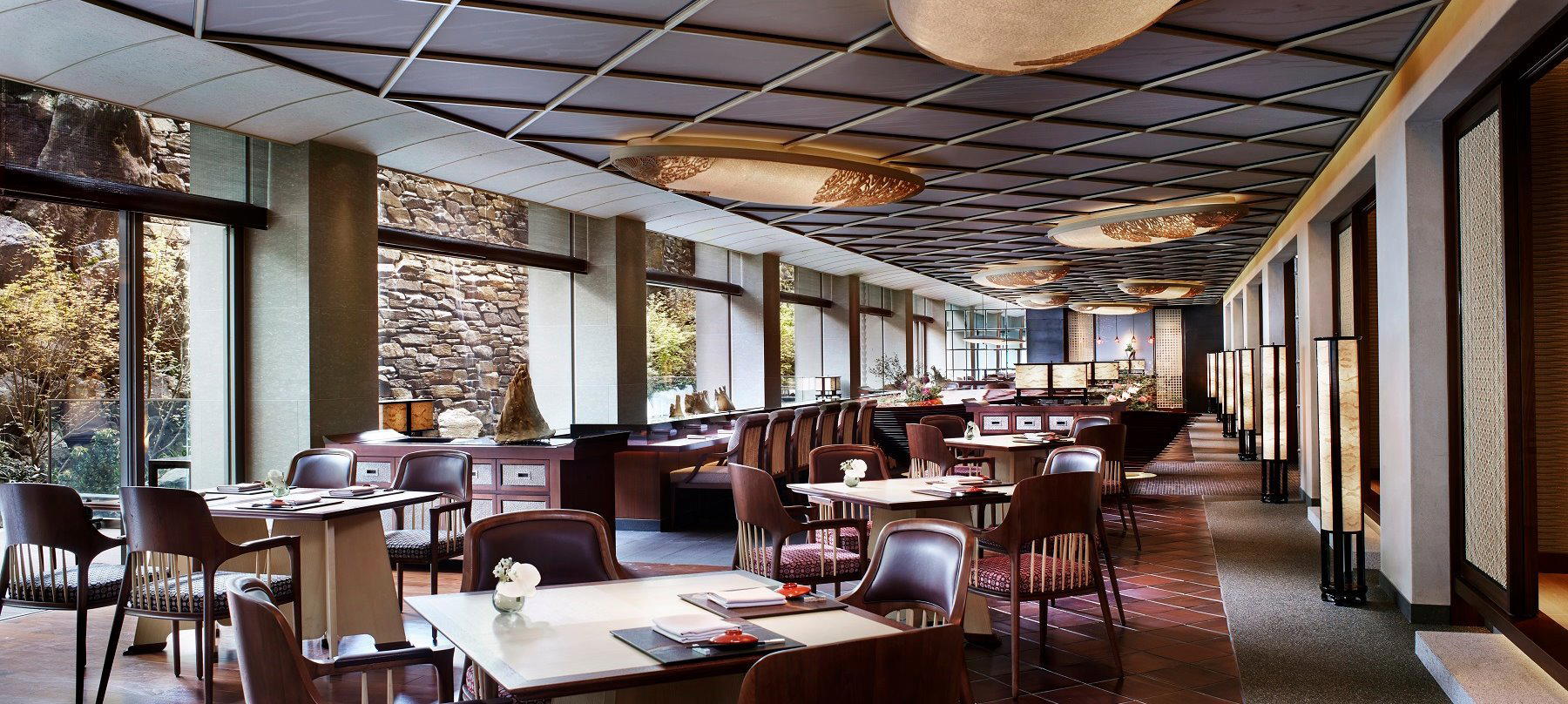
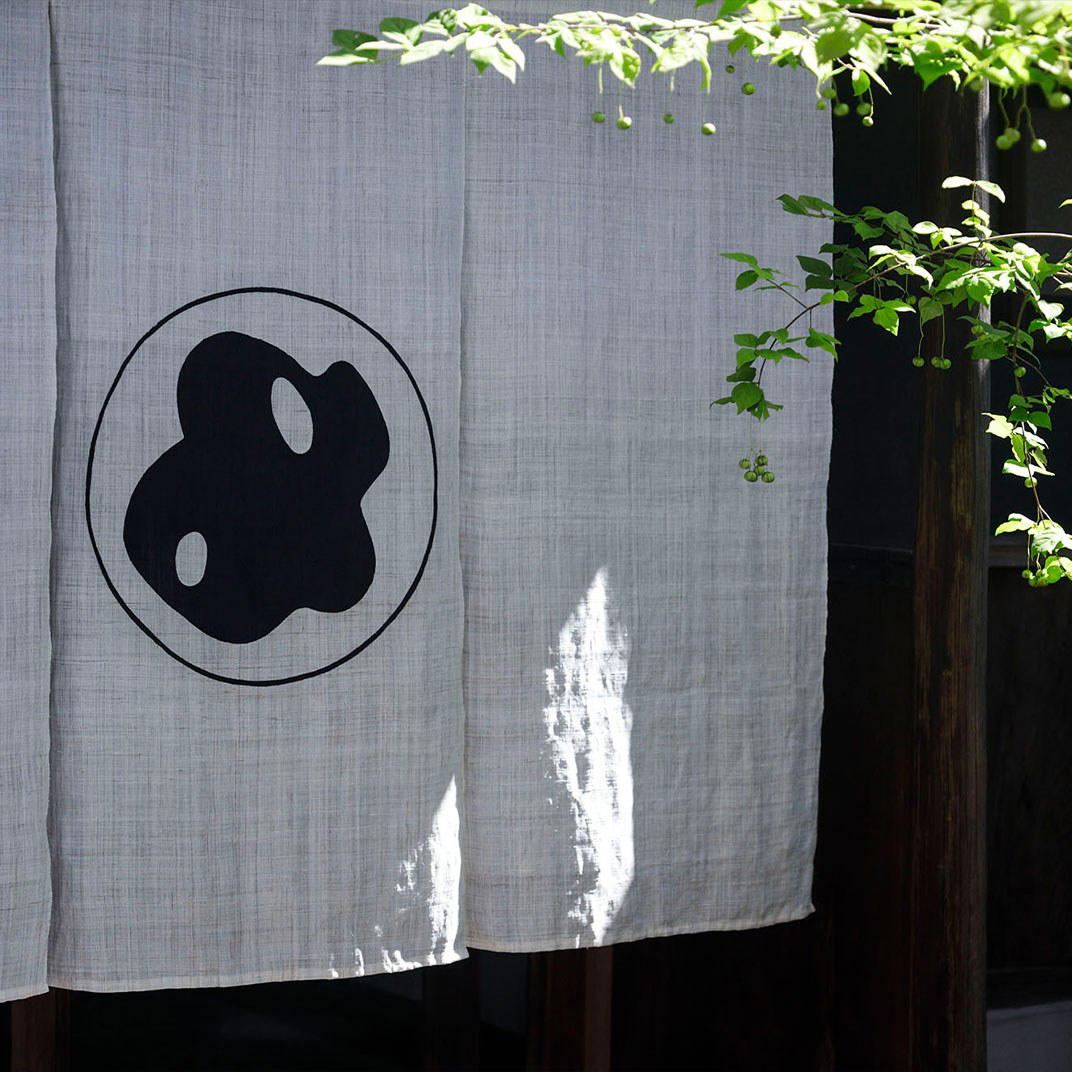
A small, calm tearoom space inside a traditional wagashi shop, with simple seating, relaxed atmosphere, and the feeling of a long-established local confectioner near Ogaki Station.