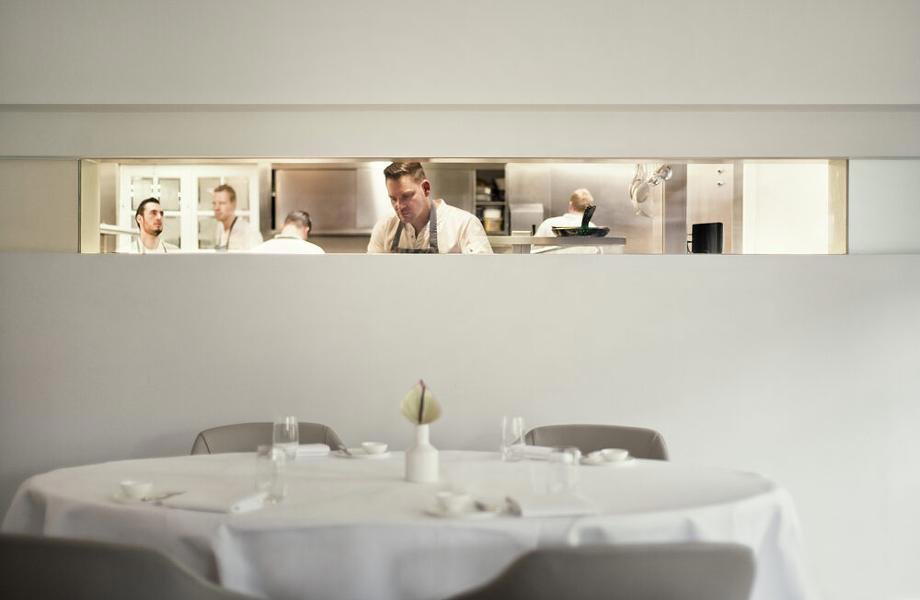
Cèsi occupies a measured place in Hasselt's growing fine-dining scene, where collaboration between kitchen and floor is the defining quality of the experience. Located on Aldestraat in the city centre, the restaurant sits within a tier of serious Belgian restaurants that draw on classical technique while reading as firmly contemporary. For visitors working through the city's restaurant options, Cèsi represents a deliberate, considered choice.
Pearl is the En Primeur Club membership app — saves, bookings, and concierge access live there. Same editors, same standards.
- Address
- Aldestraat 20, 3500 Hasselt, Belgium
- Phone
- +32493194704
- Website
- cesicuisine.be
- Directions
- Get directions
 Saves & bookings on Pearl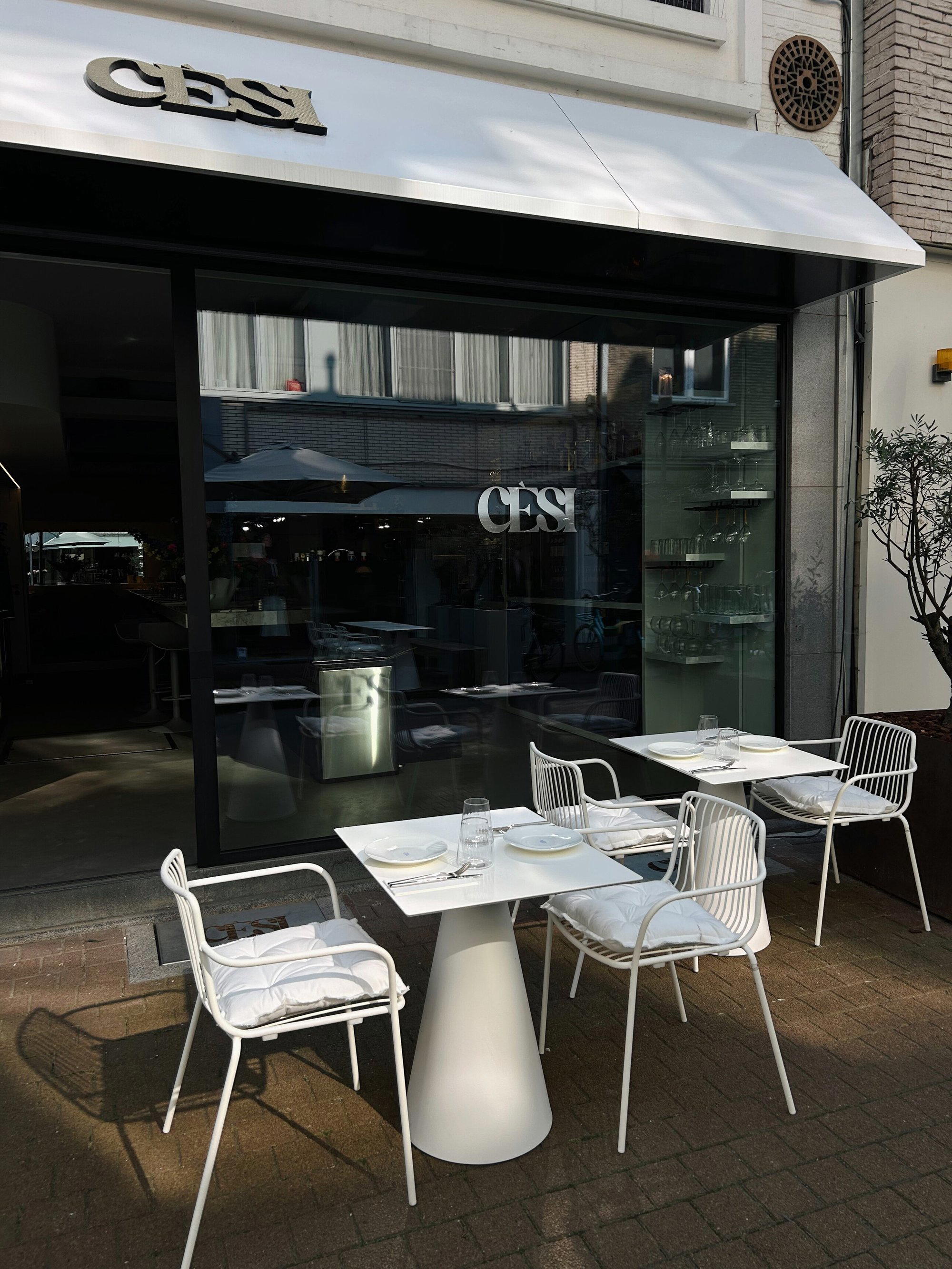
Hasselt's Dining Ambition, Table by Table
Belgium's provincial cities have spent the last decade quietly building fine-dining programmes that rival what Brussels and Antwerp offer, and Hasselt has been among the most consistent performers in that shift. The city punches above its population weight: within a few streets of the Aldestraat axis, you find a cluster of restaurants operating at a level where kitchen discipline, seasonal sourcing, and floor service are treated as equally weighted concerns. Cèsi, at Aldestraat 20, sits inside that cluster and positions itself within a local scene that has grown more technically rigorous year on year.
That broader context matters because Hasselt's restaurant culture has a specific character. Unlike Ghent or Bruges, which draw large international visitor flows and can sustain a wider range of price points and formats, Hasselt's fine-dining tier runs on local loyalty and regional reputation. Restaurants here tend to develop deeper relationships with their regulars rather than cycling through tourist covers, and that affects how service, menus, and the overall experience are calibrated. The atmosphere at the city's better tables reflects this: more settled, more conversational, less performative than the equivalent experience in a major tourist destination. Cèsi fits that register.
The Floor-Kitchen-Cellar Triangle
The editorial angle worth applying to Hasselt's stronger restaurants is the relationship between the three moving parts of a serious meal: kitchen output, wine programme, and front-of-house direction. When those three operate in genuine collaboration rather than as separate departments delivering their own performance, the experience acquires a coherence that's harder to define but immediately felt. Belgium, drawing on proximity to both French culinary tradition and the country's own sophisticated wine-import culture, tends to produce restaurants where this triangle functions well. The pairing of Burgundian grape varieties with Belgian preparations, or the selection of natural and low-intervention producers to complement technique-driven cooking, has become something of a local grammar in the better Hasselt rooms.
For context, this is the same dynamic that distinguishes, at a national level, restaurants like Boury in Roeselare or Vrijmoed in Gent, where the sommelier's role is as editorially visible as the chef's, and the front-of-house sets the pace of an evening rather than simply responding to it. Cèsi operates in a smaller city with a less internationally profiled scene, but the ambition reads from the same playbook.
Hasselt's €€€-tier restaurants share a common competitive pressure: they are judged against each other by a relatively small, attentive local audience that eats out frequently and notices regression quickly. Within that peer group, differentiation tends to come not from radical concept shifts but from the consistency and depth of execution on a given evening. JER, operating in Modern Cuisine, and Ogst, which runs a Modern French programme, represent the reference points in that tier. Both have developed strong repeat-visit cultures and have attracted regional attention.
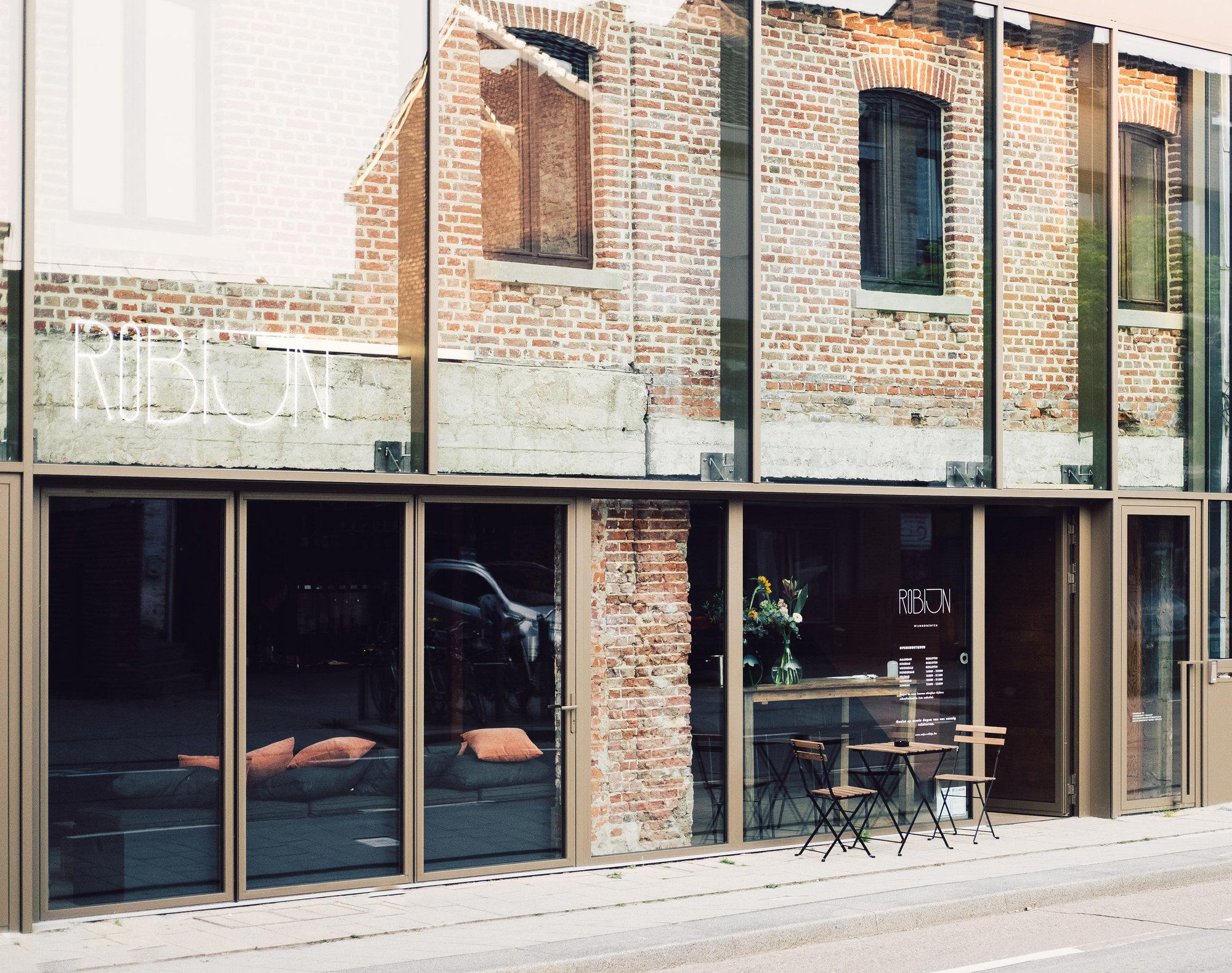
Cèsi's address on Aldestraat places it in the city's core dining corridor, accessible on foot from the main shopping streets and from the cathedral quarter. That central position is relevant for visitors building a Hasselt itinerary: the restaurant is not a destination requiring a separate trip to an outlying neighbourhood, but part of a walkable evening that might include drinks at one of the city's wine bars before or after. For a broader orientation to what Hasselt offers across price points and formats, our full Hasselt restaurants guide maps the scene in detail.
Belgium's Fine-Dining Reference Points
Understanding where a Hasselt restaurant sits requires placing it against Belgium's wider fine-dining axis. At the nationally recognised level, tables like Hof van Cleve in Kruishoutem and Zilte in Antwerp define the upper bracket, with multi-Michelin recognition and international booking audiences. Bozar Restaurant in Brussels and Willem Hiele in Oudenburg represent a different register: high-concept, critically discussed, drawing visitors specifically for the experience. Further afield, Ralf Berendsen in Neerharen and La Durée in Izegem illustrate how Belgium's provincial fine-dining tier continues to develop beyond the main urban centres.
Cèsi belongs to a generation of Belgian restaurants that didn't need to locate in Antwerp or Brussels to run a serious programme. The country's gastronomy has decentralised meaningfully, and cities like Hasselt, Lommel (see Cuchara) and smaller towns (see d'Eugénie à Emilie in Baudour) now sustain restaurants with genuine technical ambition. That decentralisation is one of the more interesting developments in Belgian dining over the past decade and makes a city like Hasselt worth building a trip around rather than treating as a side visit.
What the Service Dynamic Tells You
In rooms where collaboration between kitchen, sommelier, and front-of-house is working properly, the service has a particular quality: it's anticipatory rather than reactive, and the wine conversation happens as a natural extension of talking about food rather than as a separate commercial transaction. Belgian fine dining at its better end has absorbed this approach from French tradition but tends to run it with less formality and more directness. At the same scale internationally, you find this quality in very different contexts: the tasting-menu format at Lazy Bear in San Francisco or the decades-long floor discipline at Le Bernardin in New York City both demonstrate how service collaboration at the highest level reshapes the guest experience, even when the cuisine styles are entirely different.
For Hasselt visitors, a meal at a restaurant where this collaboration is functioning well is also a reliable way to understand what makes the city's dining scene coherent. The better rooms here share a sensibility: attentive without being rigid, technically serious without the European grand-dining theatrics that can make a meal feel like an obligation. That sensibility runs through 't Genoegen and is visible at different points along the price spectrum at Arlecchino and ArtChoc.
Planning a Visit
Hasselt's fine-dining tier is compact enough that bookings at its better tables tend to fill on a two-to-four week horizon for weekend services, with weekday availability remaining more flexible across most of the year. Aldestraat 20 is reachable directly from Hasselt station in under ten minutes on foot, which makes Cèsi a practical option for visitors arriving by train from Brussels, Liège, or Leuven. The city is also positioned for day-trip or short-stay itineraries from Antwerp, approximately 50 kilometres to the west.
For travellers assembling a Belgian fine-dining itinerary, Hasselt works well as a standalone overnight or a two-night base rather than a single-meal detour. The concentration of serious restaurants within walking distance, combined with the city's Jenever heritage and accessible wine-bar culture, justifies the time. Cèsi's central address means it fits naturally into an evening programme without requiring advance logistics beyond the reservation itself.
How Cèsi Hasselt compares with similar nearby venues.
| Venue | Cuisine | Price |
|---|---|---|
| ROSS | Creative French | €€€ |
Continue exploring
More in Hasselt
Restaurants in Hasselt
Browse all →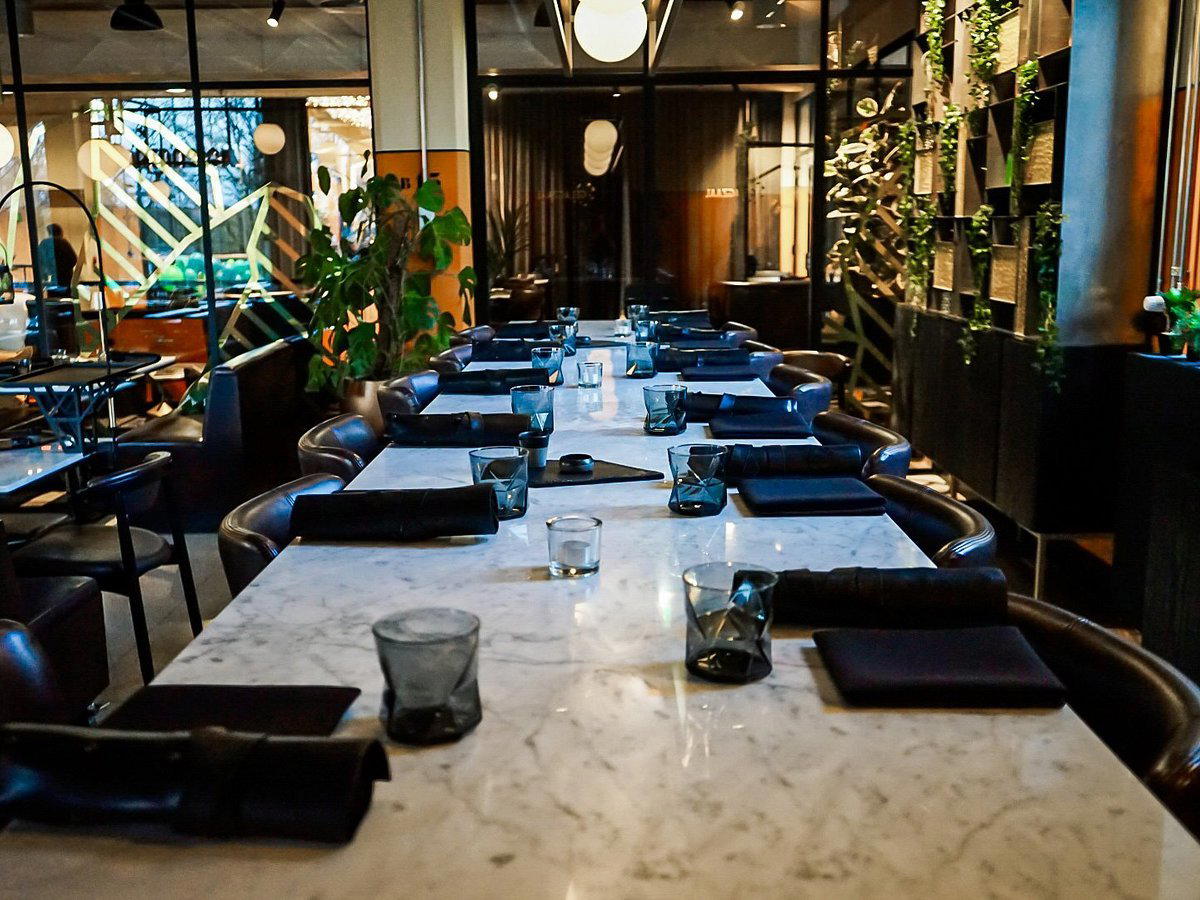
Bars in Hasselt
Browse all →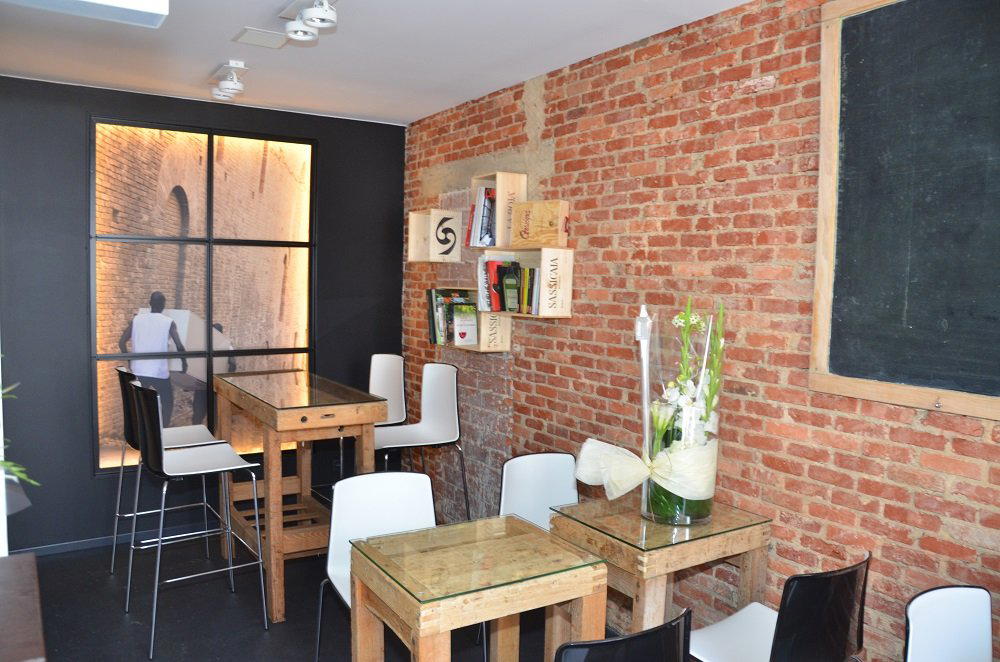
Hotels in Hasselt
Browse all →

At a Glance
- Cozy
- Intimate
- Elegant
- Romantic
- Date Night
- Group Dining
- Family
- Business Dinner
- Open Kitchen
- Extensive Wine List
Current opening hours
- Monday
- Closed
- Tuesday
- 6–9 PM
- Wednesday
- 6–9 PM
- Thursday
- 6–9 PM
- Friday
- 12–2 PM, 6–10 PM
- Saturday
- 12–2 PM, 6–10 PM
- Sunday
- Closed
Hours can change for holidays and private events. Last verified .
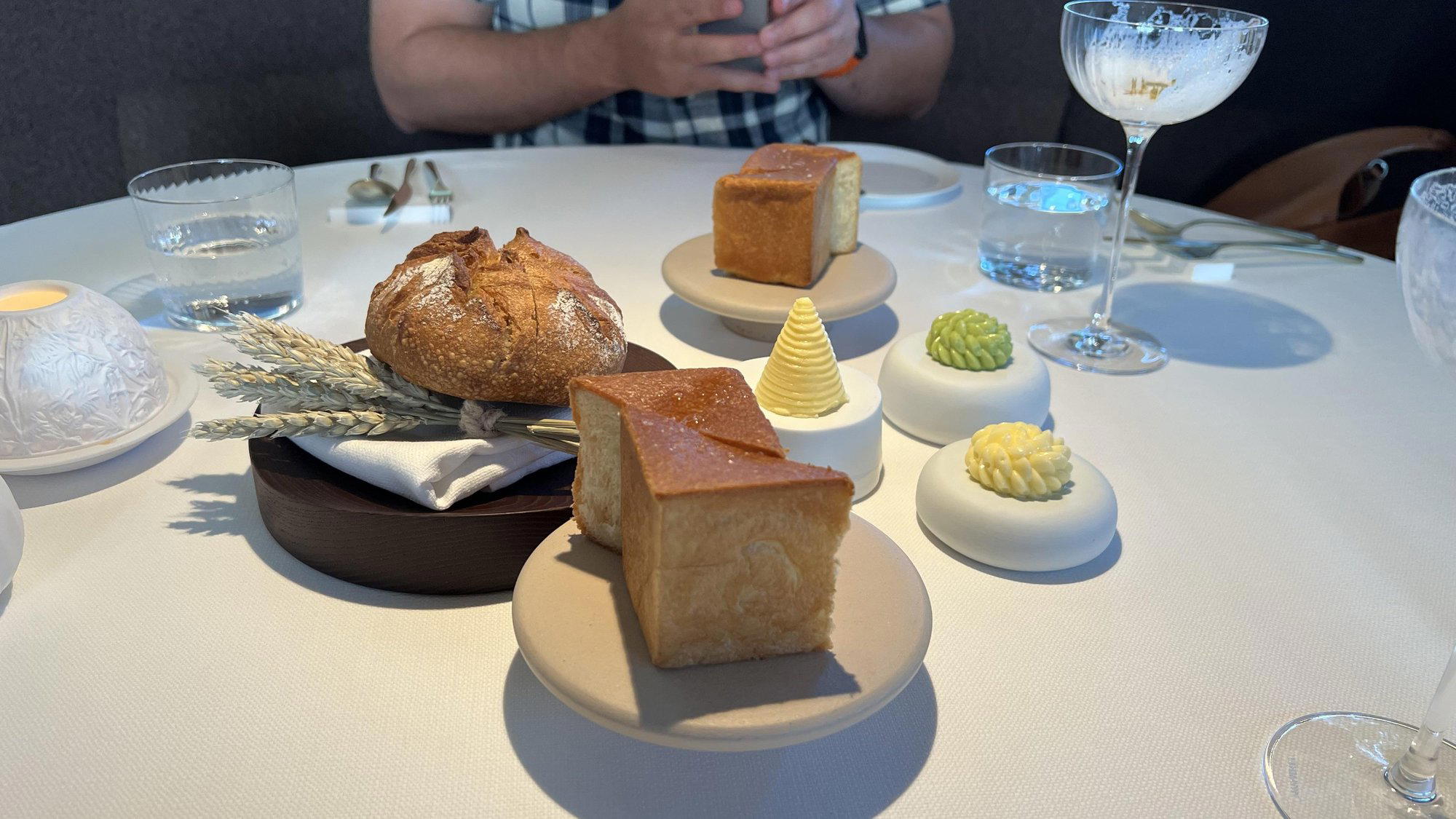
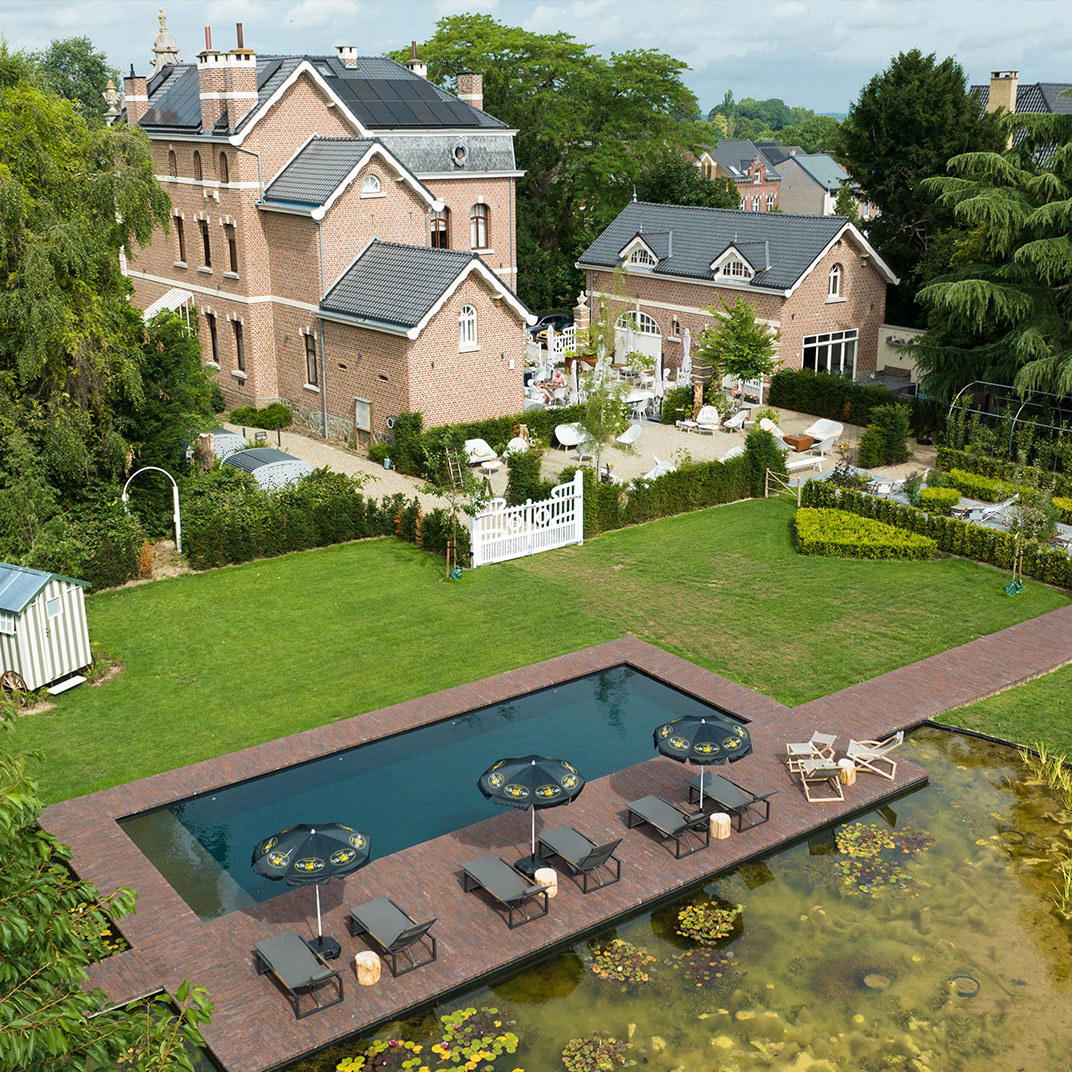
Cozy and stylish atmosphere in an intimate dining house with a relaxed environment where design and flavors melt together.
Know Before You Go
- Getting there
- Aldestraat 20, 3500 Hasselt, Belgium