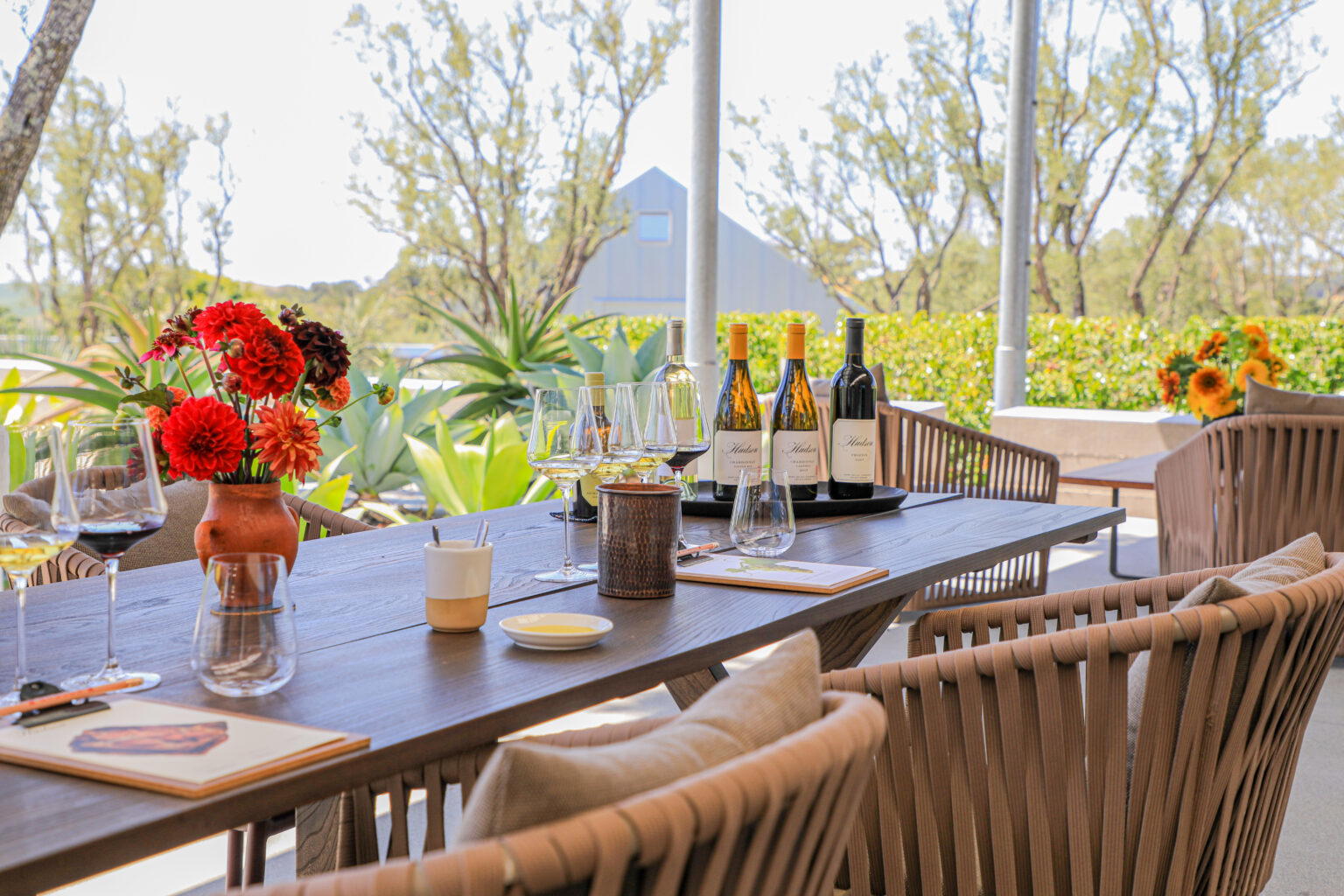
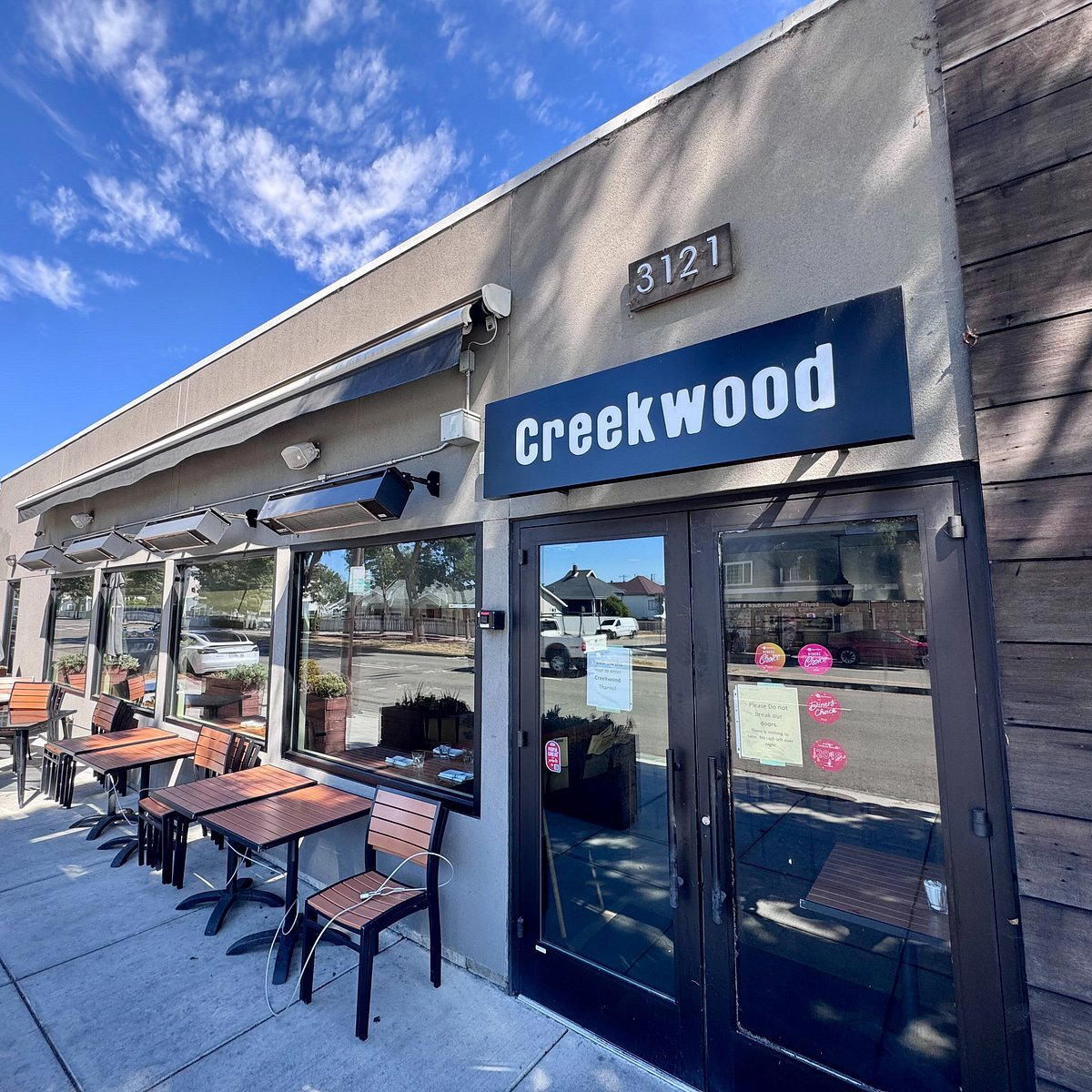
Creekwood Restaurant
Our verdict
Creekwood Restaurant occupies a quiet stretch of Sacramento Street in Berkeley, where the city's long-standing commitment to ingredient provenance shapes how neighborhood kitchens operate. Situated in the residential grid north of the Gourmet Ghetto, the restaurant draws from the same Bay Area sourcing culture that has defined the region's dining identity for decades. A considered address for those already familiar with Berkeley's deeper restaurant circuit.

Pearl is the En Primeur Club membership app — saves, bookings, and concierge access live there. Same editors, same standards.
- Address
- 3121 Sacramento St, Berkeley, CA 94702
- Phone
- (510) 647-8210
- Hours
- Mon ClosedTue–Thu 4–8:30 PMFri 4–9 PMSat 10 AM–2 PM, 4–9 PMSun 10 AM–2 PM, 4–8:30 PM
- Website
- creekwoodrestaurant.com
- Directions
- Get directions
- Booking
- Book on OpenTable
Sacramento Street and the Sourcing Tradition That Built This City
Berkeley's reputation in American dining has never rested on a single flagship. It rests on a posture: a collective insistence, stretching back to the 1970s, that what arrives on the plate should be traceable, seasonal, and grown within a reasonable radius. That posture, more than any individual chef or institution, is what shaped the Gourmet Ghetto, generated the farm-to-table vocabulary that the rest of the country eventually borrowed, and continues to determine what a serious neighborhood restaurant in Berkeley looks like today. Creekwood Restaurant, at 3121 Sacramento Street, operates within that tradition.
Sacramento Street runs through one of Berkeley's quieter residential corridors, north of the Telegraph Avenue density and east of the Solano Avenue strip. The dining here tends toward the considered and unhurried rather than the trend-chasing. Restaurants in this pocket generally build their identity around consistency and sourcing integrity rather than spectacle, which places them in a different register than the high-volume operations clustered closer to UC Berkeley's campus. For context on the fuller range of what Berkeley's restaurant scene offers across neighborhoods, EP Club's Berkeley restaurants guide maps the city's dining character district by district.
Ingredient Sourcing as the Organizing Principle
The Bay Area's proximity to some of California's most productive agricultural land has always given its restaurants an advantage that kitchens in coastal cities without that geography simply cannot replicate. The Capay Valley, Marin County's farms, the Sonoma Coast, and the Central Valley's specialty producers all sit within a supply chain that allows a committed kitchen to rotate its menu around what is actually available rather than what is convenient to import. That constraint, which functions less as a limitation and more as an editorial discipline, is what separates ingredient-driven cooking from cooking that merely describes itself that way.
Those are larger, more formally recognized operations, but they share with Berkeley's committed neighborhood kitchens a foundational belief: that the ingredient's origin is part of the dish's meaning. Nationally, this ethos also runs through Smyth in Chicago and informs the seasonal structure at Addison in San Diego, though California's agricultural access remains a distinct structural advantage for kitchens here.
Berkeley's Neighborhood Restaurant Ecosystem
What Berkeley does better than most American cities its size is sustain a mid-tier restaurant culture that takes sourcing as seriously as the fine-dining tier. In San Francisco, that discipline tends to concentrate in destination restaurants like Lazy Bear, where the format itself signals commitment. In New York, it surfaces in places like Le Bernardin or Atomix, but within a competitive environment where sourcing is one differentiator among many. Berkeley's neighborhood restaurants carry sourcing as a near-universal expectation rather than a distinguishing claim, which changes how individual kitchens compete. They compete on execution, atmosphere, and the specific relationships they build with producers.
Nearby on the Berkeley restaurant circuit, 900 Grayson has built its following around a similarly grounded approach to California ingredients. Agrodolce brings a Southern Italian lens to the same local-sourcing framework. Ajanta applies regional Indian cooking traditions to California produce with unusual specificity. AKEMI and Angeline's Louisiana Kitchen represent two ends of the flavor spectrum but both operate with a degree of culinary seriousness that reflects Berkeley's baseline expectations. The Sacramento Street address puts Creekwood in a residential rather than commercial dining cluster, which typically signals a kitchen that relies on repeat local custom rather than foot traffic from visitors.
What This Address Signals About Format and Ambition
Restaurants that choose or settle into residential Berkeley streets tend to function at a specific pace. The format is rarely about theatrical tasting menus or high-concept service choreography. The ambition is usually quieter: ingredients sourced with care, cooking that respects the season, and a room that feels more like a well-considered neighborhood institution than a stage. That puts them at a different point in the dining spectrum than, say, The French Laundry in Napa or The Inn at Little Washington, which are destination experiences built around formal ceremony. It also distinguishes them from regional anchors like Emeril's in New Orleans or Providence in Los Angeles, where scale and recognition drive a different kind of energy. Berkeley's residential kitchen operates closer to the Atelier Moessmer Norbert Niederkofler model in spirit, if not in formal ambition: the place is shaped by what is available locally, and that availability changes.
Planning a Visit
Creekwood Restaurant sits at 3121 Sacramento Street in the North Berkeley residential grid, accessible from the Downtown Berkeley BART station by a short ride or walk through the residential streets heading northwest. The Sacramento Street corridor is low-traffic and parking is generally available in the surrounding blocks on evenings. Given that precise hours, current pricing, and booking arrangements are best confirmed directly, approaching the restaurant during daytime hours or checking for updated contact information before planning a visit is advisable. Neighborhood restaurants at this address tend to run limited seatings, particularly on weekends when demand from local regulars concentrates, so early planning is sensible regardless of the specific format.
Frequently asked questions
What's the address for Creekwood Restaurant?
Creekwood Restaurant is located at 3121 Sacramento St, Berkeley, CA 94702, Berkeley.
Is Creekwood Restaurant a good option for a dinner in North Berkeley near the BART station?
Creekwood sits at 3121 Sacramento Street in the North Berkeley residential grid, reachable from Downtown Berkeley BART. The Sacramento Street corridor functions as a neighborhood dining zone rather than a destination dining strip, meaning the pace and format skew toward local regulars over destination crowds — useful context if you're timing an evening around transit.
What should I order at Creekwood Restaurant?
Given Berkeley's broader dining culture, restaurants at this address tend to rotate offerings around seasonal California produce, so asking staff what has arrived most recently from local farms is a practical starting point.
Should I book Creekwood Restaurant in advance?
Reservation policy for Creekwood has not been formally published, but North Berkeley neighborhood restaurants on Sacramento Street typically fill weekend evenings quickly given the residential foot traffic and limited covers. Contacting the venue directly before planning a visit is the reliable approach.
What's the standout thing about Creekwood Restaurant?
Creekwood occupies a Sacramento Street address in North Berkeley, a corridor that has historically attracted restaurants organized around ingredient sourcing rather than theatrical format. The neighborhood context alone signals a kitchen more focused on what arrives from California's agricultural interior than on tasting-menu spectacle.
How does Creekwood Restaurant handle allergies?
Allergy accommodation specifics have not been publicly documented for Creekwood at 3121 Sacramento Street. Standard practice at Berkeley's neighborhood restaurants is to communicate dietary restrictions at the time of booking or on arrival; calling ahead remains the most dependable method.
Comparable Spots
Comparable venues nearby, for context on price, style, and recognition.
| Venue | Cuisine | Price | Notes |
|---|---|---|---|
| Creekwood RestaurantThis venue — the venue you are viewing | California-Italian | $30–50 | Not listed |
| Via del Corso | Regional Italian Trattoria | $50–100 | Gourmet Ghetto |
| Passione Emporio | Authentic Handmade Italian Pasta & Pizza | $30–50 | West Berkeley |
| Agrodolce | Authentic Sicilian Trattoria | $30–50 | Gourmet Ghetto |
| GIOIA Pizzeria | New York-Style Pizza | $10–20 | Northbrae |
| Filippo's | Casual Italian Trattoria | Not listed | College Avenue, Oakland |