FAVA
Our verdict
On Vine Street in Berkeley's North Shattuck corridor, FAVA occupies a stretch of the East Bay where ingredient provenance has long driven the menu conversation. The address alone signals a kitchen working within a tradition that prizes what's grown nearby over what's imported for spectacle. For diners who track sourcing as closely as technique, this is a worthwhile stop on Berkeley's dining circuit.

Pearl is the En Primeur Club membership app — saves, bookings, and concierge access live there. Same editors, same standards.
- Address
- 2114 Vine St, Berkeley, CA 94709
- Phone
- (510) 944-7010
- Hours
- Mon ClosedTue–Sat 11 AM–3 PMSun Closed
- Website
- favaonvine.com
- Directions
- Get directions
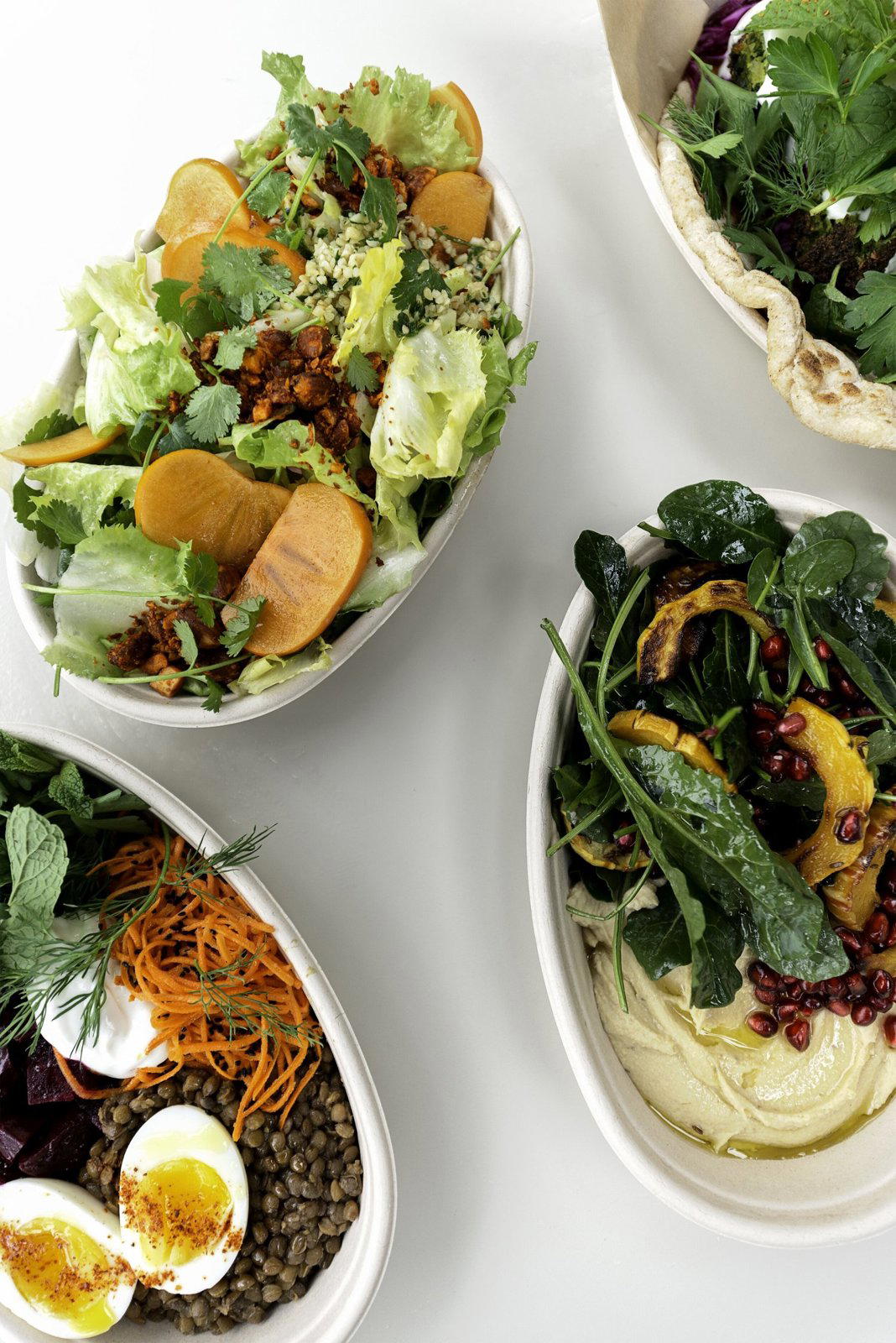
The menu
What to order
- Lamb flatbread
- Falafel flatbread
- Lentil soup
- Tahini chocolate chip cookie
Where Berkeley's Sourcing Tradition Takes Shape
Vine Street sits a short walk from the Gourmet Ghetto, the North Shattuck strip that Alice Waters and a generation of California cooks turned into the country's most consequential argument for local, seasonal ingredients. FAVA operates within that tradition, at 2114 Vine St, in a neighbourhood where the question of where food comes from is embedded in the culture rather than bolted on as an afterthought.
That context matters when assessing what a restaurant on this block is trying to do. The East Bay's leading addresses have spent decades building direct relationships with producers in the surrounding region: Sonoma ranchers, Brentwood fruit growers, small-plot vegetable farmers in the Central Valley foothills. A kitchen on Vine Street inherits that infrastructure and, more importantly, the expectation that it will use it. Diners who have eaten their way through Berkeley's dining scene arrive with calibrated palates and genuine curiosity about provenance, not just flavour.
The Ingredient-First Logic of the East Bay
The East Bay's sourcing culture is not incidental to its restaurant identity. It is the identity. The region sits within reach of some of California's most productive agricultural zones, and the proximity has shaped a style of cooking that is less about complex technique and more about the quality of the raw material. This is not minimalism for aesthetic reasons; it is minimalism as a statement about what the ingredient can do when handled with restraint.
Nationally, the sourcing conversation has matured. Restaurants like Single Thread Farm in Healdsburg have formalised the farm-to-table model into something close to a fine-dining grammar, with their own farm supplying the kitchen. At the other end of the formality scale, neighbourhood-level kitchens in Berkeley have long done the same thing without the tableside ceremony. Blue Hill at Stone Barns in Tarrytown turned the producer relationship into its central narrative; Berkeley's dining culture absorbed a similar ethic decades earlier, often without making a spectacle of it.
What distinguishes the leading ingredient-led kitchens from marketing-driven ones is the evidence on the plate: produce that changes with the week's harvest rather than the season's mood, proteins sourced from named ranches, and a menu that shrinks or pivots when a supplier has a bad week rather than substituting from a national distributor. Whether FAVA's current menu reflects that level of commitment is best confirmed directly with the kitchen, since specific dishes and sourcing partnerships shift with the supply.
Berkeley's Broader Dining Context
The North Shattuck corridor has historically attracted kitchens serious enough to hold their own in a neighbourhood where the bar is set by decades of critical attention. Dining across Berkeley right now spans a wide range of formats and traditions. Ajanta has built a long-standing reputation for regional Indian cooking, while Agrodolce represents the Italian-leaning end of Berkeley's European-influenced mid-market. 900 Grayson has long anchored the American comfort register, and Angeline's Louisiana Kitchen holds its own corner of the city's Southern food conversation.
FAVA sits in a different part of that map: a kitchen shaped by the ingredient-sourcing tradition that Berkeley arguably invented for the American dining mainstream. For a wider read of where the city's restaurants are heading, our full Berkeley restaurants guide maps the current scene across neighbourhoods and price tiers.
How FAVA Compares to Sourcing-Led Peers Nationally
The sourcing-led format has produced some of the country's most discussed restaurants over the past decade. Smyth in Chicago built a two-Michelin-star program partly on a documented farm relationship. Providence in Los Angeles built its reputation on sustainable seafood sourcing with a level of specificity that influenced the Southern California dining conversation for years. Addison in San Diego and The French Laundry in Napa operate at the formal end of the California fine-dining spectrum, where producer relationships are part of the experience's stated identity.
Berkeley's contribution to this tradition has always been less formal, more democratic in price and format. Neighbourhood restaurants here absorb the same sourcing ethics without the tasting-menu price point or the white-tablecloth setting. That positioning, a serious relationship with the supply chain communicated through the plate rather than through the service script, is where the East Bay has consistently differentiated itself from both the San Francisco fine-dining tier and the sprawling Los Angeles casual market. Lazy Bear in San Francisco and Atomix in New York City represent the high-ceremony end of the producer-relationship model; Berkeley's Vine Street corridor has historically operated at the other end of that formality axis.
Planning Your Visit
FAVA is located at 2114 Vine St in Berkeley, within walking distance of the Gourmet Ghetto's cluster of food shops, bakeries, and long-established restaurants. The address is accessible by BART (North Berkeley station is the closest stop, roughly a ten-minute walk) and sits in a neighbourhood where street parking is available but variable depending on the time of day. Given Berkeley's general dining habits, weekday evenings tend to be quieter than Friday and Saturday nights across the neighbourhood, which is worth factoring into timing.
For context on how FAVA sits within the broader East Bay dining conversation, AKEMI represents a different register of Berkeley dining, while the broader California ingredient-led tradition has found formal expression at properties like Atelier Moessmer Norbert Niederkofler in Brunico, which has built a Michelin-starred program around a comparable commitment to regional sourcing in a European context. For New Orleans comparisons on how a city's food culture can be both ingredient-led and deeply local, Emeril's in New Orleans offers a contrasting model. Le Bernardin in New York City and The Inn at Little Washington in Washington anchor the formal end of the American sourcing conversation in their respective cities.
Frequently asked questions
What's the address for FAVA?
FAVA is located at 2114 Vine St, Berkeley, CA 94709, Berkeley.
How does FAVA's location on Vine Street compare to other restaurants in Berkeley's Gourmet Ghetto area?
At 2114 Vine St, FAVA sits on the edge of the North Shattuck corridor that gave rise to Chez Panisse and anchored California's ingredient-driven dining movement from the 1970s onward. Restaurants in this cluster operate in a food culture with decades of built-in infrastructure connecting kitchens directly to Bay Area and Central Valley producers.
What's the signature dish at FAVA?
Given its location steps from the Gourmet Ghetto on Vine Street in Berkeley, the kitchen almost certainly reflects the East Bay's ingredient-first approach, where the menu shifts around what California producers are delivering rather than fixed dishes. Check directly with the restaurant for current offerings.
Is FAVA reservation-only?
Restaurants in the North Shattuck corridor with serious sourcing programs tend to fill quickly, particularly on weekends, so contacting the restaurant ahead of your visit is advisable. FAVA is located at 2114 Vine St, Berkeley.
What makes FAVA worth seeking out?
FAVA's address on Vine Street places it within walking distance of the Gourmet Ghetto, Berkeley's North Shattuck strip that Alice Waters and a generation of California cooks built into a genuine food destination. That proximity is not incidental: the East Bay's sourcing infrastructure — direct farm relationships, specialty producers, artisan suppliers — informs how kitchens in this corridor operate at a structural level. Few American cities have a neighborhood with that depth of ingredient access built into the block itself.
Is FAVA worth it?
What can be said is that Vine Street in Berkeley sits inside one of the country's most established sourcing-led dining corridors, and restaurants at that address carry the overhead of working with quality California producers. Whether the execution justifies the spend is best judged against current reviews.
Comparable Venues
Comparable venues nearby, for context on price, style, and recognition.
| Venue | Cuisine | Price | Notes |
|---|---|---|---|
| FAVAThis venue — the venue you are viewing | Mediterranean Lunch Counter | $10–20 | Not listed |
| Gai Barn Thai Soul Food | Thai Soul Food | Not listed | Elmwood |
| Teance Fine Teas | Specialty Asian Teahouse | $10–20 | Berkeley |
| Red Tomato Pizza House | Italian Pizza with Vegan & Gluten-Free Options | $20–30 | Gourmet Ghetto |
| Angeline's Louisiana Kitchen | Louisiana Cajun & Creole | $30–50 | Downtown |
| Creekwood Restaurant | California-Italian | $30–50 | South |
Continue exploring
More in Berkeley
Restaurants in Berkeley
Browse all →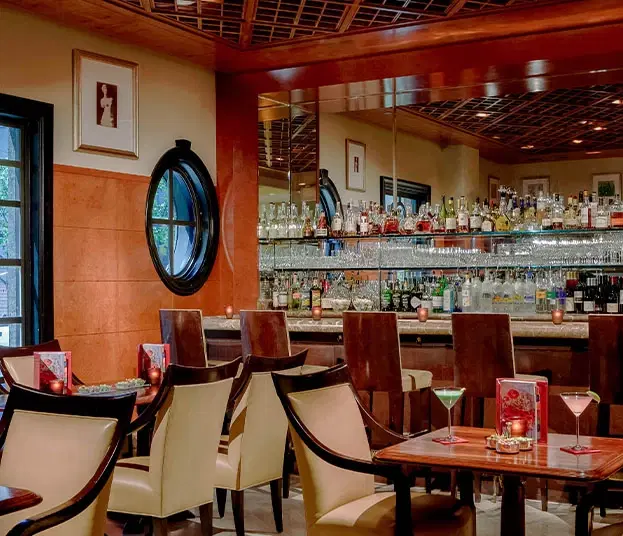
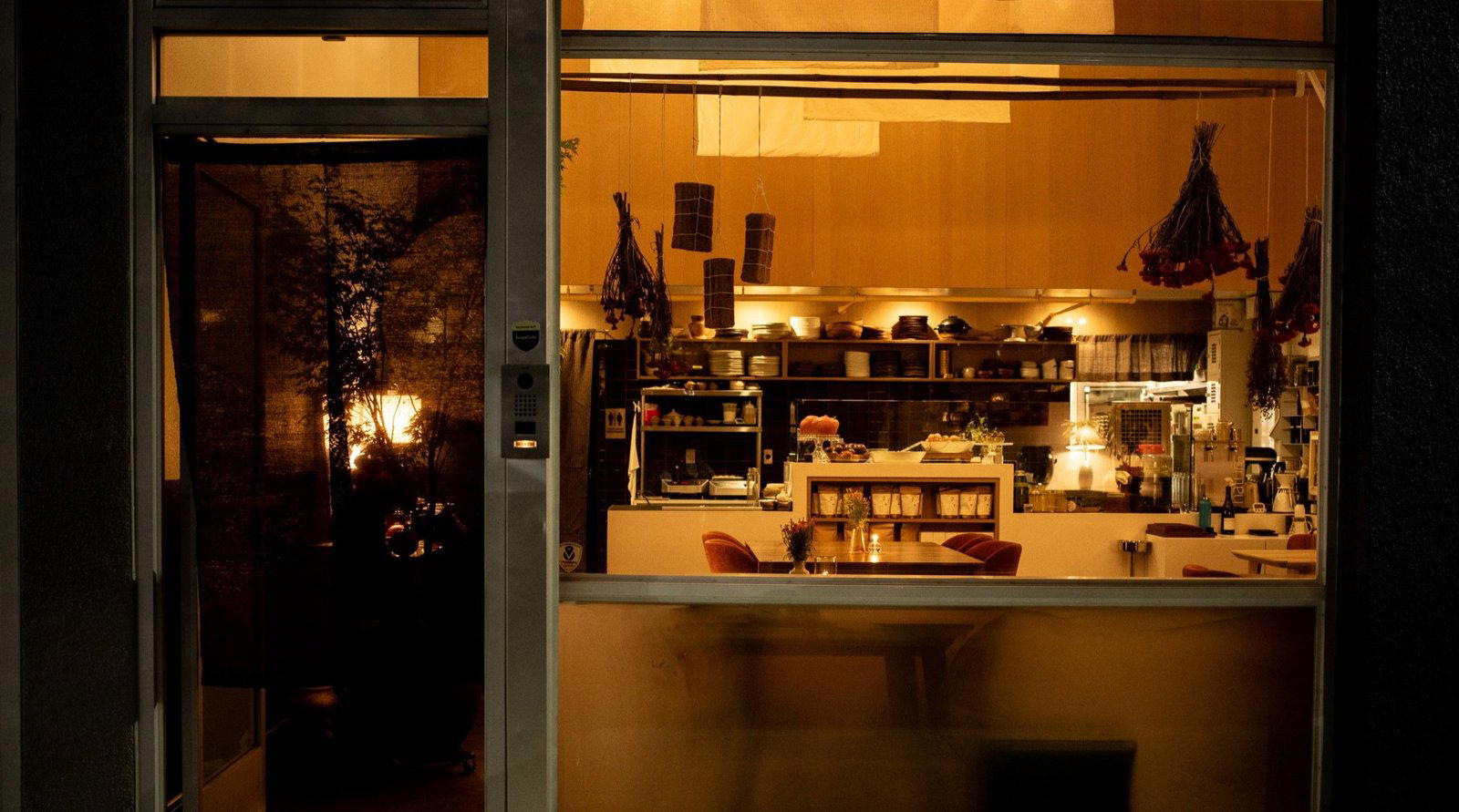
Bars in Berkeley
Browse all →
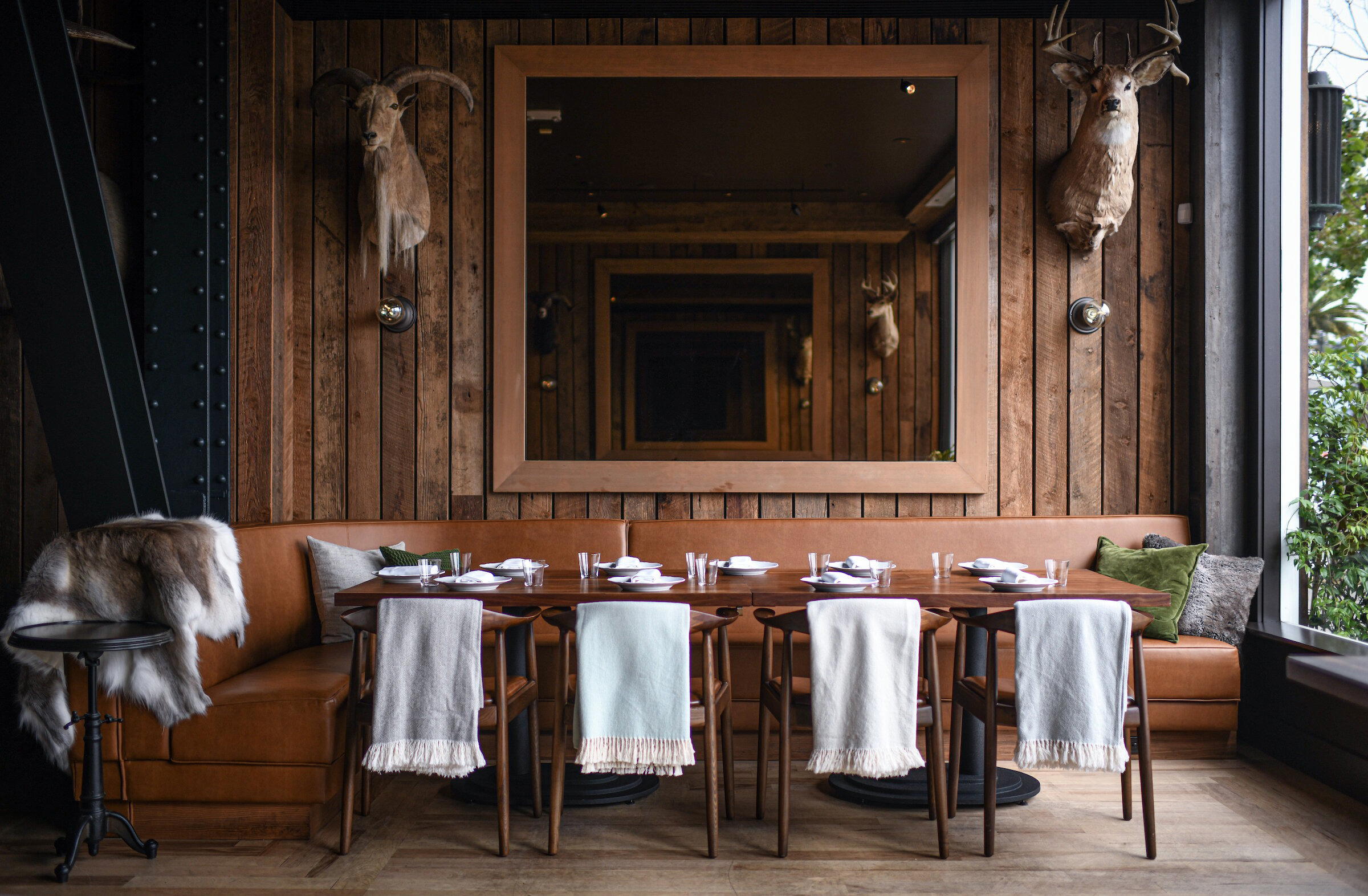
Hotels in Berkeley
Browse all →



Details
- Cozy
- Modern
- Casual Hangout
- Open Kitchen
- Local Sourcing
- A La Carte
- Vegetarian Friendly
Current opening hours
- Monday
- Closed
- Tuesday
- 11 AM–3 PM
- Wednesday
- 11 AM–3 PM
- Thursday
- 11 AM–3 PM
- Friday
- 11 AM–3 PM
- Saturday
- 11 AM–3 PM
- Sunday
- Closed
Hours can change for holidays and private events. Last verified .
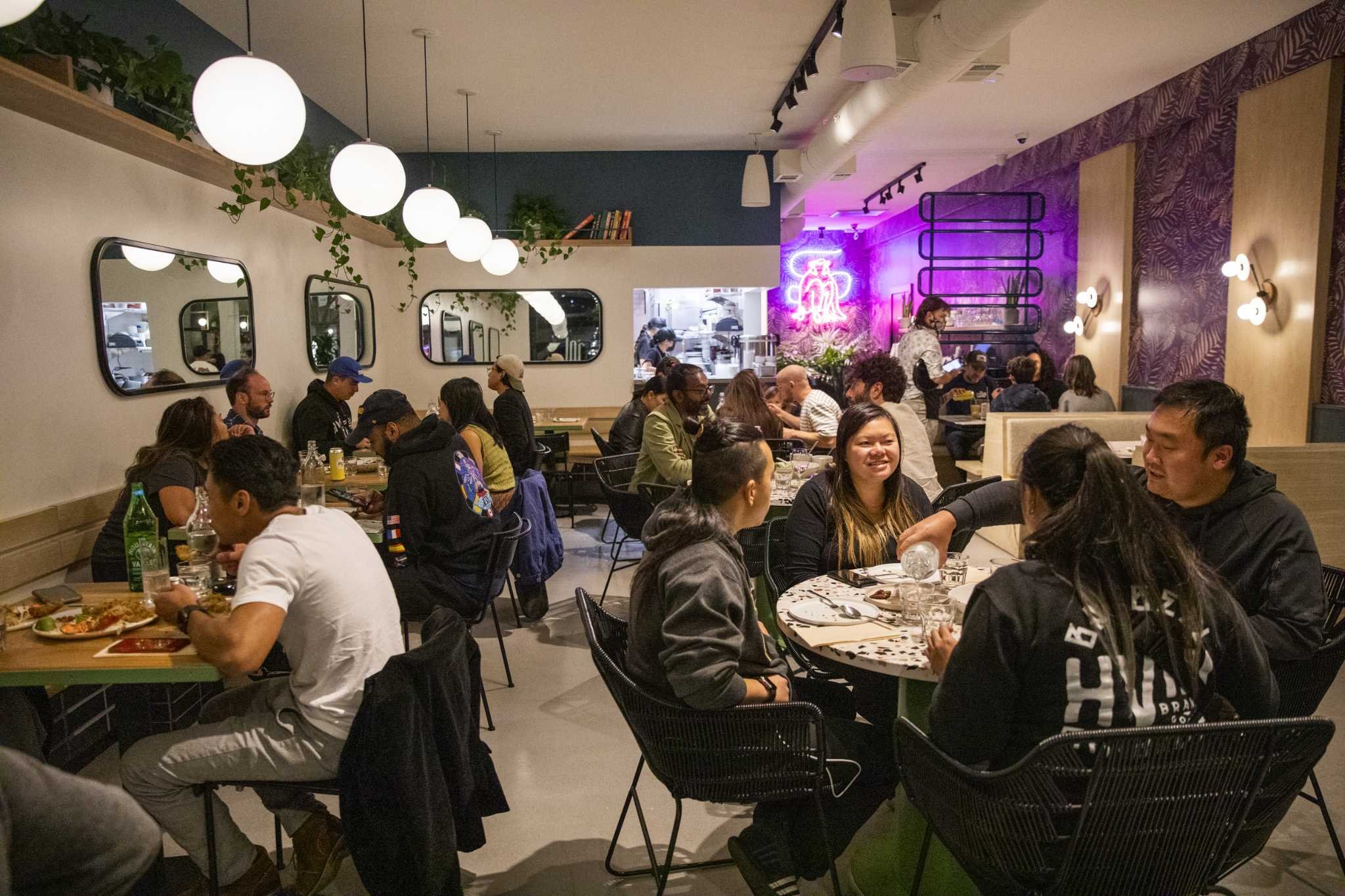
Casual counter-service spot with a light, healthy atmosphere focused on fresh seasonal ingredients.