Agrodolce
Our verdict
Agrodolce sits on Shattuck Avenue in Berkeley's Gourmet Ghetto, a stretch that has shaped Northern California's independent restaurant culture for decades. The name, Italian for sweet and sour, signals an approach rooted in contrast and balance rather than safe familiarity. For the neighbourhood it occupies, that sensibility fits precisely where Berkeley's dining identity has always pointed.

Pearl is the En Primeur Club membership app, where members save venues, book tables and use the concierge.
The menu
What to order
- Bucatini with Fresh Sardines and Fennel
- Ragù di Maiale Pappardelle
- Sicilian-Style Porchetta
- Mushroom Ravioli
Shattuck Avenue and What It Asks of a Restaurant
Berkeley's Gourmet Ghetto is one of the few American dining corridors with a genuine origin story. The stretch of Shattuck Avenue around Cedar Street didn't accumulate its reputation through real estate cycles or branding; it earned it through decades of independent operators who treated ingredient sourcing and kitchen craft as political positions as much as culinary ones. Opening on this block is not a neutral act. The address carries expectations that pre-date most of the country's farm-to-table conversation, and restaurants here are implicitly measured against a tradition that values substance over spectacle.
Agrodolce, at 1730 Shattuck Ave. sits inside that lineage. Its name, Italian for the sweet-sour balance that runs through southern Italian and Sicilian cooking, telegraphs an approach built on contrast and restraint rather than richness stacked on richness. That framing matters in a neighbourhood where the dining public has been reading ingredient lists and asking provenance questions since the 1970s. A kitchen that trades in agrodolce logic is making a quiet argument about how flavour should work: acid against sweetness, lean against fat, brightness against depth.
The restaurants that have sustained themselves on and around Shattuck tend to share a few structural qualities: they operate at a human scale, they anchor to a culinary tradition rather than a trend, and they attract regulars who return for the consistency of a specific dish or a specific mood rather than novelty. That's a different competitive logic from the destination-dining market that drives reservations at places like Lazy Bear in San Francisco or Single Thread Farm in Healdsburg, where the event-dining format is the product. Berkeley's Shattuck corridor runs on a different clock and a different kind of loyalty.
Within Berkeley itself, the independent restaurant culture is genuinely pluralist. Ajanta has held its position on Solano for years by rotating regional Indian menus in a market that rarely rewards that kind of specificity. 900 Grayson has built a following around a breakfast and brunch format that prioritises sourcing over menu ambition. AKEMI represents a more recent wave of focused Japanese-inflected dining in the East Bay. Each of these operates by a clear internal logic, and each has found an audience that appreciates that clarity. Agrodolce's Italian sweet-sour register gives it a distinct position in that field.
For context on how Berkeley's independent dining culture compares to American fine dining at its most formalised, venues like The French Laundry in Napa, Le Bernardin in New York City, Addison in San Diego, or Atomix in New York City represent the other end of the spectrum, where tasting menus, Michelin recognition, and ritual service structure the entire experience. Berkeley's Shattuck restaurants, Agrodolce included, operate in a register where the food is the argument and the room doesn't try to compete with it.
The Agrodolce Cooking Logic
The agrodolce technique has roots in Sicilian cucina povera and the broader southern Italian tradition of making preserved and pickled ingredients do serious flavour work. Sweet-and-sour preparations historically served a preservation function before refrigeration, but they survived into contemporary cooking because the flavour contrast they produce is genuinely hard to replicate through other means. Caponata, escabeche-adjacent fish preparations, braised meats with raisin and vinegar reductions: these are dishes that reward the kind of attention Berkeley diners typically bring to the table.
That tradition sits comfortably alongside the East Bay's existing preoccupations with fermentation, preservation, and seasonal produce. Berkeley's proximity to farms in Marin, Sonoma, and the Central Valley gives kitchens here access to ingredient quality that makes simple preparations viable at a level that's harder to achieve in most American cities. A restaurant working in the agrodolce register can let that quality show without masking it under heavy technique.
What Brings Diners to This Block
Shattuck Avenue rewards the kind of dining decision made on a Tuesday evening rather than a special-occasion Saturday. The corridor's restaurants tend to operate without the booking machinery that surrounds destination-tier venues. Contrast that with the planning effort required for a table at Blue Hill at Stone Barns in Tarrytown, Smyth in Chicago, or The Inn at Little Washington, where lead times can run weeks or months and the evening is structured around a fixed experience. Berkeley's independent operators generally offer more flexibility, and that accessibility is part of their value proposition.
Other restaurants in the neighbourhood extend the range of what a single evening might include. Angeline's Louisiana Kitchen handles the Gulf Coast end of the comfort food spectrum with a directness that reads well against Berkeley's typically produce-forward menus. Arinell Pizza anchors the low-intervention, high-craft end of the pizza conversation on the avenue. The overall dining offer on and around Shattuck is varied enough that visitors can structure a serious eating itinerary without leaving the neighbourhood. A fuller picture of what the city offers is in our full Berkeley restaurants guide.
Visitors arriving from the Bay Area's other dining centres, or from further afield, comparing notes with what they've encountered at Providence in Los Angeles, Emeril's in New Orleans, or even Atelier Moessmer Norbert Niederkofler in Brunico, will find Berkeley's Shattuck corridor operates on its own terms. The comparison set here is internal and historical, not driven by award cycles or media attention from outside the region.
Planning a Visit
Frequently asked questions
Where is Agrodolce located?
Agrodolce is located at 1730 Shattuck Ave. Berkeley, CA 94709, Berkeley.
How does Agrodolce compare to other Italian restaurants in Berkeley's Gourmet Ghetto?
Agrodolce's emphasis on the agrodolce technique places it in a more specifically southern Italian and Sicilian register than most Italian-inflected restaurants in Berkeley, which tend toward Northern Italian or pan-Italian formats. The Gourmet Ghetto corridor on Shattuck Avenue, established as a serious dining destination since the 1970s, draws restaurants that prioritise ingredient sourcing and regional specificity over broad-appeal menus. That context makes Agrodolce's southern Italian focus a distinguishing position within the neighbourhood's existing Italian dining options.
Is Agrodolce reservation-only?
Restaurants along this stretch of Shattuck Avenue in Berkeley's Gourmet Ghetto typically offer a combination of reservations and walk-in seating, with demand shifting noticeably on weekend evenings. Checking directly with the restaurant before your visit is the most reliable approach.
What is Agrodolce known for?
Agrodolce takes its name from the Italian sweet-sour cooking tradition, which has deep roots in Sicilian cucina povera and the broader southern Italian practice of using vinegar, sugar, citrus, and preserved ingredients to build complexity. That flavour register sets it apart from the more Northern Italian-leaning menus common elsewhere in the Bay Area. The restaurant operates on Shattuck Avenue in Berkeley's Gourmet Ghetto, a corridor with a documented history of ingredient-focused, technique-driven cooking dating to the 1970s.
Can Agrodolce accommodate dietary restrictions?
The practical step is to contact the restaurant at 1730 Shattuck Ave, Berkeley, before visiting, particularly for allergies or strict dietary requirements. Southern Italian cooking often incorporates fish-based preparations, preserved meats, and dairy, which is worth factoring into your inquiry.
Is Agrodolce worth it?
For a meal calibrated to the agrodolce register, with its emphasis on preserved and pickled flavours, Berkeley is a more apt setting than most American cities.
Compact Comparison
Comparable venues nearby, for context on price, style, and recognition.
| Venue | Cuisine | Price | Notes |
|---|---|---|---|
| AgrodolceThis venue (the venue you are viewing) | Authentic Sicilian Trattoria | $30–50 | Not listed |
| Via del Corso | Regional Italian Trattoria | $50–100 | Gourmet Ghetto, Regional Italian Trattoria |
| Pepe's Pizza | Southside, Pizza Buffet | Not listed | Not listed |
| Sportivo | Italian Bar Ristorante | Not listed | Downtown Berkeley, Italian Bar Ristorante |
| State Flour Pizza Company | New York-Style Pizza | $20–30 | College Avenue, New York-Style Pizza |
| Norikonoko Japanese Restaurant | Homestyle Japanese | Not listed | Telegraph, Homestyle Japanese |
Continue exploring
More in Berkeley
Restaurants in Berkeley
All restaurants in Berkeley →
Bars in Berkeley
All bars in Berkeley →


Details
- Rustic
- Cozy
- Lively
- Classic
- Casual Hangout
- Group Dining
- Date Night
- Historic Building
- Standalone
- Open Kitchen
- Extensive Wine List
- Local Sourcing
- A La Carte
- Family Style
- Italian Wine
- Sicilian Wine
- Gluten Free Options
Current opening hours
- Monday
- Closed
- Tuesday
- 5–9 PM
- Wednesday
- 5–9 PM
- Thursday
- 5–9 PM
- Friday
- 5–9 PM
- Saturday
- 5–9 PM
- Sunday
- 5–9 PM
Hours can change for holidays and private events. Last verified .
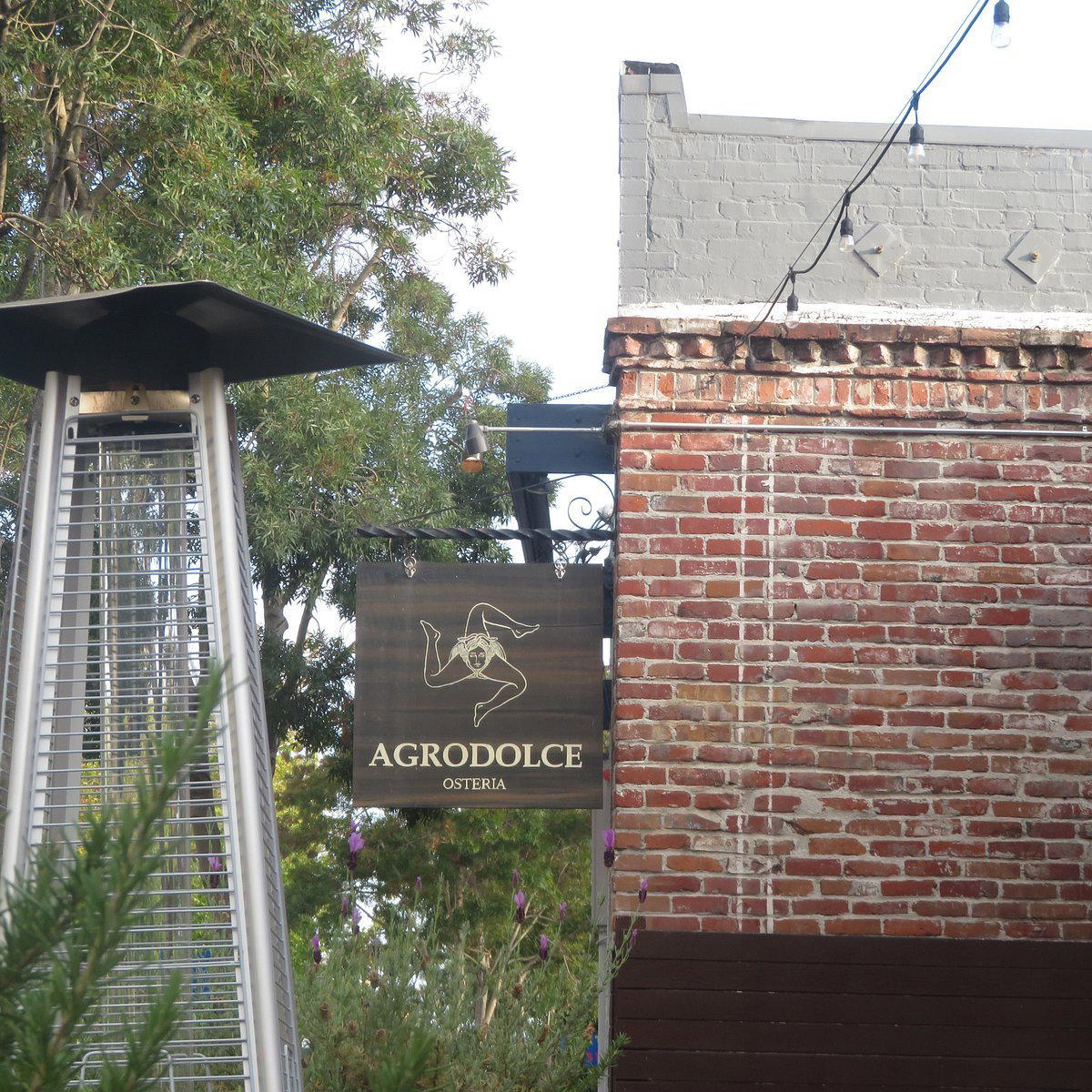
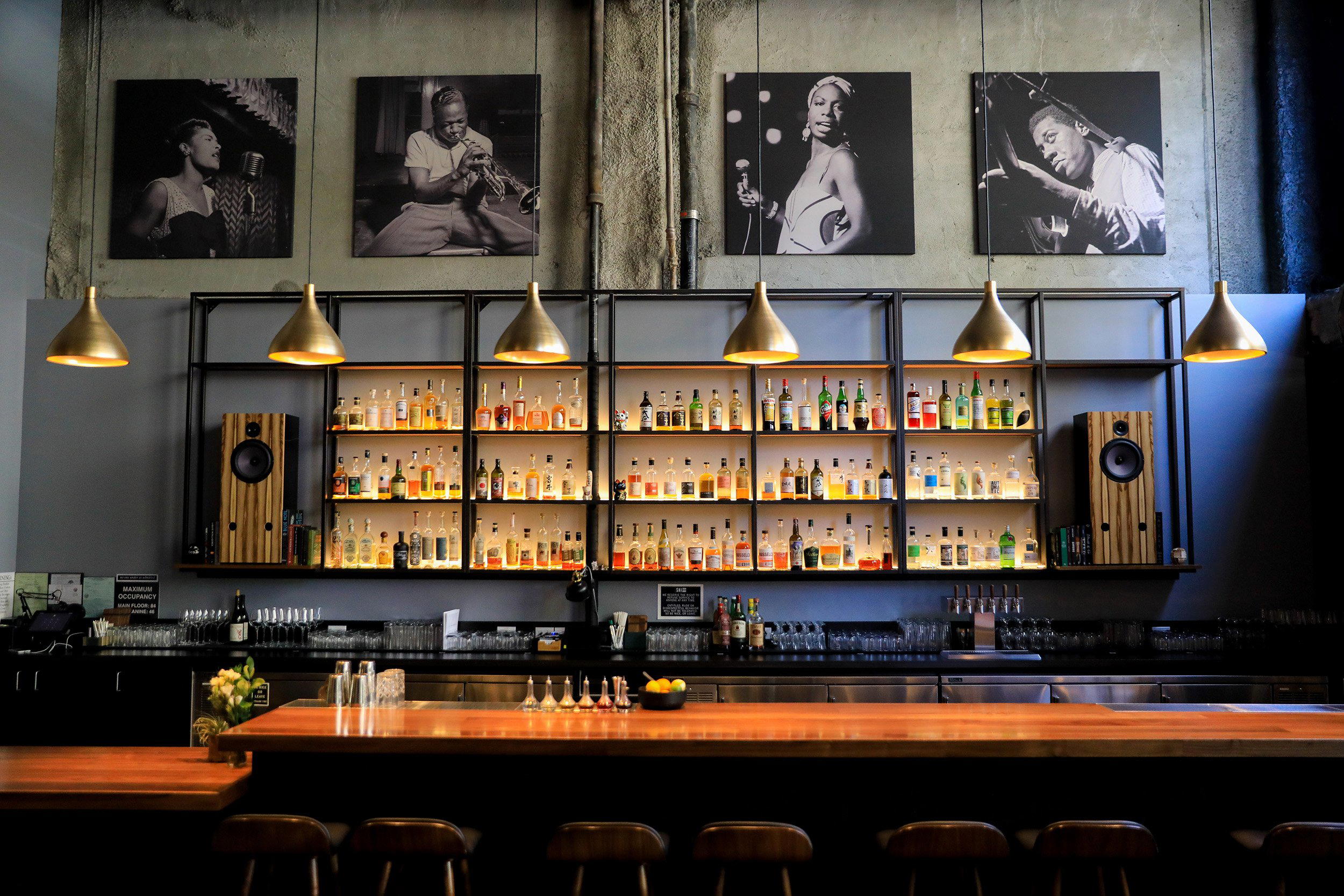
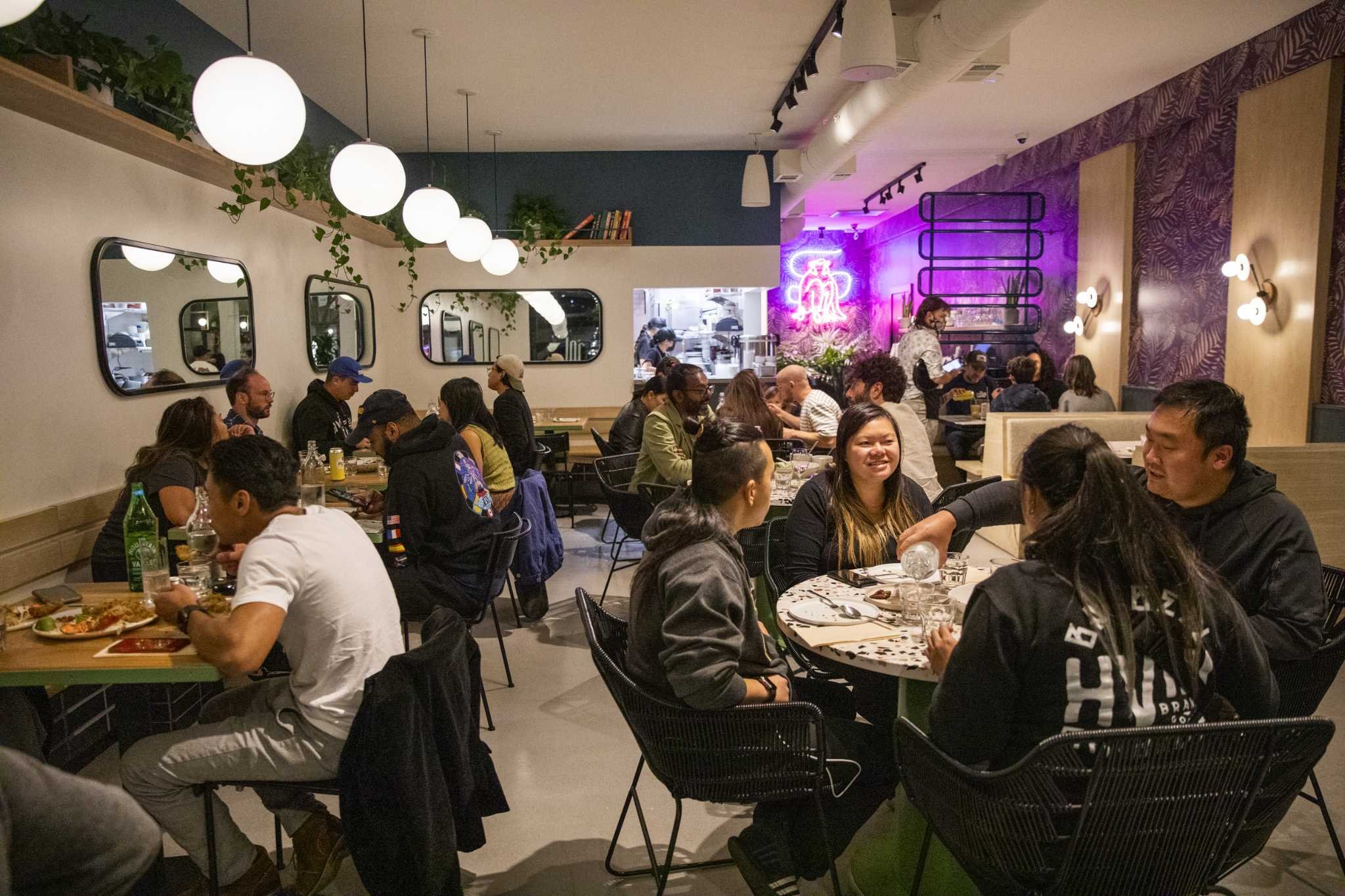
Warm and inviting with brick walls, old black-and-white films projected on walls, friendly staff, and lively neighborhood energy reminiscent of a traditional Sicilian trattoria.