Cafe Bolita
Our verdict
Cafe Bolita occupies a modest industrial address in West Berkeley and builds its menu around nixtamalization, the ancient alkaline process that transforms dried corn into masa with nutritional depth and structural integrity. Tetelas, tamales, and quesadillas form the core of the offering, each anchored to corn prepared the traditional way. For Berkeley's food-focused community, it represents the kind of ingredient-driven specificity the East Bay has long rewarded.

Pearl is the En Primeur Club membership app — saves, bookings, and concierge access live there. Same editors, same standards.
- Address
- 2701 Eighth St #118, Berkeley, CA 94710
- Hours
- Mon–Tue ClosedWed–Sat 9 AM–1:30 PMSun Closed
- Website
- cafebolita.com
- Directions
- Get directions
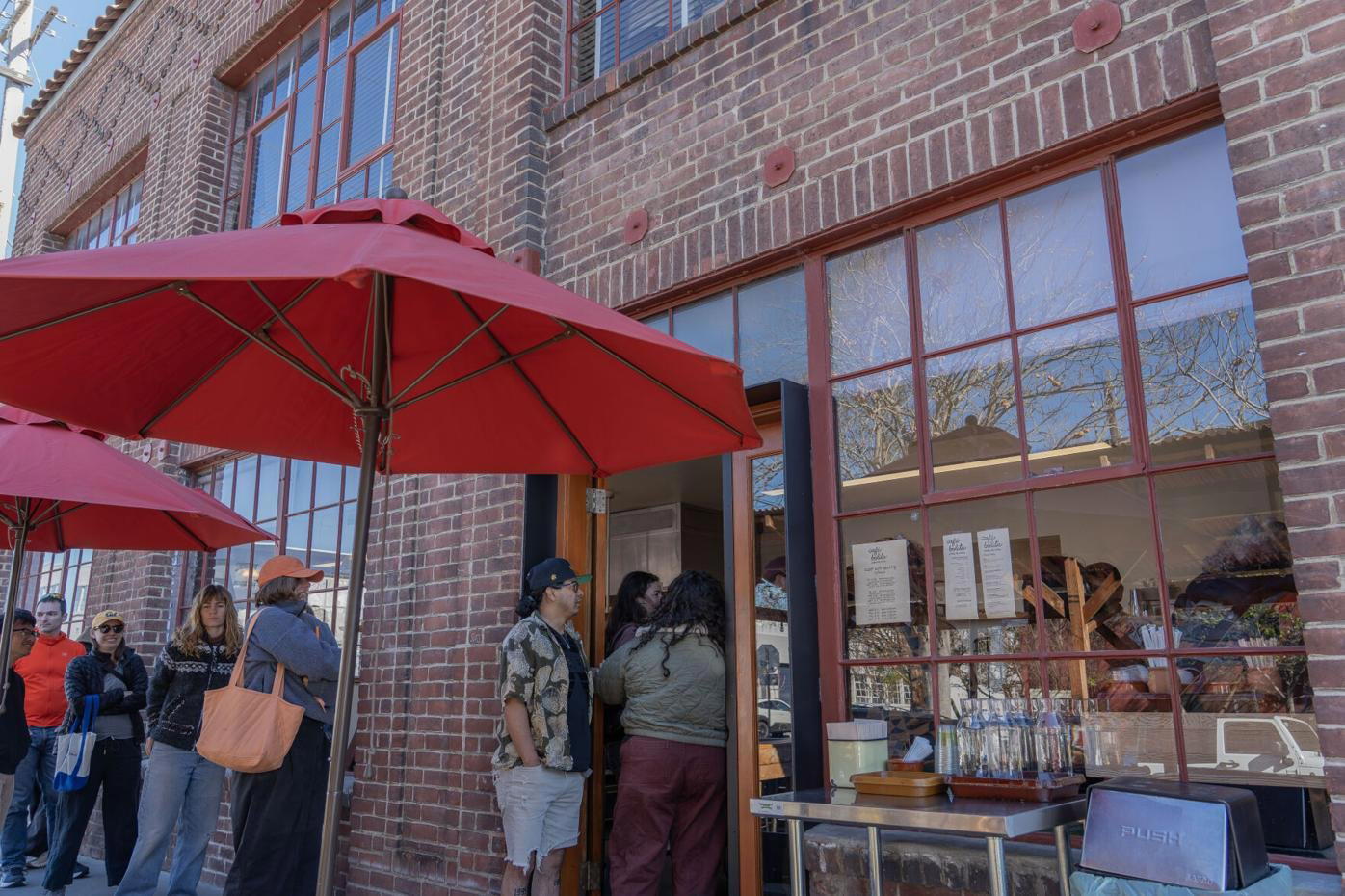
The menu
What to order
- Breakfast burritos
- Chilaquiles
- Frittatas
- Tamales
- Steak vampiros
- Quesadillas
West Berkeley's Masa Counter and What It Says About the East Bay's Ingredient Obsession
The address alone sets the tone. Unit 118 at 2701 Eighth Street sits inside West Berkeley's low-slung grid of converted warehouses and maker spaces, a part of the city where food producers, roasters, and small-batch manufacturers operate without the retail theatrics of Fourth Street or the foot traffic of Telegraph Avenue. Arriving here, you are not wandering into a restaurant district. You are going somewhere with intention, the way you might visit a ceramicist's studio or a specialty importer's warehouse. The physical context signals something before the food does: this is a place organized around process, not performance.
That instinct holds when you encounter the menu. Cafe Bolita's focus on nixtamalization, the pre-Columbian technique of soaking and cooking dried corn in an alkaline solution, typically lime water, before grinding it into masa, is not a stylistic affectation. It is a commitment to a specific material that takes time, knowledge, and sourcing discipline to execute properly. The process converts dried corn into something chemically and nutritionally distinct: gelatinized starches, freed niacin, improved amino acid availability. The masa that results has a flavor depth and a pliability that masa harina, the industrial shortcut, cannot reproduce. In Berkeley, where the argument for primary ingredients over processed substitutes has shaped restaurant culture for decades, a masa-focused counter reads as a direct expression of that tradition.
The Ingredient Logic Behind Nixtamalization
Understanding what Cafe Bolita is doing requires a brief detour into what nixtamalization actually involves. Mesoamerican civilizations developed the process more than three thousand years ago, and it spread wherever corn became a dietary staple. When European colonizers adopted corn without adopting nixtamalization, pellagra, a niacin-deficiency disease, followed. The alkaline process is not optional if corn is a primary caloric source; it is the difference between nutrition and malnutrition. That history sits behind every masa-based dish, even in a casual counter format.
The corn itself matters as much as the technique. Heritage and heirloom varieties, grown for flavor rather than yield, produce masa with more complex character: earthier, sometimes floral, with a mineral edge that commodity corn lacks. Operations committed to traditional nixtamalization generally source accordingly, which places them in a supply chain that connects directly to small farms, often in Mexico or in California's Central Valley, rather than to commodity distributors. At this scale and in this city, that sourcing chain is part of what a meal here is about.
Compare this approach to what passes for Mexican-inspired food in most urban food halls: pre-made tortillas heated from cold, fillings assembled from industrial inputs, the corn itself a neutral backdrop rather than an active flavor element. The gap between that model and a kitchen grinding its own masa is as wide as the gap between a bread program built on supermarket sliced loaves and one using freshly milled grain. Berkeley's dining community, shaped by decades of Chez Panisse-era thinking about the primacy of the ingredient, has the appetite for that distinction.
Tetelas, Tamales, Quesadillas: The Format as Evidence
The three formats anchoring the menu, tetelas, tamales, and quesadillas, are each a different argument for masa's versatility. A tetela is a triangular masa pocket, folded and sealed before cooking, with the masa itself forming both the structural envelope and a significant share of the flavor. A tamal wraps filling in masa before steaming, a technique that produces a softer, more yielding texture. A quesadilla in the traditional Oaxacan sense uses a masa round rather than a flour tortilla, the melting cheese interacting with freshly pressed corn rather than with a wheat-based substrate. Each format foregrounds the masa differently, which makes the quality of the base material impossible to hide.
This is worth noting in the context of Berkeley's wider food scene. The East Bay has a number of serious Mexican and Central American restaurants, and the taqueria tradition here runs deep, but operations built specifically around the craft of masa production occupy a distinct niche. Cafe Bolita sits in that niche alongside a small national cohort of masa-focused counters that have emerged over the past decade in cities with food-literate audiences, from Los Angeles to Chicago to New York. The format, small, focused, ingredient-forward, shares more DNA with a specialist bread baker or a dedicated ramen shop than with a full-service Mexican restaurant.
Where It Fits in Berkeley's Eating Map
West Berkeley as a dining destination has developed gradually, driven less by restaurant clustering and more by individual projects with a reason to occupy industrial space: production kitchens, fermentation operations, specialty food businesses that need square footage rather than street presence. Cafe Bolita fits this pattern. Its neighbors are more likely to be a coffee roaster or a small-batch vinegar producer than another restaurant, which means the foot traffic calculus is different from a Mission District taqueria or a Downtown Berkeley lunch spot.
For visitors planning around the East Bay's food culture more broadly, the meal here pairs naturally with the kind of market-and-producer itinerary that Berkeley rewards. The Berkeley Farmers' Market at Center Street, active on Tuesdays and Saturdays, gives context to the ingredient sourcing that places like Cafe Bolita depend on. From West Berkeley, the broader restaurant geography of the East Bay is accessible: the neighborhood sits within easy reach of Temescal, Rockridge, and the Elmwood district, where the range of the area's dining runs from casual counter service to destination-level cooking. For a fuller picture of what the city's restaurants offer across price points and formats, see our full Berkeley restaurants guide.
Two other Berkeley counter-service addresses worth knowing in the same informal, ingredient-focused register are Rose Pizzeria and Tanzie's Cafe, both of which operate in the East Bay's casual-but-serious mode that the neighborhood has made a kind of specialty.
Planning a Visit
Cafe Bolita's address, 2701 Eighth Street, Suite 118, Berkeley, CA 94710, places it in the warehouse corridor of West Berkeley, a short drive or bike ride from the Downtown Berkeley BART station. Given the industrial address and the format, this is not a walk-in destination in the conventional sense: confirming hours before arriving is advisable, as smaller operations in this part of the city often keep limited or variable schedules. No phone number or website is currently listed in EP Club's database, so checking recent social media presence is the most reliable way to confirm current service hours before making the trip.
The format and location suit a casual visit rather than a special-occasion dinner. If the masa-focused counter represents the ingredient-obsessed, producer-connected end of Berkeley's food culture, it sits at a different point on the spectrum from the tasting-menu operations that define destination dining nationally, places like Lazy Bear in San Francisco or The French Laundry in Napa. The comparison is not a hierarchy; it is a map. Cafe Bolita occupies the accessible, craft-focused tier where the argument for quality is made through sourcing and technique rather than through service format or price point.
For more on Berkeley's wider hospitality offer, EP Club covers hotels, bars, wineries, and experiences in separate guides. Nationally, if ingredient sourcing as a dining philosophy interests you, the farms-to-table argument is made at its most formal at Blue Hill at Stone Barns in New York and at Single Thread Farm in Healdsburg, where the sourcing chain is the explicit subject of the meal. Other points of reference in the wider American fine-dining conversation include Providence in Los Angeles, Addison in San Diego, Emeril's in New Orleans, and Alinea in Chicago, each operating at a different register but sharing the commitment to ingredient integrity that defines serious American cooking in the current moment. Beyond North America, the same argument is made in different idioms at Le Bernardin in New York City, 8½ Otto e Mezzo Bombana in Hong Kong, and Alain Ducasse at Louis XV in Monte Carlo.
Frequently asked questions
Does Cafe Bolita work for a family meal?
What is the atmosphere like at Cafe Bolita?
What do regulars order at Cafe Bolita?
How does Cafe Bolita's approach to masa differ from a standard taqueria?
How It Stacks Up
Comparable venues nearby, for context on price, style, and recognition.
| Venue | Cuisine | Price | Notes |
|---|---|---|---|
| Cafe BolitaThis venue — the venue you are viewing | Heirloom Nixtamalized Corn Masa | $10–20 | Not listed |
| La Mission | Mexican Grill | $10–20 | Central Berkeley |
| Picoso Taqueria | Mexican Taqueria | Not listed | Berkeley |
| Mercado 925 | Non-Traditional Inspired Mexican | $20–30 | West Berkeley |
| Gai Barn Thai Soul Food | Thai Soul Food | Not listed | Elmwood |
| The Bay Restaurant (at The DoubleTree) | Seafood and Steak with Bay Views | $30–50 | Berkeley Marina |
Continue exploring
More in Berkeley
Restaurants in Berkeley
Browse all →
Bars in Berkeley
Browse all →
Hotels in Berkeley
Browse all →



Details
- Trendy
- Rustic
- Casual Hangout
- Group Dining
- Family
- Open Kitchen
- Standalone
- Organic
- Local Sourcing
- A La Carte
- Gluten Free Options
- Organic Focus
- Vegetarian Friendly
Current opening hours
- Monday
- Closed
- Tuesday
- Closed
- Wednesday
- 9 AM–1:30 PM
- Thursday
- 9 AM–1:30 PM
- Friday
- 9 AM–1:30 PM
- Saturday
- 9 AM–1:30 PM
- Sunday
- Closed
Hours can change for holidays and private events. Last verified .
Casual daytime café with a pop-up energy; fresh, quality-focused atmosphere with occasional crowds during peak hours.