Cultured Pickle Shop

Our verdict
A fermentation workshop and weekend dining room folded into one, Cultured Pickle Shop on Bancroft Way operates on Berkeley's terms: weekends-only, three courses, and a rice bowl at the center that the SF Chronicle has called one of the Bay Area's most distinctive dishes. It sits in a category of its own, closer to a working production facility that happens to serve lunch than to any conventional restaurant format.

Pearl is the En Primeur Club membership app, where members save venues, book tables and use the concierge.
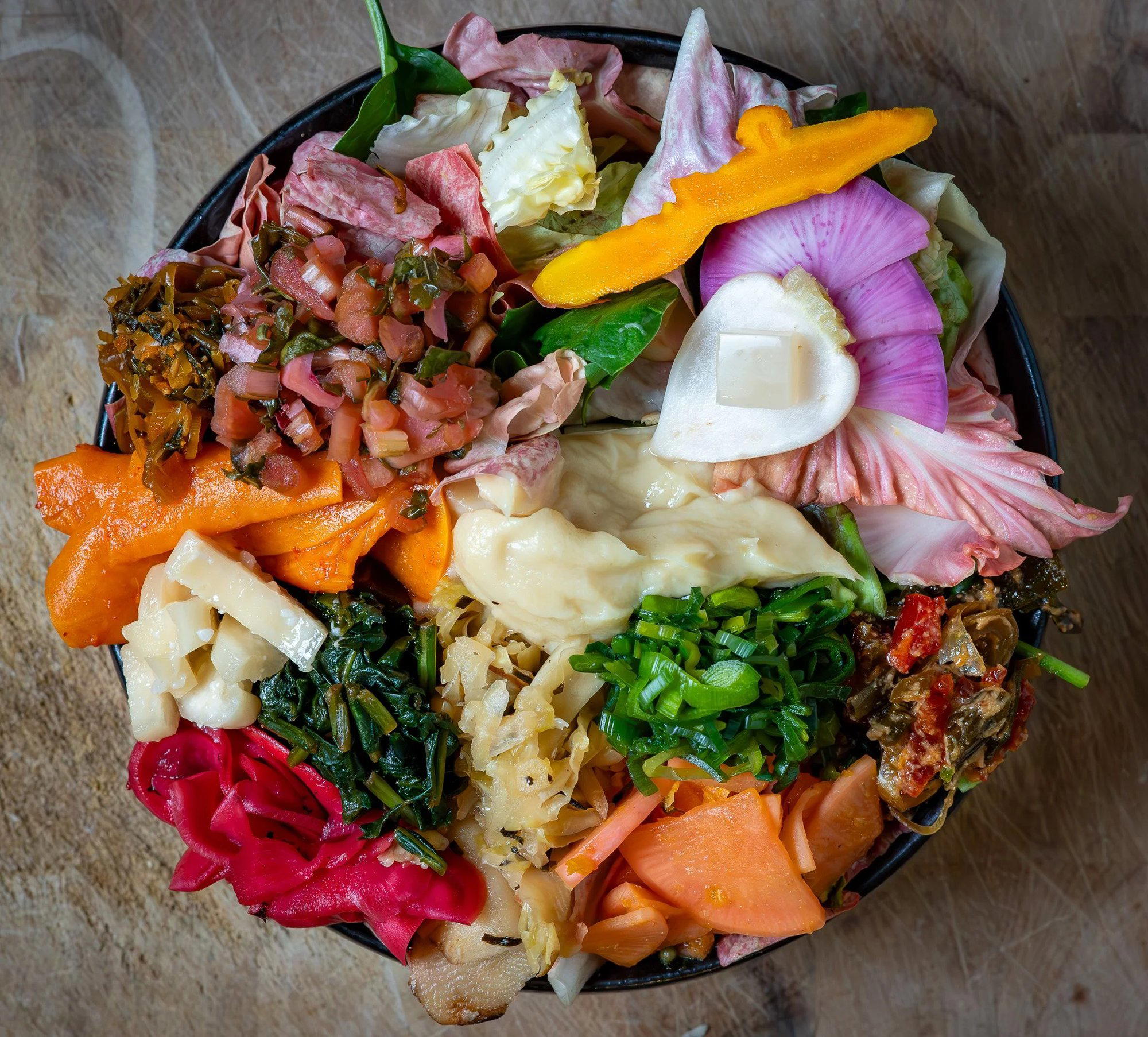
Where Fermentation Is the Ingredient, Not the Garnish
Most restaurants treat fermented ingredients as accent notes: a dab of kimchi here, a swipe of miso there. The fermentation programs at places like Blue Hill at Stone Barns or Single Thread Farm in Healdsburg earn praise partly because their depth is rare in fine dining. At Cultured Pickle Shop on Bancroft Way in Berkeley, the calculus runs in the opposite direction. Fermentation is not a technique deployed in service of a dish. It is the organizing logic of the entire operation, from the production side of the facility to the three-course weekend menu called Rice & Pickles that gives diners a reason to visit in person.
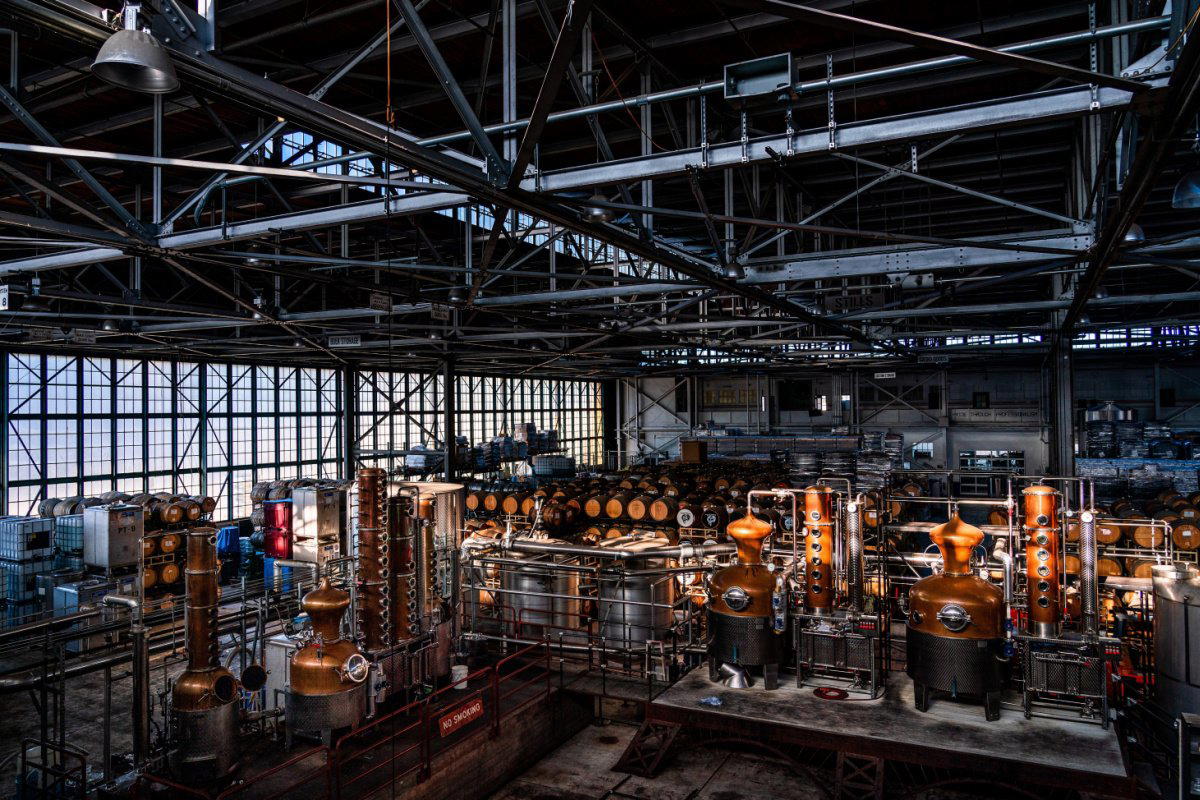
That distinction matters when placing Cultured Pickle Shop within the Bay Area dining scene. The address is an industrial suite, not a dining room fitted out for atmosphere. What greets you is closer to a working workshop than a restaurant, vessels in various stages of fermentation, the ambient tang of brine in the air, the practical layout of a facility that produces rather than merely serves. The meal comes out of that production context, not in spite of it.
The Rice Bowl That Defines the Format
The SF Chronicle named the rice bowl at the center of Rice & Pickles one of the Bay Area's most distinctive dishes, and the recognition is grounded in something specific. In a region where ambitious tasting menus at places like Lazy Bear in San Francisco or multi-course counter formats can run well past a hundred dollars per person, Cultured Pickle Shop's weekend menu operates from an entirely different premise. The rice bowl is the main event of a three-course structure, and its distinction comes from the fermentation depth behind it rather than from imported luxury ingredients or tableside theatre.
Fermentation-forward cooking at this level of focus has few direct peers in the Bay Area. The closest comparison points are either fine dining establishments that use fermentation as one tool among many, or home fermentation communities that never produce a finished dish for a paying audience. Cultured Pickle Shop occupies the gap between those two categories, which is part of why the Chronicle's characterization holds up under scrutiny.
Berkeley's Ingredient-First Tradition
Berkeley has a documented history of treating sourcing as a primary creative act rather than a logistical footnote. That tradition, rooted in the Chez Panisse-era emphasis on provenance and seasonality, created a local appetite for food that expresses where its ingredients come from and how they were handled before they reached the plate. Fermentation sits squarely in that lineage. A fermented ingredient carries its source material differently than a sautéed or roasted one: the microbial process amplifies and transforms the character of the original, making provenance legible in a way that high-heat cooking often obscures.
Cultured Pickle Shop's position within Berkeley's dining community reflects that context. Where Cafe Bolita grounds its menu in nixtamalization and masa tradition, and Tanzie's Cafe and Rose Pizzeria operate within more familiar dining formats, Cultured Pickle Shop represents the strand of Berkeley food culture that treats a specific production method as the entire platform. The format is coherent with the city's long-standing argument that what you do to an ingredient before it cooks matters as much as what you do to it during cooking.
That argument is more legible here than at destination restaurants where fermentation is one chapter in a longer tasting narrative. At Alinea in Chicago or Le Bernardin in New York City, technical depth arrives wrapped in a complete hospitality apparatus. At Atomix in New York City, fermentation informs the Korean pantry tradition behind the tasting menu but is not the structural premise of the whole operation. Cultured Pickle Shop strips away that apparatus and leaves the fermentation itself as the experience.
A Category That Resists Easy Classification
The SF Chronicle framed the question directly: is Cultured Pickle Shop a restaurant? The uncertainty is productive rather than evasive. The Rice & Pickles format, offered only on weekends and built around three courses anchored by that rice bowl, has the structure of a restaurant meal. The physical space and operational priorities of the shop are those of a production facility. That tension is not a problem to be solved. It is the format's defining characteristic, and it places Cultured Pickle Shop in a small category of operations where the boundary between making food and serving food is deliberately permeable.
Comparisons to more conventional fine dining, whether the farm-driven California model at The French Laundry in Napa or the seafood-focused tasting format at Providence in Los Angeles, clarify why Cultured Pickle Shop operates outside the standard ranking hierarchy. It is not competing with those formats. It is doing something structurally different: using a production operation as the direct source and context for a meal, with no translation layer in between.
Planning Your Visit
Rice & Pickles runs on weekends only, which makes day and timing planning necessary rather than optional. The shop is at 800 Bancroft Way, Suite 105, in a part of Berkeley that sits between the UC campus and the industrial West Berkeley corridor, accessible by car and by transit on lines that run along the main arterials. Because the three-course format is the primary dining experience on offer and seating is not a restaurant-scale operation, confirming availability before arrival is advisable. For travelers putting together a fuller picture of where to eat, drink, and stay in the city, our full Berkeley restaurants guide, bars guide, hotels guide, wineries guide, and experiences guide map the broader options. For special occasion dining with more formal service and multi-course structure, Emeril's in New Orleans or Alain Ducasse at Louis XV in Monte Carlo represent the opposite end of the format spectrum, which helps clarify exactly what kind of experience Cultured Pickle Shop is built to deliver.
Frequently asked questions
Is Cultured Pickle Shop okay with children?
The shop runs a weekends-only three-course Rice & Pickles menu at 800 Bancroft Way, Suite 105, Berkeley, a counter-format experience focused on fermented ingredients rather than a conventional restaurant setting. The format is unhurried and food-focused, which works for children who are curious eaters, though the structured menu leaves little room for substitutions.
Is Cultured Pickle Shop formal or casual?
Casual, with intention. The SF Chronicle has debated whether Cultured Pickle Shop qualifies as a restaurant at all, which gives a clear signal about atmosphere: this is a fermentation emporium that happens to serve a structured menu on weekends, not a dining room with service formality. Expect a counter setting and ingredient-led focus over ceremony.
What's Cultured Pickle Shop known for in terms of accolades?
Cultured Pickle Shop has received recognition including: Is Cultured Pickle Shop a restaurant? Does it speak to [the best of Berkeley’s dining scene]? Depends on who you ask. What’s not in question is that the fermentation emporium ….
What's the signature dish at Cultured Pickle Shop?
The rice bowl at the center of the Rice & Pickles weekend menu. The SF Chronicle called it one of the Bay Area's most distinctive dishes and ran a dedicated graphic feature on it in 2020, recognition grounded in the shop's fermentation-first approach rather than conventional restaurant cooking.
Where exactly is Cultured Pickle Shop?
Cultured Pickle Shop is located at 800 Bancroft Way Suite #105, Berkeley, CA 94710, Berkeley.
Quick Comparison
| Venue | Cuisine | Price | Awards | Notes |
|---|---|---|---|---|
| Cultured Pickle ShopThis venue (the venue you are viewing) | Fermented Vegetarian Rice Bowls | $30–50 | Not listed | Not listed |
| Rose Pizzeria | Thin-Crust California Pizza | $20–30 | 50 Top Pizza USA #50 | Not listed |
| Tanzie's Cafe | Northern Thai Brunch | $20–30 | Not listed | Not listed |
| Cafe Bolita | Heirloom Nixtamalized Corn Masa | $10–20 | Not listed | Nixtamalization/masa-focused (tetelas, tamales, quesadillas) |
Recognition history
Dated appearances from independent guides and award organizations, with the underlying list record or original source where available.
San Francisco Chronicle Top 100 Bay Area Restaurants #59
San Francisco Chronicle
Continue exploring
More in Berkeley
Restaurants in Berkeley
All restaurants in Berkeley →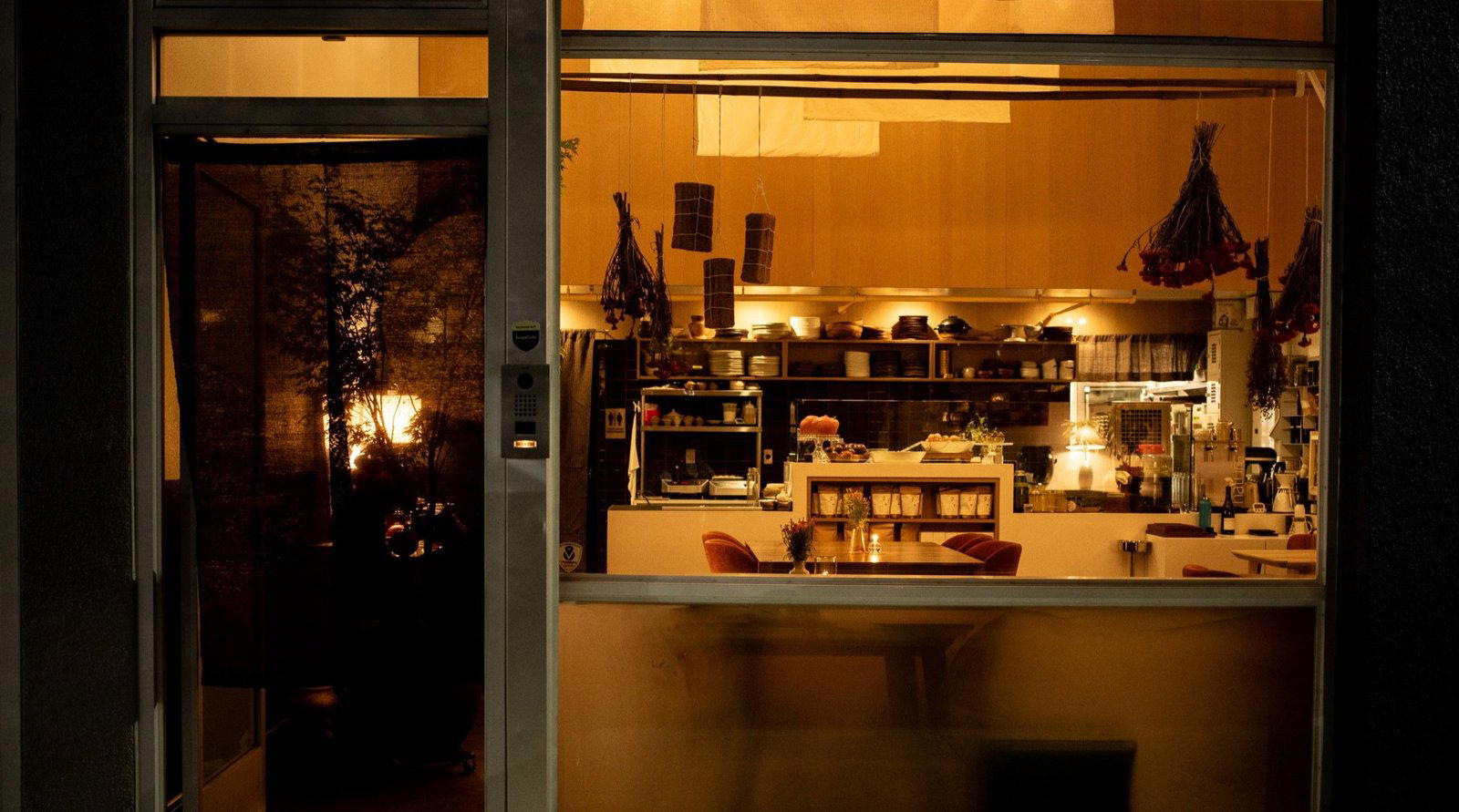
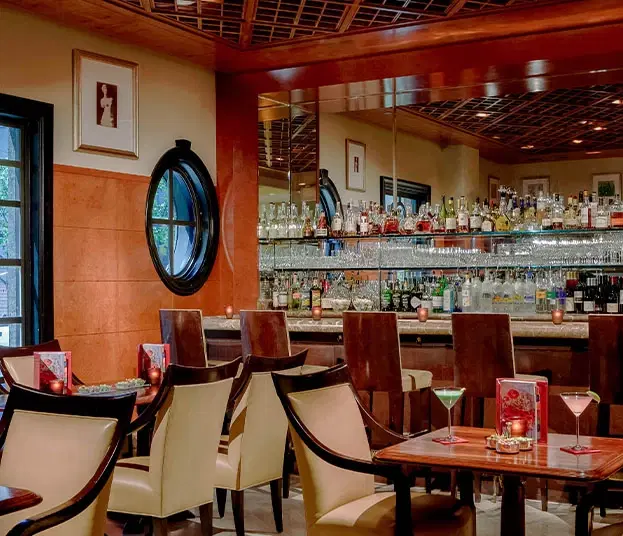
Bars in Berkeley
All bars in Berkeley →
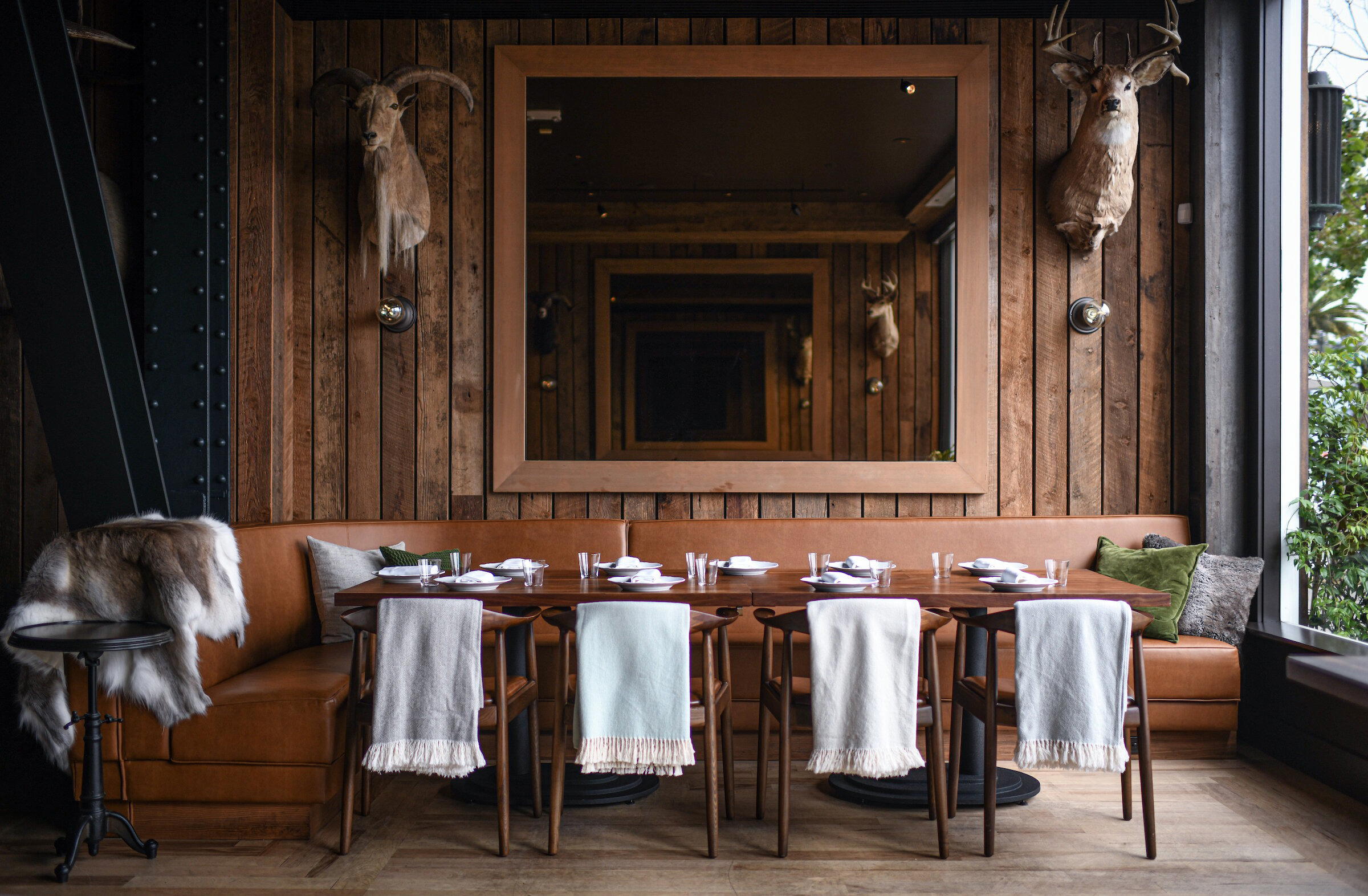
Hotels in Berkeley
All hotels in Berkeley →


Details
- Cozy
- Rustic
- Trendy
- Industrial
- Casual Hangout
- Brunch
- Open Kitchen
- Zero Proof
- Farm To Table
- Local Sourcing
- Organic
- Small Plates
- Kombucha
- Vegetarian Friendly
- Vegan Options
- Gluten Free Options
- Allergy Accommodating
Current opening hours
- Monday
- 9 AM–12 PM
- Tuesday
- 9 AM–6 PM
- Wednesday
- 9 AM–6 PM
- Thursday
- 9 AM–6 PM
- Friday
- 9 AM–6 PM
- Saturday
- 10 AM–5 PM
- Sunday
- 10 AM–5 PM
Hours can change for holidays and private events. Last verified .
Casual industrial setting with bistro tables on the sidewalk and cozy indoor space for intimate weekend meals.