AKEMI
On Solano Avenue in North Berkeley, AKEMI operates in a dining corridor where neighborhood regulars and destination-seekers share the same room. The menu architecture here does much of the storytelling, organizing ingredients and technique in ways that reward careful reading. For Berkeley, a city that has long rewarded restaurants willing to take a culinary position, AKEMI is a considered addition to the conversation.
Pearl is the En Primeur Club membership app — saves, bookings, and concierge access live there. Same editors, same standards.
- Address
- 1695 Solano Ave, Berkeley, CA 94707
- Phone
- +15105241286
- Website
- akemiberkeley.com
- Directions
- Get directions
 Saves & bookings on Pearl
Solano Avenue and What It Asks of a Restaurant
Solano Avenue in North Berkeley has a particular character among the Bay Area's dining streets. It runs along the Albany border, wide enough to feel neighborhood-scaled rather than destination-driven, lined with the kind of independently owned restaurants that survive on repeat custom rather than tourist foot traffic. A restaurant opening at 1695 Solano Ave enters that social contract immediately: the room needs to work for a Tuesday as much as a Saturday, and the menu needs to justify return visits without relying on novelty alone. That is the context in which AKEMI should be understood.
Berkeley's dining scene has spent decades earning a reputation that cities twice its size still try to replicate. The farm-to-table logic that now appears on menus from Atlanta to Oslo was refined here, in kitchens that treated ingredient sourcing as an editorial decision rather than a marketing claim. Restaurants on Solano and its surrounding streets have historically been part of that fabric, operating with a seriousness about produce and technique that doesn't always announce itself loudly. AKEMI sits inside that tradition, on a street where the competition is quiet but real.
Reading the Menu as Architecture
The most instructive thing about any serious restaurant is not any individual dish but the logic that connects them. A menu, read carefully, reveals a kitchen's priorities: which ingredients anchor the list, how courses are sequenced, where technique is displayed and where it is kept out of view.
Berkeley diners are practiced readers of menus in this sense. The university population and the professional households that surround it tend to approach restaurants with more contextual knowledge than average. A kitchen cannot rely on presentation alone to carry a dish past that audience. What AKEMI's positioning on Solano suggests is a menu calibrated for that readership: one that rewards attention to the composition of each section rather than just the headline proteins or the dessert flourishes.
This approach to menu architecture places AKEMI in a broader current running through American fine-casual dining. Across the country, restaurants operating between the fully casual and the tasting-menu format have developed increasingly sophisticated internal logic. The middle register, which once defaulted to safe bistro structures, now produces some of the more interesting menu thinking. Comparison points like Smyth in Chicago or Lazy Bear in San Francisco demonstrate what structured ambition looks like at the higher end of that spectrum. AKEMI operates closer to the neighborhood scale, but the organizing question, what does the menu say about what this kitchen believes, remains the same regardless of price tier.
North Berkeley in the Bay Area Dining Context
The Bay Area's restaurant geography has always been more complex than the San Francisco-centric narrative suggests. Berkeley, Oakland, and the inner East Bay have developed distinct dining identities that respond to different pressures and different audiences. Berkeley specifically skews toward restaurants that can hold intellectual as well as culinary interest, places where the sourcing story is legible in the food itself rather than just printed in a margin note on the menu.
That standard has produced some durable institutions. 900 Grayson and Angeline's Louisiana Kitchen represent different registers of that Berkeley seriousness, one rooted in California breakfast culture, the other in a committed regional American tradition. Arinell Pizza on the other end of the formality scale has built decades of loyalty through single-minded execution of a format. Each of these represents a restaurant that understood its proposition and committed to it.
For a complete orientation to the city's dining options, our full Berkeley restaurants guide maps the scene across neighborhoods and price points. AKEMI, at 1695 Solano Ave, sits at the North Berkeley end of that map, in an area where residents have the income and the appetite to support restaurants with a distinct point of view.
Where AKEMI Fits Among American Destination Restaurants
Placing AKEMI in a national context requires acknowledging the distance between neighborhood dining and destination dining, while recognizing that the leading neighborhood restaurants share something with the latter category: a legible philosophy that extends from ingredient selection through to the final savory course. Restaurants like The French Laundry in Napa, Le Bernardin in New York City, or Providence in Los Angeles operate at a scale and price point that AKEMI does not, but they model what it looks like when a restaurant's structure is fully thought through from first bite to last.
The more useful regional peers may be places like Single Thread Farm in Healdsburg, which built its reputation partly on the internal coherence of its menu, or Blue Hill at Stone Barns in Tarrytown, where sourcing philosophy and menu architecture are treated as inseparable. At a different register of ambition, Atomix in New York City demonstrates what happens when menu structure is treated as a cultural argument. Addison in San Diego, The Inn at Little Washington, and Atelier Moessmer Norbert Niederkofler in Brunico each represent that discipline applied at different scales and in different culinary traditions. Emeril's in New Orleans built a different kind of lasting reputation, one rooted in regional identity rather than tasting-menu formalism. What connects all of these is the sense that the menu was designed, not assembled.
AKEMI, at its Solano Avenue address, is operating in a different tier but is answering the same foundational question any serious kitchen must answer: what does the structure of this menu say about what we think eating well means?
Planning a Visit
AKEMI is located at 1695 Solano Ave, Berkeley, CA 94707, in the North Berkeley stretch of Solano Avenue near the Albany border. Solano is accessible by AC Transit bus lines and sits within a short drive of the Berkeley Hills neighborhoods. Street parking on Solano is available but competitive during evening service. Solano Avenue restaurants in this section of Berkeley tend to attract evening crowds from Thursday through Saturday, so earlier-in-the-week visits typically offer a more relaxed experience of the room.
How AKEMI Berkeley compares with similar nearby venues.
| Venue | Cuisine |
|---|---|
| Bangalore Blues | Karnataka / South Indian |
Continue exploring
More in Berkeley
Restaurants in Berkeley
Browse all →
Bars in Berkeley
Browse all →
Hotels in Berkeley
Browse all →



At a Glance
- Modern
- Cozy
- Elegant
- Family
- Casual Hangout
- Date Night
- Open Kitchen
- Sake Program
Current opening hours
- Monday
- 11:30 AM–2:30 PM, 5–8:30 PM
- Tuesday
- 11:30 AM–2:30 PM, 5–8:30 PM
- Wednesday
- 11:30 AM–2:30 PM, 5–8:30 PM
- Thursday
- 11:30 AM–2:30 PM, 5–8:30 PM
- Friday
- 11:30 AM–2:30 PM, 5–9 PM
- Saturday
- 11:30 AM–2:30 PM, 5–9 PM
- Sunday
- 11:30 AM–2:30 PM, 5–9 PM
Hours can change for holidays and private events. Last verified .
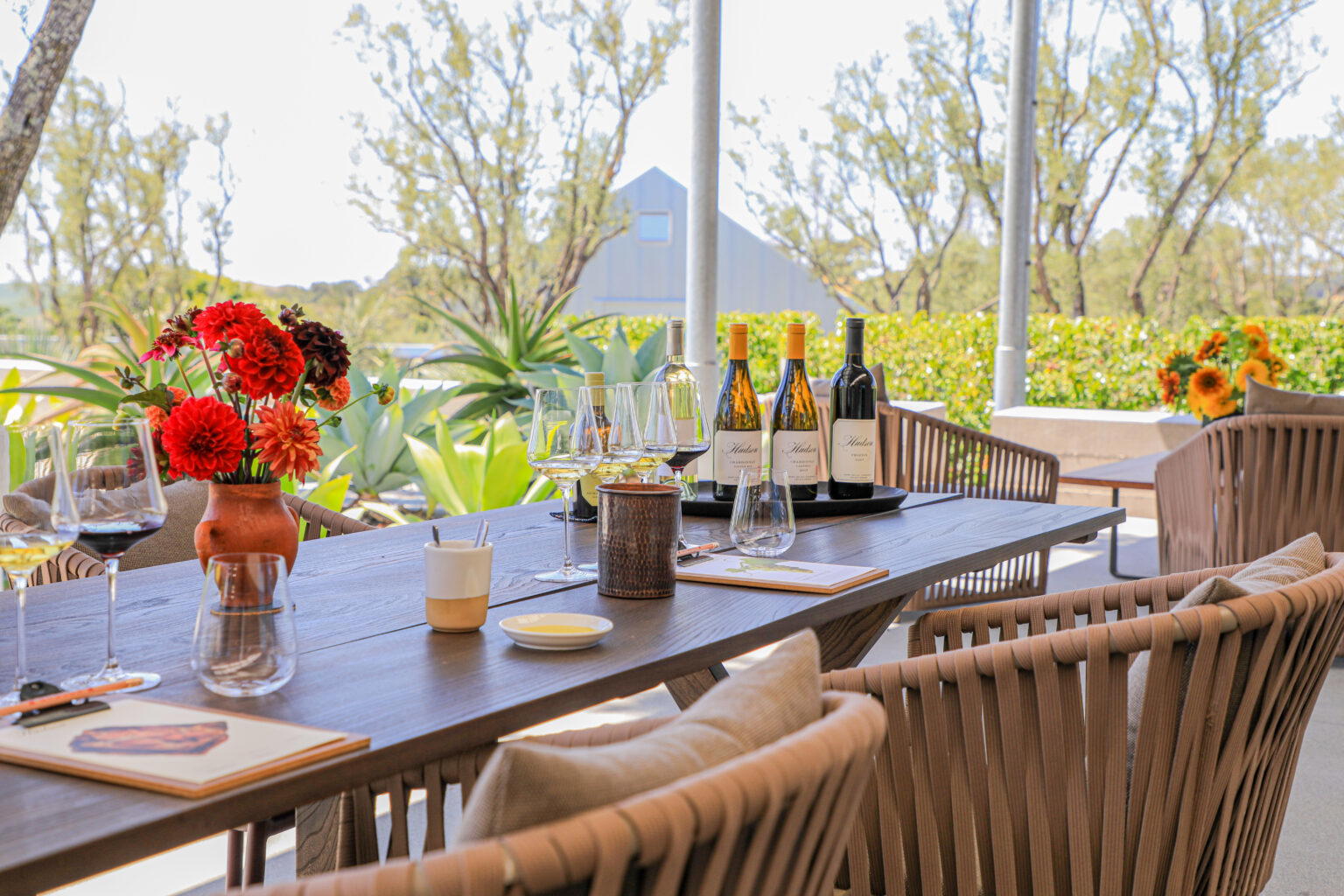
Dim recessed lighting with tasteful flower arrangements and dark repurposed wood throughout, creating an upscale yet approachable neighborhood feel.
Know Before You Go
- Getting there
- 1695 Solano Ave, Berkeley, CA 94707