Rose Pizzeria


50 Top Pizza USA #50
Our verdict
A small downtown Berkeley spot on University Avenue, Rose Pizzeria pairs quality pizza with a natural wine list that reads like a wine bar's secondary list. The kitchen works with thoughtful ingredients and takes its reference points from old-school flavors rather than contemporary trend cycles. For the neighborhood, it occupies a useful middle register between casual and considered.

Pearl is the En Primeur Club membership app — saves, bookings, and concierge access live there. Same editors, same standards.
- Address
- 1960 University Ave, Berkeley, CA 94704
- Hours
- Mon–Tue ClosedWed–Sun 12–9 PM
- Website
- rosepizzeria.com
- Directions
- Get directions
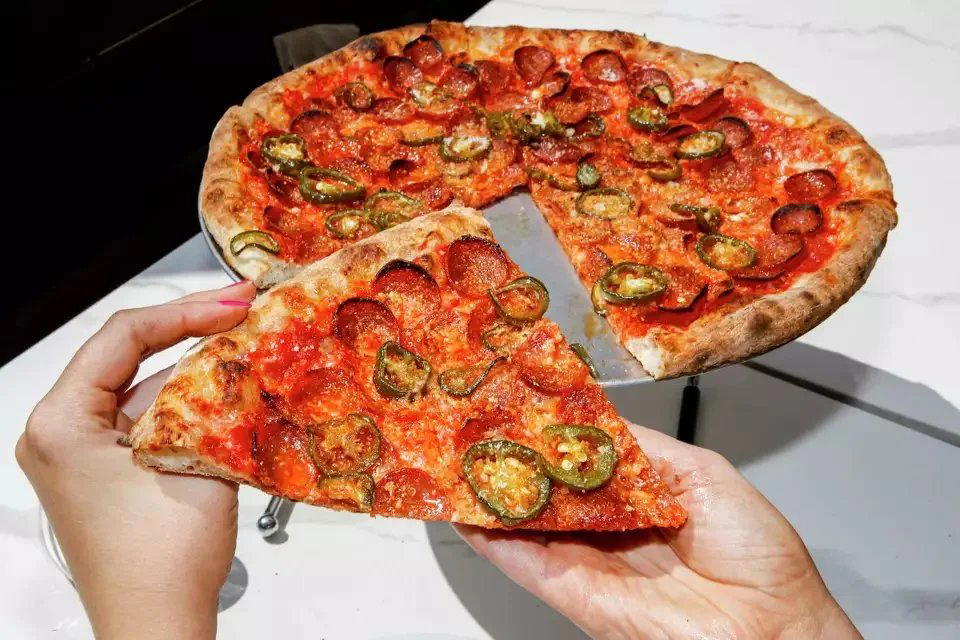
The menu
What to order
- Spicy Caesar
- Champione
- Old Faithful
- Alpine Gold
University Avenue in Berkeley runs west from the UC campus toward the Bay, and the blocks around 1960 hold a cross-section of what the East Bay does well: independent operations with specific points of view, priced for regulars rather than tourists. Rose Pizzeria fits that pattern. The room is small, the format is direct, and the wine list skews natural in a way that signals a particular kind of operator — one who has spent time in wine-forward dining rooms and decided that pizza deserved the same drinking context.
Old-School Flavors, Considered Sourcing
The phrase "old-school flavors" carries real meaning in the context of California pizza. It points away from the hyper-local tasting-menu register that defines places like Single Thread Farm in Healdsburg or the theatrical ambition of Lazy Bear in San Francisco, and toward something more grounded: dough that prioritizes texture and char over novelty, sauces built on tomato quality, toppings chosen for flavor compatibility rather than seasonal storytelling. That framing matters because it sets expectations correctly. Rose is not trying to produce a composed dish with fourteen ingredients. It is trying to produce a very good pizza, which is a harder task than it sounds when the format strips away the scaffolding of complexity.
The ingredient-sourcing approach here is legible in that ambition. Thoughtful sourcing in a pizza context means grain selection for the dough, tomato provenance for the sauce, and cheese quality as a non-negotiable input. The Bay Area has well-developed supply chains for all three — from Central Valley tomato growers to Northern California milling operations to Marin and Sonoma dairies with national reputations. A small operation on University Avenue can access the same ingredient networks that supply far larger and more expensive kitchens. The question is always whether the kitchen makes those choices, and at Rose, the evidence suggests it does.
This matters more than it might seem. Ingredient discipline at the pizza tier is where the category splits between places that are simply convenient and places that are worth seeking out. The former can survive on foot traffic and habit; the latter builds a regular clientele that returns because the product is consistently better than the alternatives in the same price range. Berkeley has enough food-literate residents that the distinction is noticed.
Natural Wine and the Pizza Pairing Shift
Pairing natural wine with pizza is not new in California, but it remains a deliberate choice that signals something about how a restaurant sees itself. The natural wine category has its own internal logic, lower intervention in the vineyard and cellar, often higher acid profiles, sometimes oxidative or funky characteristics, and those profiles tend to work well against the fat and char of a wood-fired or deck-oven pie. Operators who build natural wine lists alongside pizza are generally signaling that the drinking experience is as considered as the cooking.
This separates Rose from the bulk of the pizza market, where wine lists are afterthoughts built on by-the-glass pours from large distributors. It also places it in a specific peer group: smaller, independent pizza operations with wine programs that would not embarrass a wine bar. That peer group has grown in California and elsewhere over the past decade, partly as a generation of wine-trained operators opened more accessible formats than the fine-dining rooms where they trained.
For context, the broader spectrum of California dining runs from multi-course tasting rooms like The French Laundry in Napa and Addison in San Diego down through neighborhood formats where the ambition is concentrated into a single product. Rose operates in the latter register, and its natural wine list is the signal that the people running it came up through a more wine-forward tradition than typical pizzeria ownership suggests.
Berkeley as Context
Berkeley's food culture has long been defined by ingredient consciousness rather than luxury signaling. The supply-chain relationships that Alice Waters built through Chez Panisse in the 1970s and 1980s established a local expectation: that restaurants should know where their ingredients come from and should make those sourcing choices visible in the finished dish. That expectation has filtered down through decades of independent restaurants, and it shapes what food-literate Berkeley regulars look for even in casual formats.
A pizza spot that uses thoughtful ingredients in Berkeley is meeting a local baseline rather than exceeding it. What distinguishes the better operators is precision in execution, dough consistency across services, sauce that doesn't mask the tomato, cheese that pulls correctly, and a wine program that treats the drink side of the experience as seriously as the food side. Rose checks both columns.
The neighborhood also has competition. Tanzie's Cafe occupies a nearby position in the casual Berkeley dining conversation, and the broader dining scene mapped in our full Berkeley restaurants guide shows how many independent operators are working the same ingredient-conscious register. Within that field, format specificity matters: Rose has a clear identity as a pizza-and-natural-wine operation, which is a more focused proposition than a general-purpose cafe.
Planning a Visit
Rose Pizzeria sits at 1960 University Ave in downtown Berkeley, accessible by BART (Downtown Berkeley station is a manageable walk east along University) and by surface parking along the side streets off the main avenue. As a small restaurant, it operates with limited covers, which means weeknight demand can be sufficient to create waits during peak dinner hours. Arriving early or checking current booking availability before you go is the practical approach for a table without a wait.
The format suits a direct dinner: pizza as the anchor, natural wine as the pairing, and a room sized for the kind of conversation that does not require competing with a large crowd. For visitors building a broader Berkeley itinerary, the bars guide, hotels guide, wineries guide, and experiences guide cover the surrounding options.
Frequently asked questions
Is Rose Pizzeria award-winning?
Rose Pizzeria has received recognition including: Rose Pizzeria is a small restaurant in downtown Berkeley, California, offering quality pizza and natural wine. They use thoughtful ingredients and are inspired by old school flavors..
What part of town is Rose Pizzeria in?
Rose Pizzeria is located at 1960 University Ave, Berkeley, CA 94704, Berkeley.
What do regulars order at Rose Pizzeria?
The kitchen's focus on old-school flavors and thoughtful ingredients puts pizza at the center of any order. The natural wine list is a deliberate complement rather than an afterthought, making a pizza-and-glass pairing the obvious through-line for a visit to 1960 University Ave.
Should I book Rose Pizzeria in advance?
Rose is a small restaurant, which means capacity is limited by default. Berkeley's food-literate dining culture keeps well-regarded neighborhood spots consistently busy, particularly on evenings and weekends, so checking ahead before showing up is a practical step.
What's the defining dish or idea at Rose Pizzeria?
The defining idea is restraint applied to a format that rarely asks for it. Rose orients around old-school pizza flavors and thoughtful sourcing, which in Berkeley's ingredient-conscious dining culture signals a kitchen that is editing rather than layering, letting the base components carry the plate.
Fast Comparison
| Venue | Cuisine | Price | Awards | Notes |
|---|---|---|---|---|
| Rose PizzeriaThis venue — the venue you are viewing | Thin-Crust California Pizza | $20–30 | 50 Top Pizza USA #50 | Not listed |
| Le Bernardin | French Seafood Fine Dining | $300–500 | 3 Michelin Stars · World's 50 Best #13 | French, Seafood |
| Atomix | Modern Korean Tasting Menu | $300–500 | 2 Michelin Stars · World's 50 Best #7 | Modern Korean, Korean |
| Lazy Bear | Modern American Tasting Menu | Not listed | 2 Michelin Stars · World's 50 Best #25 | Progressive American, Contemporary |
| Alinea | Avant-Garde Molecular Gastronomy | $300–500 | 2 Michelin Stars · World's 50 Best #37 | Progressive American, Creative |
| Masa | Seasonal Hokkaido Tempura Omakase | $150–200 | Tabelog 100 #34 | Sushi, Japanese |
Recognition history
Dated appearances from independent guides and award organizations, with the underlying list record or original source where available.
San Francisco Chronicle Top 100 Bay Area Restaurants #27
San Francisco Chronicle
50 Top Pizza USA #50
50 Top Pizza
Continue exploring
More in Berkeley
Restaurants in Berkeley
Browse all →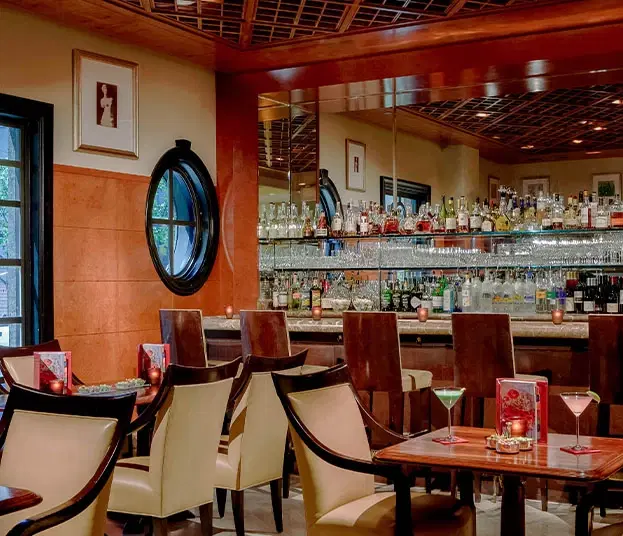
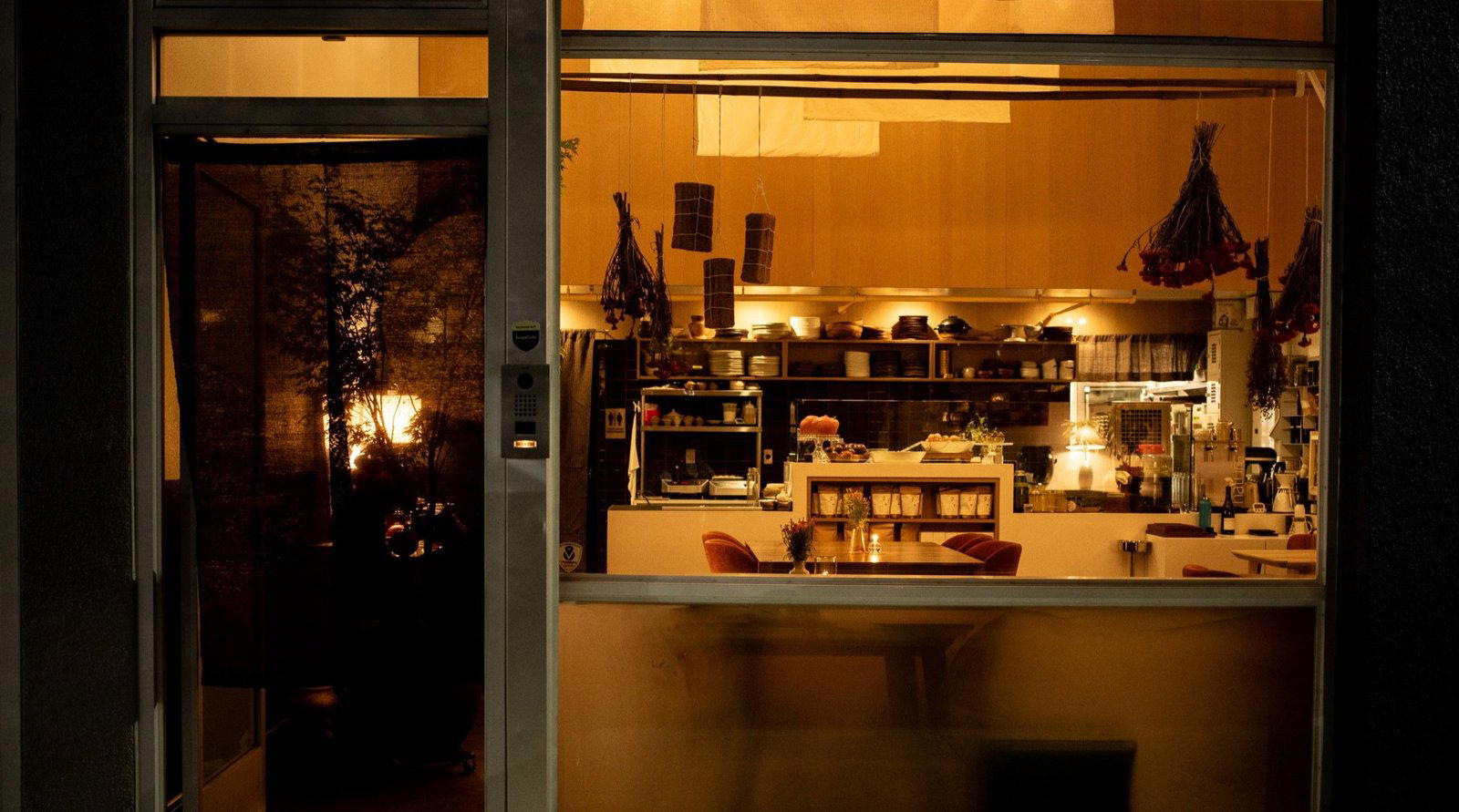
Bars in Berkeley
Browse all →
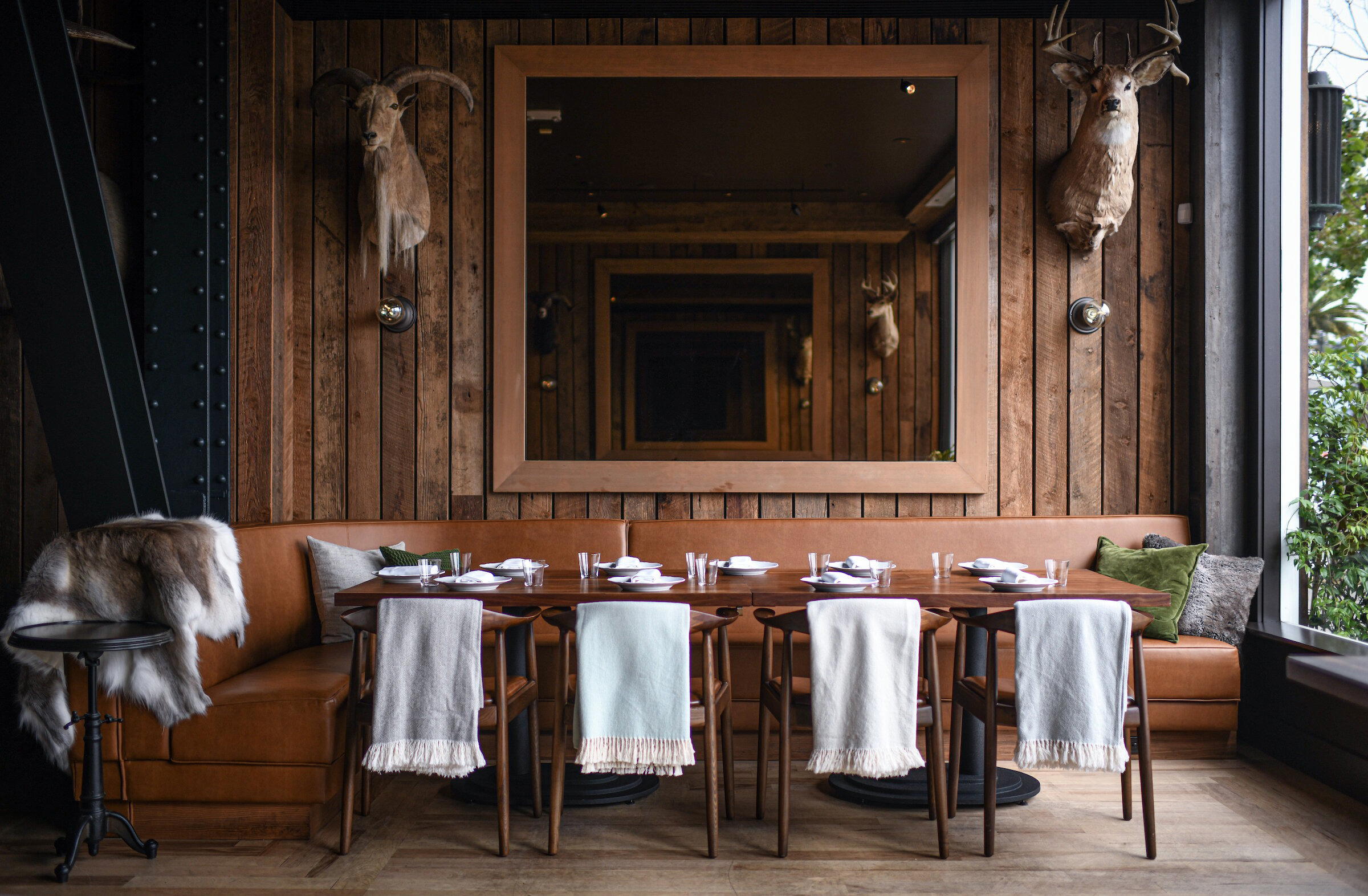
Hotels in Berkeley
Browse all →

Details
- Cozy
- Intimate
- Rustic
- Date Night
- Casual Hangout
- Terrace
- Extensive Wine List
- Local Sourcing
- A La Carte
- Vegetarian Friendly
Current opening hours
- Monday
- Closed
- Tuesday
- Closed
- Wednesday
- 12–9 PM
- Thursday
- 12–9 PM
- Friday
- 12–9 PM
- Saturday
- 12–9 PM
- Sunday
- 12–9 PM
Hours can change for holidays and private events. Last verified .
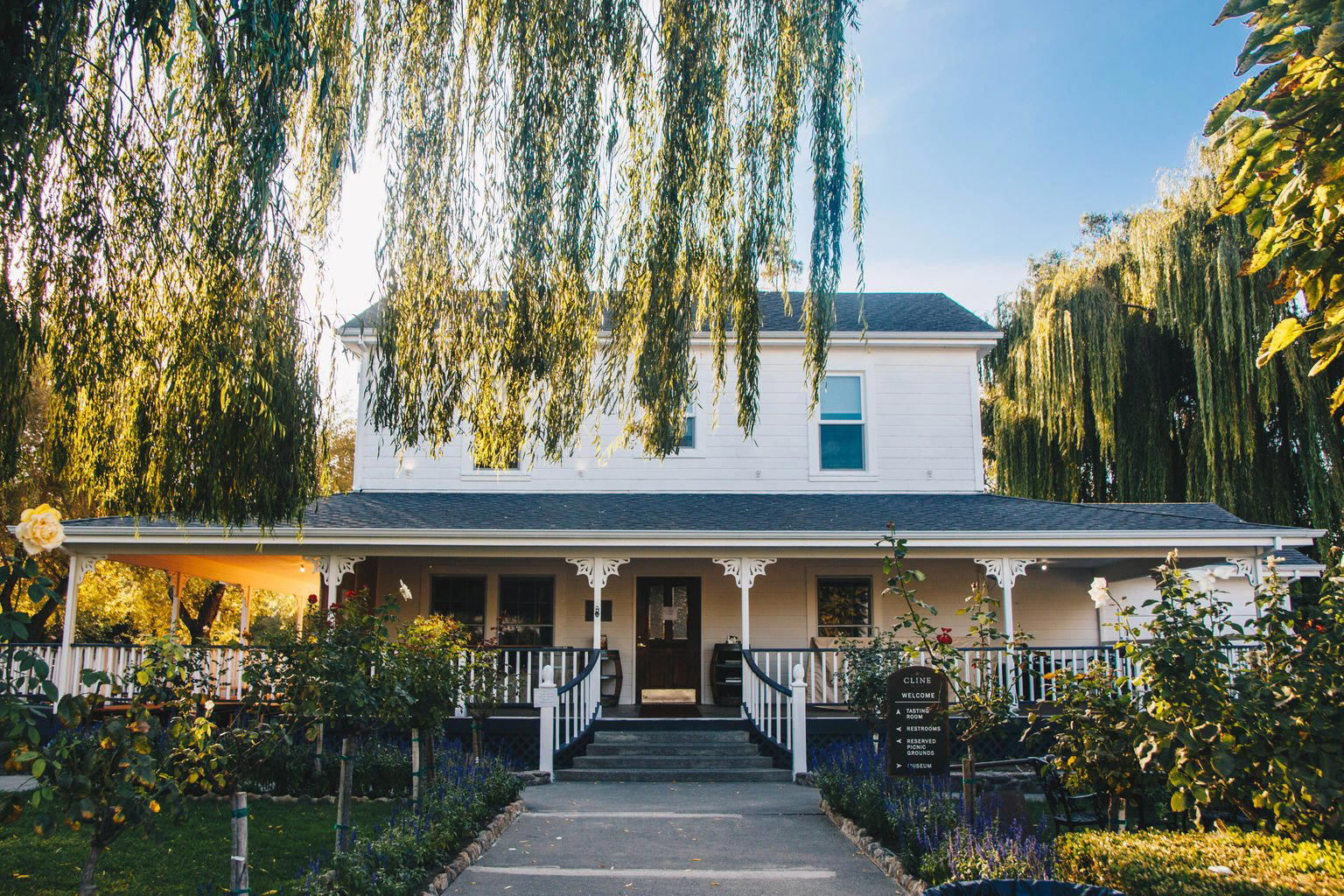
Closet-sized wine bar with nautical blue and red accents, vinyl banquettes, and old-school airs; cozy indoor space and covered outdoor patio among roses.