Our verdict
Cortina sits in Oberhof, a Thuringian Forest resort town better known for biathlon courses than fine dining, which is precisely what makes it worth attention. Verify details directly before visiting.

Pearl is the En Primeur Club membership app, where members save venues, book tables and use the concierge.
The menu
What to order
- Leberknödel in Rindsbrühe
- Rindsfilet und -steak
- Alpine Frühstück
Oberhof and the Quiet End of Germany's Restaurant Map
Germany's serious restaurant conversation concentrates in a handful of cities and resort corridors: the Black Forest kitchens around Baiersbronn where Schwarzwaldstube holds its ground as one of the country's most decorated French-inflected tables; the Wolfsburg industrial-city anomaly that gave rise to Aqua; the Bergisch Gladbach corridor anchored by Vendôme. These are the coordinates most guides draw first. Oberhof, a compact resort settlement in the Thuringian Forest at roughly 800 metres elevation, rarely appears on the same map. It is a town defined by winter sport infrastructure, biathlon and luge facilities, cross-country tracks, the particular hush that comes with altitude and conifer coverage, not by kitchen reputations. Cortina, on Theo-Neubauer-Straße, operates inside that context.
That context matters more than it might first seem. Restaurants in mountain resort towns occupy a distinct position in regional dining. Their sourcing geography is compressed: the forests, farms, and waterways within reach tend to be fewer in number but highly specific in character. The Thuringian Forest has a documented food culture, Rostbratwurst, Klöße, game from managed woodland, freshwater fish from cold upland streams, that differs materially from the Rhine-adjacent cooking of the Palatinate or the dairy-and-cream traditions of Baden. Any kitchen working seriously in Oberhof is working within, against, or alongside that inheritance.
Sourcing in a Mountain Resort Setting
The ingredient logic of high-altitude, forested Central European locations is worth understanding on its own terms before arriving at any specific restaurant. Proximity to dense woodland means that seasonal forage, mushrooms, wild herbs, berries, can move from forest floor to kitchen within hours rather than days. Cold-water fish species, particularly trout and char, thrive in the upland streams and small reservoirs characteristic of the Thuringian highlands. Game sourced from local estates, where population management produces venison, wild boar, and hare on a seasonal calendar, is a structural feature of cooking in this geography rather than a menu flourish.
This places mountain resort kitchens in a different conversation from urban fine dining. Where a city restaurant in Hamburg (see Restaurant Haerlin) or Hanover (Jante) must build sourcing relationships outward from an urban centre, often over considerable distances, a kitchen in the Thuringian Forest is, in theory, encircled by its larder. The challenge inverts: rather than logistics, it becomes one of range and variety. Menus built around tight regional sourcing in this geography will reflect seasonal cycles sharply, leaning heavy on game and root vegetables in autumn and winter, shifting toward forage and freshwater fish in spring and summer. German kitchens with Michelin recognition that have operated on similar sourcing logic include ES:SENZ in Grassau in the Bavarian Alps and Ösch Noir in Donaueschingen at the edge of the Black Forest, both working with compressed sourcing geographies that define their seasonal identity.
Where Cortina Sits in Oberhof's Dining Picture
Oberhof is not a restaurant destination in the way that Piesport draws visitors partly for Schanz, or that Dreis anchors a detour around Waldhotel Sonnora. It is a resort town where the primary draw is landscape and sport, and dining operates in service of that visit rather than as a standalone reason to travel. That distinction shapes what a restaurant can and should be here. The dining register appropriate to a cross-country skiing resort differs from what works in a wine-producing village or an urban neighbourhood: informality, regional specificity, and seasonal reliability matter more than formal precision or creative ambition for its own sake.
Cortina's address on Theo-Neubauer-Straße places it within the central resort core. For a town of Oberhof's scale, that positioning means it is accessible on foot from most accommodation options, which matters in a place where visitors arrive primarily to be outdoors. The name itself, Cortina, cognate with the Italian alpine resort of Cortina d'Ampezzo, signals a certain orientation toward mountain hospitality culture, though that association should be read as atmospheric positioning rather than culinary declaration.
For a fuller picture of what Oberhof's dining scene currently offers, the EP Club Oberhof restaurants guide maps the town's options across formats and price points.
Regional Positioning: Germany's Quieter Tables
Germany's decorated restaurant tier has become considerably more distributed over the past decade. The Michelin footprint now extends well beyond Munich and Berlin into smaller cities and rural locations, from Bagatelle in Trier to L.A. Jordan in Deidesheim to GästeHaus Klaus Erfort in Saarbrücken. This distribution reflects a broader shift in German dining toward regional identity and away from the metropolitan concentration that characterized the scene two decades ago. Kitchens in smaller locations now operate with genuine ambition, and some of the country's most coherent sourcing stories are coming from places outside the main press circuits.
Oberhof is further out on that curve than most. It does not have the wine-region halo of the Palatinate, the tourist infrastructure of the Black Forest, or the proximity to a major city that gives places like Victor's Fine Dining by Christian Bau in Perl a catchment area. What it has is altitude, forest, and a visitor population that arrives specifically to be in that environment. A restaurant working well within those conditions, seasonal, regionally grounded, suited to the pace of a sport and nature resort, can occupy a position that no amount of urban sophistication replicates. Internationally, there are parallels: the way certain mountain restaurants in Switzerland or Northern Italy have built reputations not despite their remoteness but because of what that remoteness enables in sourcing terms. Le Bernardin in New York and Lazy Bear in San Francisco represent the urban end of the spectrum where provenance storytelling is built outward from a city kitchen; the mountain resort version runs the logic in reverse.
Creative formats that have pushed German dining in less conventional directions, CODA Dessert Dining in Berlin or the contemporary precision of JAN in Munich, represent a different ambition set, one that suits an urban audience with different expectations. Oberhof's dining register, by contrast, rewards an approach anchored in place rather than concept.
Planning a Visit
Cortina is located at Theo-Neubauer-Straße 8, 98559 Oberhof, within walking distance of the town's central accommodation cluster. Oberhof's peak periods align with the ski and biathlon season (roughly November through March) and the summer hiking season; shoulder periods in May and October tend to offer the most availability and, from a sourcing perspective, some of the most interesting seasonal transitions in the kitchen.
Frequently asked questions
Does Cortina work for a family meal?
Oberhof is a compact resort town, and Cortina at Theo-Neubauer-Straße 8 sits within walking distance of the main accommodation cluster, which makes logistics straightforward for groups.
Is Cortina formal or casual?
No dress code or dining format is documented for Cortina. Oberhof operates primarily as a winter sports and resort destination, where the prevailing tone across the town's restaurants tends toward relaxed rather than ceremonial. Confirming expectations with the venue ahead of arrival is advisable.
Is Cortina in Oberhof a year-round restaurant or does it follow a seasonal schedule?
Oberhof's economy runs on distinct seasonal peaks: winter brings cross-country skiing and biathlon events, while summer draws hiking visitors to the Thuringian Forest. Many restaurants in the town adjust their hours accordingly, and Cortina's operating schedule has not been independently verified. Reaching out before planning a visit is the only reliable way to confirm current availability at Theo-Neubauer-Straße 8.
At-a-Glance Comparison
Comparable venues nearby, for context on price, style, and recognition.
| Venue | Cuisine | Price | Notes |
|---|---|---|---|
| CortinaThis venue (the venue you are viewing) | South Tyrolean Alpine Italian | $30–50 | Not listed |
| Settimo Cielo | Italian Seafood | $50–100 | Palmengarten |
| Brighella | Authentic Italian Fine Dining | Not listed | Roemerstadt |
| Vini… da Sabatini | Authentic Italian Fine Dining | Not listed | Palmengarten |
| Gallo Nero | Modern Italian & Mediterranean | $30–50 | Buchholz |
| MONA | Modern Italian Fusion | $50–100 | Au |
Continue exploring
More in Oberhof
Details
- Cozy
- Classic
- Rustic
- Elegant
- Date Night
- Group Dining
- Celebration
- Special Occasion
- Terrace
- Local Sourcing
- A La Carte
- Set Menu
- Vegetarian Friendly
- Vegan Options
- Gluten Free Options
Current opening hours
- Monday
- Closed
- Tuesday
- Closed
- Wednesday
- 12–10 PM
- Thursday
- 12–10 PM
- Friday
- 12–10 PM
- Saturday
- 9 AM–10 PM
- Sunday
- 9 AM–6 PM
Hours can change for holidays and private events. Hours as of .
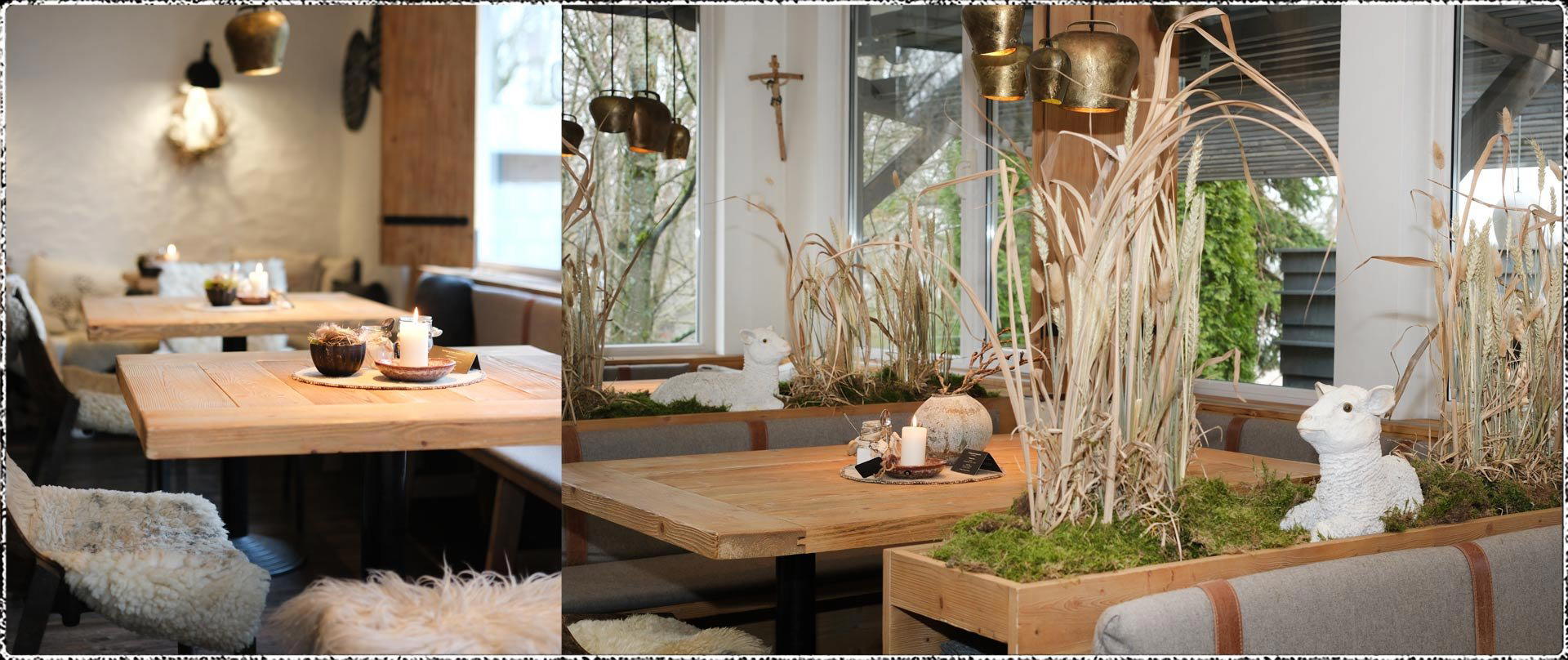
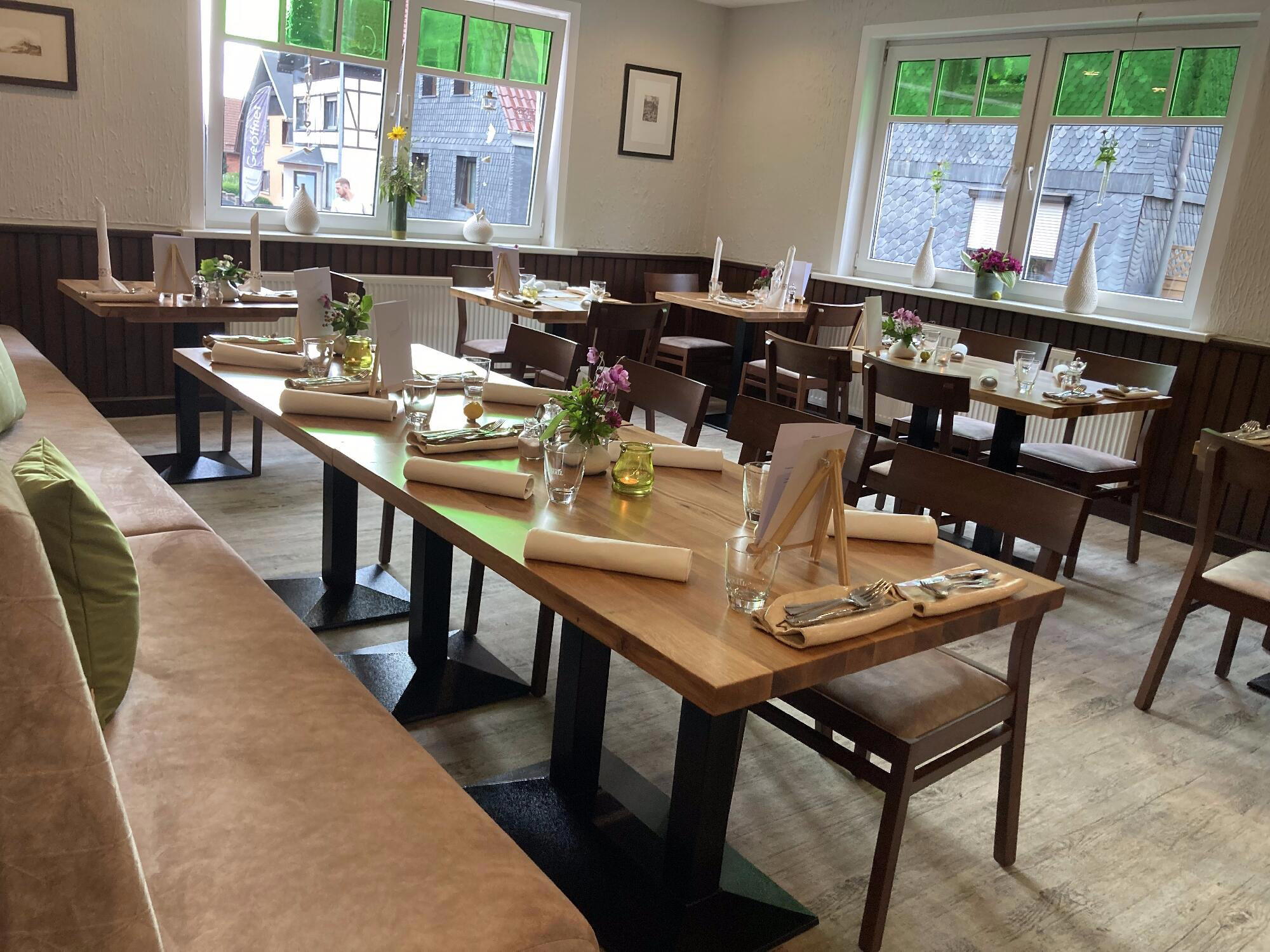
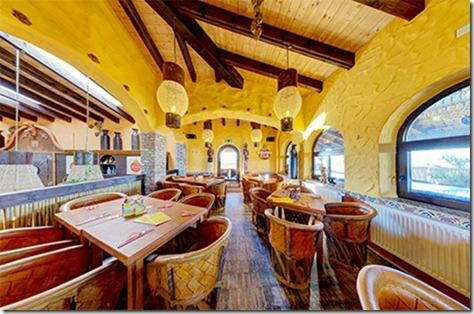
Cozy and stylish atmosphere evoking South Tyrol with warm, intimate lighting and traditional Alpine decor.