.png)
A Michelin Plate holder for two consecutive years (2024 and 2025), La Cantina by Catalana brings Spanish cooking to the heart of Erfurt's old town at Allerheiligenstraße 3. The mid-range price point positions it as the accessible entry into the Catalana group's Erfurt presence, a step below the Spanish Contemporary format of ESTIMA by Catalana but sharing the same Iberian orientation. For those building a Spanish wine education alongside their meal, the setting rewards attention.
 Discover on Pearl
Pearl is the En Primeur Club membership app — saves, bookings, and concierge access live there. Same editors, same standards.
- Address
- Allerheiligenstraße 3, 99084 Erfurt, Germany
- Phone
- +49 361 5506335
- Website
- estima-erfurt.de
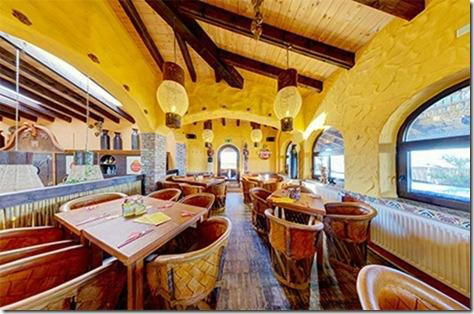
Spanish Cooking in a Thuringian Setting
Allerheiligenstraße, one of Erfurt's quieter old-town streets, sits within walking distance of the Krämerbrücke and the dense medieval architecture that defines the city centre. The street-level address at number 3 places La Cantina by Catalana inside a neighbourhood where the built environment tends toward stone and narrow proportions.
Spanish restaurants in German cities outside the major metropolitan centres occupy an interesting position. They are rarely the dominant foreign cuisine, so the good ones tend to serve a self-selecting audience: people who have eaten in Spain, who know the regional distinctions, or who approach the wine list with some framework already in place. La Cantina by Catalana, carrying the Michelin Plate in both 2024 and 2025, operates at the accessible end of that spectrum.
Where It Sits in Erfurt's Dining Scene
Erfurt's restaurant scene has a clear internal hierarchy. At the formal end, Clara - Restaurant im Kaisersaal holds a Michelin star and prices accordingly at the €€€€ level. The mid-range bracket is more populated and more varied: Il Cortile covers Italian at a comparable price point, and Das Ballenberger works the farm-to-table register in the same tier. La Cantina by Catalana at €€ positions itself as the Spanish option in this bracket, distinct from its sibling operation ESTIMA by Catalana, which operates at €€€ with a Spanish Contemporary format. The two-venue structure within the Catalana group gives Erfurt diners a clear choice: the more casual, accessible register here, or the higher-format experience a price tier up.
Holding the Michelin Plate across consecutive years signals consistent kitchen output at a standard the guide considers worth flagging, without the full star designation. That recognition carries meaningful weight in Erfurt. Across Germany's broader dining scene, Plate-level Spanish cooking at this price point is relatively uncommon outside Berlin and Munich, cities where venues like JAN in Munich anchor a more developed Spanish-influenced dining conversation. The European Spanish restaurant scene beyond the peninsula has its own reference points too: ZURRIOLA in Tokyo and Arco by Paco Pérez in Gdańsk illustrate how Spanish technique travels in non-Iberian contexts.
The Wine Angle: Fino, Rioja, and the Sommelier's Spanish Curriculum
Any Spanish restaurant worth reading about rewards engagement with the wine list. The Iberian peninsula produces a wider range of serious wine than its representation in German restaurant lists typically suggests, and this is where a venue anchored in Spanish cuisine can do real educational work for the diner. The canonical starting point is Rioja, where Tempranillo-based reds range from young, fruit-forward releases to gran reservas with a decade or more of age. Priorat offers the higher-density end of the Catalan wine tradition, Garnacha and Cariñena vines grown in slate soils that produce concentrated, mineral-cut reds with more structural grip than most of the country. On the white and fortified side, the fino and manzanilla tier from Jerez and Sanlúcar de Barrameda remains one of the most food-adaptable wine categories in the world: bone-dry, oxidatively aged under flor, and with a salinity that cuts through fried and cured textures alike.
The alignment between fino sherry and Spanish bar food is one of the classic pairings in European wine culture. A glass of manzanilla alongside cured meats or fried seafood is not a pairing assembled by a sommelier for effect; it is a regional habit with centuries of practice behind it. Restaurants that carry serious sherry selections are relatively rare in Germany, making any Michelin-recognised Spanish venue that leans into the category a reference point for diners building their own Spanish wine knowledge. At La Cantina, the €€ price point makes the wine list accessible for exploratory ordering, the kind of meal where you work through a fino with the opener and move into a Rioja or Ribera del Duero with the main without the bill becoming a consideration.
Spanish Cuisine at the Accessible Register
The broader category of mid-range Spanish cooking in Europe has two modes: the tapas bar that treats small plates as a format for volume turnover, and the more considered approach where the same format serves as a vehicle for sourced ingredients and Spanish regional specificity. The Michelin Plate recognition, applied twice, suggests La Cantina by Catalana operates in the latter mode. The Plate designation indicates that the kitchen is producing food worth attention, distinct from a purely commercial operation. At the €€ price tier, that consistency is harder to maintain than at higher price points where ingredient budgets allow more margin for error.
Spanish cuisine in its more serious domestic form is heavily regional. Catalonia's kitchen tradition, implied by the Catalana name, draws on a broader Mediterranean influence than the Castilian interior, with more fish, more picada-thickened sauces, and a long tradition of combining meat and seafood in single preparations. The regional framing matters as context for what distinguishes a Catalan-oriented operation from a generic Spanish kitchen.
Planning Your Visit
La Cantina by Catalana is at Allerheiligenstraße 3 in Erfurt's old town, a walkable distance from the main cathedral square and the central train station. The €€ price point makes it one of the more approachable options among Michelin-recognised addresses in the city. For the broader Erfurt picture, the full Erfurt restaurants guide covers the range from Clara's starred kitchen through to mid-range and casual options.
For reference on where Spanish cooking sits in the broader German fine dining conversation, the comparison set extends beyond Erfurt: Schwarzwaldstube in Baiersbronn, Vendôme in Bergisch Gladbach, Restaurant Haerlin in Hamburg, ES:SENZ in Grassau, CODA Dessert Dining in Berlin, and Aqua in Wolfsburg collectively illustrate the range of ambition currently in play across Germany's recognised restaurant circuit.
Accolades, Compared
Comparable venues nearby, for context on price, style, and recognition.
| Venue | Cuisine | Price | Awards | Notes |
|---|---|---|---|---|
| La Cantina by CatalanaThis venue — the venue you are viewing | Catalan Tapas | $$ | Michelin Plate | |
| ESTIMA by Catalana | Modern Catalan Fine Dining | $$$ | Michelin Plate | Old Town |
| Il Cortile | Modern Italian | $$$ | Michelin Plate | Altstadt |
| Das Ballenberger | Modern European Fine Dining | $$$ | Michelin Plate | Altstadt |
| Bachstelze | Modern Regional German Fine Dining | $$$ | , | Bischleben |
| Clara - Restaurant im Kaisersaal | Modern German Fine Dining | $$$$ | Michelin 1 Star | Altstadt |
Continue exploring
More in Erfurt
Restaurants in Erfurt
Browse all →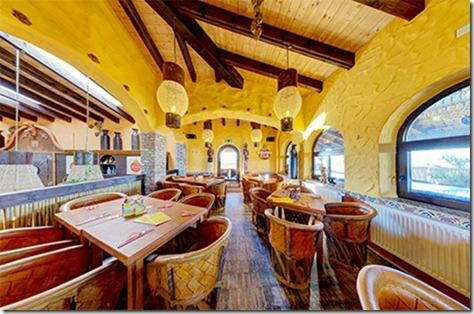
At a Glance
- Cozy
- Intimate
- Rustic
- Date Night
- Casual Hangout
- Open Kitchen
- Extensive Wine List
- Local Sourcing
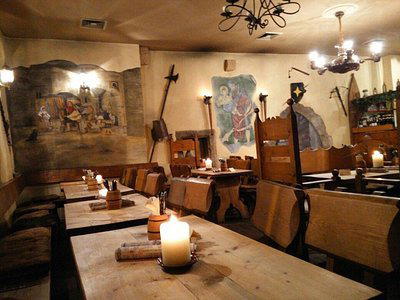
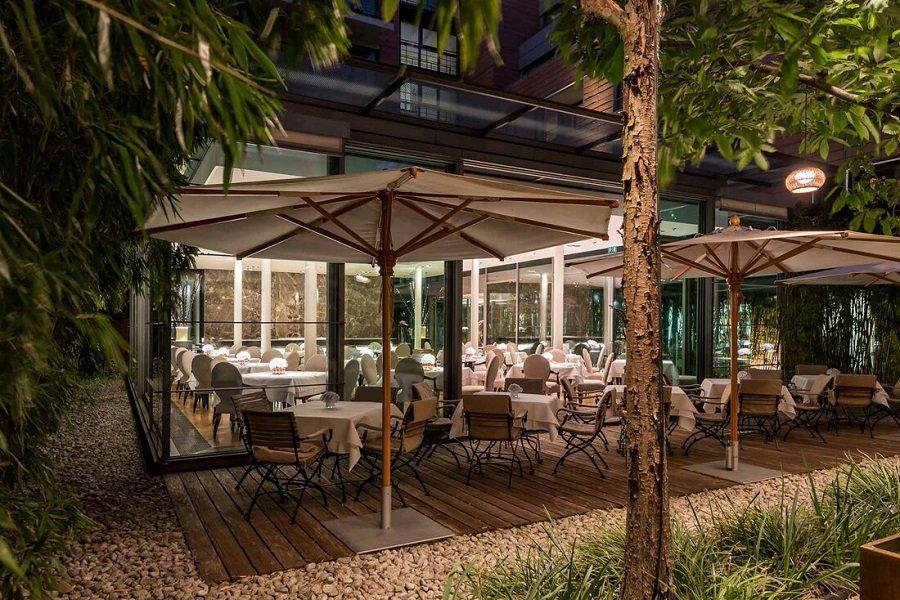
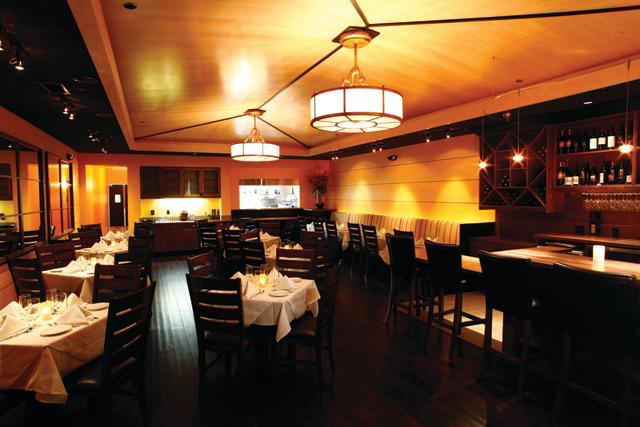
Softly lit, cellar-inspired dining room with stone, wood, and burnished metal, where candlelight glows and whispered conversations carry seamlessly.