Cortile
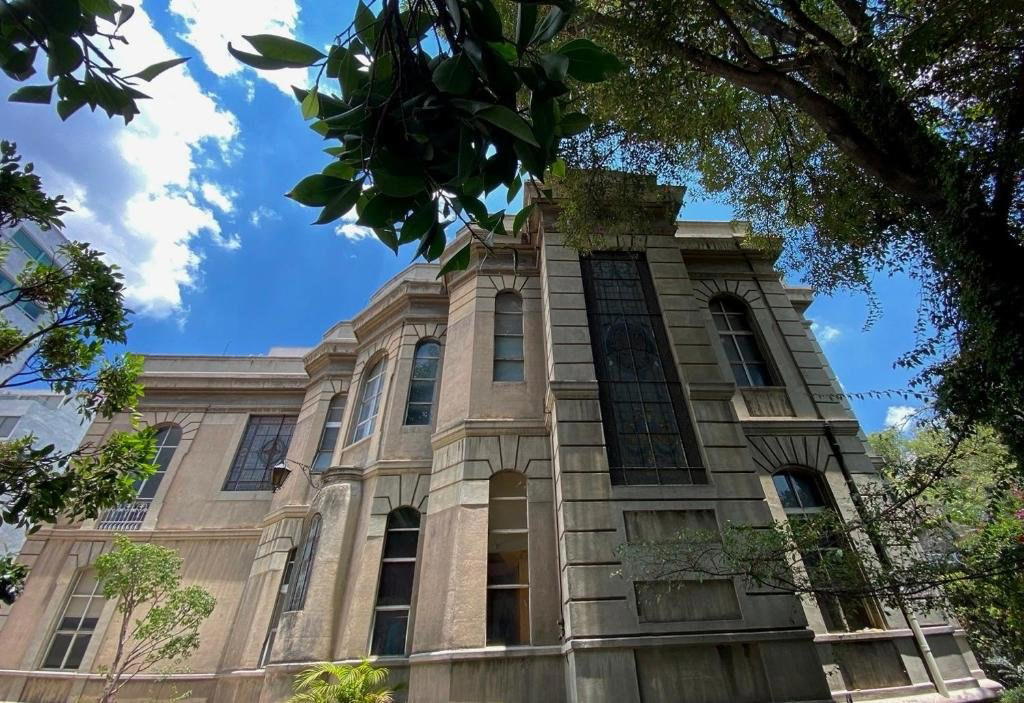
Cortile occupies a quiet address in Jardines del Pedregal, one of Mexico City's more residential southern districts, at a remove from the dense concentration of fine-dining rooms in Polanco and Roma. The name suggests an interior courtyard, a format that has long structured Italian and colonial Mexican domestic architecture alike, and the address places it in a neighbourhood where serious cooking often travels under the radar compared to the city's more publicized dining corridors.
Pearl is the En Primeur Club membership app — saves, bookings, and concierge access live there. Same editors, same standards.
- Address
- Cráter 823, Jardines del Pedregal, Álvaro Obregón, 01900 Ciudad de México, CDMX, Mexico
- Phone
- +525576021306
- Website
- cortile.mx
- Directions
- Get directions
 Saves & bookings on Pearl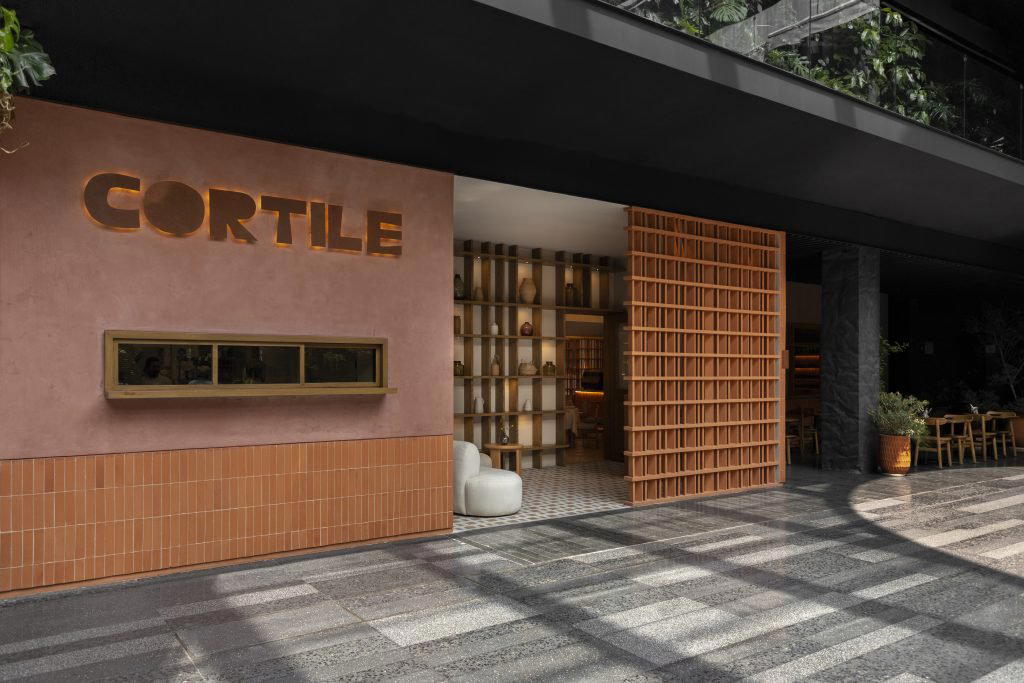
South of the Center, Inside the Stone Belt
Jardines del Pedregal is built on the lava field that Mexican architect Luis Barragán famously shaped into residential architecture in the mid-twentieth century. The neighbourhood sits south of San Ángel and west of Coyoacán, and its character is defined by volcanic stone walls, mature gardens, and a level of residential privacy unusual for a city of Mexico City's density. Restaurants here do not rely on foot traffic; they rely on reputation carried by word of mouth and deliberate reservation. That context matters before you consider the food, because Cortile, at Cráter 823, is exactly the kind of address that filters for commitment from the beginning.
The name itself is instructive. A cortile is an Italian courtyard, typically the interior open space of a palazzo or urban building, a form that doubles as both architectural organizer and social space. The same structural logic appears throughout colonial Mexico City in the form of the patio, the organizing void around which domestic and institutional life arranged itself. That overlap between Italian spatial tradition and Mexican domestic architecture is not decorative coincidence; it sets the tone for a restaurant whose identity appears to sit at the intersection of European training and Mexican material.
The Technique-Ingredient Axis That Defines Mexico City's Current Dining Moment
To place Cortile accurately, it helps to understand what has been happening across Mexico City's serious restaurants over the past decade. The model established by addresses like Pujol and later consolidated by Quintonil involves applying European and international technique to ingredients sourced from Mexican producers, indigenous agricultural systems, and regional traditions. That framework has now propagated across price tiers and neighbourhoods, from the Roma corridor anchored by Rosetta to the Pedregal and beyond, through rooms like Sud 777 and Em.
What separates the stronger entries in this approach from the weaker ones is specificity: the degree to which the imported method is genuinely in dialogue with the local ingredient rather than simply decorating it. Fermentation, controlled aging, precise temperature work, and classical sauce-building, when applied to chiles, heirloom corn varieties, quelites, and protein from named Mexican producers, produce something that neither tradition could generate alone. The same pattern appears outside the capital at places like Animalón in Valle de Guadalupe, Le Chique in Puerto Morelos, and KOLI Cocina de Origen in Monterrey, suggesting the approach is now a national template rather than a capital-city phenomenon. Cortile, given its name and location, appears to position itself within this framework from the Italian-courtyard end: the architectural and culinary reference is Mediterranean, but the raw material is Mexican.
This is not a peripheral approach. Across Mexico, restaurants earning serious recognition, from Levadura de Olla in Oaxaca to Lunario in El Porvenir and HA' in Playa del Carmen, are all working some version of the local-ingredient, global-method equation. The question for any room entering this space is whether its specific inflection, its particular version of the dialogue, justifies the visit over the dozen other competent interpretations available in the same city.
Jardines del Pedregal as a Dining Destination
The neighbourhood context is part of the proposition. Dining in Jardines del Pedregal means accepting that you will drive or take a car service; the area is not metro-accessible in any practical sense for most visitors. The trade-off is a quieter physical environment than Polanco, where international hotel dining and well-capitalized groups dominate, or Roma-Condesa, where density creates both choice and competition for space. South of the city, in the stone-walled residential grid of Pedregal, a restaurant occupying a private address like Cráter 823 has physical room to construct an atmosphere that the narrower streets of central neighbourhoods rarely allow.
You go because you have decided to go, not because you wandered past.
What the Cortile Name Signals About Format
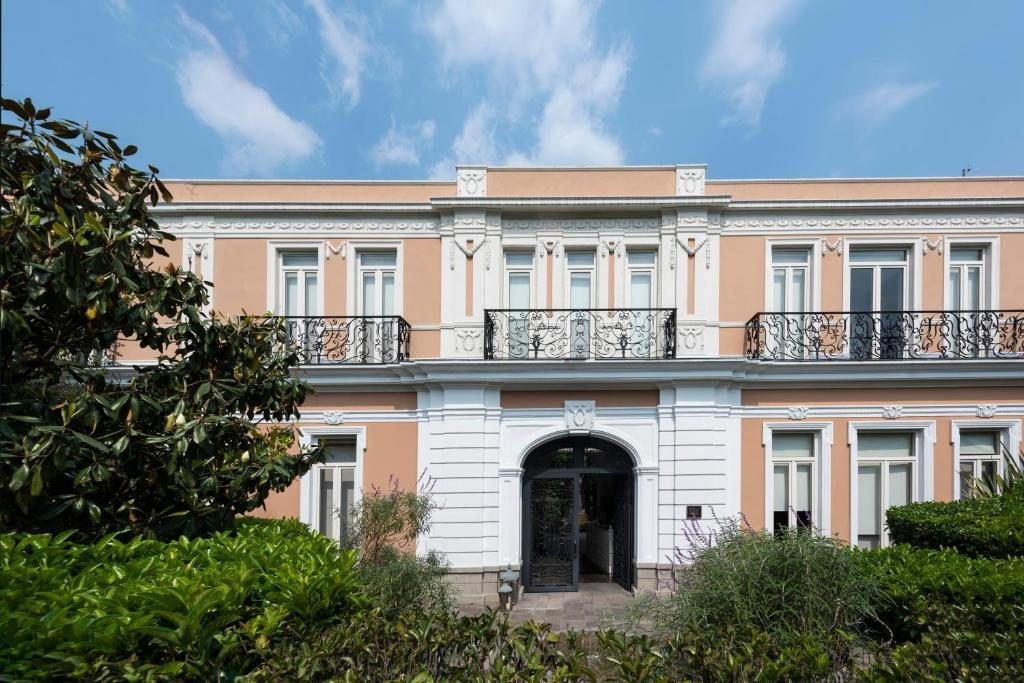
Restaurants referencing courtyard architecture in their name tend to organize themselves around a particular spatial experience. The interior-exterior threshold, the sense of enclosed open air, the acoustic shift from street to protected space: these are functional qualities, not just aesthetic ones. They influence pacing, noise level, and the degree to which a meal feels separate from the city outside. In a neighbourhood already defined by walled gardens and volcanic stone, the cortile concept has local material to work with rather than importing the idea wholesale.
Across the wider Mexican dining scene, restaurants that have built outdoor or semi-outdoor dining into their identity, including Arca in Tulum and Alcalde in Guadalajara, show that format itself carries editorial weight. The physical structure of a meal shapes what the kitchen can credibly attempt and what the guest is prepared to receive.
Planning Your Visit
Because Cortile operates in a residential neighbourhood without high foot-traffic infrastructure, confirming reservations, hours, and current format directly before visiting is advisable. The address at Cráter 823, Jardines del Pedregal, places it in the Álvaro Obregón municipality of Mexico City. Car services from central neighbourhoods typically take twenty to forty minutes depending on traffic, which in Mexico City is a variable that warrants building in time on either side of your reservation.
For a broader picture of where Cortile sits within the city's dining options across price tiers and neighbourhood zones, the EP Club Mexico City restaurants guide maps the full range. For international comparison points on the local-ingredient, global-technique format, Le Bernardin in New York and Lazy Bear in San Francisco illustrate how the same structural tension between classical training and sourcing specificity resolves at the top of the American market.
Continue exploring
More in Mexico City
Restaurants in Mexico City
Browse all →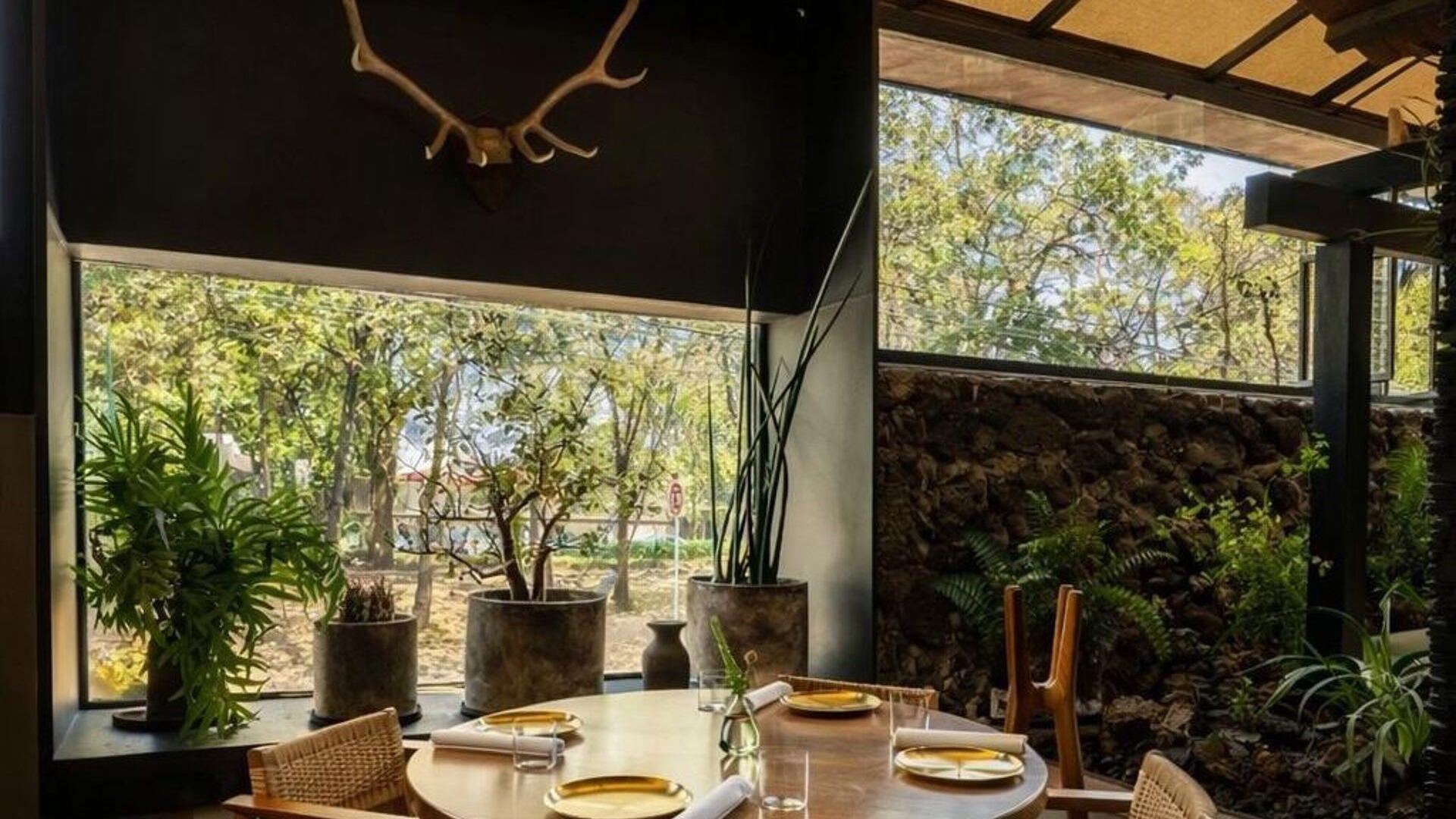
Bars in Mexico City
Browse all →


At a Glance
- Elegant
- Romantic
- Sophisticated
- Date Night
- Special Occasion
- Business Dinner
- Group Dining
- Wine Cellar
- Open Kitchen
- Terrace
- Design Destination
- Extensive Wine List
- Craft Cocktails
- Sommelier Led
- Farm To Table
- Local Sourcing
- Street Scene
Current opening hours
- Monday
- 1:30–11 PM
- Tuesday
- 1:30–11 PM
- Wednesday
- 1:30–11 PM
- Thursday
- 1:30–11 PM
- Friday
- 1:30–11 PM
- Saturday
- 1:30–11 PM
- Sunday
- 1:30–6 PM
Hours can change for holidays and private events. Last verified .
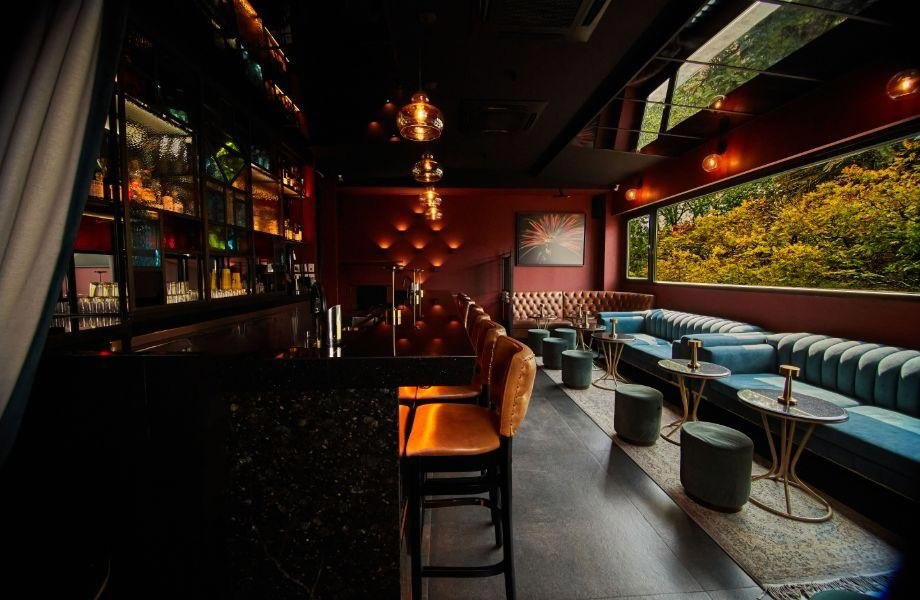
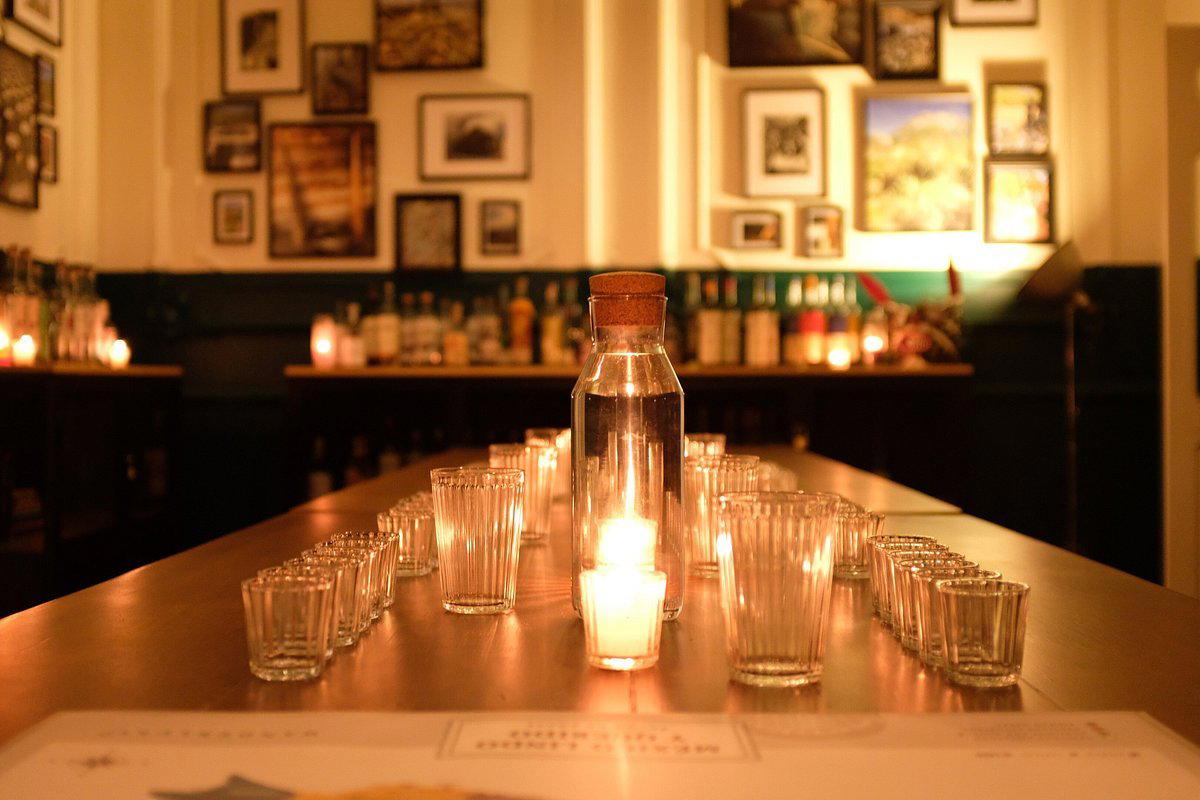
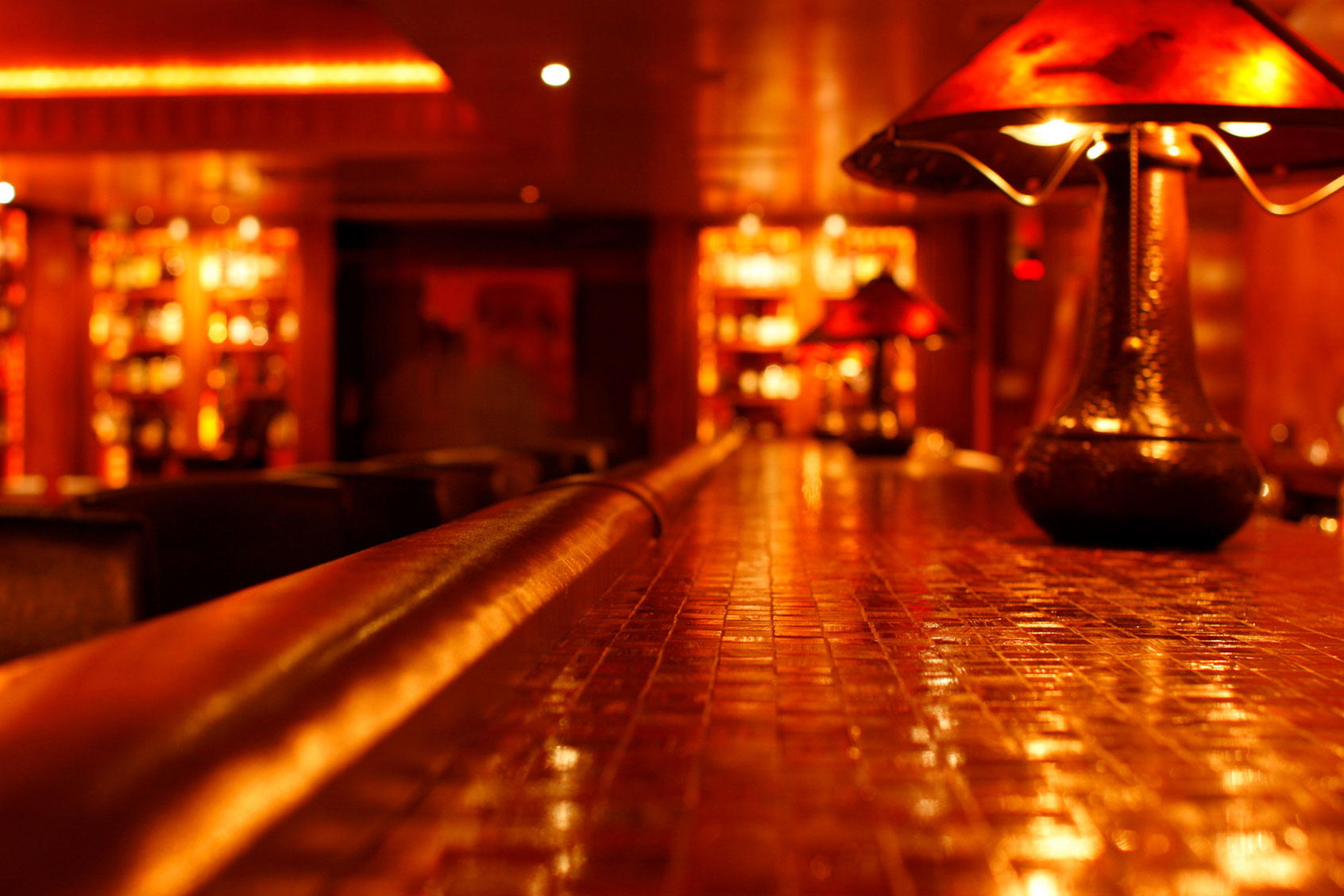
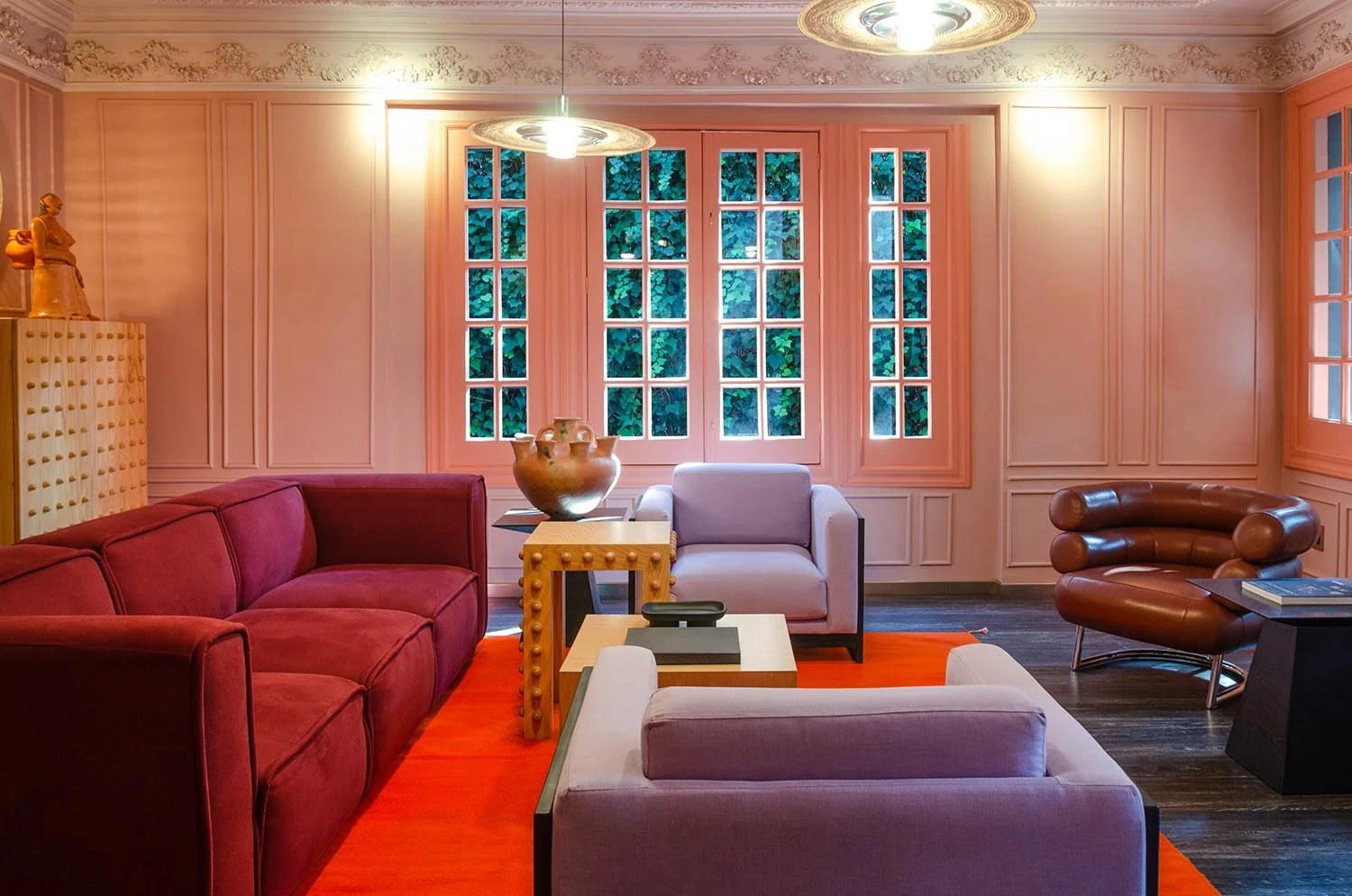
Visually rich and layered space with warm ambiance, sophisticated design with simple but effective layout, integrated wine cellar with teak shelves, and bar space for mixology.
Know Before You Go
- Getting there
- Cráter 823, Jardines del Pedregal, Álvaro Obregón, 01900 Ciudad de México, CDMX, Mexico