Romina

Romina occupies a considered position within Polanco's dense restaurant corridor, where the neighbourhood's appetite for European-inflected dining meets a more restrained, wine-focused sensibility. Positioned against the area's heavier-hitting tasting-menu addresses, it offers an alternative register: one where the cellar and the kitchen carry equal weight. For visitors mapping Mexico City's upper-mid dining tier, it merits attention alongside peers like Rosetta and Em.
Pearl is the En Primeur Club membership app — saves, bookings, and concierge access live there. Same editors, same standards.
- Address
- Av. Homero 716, Polanco, Polanco IV Secc, Miguel Hidalgo, 11550 Ciudad de México, CDMX, Mexico
- Phone
- +525544324432
- Website
- romina.com.mx
- Directions
- Get directions
 Saves & bookings on Pearl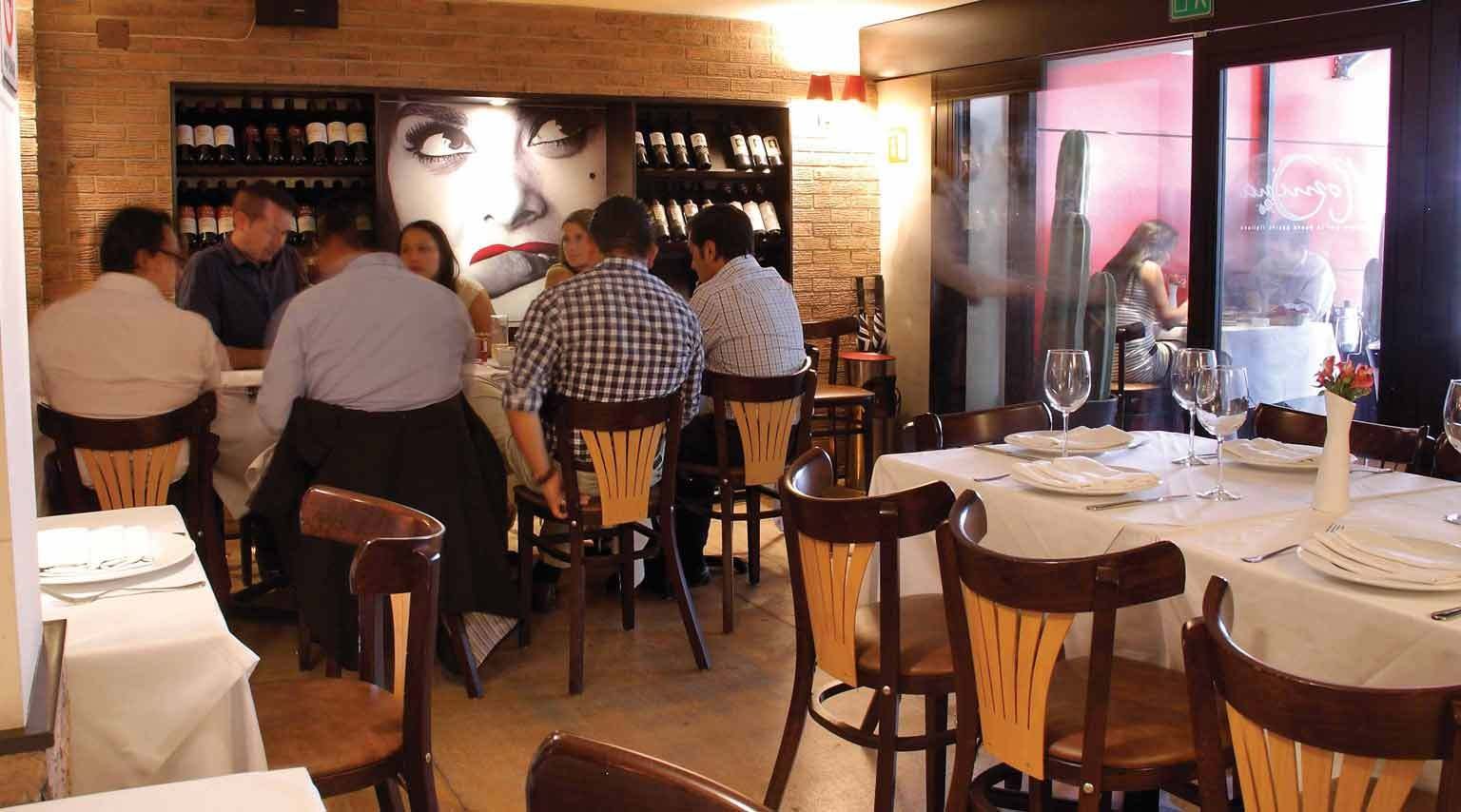
Polanco's Wine-Forward Counterpoint
Polanco has spent the better part of two decades consolidating its place as Mexico City's most commercially polished dining district. The neighbourhood that runs along Avenida Presidente Masaryk and its surrounding grid hosts the city's densest concentration of high-spend restaurants, from Pujol's tightly controlled Mexican modernism to the contemporary-leaning rooms that have multiplied around its side streets. Within this corridor, the dominant dining format is the long tasting menu with a Mexican-produce narrative. Romina, on Avenida Homero 716, operates in a different register.
Where much of Polanco's premium dining frames the wine list as secondary infrastructure — a support act for the kitchen's ambitions — a smaller cohort of addresses in the district have inverted that relationship, treating the cellar as the organizing principle around which food and service are built. That positioning places Romina in a niche peer group, one that draws comparisons less with the high-ceremony tasting counters and more with European-influenced rooms where a guest might arrive as much for what's in the glass as what's on the plate. For the full spread of what Mexico City's dining scene offers across neighbourhoods and price tiers, the EP Club Mexico City guide maps the broader picture.
The Wine Argument in a Tasting-Menu City
Mexico City's upper dining tier has largely organized itself around the kitchen as protagonist. Quintonil frames its offer through ingredient sourcing and indigenous produce recovery. Em positions itself through a rigorous seasonal Mexican framework. Even Rosetta, which operates at a different price point and with an Italian-creative orientation, centres the narrative on Elena Reygadas's kitchen language rather than the cellar. In this context, a restaurant that builds its identity around wine curation occupies a distinct competitive position, one where the sommelier's role becomes as load-bearing as the chef's.
Across global dining cities that have gone through a similar consolidation of tasting-menu culture, Tokyo, Copenhagen, New York, a predictable corrective has emerged: rooms that deliberately privilege the wine programme, offering depth in natural, low-intervention, or region-specific bottles that tasting-menu kitchens rarely have time to explore properly within a paired format. Mexico City is at an earlier stage of that correction, which means wine-first rooms here are rarer and, for the right diner, correspondingly more interesting. Internationally, analogues like Le Bernardin in New York or Atomix show what happens when a cellar programme is treated with the same editorial rigour as a tasting menu, the result reshapes what guests expect from the category.
Polanco's Dining Geometry
Understanding where Romina sits requires understanding how Polanco's dining tiers are structured. The neighbourhood operates across at least three price bands: the $$$$ addresses where tasting menus run into territory that competes with European fine dining on absolute spend; the $$$ middle range where per-head costs remain significant but the format is more flexible; and a smaller cohort of $$-range operators that survive on volume and neighbourhood loyalty. Romina's address on Avenida Homero places it in a part of Polanco that has historically attracted the middle and upper bands, with foot traffic drawn by the density of hotels and the residential spending power of the surrounding streets.
The restaurants that occupy this part of the city's price architecture face a specific competitive pressure: they must justify their positioning against the $$$$-tier flagships without matching them on ceremony or tasting-menu length, and against the $$-tier without ceding on quality signals. In that context, a wine-forward identity functions as a differentiator rather than a constraint. It signals a particular kind of seriousness, cellar investment, educated floor staff, a guest who is expected to arrive with their own reference points, without requiring the full apparatus of a tasting-menu operation.
The Broader Mexican Restaurant Scene as Context
Romina exists within a Mexican restaurant culture that has undergone significant international repositioning over the past fifteen years. The country's dining ambitions now extend well beyond the capital: Alcalde in Guadalajara has built a serious regional reputation; KOLI Cocina de Origen in Monterrey operates with produce-driven rigour; Levadura de Olla in Oaxaca works within a deeply localised ingredient framework; Animalón in Valle de Guadalupe ties its offer directly to Baja California's wine-growing region; and Pangea in San Pedro Garza García has sustained a long-standing position in the northern fine dining scene. On the coasts, HA' in Playa del Carmen, Le Chique in Puerto Morelos, Olivea in Ensenada, Huniik in Mérida, and Lunario in El Porvenir demonstrate how far Mexico's serious dining infrastructure now reaches beyond the capital.
Within Mexico City specifically, the conversation about which restaurants merit international attention has expanded beyond the two or three marquee names. Sud 777 has spent years building a case for creative Mexican cooking in the southern Pedregal neighbourhood, away from Polanco's gravitational pull. That geographic diversification has, paradoxically, made Polanco's identity sharper: it remains the district most associated with high-spend dining, European-influenced rooms, and an internationally mobile clientele. A wine-forward address on Avenida Homero draws from all three of those associations.
Planning a Visit
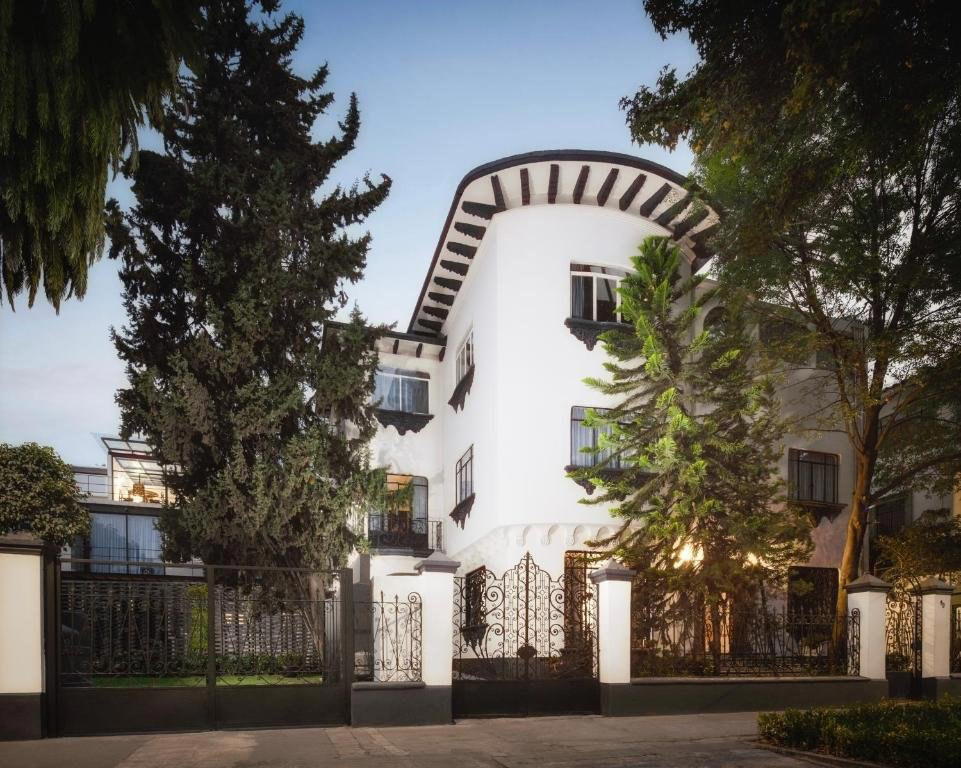
Romina is located at Av. Homero 716, Polanco IV Secc, Miguel Hidalgo, Mexico City. The address is central to Polanco's core restaurant zone and walkable from the neighbourhood's main hotel corridor. Reservations: Contact via the restaurant directly; given the neighbourhood's density of dining options, booking ahead is advisable for weekend evenings, when Polanco's restaurants absorb both local regulars and hotel guests. Timing: Weekday lunches in Polanco tend to run later than European equivalents, with the kitchen at full pace between 2pm and 4pm, a rhythm inherited from Mexican business dining culture. Approach: If your priority is the wine programme, communicate that to the floor staff at the start of the meal; wine-focused rooms reward guests who signal their interests early.
Recognition history
Dated appearances from independent guides and award organizations, with the underlying list record or original source where available.
Wine Spectator Award of Excellence
Wine Spectator
Continue exploring
More in Mexico City
Restaurants in Mexico City
Browse all →
Bars in Mexico City
Browse all →
At a Glance
- Elegant
- Intimate
- Sophisticated
- Date Night
- Business Dinner
- Special Occasion
- Wine Cellar
- Extensive Wine List
Current opening hours
- Monday
- 1:30–11 PM
- Tuesday
- 1:30–11 PM
- Wednesday
- 1:30–11 PM
- Thursday
- 1:30–11 PM
- Friday
- 1:30–11 PM
- Saturday
- 1:30–11 PM
- Sunday
- 1:30–8 PM
Hours can change for holidays and private events. Last verified .
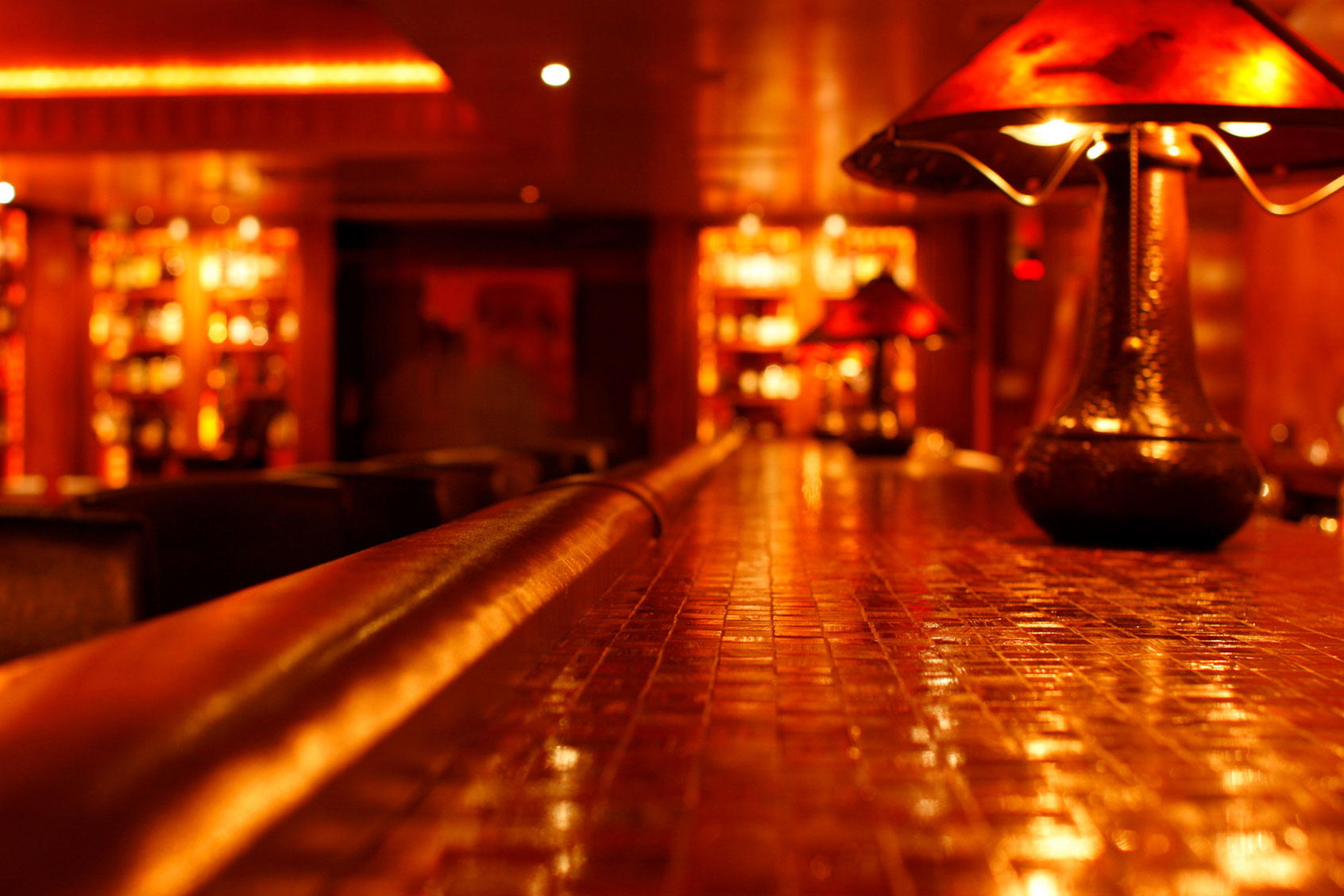
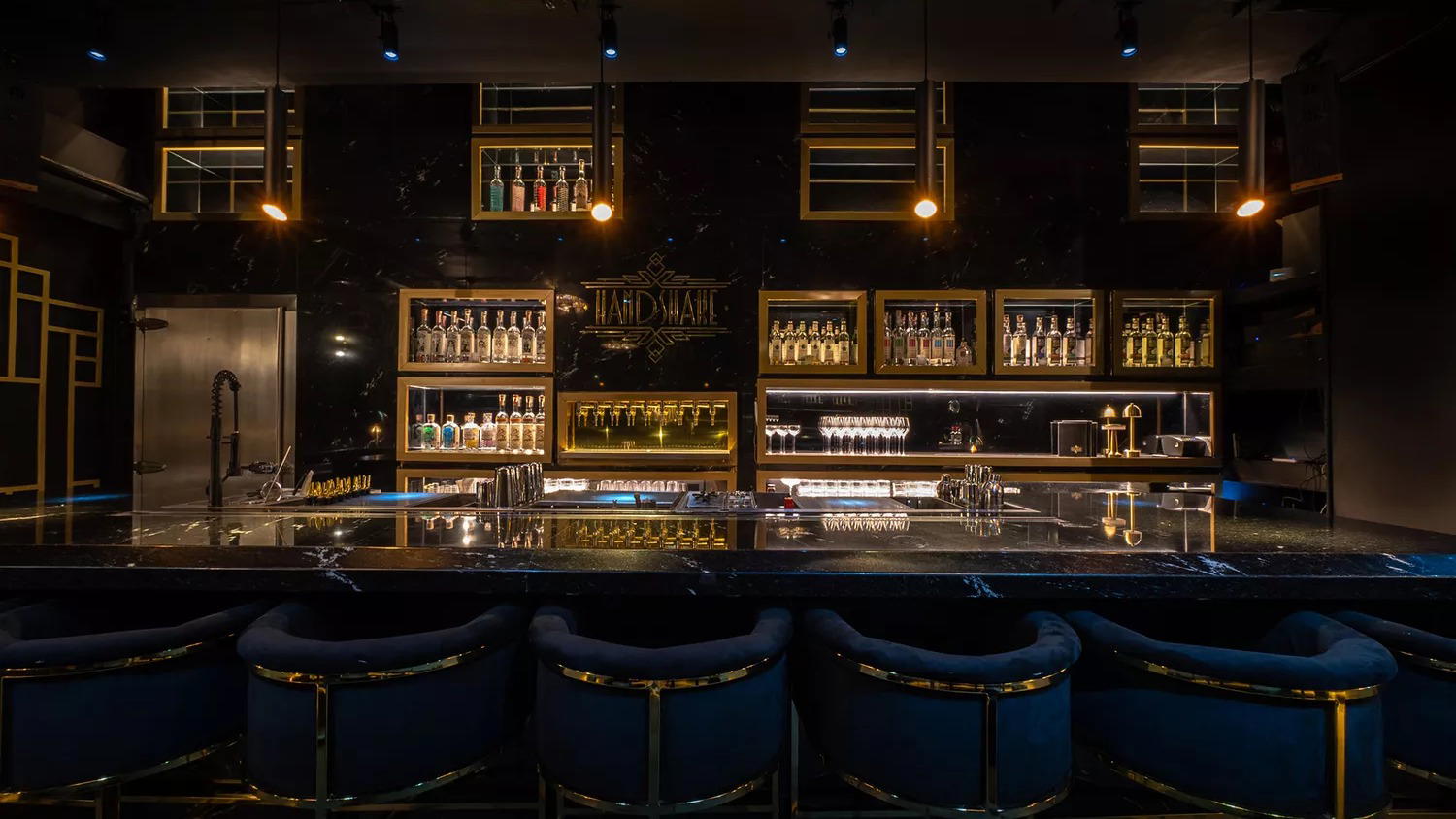
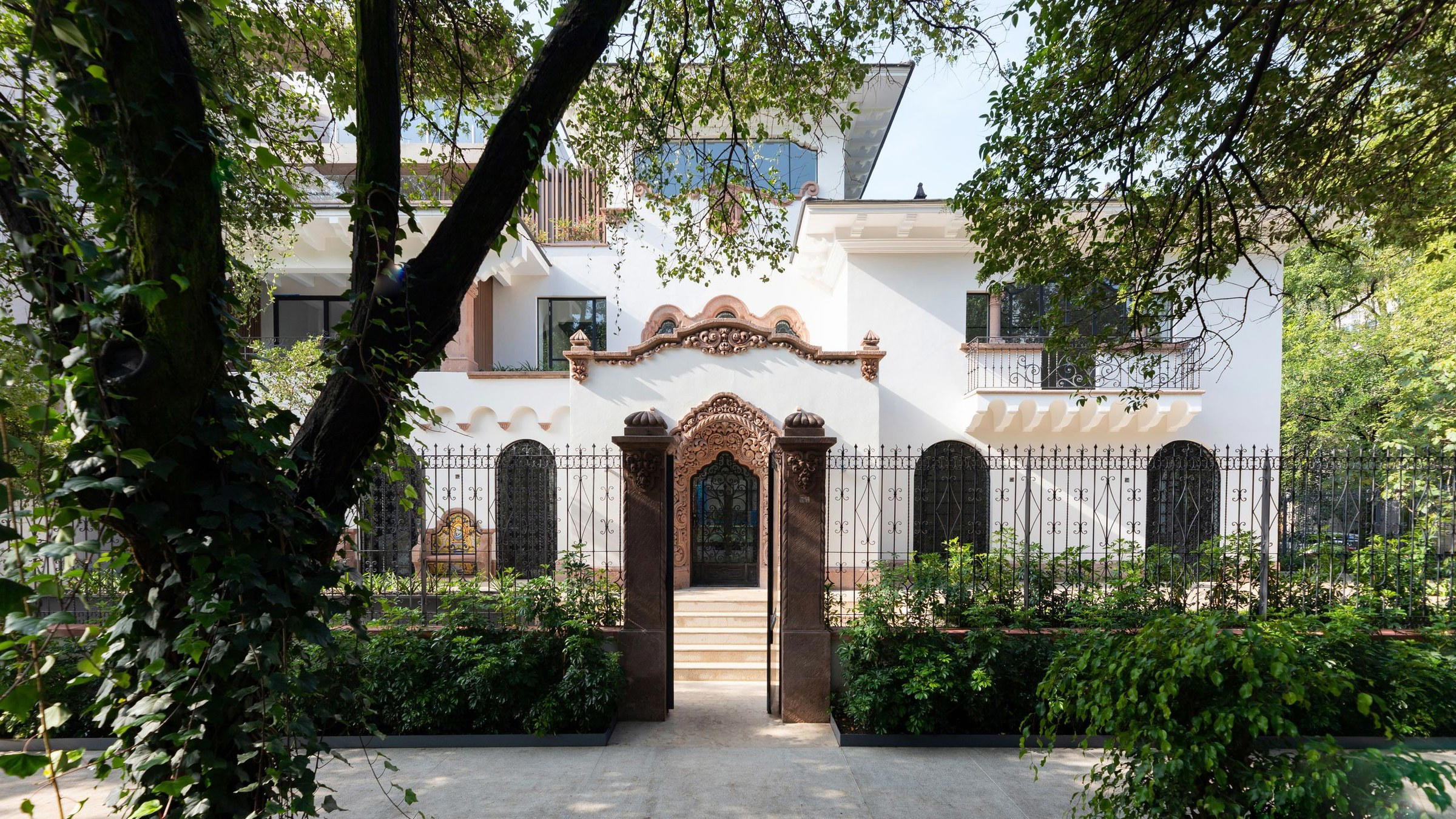
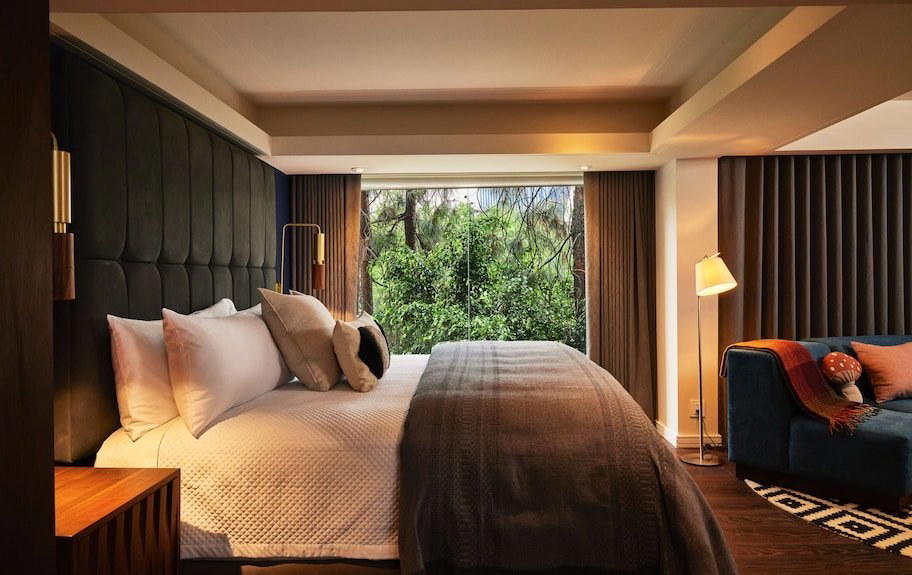
Elegant and intimate atmosphere with professional, attentive service.
Know Before You Go
- Getting there
- Av. Homero 716, Polanco, Polanco IV Secc, Miguel Hidalgo, 11550 Ciudad de México, CDMX, Mexico