Marcello
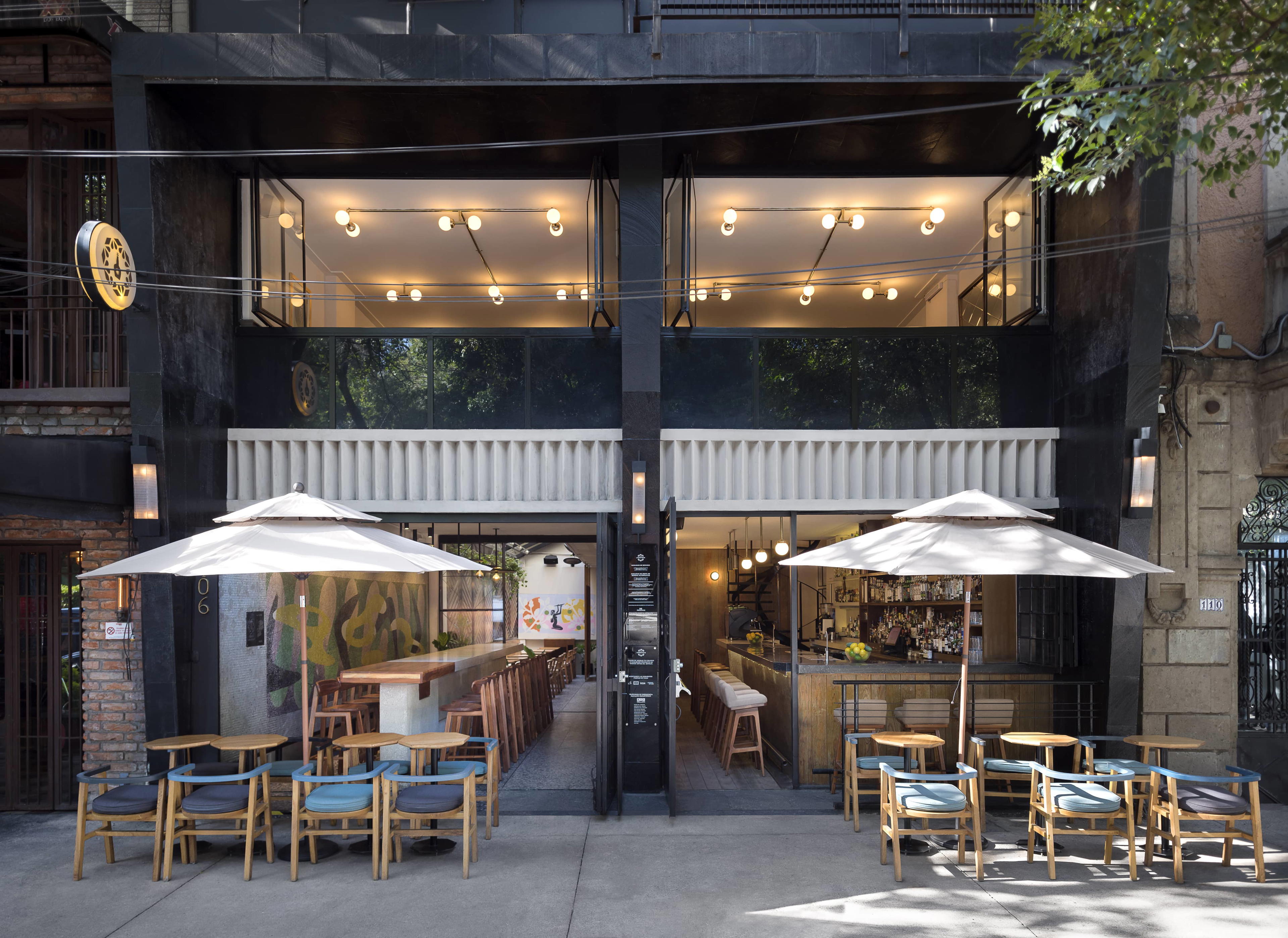
Marcello occupies a corner of La Roma's Álvaro Obregón avenue where the neighbourhood's mid-century residential calm meets its current role as one of Mexico City's most closely watched dining corridors. The address places it squarely in a tier of Roma restaurants that trade on sourcing credentials and ethical kitchen practices rather than tasting-menu theatre. For travellers mapping the city's sustainability-led dining scene, it belongs on the same itinerary as the capital's better-known reform-minded kitchens.
Pearl is the En Primeur Club membership app — saves, bookings, and concierge access live there. Same editors, same standards.
- Address
- Av. Álvaro Obregón 110, La Roma, Cuauhtémoc, 06700 Ciudad de México, CDMX, Mexico
- Phone
- +525592101995
- Website
- marcello.mx
- Directions
- Get directions
 Saves & bookings on Pearl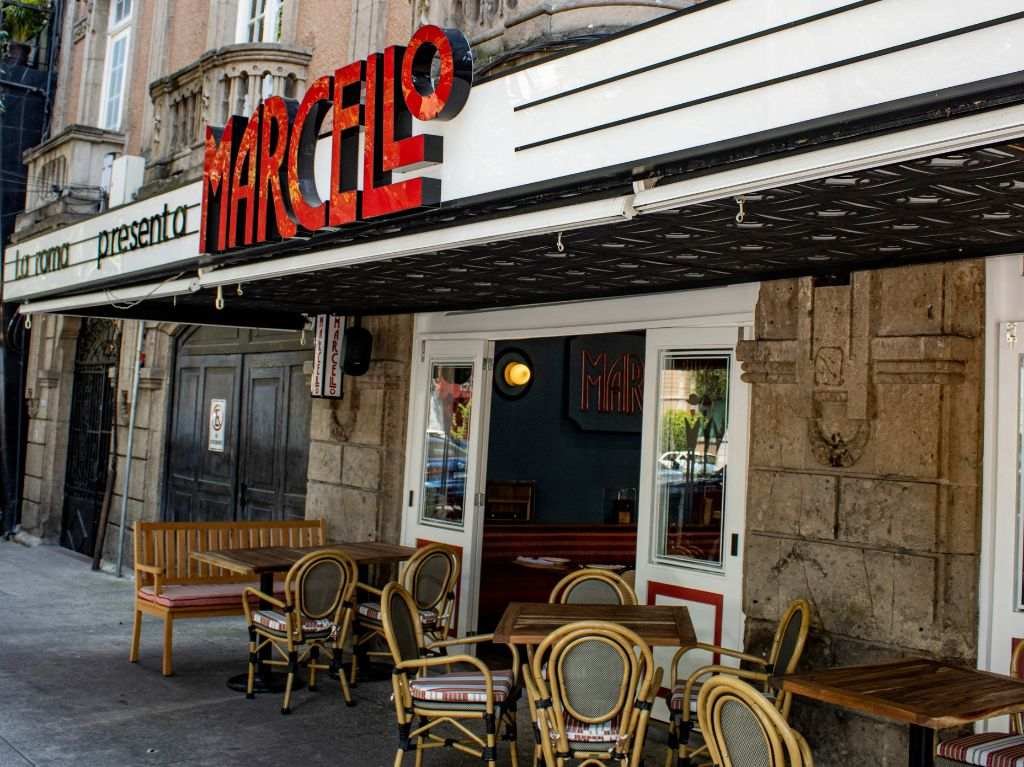
La Roma and the Sourcing Shift
Álvaro Obregón is one of those avenues that rewards slow walking. The tree-lined boulevard running through Colonia Roma has, over the past decade, become a reliable index of where Mexico City dining is heading: away from spectacle-driven formats and toward something more considered, more locally rooted, and increasingly transparent about supply chains. The restaurants that have found traction here tend to share a common grammar: direct relationships with producers, menus that reflect what is actually available rather than what reads well in print, and a resistance to theatrical excess.
Marcello, an Italian pizza and pasta restaurant on Av. Álvaro Obregón 110 in La Roma, is a smart-casual, reservation-recommended address where a meal averages about $25 per person. La Roma is not a neighbourhood that forgives restaurants that merely perform sustainability as a brand position. The local dining public is sophisticated enough to notice the gap between a laminated card claiming seasonal sourcing and a kitchen that genuinely reorganises its menu around what came off a truck from Oaxaca or Puebla that morning. Restaurants that last here tend to be the ones where the sourcing story is structural rather than decorative.
Mexico City's Ethical Sourcing Tier
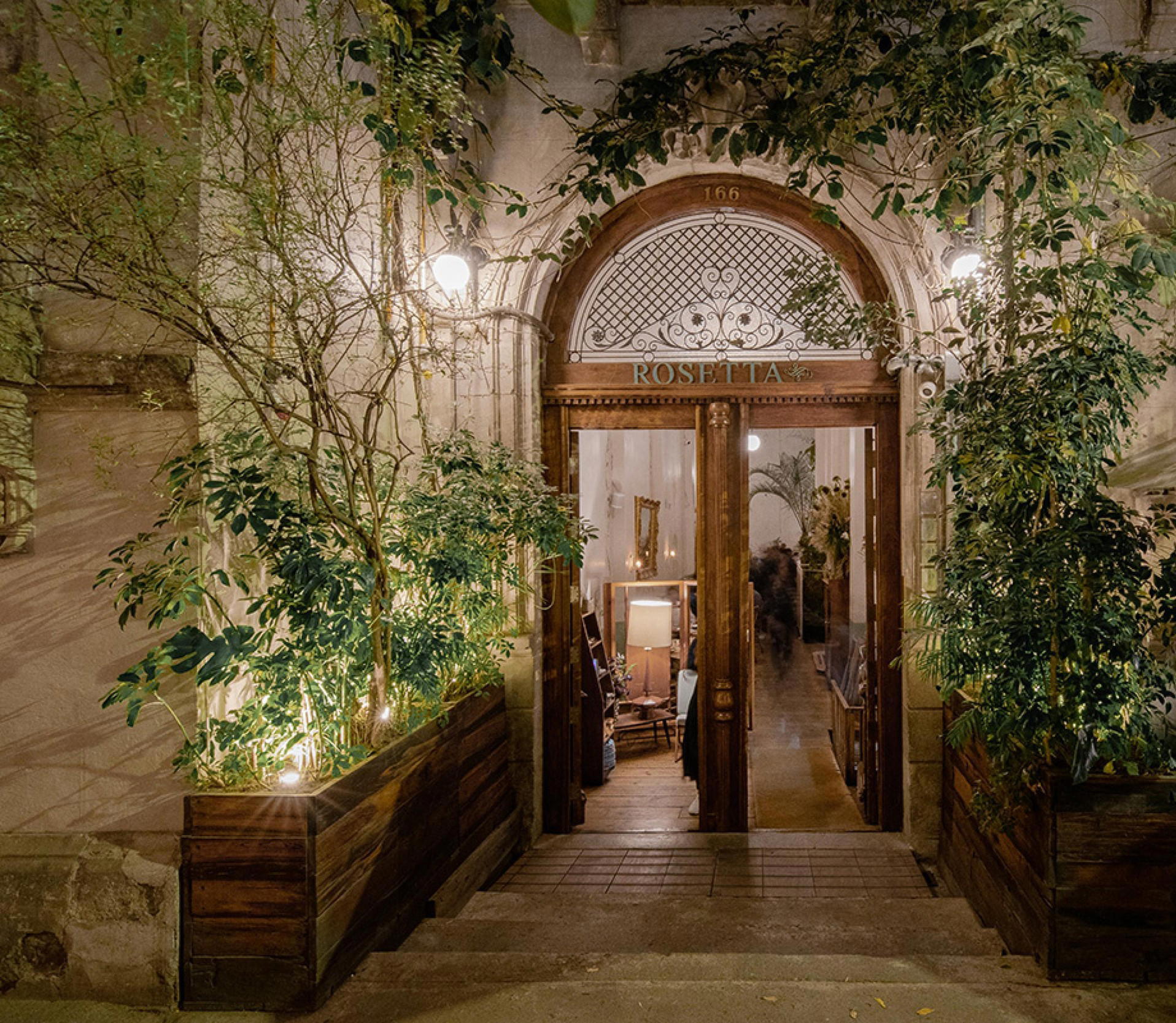
To understand where Marcello sits, it helps to map the broader ecology of sustainability-conscious dining in Mexico City. At the upper end of that conversation, Pujol and Quintonil have spent years building the credibility to anchor a national conversation about Mexican ingredients and their cultural weight. Both carry four-dollar-sign pricing and operate within a globally recognised fine-dining framework. A tier below, kitchens like Em and Rosetta have demonstrated that sourcing depth and creative ambition do not require the full apparatus of white-tablecloth formality. Rosetta, which holds a two-dollar-sign price point, has been particularly influential in showing that seasonal Italian-inflected cooking can operate with genuine rigour in a Roma context.
Marcello belongs in the conversation that Rosetta and Em have shaped: restaurants where the room feels lived-in rather than staged, where the sourcing credentials are expressed through the cooking rather than announced in the marketing, and where the price point remains accessible enough to sustain a regular neighbourhood clientele alongside destination visitors. That balance is harder to maintain than it looks. Restaurants in this tier face constant pressure from rising ingredient costs, especially when those ingredients come from small producers who cannot offer the volume discounts available to industrial suppliers.
The sustainability question in Mexico City dining is not only about environmental consciousness, though that matters. It is also about economic sustainability for small producers and heritage seed cultivators, and about reducing the food-mile calculations that come with importing European or North American proteins into a country with extraordinary native biodiversity. Kitchens that take these questions seriously tend to organise their supply chains around a core group of trusted regional producers rather than buying opportunistically from wholesalers.
The Roma Room and Its Context
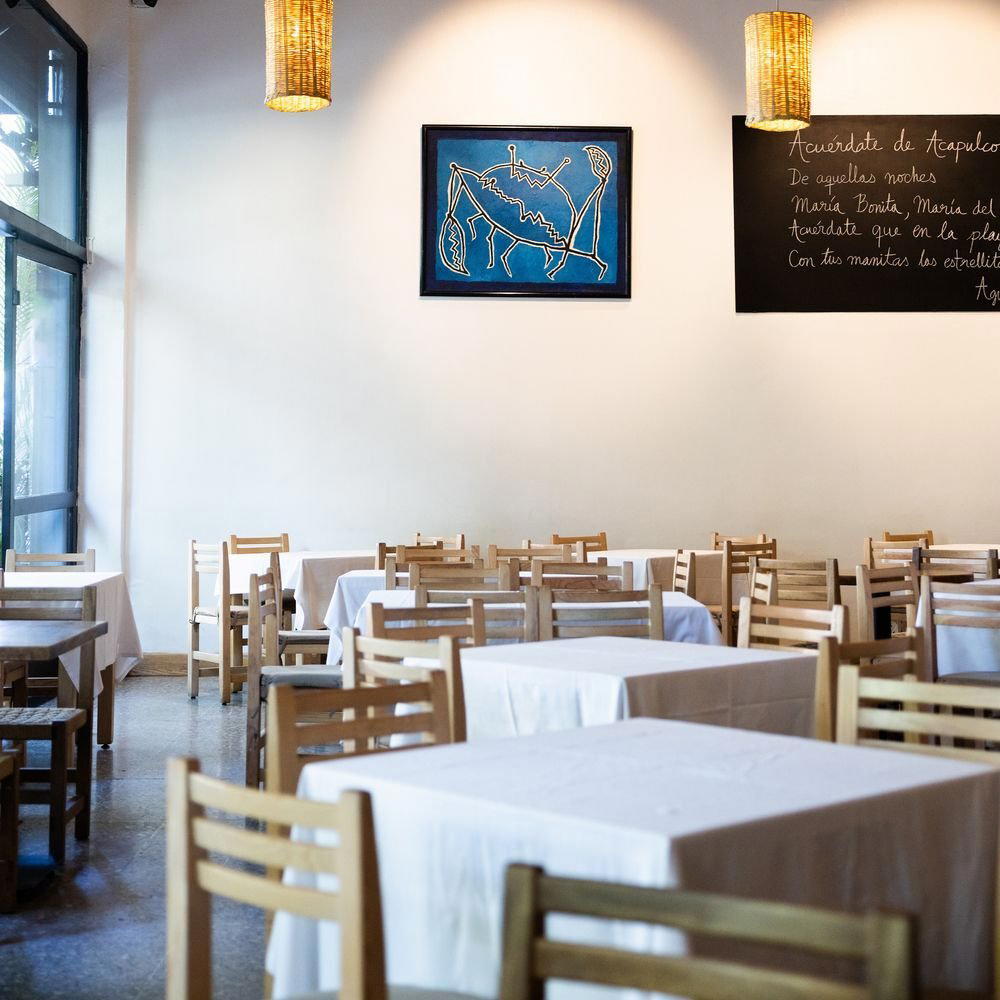
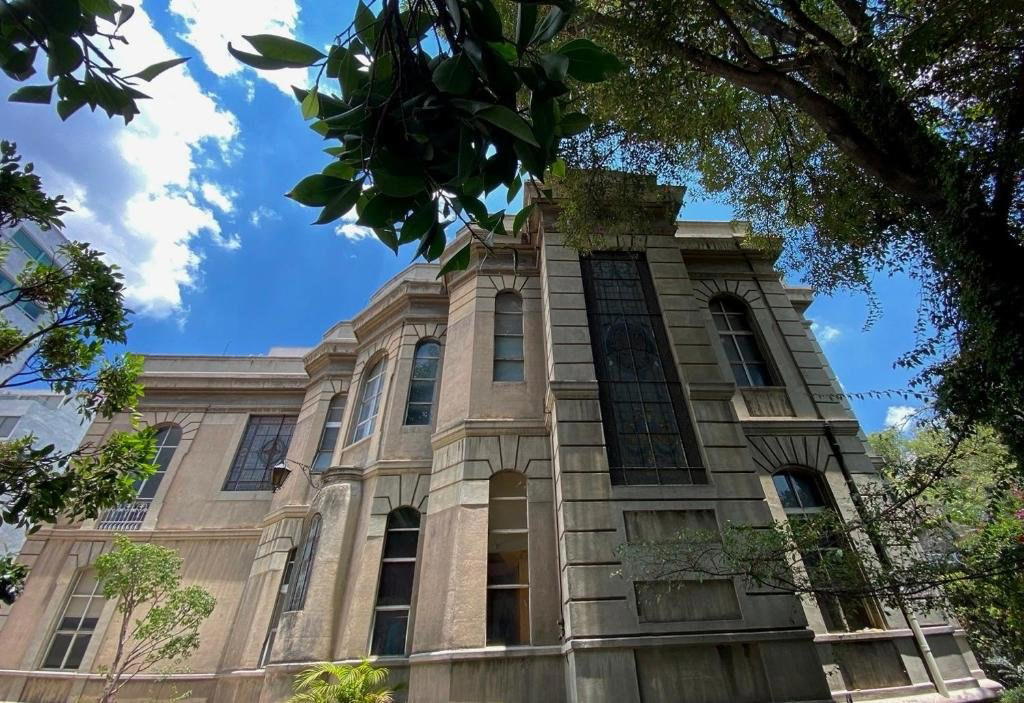
La Roma's dining rooms have a characteristic feel that distinguishes them from the Polanco formality to the north or the Condesa's louder sociability to the west. They tend toward the intimate and the architecturally honest: exposed brick, high ceilings from the neighbourhood's Porfirian and post-Revolutionary building stock, natural light that shifts meaningfully over a long lunch. The atmosphere that results is one where the cooking has to carry the room rather than the other way around. There are no dramatic views to distract from a dish that does not quite work, no nightclub-adjacent sound design to paper over a thin menu.
That architectural honesty also shapes how sustainability plays out in the room itself. Roma's older building stock lends itself to lower-intervention fit-outs: retained features, natural materials, the kind of patina that reads as intentional rather than as a design decision made in a showroom. Restaurants that occupy these spaces well tend to find that the room and the sourcing philosophy reinforce each other without either element needing to be laboured.
Mapping the National Scene
Mexico's sustainability-led dining conversation extends well beyond the capital. In Valle de Guadalupe, Animalón has made farm-proximity the literal architecture of its format. In Oaxaca, Levadura de Olla works within the deep tradition of Oaxacan fermentation and heirloom corn culture. Olivea Farm to Table in Ensenada has made the Baja California producer network its primary editorial. In Monterrey, KOLI Cocina de Origen and Pangea have built northern Mexican sourcing into a credible fine-dining language. Alcalde in Guadalajara and Huniik in Merida extend the argument into the country's west and southeast. On the coasts, HA' in Playa del Carmen, Le Chique in Puerto Morelos, and Lunario in El Porvenir each make the case that ethical sourcing is not a metropolitan preoccupation but a structuring principle of serious Mexican cooking wherever it happens.
What connects these restaurants across geography is a shared rejection of the imported-protein default that characterised Mexican luxury dining for much of the late twentieth century. The turn toward native ingredients, heritage breeds, and reduced-waste kitchen practice is now broad enough to constitute a movement rather than a trend, and Mexico City's Roma neighbourhood has been one of its consistent addresses.
Planning Your Visit
La Roma is walkable from the Insurgentes metro station and well-served by the city's ride-share network. The neighbourhood rewards arriving before your reservation to walk the Álvaro Obregón median garden northward from Sonora, a route that gives a legible sense of the area's architectural and commercial character before you sit down to eat.
| Venue | Cuisine / Style | Price Tier | Neighbourhood |
|---|---|---|---|
| Marcello | Italian Dolce Vita Pizza & Pasta | $$$ | La Roma, Álvaro Obregón |
| Rosetta | Italian, Creative | $$ | La Roma |
| Em | Mexican | $$$ | Juárez |
| Quintonil | Modern Mexican | $$$$ | Polanco |
| Pujol | Mexican | $$$$ | Polanco |
For a broader map of the city's dining options across neighbourhoods, price tiers, and cuisine categories, see the Mexico City restaurants guide. Travellers arriving from or departing to New York may also find it useful to benchmark against the sourcing-focused formats operating there, including Le Bernardin and Atomix, both of which address sustainability questions through different culinary traditions. Sud 777 offers another Mexico City reference point for kitchen garden-driven cooking within the city limits.
Booking and Cost Snapshot
Comparable venues nearby, for context on price, style, and recognition.
| Venue | Price | Notes |
|---|---|---|
| MarcelloThis venue — the venue you are viewing | $$$ | Not listed |
| Farina Polanco | $$$ | Polanco Chapultepec, Traditional Italian Pizza |
| Auguri Kosher Trattoria | $$$ | Del Bosque, Kosher Italian Trattoria with Fusion Elements |
| Farina Duraznos | $$$ | Bosques de Las Lomas, Casual Italian Pizza |
| Cortile | $$$ | Pedregal de San Jeronimo, Modern Italian-Mediterranean with Wood-Fired Pizza |
| Fornería del Becco | $$$ | Jardines en la Montaña, Authentic Neapolitan Pizza and Italian |
Continue exploring
More in Mexico City
Restaurants in Mexico City
Browse all →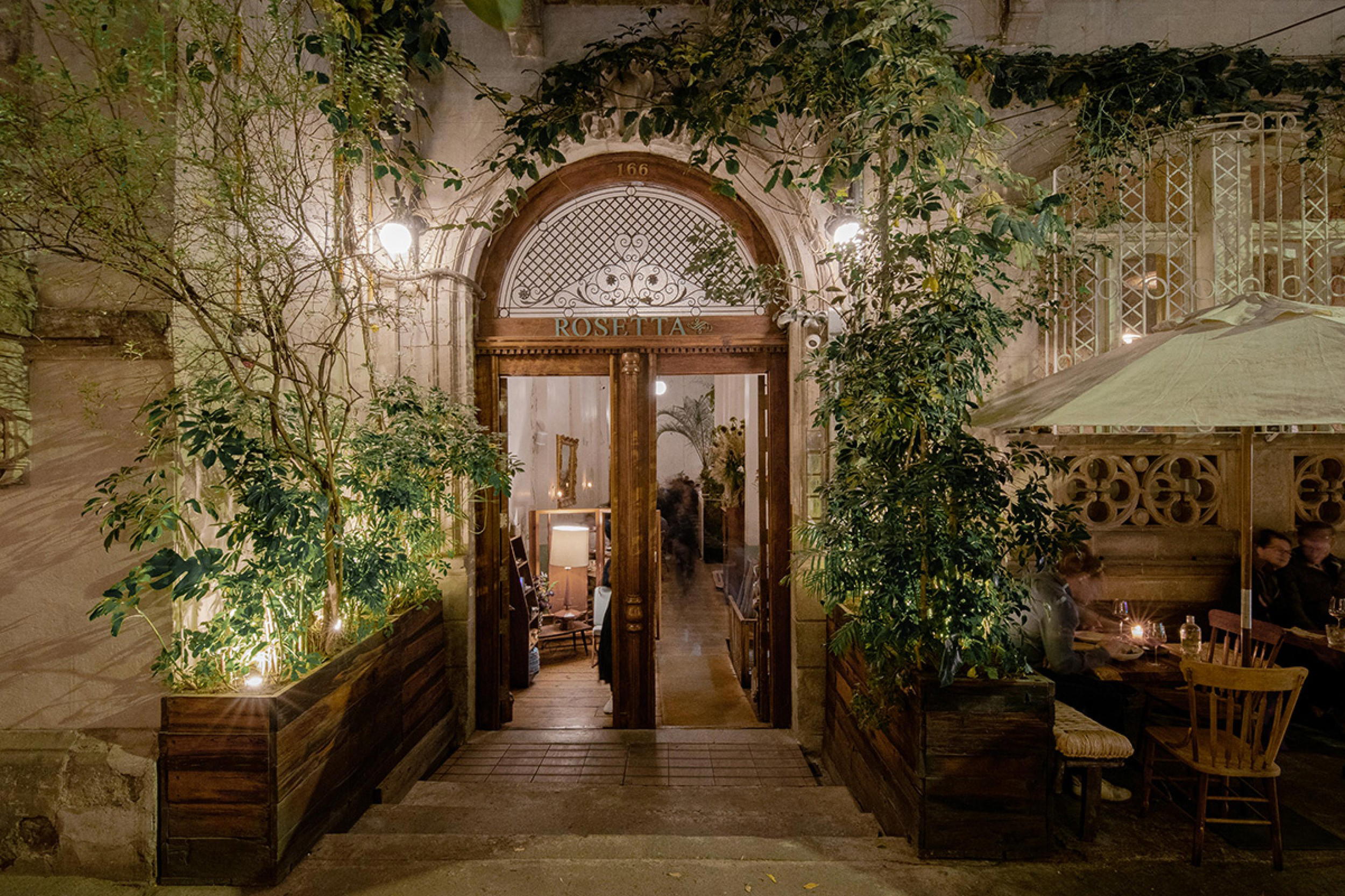
Bars in Mexico City
Browse all →

At a Glance
- Romantic
- Elegant
- Trendy
- Cozy
- Sophisticated
- Date Night
- Late Night
- Open Kitchen
- Extensive Wine List
- Craft Cocktails
Current opening hours
- Monday
- 1–11 PM
- Tuesday
- 1–11 PM
- Wednesday
- 1–11 PM
- Thursday
- 1 PM–12 AM
- Friday
- 1 PM–12 AM
- Saturday
- 1 PM–12 AM
- Sunday
- 1–11 PM
Hours can change for holidays and private events. Last verified .
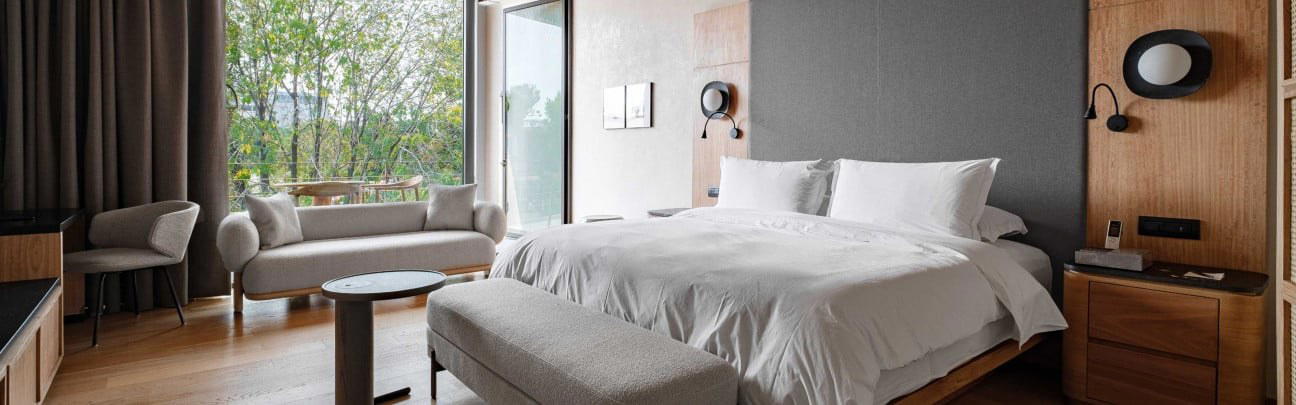
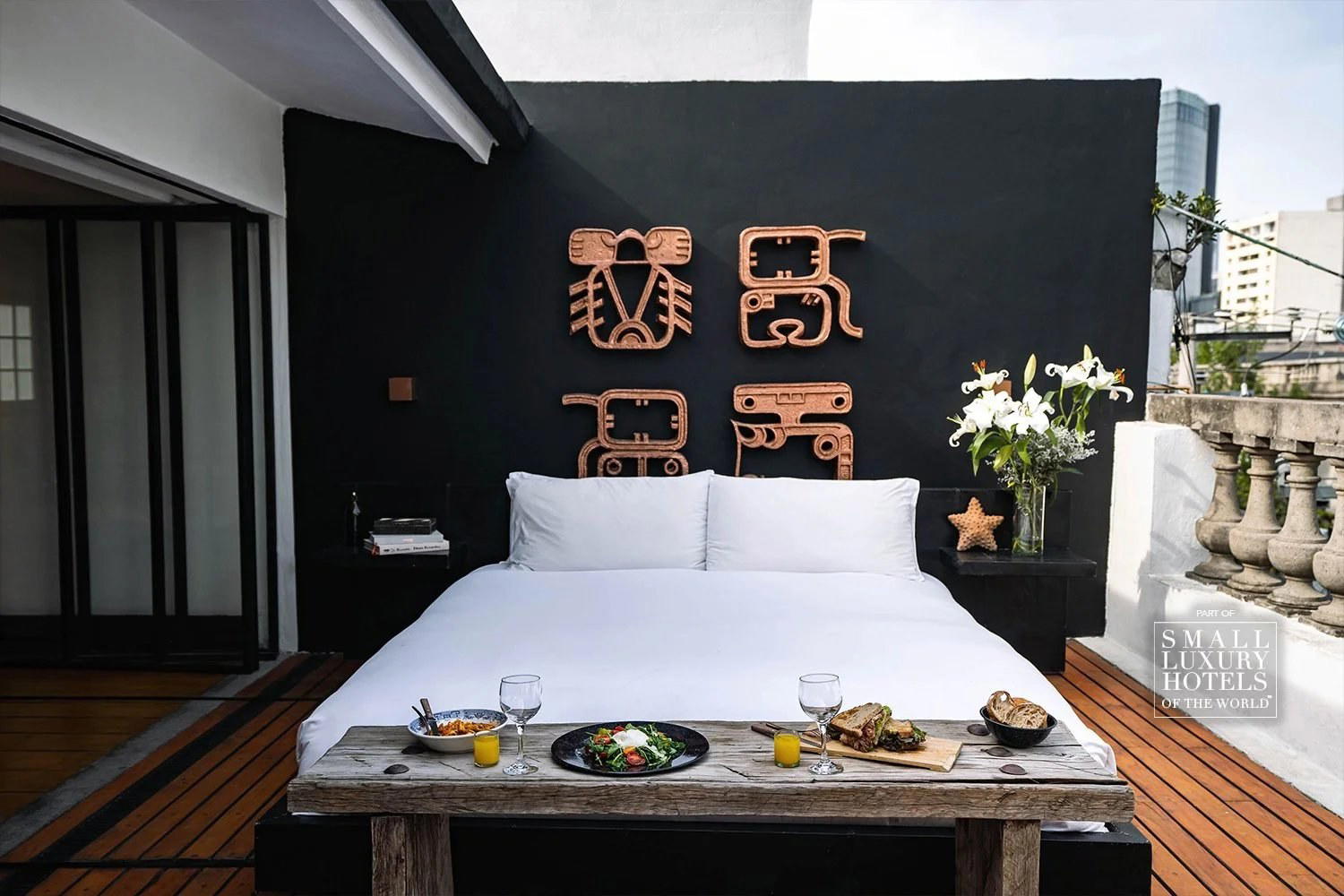
Vintage Italian setting with old-school red seats, antique appliances, period paintings, and a lively yet elegant atmosphere evoking the dolce vita.