La Bottega del 30

Michelin Plate
Our verdict
In the hamlet of Villa a Sesta, La Bottega del 30 has spent decades making a case for restraint-led Tuscan cooking at its most honest. A Michelin Plate holder in both 2024 and 2025, the restaurant works from stone-walled surroundings and a kitchen committed to traditional technique, slow-cooked pork liver stored in lard with fennel, lukewarm on Tuscan green beans, with French-rooted sensibility shaping every plate.

Pearl is the En Primeur Club membership app, where members save venues, book tables and use the concierge.
The menu
What to order
- Uovo, Asparagi e Tartufo
- Spaghetti Tartufo e Petto d’Oca
- Faraona Ripiena di Bieta e Salsiccia
Stone Walls and the Weight of Tradition
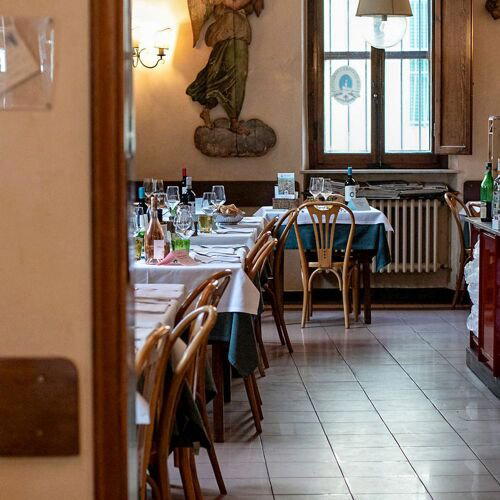
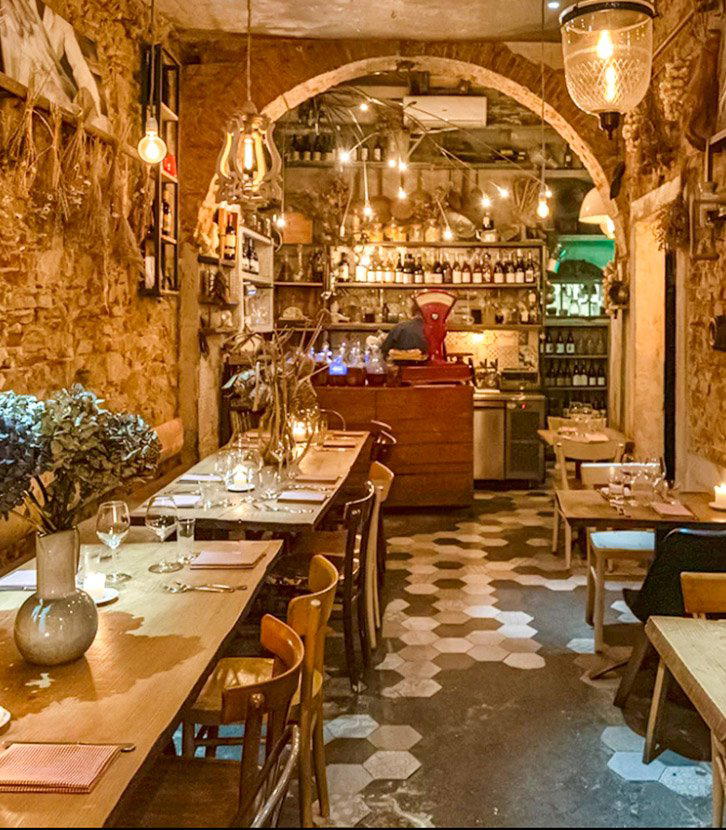
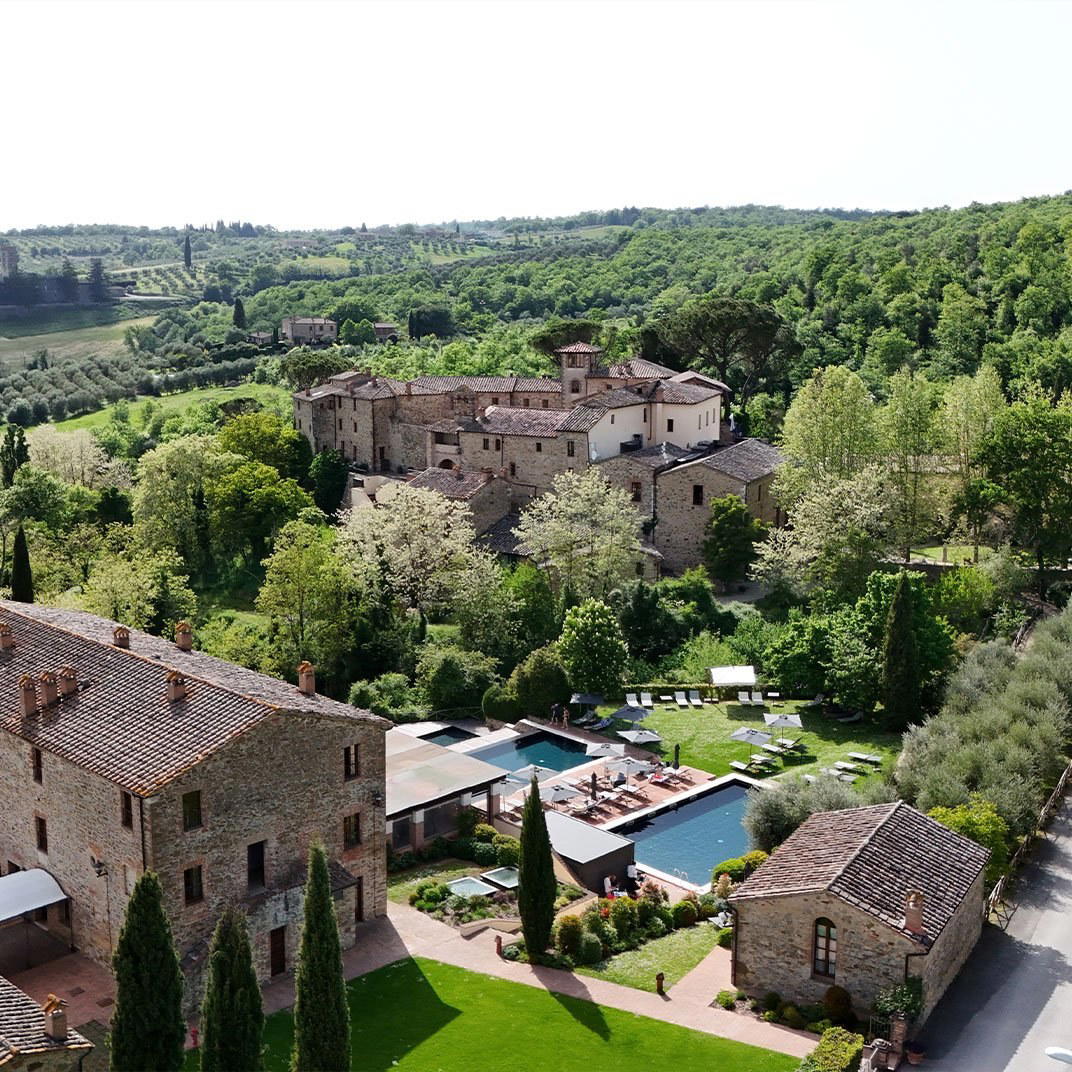
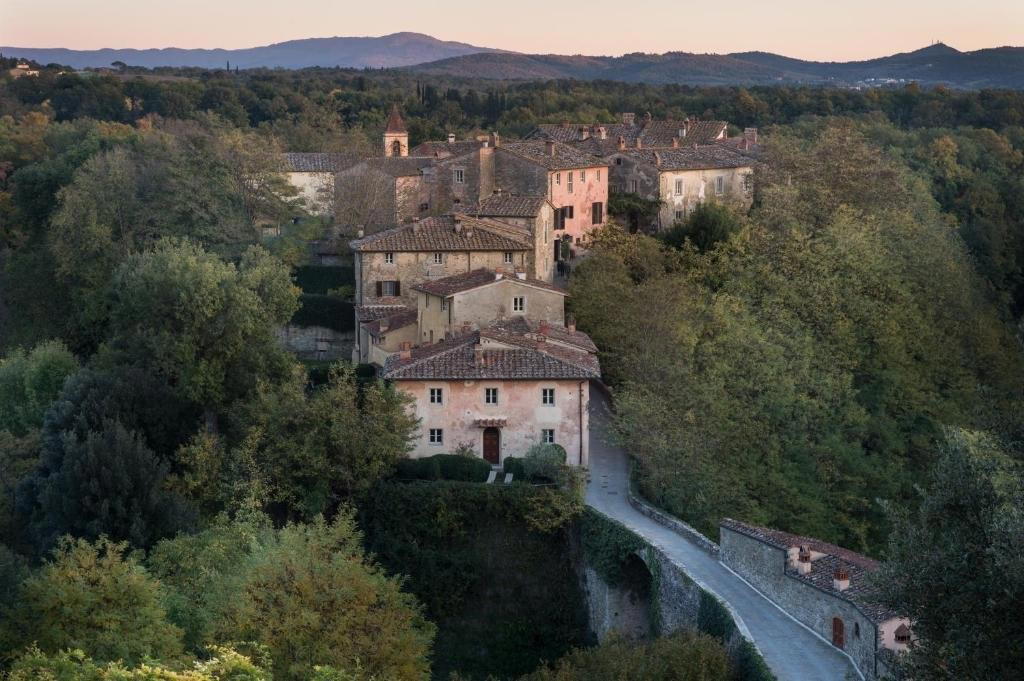
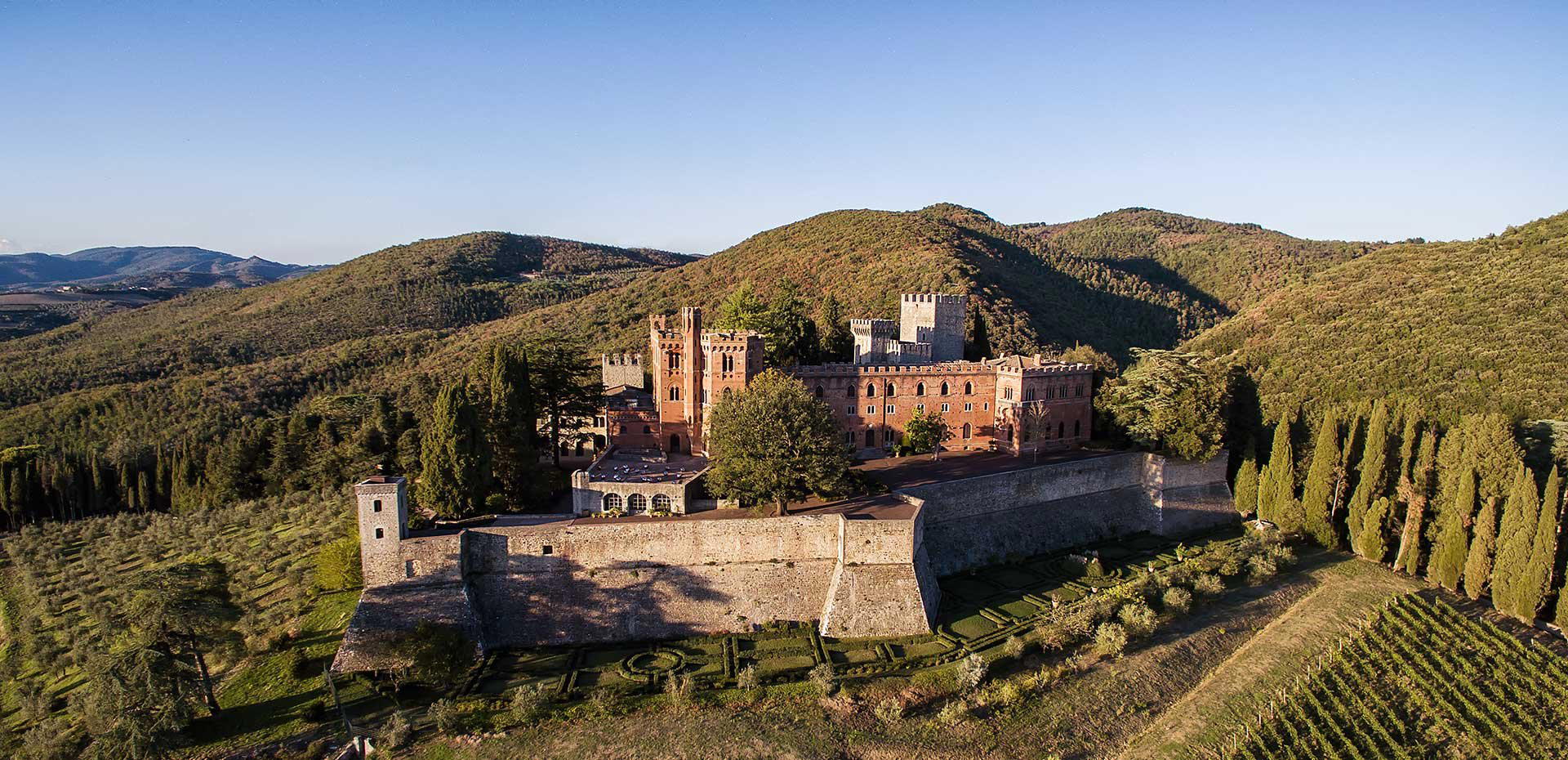
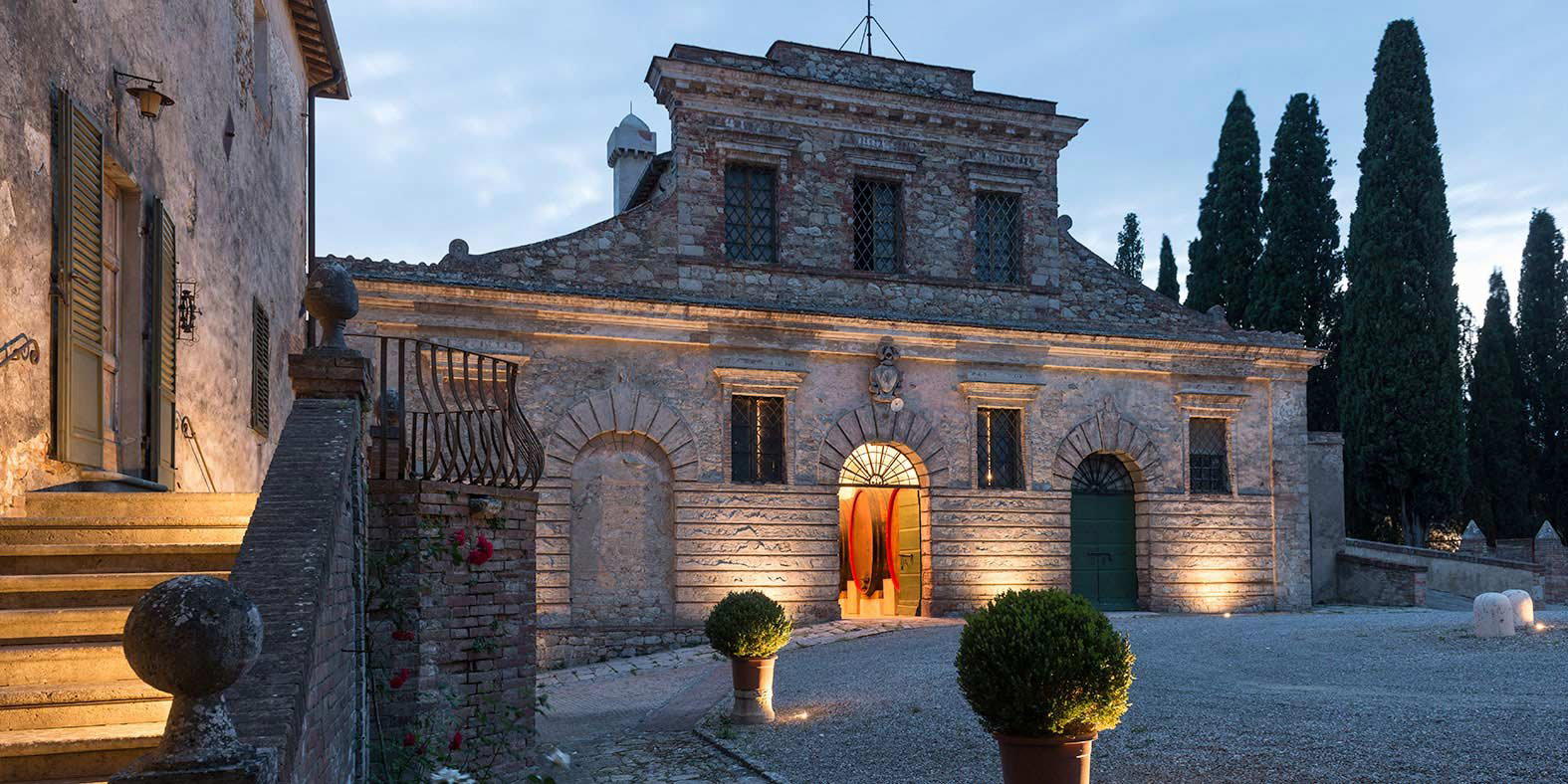
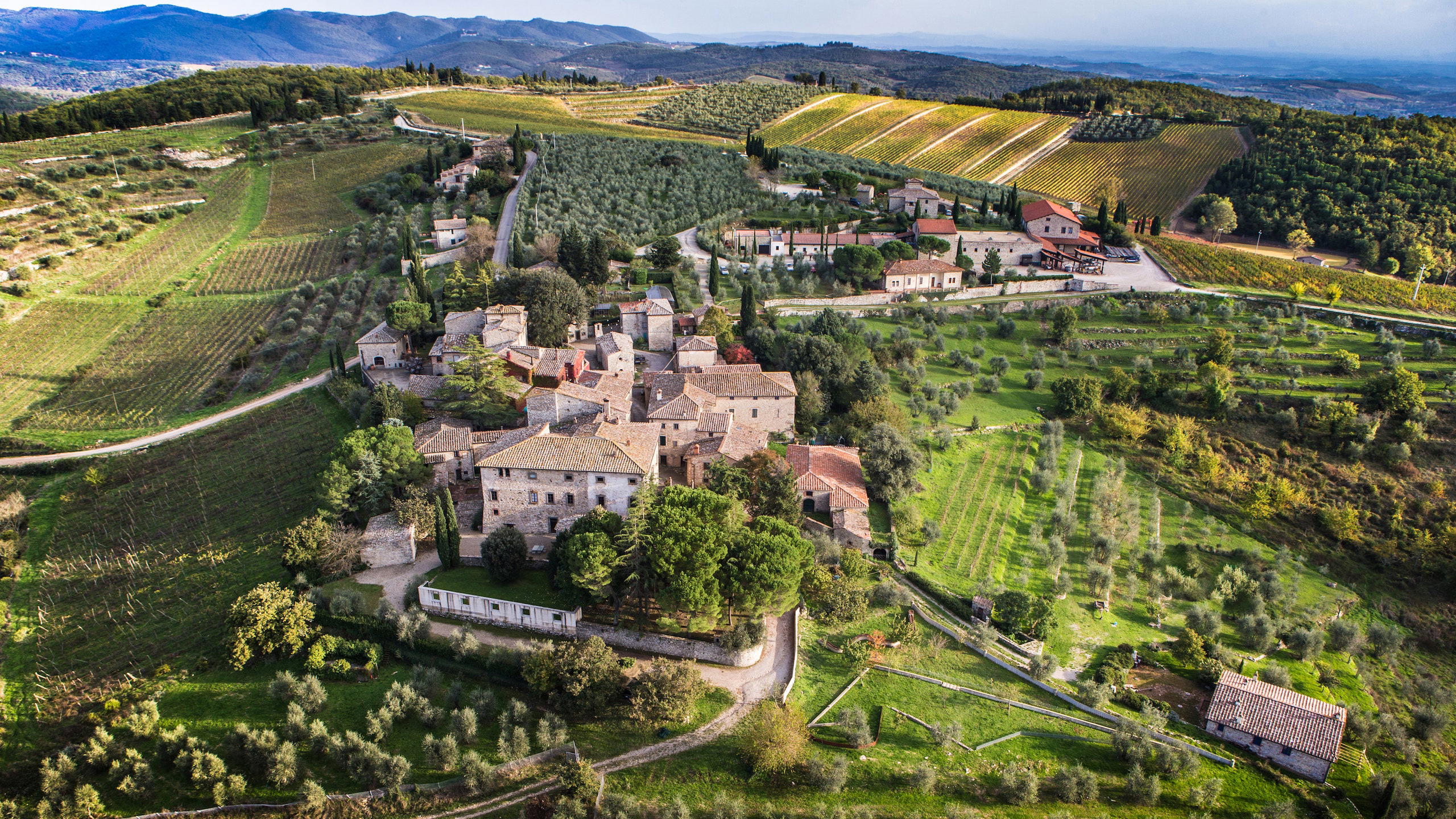
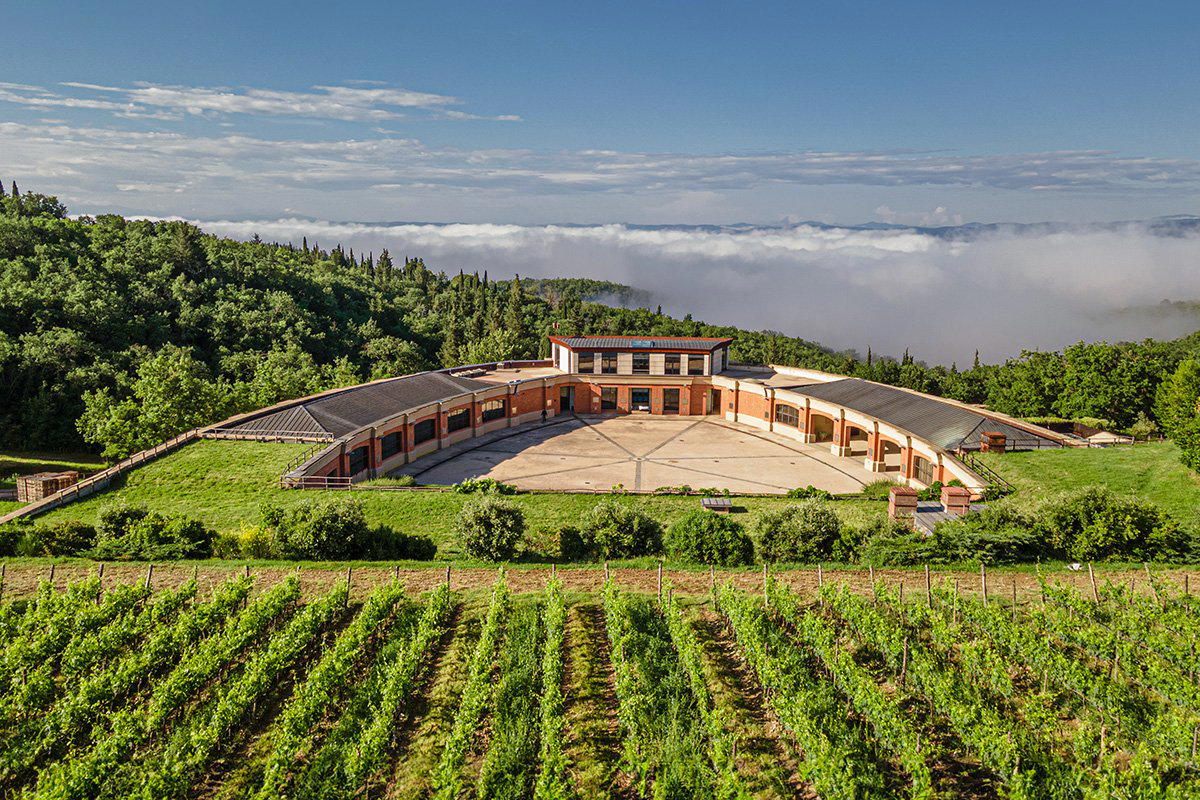
The village of Villa a Sesta sits within the Castelnuovo Berardenga commune, a fold of Chianti country where the roads narrow and the built environment has changed little in living memory. Arriving at La Bottega del 30 feels less like finding a restaurant and more like locating a room that has always existed, stone walls, rural objects salvaged from an earlier agricultural life, the particular stillness of a building that predates any idea of dining as spectacle. The physical setting does real work here. It signals, before a plate arrives, that this is a kitchen oriented toward inheritance rather than invention.
That orientation is not accidental. The restaurant carries a name rooted in local memory: a travelling salesman who stopped in the village on the thirtieth of each month gave the place its identity before the restaurant even existed. That kind of origin story, grounded in the rhythms of a working village rather than the biography of a chef, tells you something about how the dining tradition here has always been understood. In a region dense with agriturismo kitchens and ambitious Chianti-adjacent dining rooms, La Bottega del 30 occupies a specific position: unhurried, place-specific, built on continuity.
What the Kitchen Prioritises
Tuscan cooking at this level of seriousness tends to resist the shortcut. The broader tradition across southern Tuscany, from the Maremma tables recognised by Caino in Montemerano to the estate dining of La Sala dei Grapoli in Poggio alle Mura, shares a commitment to technique that is invisible on the plate but irreversible in the result. At La Bottega del 30, that commitment is clearest in preparations that require time rather than complexity: pork liver from the thinnest, most delicate portion of the cut, cooked at low temperature, then held in lard with fennel for several days before being reheated sous-vide in a bain-marie. The result arrives lukewarm on a bed of Tuscan green beans, soft in texture, restrained in presentation. Nothing in that description suggests ease. Everything in it suggests attention.
The kitchen's current direction is led by Nadia Mongiat, who continues the restaurant's established approach to Tuscan ingredients and traditional method. The front of house is held by Hélène, the French chef whose arrival in Chianti decades ago set the restaurant's original course, a Franco-Tuscan sensibility that has proved durable enough to survive the transition between kitchens. That kind of continuity is relatively uncommon. Most restaurants of this type either evolve sharply when leadership changes or lose definition entirely. La Bottega del 30 has maintained its character across both shifts, which is itself a form of editorial evidence.
Where It Sits in the Local Dining Scene
Castelnuovo Berardenga has developed a concentrated dining scene that punches considerably above the weight of its population. Within the commune, L'Asinello and Contrada both hold Michelin Stars at the €€€ price point, while Il Poggio Rosso and Il Visibilio operate at €€€€ with Star recognition in creative and fusion formats. La Bottega del 30 sits within the €€€ tier alongside Tuscan-focused peers, distinguished from them by its Michelin Plate recognition in 2024 and 2025 and by a kitchen philosophy that reads as explicitly traditional rather than modern or internationally inflected.
That positioning matters because it gives diners a clear choice. In a commune where a single evening could take you toward Italian-Colombian creative cooking or toward classically structured Tuscan fare, the Bottega del 30 is the table that argues most directly for the region's own culinary logic. It is not competing with Osteria Francescana in Modena or the technical ambition of Le Calandre in Rubano.
Atmosphere as the Actual Menu
The sensory experience of eating in a room with stone walls and objects that carry agricultural history is distinct from eating in a designed dining room. Rooms like this, and there are fewer of them every decade in Tuscany, as properties convert to wine-tourism formats or refurbishment cycles sand away the original surfaces, carry a temperature and a sound quality that new construction cannot replicate. The ambient weight of the space shapes how the food reads. A lukewarm plate of pork liver and green beans lands differently in a room like this than it would under recessed lighting on polished concrete. The rusticity is not decorative. It is structural.
For visitors making a wider circuit of the Castelnuovo Berardenga area, the full scope of options extends well beyond the restaurant table. The local winery scene and the experiences available across the commune make this a logical base for a multi-day stay. The hotel options in Castelnuovo Berardenga range from agriturismo formats to estate properties, and the bar scene is worth knowing before you plan an evening. The full restaurant guide for Castelnuovo Berardenga maps the complete picture.
Planning Your Visit
La Bottega del 30 is located at Via di Santa Caterina, 2, in Villa a Sesta, within the broader Castelnuovo Berardenga commune in the province of Siena. The price range sits at €€€, consistent with its Michelin Plate-recognised Tuscan peers in the area. Given the small scale typical of village restaurants of this type, advance reservation is the sensible approach rather than the optimistic walk-in. Booking ahead by at least several days, and longer during summer and harvest season when Chianti sees its highest visitor volumes, will avoid disappointment. Hours and direct booking details are best confirmed through current sources before travel. Those planning a broader Tuscan itinerary might also note the long-established Florentine institution Enoteca Pinchiorri and the alpine precision of Atelier Moessmer Norbert Niederkofler in Brunico as reference points for how differently Italian regional cooking can express itself across geography. The north-south contrast is its own education. At La Bottega del 30, the argument is firmly for the south, and specifically for this corner of it.
Frequently asked questions
What should I budget for a meal at La Bottega del 30?
Pricing at La Bottega del 30 is listed as €€€.
Do they take walk-ins at La Bottega del 30?
Walk-in availability at this Chianti village restaurant is not confirmed in current documentation. Given its location in the small settlement of Villa a Sesta and its Michelin Plate recognition in both 2024 and 2025, advance booking is the sensible approach, particularly during the Tuscan summer and harvest seasons when the region draws significant visitor numbers.
What makes La Bottega del 30 worth seeking out?
Two consecutive Michelin Plates (2024, 2025) in a village of this scale indicate a kitchen operating at a level well above local expectation. The restaurant was founded by French chef Hélène, who shaped a Tuscan-focused identity that chef Nadia Mongiat now continues, making it a case study in how a defined culinary philosophy survives a kitchen transition. The stone-walled room in Villa a Sesta adds a physical context that purpose-built dining rooms in larger cities cannot replicate.
How It Stacks Up
| Venue | Cuisine | Price | Awards | Notes |
|---|---|---|---|---|
| La Bottega del 30This venue (the venue you are viewing) | Authentic Tuscan Fine Dining | $50–100 | Michelin Plate | Not listed |
| Il Poggio Rosso | Modern Mediterranean with Tuscan & Greek Influences | $200–300 | 1 Michelin Star · Relais Chateaux Award | Italian-Colombian, Creative |
| Il Visibilio | Modern Tuscan Tasting Menu | Not listed | 1 Michelin Star | Creative |
| L'Asinello | Tuscan Fine Dining | $100–150 | 1 Michelin Star | Tuscan |
| Contrada | Modern Tuscan Fine Dining | $150–200 | 1 Michelin Star | Modern Cuisine |
| Borgo San Felice Resort | Modern Tuscan Creative | $150–200 | Relais Chateaux Award | Italian Cuisine |
Recognition history
Dated appearances from independent guides and award organizations, with the underlying list record or original source where available.
Michelin Plate
Michelin
Full recognition history (3 entries)
Michelin Plate
Michelin
Michelin Plate
Michelin
Continue exploring
More in Castelnuovo Berardenga
Restaurants in Castelnuovo Berardenga
All restaurants in Castelnuovo Berardenga →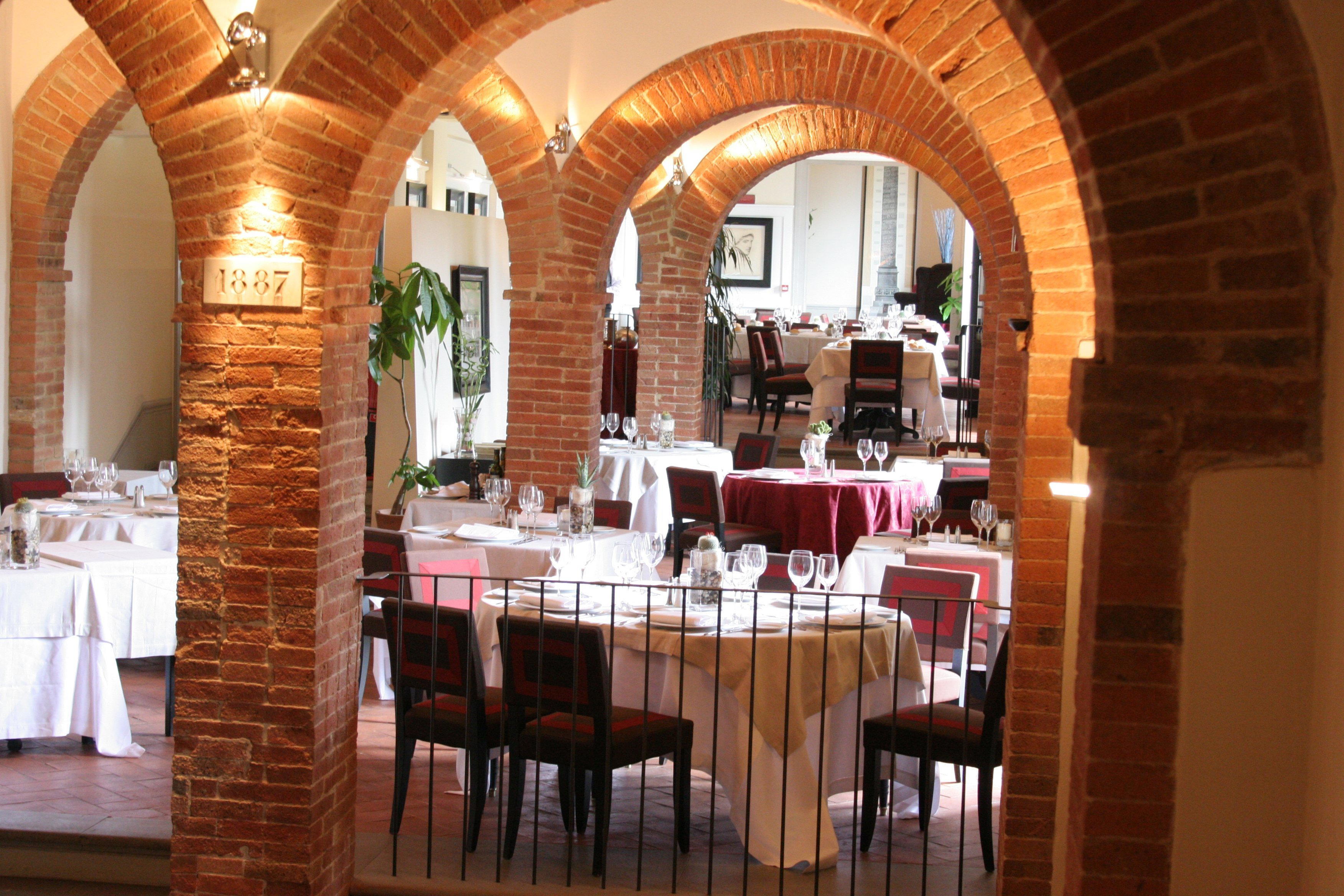
Bars in Castelnuovo Berardenga
All bars in Castelnuovo Berardenga →
Hotels in Castelnuovo Berardenga
All hotels in Castelnuovo Berardenga →
Details
- Rustic
- Elegant
- Cozy
- Romantic
- Intimate
- Date Night
- Special Occasion
- Celebration
- Historic Building
- Extensive Wine List
- Local Sourcing
- Vineyard
- A La Carte
- Tasting Menu
- Vegetarian Friendly
- Vegan Options
- Gluten Free Options
Current opening hours
- Monday
- Closed
- Tuesday
- Closed
- Wednesday
- Closed
- Thursday
- 7–9 PM
- Friday
- 7–9 PM
- Saturday
- 7–9 PM
- Sunday
- 12–2 PM, 7–9 PM
Hours can change for holidays and private events. Hours as of .
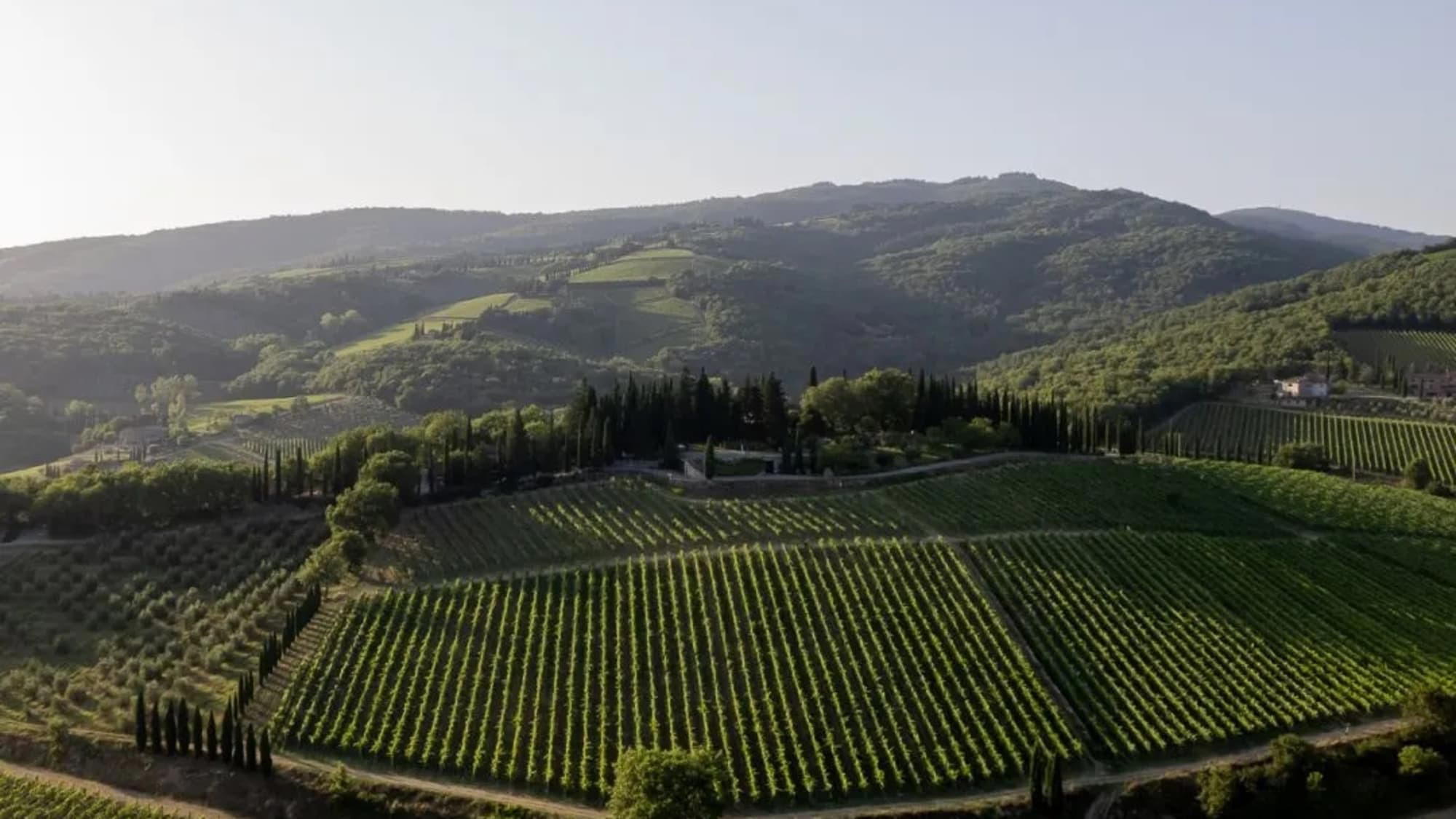
rustic-chic with warm welcoming atmosphere, magical setting overlooking vineyards, and attentive family-like service.