Confins Steakhouse
Our verdict
A Centro-district steakhouse on R. Santos Dumont, Confins operates in a city more often associated with waterfall tourism than serious meat cookery. The menu architecture follows the Brazilian churrasco tradition, positioning the kitchen as a counterpoint to Foz do Iguaçu's predominantly tourist-facing dining options. For visitors looking beyond the falls, it represents the city's more grounded, local dining register.

Pearl is the En Primeur Club membership app — saves, bookings, and concierge access live there. Same editors, same standards.
- Address
- R. Santos Dumont, 365 - Centro, Foz do Iguaçu - PR, 85851-040, Brazil
- Phone
- +55 45 98822-0501
- Hours
- Daily 11:30 AM–12 AM
- Website
- instagram.com
- Directions
- Get directions
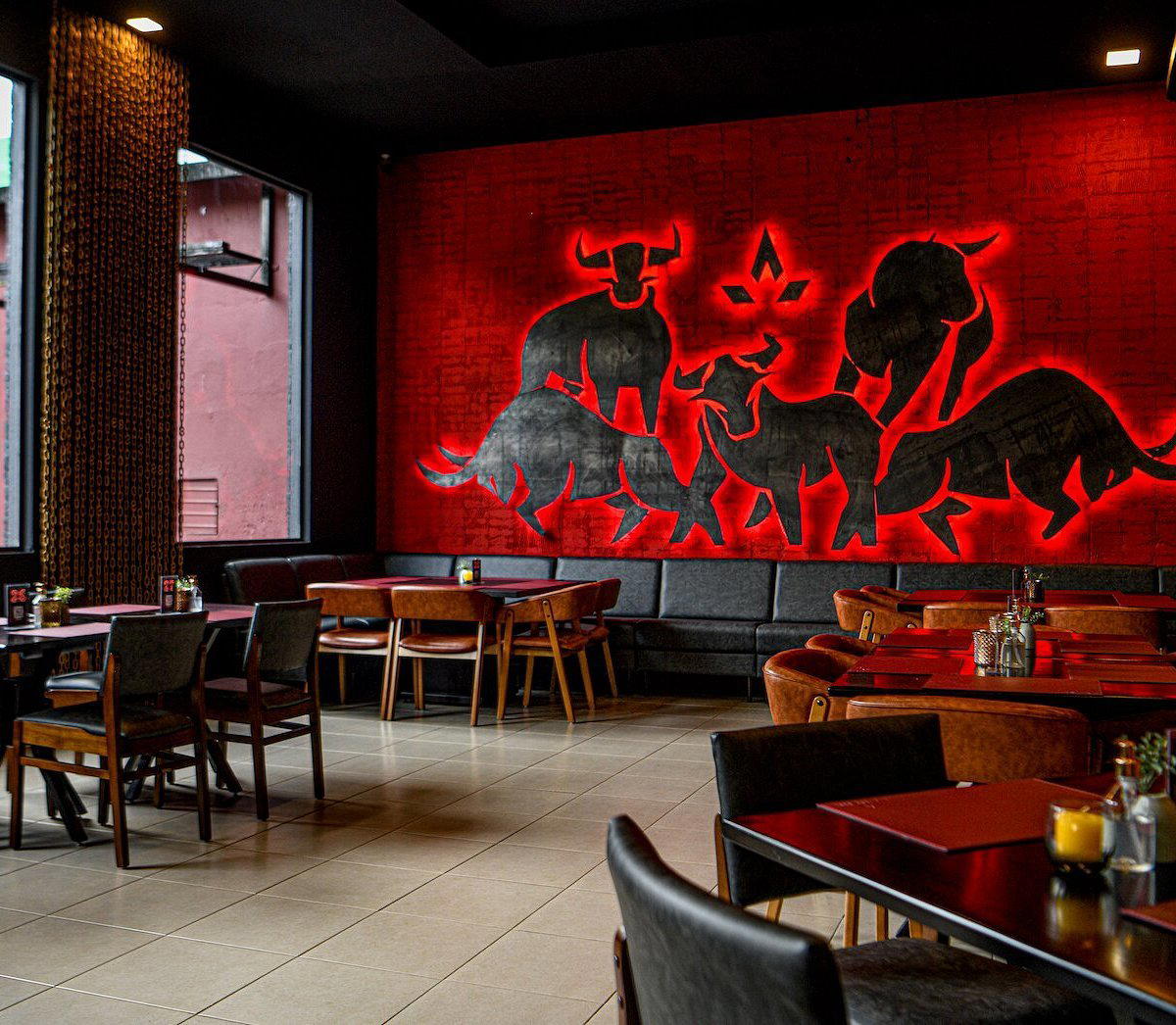
The menu
What to order
- Prime Rib
- Ojo de Bife
- Bife de Chorizo
- Porter House
Beef in the Border City: What Confins Steakhouse Reveals About Foz do Iguaçu's Dining Character
Foz do Iguaçu is a city defined, almost entirely, by one thing visitors come to see. The falls command the itinerary, and the restaurant industry has largely followed suit, tilting toward the kind of broad, tourist-friendly menus that prioritize convenience over conviction. Against that backdrop, the presence of a dedicated steakhouse in the Centro district says something worth paying attention to. It signals a local dining culture operating on a separate track from the waterfall economy, one that answers to residents and repeat visitors rather than day-trippers moving through.
Confins Steakhouse sits on R. Santos Dumont 365, in the Centro neighborhood that houses Foz's more functional, less theatrical side. This is not the strip closest to the national park entrance; it is the part of the city where locals eat, where the audience is a mixed one of business travelers, Brazilian tourists extending their stay, and residents who want a proper meal rather than a spectacle. A steakhouse format in this location is a deliberate positioning: it draws from the deep tradition of Brazilian meat culture rather than from any impulse to perform for foreign visitors.
The Menu Architecture and What It Says
Brazilian churrasco culture organizes meat by cut, preparation, and ceremony in ways that differ considerably from North American or Argentine steak traditions. The rodízio format, still common across Brazil, turns the meal into a continuous procession of cuts served tableside from large skewers, while à la carte steakhouse formats ask diners to make deliberate individual choices. The menu architecture at a dedicated churrascaria in this tier of the market tends to reflect which tradition the kitchen is committed to: quantity and theatre, or specificity and attention to individual cuts.
What a steakhouse menu structured around Brazilian meat culture typically foregrounds is the interplay between the cortes nobres, the premium cuts like picanha, ancho, and fraldinha, and the supporting cast of sides that have their own regional logic. Farofa, vinagrete, pão de alho, and tutu de feijão are not afterthoughts in this context; they are the architectural frame within which the meat is understood. A restaurant that gives these elements serious kitchen attention rather than treating them as obligatory placeholders is making a statement about how it reads the tradition.
Foz's position on the Paraná border, close to both Argentina and Paraguay, also creates a culinary edge case. Argentine beef culture is the dominant reference point across the border in Puerto Iguazú, where the parrilla format and Hereford or Angus breeds command the conversation. A Brazilian steakhouse operating in this tri-border zone is, implicitly, in dialogue with that tradition even when it doesn't acknowledge it. The choice to cook Brazilian rather than lean into the Argentine reference is itself a menu decision with character.
Where Confins Sits in the Foz Do Iguaçu Dining Field
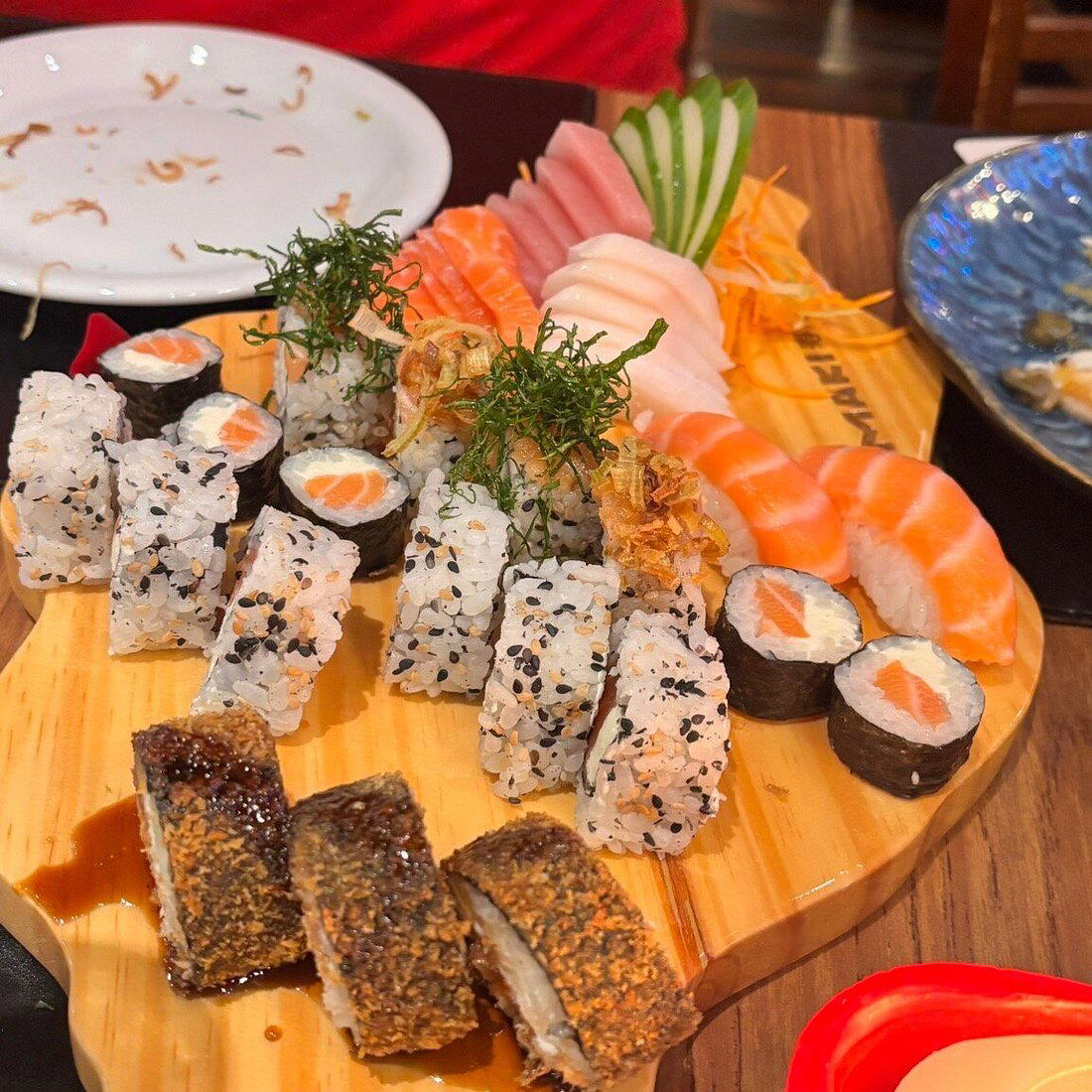
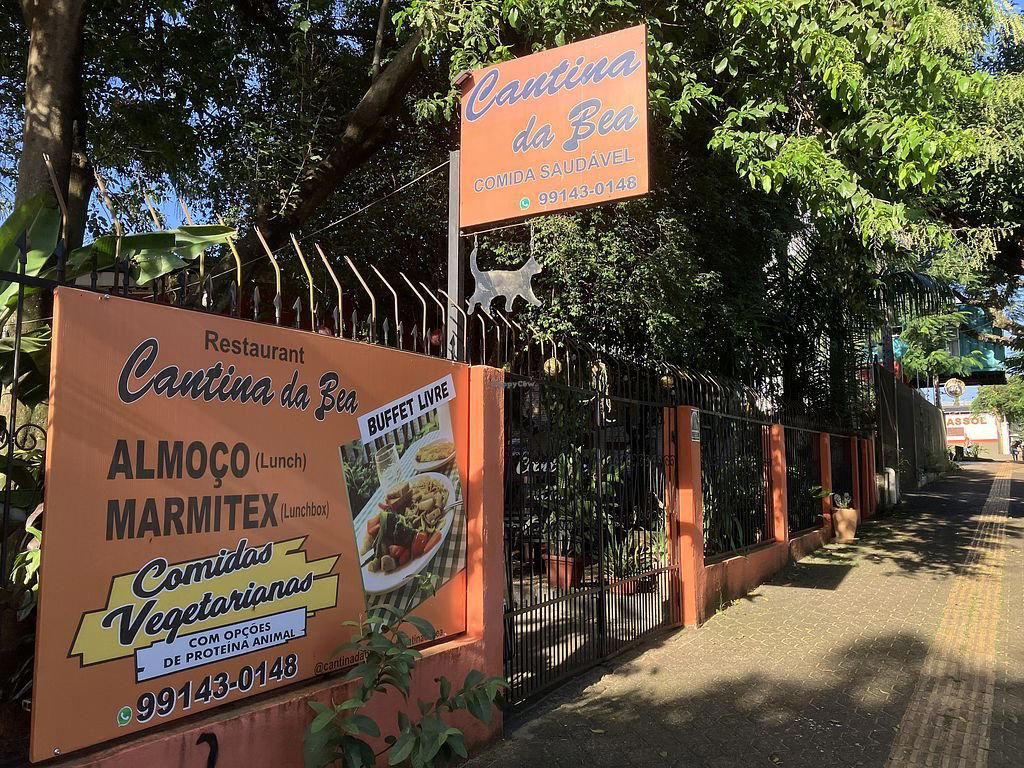
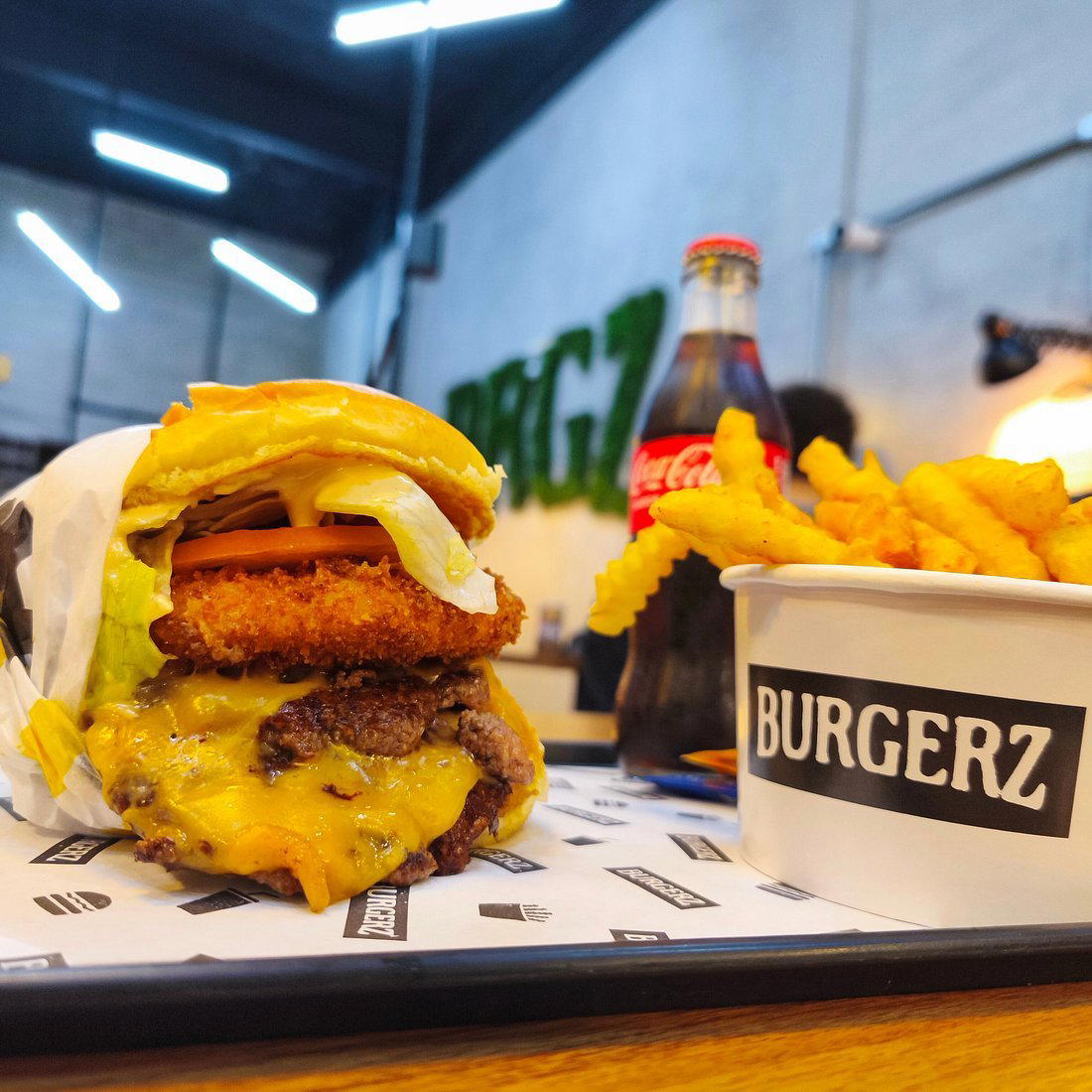
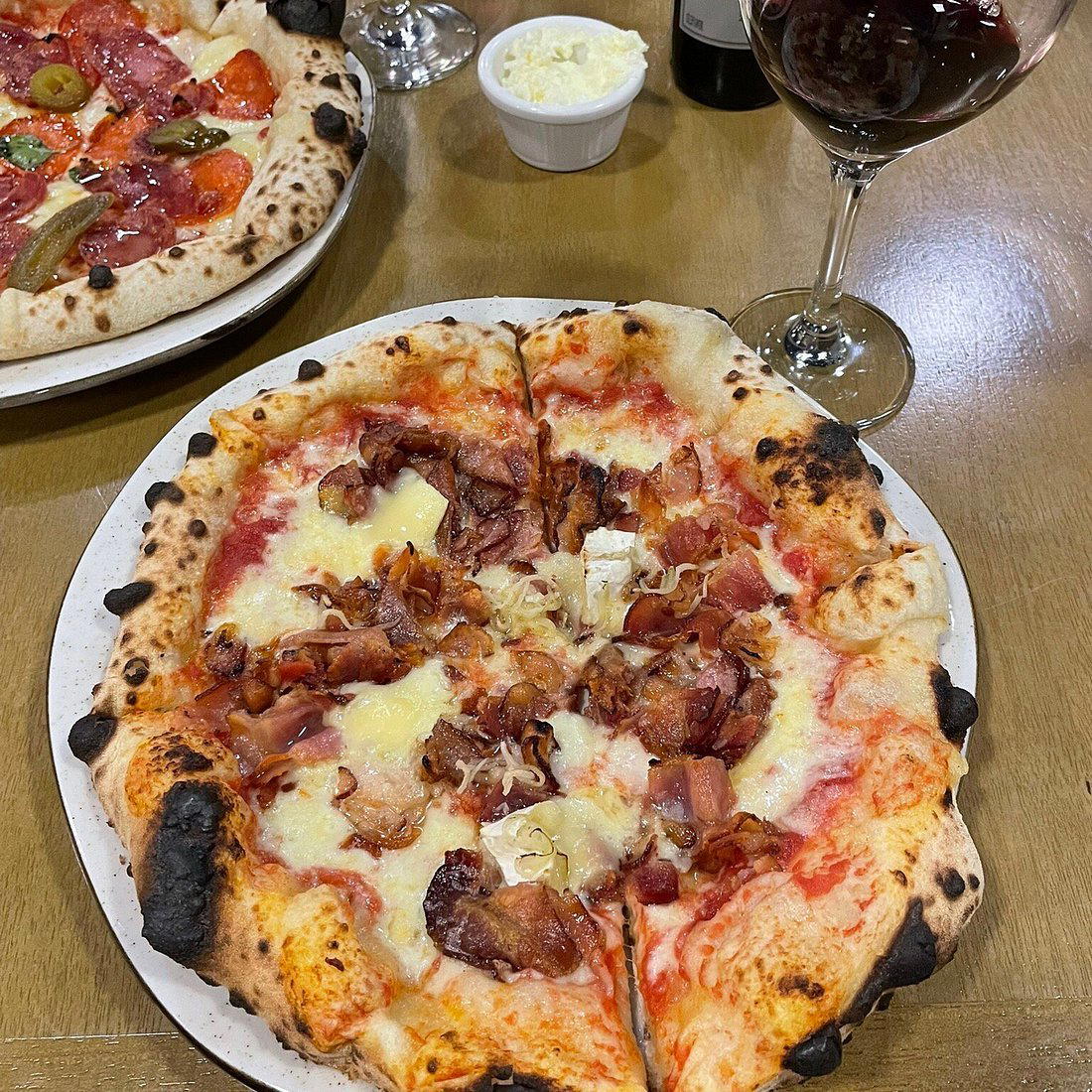
The broader dining field in Foz do Iguaçu covers a range that reflects the city's international transience. Italian trattorias like BONA - Gastronomia Italiana and Cantina da Bea serve the European appetite that travels well, while sushi operations like C7 Sushi and Maki Sushi reflect the significant Nikkei and Chinese-Brazilian communities that have shaped Paraná's food culture over decades. Casual formats like Burgerz anchor the lower price tier. A steakhouse occupies a different register from all of these: it is the format most closely associated with Brazilian national identity at the table.
Across Brazil's broader fine-dining conversation, the gap between Foz do Iguaçu and the major urban centers is considerable. Oteque in Rio de Janeiro and D.O.M. in São Paulo operate in a different tier entirely, with international recognition and elaborate tasting formats. Regional operators like Manu in Curitiba, the nearest significant culinary city to Foz at roughly 640 kilometers northwest, or Birosca S2 in Belo Horizonte, show how Brazilian regional cooking is developing serious critical attention in second-tier cities. Foz operates further from that gravitational pull, which means a restaurant like Confins draws its authority from local credibility rather than from positioning within a national critical conversation.
Elsewhere in Brazil's wider geography, dining formats with strong regional identity, such as Orixás | North Restaurant in Itacaré or Mina in Campos do Jordão, demonstrate how provincial restaurants can build distinct identities outside major urban centers. In the south, properties like Castelo Saint Andrews in Vale do Bosque and Primrose in Gramado show how tourist towns can develop restaurants with genuine local character rather than simply serving passing traffic. The question Confins poses is whether a steakhouse in Centro Foz can occupy a comparable position: local-facing and substantive, not merely convenient.
For context on how dedicated steakhouse formats compare globally, the distance from the precision-driven tasting rooms of Le Bernardin in New York City or the communal-format intimacy of Lazy Bear in San Francisco underlines what a traditional churrascaria is and is not trying to do. It is not building around chef narrative or seasonal menu philosophy; it is building around a specific, culturally embedded way of cooking and eating meat that does not require justification in those terms. That is both its limitation and its coherence. See the full Foz do Iguaçu restaurants guide for broader context on how the city's dining field is organized. You can also find additional southern Brazil comparisons at Olivetto Restaurante E Enoteca in Campinas and State of Espírito Santo in Rio Bananal.
Planning Your Visit
Confins Steakhouse is located at R. Santos Dumont 365 in the Centro district of Foz do Iguaçu, Paraná. The address places it within the city's commercial core rather than in the hotel corridor near the national park, which means it reads as a local destination rather than a tourist-circuit convenience. Visitors staying near the park entrance should factor in a short transfer into town. Booking details, current hours, and pricing are not published centrally, so confirming directly before arrival is advisable, particularly during high-season periods around the falls in July and over the summer holiday months from December through February, when the city's restaurant capacity is tested more heavily than the waterfront infrastructure suggests.
Frequently asked questions
Where exactly is Confins Steakhouse?
Confins Steakhouse is located at R. Santos Dumont, 365 - Centro, Foz do Iguaçu - PR, 85851-040, Brazil, Foz Do Iguacu.
Is Confins Steakhouse in Foz do Iguaçu suitable for travelers who want a local churrascaria experience rather than a hotel restaurant?
Confins Steakhouse sits at R. Santos Dumont 365 in the Centro district, positioning it within the city's commercial core rather than the hotel corridor that services the falls. That address puts it in the same orbit as businesses oriented toward Foz do Iguaçu residents rather than passing tour groups. For travelers willing to travel a few blocks from the tourist strip, it offers a different dining register than the park-adjacent options.
What should I eat at Confins Steakhouse?
Brazilian churrascaria menus are built around cut selection and preparation method, not sauces or accompaniments. In the Brazilian tradition, cuts like picanha, fraldinha, and costela define a kitchen's priorities, with the quality of the fire work determining the result. At a dedicated churrascaria in Foz do Iguaçu's Centro district, the focus is on the meat itself rather than the international hybrid menus common near the falls hotel zone.
Should I book Confins Steakhouse in advance?
Foz do Iguaçu concentrates visitors during July school holidays, the December-to-February summer period, and long weekends tied to Brazilian public holidays. During those windows, restaurants in the Centro district serving a local clientele fill faster than the tourist-facing options near the national park entrance. Reservations ahead of peak periods are advisable, particularly for groups.
Accolades, Compared
Comparable venues nearby, for context on price, style, and recognition.
| Venue | Cuisine | Price | Notes |
|---|---|---|---|
| Confins SteakhouseThis venue — the venue you are viewing | Brazilian Steakhouse | $50–100 | Not listed |
| Burgerz | Handmade American Burgers | $10–20 | Centro |
| Restaurante Oriental FOZ | Chinese with Korean Influences | $10–20 | Centro |
| C7 Sushi | Contemporary Japanese Sushi | $30–50 | Vila A |
| Maki Sushi | Japanese Sushi Rodízio | Not listed | City Center |
| BONA - Gastronomia Italiana | Authentic Italian Trattoria with Tuscan Influences | $50–100 | Centro |
Continue exploring
More in Foz Do Iguacu
Restaurants in Foz Do Iguacu
Browse all →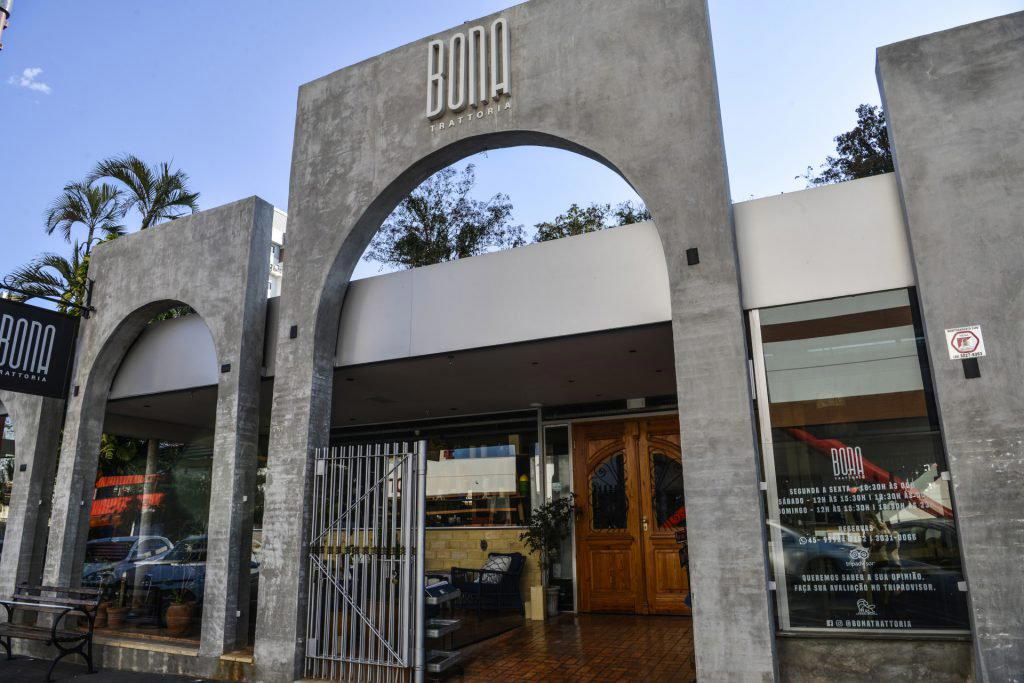
Bars in Foz Do Iguacu
Browse all →
Confins Steakhouse
The wine
- Wine program
- Curated wine list
- Extensive wine list
- Craft cocktails
- Beer program
Details
- Elegant
- Sophisticated
- Cozy
- Date Night
- Business Dinner
- Group Dining
- Family
- Celebration
- Special Occasion
- Live Music
- Private Dining
- Open Kitchen
- Extensive Wine List
- Craft Cocktails
- Beer Program
- Local Sourcing
- Buffet
- A La Carte
- Family Style
- Craft Cocktails
- Signature Drinks
- Gluten Free Options
- Allergy Accommodating
Current opening hours
- Monday
- 11:30 AM–12 AM
- Tuesday
- 11:30 AM–12 AM
- Wednesday
- 11:30 AM–12 AM
- Thursday
- 11:30 AM–12 AM
- Friday
- 11:30 AM–12 AM
- Saturday
- 11:30 AM–12 AM
- Sunday
- 11:30 AM–12 AM
Hours can change for holidays and private events. Last verified .
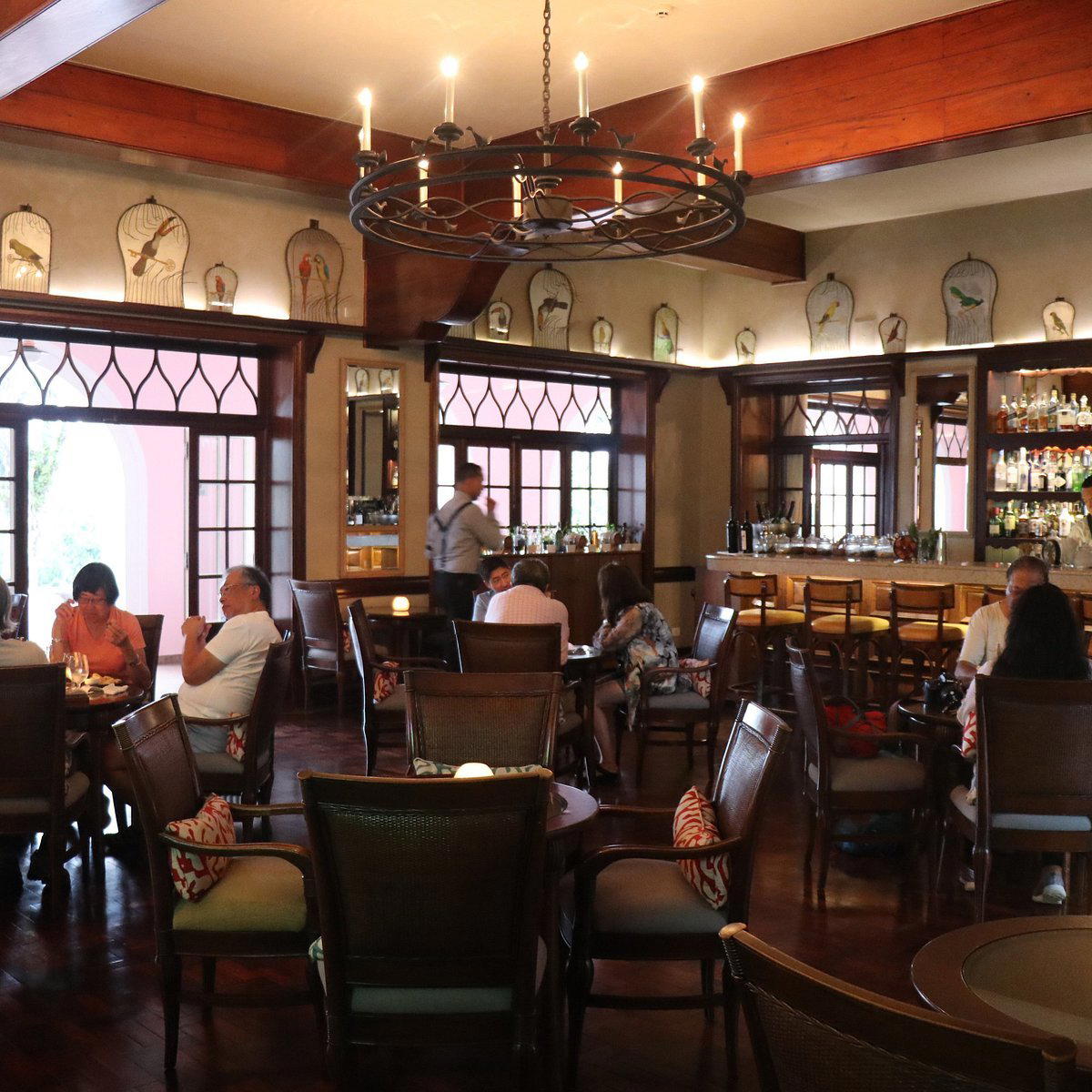
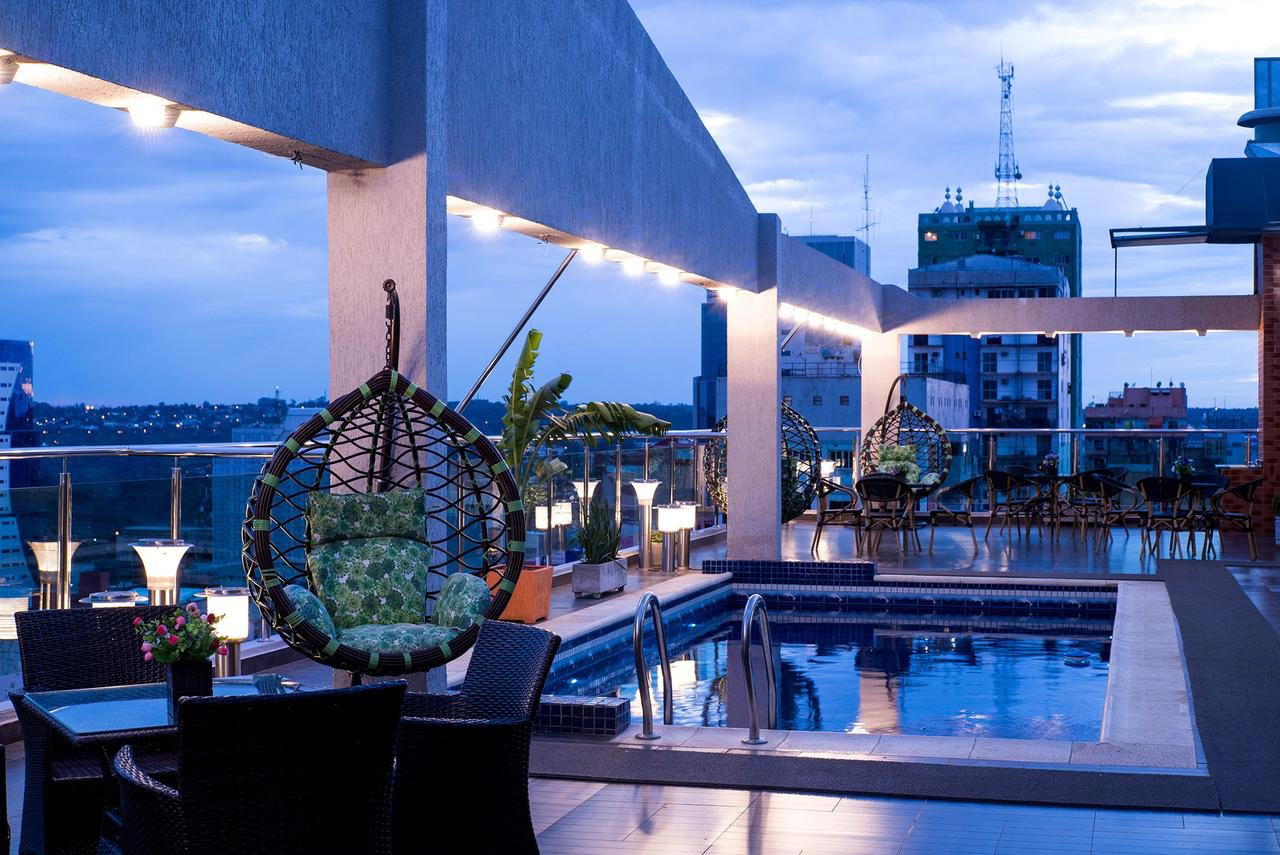
Refined and cozy with warm lighting, well-structured environments, and attentive service creating an upscale yet relaxed dining atmosphere.