BONA - Gastronomia Italiana
Our verdict
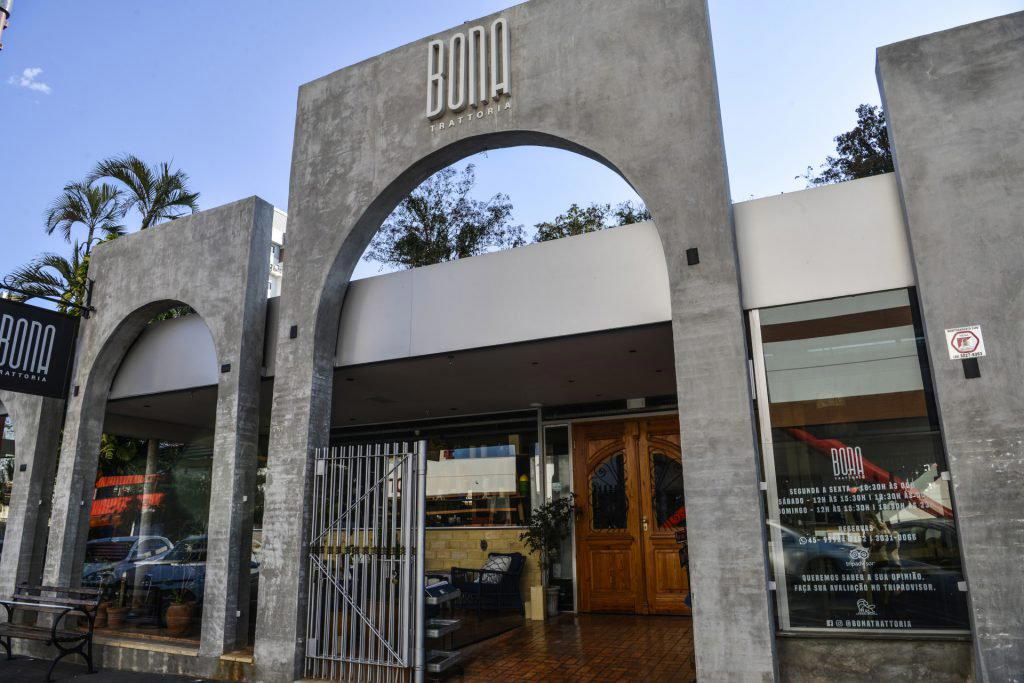
In a city defined by natural spectacle, BONA - Gastronomia Italiana makes the case that Foz do Iguaçu's dining scene has matured beyond tourist-circuit basics. Operating from a Centro address on Rua Almirante Barroso, the restaurant positions Italian gastronomy as a serious proposition in Paraná's border city, placing it in a different register from the casual trattorias and steakhouses that dominate the local offer.

Pearl is the En Primeur Club membership app — saves, bookings, and concierge access live there. Same editors, same standards.
- Address
- R. Alm. Barroso, 883 - Centro, Foz do Iguaçu - PR, 85851-010, Brazil
- Phone
- +5545999247162
- Hours
- Mon–Sat 11:30 AM–11 PMSun 11:30 AM–10 PM
- Website
- bonatrattoria.com
- Directions
- Get directions
- Booking
- Book on the venue's website
The menu
What to order
- Ravioli di Ricotta con Spinaci e Tuorlo d'Uovo con Burro di Tartufo Nero
- Spaghetti ai Gamberi
- Filetto di Manzo con Salsa ai Tartufi
- Polpettone con Fettuccini in Salsa Grana Padano
- Burrata Arrosto
Italian Gastronomy in an Unlikely Address
Foz do Iguaçu earns its place on the international map for a reason that has nothing to do with food: the falls draw millions of visitors annually, and the city's restaurant infrastructure has historically been built to serve that transient crowd rather than to develop a culinary identity of its own. Against that backdrop, a restaurant positioning itself as gastronomia italiana rather than simple Italian food is making a deliberate statement. The distinction matters. Gastronomia implies sourcing decisions, technique applied with discipline, and a relationship to ingredients that goes beyond pasta and pizza as filler between tourist stops.
BONA - Gastronomia Italiana operates from Rua Almirante Barroso 883 in the Centro district, an address that puts it within reach of the city's business traveller and longer-stay visitor rather than purely on the day-tripper circuit. Centro in Foz is a functional, commercial neighbourhood rather than a dining destination in its own right, which means that BONA functions as a destination within it, drawing guests on intention rather than foot traffic.
The Italian Tradition and Where It Lands in Brazil
Italian cooking's presence in Brazil is not incidental. Southern Brazil carries deep Italian immigrant history, particularly in the states of Rio Grande do Sul, Santa Catarina, and Paraná, where communities from Veneto, Lombardy, and Calabria established themselves from the 1870s onward and shaped local food culture in ways that still surface in domestic cooking and regional restaurant traditions. Gramado, in Rio Grande do Sul, has built an entire tourism proposition around its Italian and German heritage, and restaurants like Primrose in Gramado and Castelo Saint Andrews in Vale do Bosque serve as benchmarks for what regionally inflected European cooking looks like in the south.
Further up the country's restaurant hierarchy, the Italian tradition has been refined through European-trained kitchens and rigorous sourcing programs. Olivetto Restaurante e Enoteca in Campinas represents the enoteca-forward version of that tradition in São Paulo state, pairing ingredient-led cooking with serious wine programs. At the furthest extreme, D.O.M. in São Paulo and Oteque in Rio de Janeiro anchor Brazil's position in the global conversation about sourcing, technique, and what high-end cooking in the country can mean. BONA does not operate at that scale of recognition, but it sits within a national tradition that takes these questions seriously.
Sourcing as the Central Argument
In Italian gastronomy, the sourcing argument is older than the farm-to-table language that now surrounds it. The doctrine of cucina povera and the DOP and IGP designation systems that govern Italian products from Parmigiano-Reggiano to San Marzano tomatoes all rest on the premise that ingredient origin is the primary act of cooking. Bringing that philosophy to Foz do Iguaçu presents specific challenges and, arguably, specific opportunities.
Paraná sits at the agricultural heart of Brazil's south: the state produces significant volumes of wheat, soybeans, corn, and livestock, and the broader southern region supplies a substantial portion of Brazil's dairy, including the artisanal cheeses increasingly visible in São Paulo's better delis and restaurant supply chains. A kitchen committed to gastronomia in this context has access to domestic ingredients that can credibly substitute for or complement European imports, provided the sourcing relationships are in place. The quality of Paraná's agricultural base is rarely the limiting factor; the decision to invest in those relationships is.
For imported Italian staples, geography matters differently. Foz do Iguaçu is a border city adjoining Ciudad del Este in Paraguay and Puerto Iguazú in Argentina, making it one of the most active commercial transit zones in South America. That proximity to Argentina, itself a country with deep Italian immigrant roots and a sophisticated domestic food industry, gives a restaurant in Foz unconventional access to supply chains that an equivalent kitchen in a landlocked Brazilian city might not have.
Where BONA Sits in the Local Dining Picture
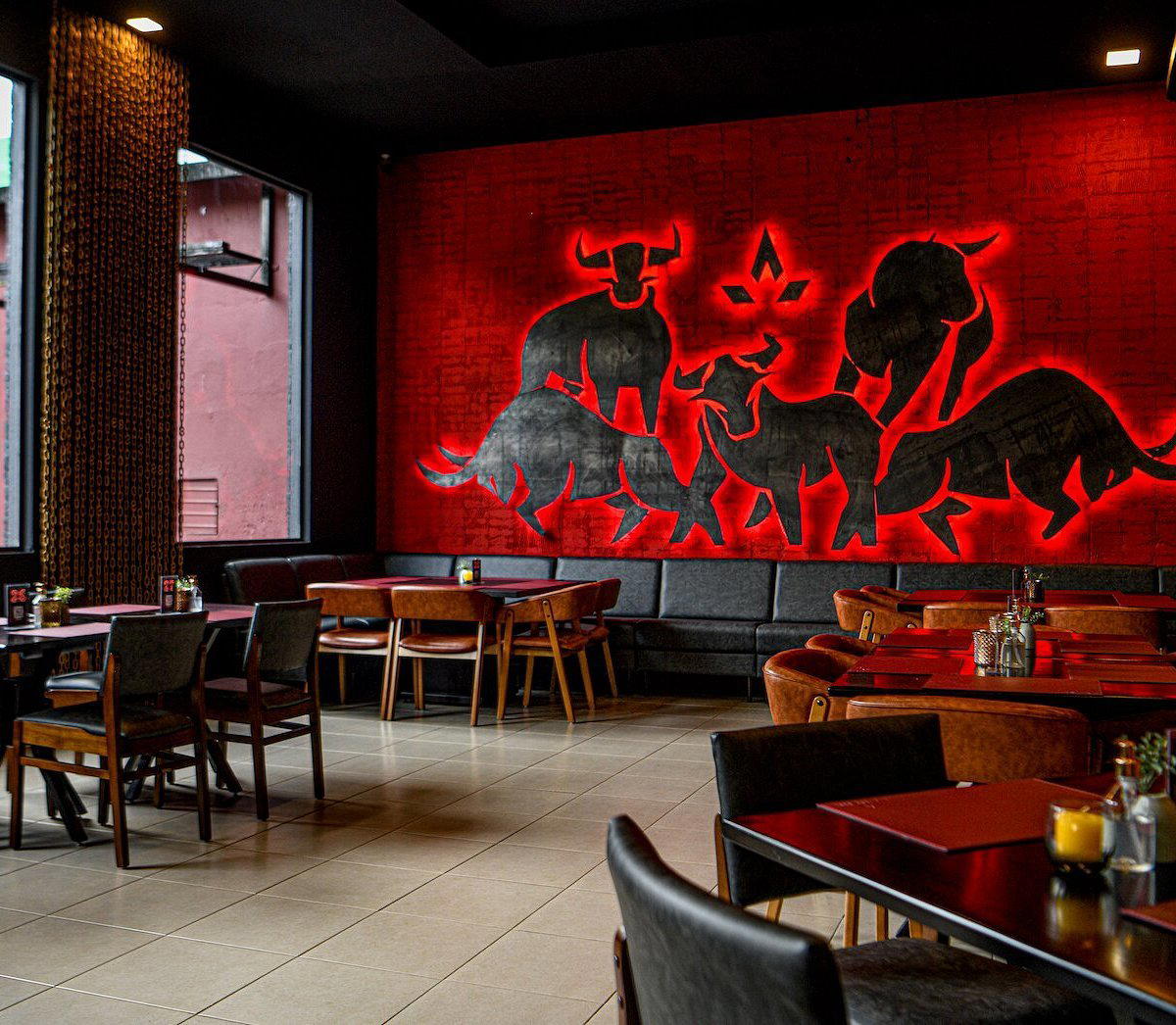
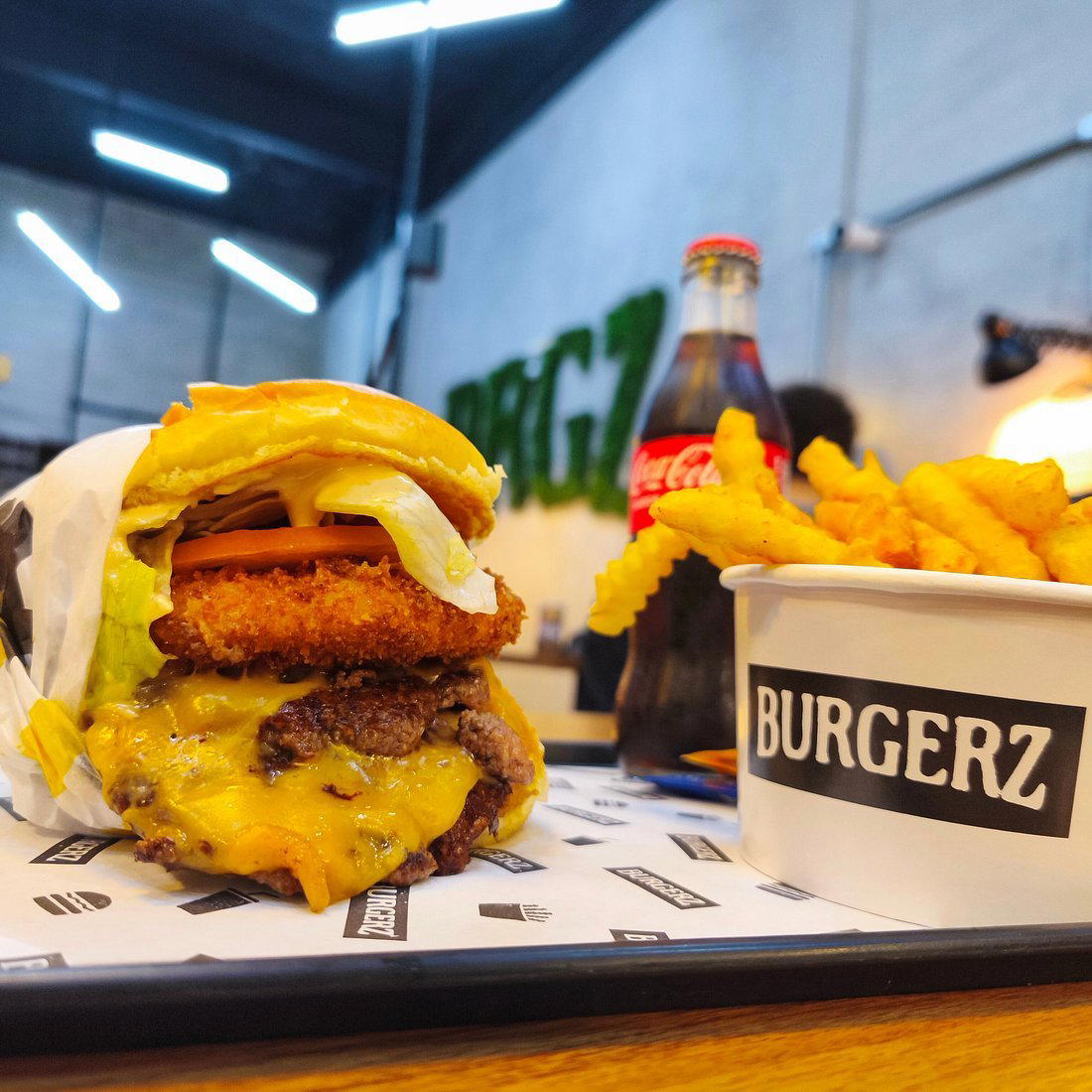
Foz do Iguaçu's restaurant scene covers a wide range. The city has a functioning steakhouse culture, with venues like Confins Steakhouse serving the Brazilian tradition of quality beef cuts in a familiar format. It has casual international options, including Burgerz, and a visible Japanese presence through venues like C7 Sushi and Maki Sushi, reflecting the substantial Japanese-Brazilian community that has shaped Paraná's culinary habits since the early twentieth century.
Within that spread, Italian sits in an interesting position. Cantina da Bea represents the cantina end of the Italian tradition in Foz: informal, generous, rooted in the immigrant kitchen. BONA's naming convention and the gastronomia framing place it in a different tier, one where the expectation is refinement over abundance and where the sourcing and preparation of ingredients carry as much weight as the final plate.
That distinction is one that Brazilian dining has been drawing more explicitly in recent years, as kitchens across the country, from Manu in Curitiba to Birosca S2 in Belo Horizonte and Mina in Campos do Jordão, have pushed toward more defined sourcing philosophies and tighter menus that reward ingredients over volume. The fact that a city renowned for a waterfall now has a restaurant making that argument in the Italian register is itself a signal of how broadly these values have spread through Brazil's restaurant culture.
Planning a Visit
BONA's address at Rua Almirante Barroso 883, Centro, places it in central Foz, accessible from most hotels in the city and a reasonable distance from the main falls access points at Parque Nacional do Iguaçu. For visitors structuring a stay around the falls, the Centro location makes BONA a natural evening option after a day in the park. Given the absence of publicly listed booking details, the most reliable approach for reservations is direct contact at the venue or inquiry through your accommodation, both standard practice for independent restaurants in mid-sized Brazilian cities. Those building a broader picture of dining in the region will find the full Foz do Iguaçu restaurants guide a useful reference for mapping options across cuisines and formats.
For context on what Italian gastronomy looks like at its most rigorous in Brazil, the enoteca and high-end Italian tradition through venues like Olivetto in Campinas provides a useful benchmark, and internationally, kitchens like Le Bernardin in New York City and Lazy Bear in San Francisco demonstrate what a serious, ingredient-driven commitment looks like when sustained at high volume in a competitive dining market. BONA operates at a different scale, but the ambition implicit in its name points in a recognisable direction.
Frequently asked questions
Where exactly is BONA - Gastronomia Italiana?
BONA - Gastronomia Italiana is located at R. Alm. Barroso, 883 - Centro, Foz do Iguaçu - PR, 85851-010, Brazil, Foz Do Iguacu.
Is BONA - Gastronomia Italiana a good option for dinner near Iguaçu Falls hotels?
BONA's address at Rua Almirante Barroso 883, Centro, places it in central Foz do Iguaçu, which is the commercial and hotel hub of the city rather than the park perimeter. Most visitors staying in central Foz hotels are within a manageable distance, making BONA a practical dinner choice after a day at the falls. It is one of the few venues in the city specifically focused on Italian gastronomia rather than the steakhouse or buffet formats that dominate the local tourist circuit.
What should I eat at BONA - Gastronomia Italiana?
BONA's menu follows the Italian gastronomia tradition, which means the kitchen's focus sits on product quality and classical technique rather than novelty. Southern Brazil's Italian immigrant heritage shapes what appears on the plate, so expect preparations rooted in northern and central Italian convention. Specific current dishes are best confirmed directly at the restaurant at Rua Almirante Barroso 883, Centro, as the menu shifts with availability.
What's the best way to book BONA - Gastronomia Italiana?
No booking phone number or website is publicly listed for BONA at this time, so the most reliable approach is to visit the restaurant directly at Rua Almirante Barroso 883, Centro, Foz do Iguaçu, or to contact the venue through any current social media presence. Given the city's heavy tourist traffic driven by the falls, reservations during peak travel periods are worth securing in advance. Local hotel concierge staff in central Foz are often the fastest route to confirmed table availability.
What's the standout thing about BONA - Gastronomia Italiana?
The most specific claim BONA makes is positioning Italian gastronomy inside Foz do Iguaçu, a city where the dominant dining conversation centres on steakhouses and tourist-oriented venues. Southern Brazil carries documented Italian immigrant history — particularly across Paraná and Rio Grande do Sul — which gives a kitchen working in this tradition a cultural grounding that goes beyond borrowed aesthetics. That regional context, rather than any single dish, is what separates BONA from the wider local dining picture.
Can BONA - Gastronomia Italiana handle vegetarian requests?
Italian gastronomy has a substantial vegetarian tradition built around pasta, legumes, preserved vegetables, and regional cheeses — the cucina povera heritage that underpins much of the cuisine is not meat-dependent.
Comparable Venues
Comparable venues nearby, for context on price, style, and recognition.
| Venue | Cuisine | Price | Notes |
|---|---|---|---|
| BONA - Gastronomia ItalianaThis venue — the venue you are viewing | Authentic Italian Trattoria with Tuscan Influences | $50–100 | Not listed |
| Confins Steakhouse | Brazilian Steakhouse | $50–100 | Centro |
| Pastificio Pasta Mia | Authentic Italian Pasta | Not listed | Vila Maracana |
| Cantina da Bea | Healthy Brazilian Buffet | Not listed | Vila Yolanda |
| Santo Guacamole | Mexican | Not listed | Vila Yolanda |
| Maki Sushi | Japanese Sushi Rodízio | Not listed | City Center |
Continue exploring
More in Foz Do Iguacu
Restaurants in Foz Do Iguacu
Browse all →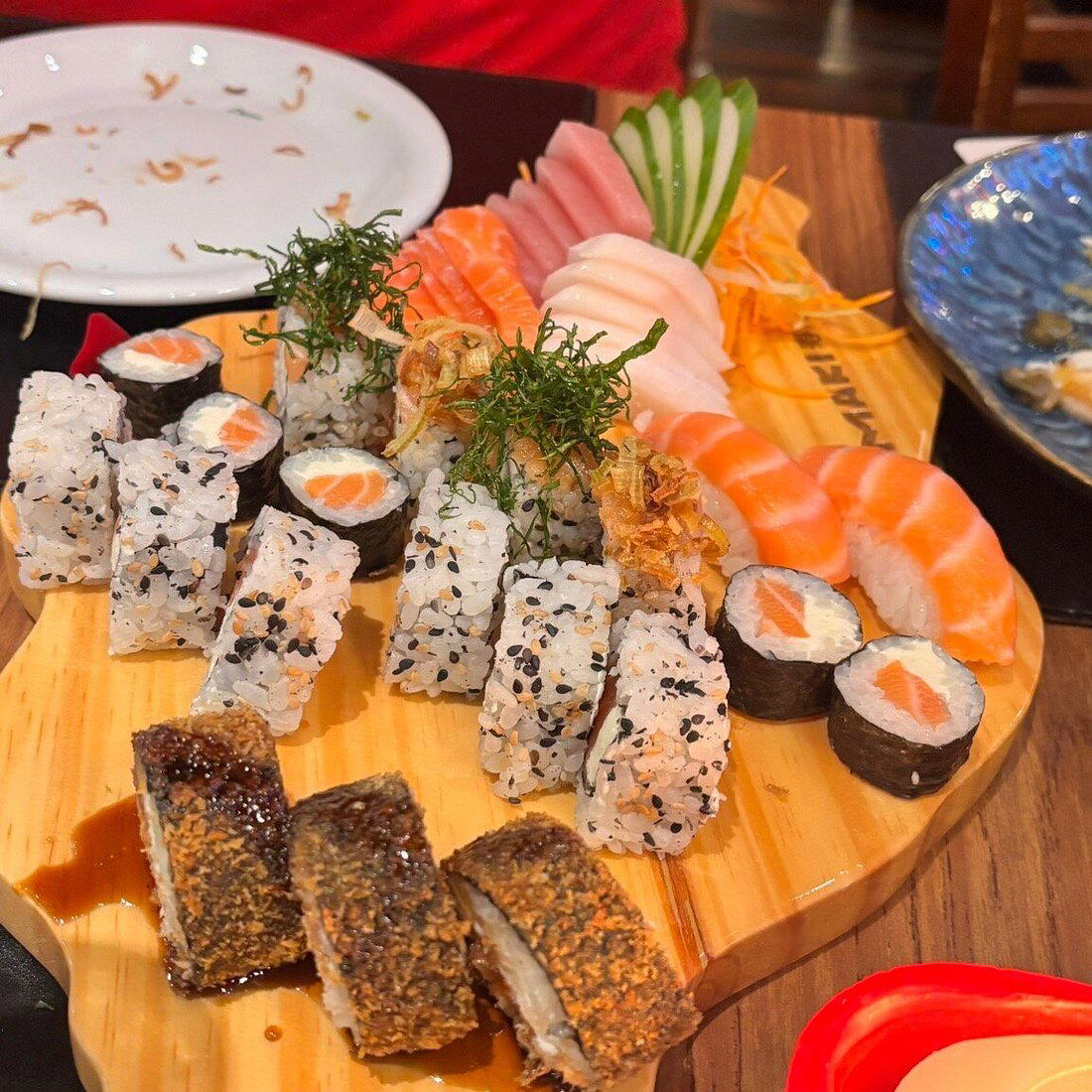
Bars in Foz Do Iguacu
Browse all →
BONA - Gastronomia Italiana
The wine
- Wine program
- Curated wine list
- Extensive wine list
- Beer program
Details
- Elegant
- Romantic
- Cozy
- Sophisticated
- Date Night
- Celebration
- Special Occasion
- Group Dining
- Open Kitchen
- Private Dining
- Extensive Wine List
- Beer Program
- A La Carte
- Family Style
- Wine
- Beer
- Vegetarian Friendly
- Vegan Options
- Gluten Free Options
Current opening hours
- Monday
- 11:30 AM–11 PM
- Tuesday
- 11:30 AM–11 PM
- Wednesday
- 11:30 AM–11 PM
- Thursday
- 11:30 AM–11 PM
- Friday
- 11:30 AM–11 PM
- Saturday
- 11:30 AM–11 PM
- Sunday
- 11:30 AM–10 PM
Hours can change for holidays and private events. Last verified .
Warm, inviting atmosphere with open kitchen allowing diners to watch dish preparation; elegant yet relaxed setting with Italian design decoration and themed spaces that create an immersive Italian experience.