Cantina da Bea
Our verdict
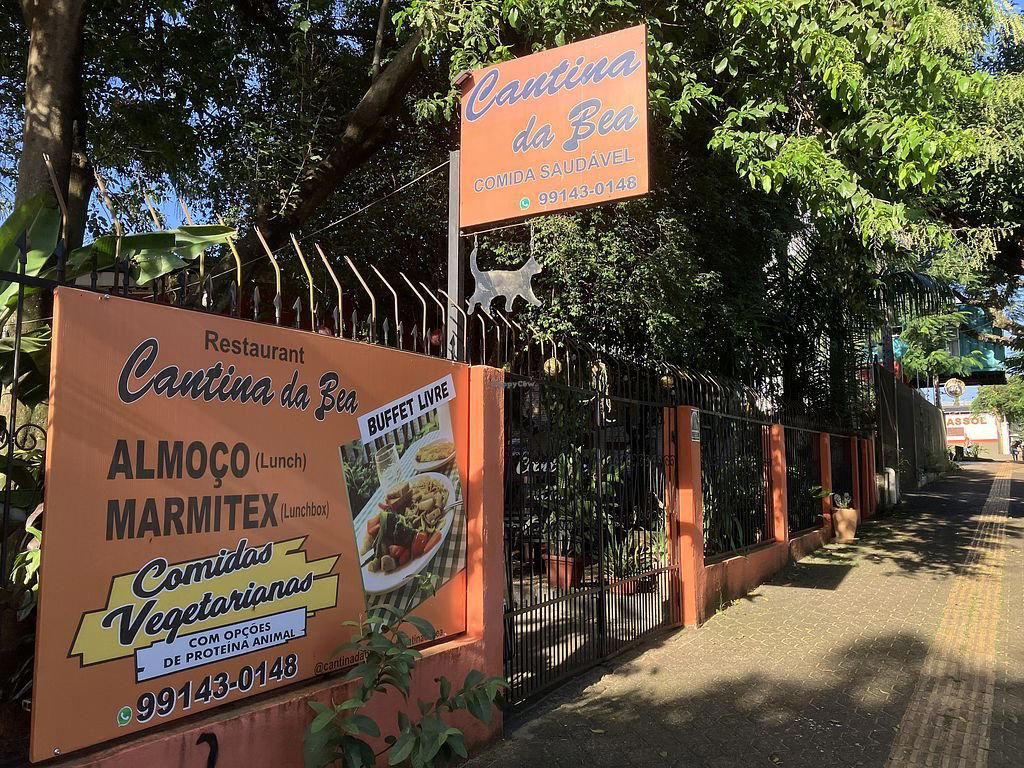
On Avenida das Cataratas, the main artery connecting Foz do Iguaçu's city centre to the national park, Cantina da Bea occupies a position that puts it squarely in the path of visitors and locals alike. The cantina format, long associated with Italian-Brazilian immigrant communities in Paraná, makes it a useful lens for understanding how southern Brazil feeds itself outside the churrascaria circuit.

Pearl is the En Primeur Club membership app — saves, bookings, and concierge access live there. Same editors, same standards.
- Address
- Av. das Cataratas, 577 - Vila Yolanda, Foz do Iguaçu - PR, 85853-000, Brazil
- Phone
- +5545991430148
- Hours
- Mon–Thu 11:30 AM–3 PMFri ClosedSat 11:30 AM–3 PMSun Closed
- Directions
- Get directions
The menu
What to order
- Vegetarian Feijoada
Where the Road to the Falls Meets the Cantina Tradition
Avenida das Cataratas is the spine of Foz do Iguaçu's visitor economy. Every bus, taxi, and rental car heading from the city toward Iguaçu National Park passes along it, and the restaurants that line this corridor occupy a peculiar position: they serve one of Brazil's most transient tourist populations while also functioning as neighbourhood anchors for the Vila Yolanda district that surrounds them. Cantina da Bea sits at number 577 on this avenue, which places it within the gravitational pull of the falls without being inside the park itself. That address, more than any single dish or décor choice, defines what the experience is likely to be.
The cantina format deserves some context. In Paraná and Rio Grande do Sul, Italian immigrant communities established cantinas as the workhorse dining institution of the interior: informal, filling, often family-run, and oriented around pasta, polenta, and slow-cooked proteins rather than the beef-forward identity of the churrascaria. In cities like Curitiba, that tradition has been refined and recontextualised at places like Manu, where regional ingredients are treated with contemporary precision. In Foz do Iguaçu, the cantina operates closer to its original register: a practical, hospitable format that doesn't ask much from the diner in terms of prior knowledge or advance planning.
Foz do Iguaçu's Dining Character and Where Cantina da Bea Fits
Foz do Iguaçu is not, by any conventional measure, a serious food city. Its dining scene is shaped primarily by the logistical reality of a destination visited for a natural wonder rather than a cultural one. The city receives a large volume of visitors who spend a day or two at the falls and move on, which means the restaurant market skews toward accessible, mid-range formats with broad appeal. Within that context, the cantina occupies a middle tier: above fast food and the cheaper lanchonetes that cluster near the bus terminal, but without the positioning or pricing of a steakhouse like Confins Steakhouse, which draws on the premium end of the local market.
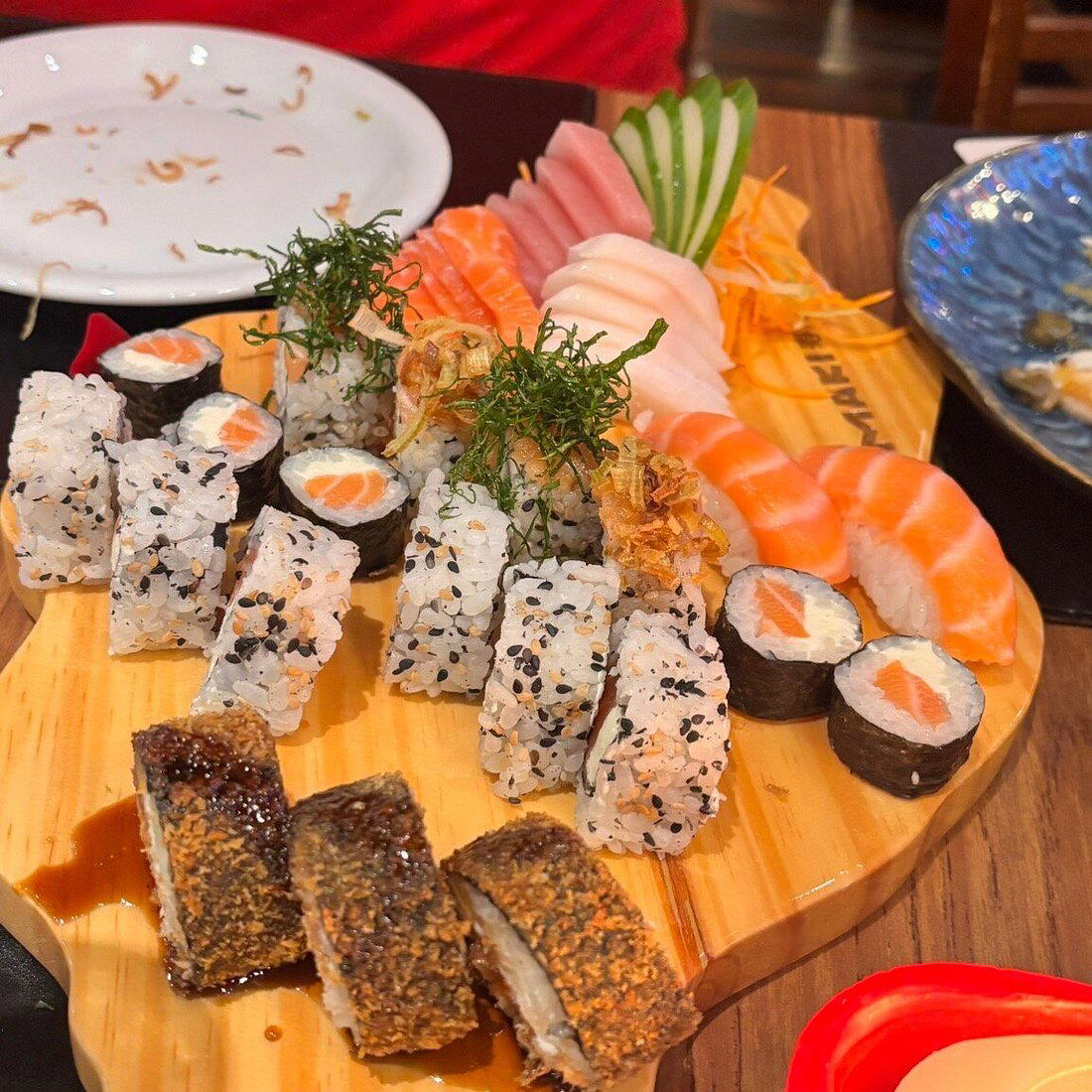
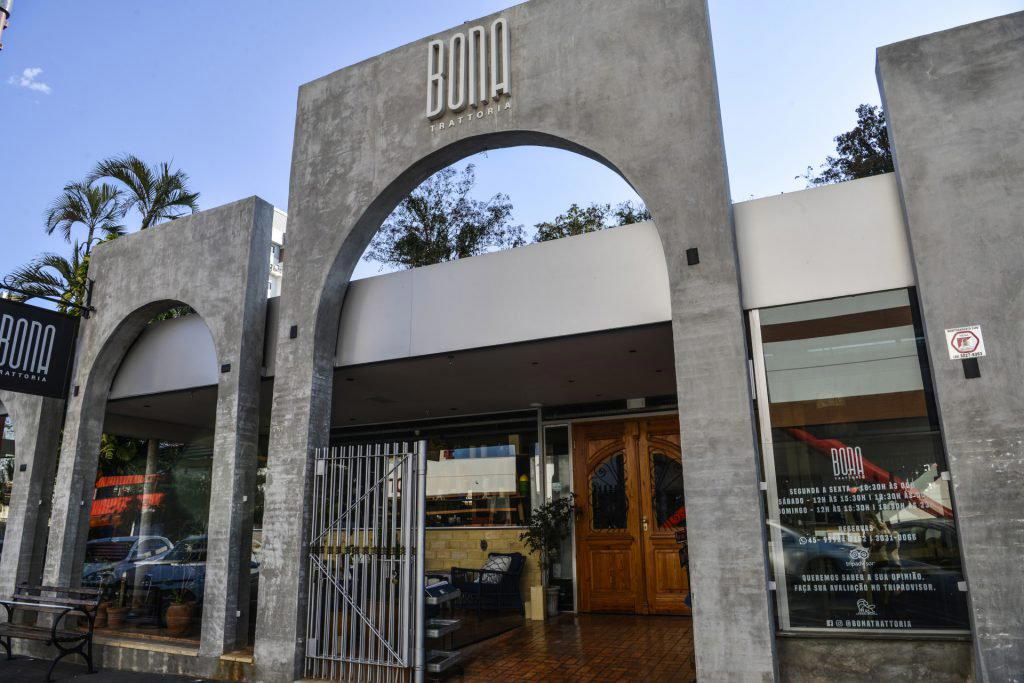
The city's Italian-inflected options include BONA - Gastronomia Italiana, which takes a somewhat more composed approach to the same culinary heritage. The contrast between the two illustrates a split that exists in Brazilian Italian dining more broadly: on one side, the cantina as a living folk institution; on the other, the trattoria or gastronomia that signals a degree of editorial intention in its menu. Neither is inherently superior to the other; they answer different questions about what a diner wants from an evening. For those arriving from a long day at the falls and looking for something restorative rather than exploratory, the cantina register is often the more honest answer. For sushi and Japanese-Brazilian options in Foz, C7 Sushi and Maki Sushi round out the city's main dining categories, while Burgerz covers the casual end of the spectrum.
The Avenida das Cataratas Location: Asset and Limitation
The address on Avenida das Cataratas functions simultaneously as a marketing advantage and a contextual constraint. On the asset side, it positions Cantina da Bea along the route that virtually every visitor to Foz do Iguaçu travels at least once, creating a steady flow of passing traffic. For a cantina-format restaurant, that visibility matters: the format depends on volume and accessibility rather than destination dining status. On the constraint side, the avenue is a functional road rather than a dining destination in its own right. Unlike São Paulo's Pinheiros neighbourhood or the historic centre of Gramado, where dining and atmosphere reinforce each other at the street level, Avenida das Cataratas is primarily a transit corridor. The restaurants along it compete more on convenience and familiarity than on neighbourhood character.
That said, the Vila Yolanda district has a residential density that the purely tourist-facing blocks near the park entrance lack, and a cantina at this address likely draws a meaningful proportion of its clientele from the local population rather than exclusively from visitors. That local component, where it exists, tends to be a stabilising force for a restaurant's quality and consistency, since repeat customers are harder to disappoint than one-time tourists.
Placing Foz do Iguaçu in Brazil's Broader Restaurant Conversation
Brazil's most discussed restaurants in the international press are concentrated in Rio de Janeiro and São Paulo. Oteque in Rio de Janeiro and D.O.M. in São Paulo represent the tier at which Brazilian cooking enters global critical conversation. Further afield, places like Birosca S2 in Belo Horizonte, Orixás in Itacaré, Mina in Campos do Jordão, and Primrose in Gramado indicate that serious cooking is dispersed across the country's regions. Foz do Iguaçu does not currently participate in that conversation, but that absence reflects the city's identity as a nature destination rather than a culinary one. The right comparison for Cantina da Bea is not Le Bernardin in New York City or Lazy Bear in San Francisco, but rather the practical, community-serving restaurants that sustain a city's daily life outside the headline venues. Seen in that frame, the cantina format carries genuine value, even if it does not carry critical prestige.
For visitors building a broader picture of the Brazilian South's dining scene, the Paraná state context is relevant. Olivetto in Campinas and Castelo Saint Andrews in Gramado point to how Italian-Brazilian culinary heritage has been formalised in other southern cities. State of Espírito Santo in Rio Bananal offers yet another regional thread. Cantina da Bea operates in the same broad tradition but without the tourist-destination polish of the Gramado or Campos do Jordão equivalents. That informality is, depending on what you are looking for, either its limitation or its point.
Planning Your Visit
Cantina da Bea is located at Av. das Cataratas, 577, in the Vila Yolanda neighbourhood of Foz do Iguaçu, making it direct to combine with a visit to the national park since the avenue connects directly to the park entrance. No website or advance booking data is currently available in public records, which suggests the format is walk-in oriented rather than reservation-dependent. For a broader overview of where Cantina da Bea sits relative to the city's other options, see our full Foz do Iguaçu restaurants guide.
Frequently asked questions
Is Cantina da Bea good for families?
The cantina format, common across southern Brazil, typically accommodates groups and mixed-age parties without fuss. Cantina da Bea's position on Avenida das Cataratas, the main artery used by families travelling to Iguaçu National Park, suggests it sees a steady flow of visitors at various stages of a day trip. Confirm current seating capacity and children's options directly with the venue before arriving.
Is Cantina da Bea better for a quiet night or a lively one?
Avenida das Cataratas drives a visitor economy rather than a neighbourhood one, which tends to shape the rhythm of restaurants along it: busier during the day and early evening when park traffic peaks, quieter once that flow subsides. A cantina setting in this context usually skews convivial rather than hushed. For precise atmosphere expectations on a specific evening, checking ahead with the venue is the practical route.
Is Cantina da Bea a practical dining stop when visiting Iguaçu Falls?
Cantina da Bea sits at Av. das Cataratas, 577, in Vila Yolanda, placing it directly on the road that connects Foz do Iguaçu city to the entrance of Iguaçu National Park. That geography makes it a logical stop before or after the falls, without requiring a detour into the city centre. In a destination where most restaurants orient around the tourist corridor rather than a local dining culture, proximity to the route is a tangible practical advantage.
What should I eat at Cantina da Bea?
The cantina tradition in southern Brazil, particularly in Paraná, draws on Italian immigrant cooking: pasta, grilled meats, and approachable house wines are standard reference points for the format. Ask the kitchen what is prepared in-house that day, as cantinas in this tradition often rotate based on fresh supply.
A Minimal comparable set
Comparable venues nearby, for context on price, style, and recognition.
| Venue | Cuisine | Price | Notes |
|---|---|---|---|
| Cantina da BeaThis venue — the venue you are viewing | Healthy Brazilian Buffet | Not listed | Not listed |
| Restaurante Oriental FOZ | Chinese with Korean Influences | $10–20 | Centro, Chinese with Korean Influences |
| Santo Guacamole | Mexican | Not listed | Vila Yolanda, Mexican |
| Pastificio Pasta Mia | Authentic Italian Pasta | Not listed | Vila Maracana, Authentic Italian Pasta |
| Mamute Burgers | Artisanal Burgers | $10–20 | Vila A, Artisanal Burgers |
| C7 Sushi | Contemporary Japanese Sushi | $30–50 | Vila A, Contemporary Japanese Sushi |
Continue exploring
More in Foz Do Iguacu
Restaurants in Foz Do Iguacu
Browse all →
Bars in Foz Do Iguacu
Browse all →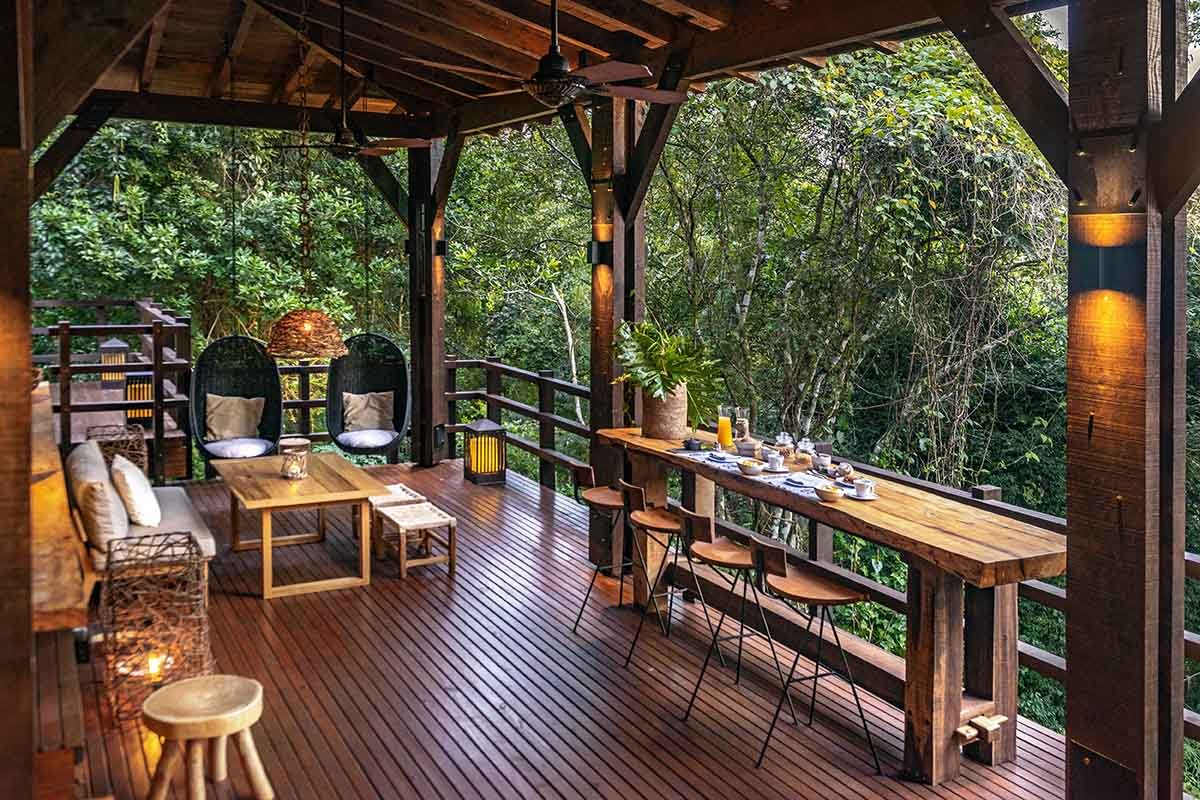
Details
- Cozy
- Rustic
- Casual Hangout
- Family
- Garden
- Organic
- Local Sourcing
- Garden
- Buffet
- Family Style
- Vegetarian Friendly
Current opening hours
- Monday
- 11:30 AM–3 PM
- Tuesday
- 11:30 AM–3 PM
- Wednesday
- 11:30 AM–3 PM
- Thursday
- 11:30 AM–3 PM
- Friday
- Closed
- Saturday
- 11:30 AM–3 PM
- Sunday
- Closed
Hours can change for holidays and private events. Last verified .
Cozy and calming atmosphere full of plants, cosy decoration, warm welcoming service, and a family-like feel.